Cambodia; A Country That Stays With You
I arrived in Cambodia in 2024 as part of a university fellowship focused on sustainability, community development, and social justice across international contexts. Over a little more than two weeks, I traveled through three cities that could not have felt more different from one another, Siem Reap, Phnom Penh, and Kampong Thom, each one revealing a different layer of what Cambodia actually is.
What I remember most clearly from the moment we landed in Siem Reap is the green. The grass was extraordinarily green, a shade I was not expecting, and it was the first thing I noticed when we landed. Cambodia is a country of intense beauty, in its landscapes, its temples, its light, and the way its history is present everywhere you look, in the stones, in the faces, in the rivers. It is also a country that carries centuries of ancient civilization, a devastating recent past, and the ongoing challenges of a nation still finding its footing. All of that coexists, and you feel it from the moment you arrive.
We spent time in Siem Reap, which is where the ancient temple complex of Angkor Wat is located, one of the most spiritually charged places I have ever visited. We stayed for a couple of days in Phnom Penh, the capital, which has a completely different energy, more urban and developed, with a history that is impossible to ignore. And we stayed briefly in Kampong Thom, a remote and predominantly rural province in central Cambodia, quiet and largely off the tourist map, where life looks and feels completely different from the rest of the country.
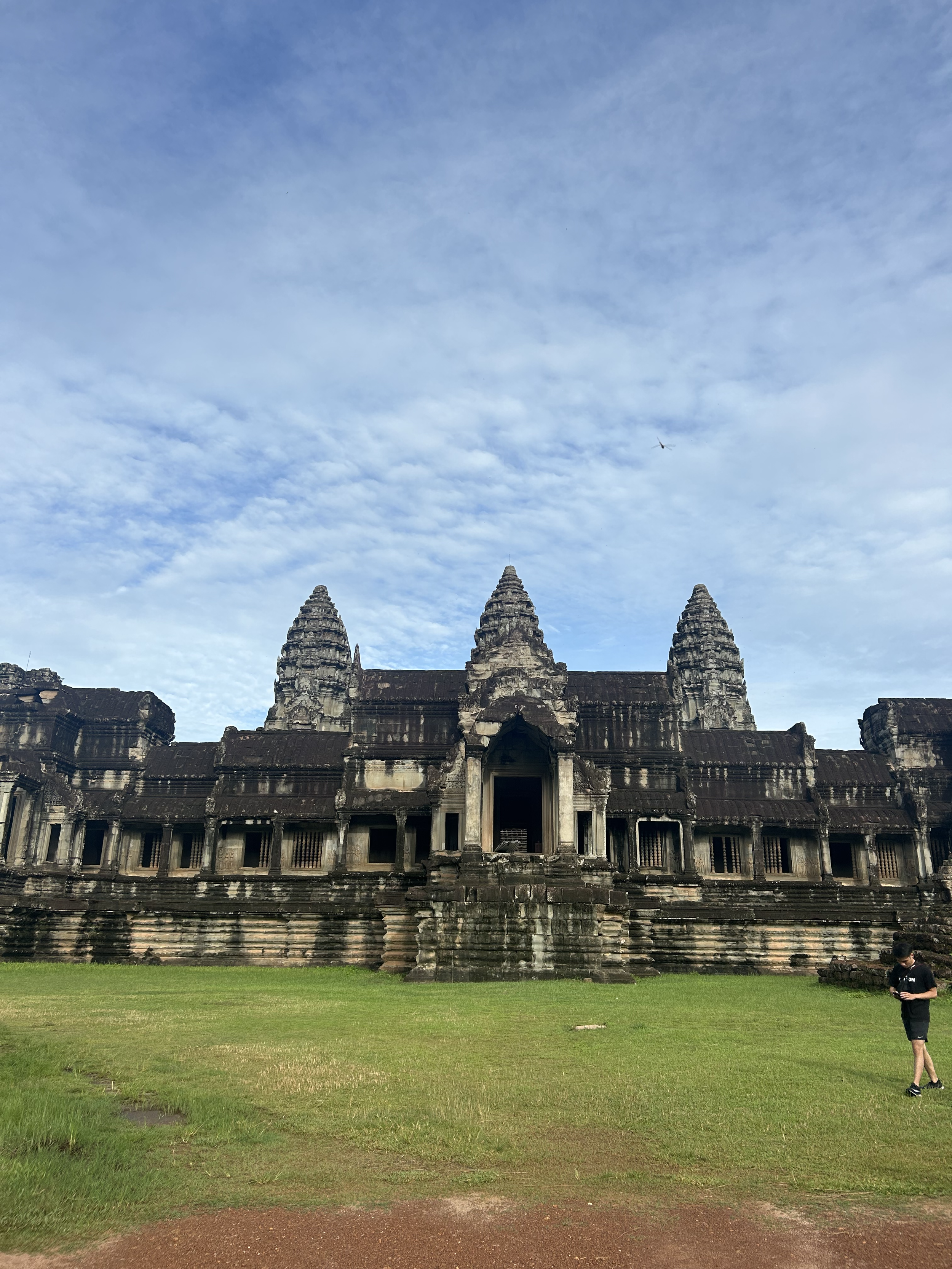
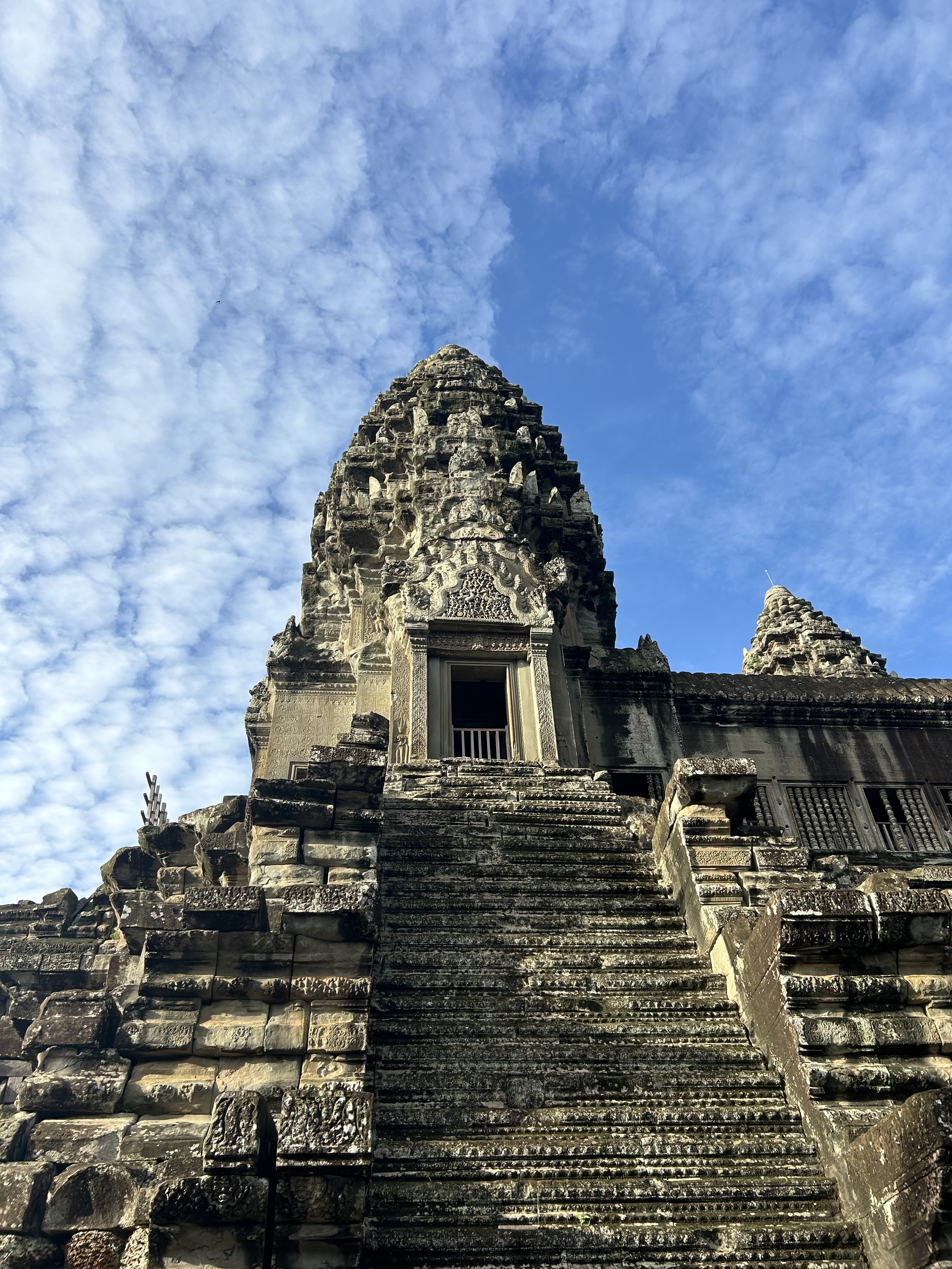
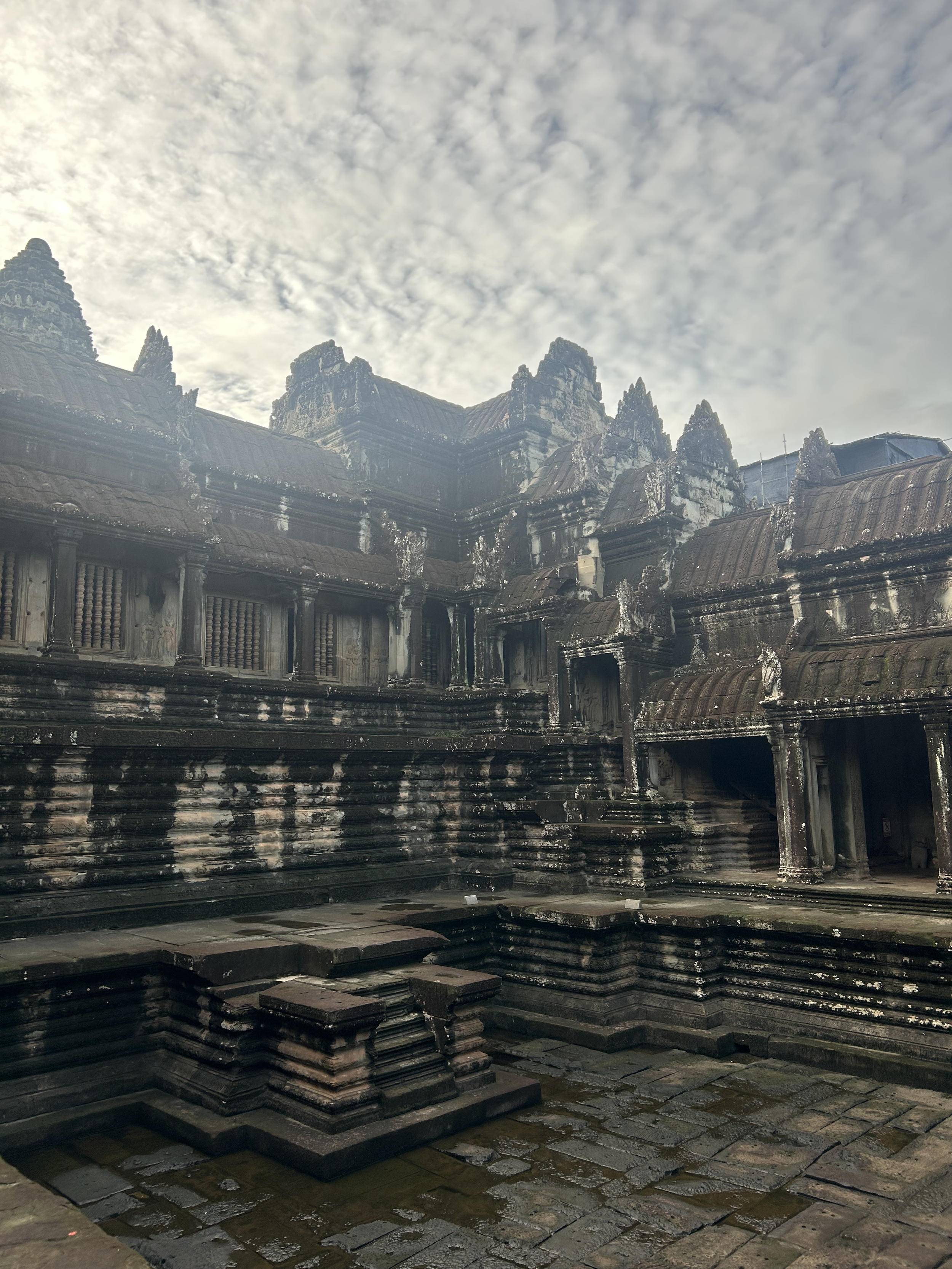
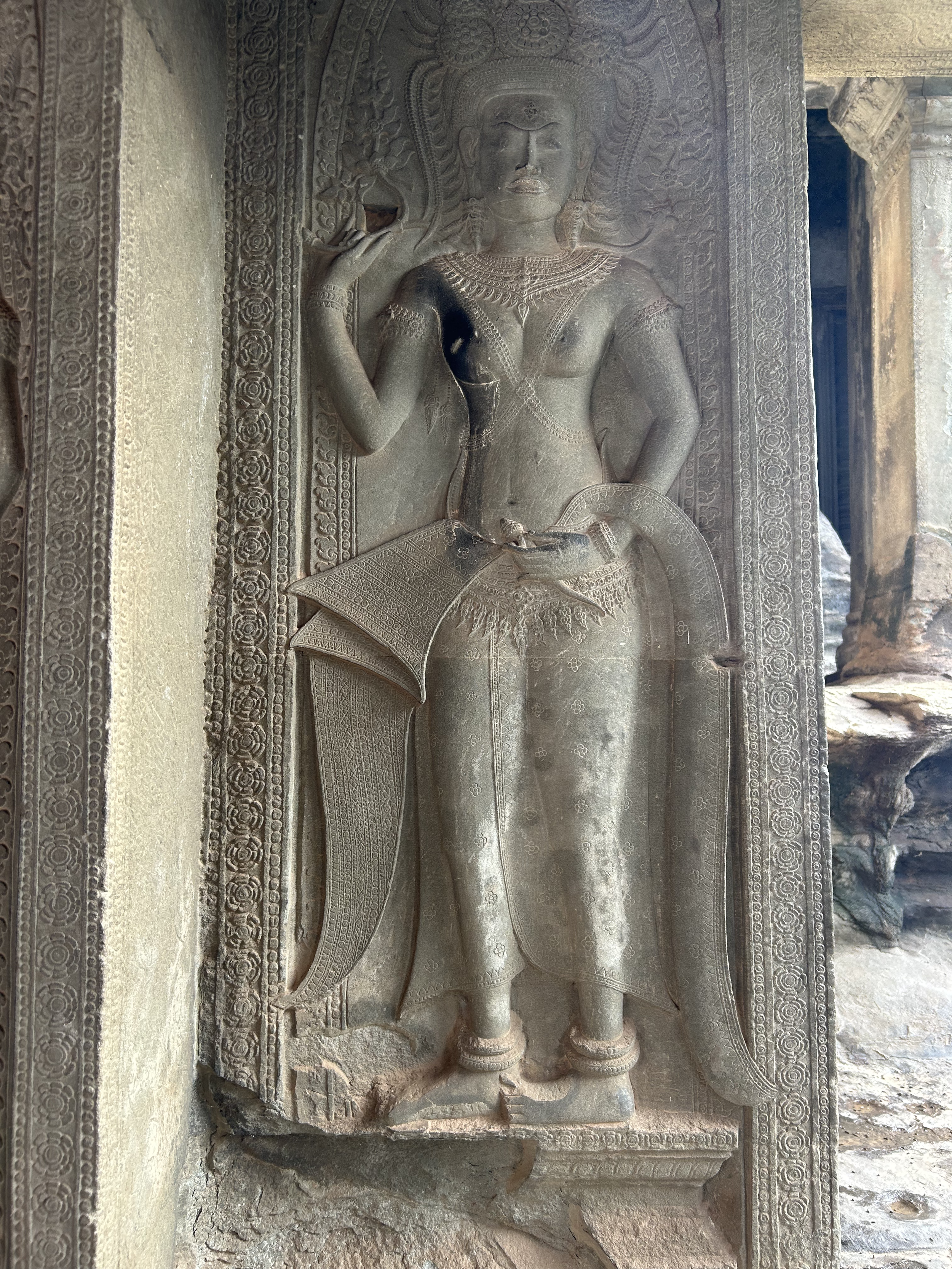
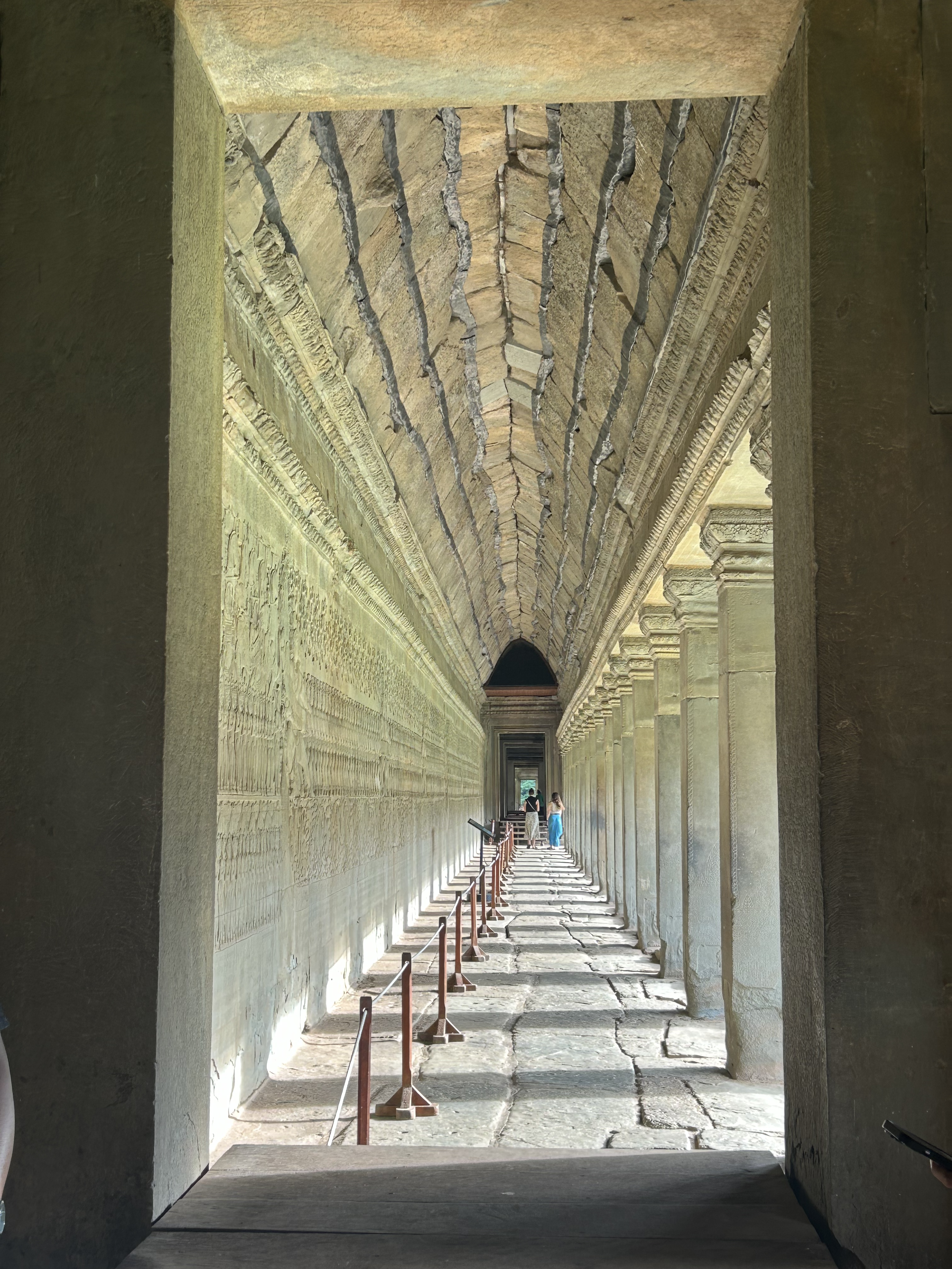
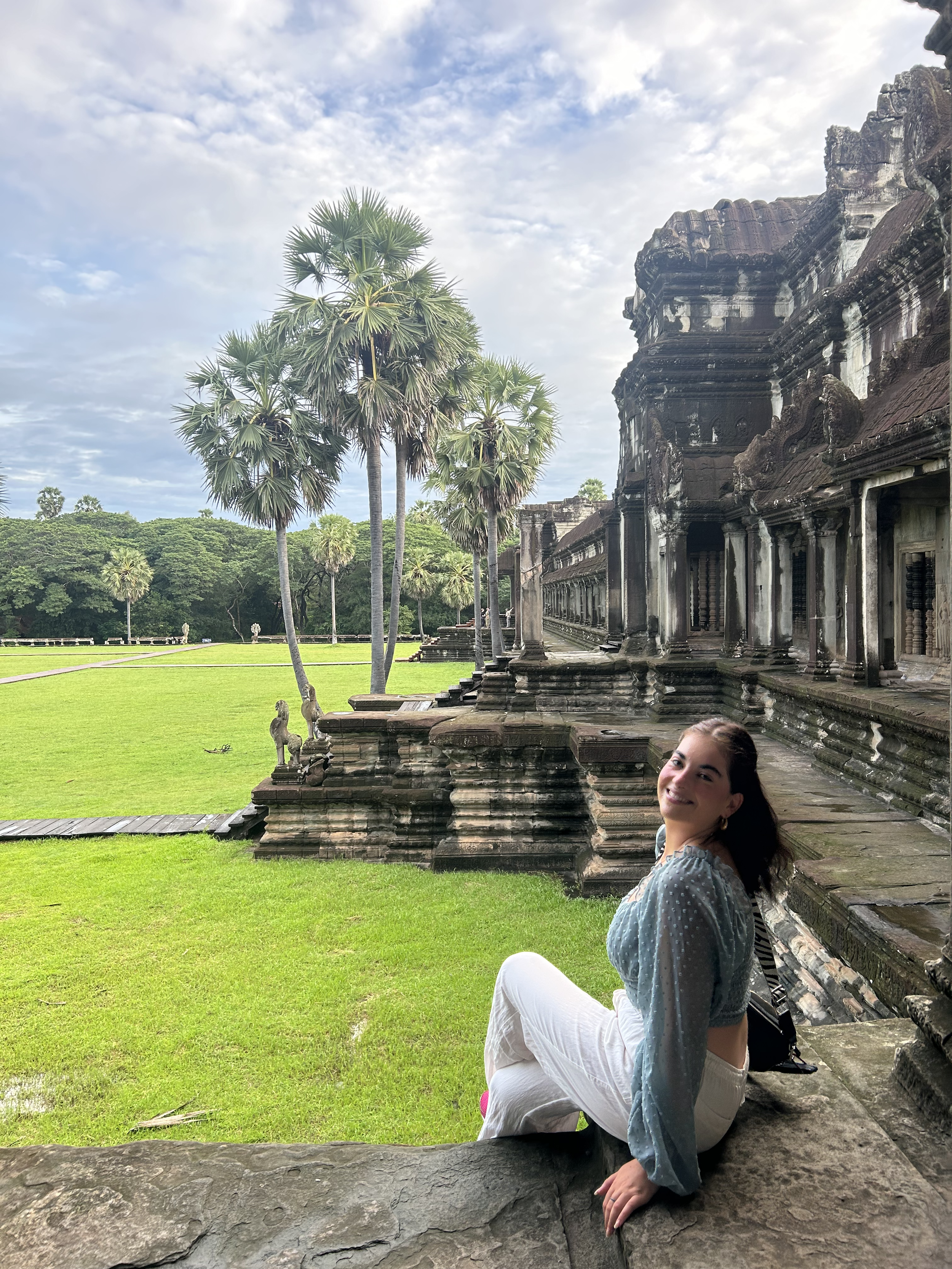
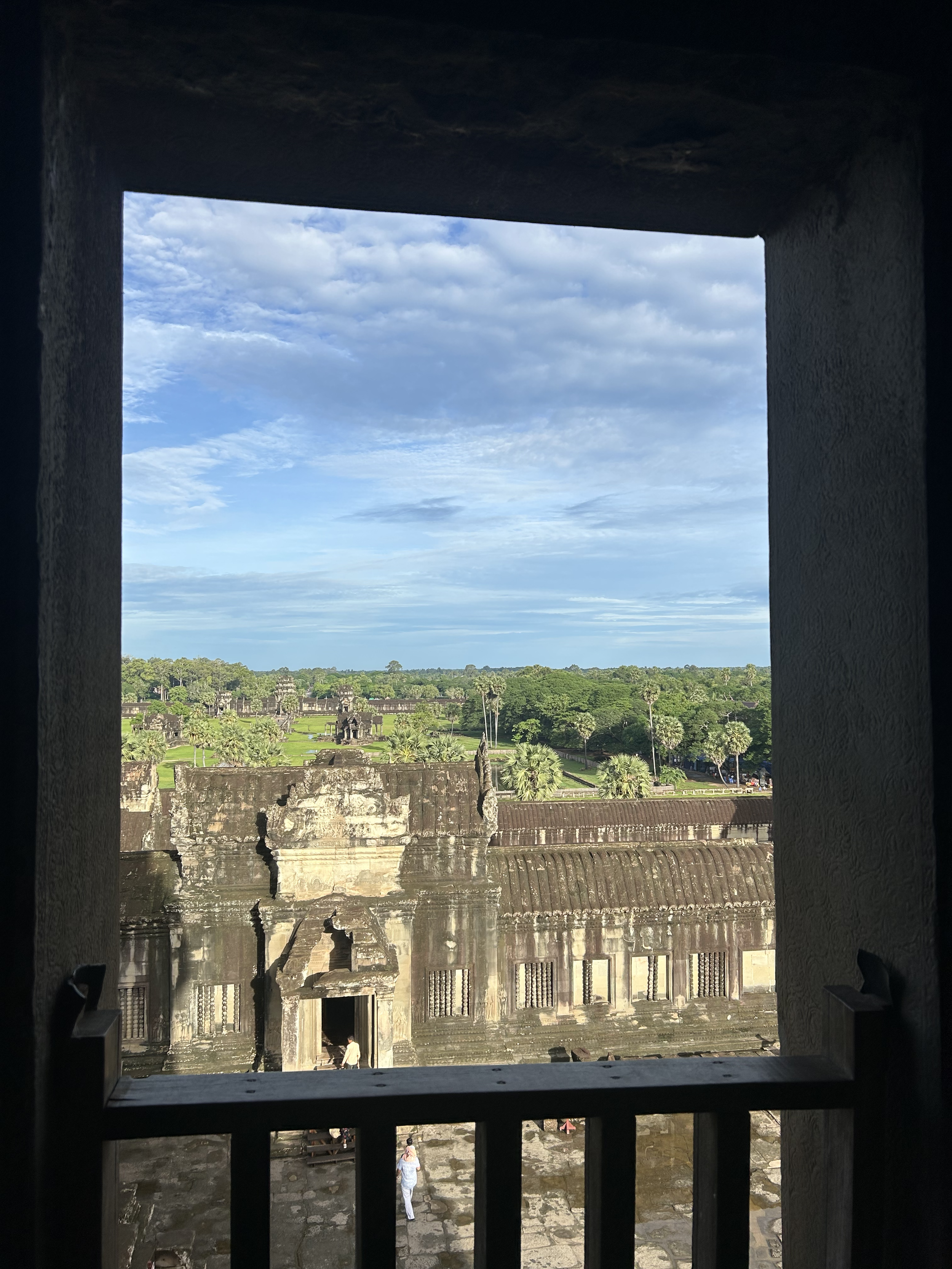
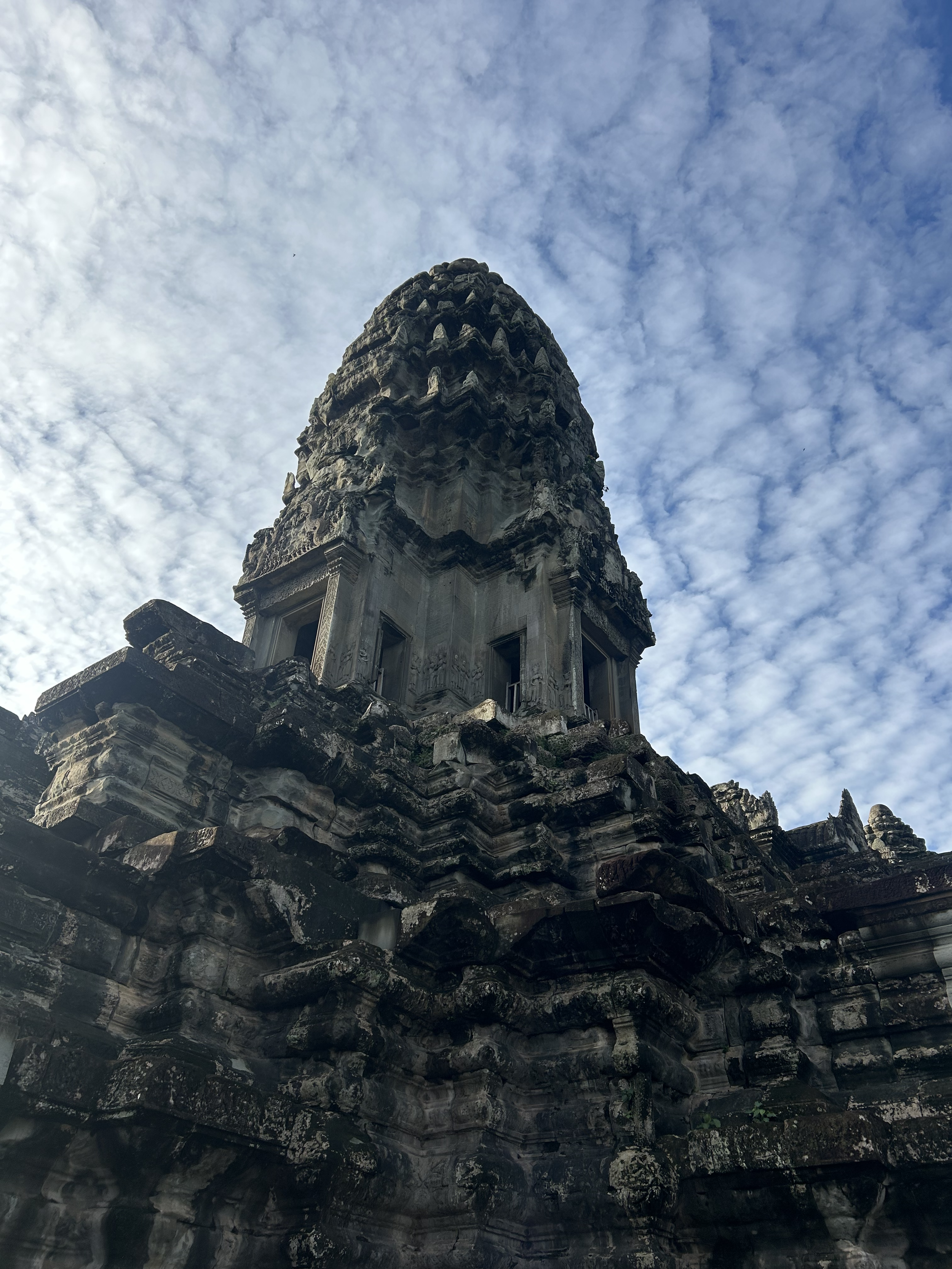
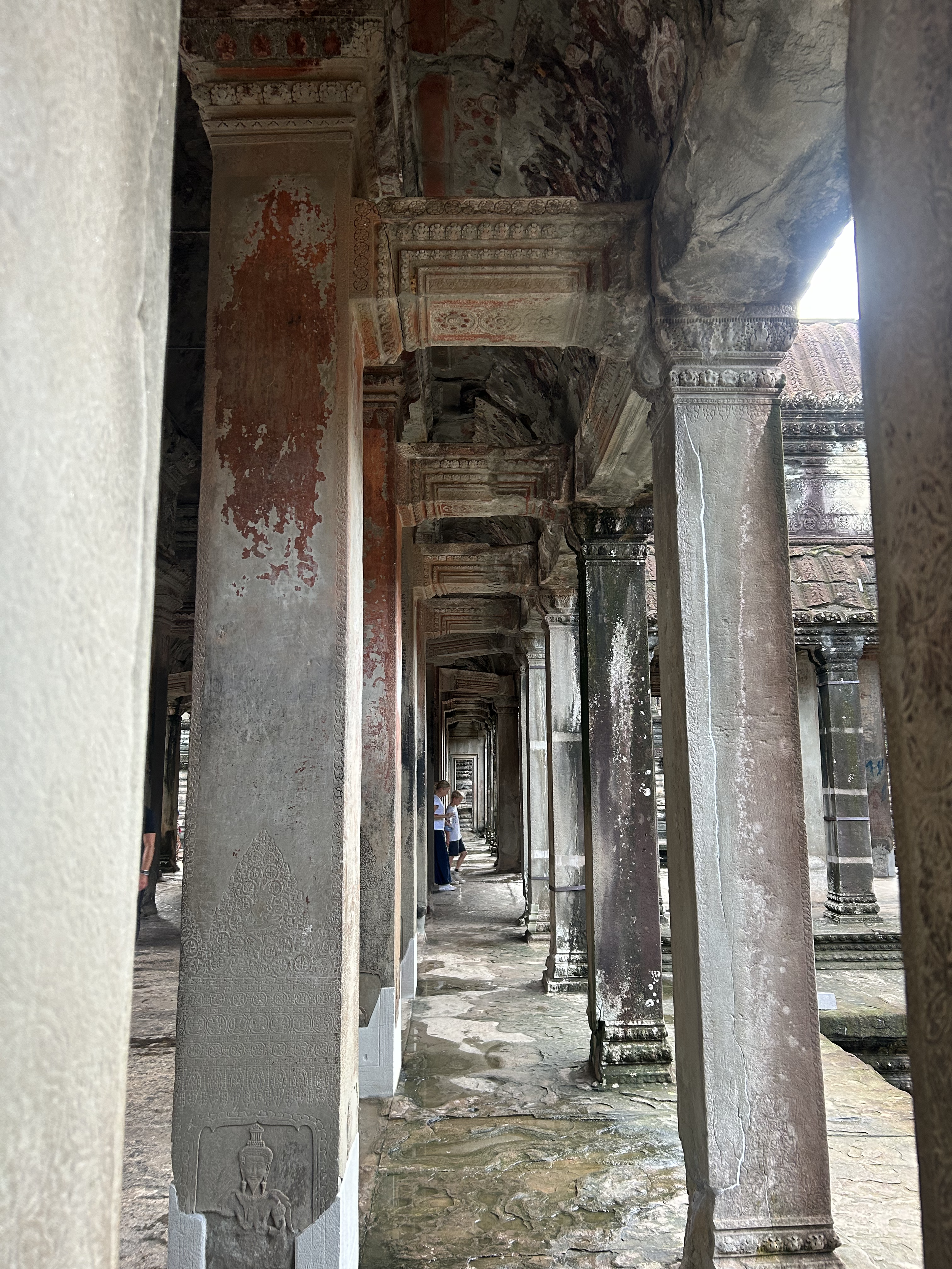
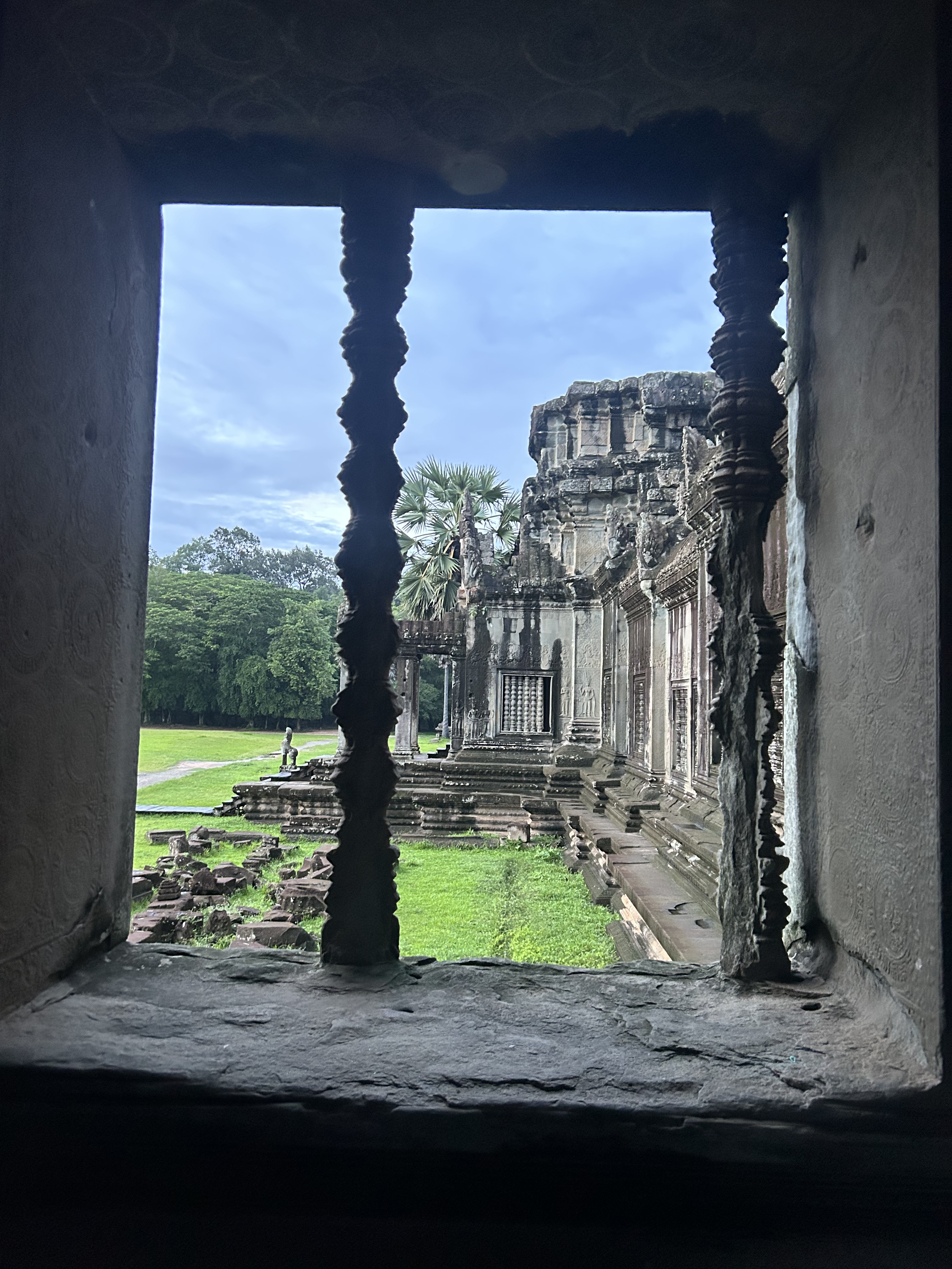
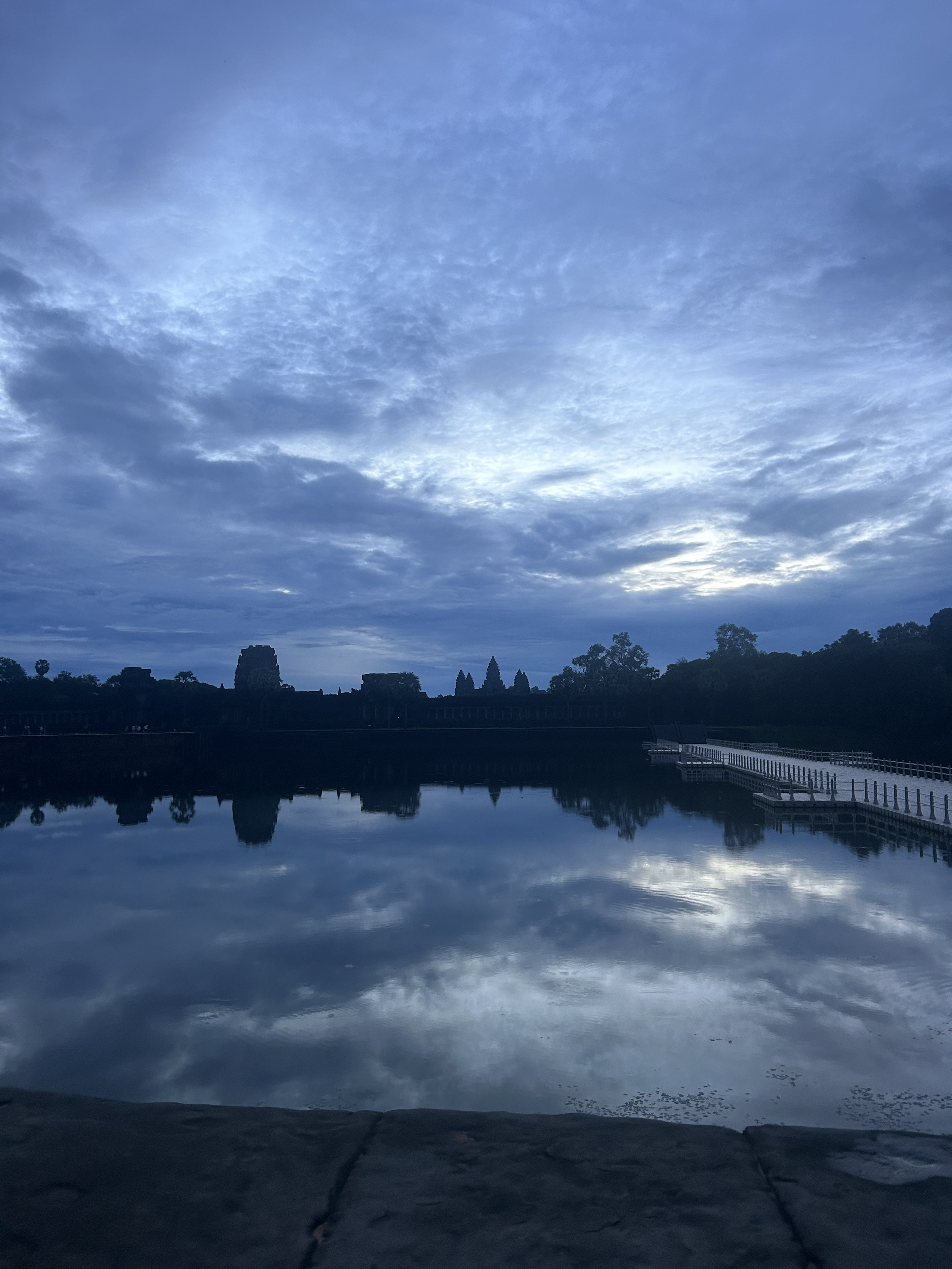
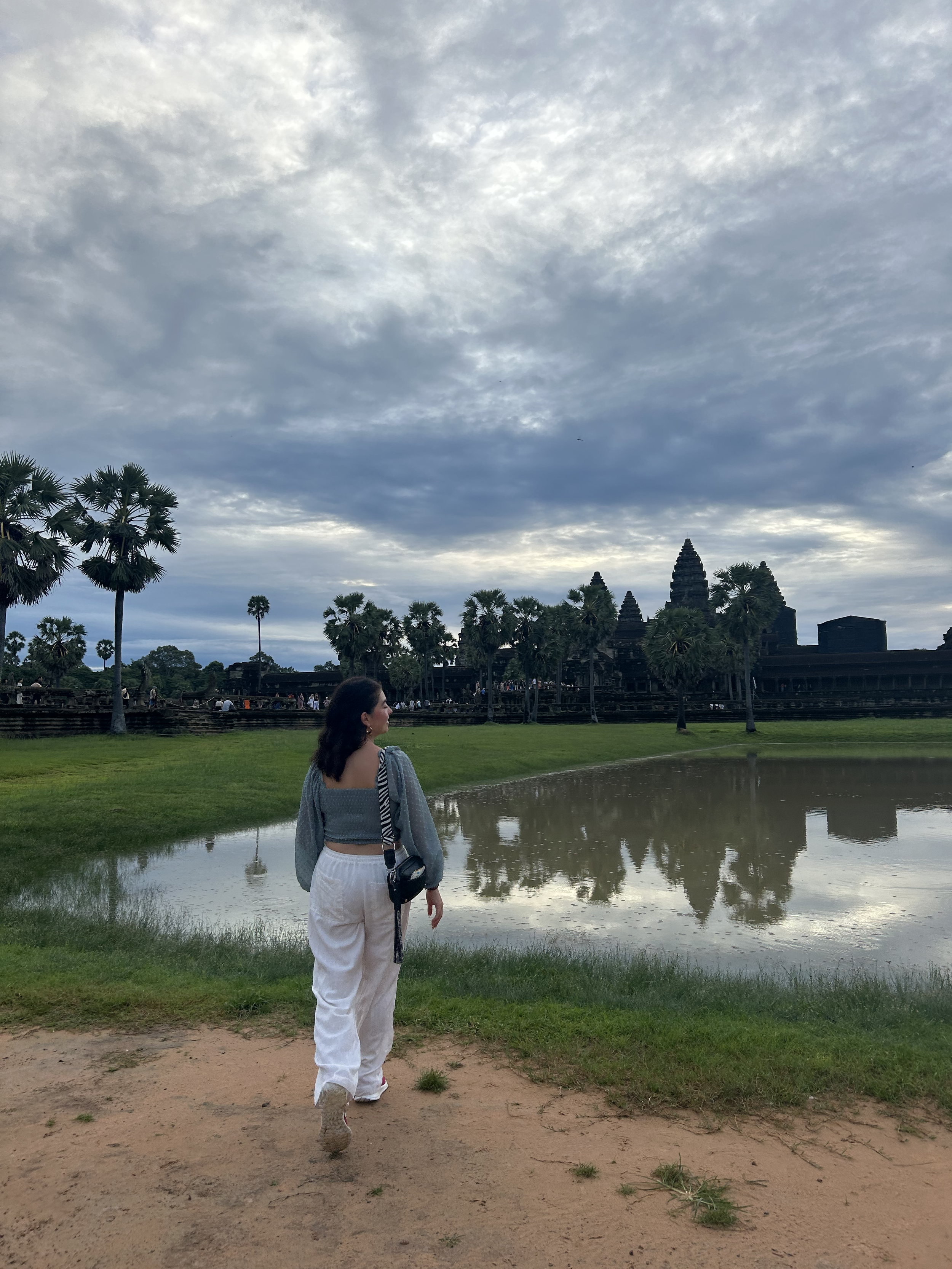
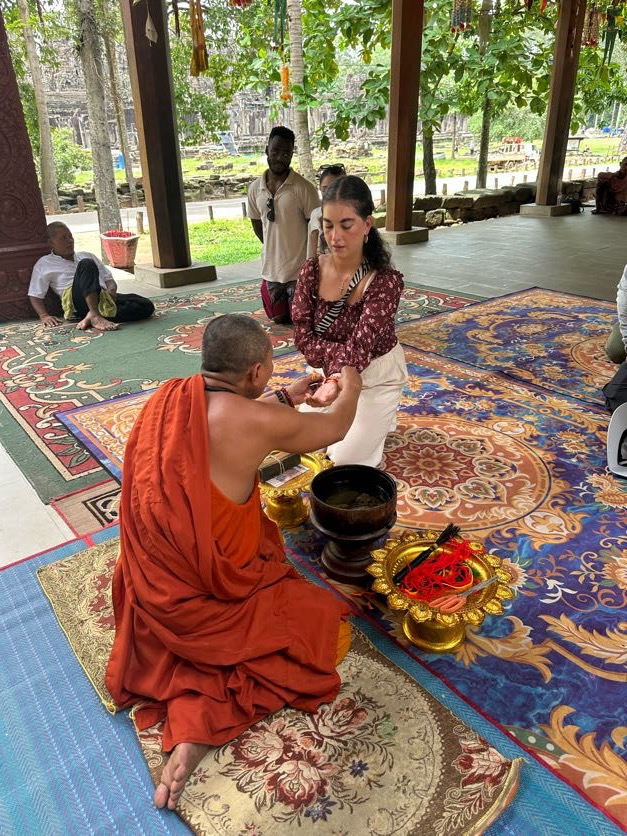
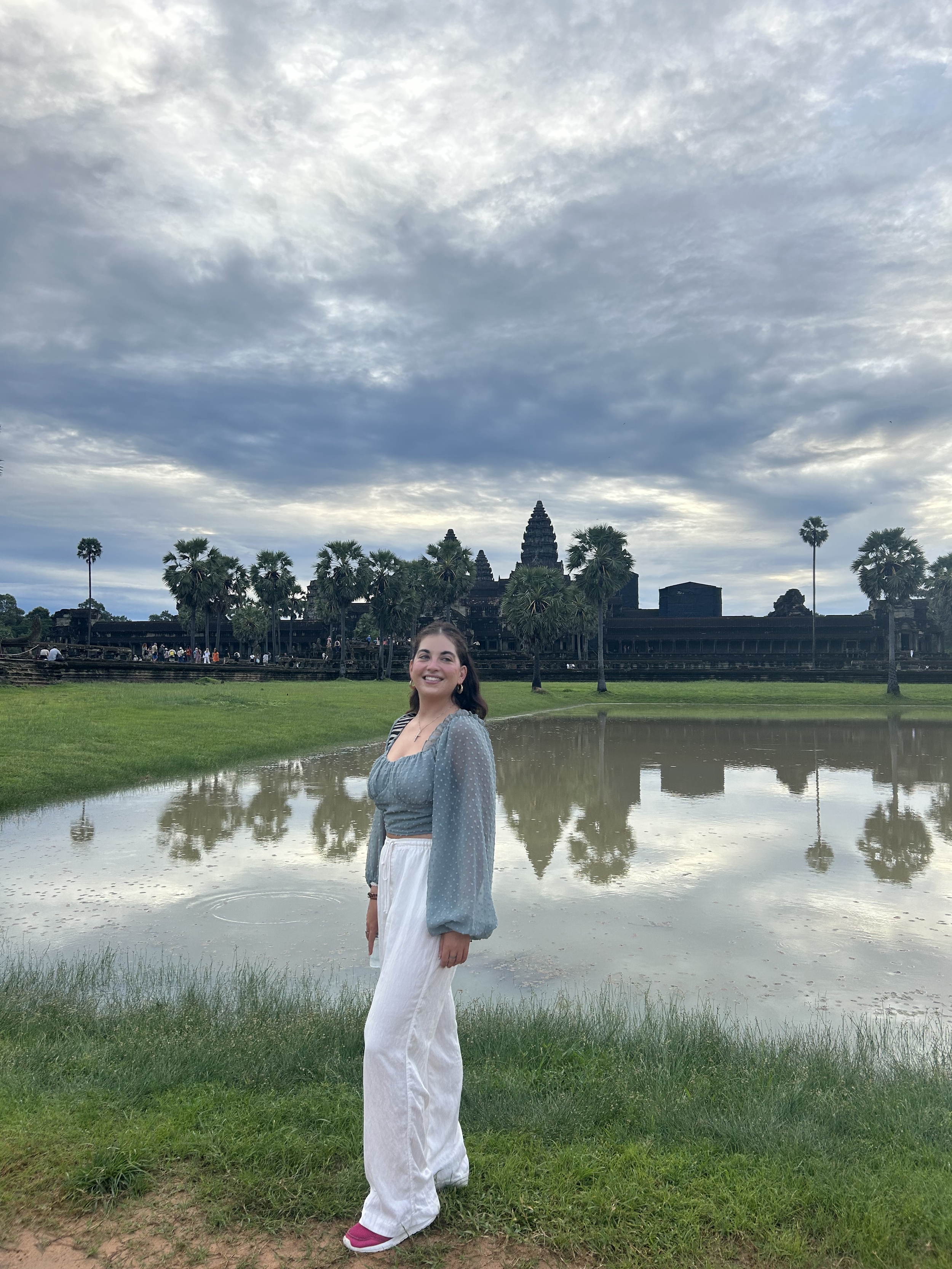
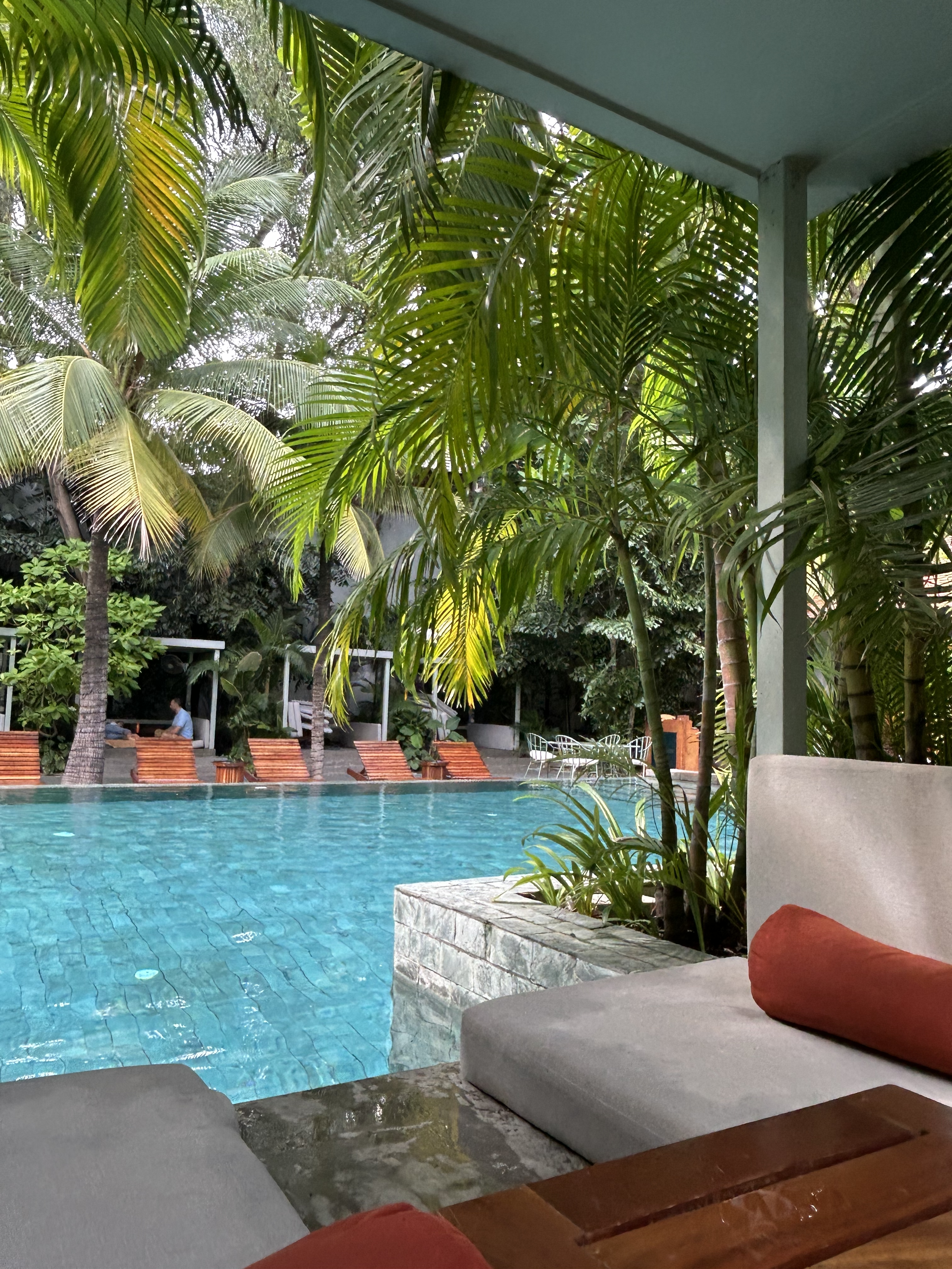
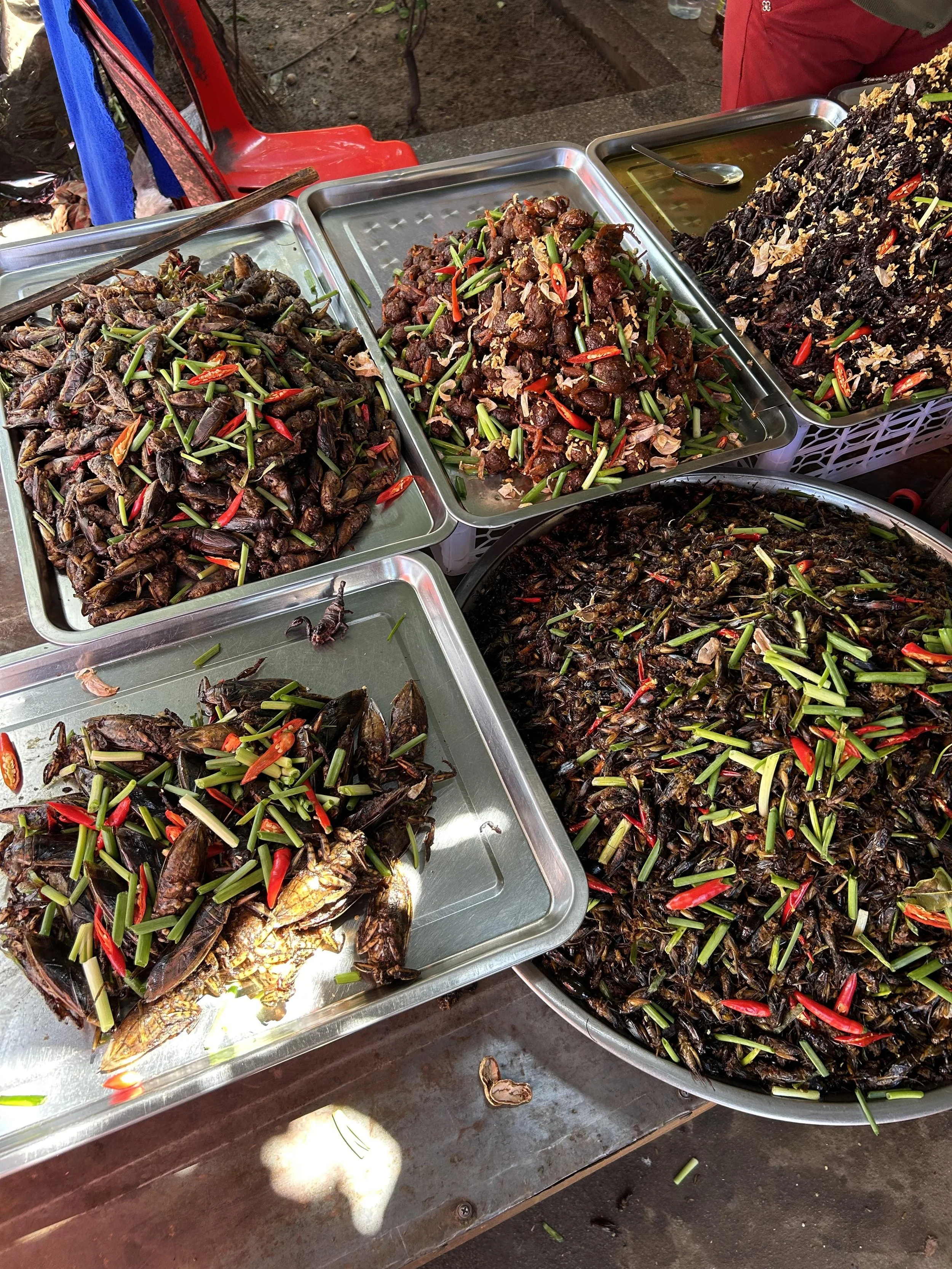
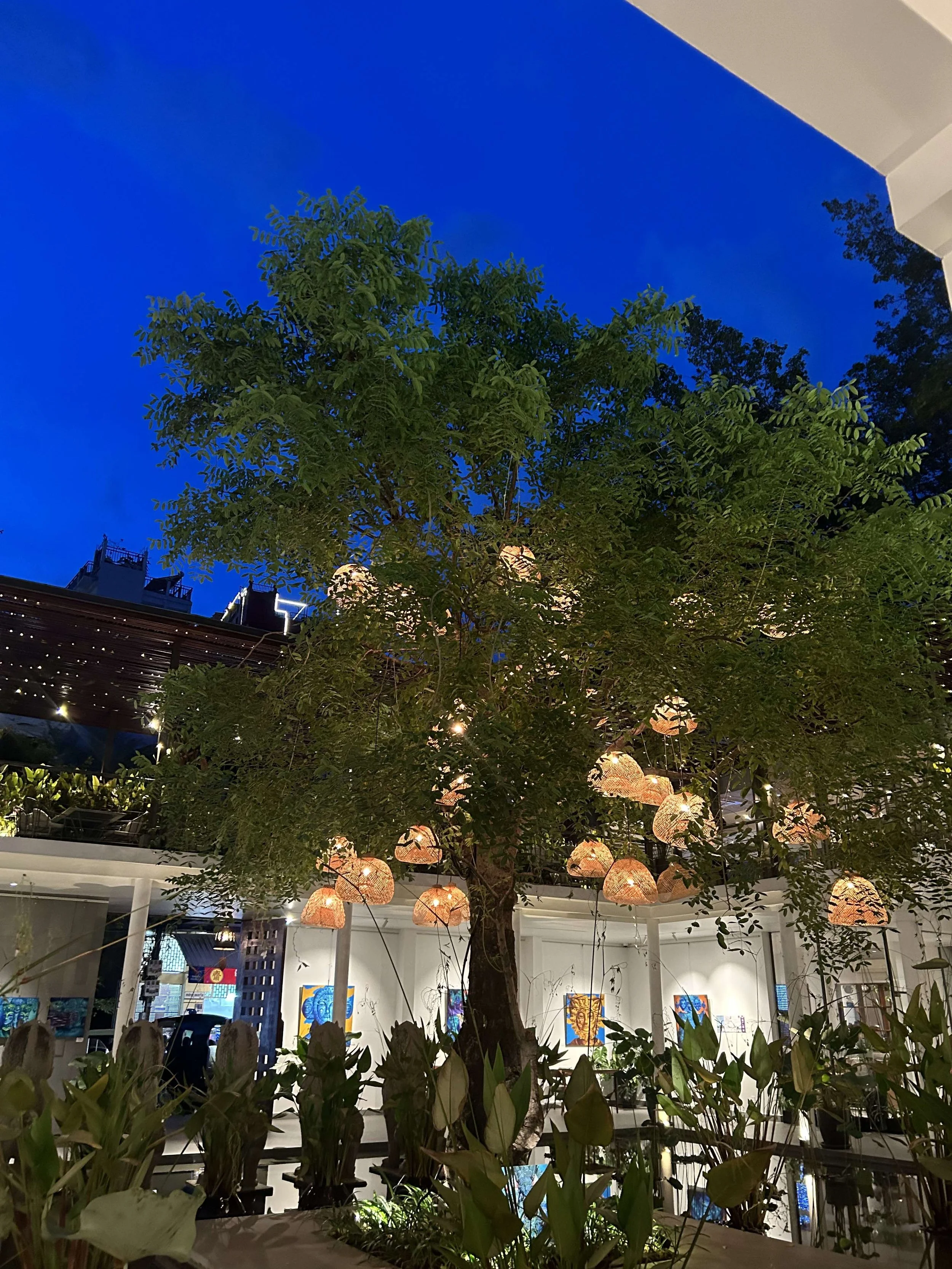
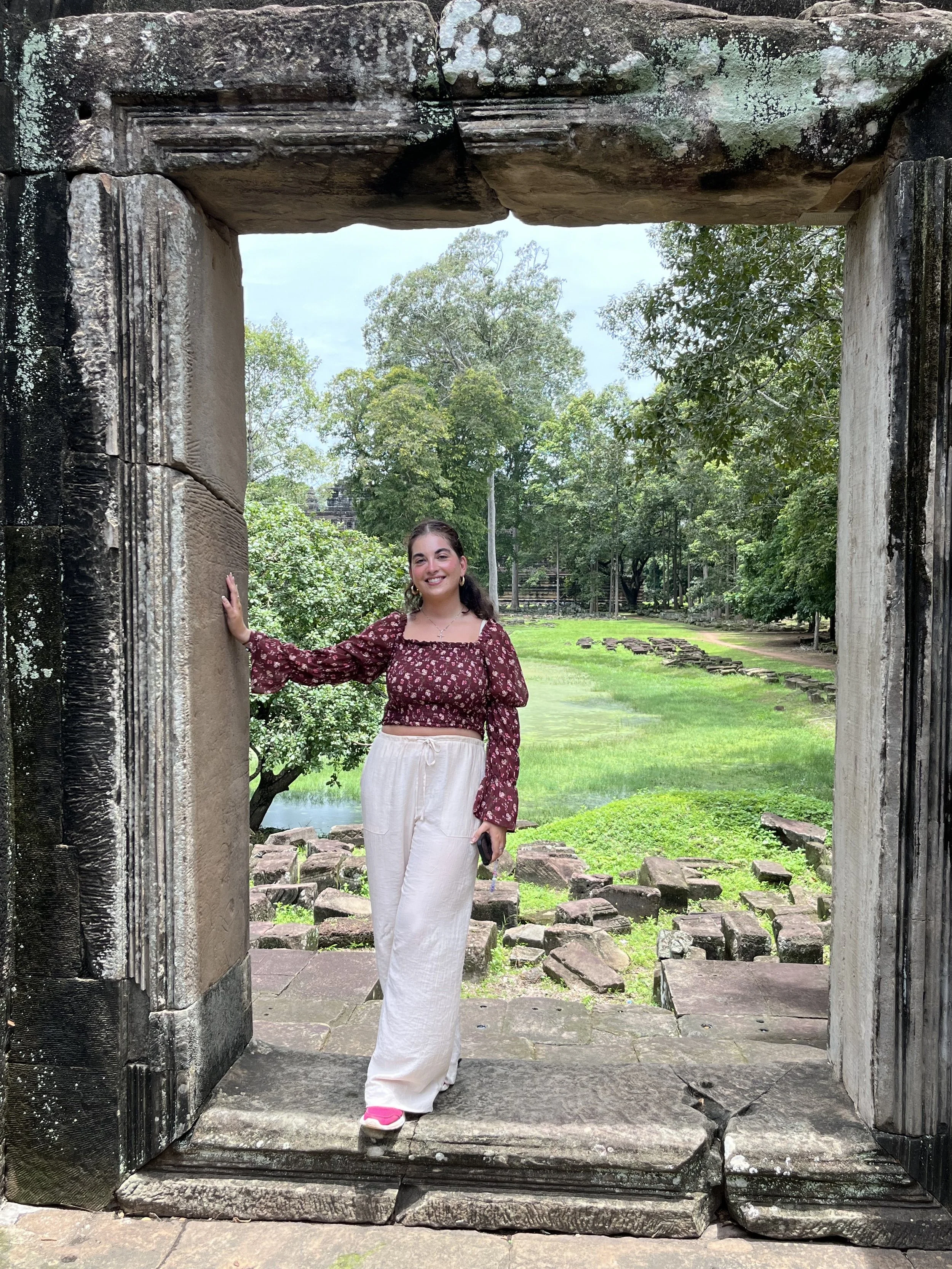
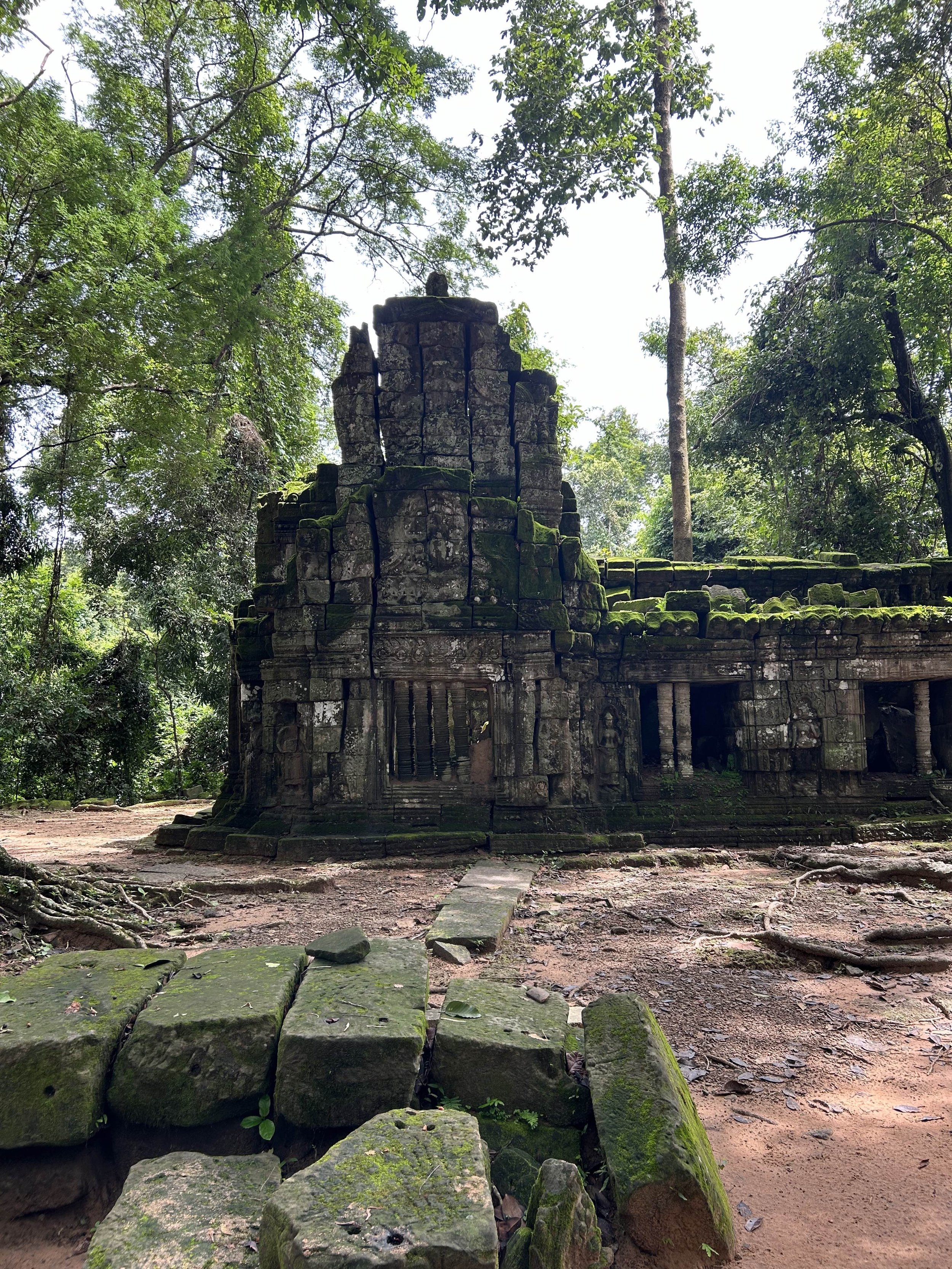
Siem Reap was where the trip began and where many of the strongest memories were made. We arrived at Angkor Wat before sunrise with a guide who had spent years studying the temple and its history, and the context he shared completely changed how I experienced the site. Built in the 12th century under Khmer King Suryavarman II, Angkor Wat was originally dedicated to the Hindu god Vishnu and designed to represent the cosmos, with the central towers symbolizing Mount Meru and the surrounding moat representing the cosmic ocean.
What stayed with me most was not only the scale of the temple itself, but the atmosphere early in the morning before the crowds arrived. The humidity, the silence, the sounds of nature around the complex, and the age of the site created a completely different experience from simply seeing photographs of it. It is one of those places that naturally slows you down because of the amount of history and detail surrounding you.
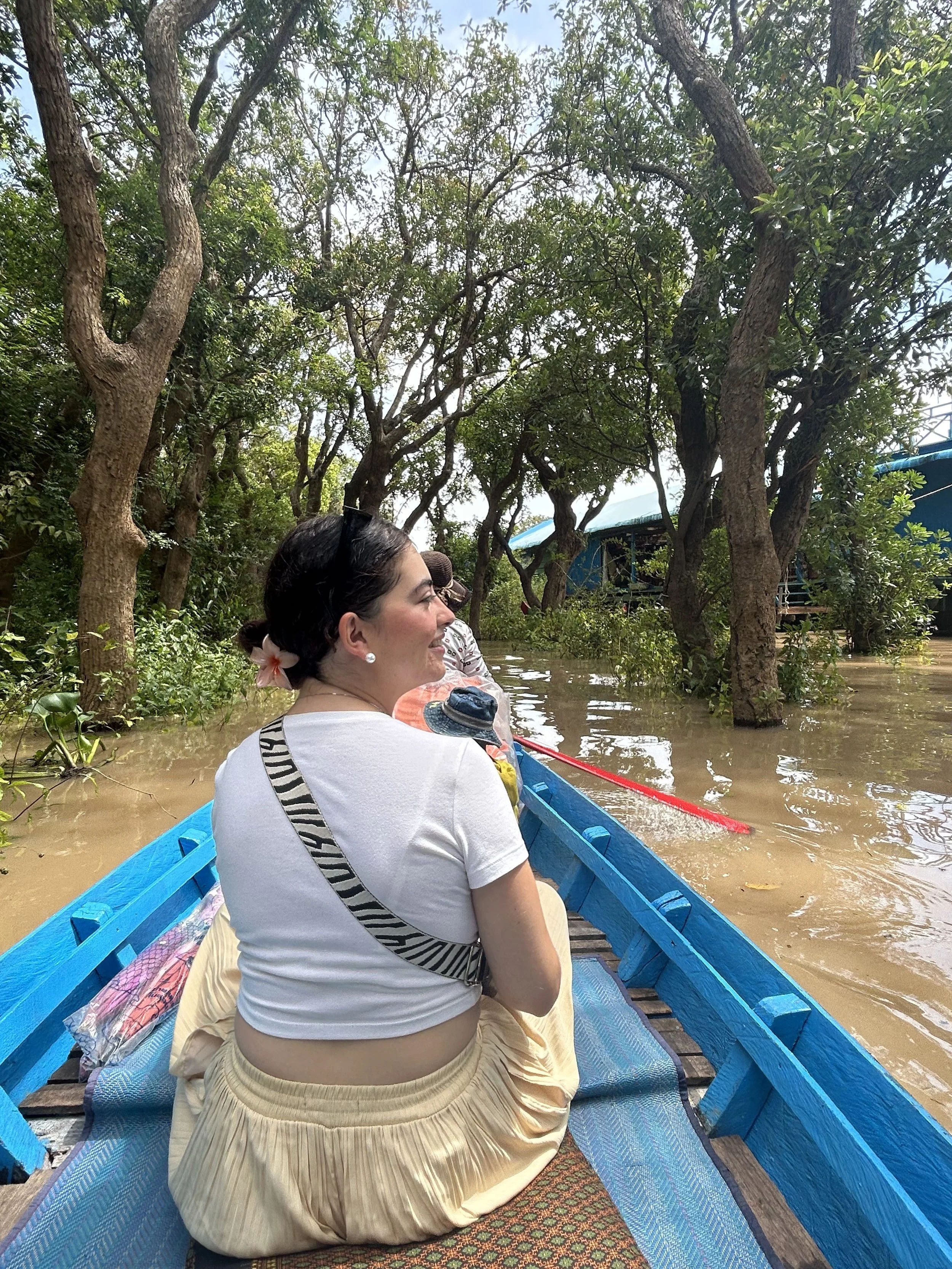
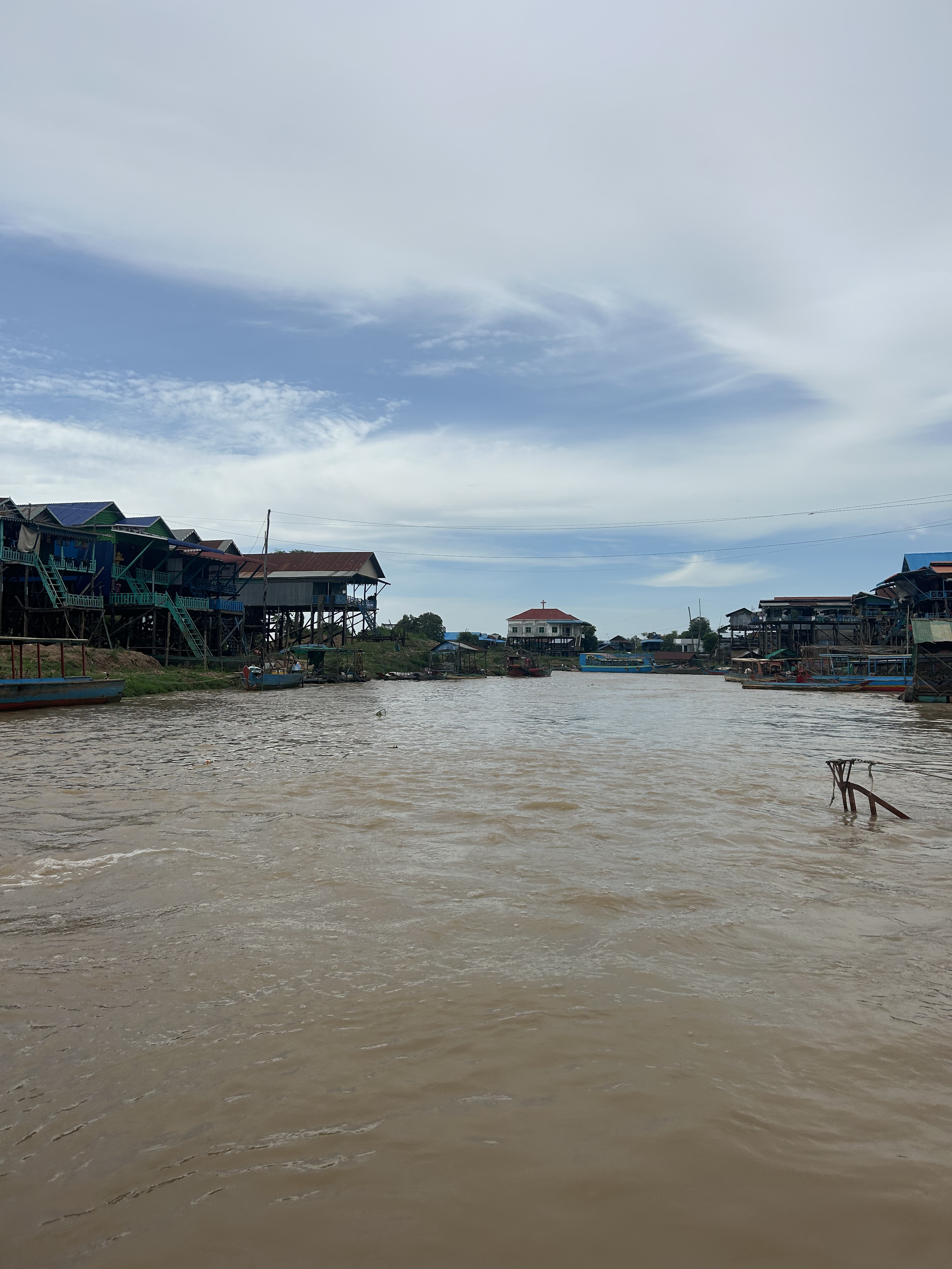
We also visited Tonlé Sap Lake, one of the largest freshwater lakes in Southeast Asia and historically one of the most productive inland fisheries in the world. Millions of people in Cambodia depend on it directly or indirectly, particularly through fishing and agriculture. Before visiting, I did not fully understand how environmentally fragile the lake has become due to pollution, overfishing, deforestation, and major changes happening along the Mekong River. Learning more about its environmental importance while seeing the conditions in person added another layer to the trip beyond tourism or sightseeing.
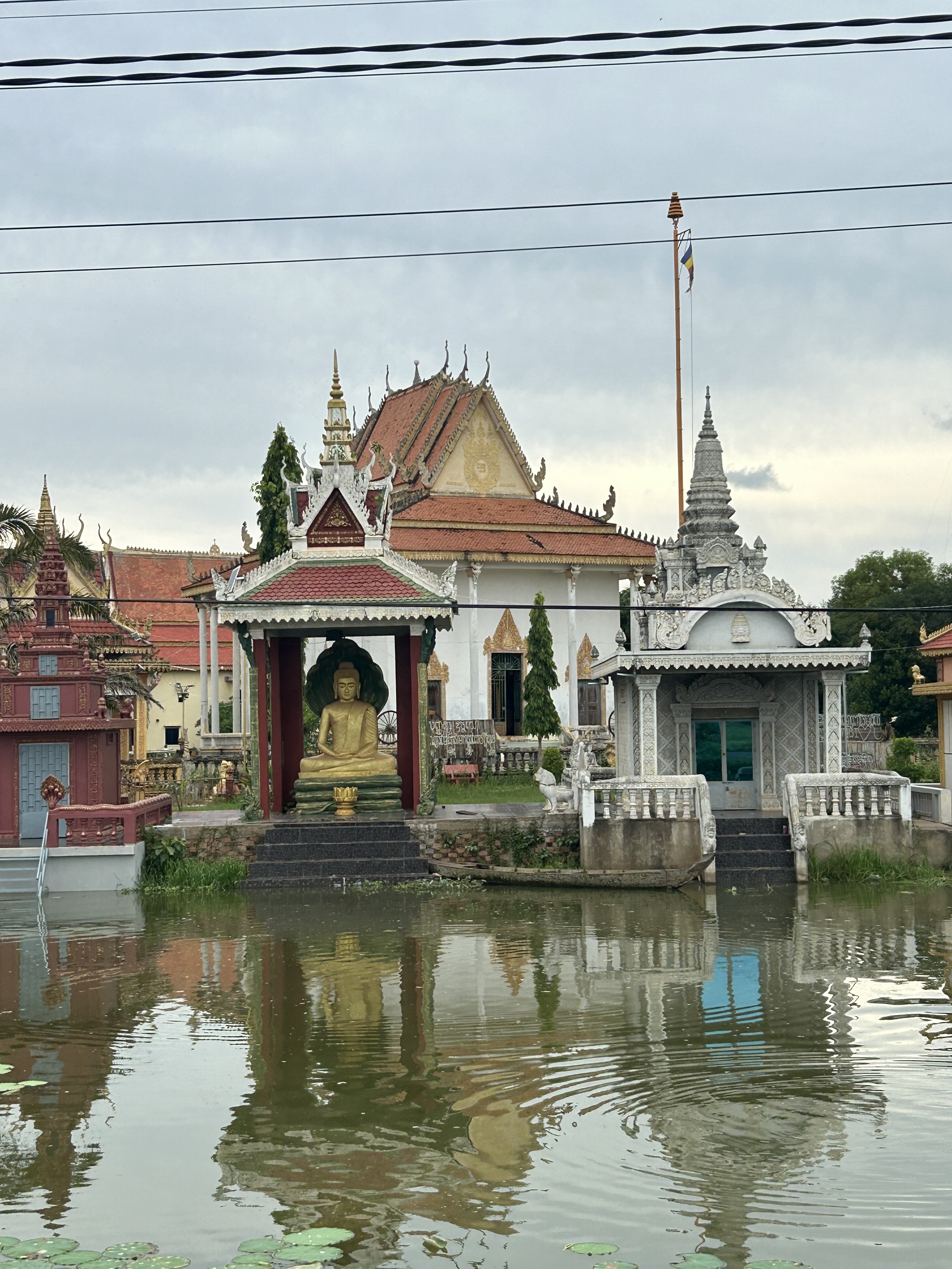
Kampong Thom came next and ended up being one of the most memorable parts of the experience. Located in central Cambodia, it is much quieter and far less visited than Siem Reap or Phnom Penh. We spent time biking through rural areas and smaller neighborhoods, which gave a more direct view into everyday life outside the country’s major tourist destinations. The pace of life felt slower and less shaped by tourism, and it was probably the place where I felt most aware of the contrast between Cambodia’s rapid development and the realities of rural life.
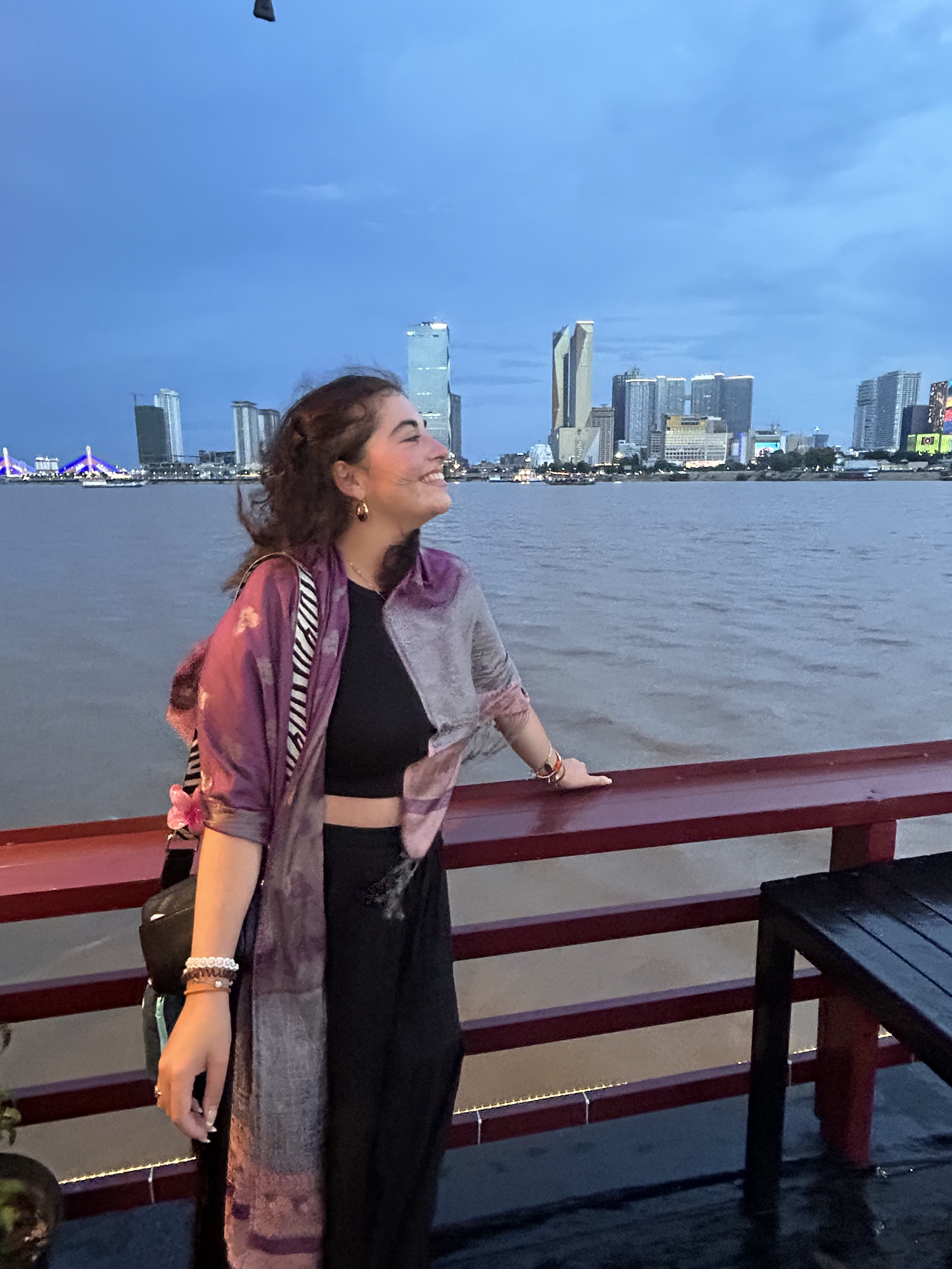
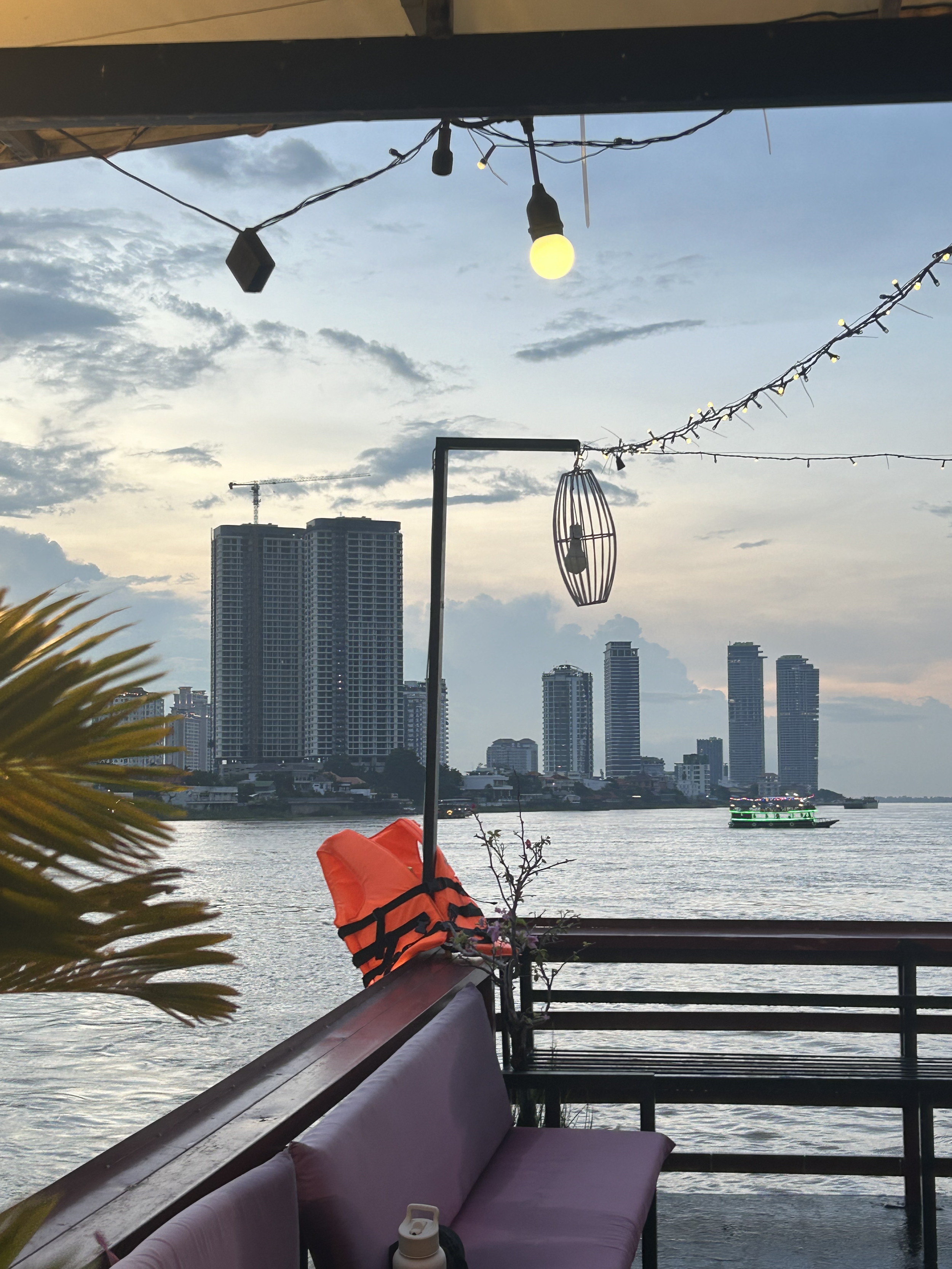
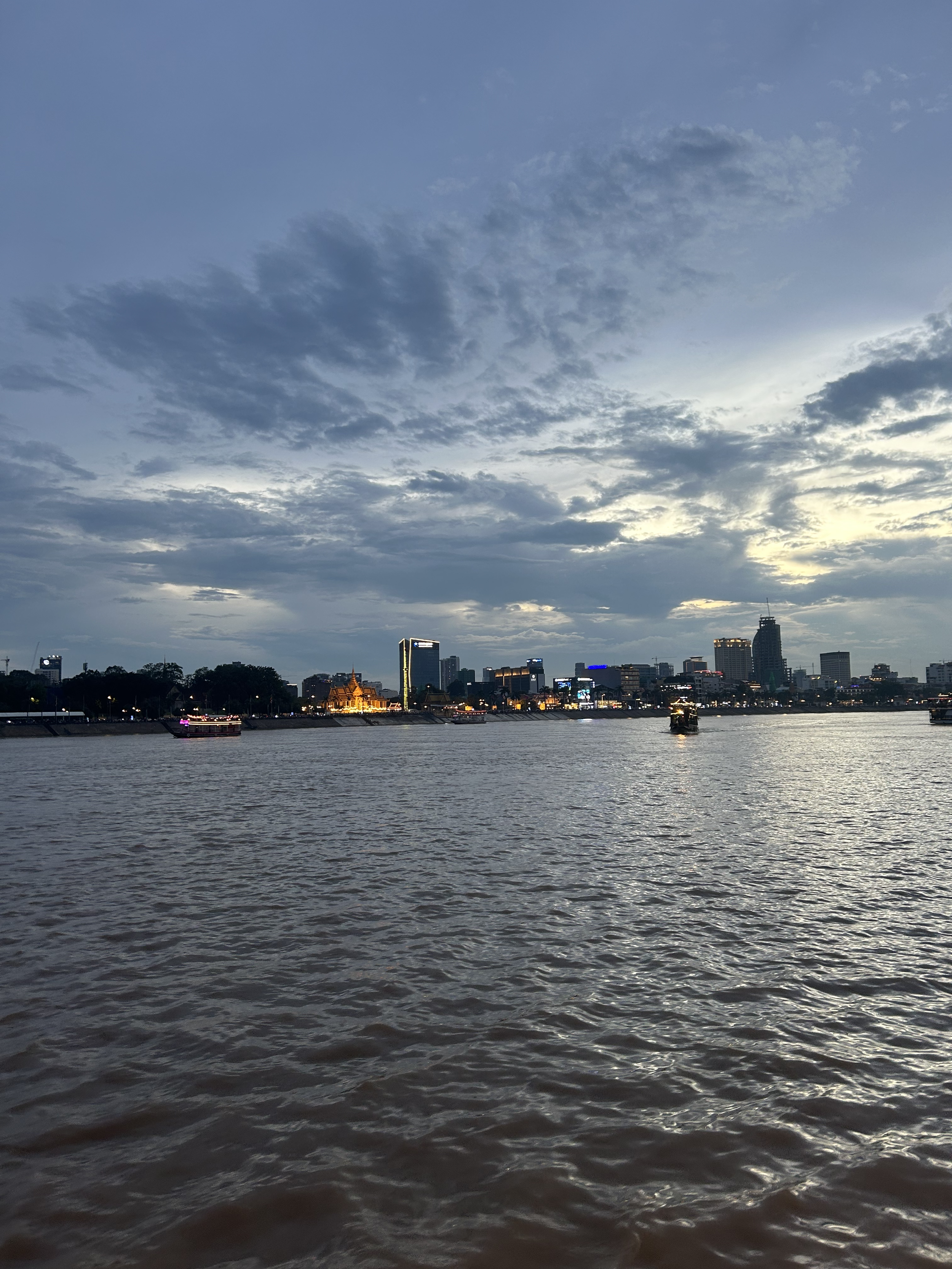
Phnom Penh felt completely different from both Siem Reap and Kampong Thom. More urban and fast-moving, it carried the energy of a capital city still actively developing and changing. We took a boat tour along the Mekong River, which offered a different perspective on the city and daily life along the water. We also visited Tuol Sleng Genocide Museum, the former prison used during the Khmer Rouge regime. It is an extremely difficult place to visit, but also an important one. Cambodia’s recent history remains deeply present throughout the country, and it is impossible to fully understand Cambodia today without acknowledging that history.
What stayed with me most about Cambodia was the contrast between all these different experiences existing within the same country, the scale and history of Angkor Wat, the environmental challenges surrounding Tonlé Sap Lake, the quieter rural life in Kampong Thom, and the intensity of Phnom Penh. Visiting several different parts of the country made the experience feel far more layered and complex than I expected before arriving.