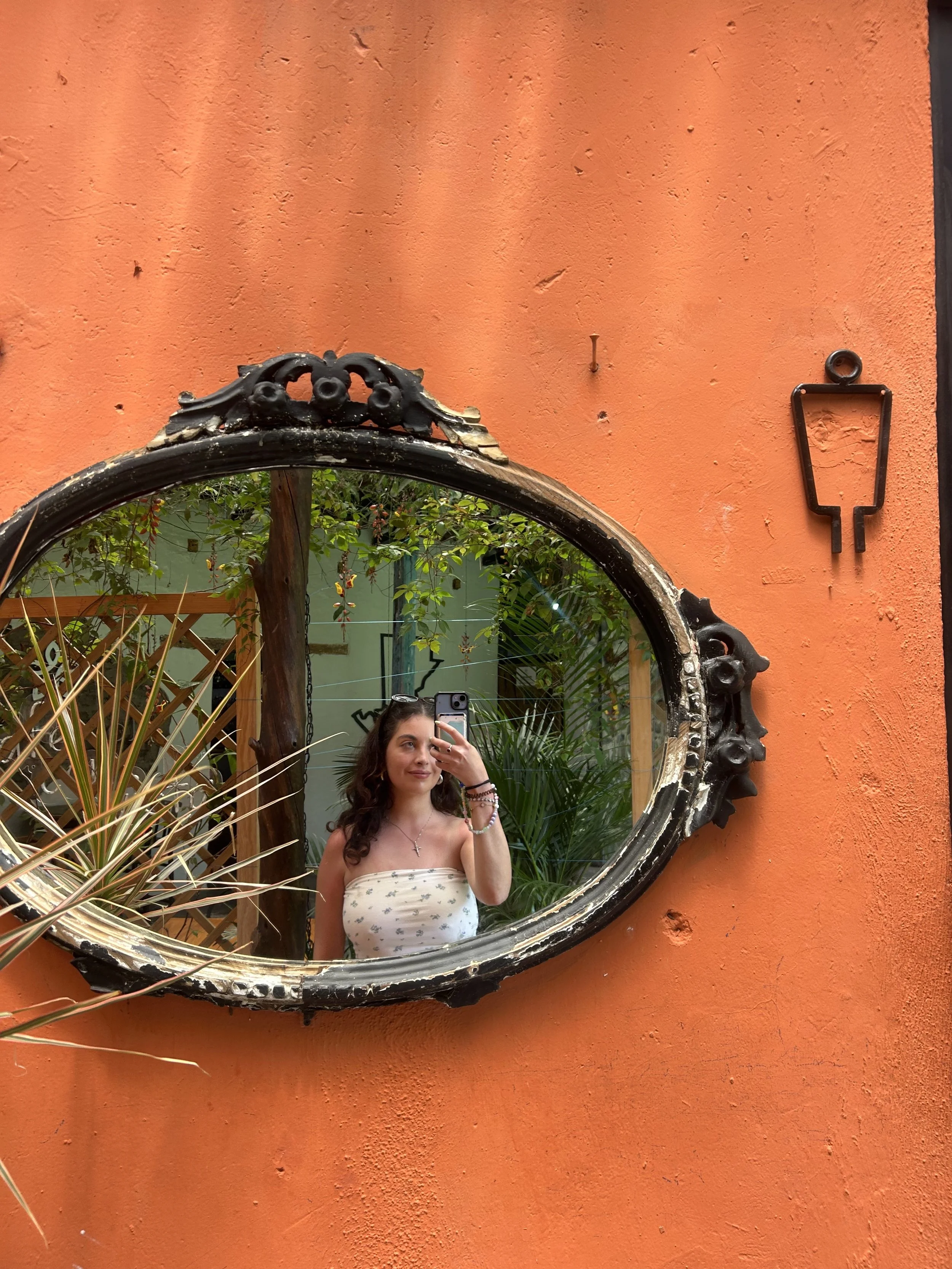
Clothes, Color, and Markets in Guatemala
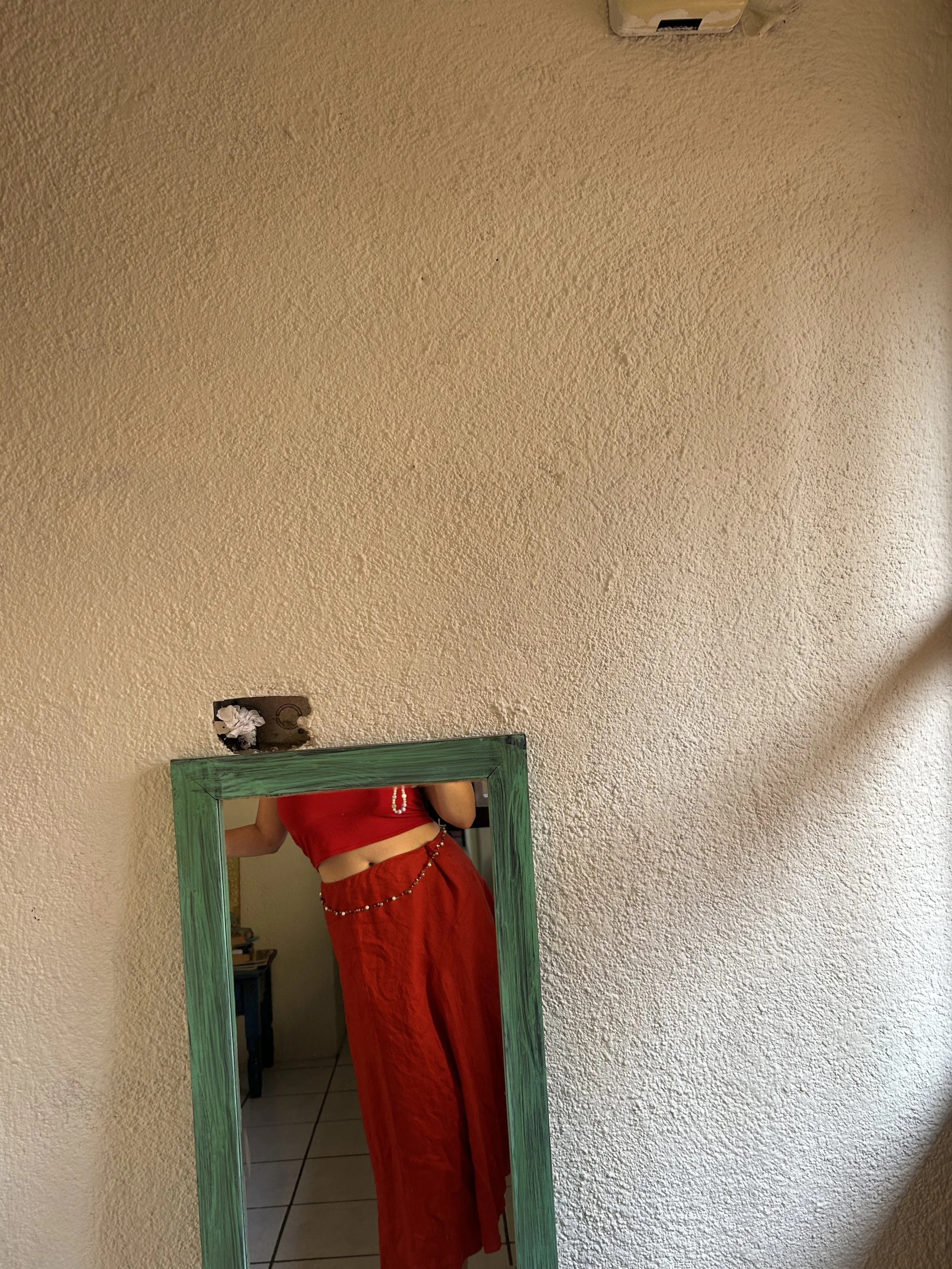
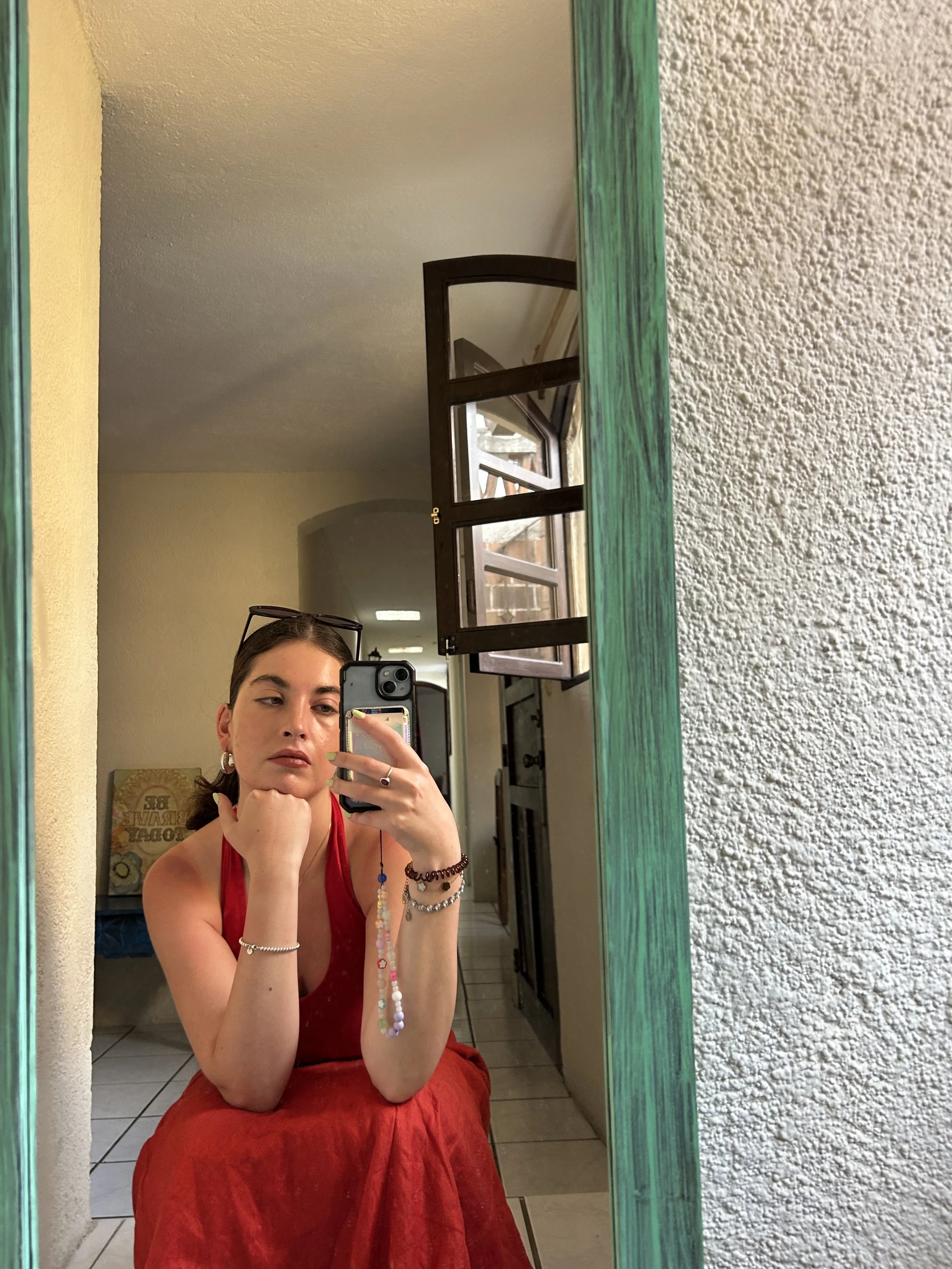
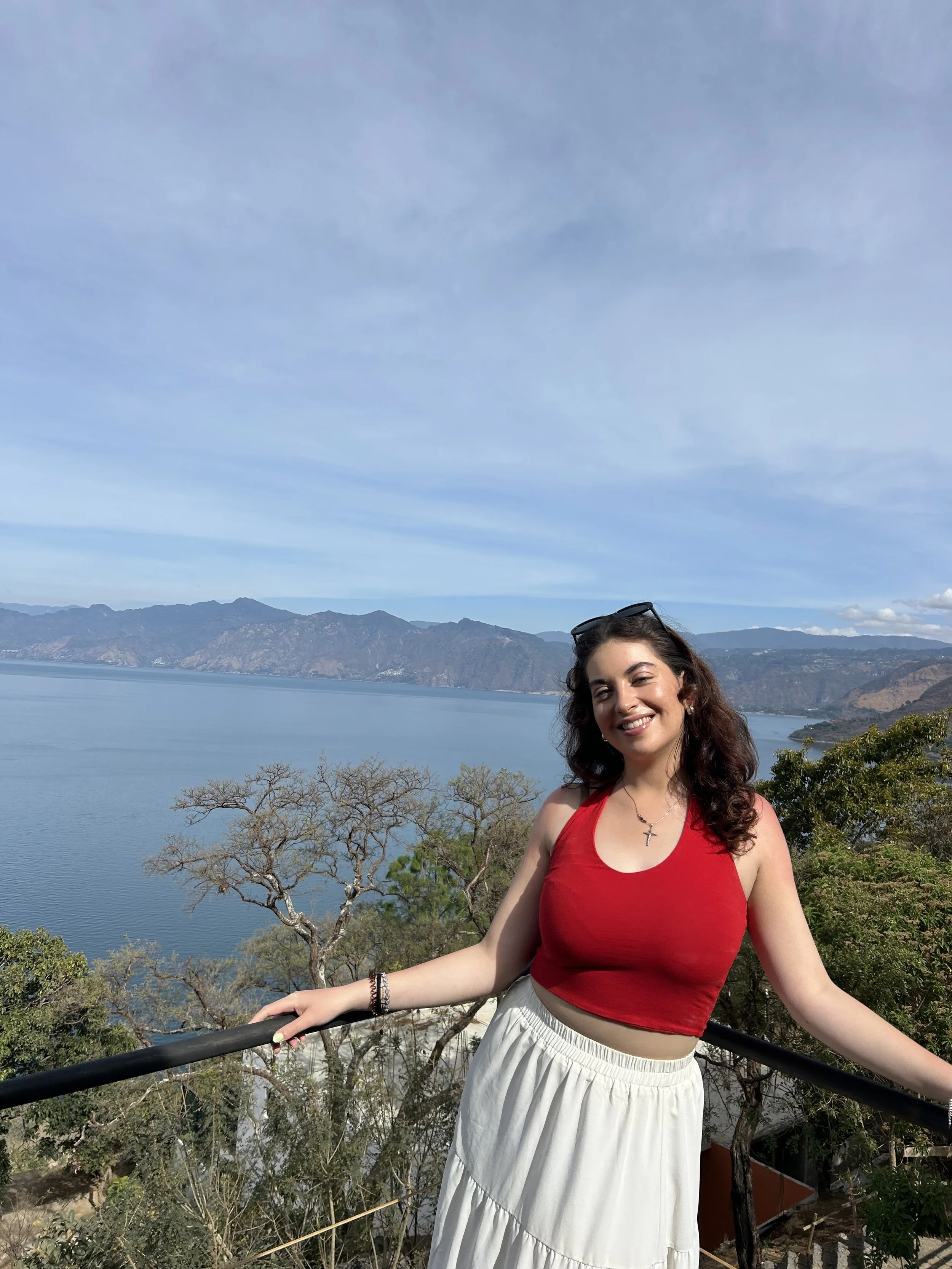
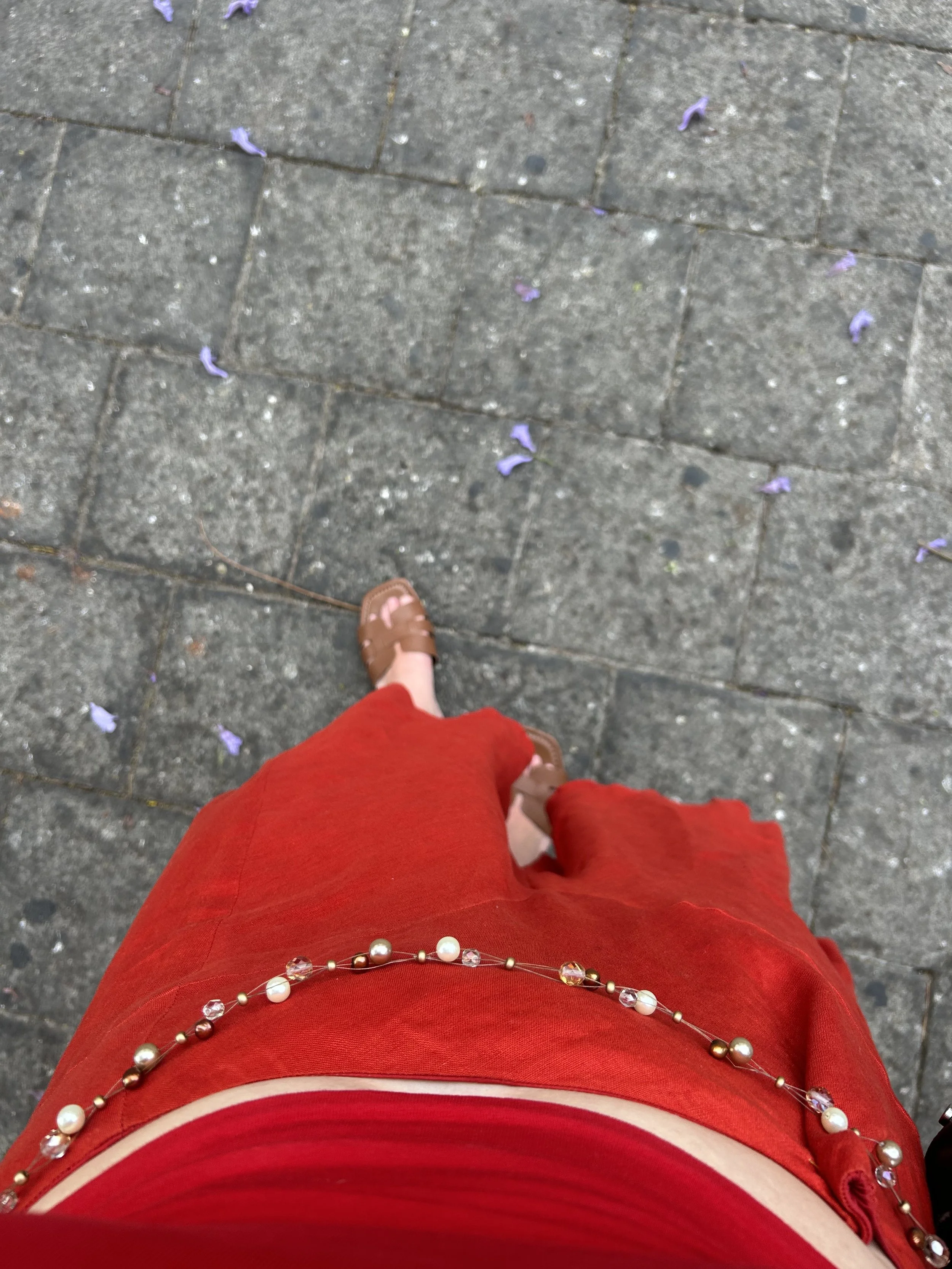
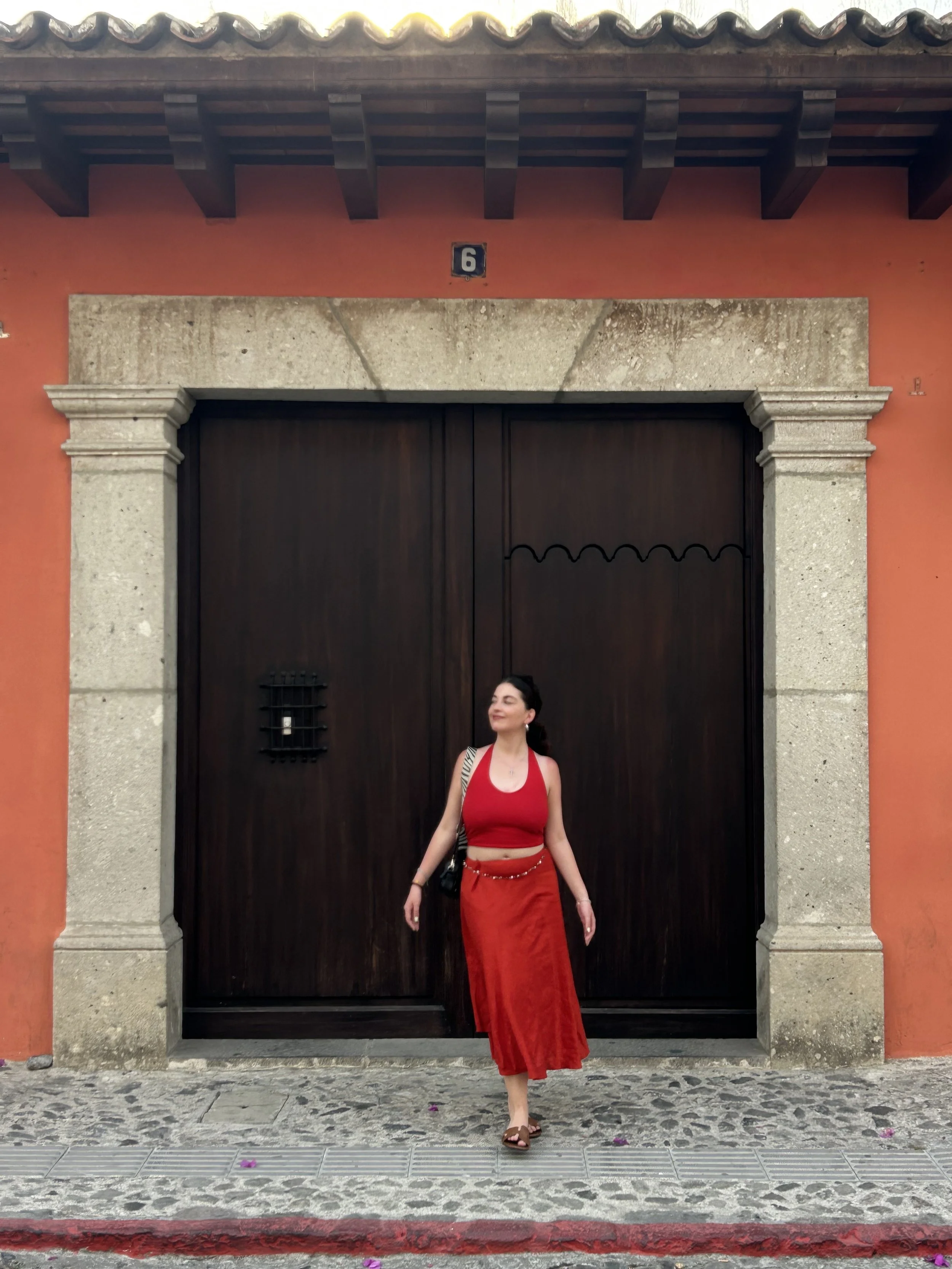
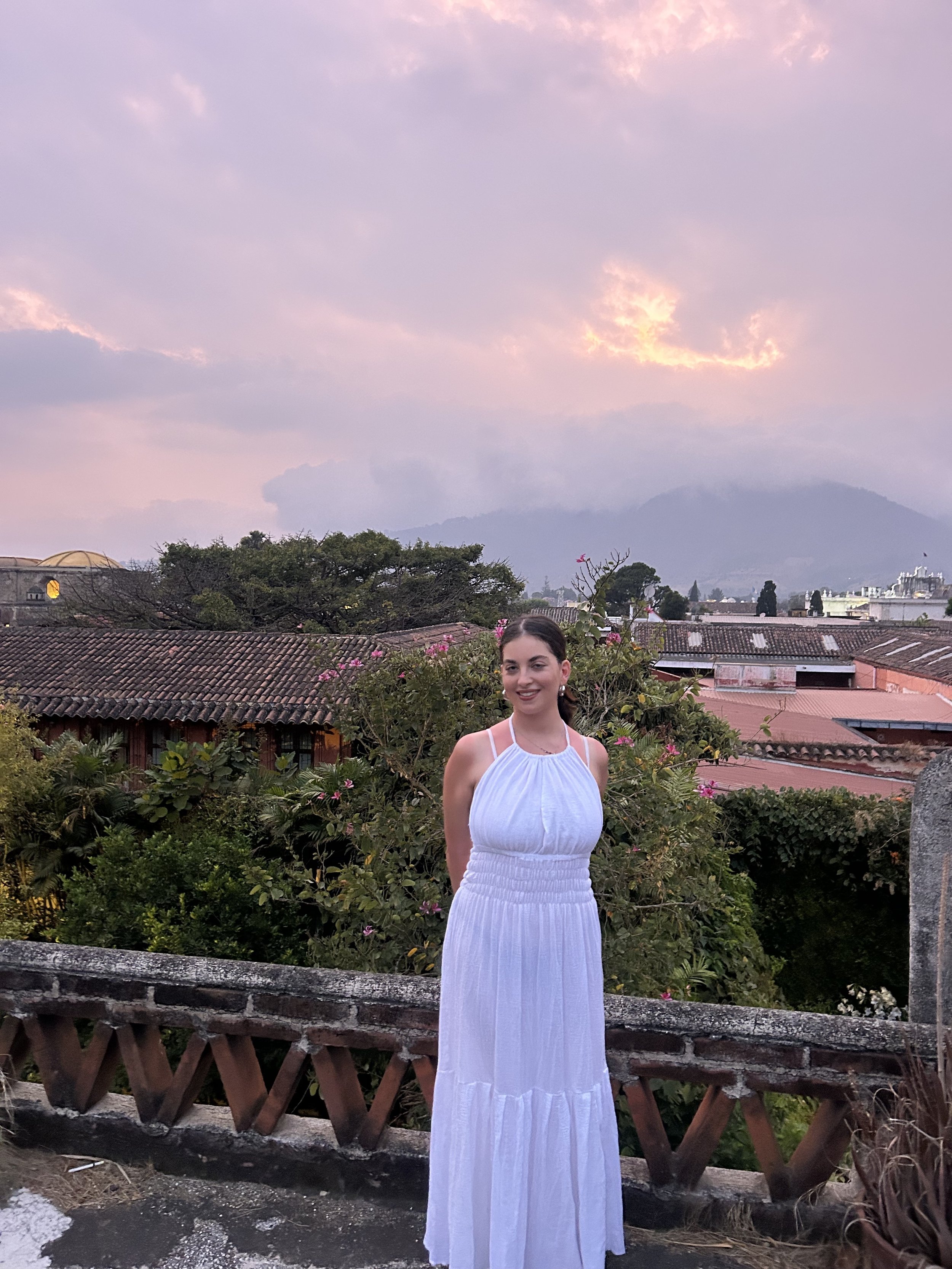
Some of the pieces I wore most throughout my trip in Guatemala were found locally in markets around Lake Atitlán and Antigua Guatemala. One was a vintage Ralph Lauren red skirt I bought in San Juan La Laguna for less than five dollars, and another was a long white dress I found later in the trip that became one of my favorite purchases from Guatemala.
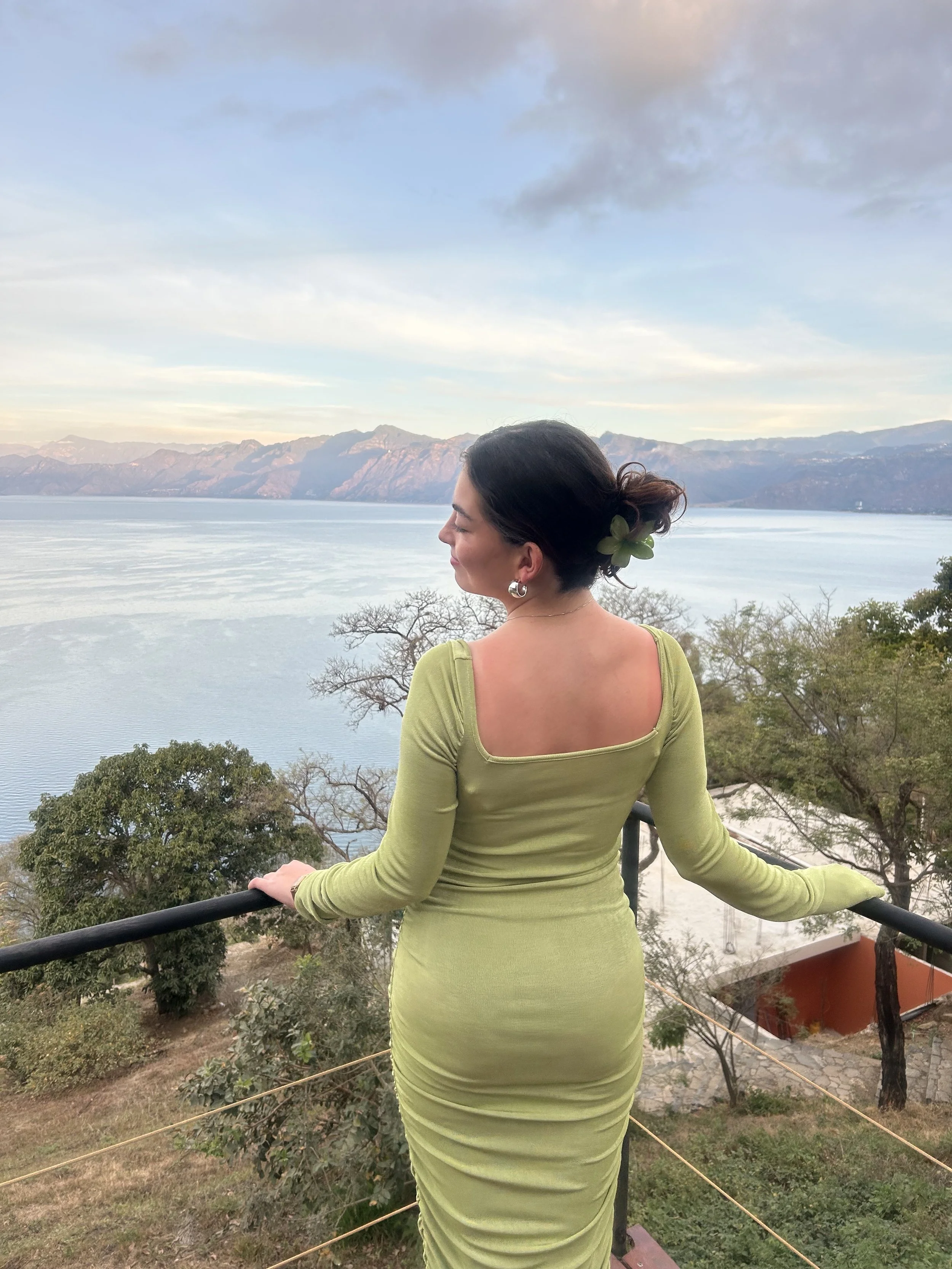
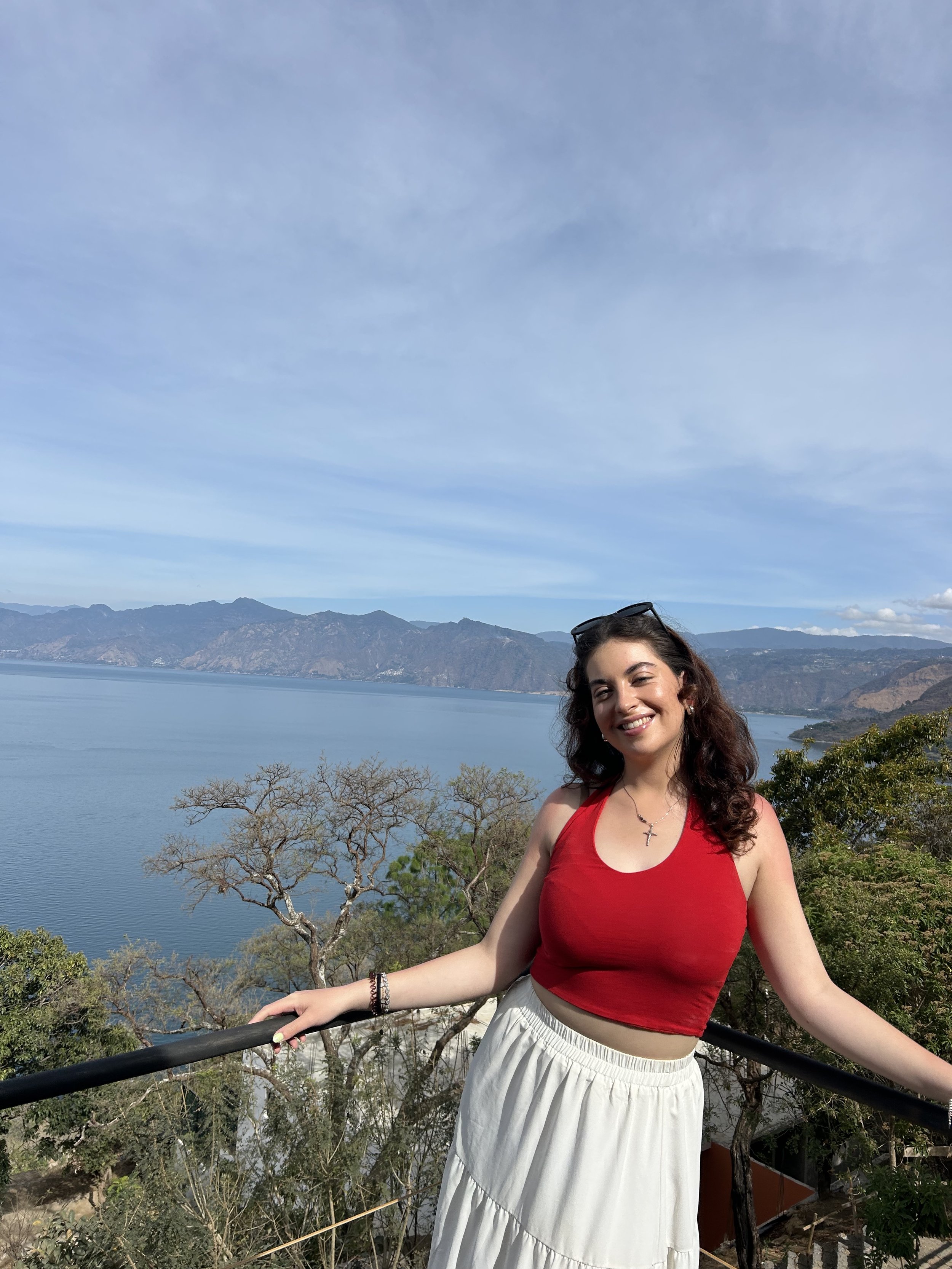
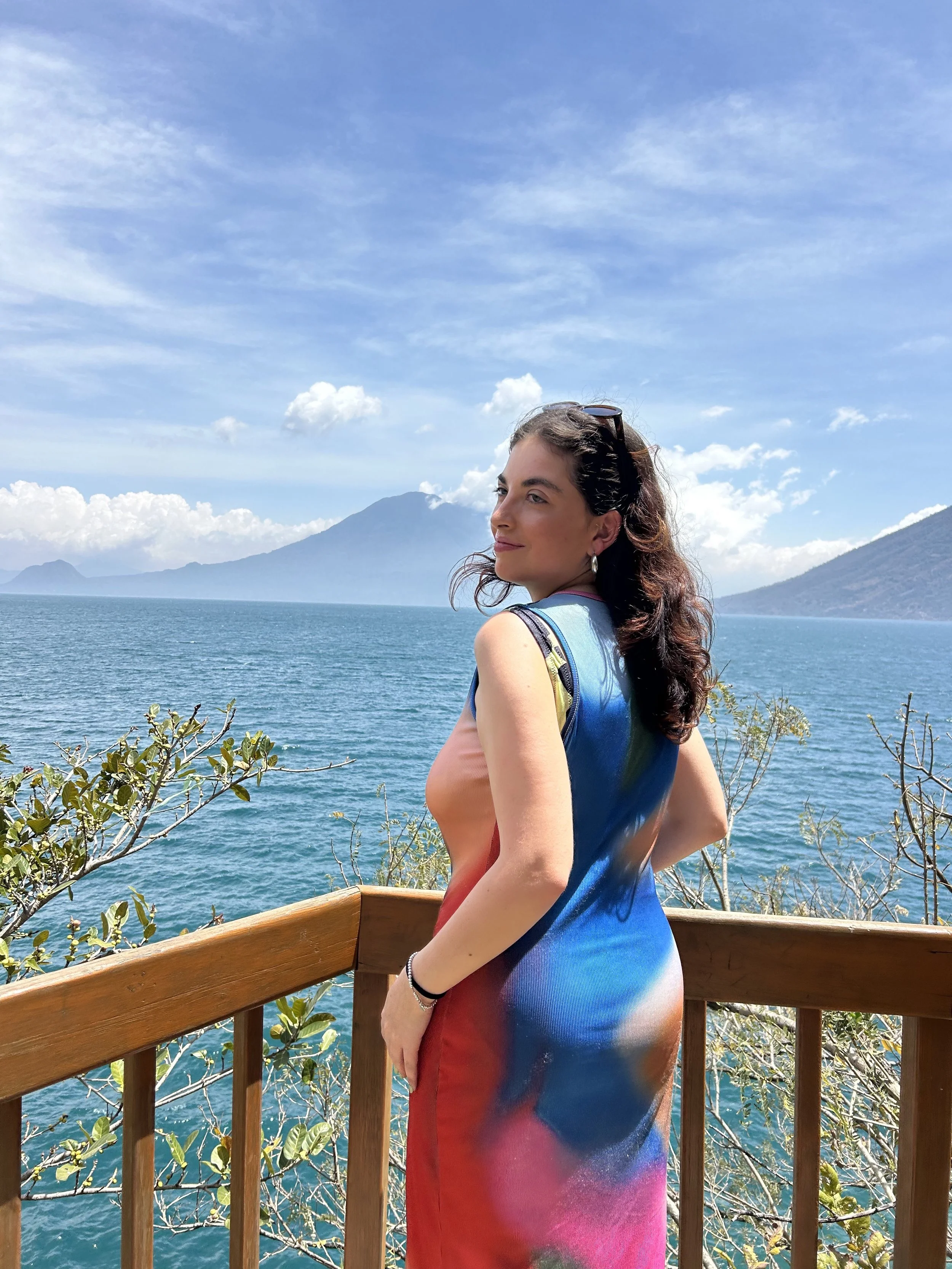
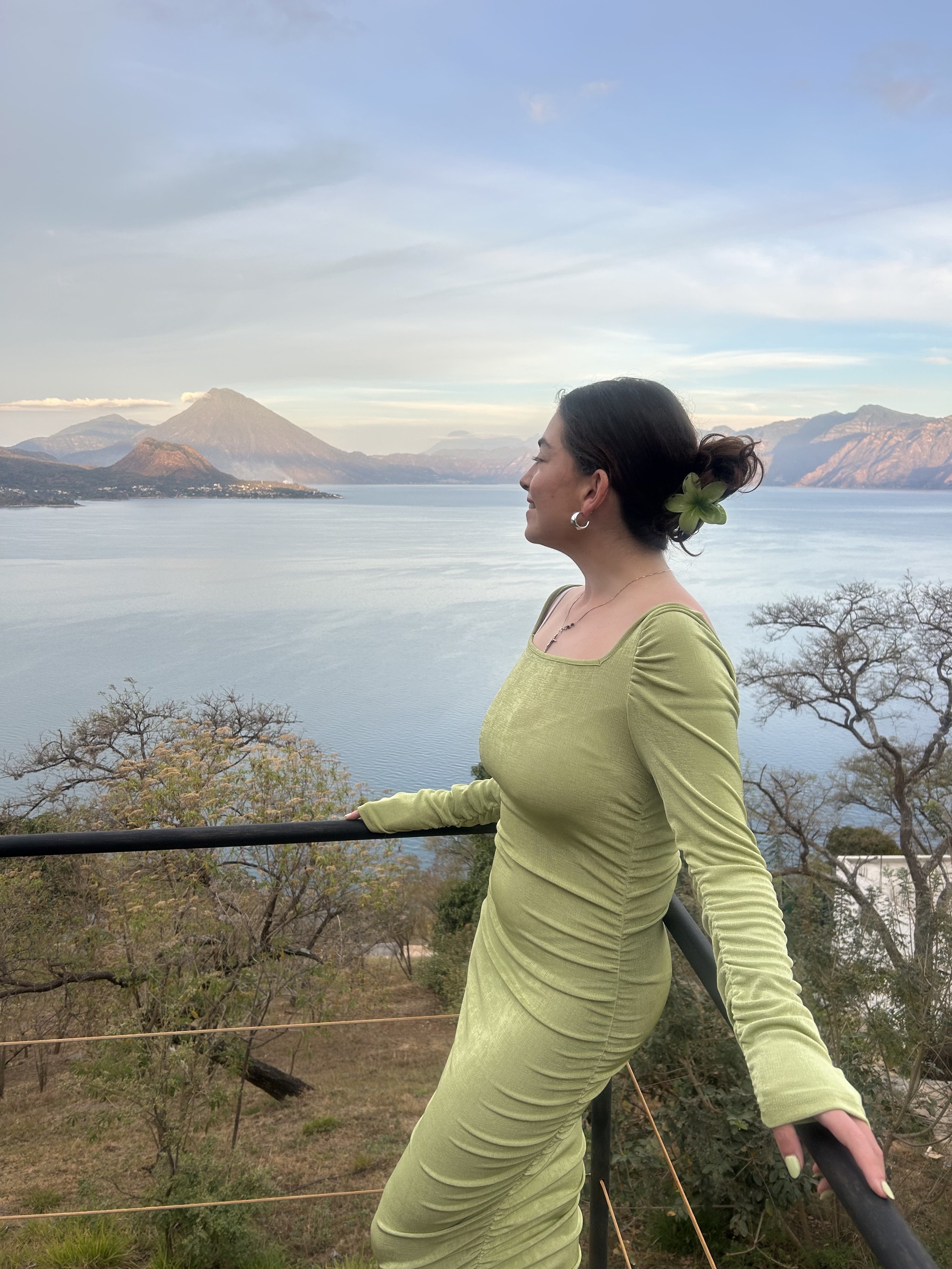
Around Lake Atitlán and Antigua, markets mixed handmade Maya textiles, secondhand American clothing, embroidered fabrics, artisan jewelry, flowers, and ceramics all within the same spaces. The amount of color throughout Guatemala also influenced the way I dressed there. Bright reds, greens, yellows, embroidered patterns, painted buildings, woven fabrics, flowers, murals, and textiles were everywhere, especially around the markets and villages surrounding the lake. Against the volcanic landscape, the water, and the colorful streets, wearing brighter colors somehow felt completely natural. I found myself gravitating toward red skirts, green dresses, colorful jewelry, flowers clips in my hair, and lighter fabrics in a way that felt connected to the atmosphere of the trip and the visual environment around me.
Traditional woven garments and artisan textiles also remain very present throughout Guatemala, particularly around Lake Atitlán where many Indigenous Maya textile traditions continue today. Clothing and textiles felt closely tied to daily life across the markets and villages we visited.
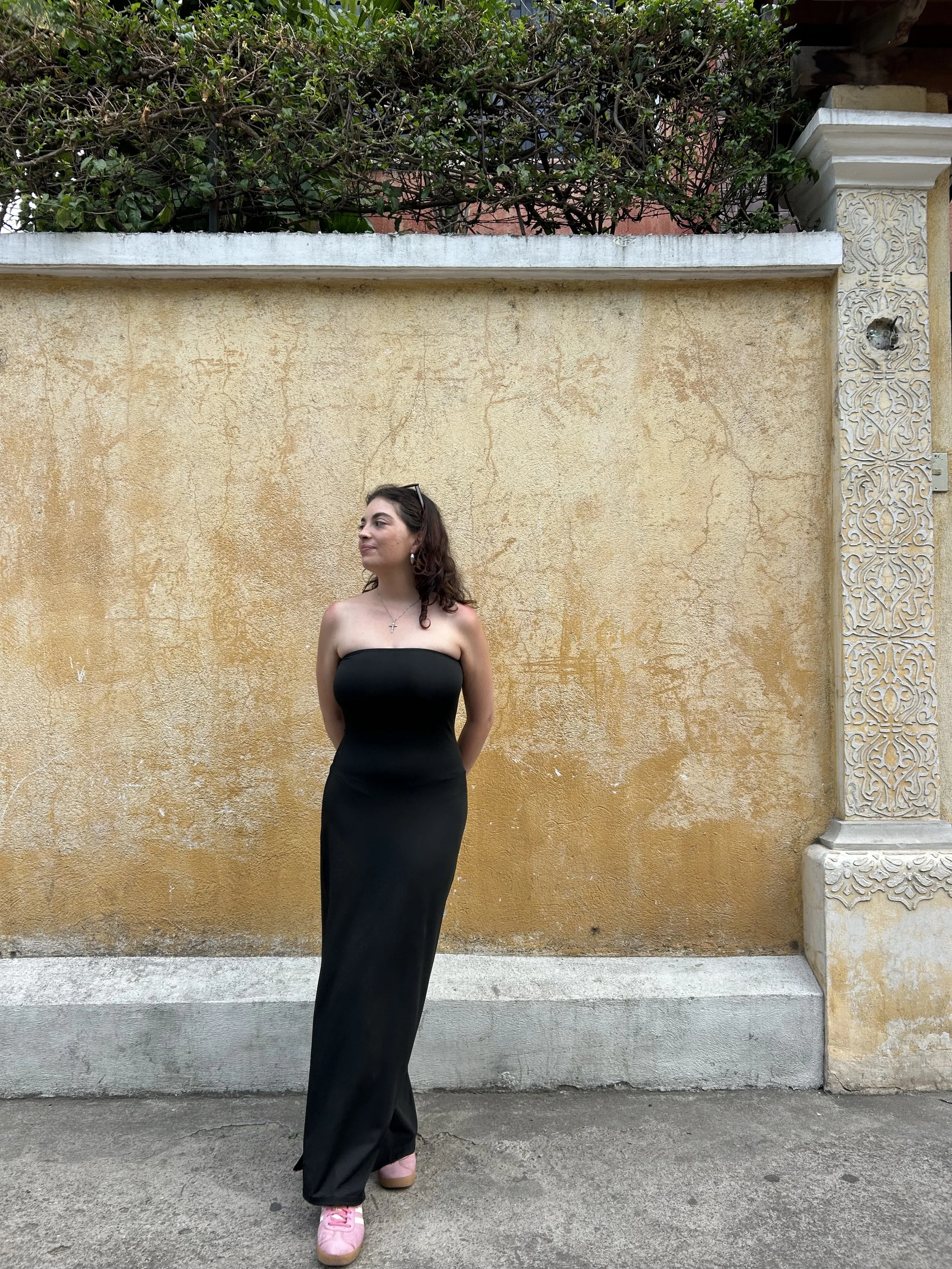
Most of the outfits were planned around the trip itself, long days walking through markets, moving between villages by boat, spending time outdoors, and the warmer climate around the lake and Antigua.
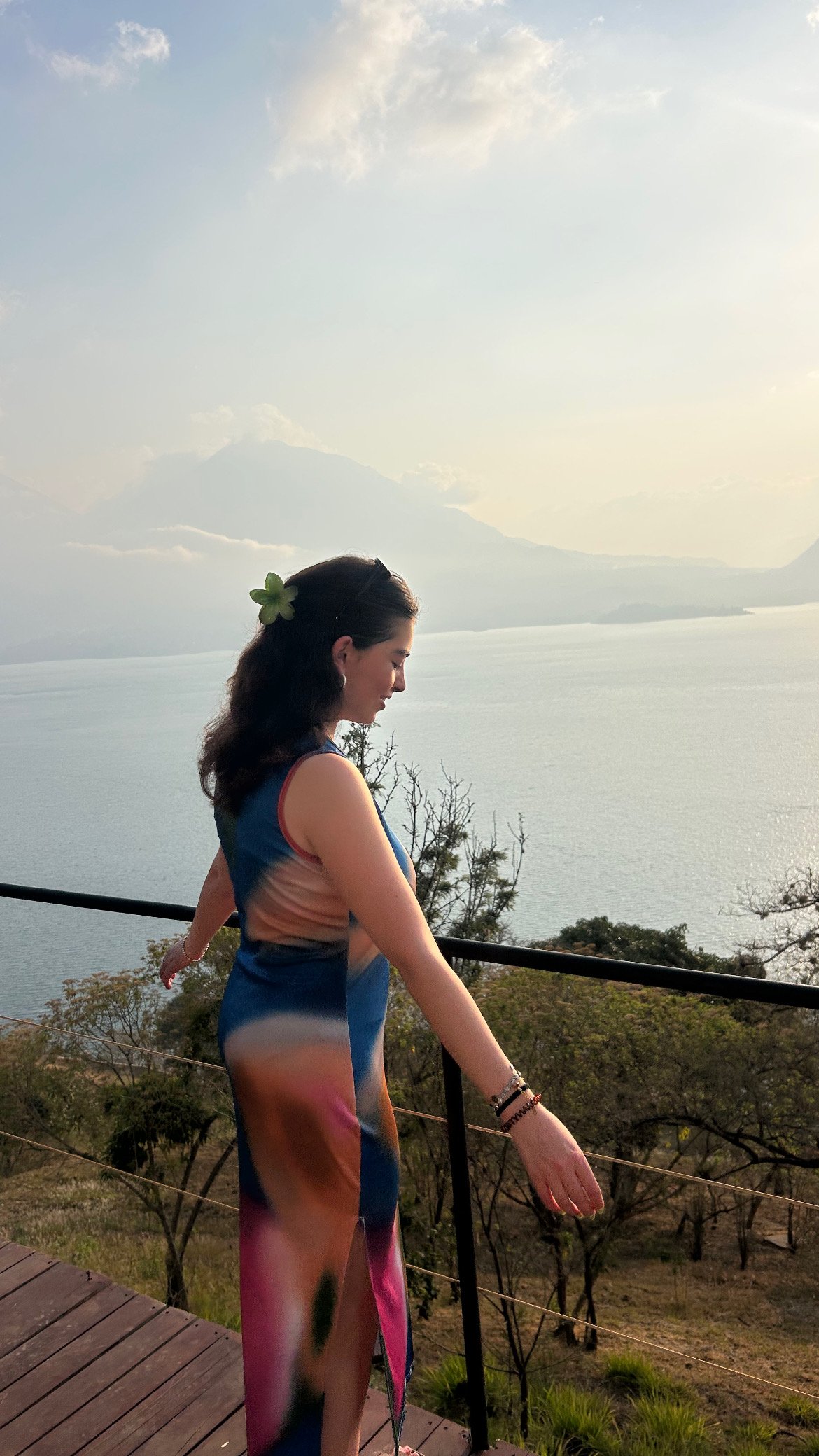
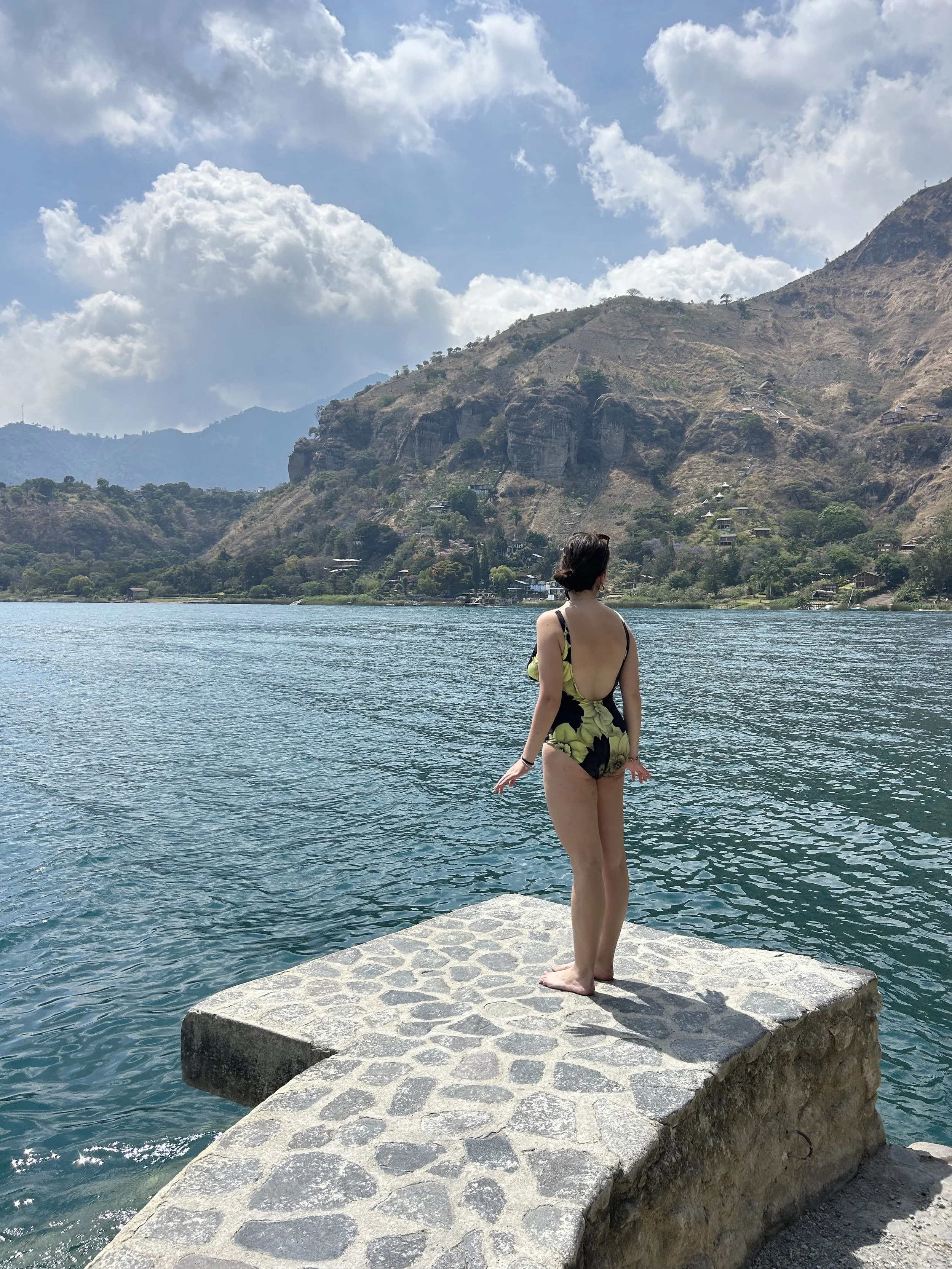
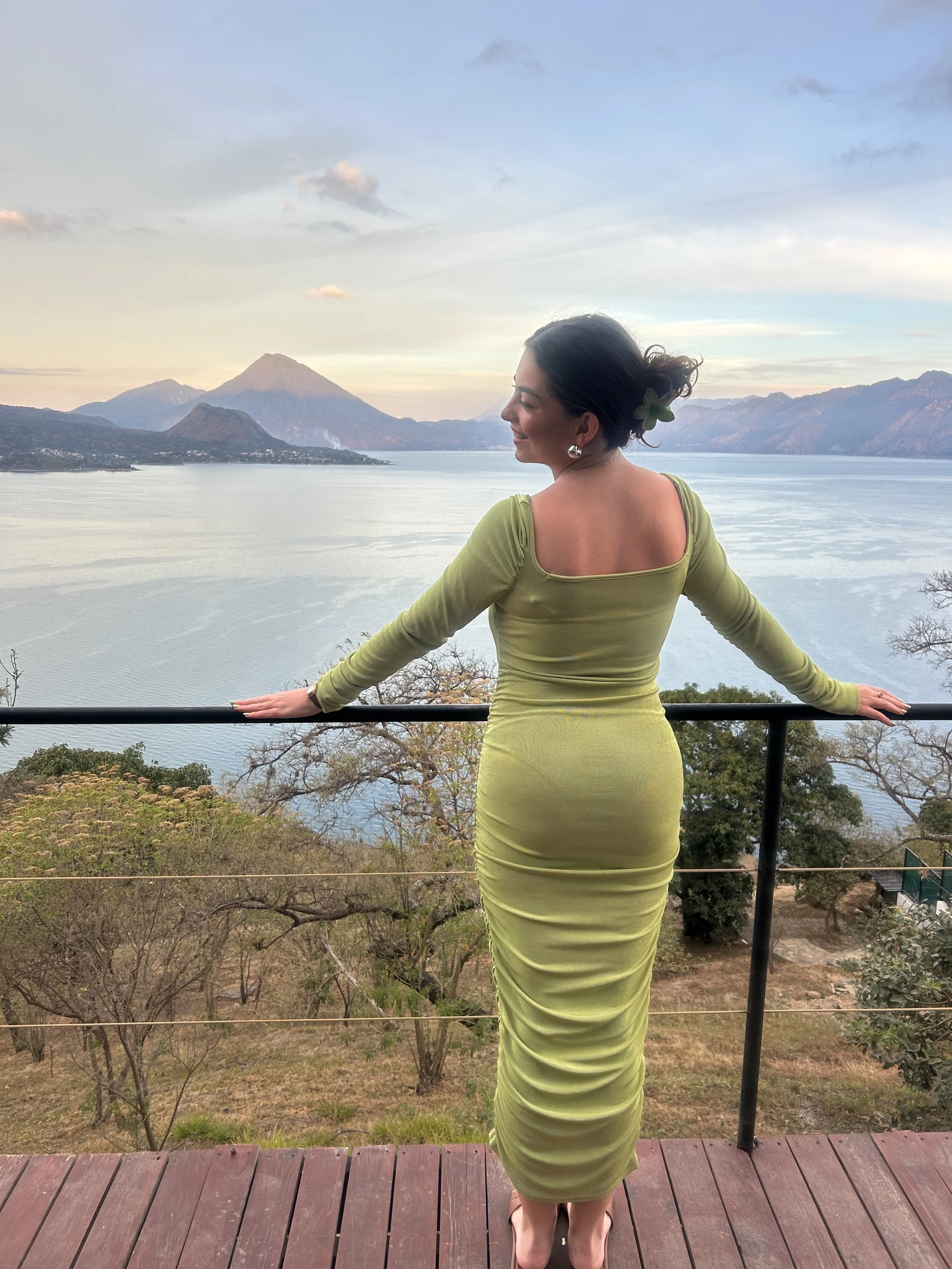
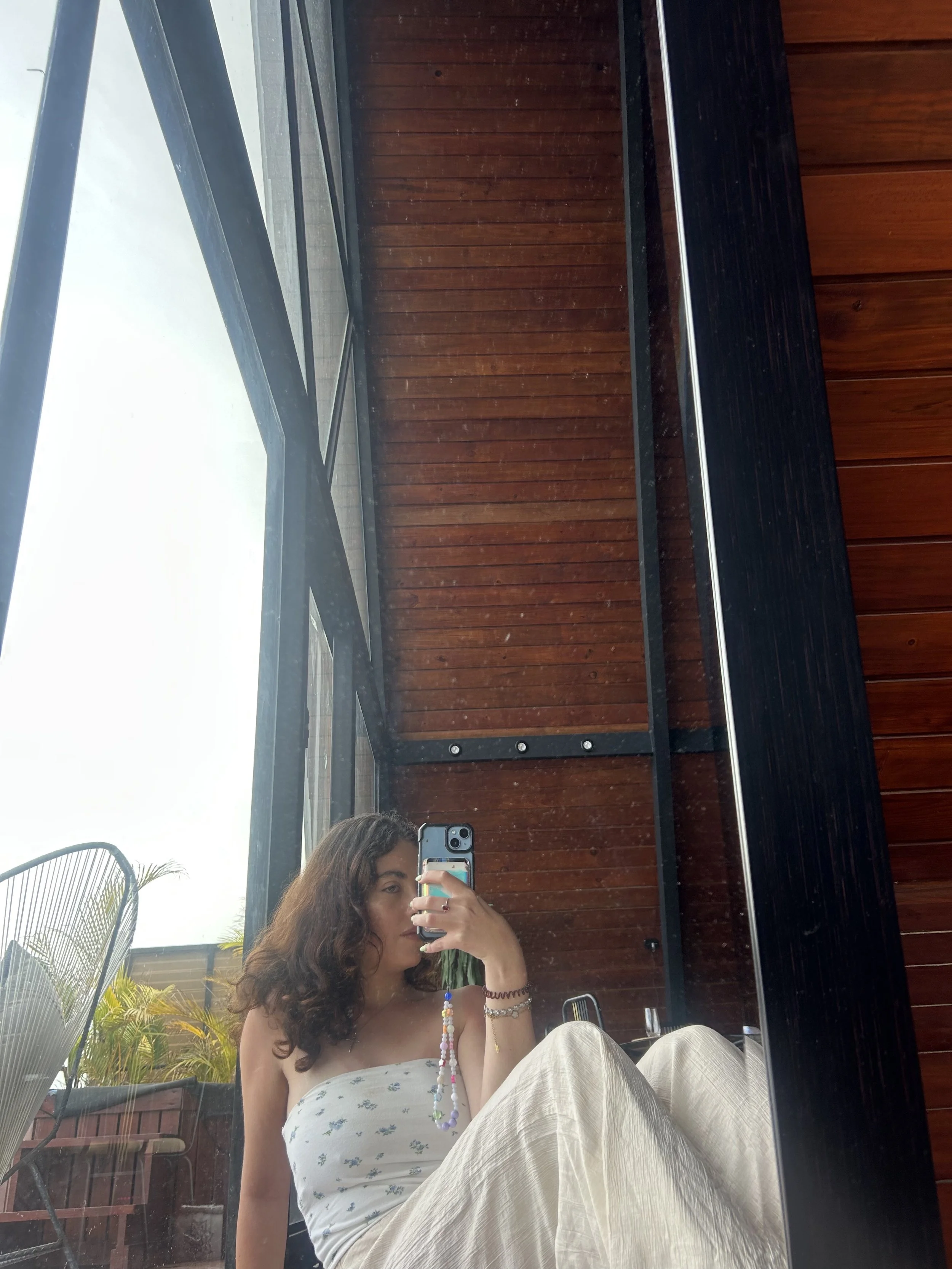
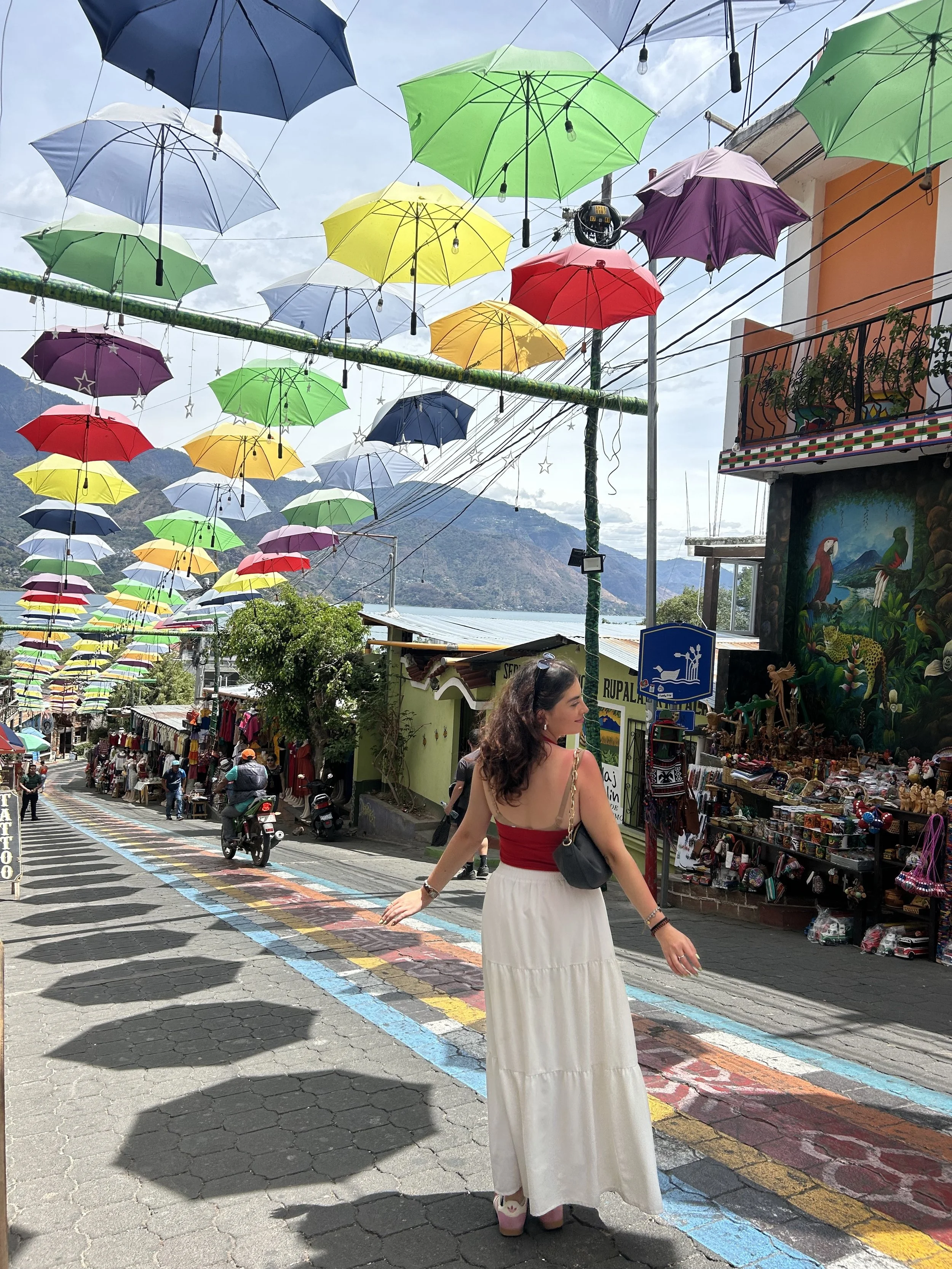
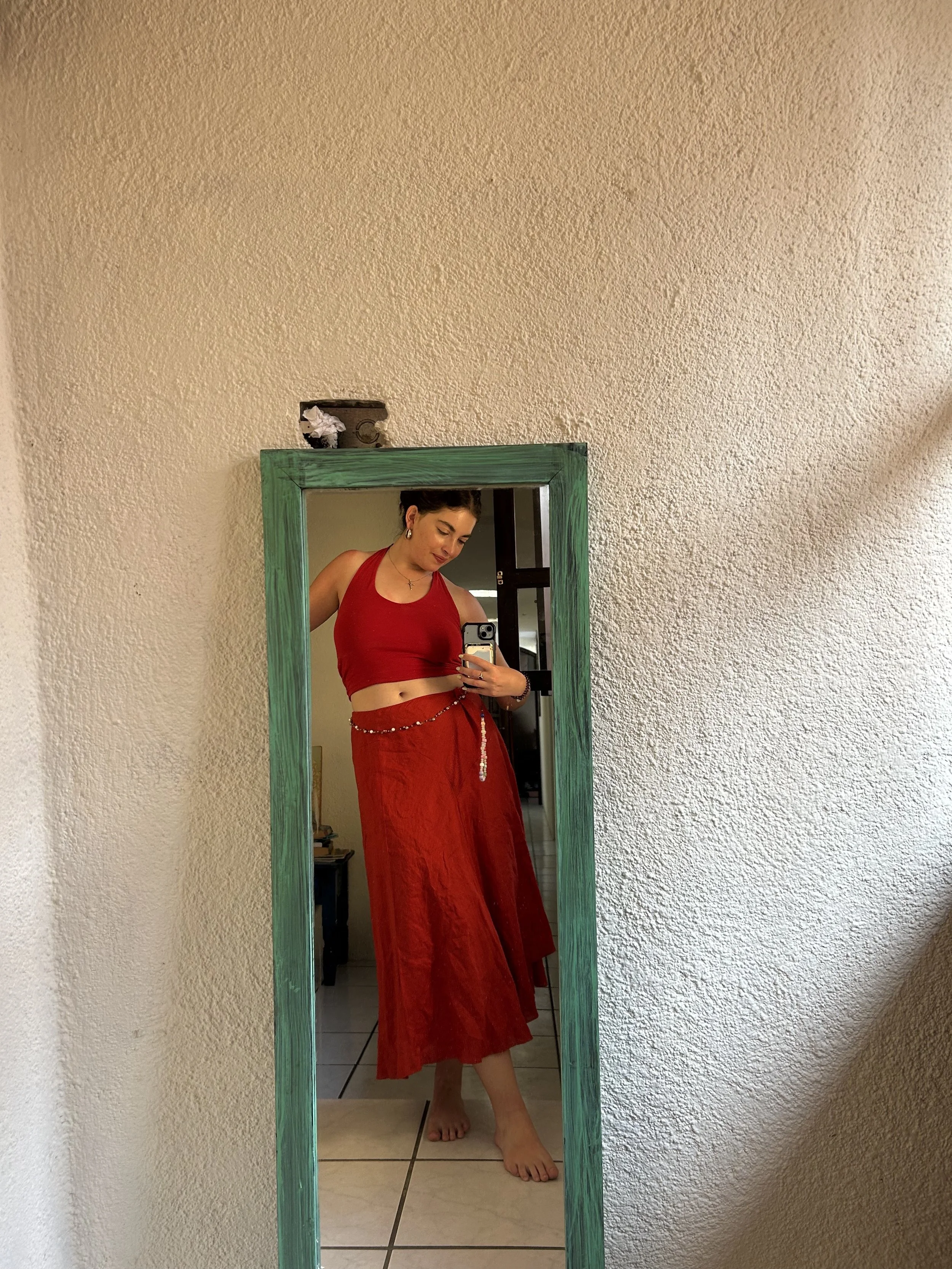
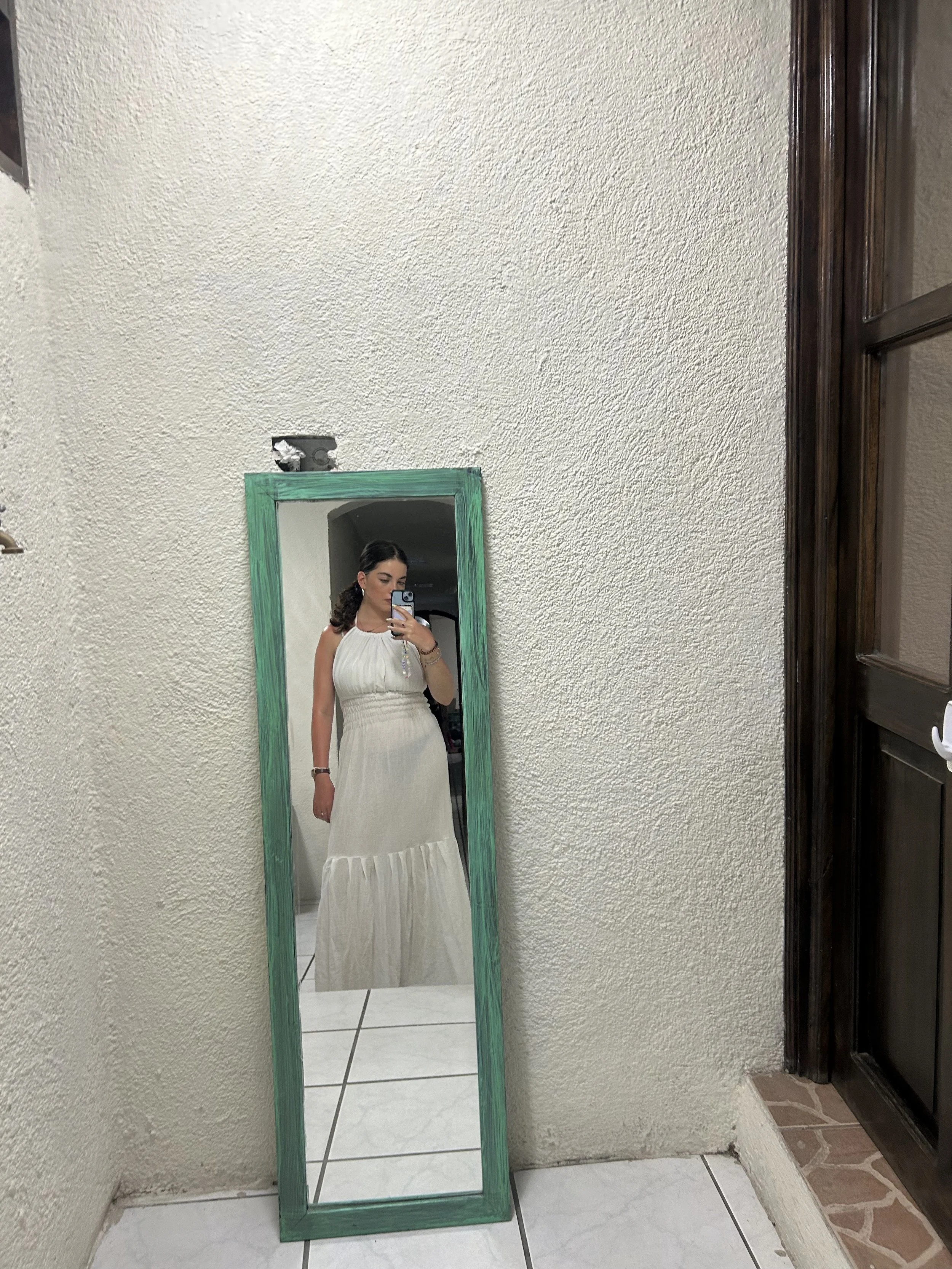
Markets around Lake Atitlán and Antigua Guatemala often mixed handmade huipiles, woven bags, embroidered fabrics, flowers, ceramics, household goods, and secondhand American clothing all within the same spaces. Many of the markets combined everyday shopping with artisan textiles and handmade objects rather than separating them into different areas.
Guatemala also has a very strong secondhand clothing culture through pacas, large thrift markets filled with imported clothing from the United States. Because of that, vintage American clothing appears frequently in local markets alongside traditional Maya textiles and handmade garments. One of the pieces I wore most during the trip was a vintage Ralph Lauren skirt I found in a market in San Juan La Laguna for less than five dollars. I liked the contrast of finding such a recognizable American brand within a village known for its Indigenous Maya textile traditions and artisan culture.
At the same time, traditional textile craftsmanship remains very present throughout Guatemala, especially around Lake Atitlán where many Indigenous Maya communities still produce woven garments and embroidered fabrics by hand. Many huipiles and cortes require weeks or months of work and use techniques passed down across generations, including traditional backstrap weaving and natural dyes.
Looking back, I think that combination is part of what stayed with me visually throughout the trip. The colors of the textiles, markets, flowers, painted buildings, volcanic landscapes, and clothing all seemed connected to one another. Even the way I dressed there started to reflect the environment around me more naturally.