Gabriele Münter; Color, Expression, and a Woman Ahead of Her Time
I visited the Guggenheim for the first time this past April during my New York trip, and came across this exhibition without knowing Münter existed at all. It was one of those unexpected discoveries that makes visiting a museum so rewarding, especially when you get to discover an artist you knew nothing about.
Gabriele Münter: Contours of a World was one of the first exhibitions dedicated to her work in the United States in nearly thirty years. It featured over sixty paintings and nineteen photographs across three Tower galleries, tracing her career from her bold Expressionist years through her later developments.
Münter (1877–1962) was a German Expressionist painter and a founding member of Der Blaue Reiter, the influential avant-garde movement she helped establish alongside Wassily Kandinsky, with whom she also had a twelve-year relationship. For decades her work was largely overshadowed by that relationship, and this exhibition aimed to give her the recognition her work deserves.
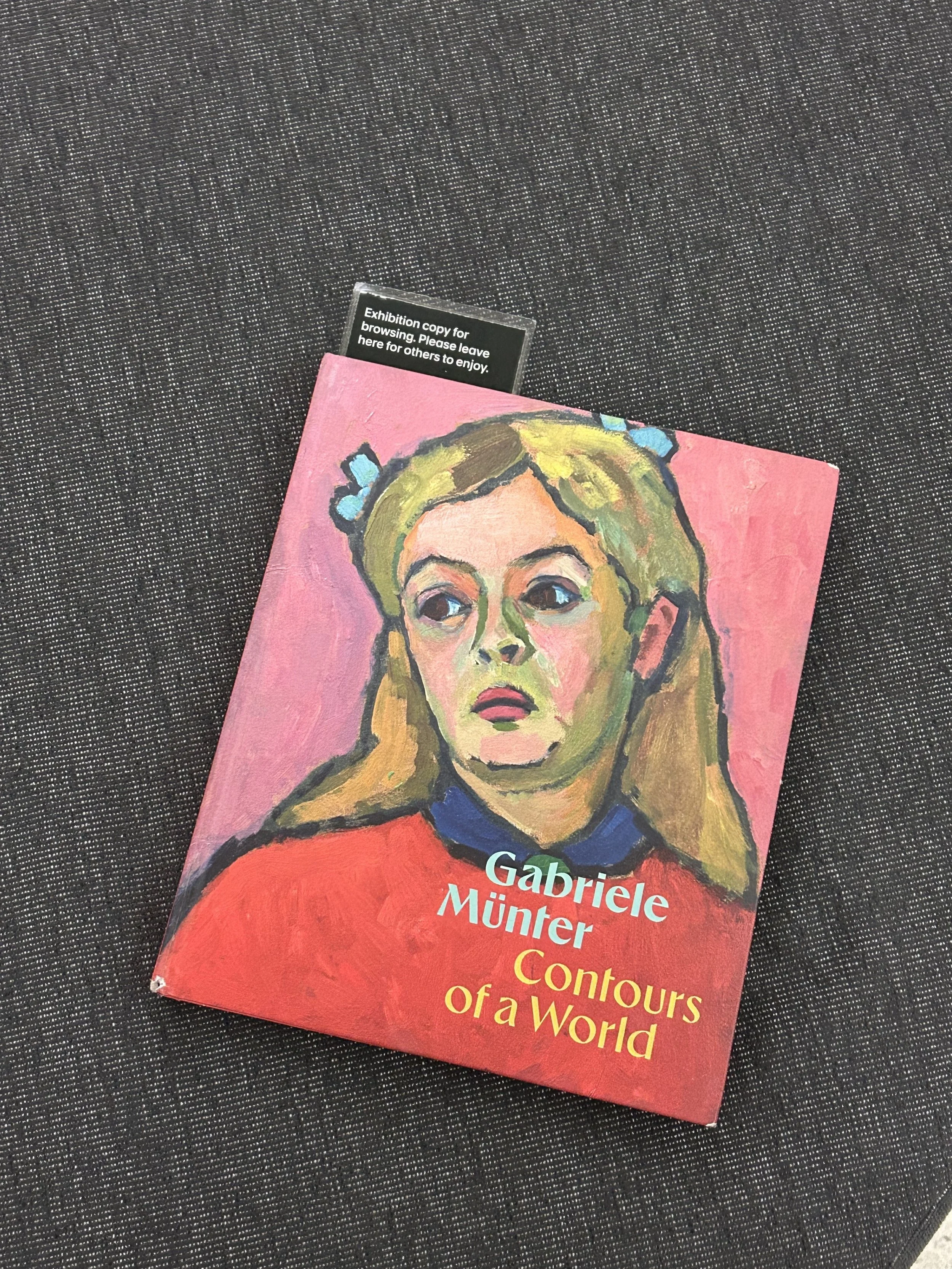
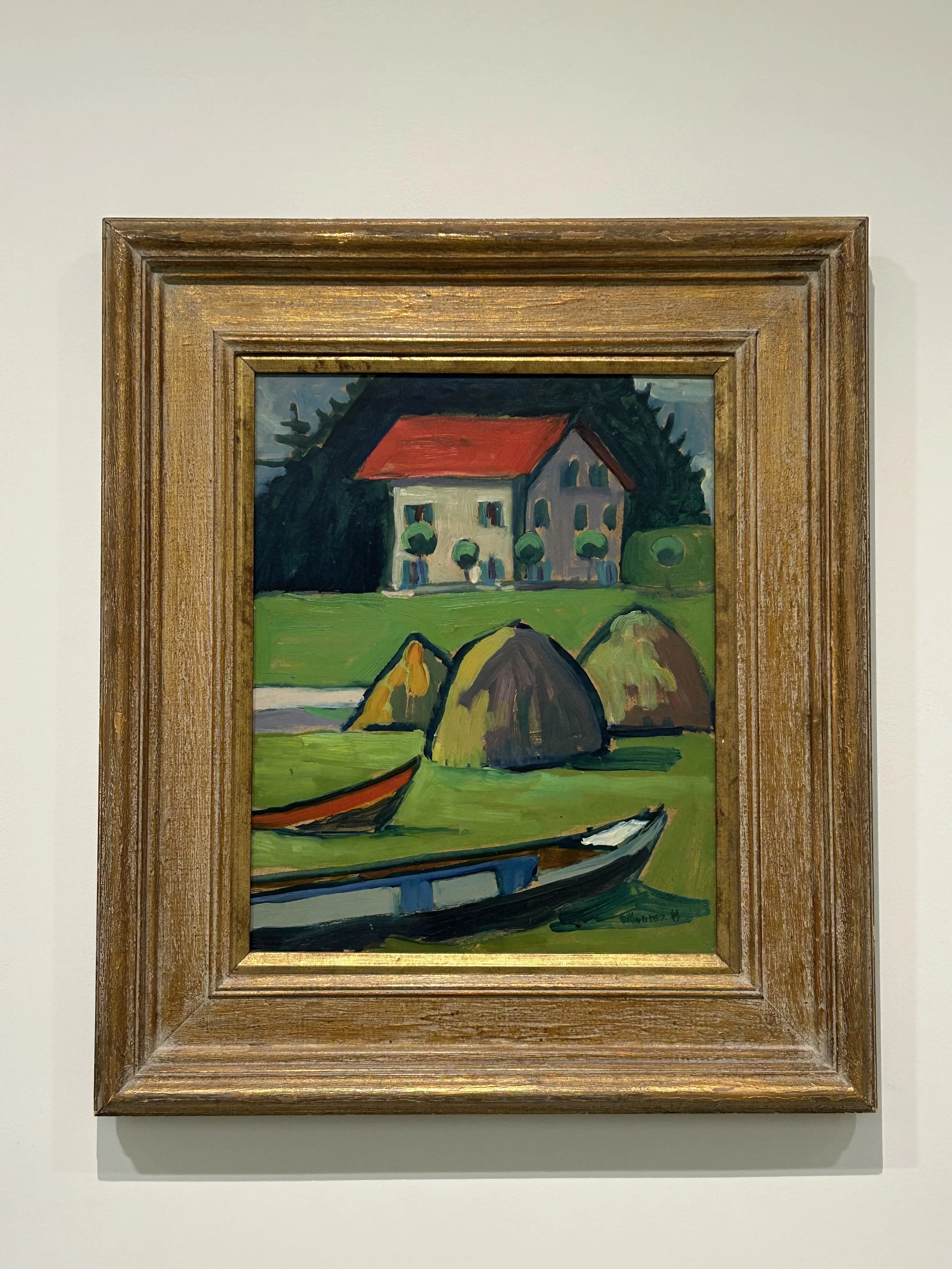
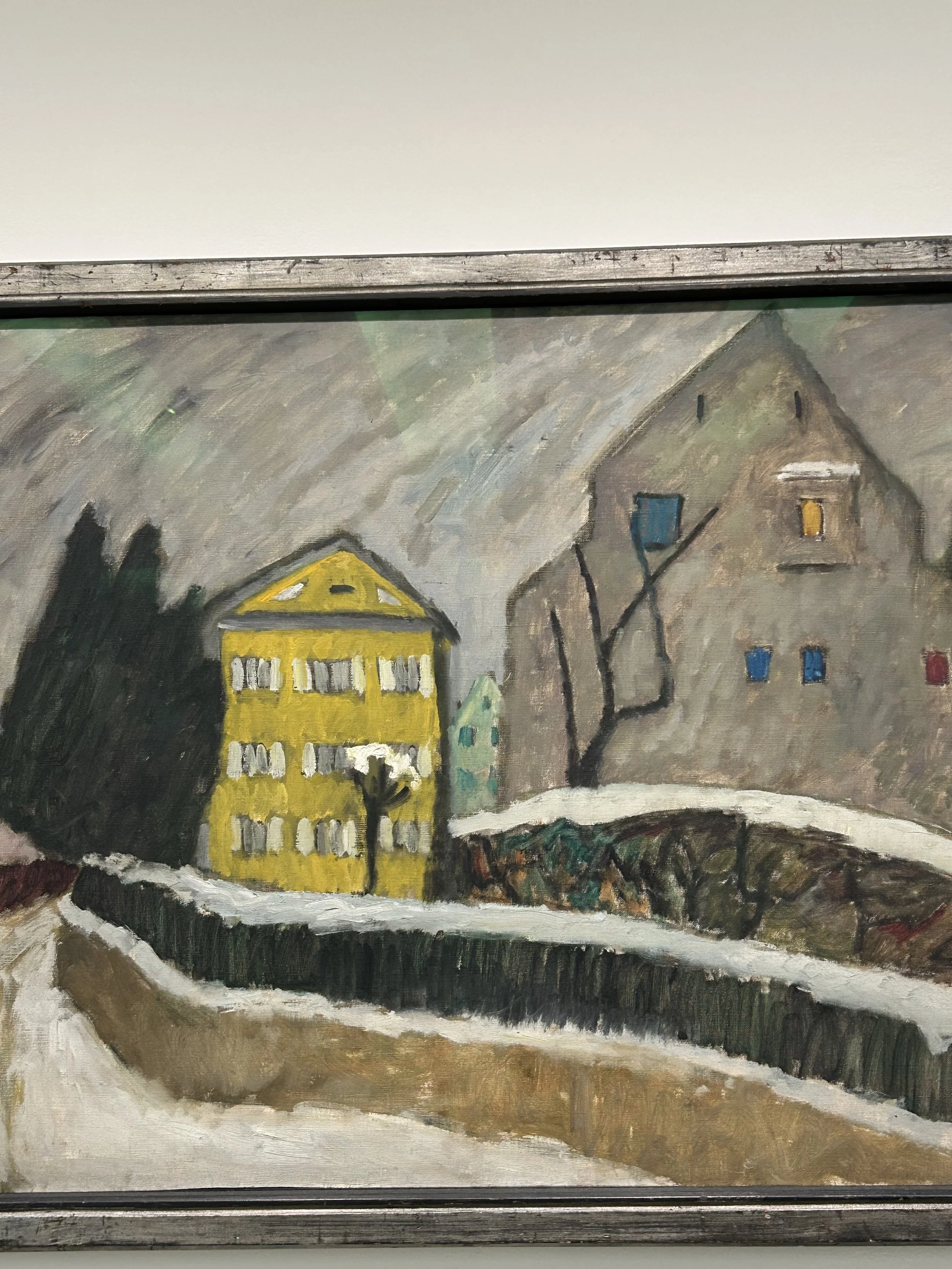
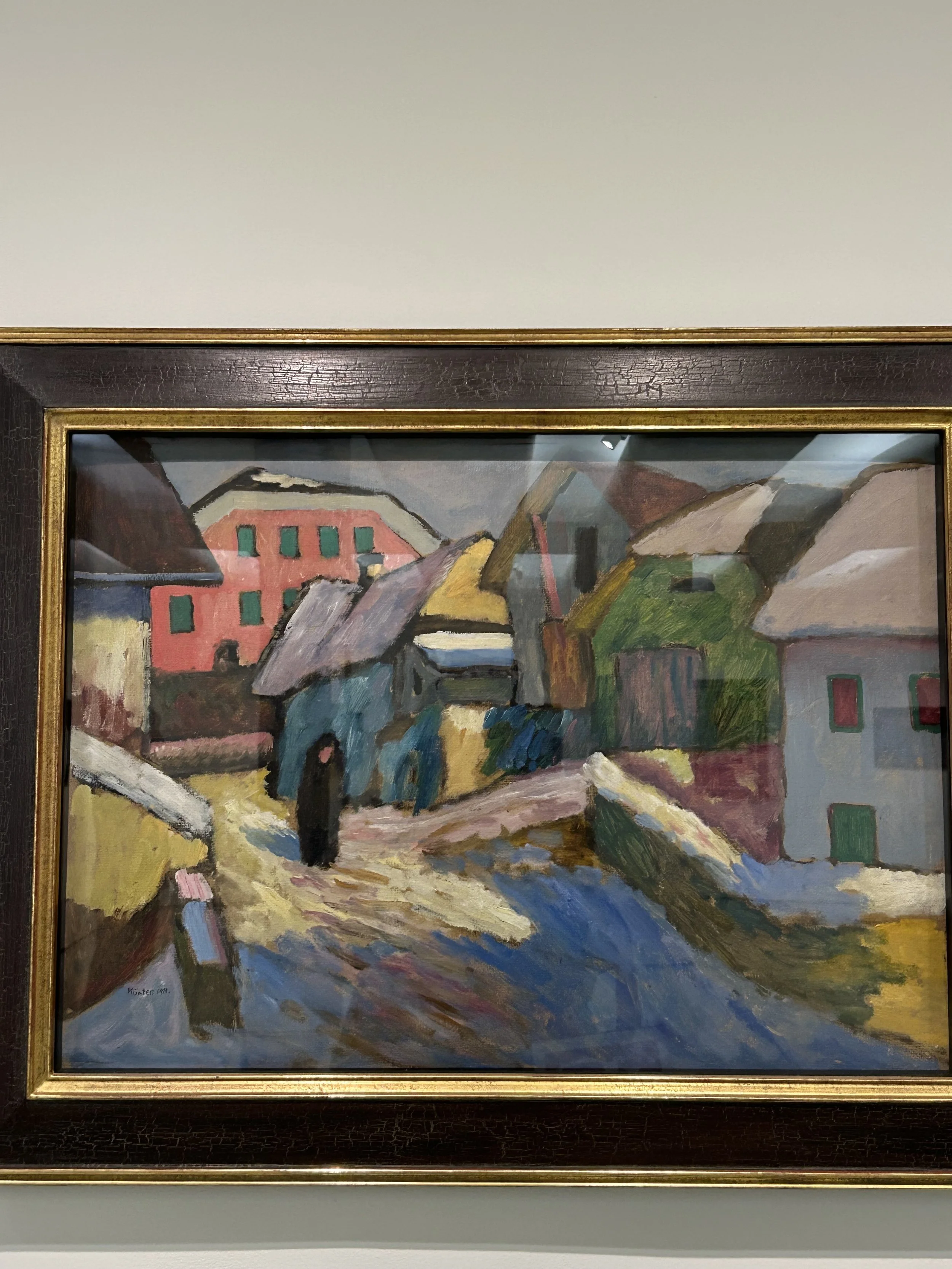
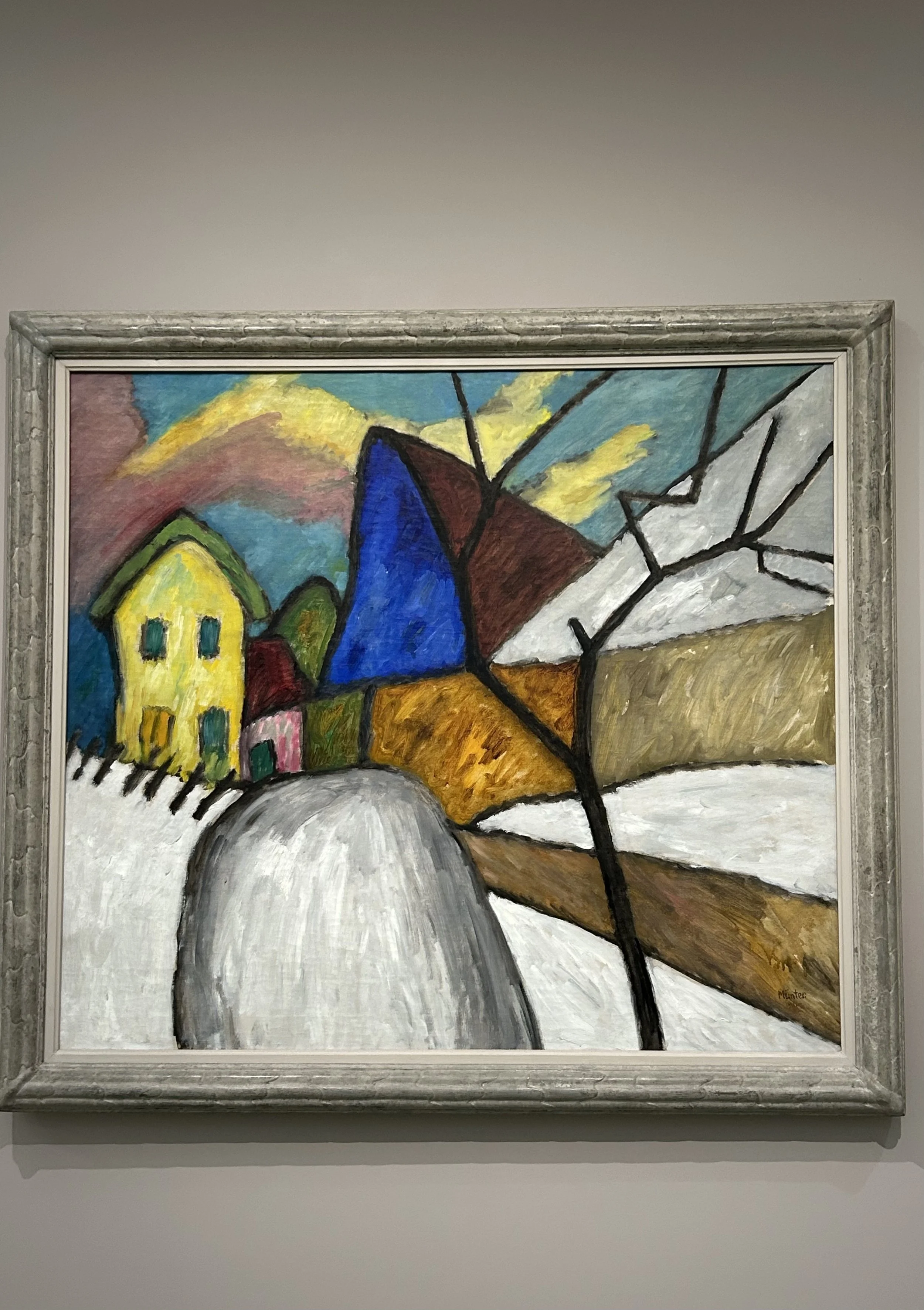
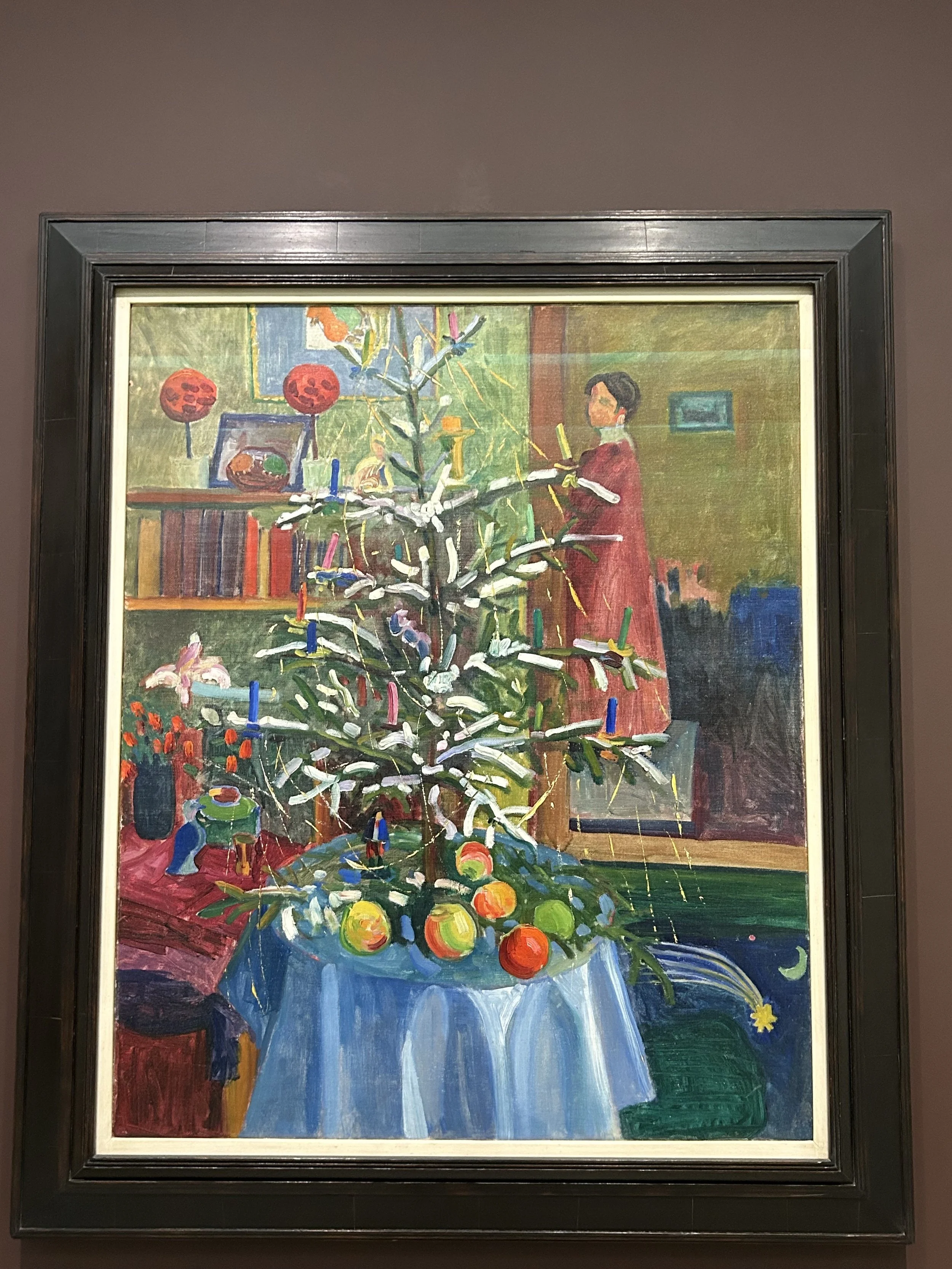
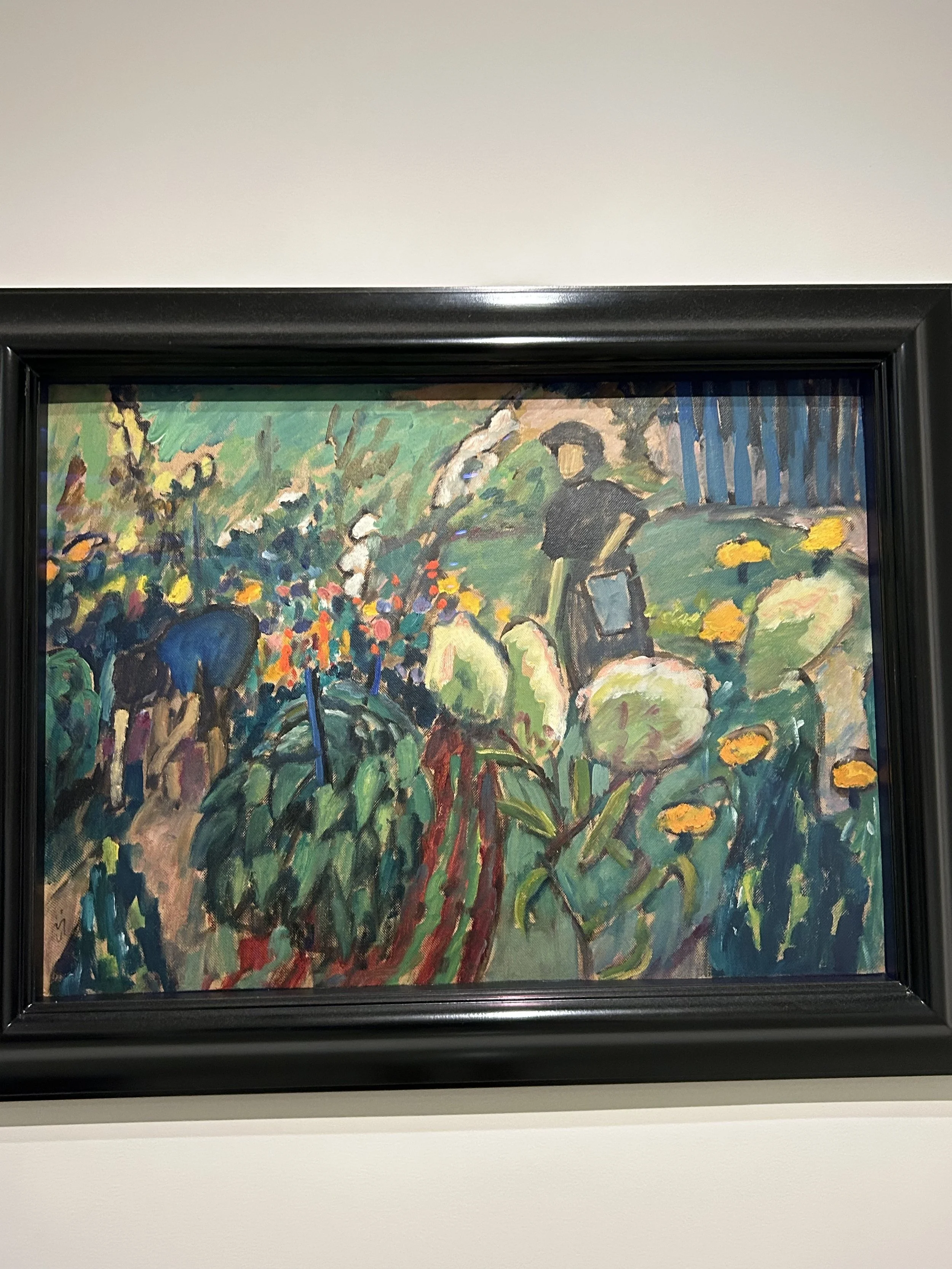
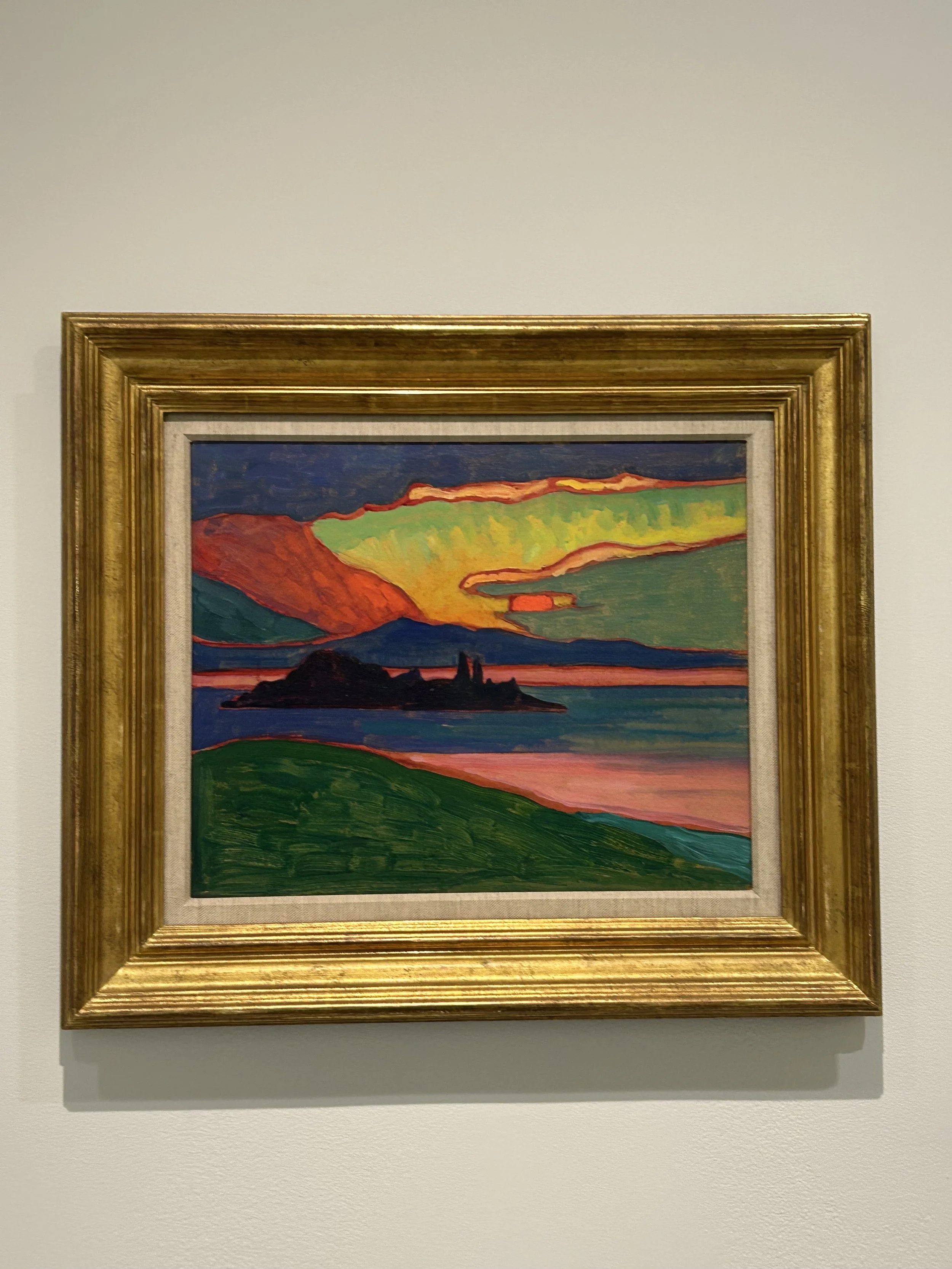
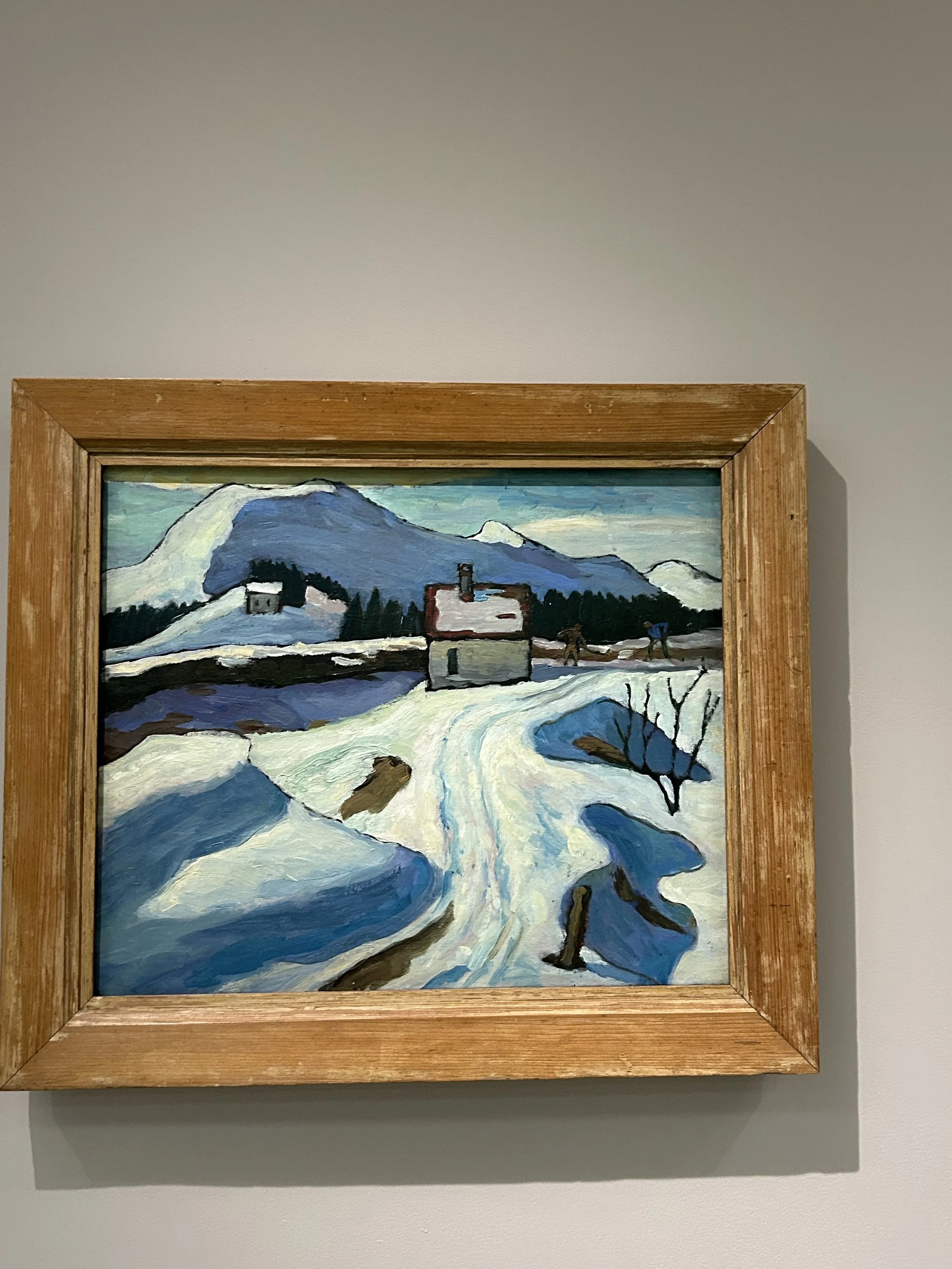
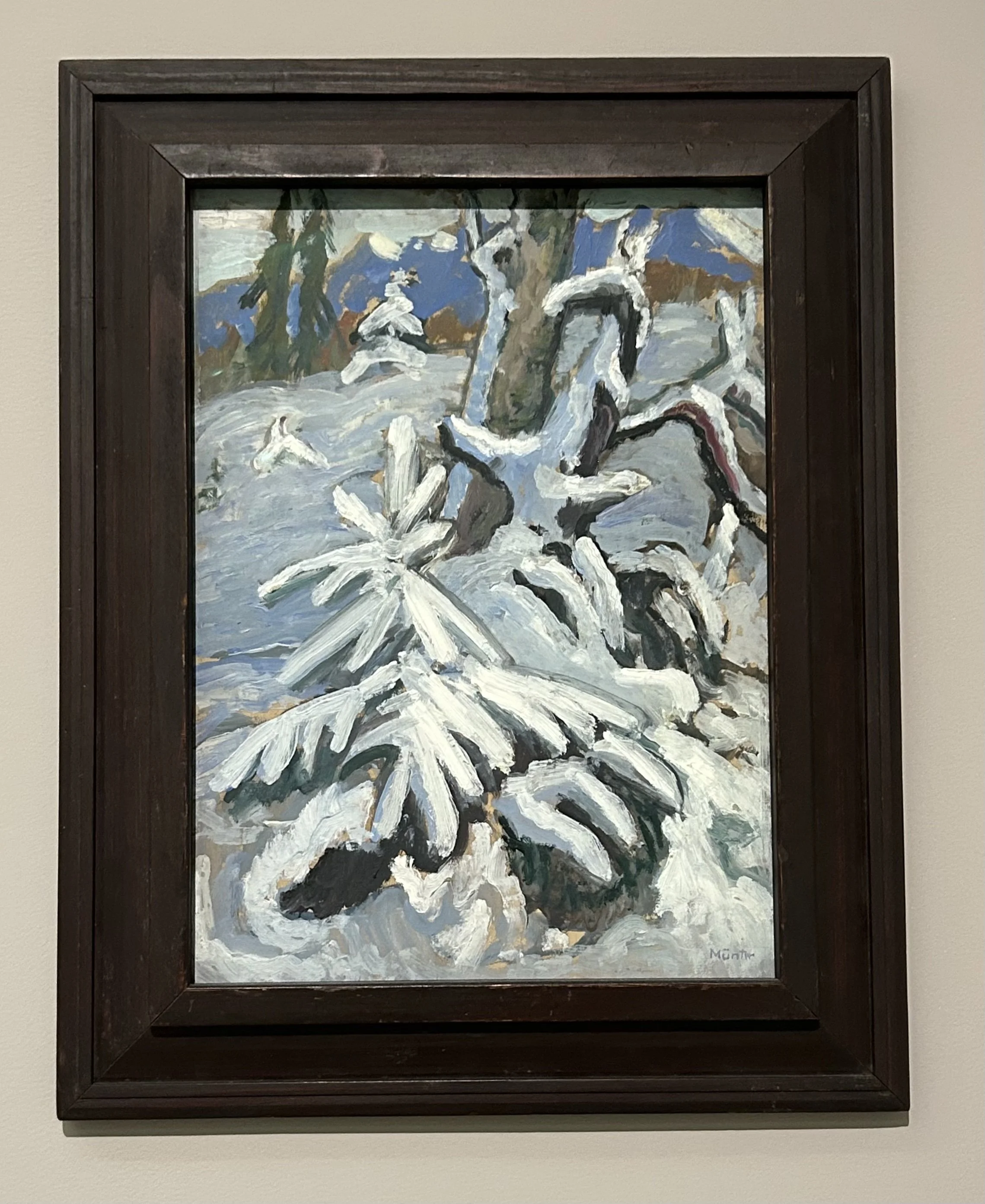
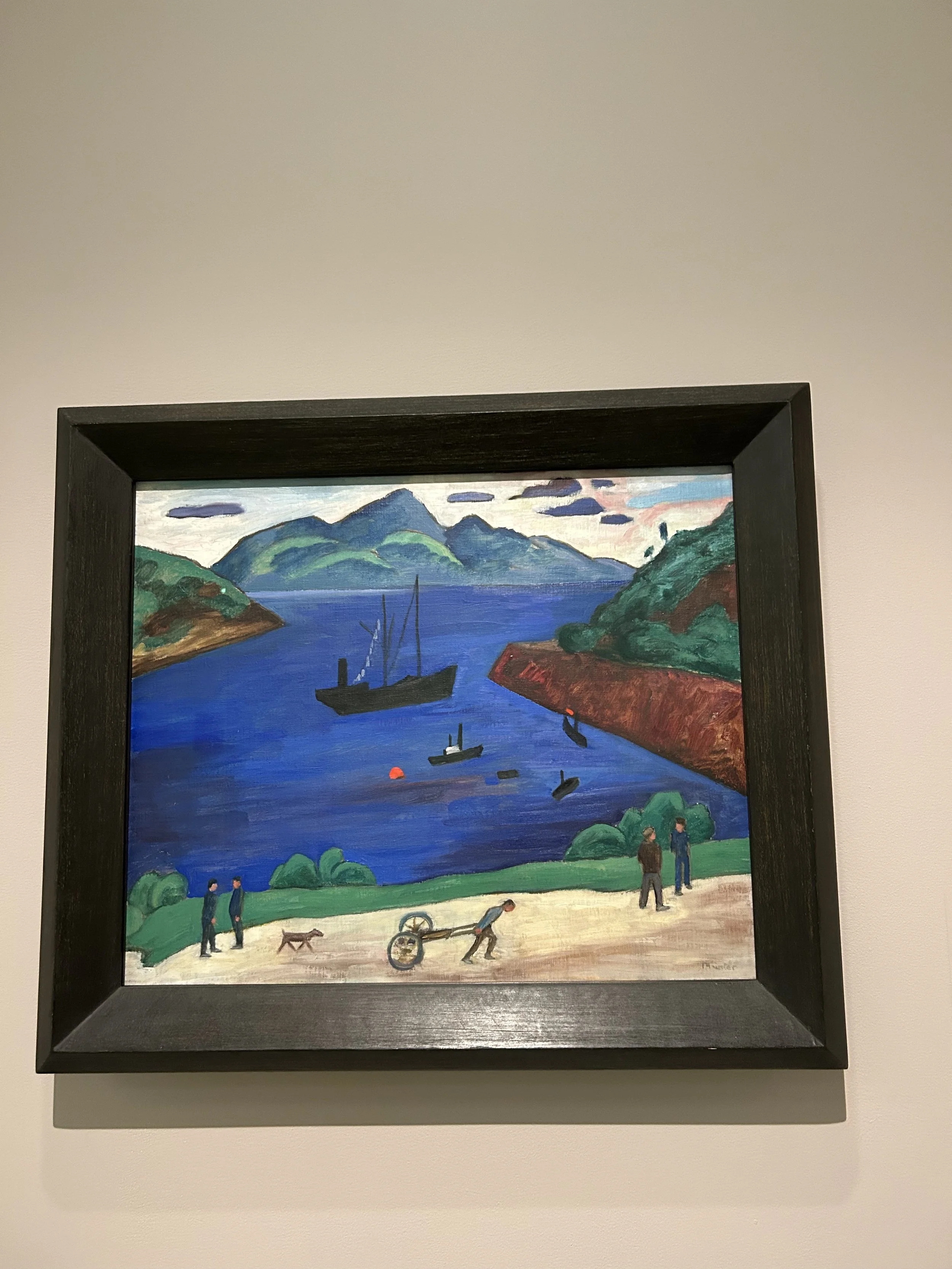
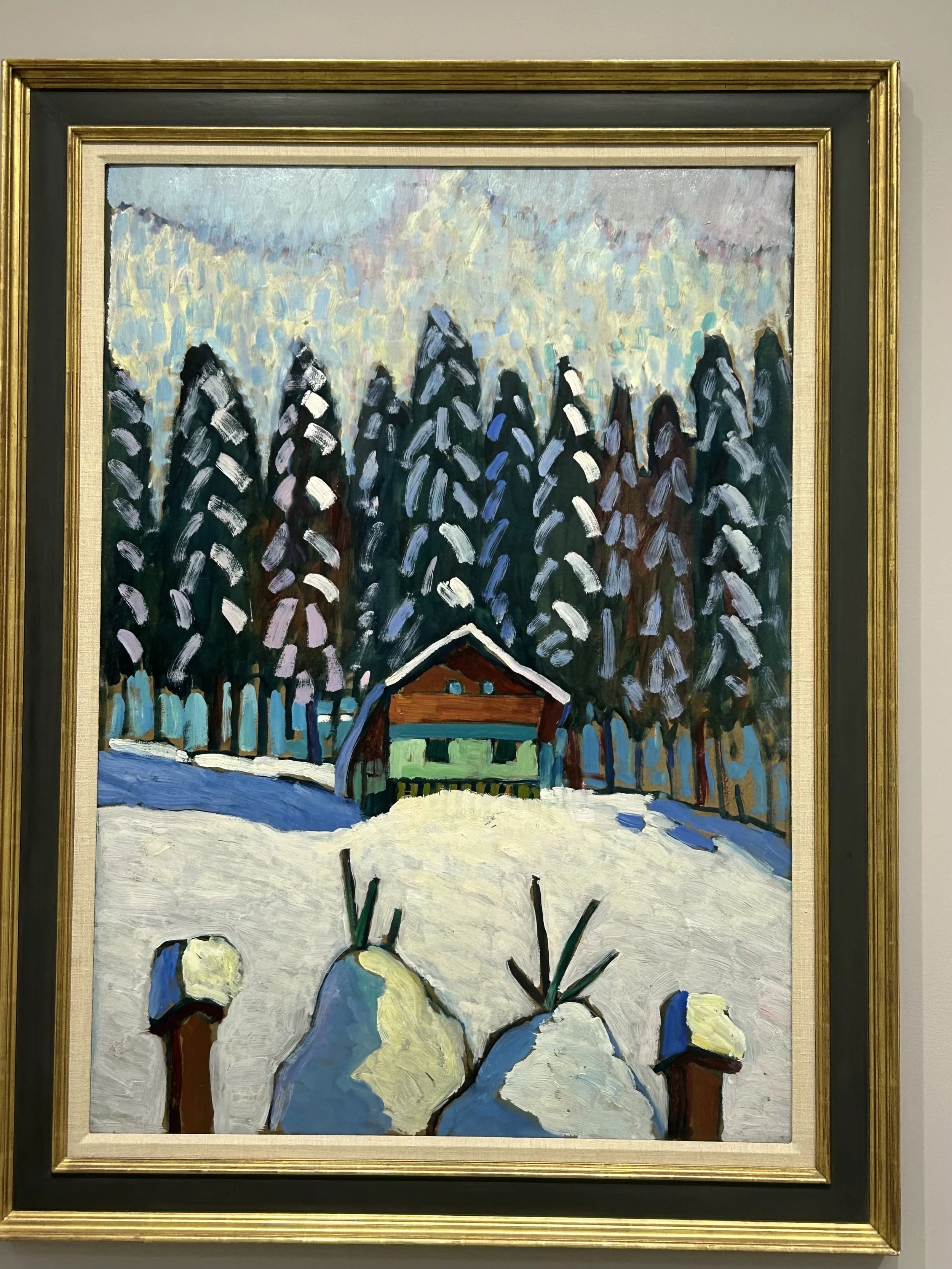
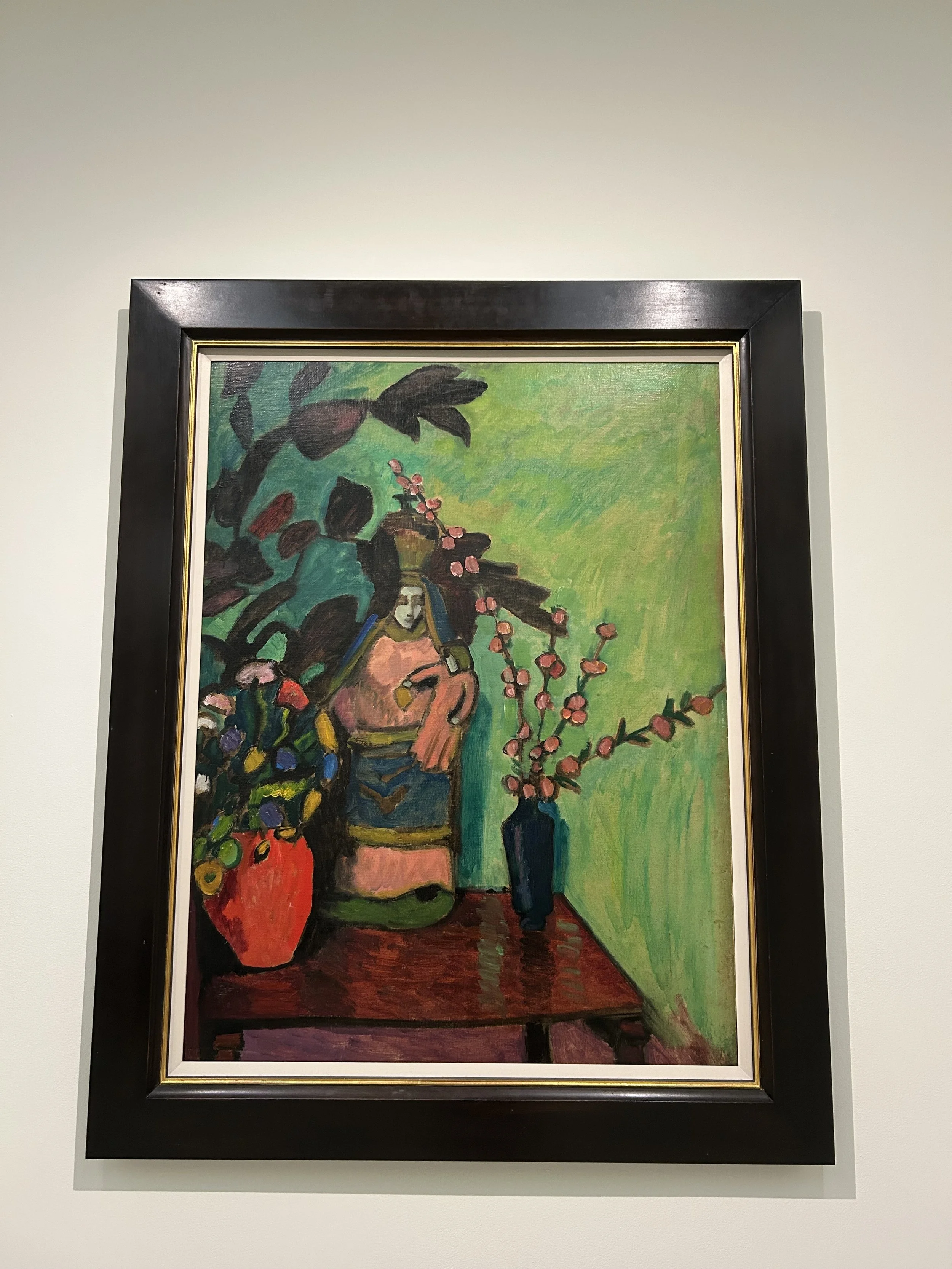
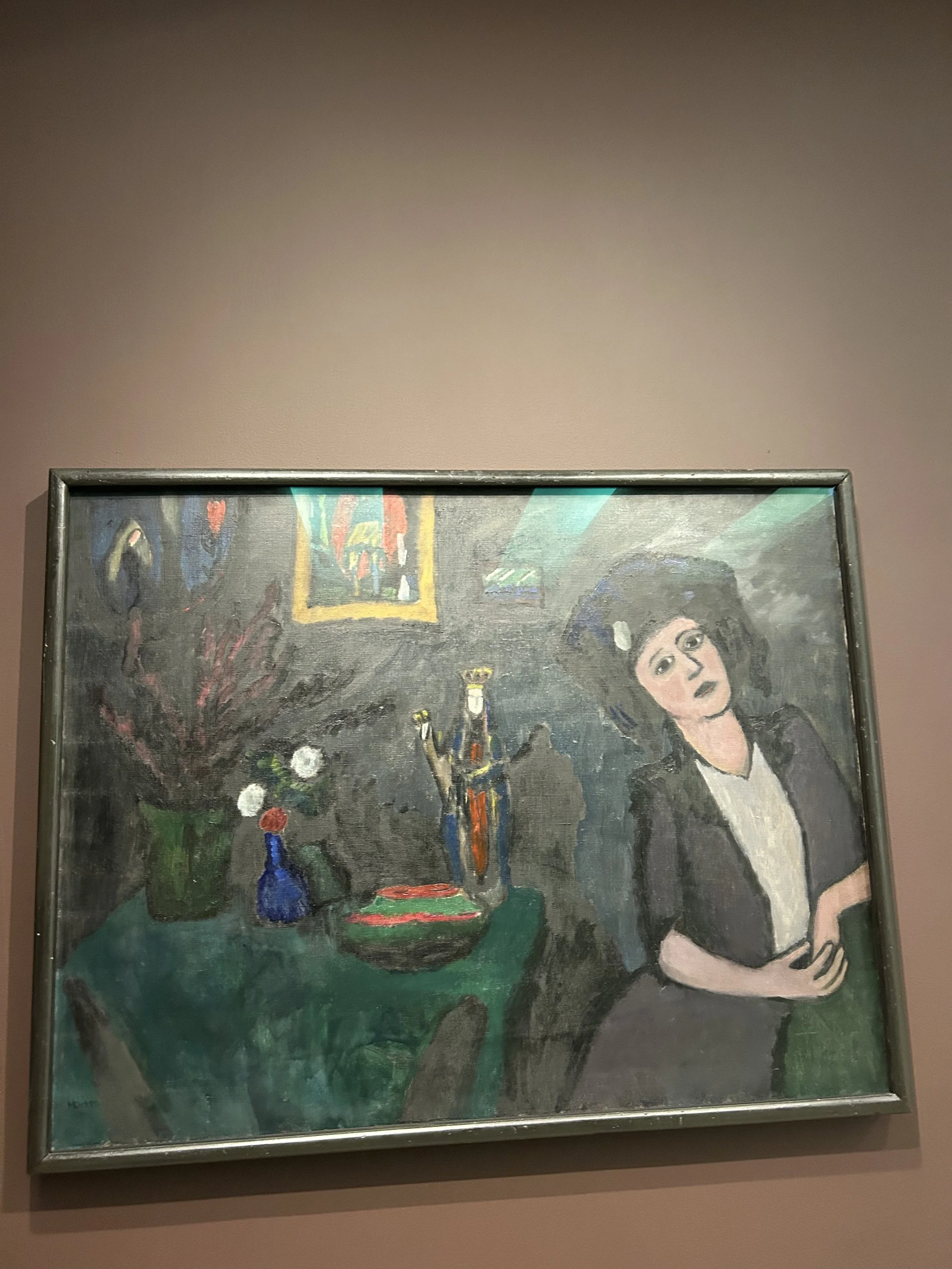
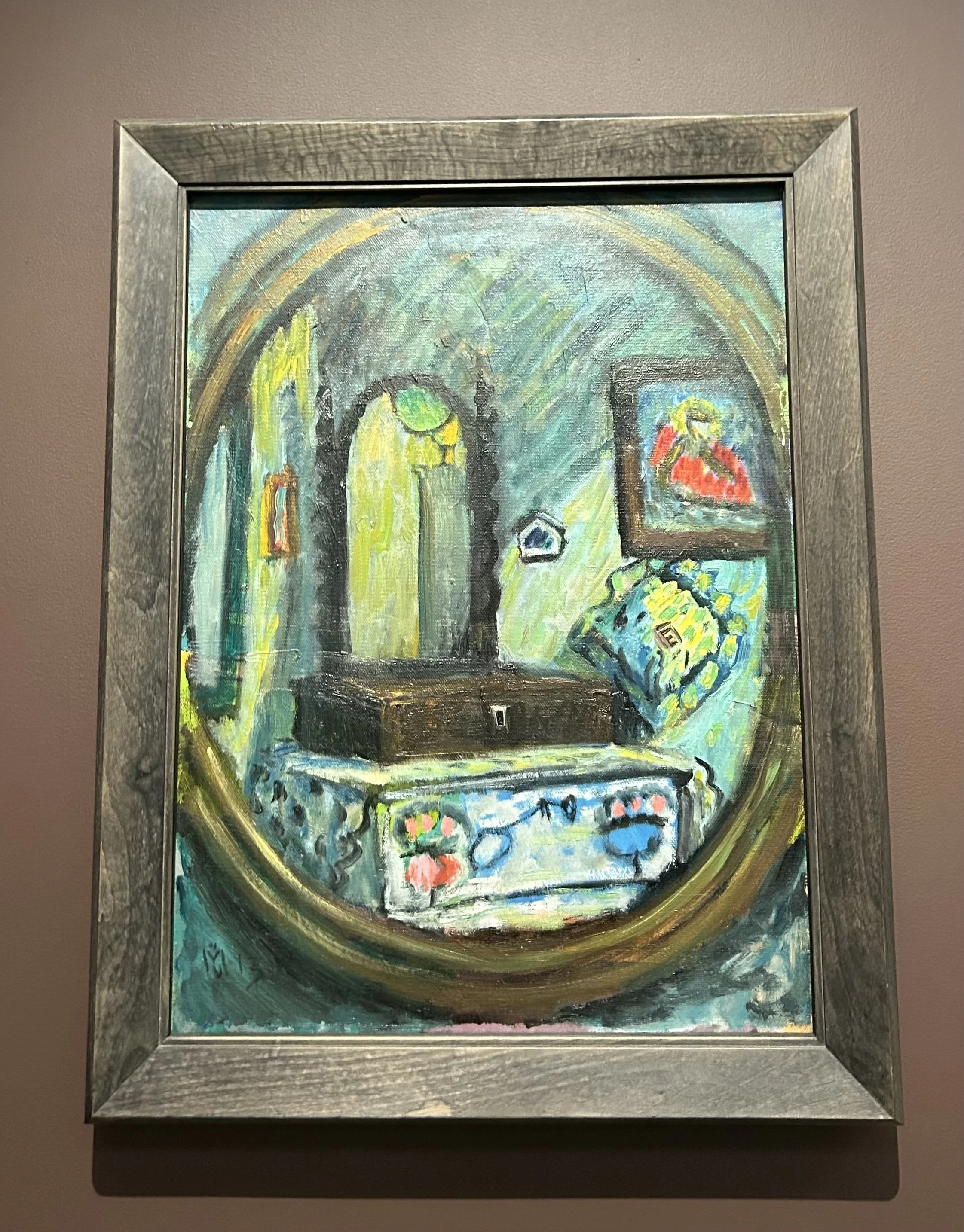
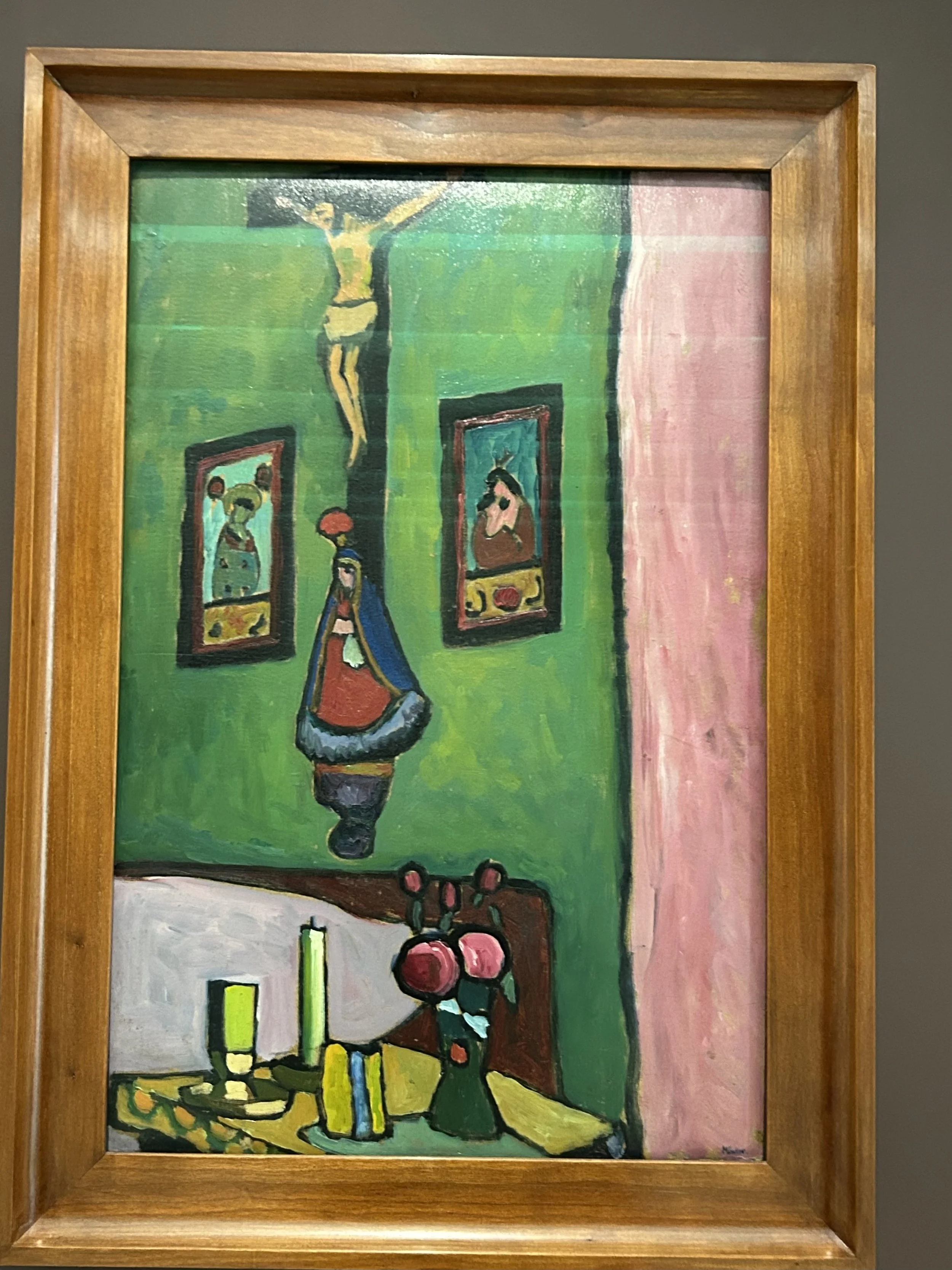
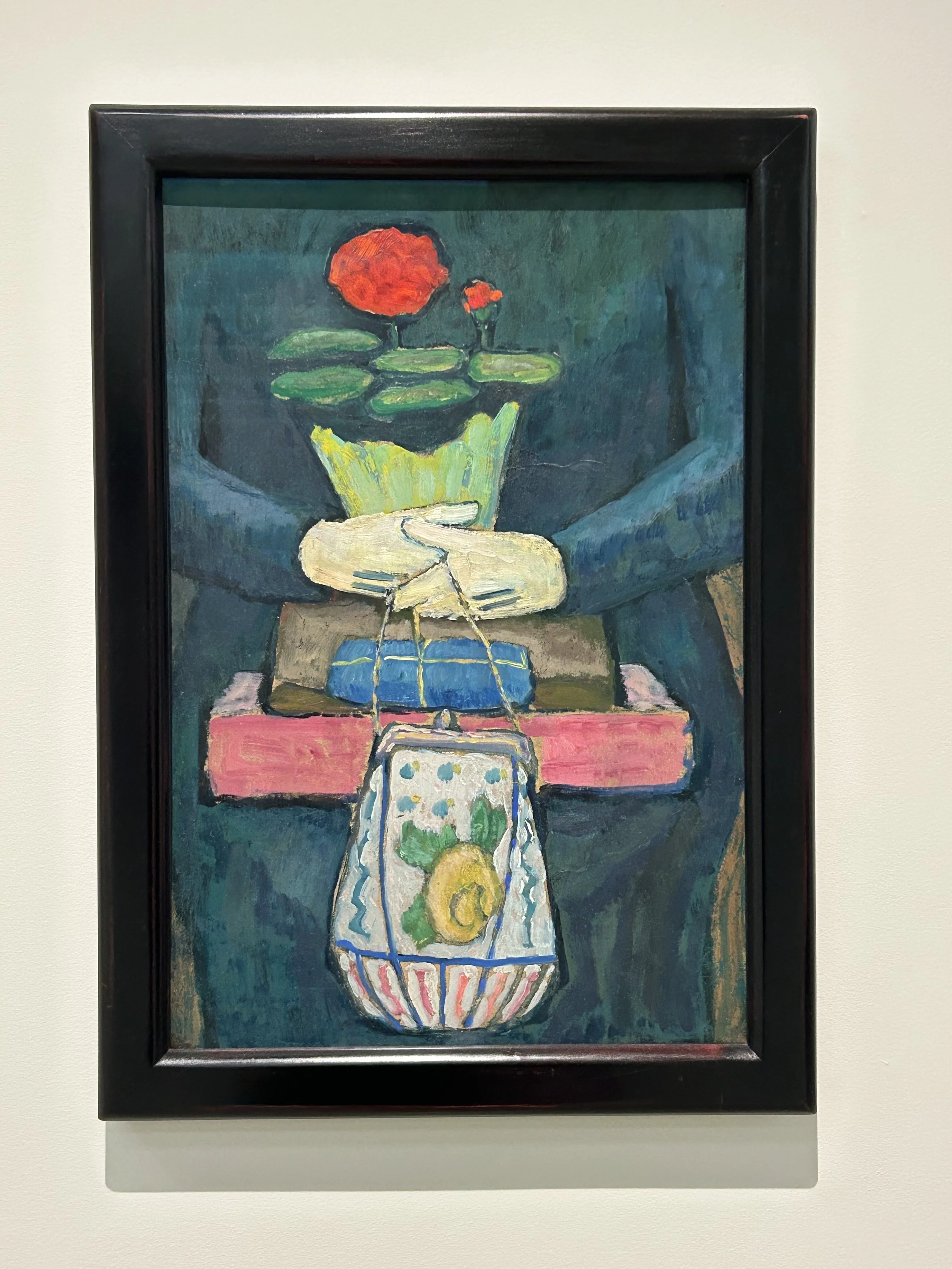
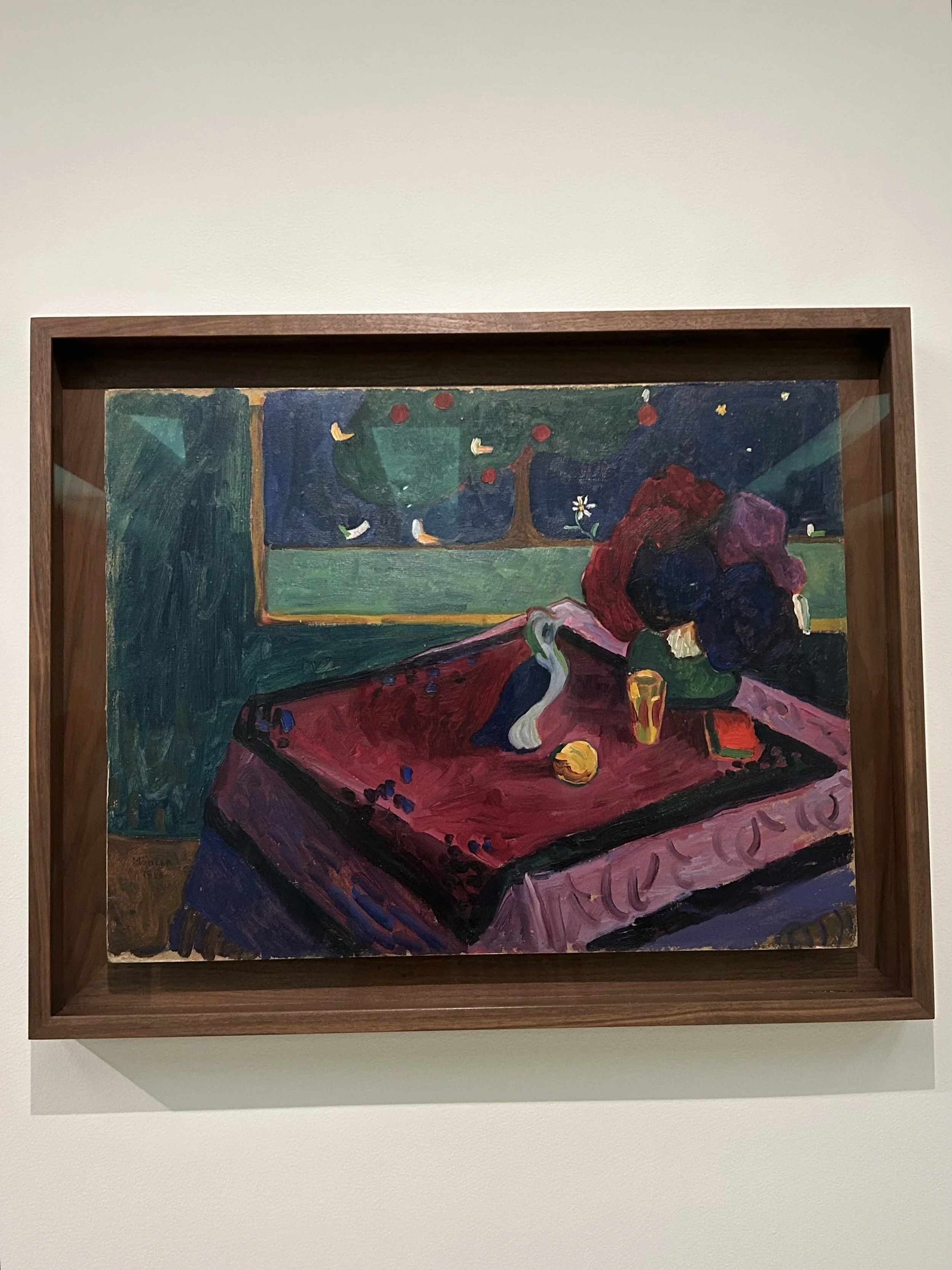
This was such a pleasant surprise, discovering an artist I had never really known before. I might have briefly encountered her name in art history classes but never in any depth as I could not recall if I have ever seen her work before. This meant I could approach her work with completely fresh eyes and form my own first impressions. That doesn't happen often, especially since I usually visit museums for artists I am already very familiar with.
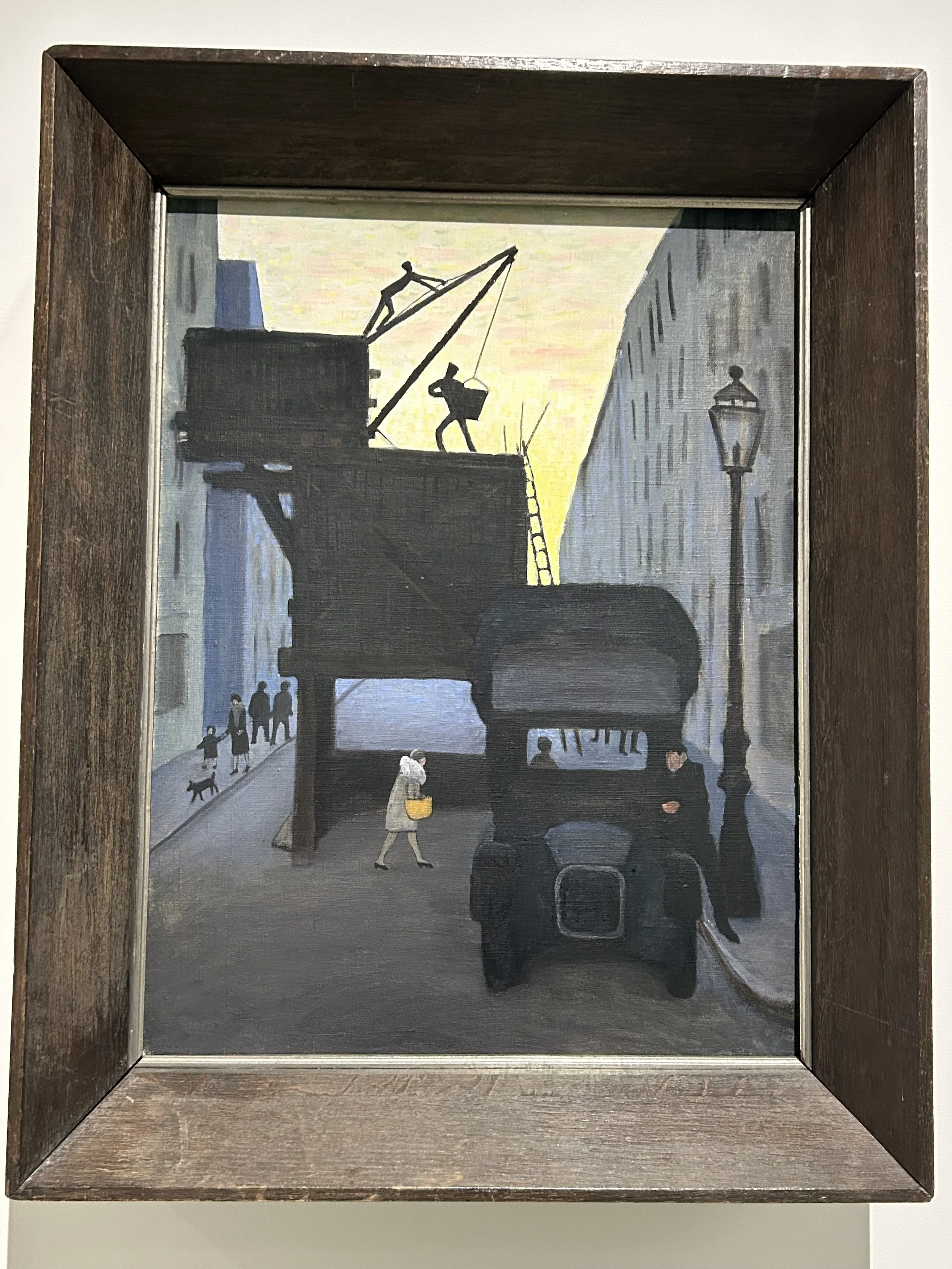
I was immediately drawn to her bold colors, the winter scenes, the simplified forms, the domestic interiors painted with such confidence and directness. The Scaffolding, painted in 1930, stopped me for a while.
It was only afterwards, researching her story, that the full picture came together. I had always been familiar with Kandinsky's work but had no idea about Münter or the central role she played in Der Blaue Reiter. She contributed significantly to the movement's almanac, handled correspondence, and had a say in the choice of works and authors, and yet her name didn't appear in the imprint. She summed it up herself years later: "I imagine that nobody thought I had a say... Everyone saw me as the lady painter of the dozen."
Her relationship with Kandinsky lasted twelve years. When World War I broke out he left for Russia, remarried without telling her, and sent a final postcard ending with "I kiss your hands, your Kandinsky", and then nothing. She found out about the marriage years later.
She kept working through all of it. She hid hundreds of works by artists the Nazi regime had declared degenerate in the basement of her house in Murnau. And on her 80th birthday she donated over 1,000 works from the Blue Rider and its circle to the Lenbachhaus in Munich.
I am glad she is finally getting the recognition she deserves. And I am glad I stumbled into that exhibition without expecting it.