Notes on New York Elegance
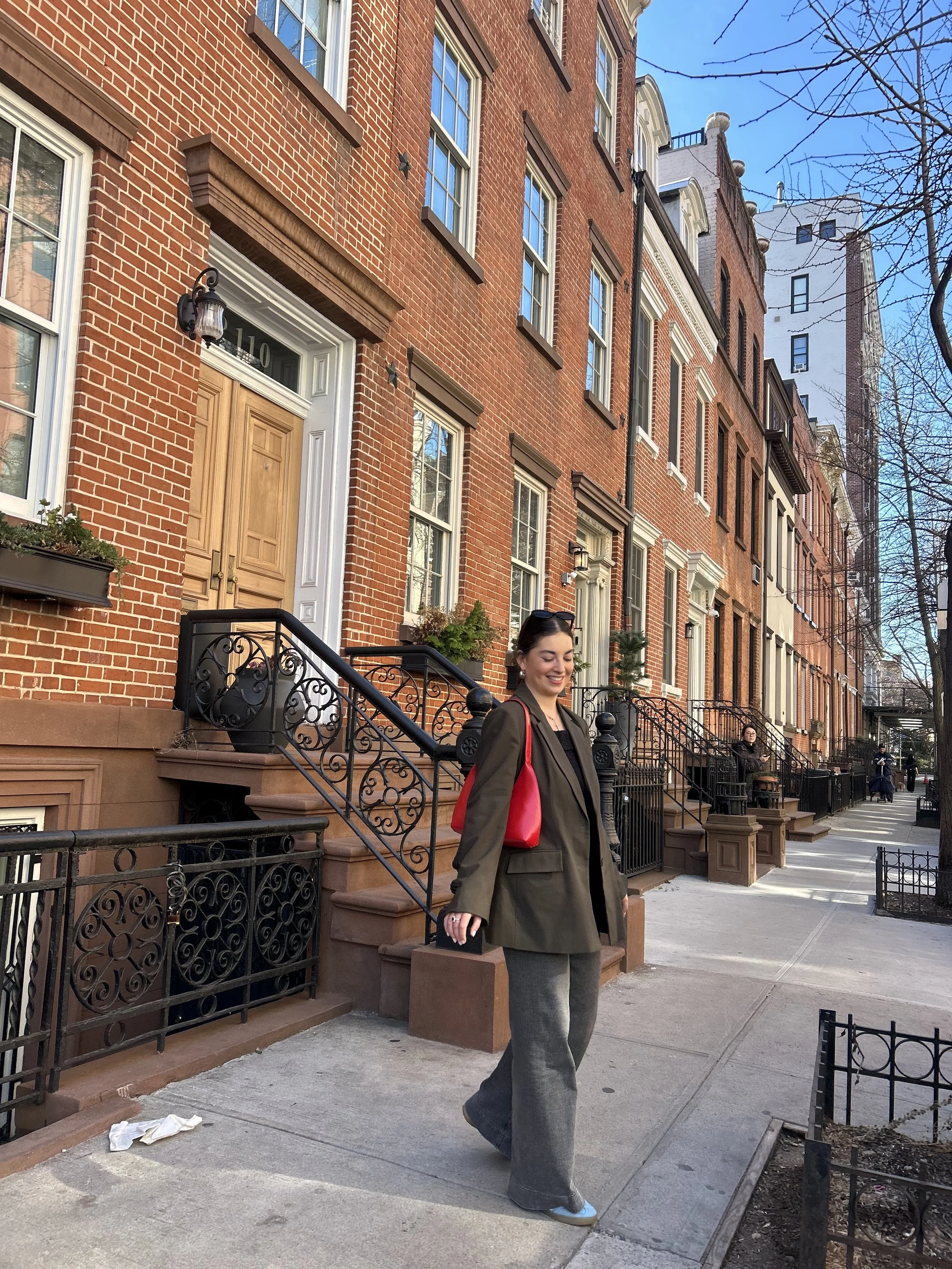
New York has always felt to me like one of the most elegant cities in the United States, not in the polished or overly formal sense of elegance, but in the way style becomes part of the rhythm and visual language of everyday life. Every time I return, I find myself paying attention not only to what people are wearing, but to the atmosphere surrounding them: long wool coats moving through crowded streets in winter, dark sunglasses, the quiet confidence of monochrome dressing, the balance between practicality and intention that seems to define the city’s aesthetic.
Coming from both Milan and San Francisco, I often notice these differences even more strongly. Milan, to me, represents a quieter and more inherited form of elegance, one deeply embedded in culture, craftsmanship, and restraint. New York feels different. The style is more urban, more direct, sometimes sharper and more performative, yet still incredibly sophisticated in its own way. There is an energy to New York dressing that feels tied to movement, ambition, and city life itself. In contrast, San Francisco has always felt much more casual and practicality-driven, shaped by a culture where fashion often seems secondary to comfort and functionality.
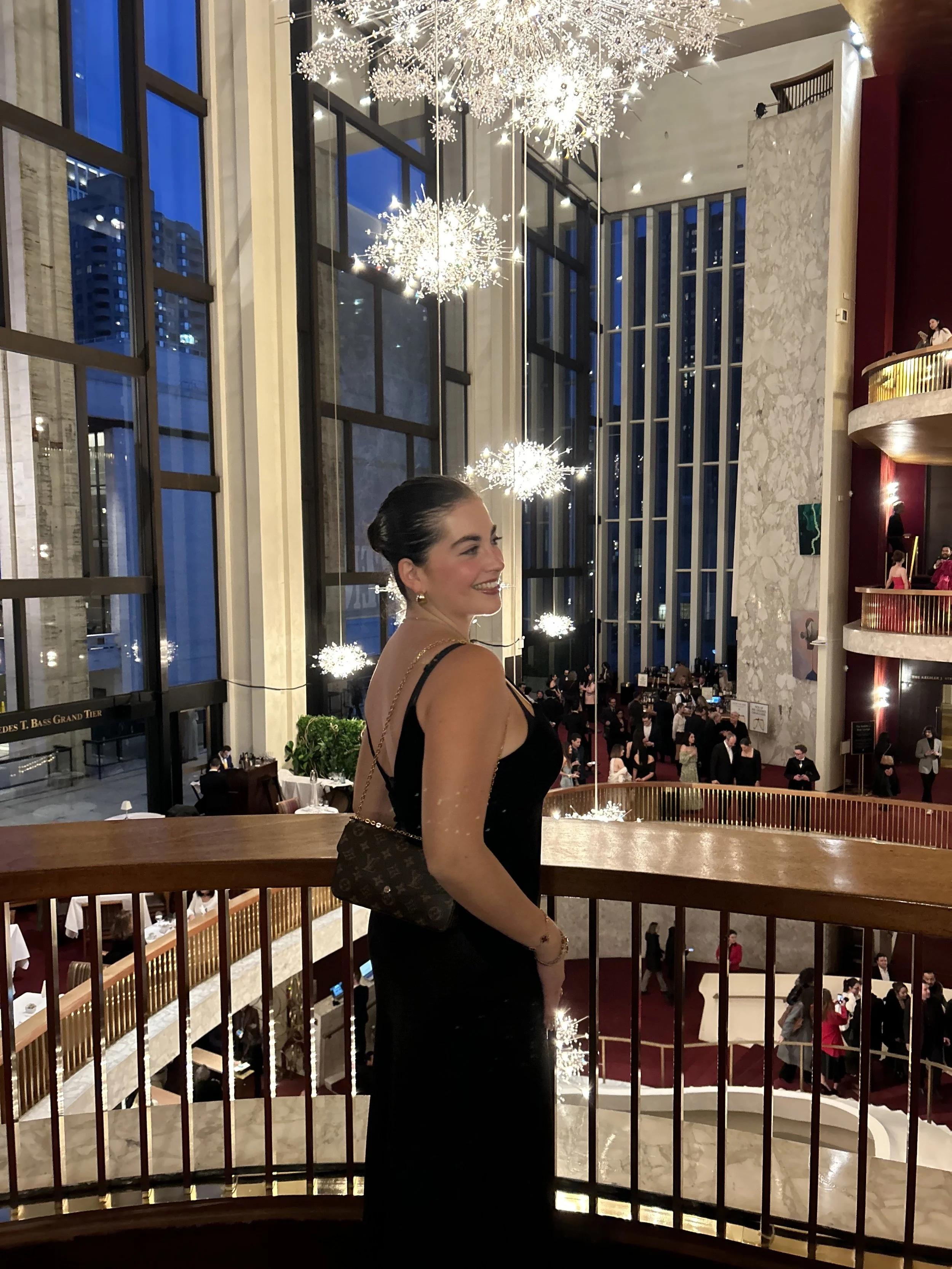
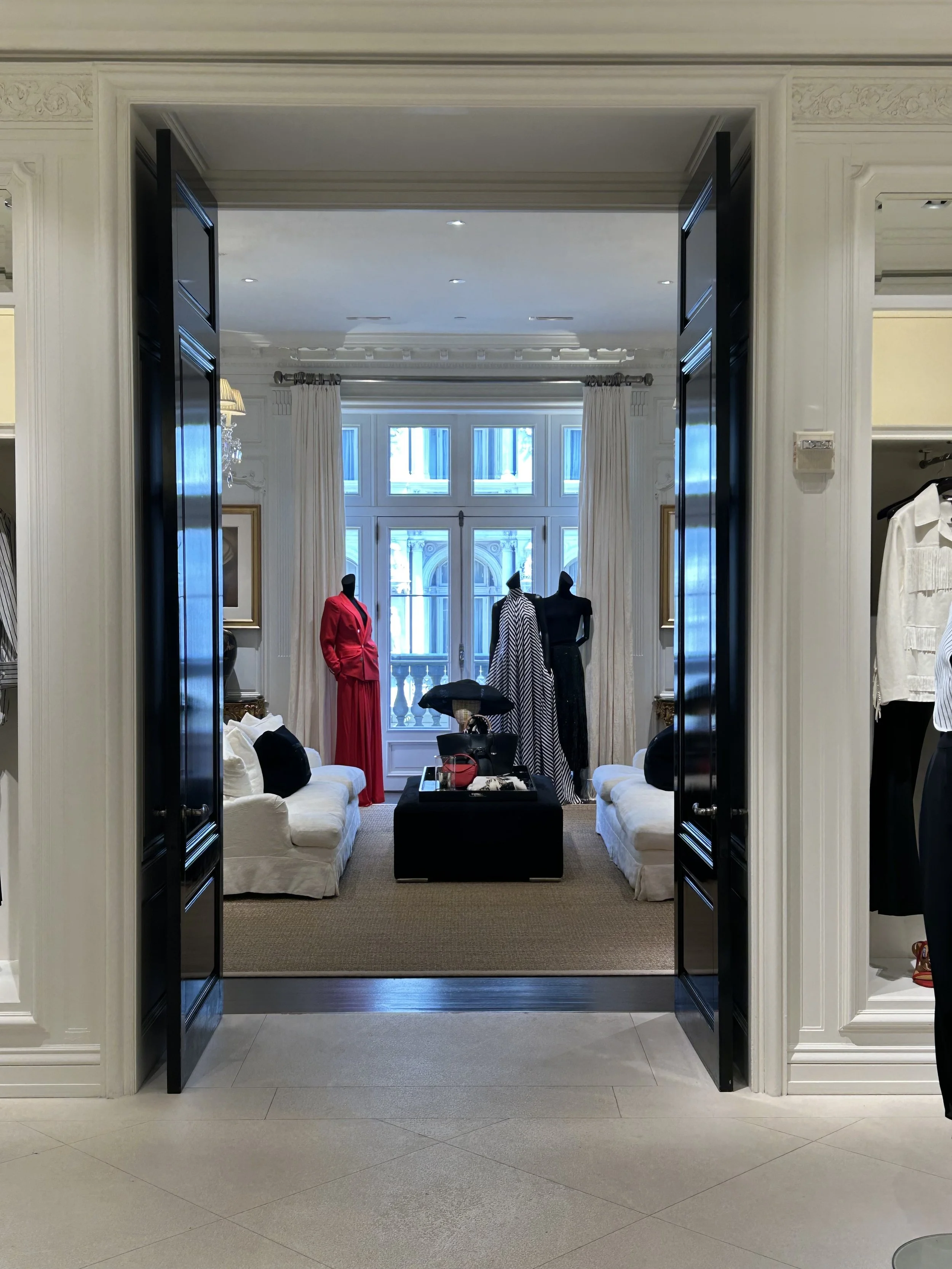
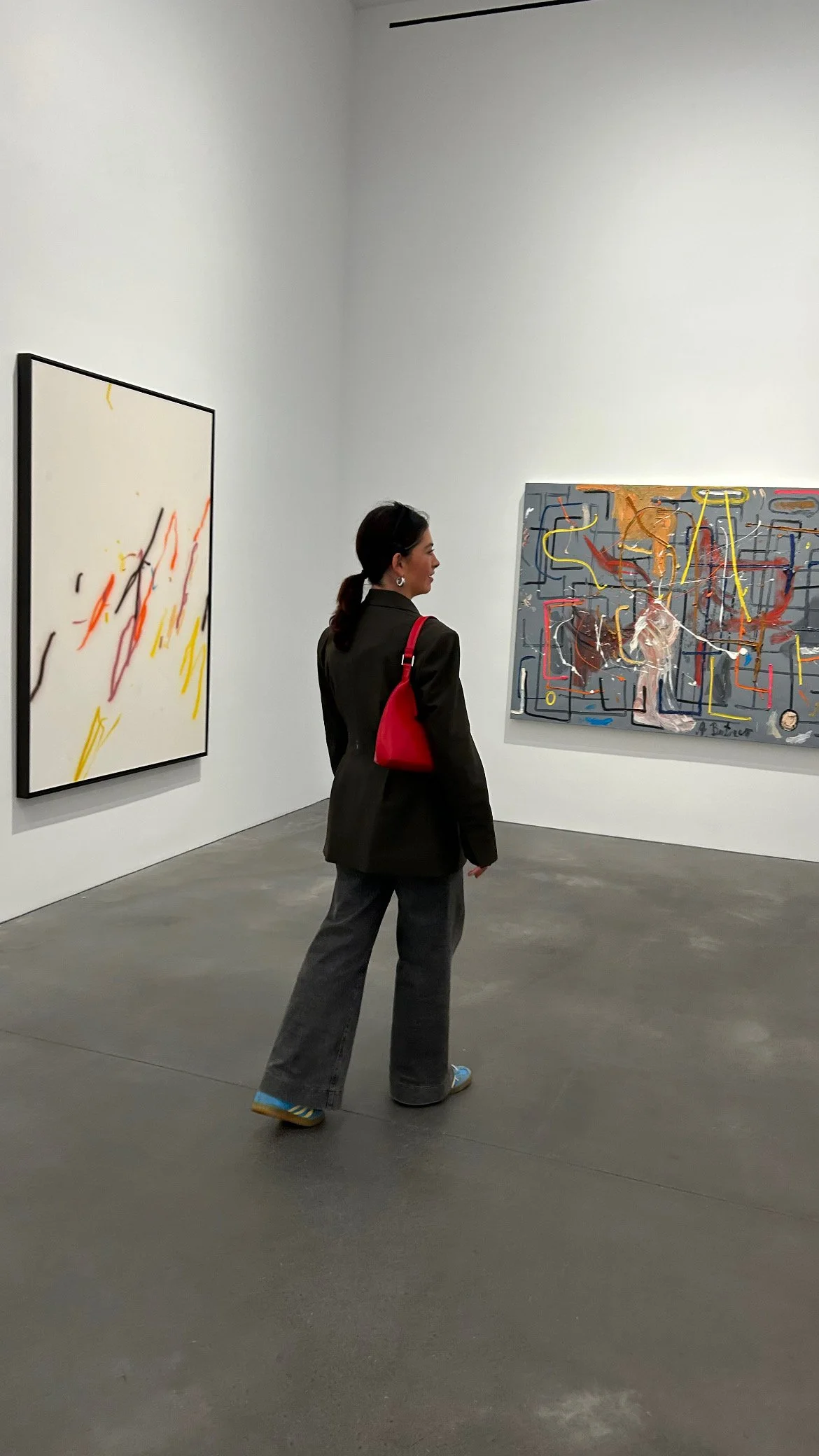
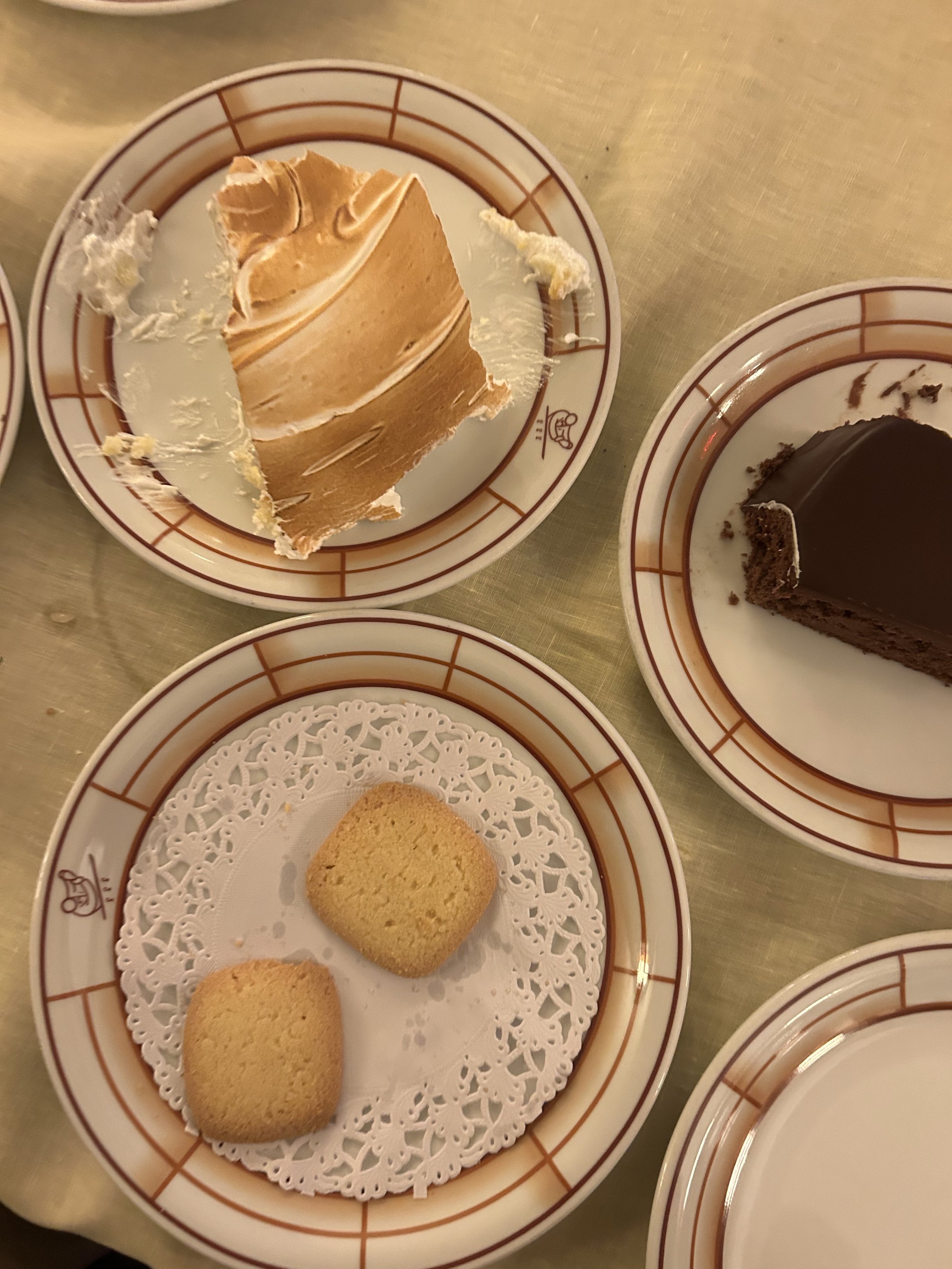
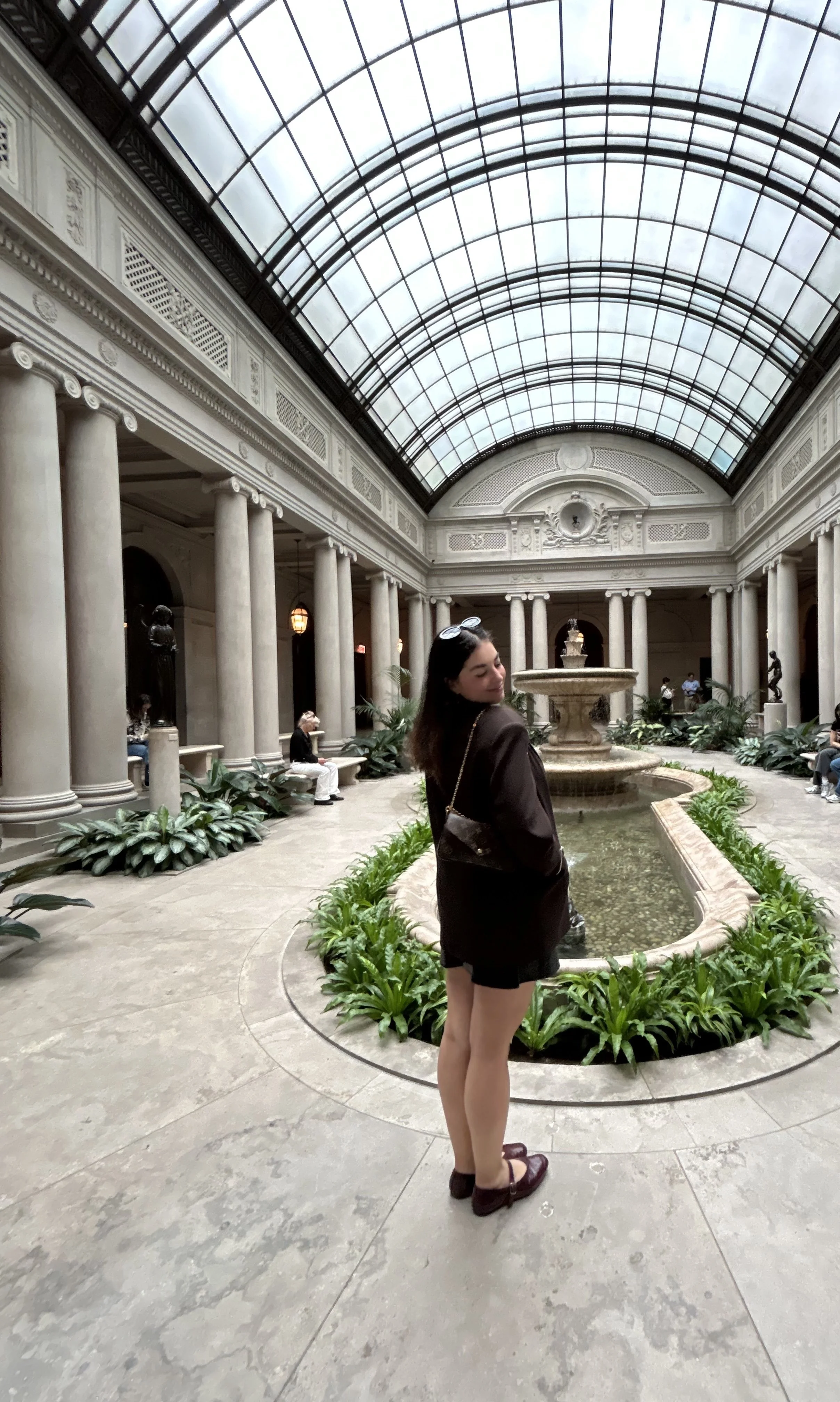
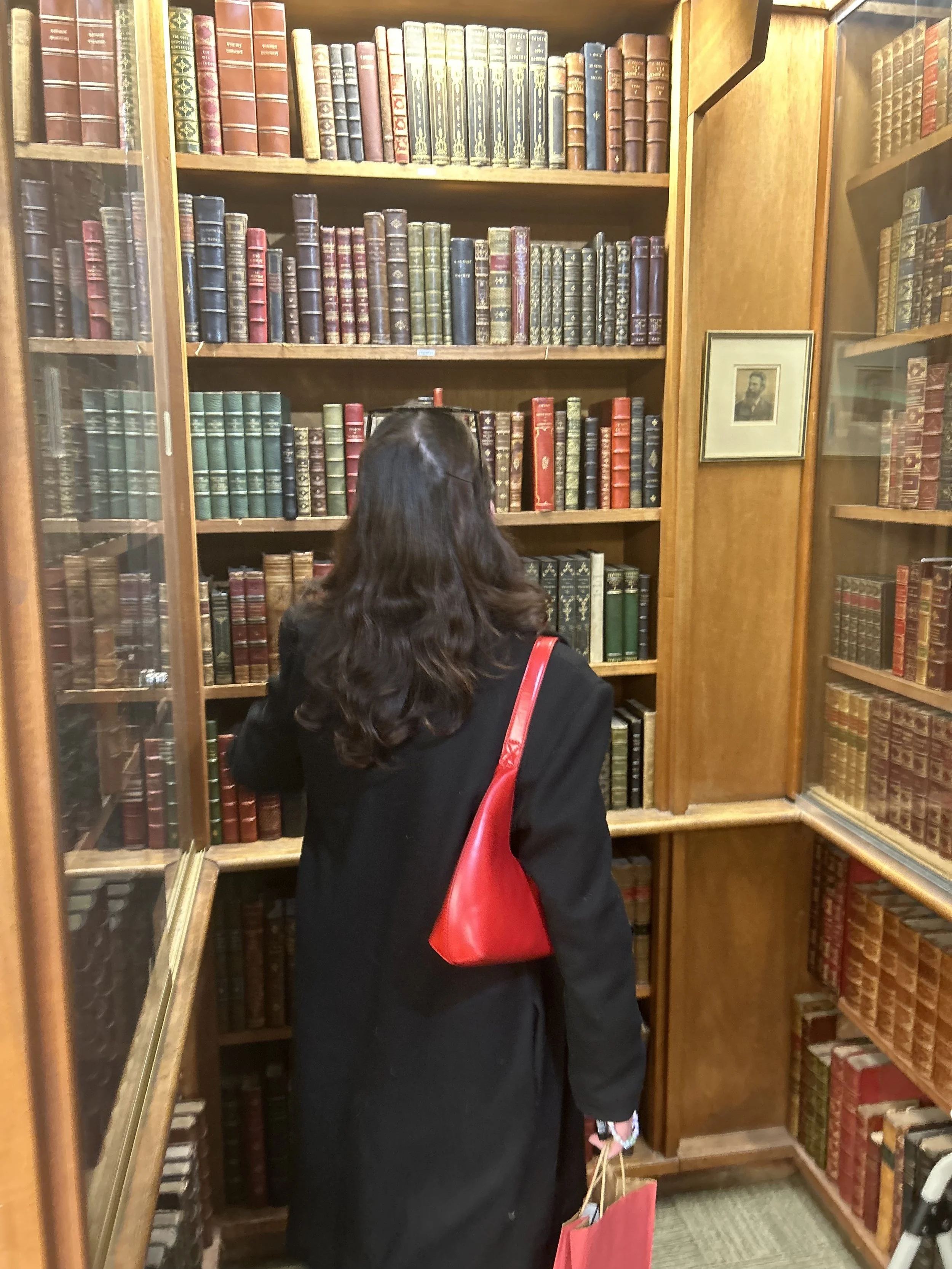
What fascinates me most about New York, however, is that the elegance of the city extends far beyond clothing. It exists in restaurant interiors, hotel lobbies, bookstores, cafés, museums, and the architecture itself. Places like The Carlyle, The Polo Bar or the quiet galleries of the Upper East Side all contribute to a visual atmosphere where fashion, interiors, and architecture seem to speak the same language. Everything feels connected through a shared sense of mood, proportion, lighting, texture, and restraint. I often wonder if this is part of the reason people dress so intentionally there: the city itself encourages a heightened awareness of aesthetics and presence. I especially notice this during autumn and winter, when New York feels at its most visually compelling. The layering, tailoring, leather boots, oversized coats, dark palettes, and structured silhouettes become part of the cityscape itself, blending into the architecture and seasonal light in a way that feels distinctly New York. Unlike the softer and more understated elegance of Milan, New York style carries a certain edge to it, something slightly more street-oriented and fast-moving, yet still deeply chic.
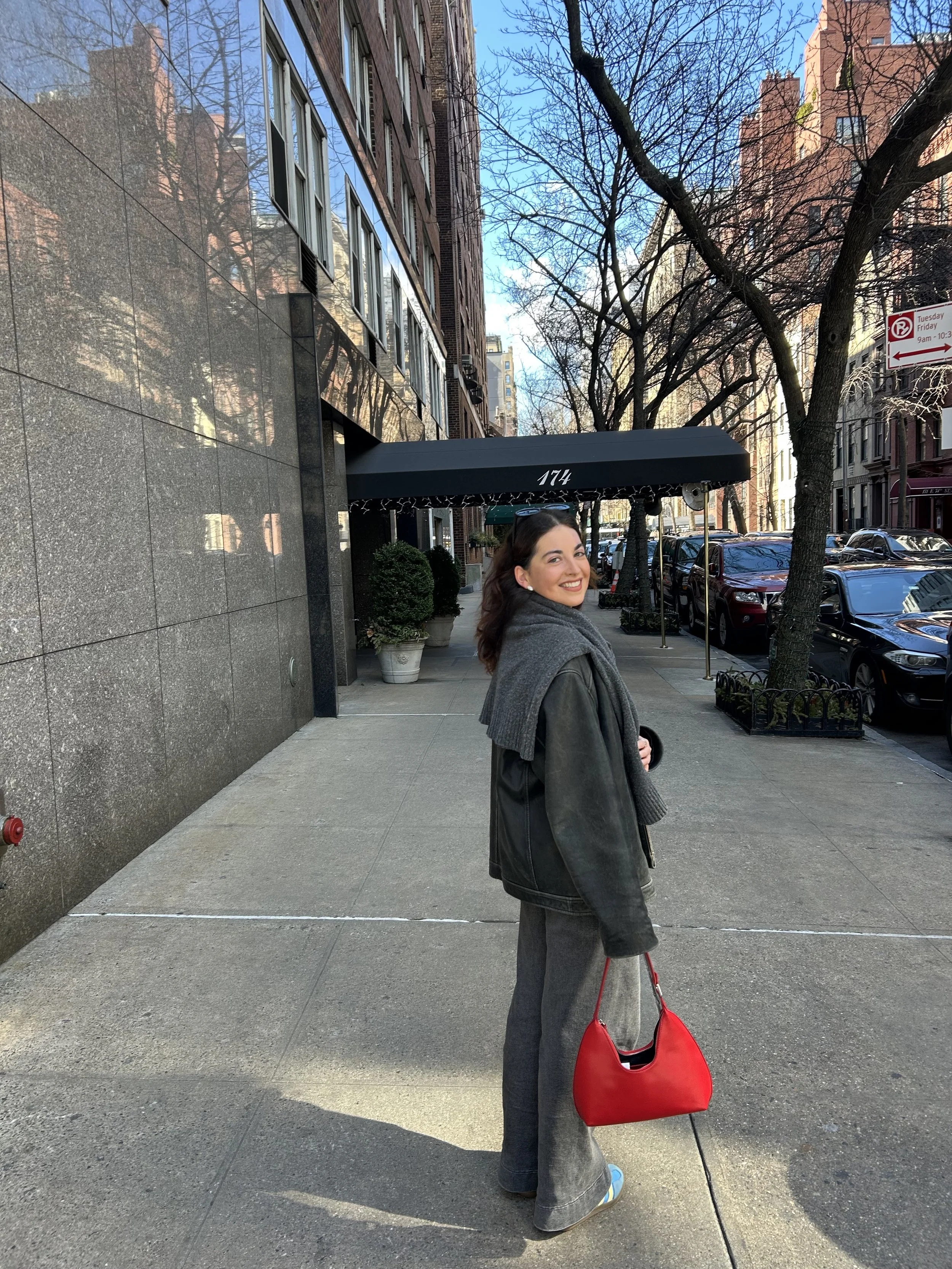
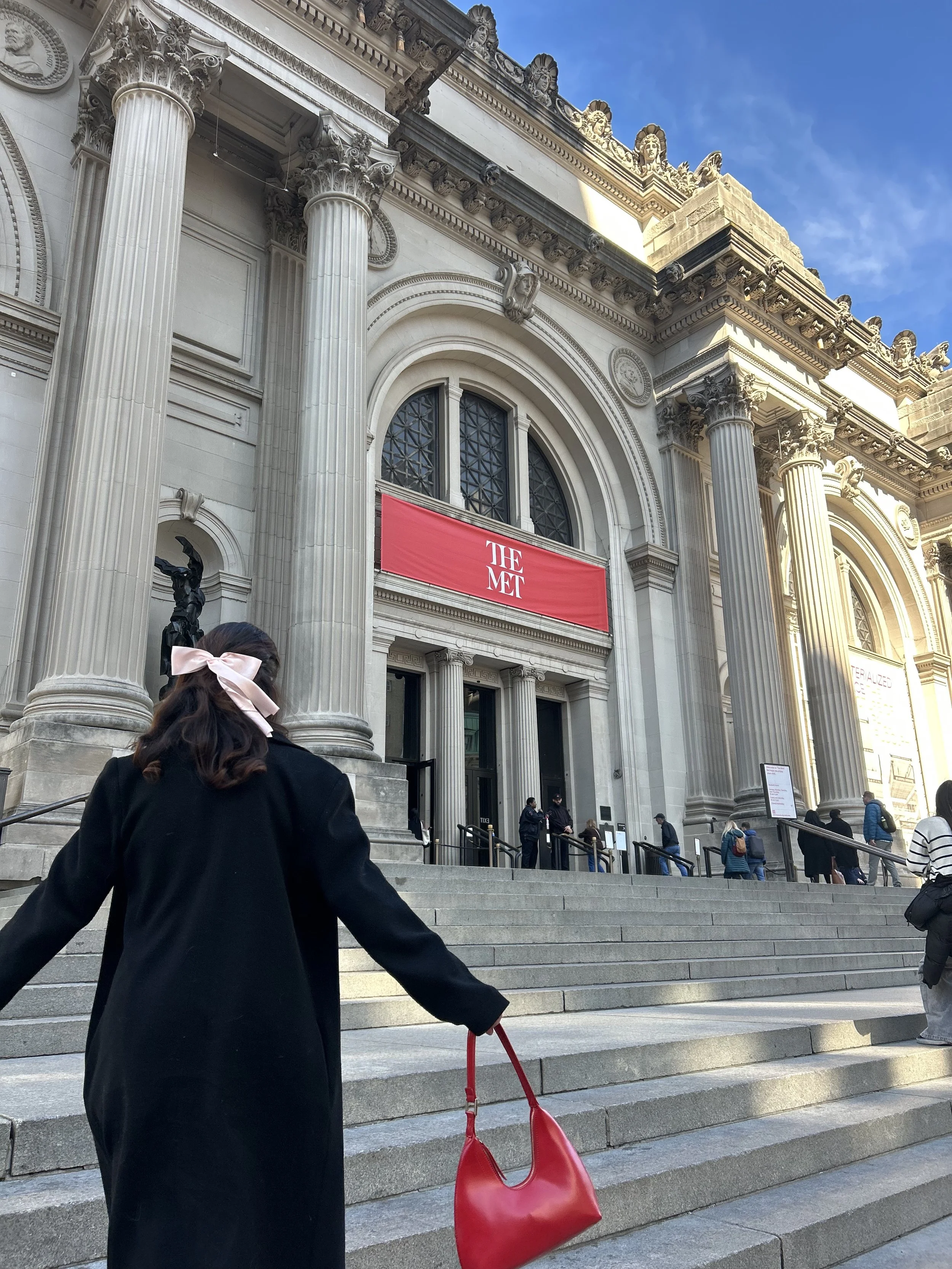
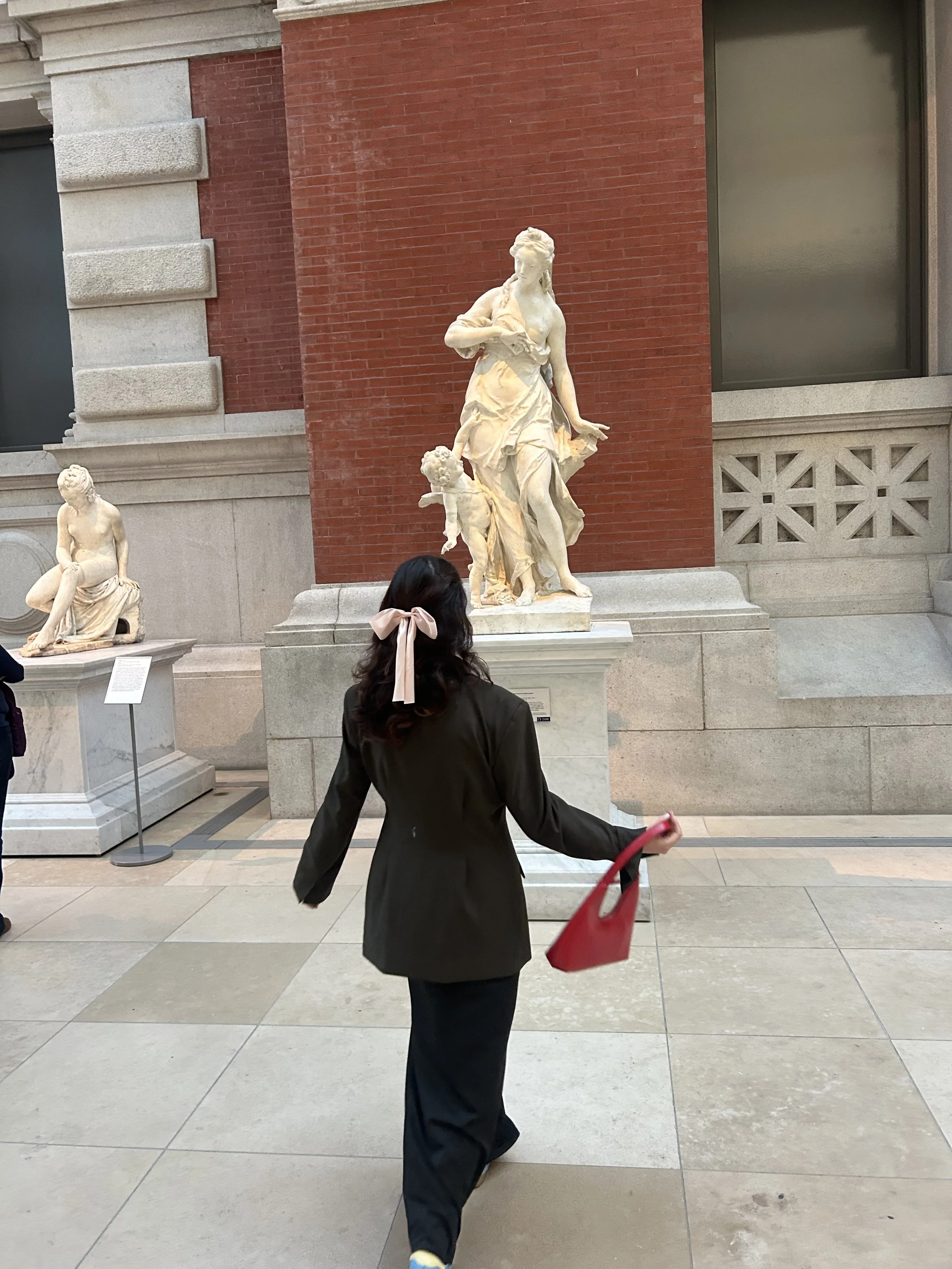
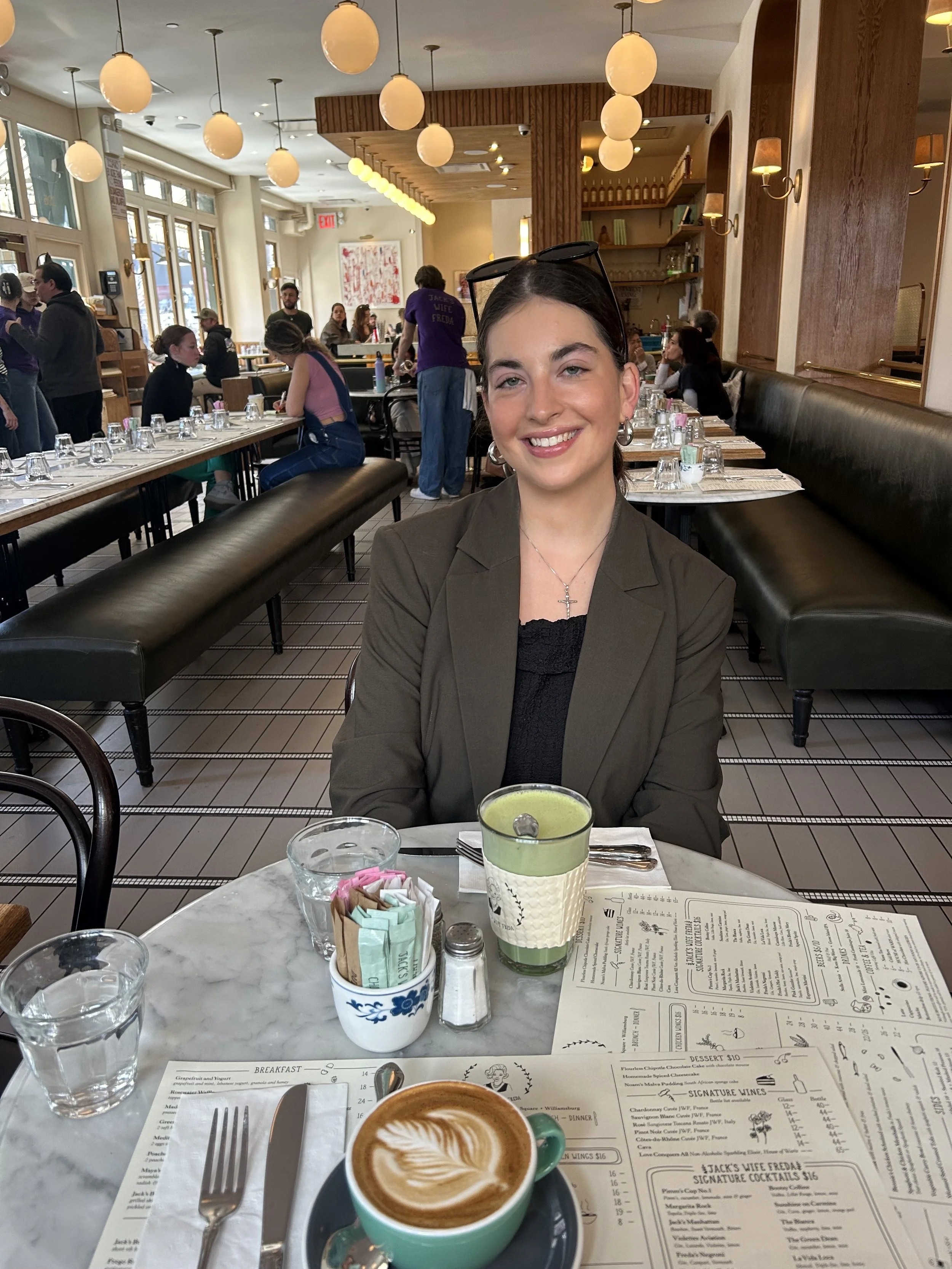
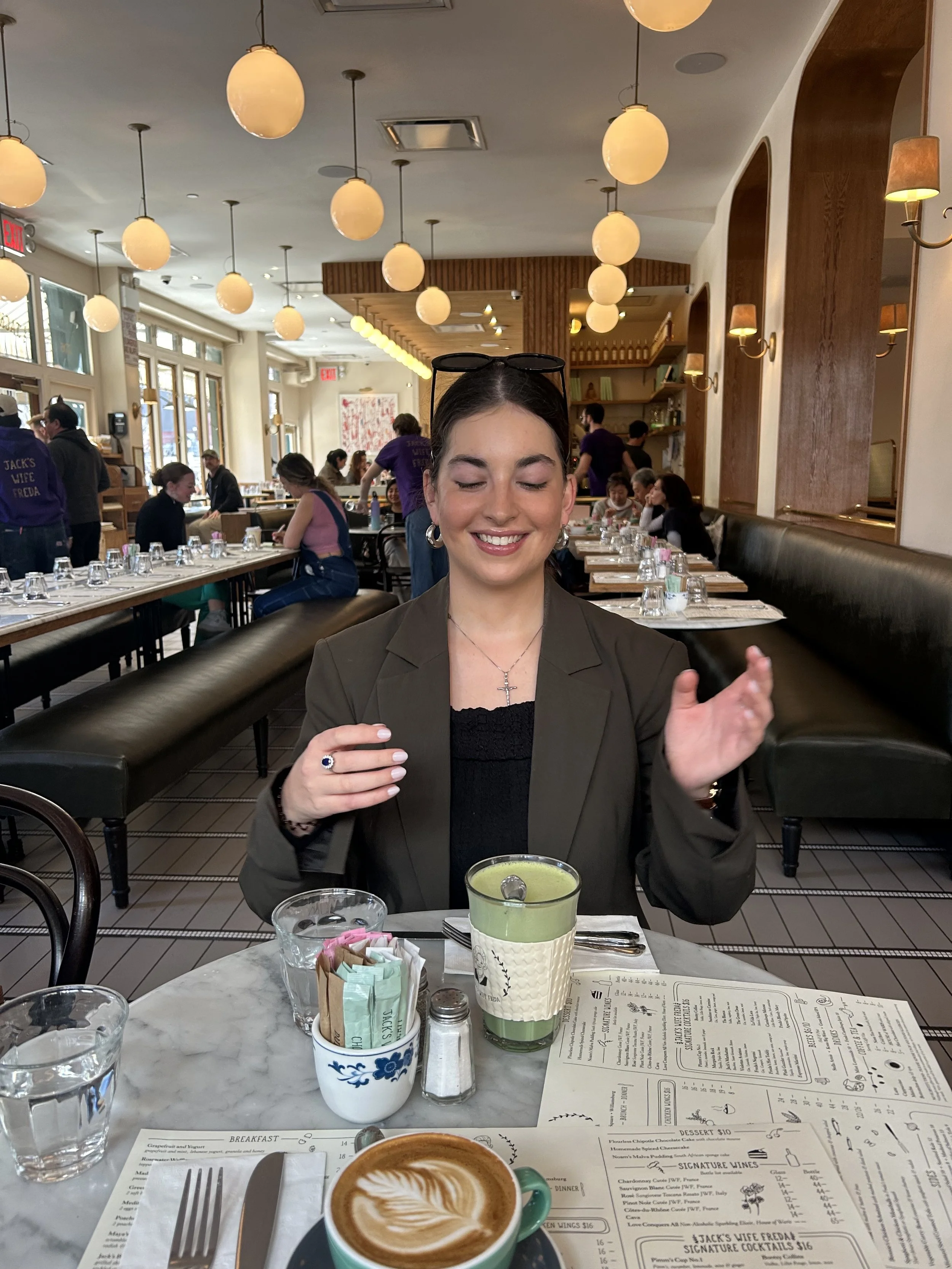
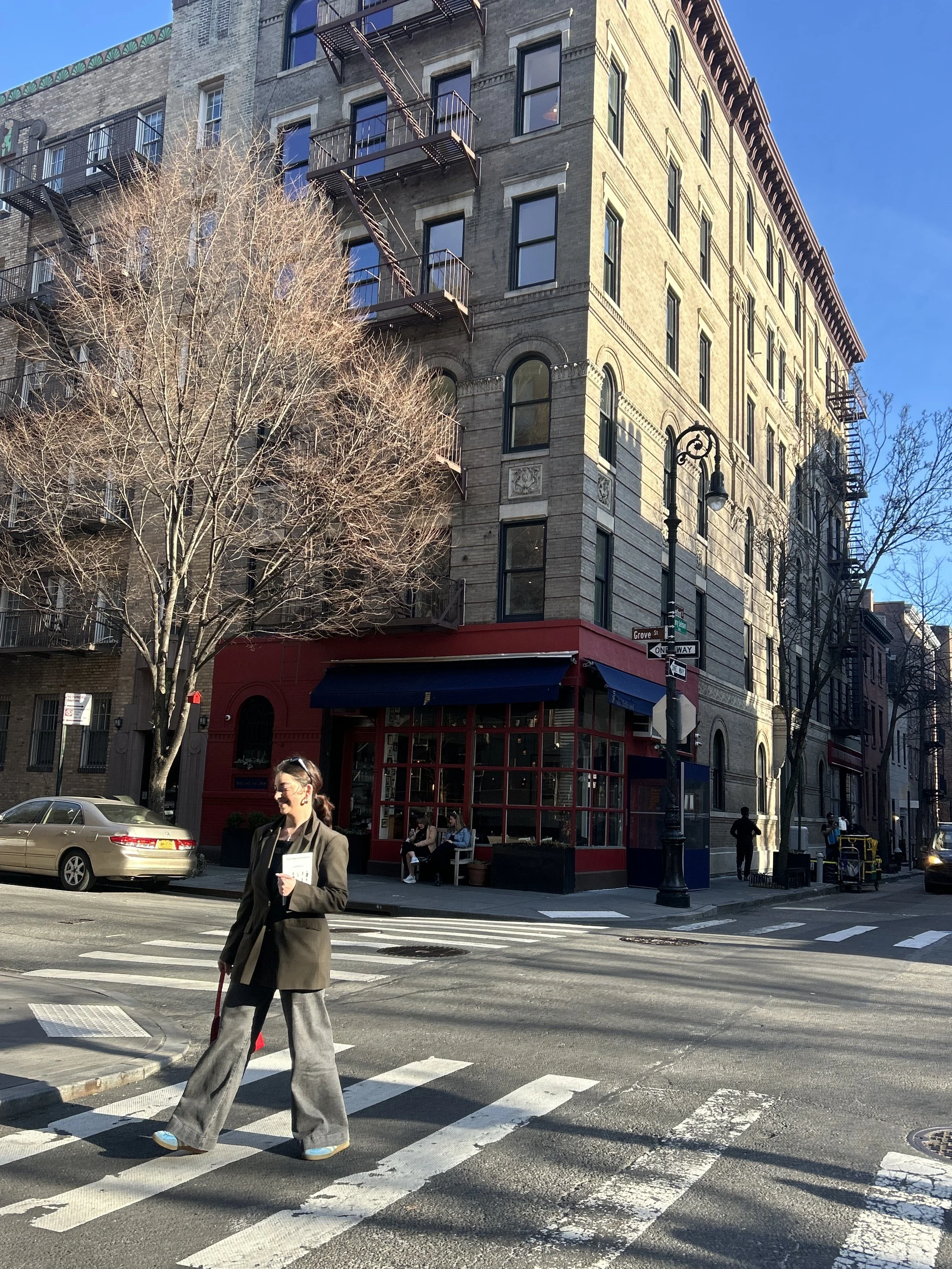
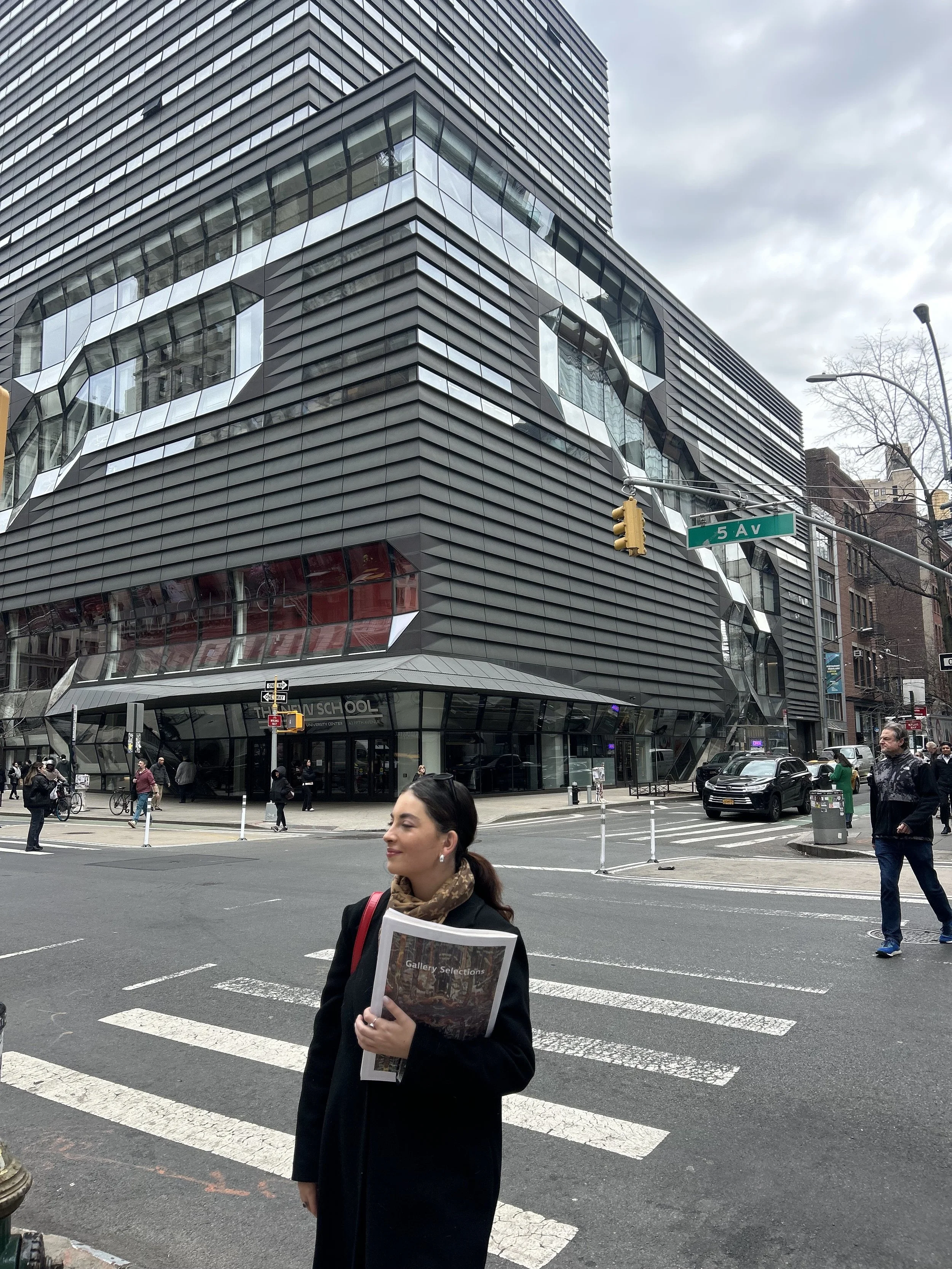
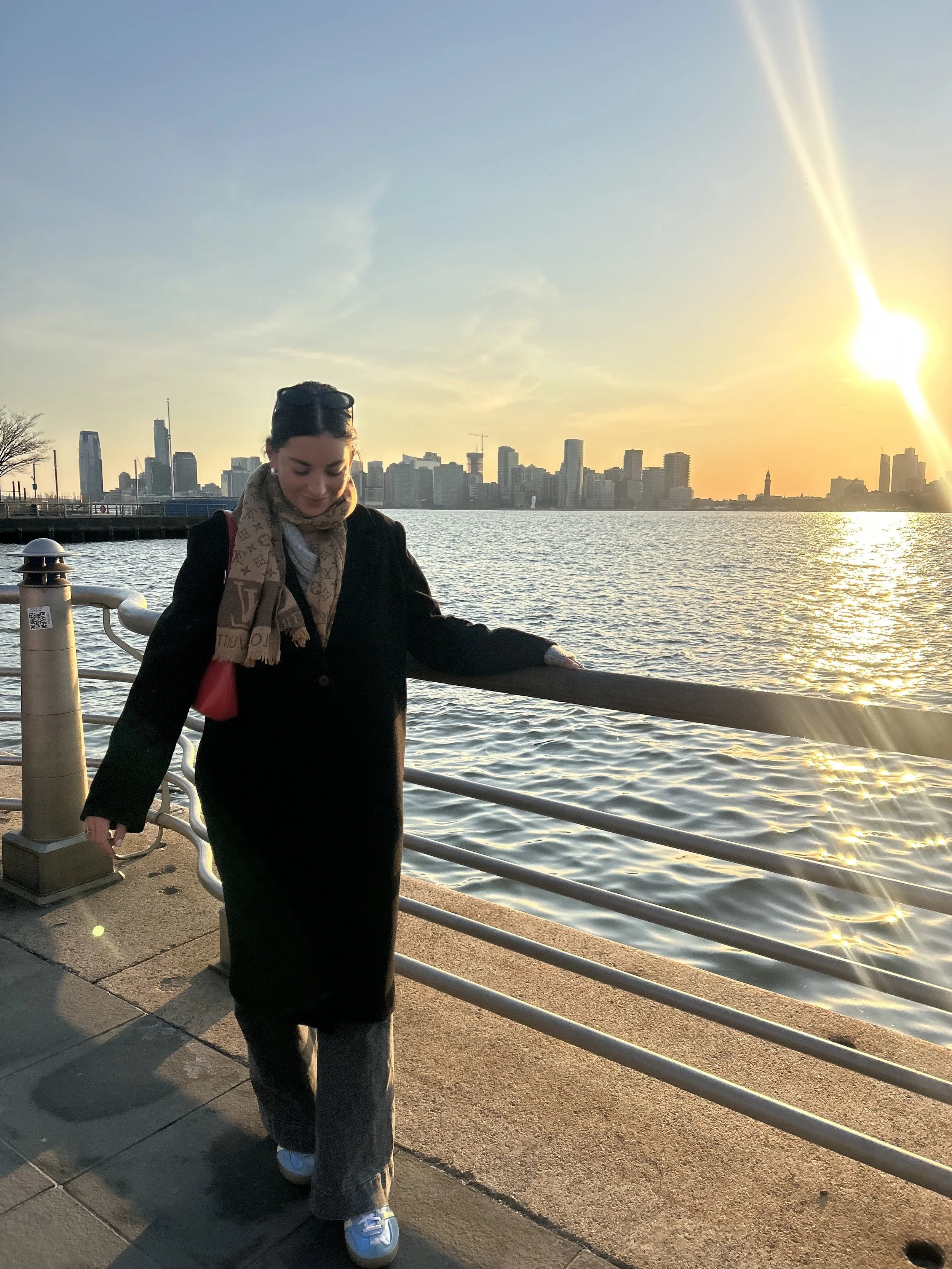
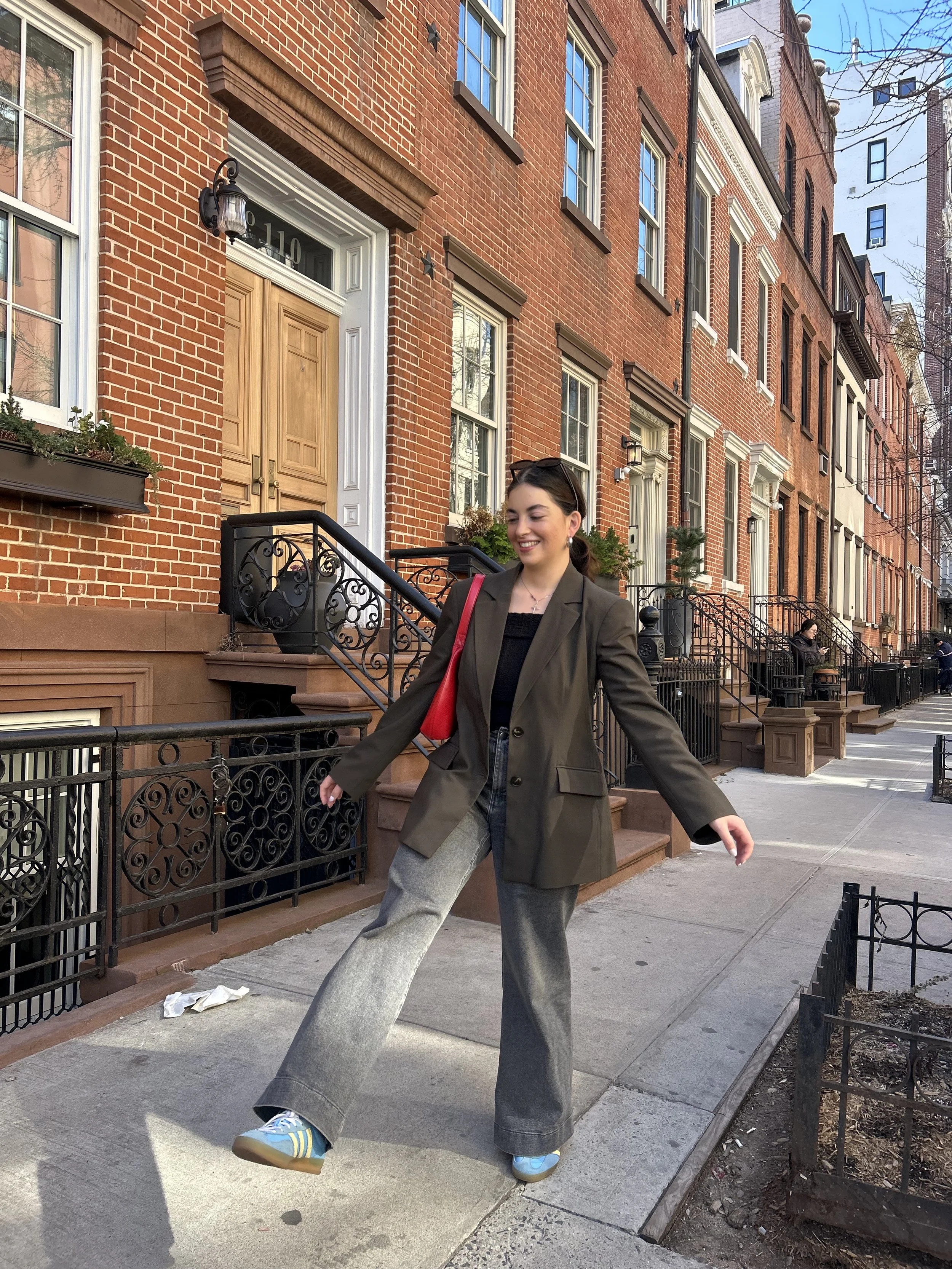
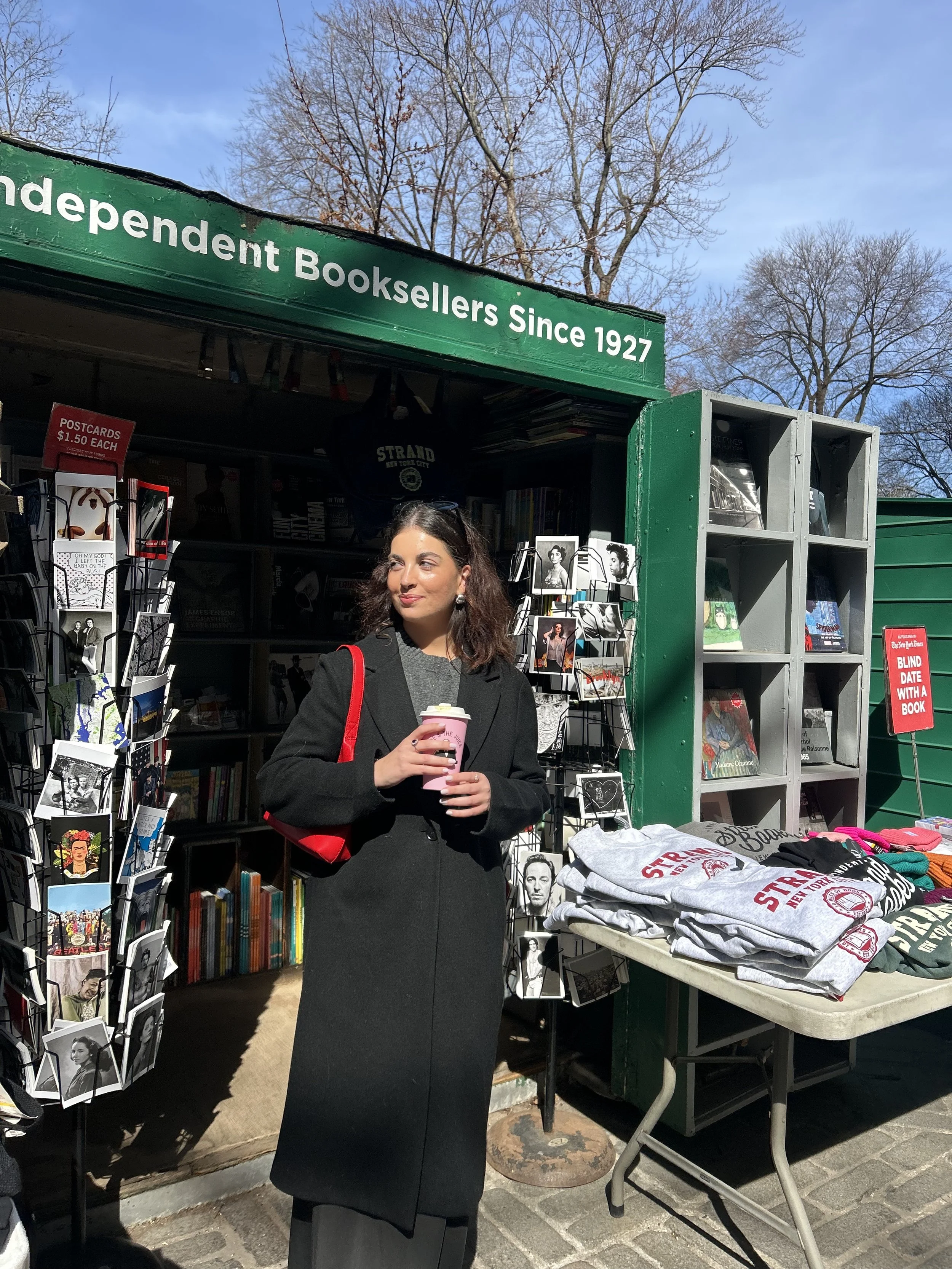
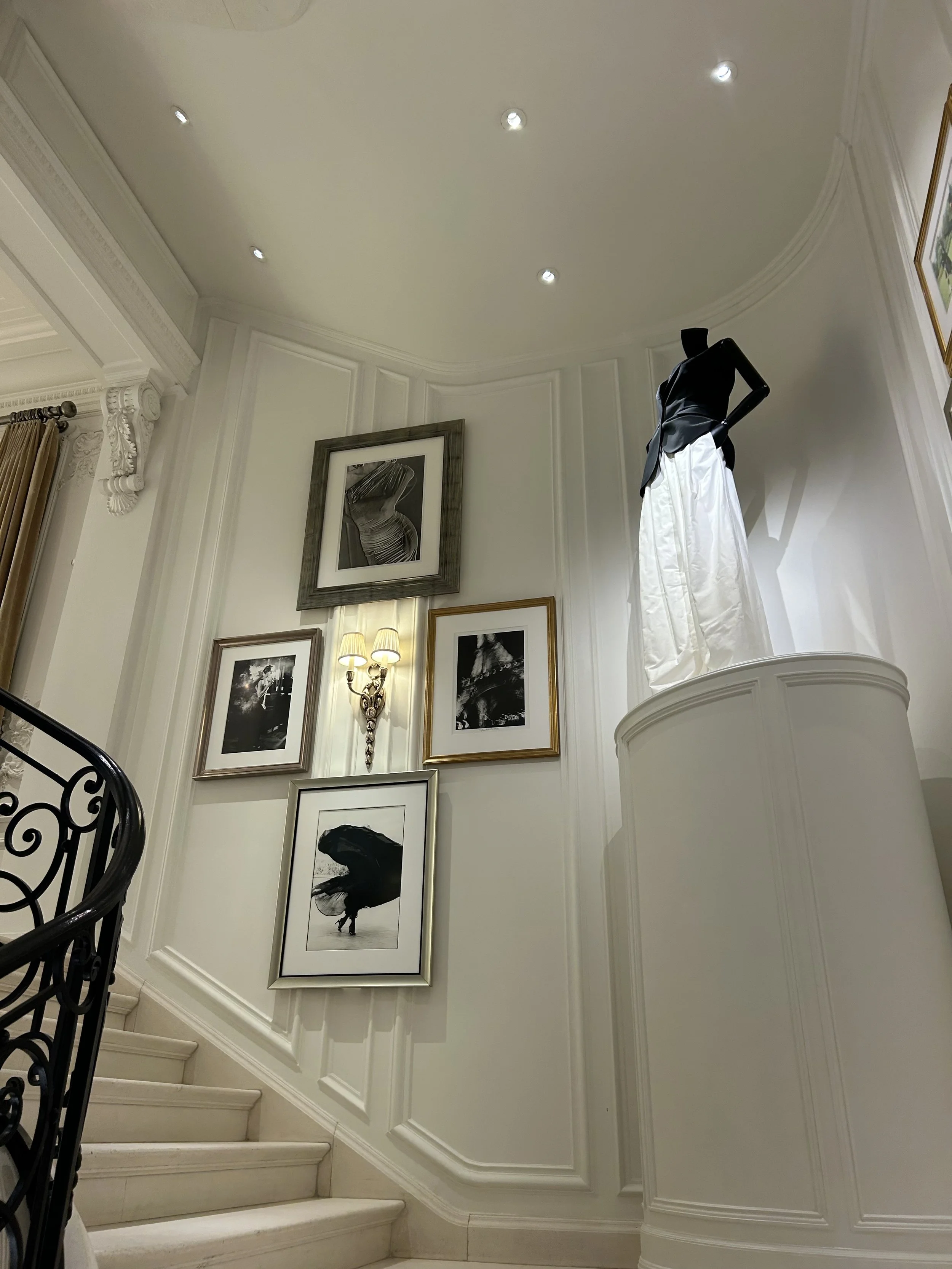
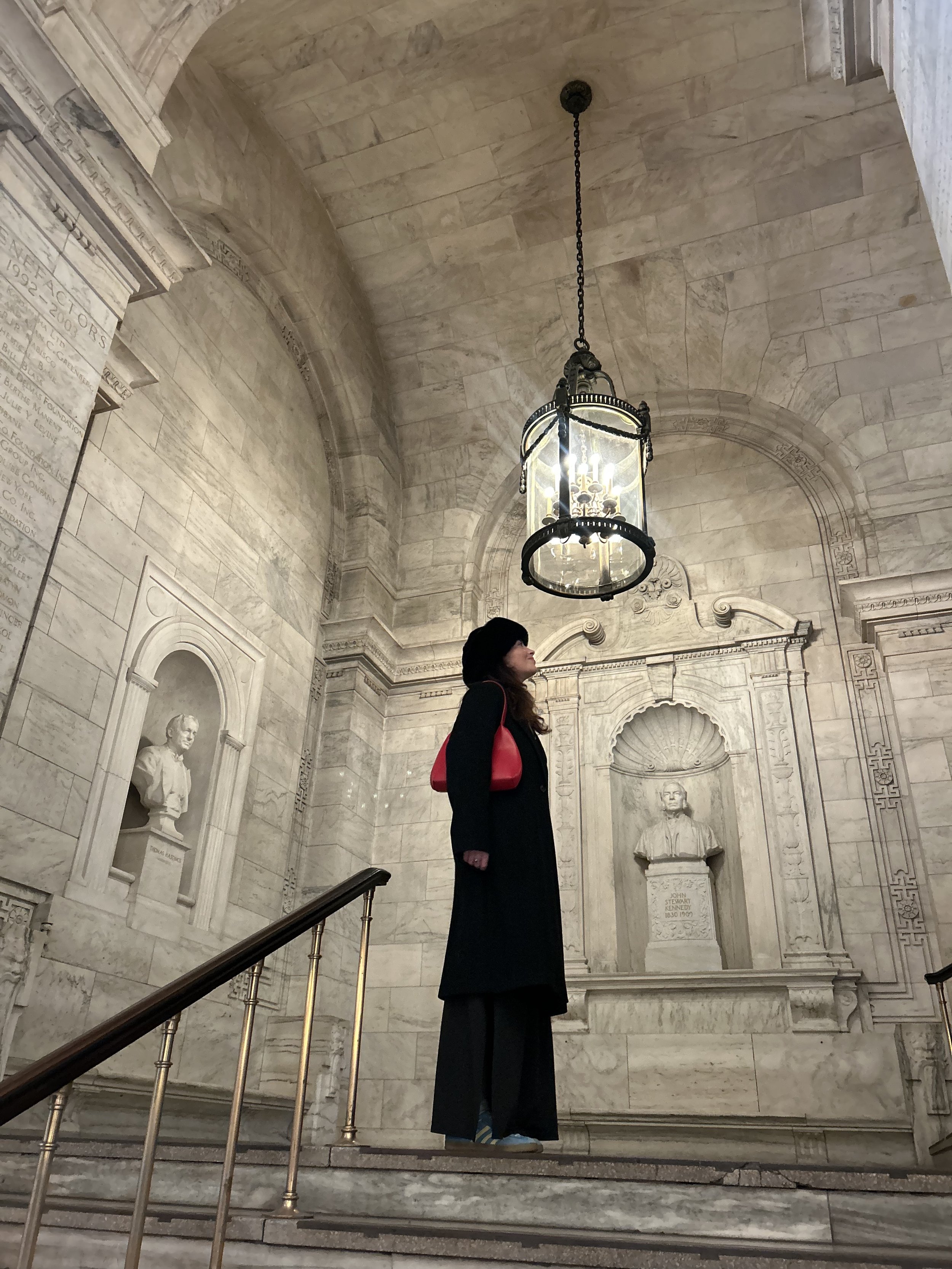
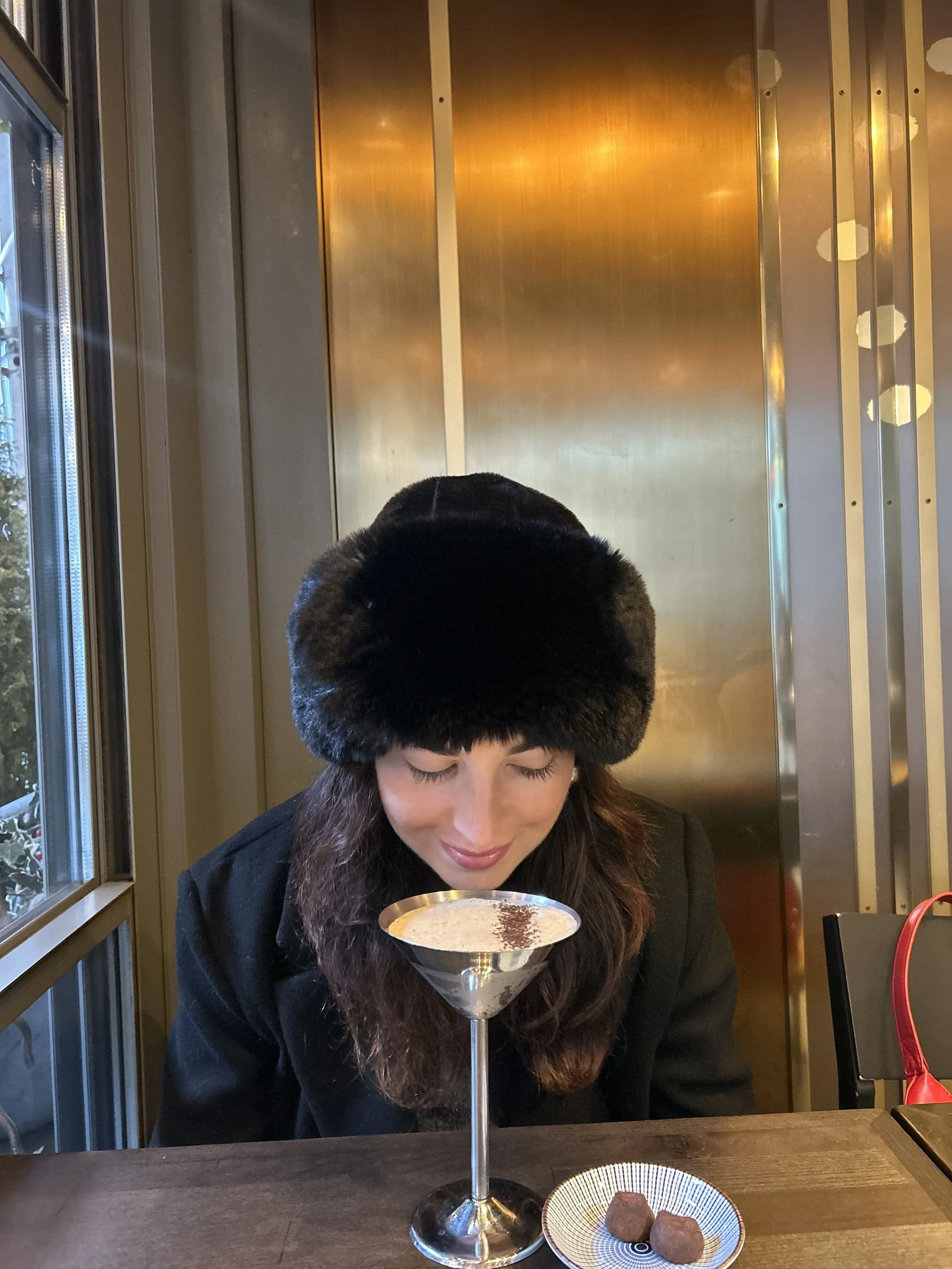
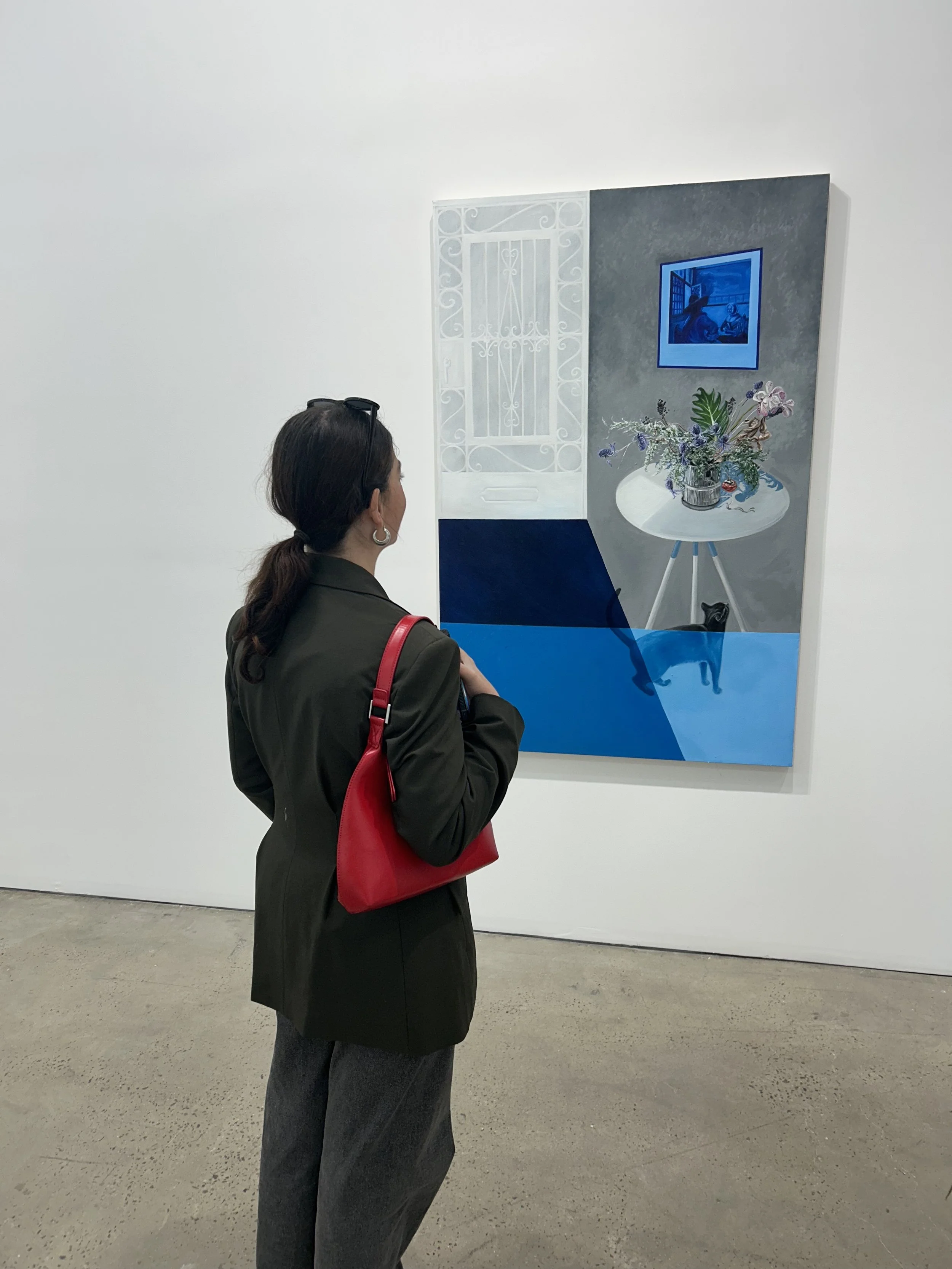
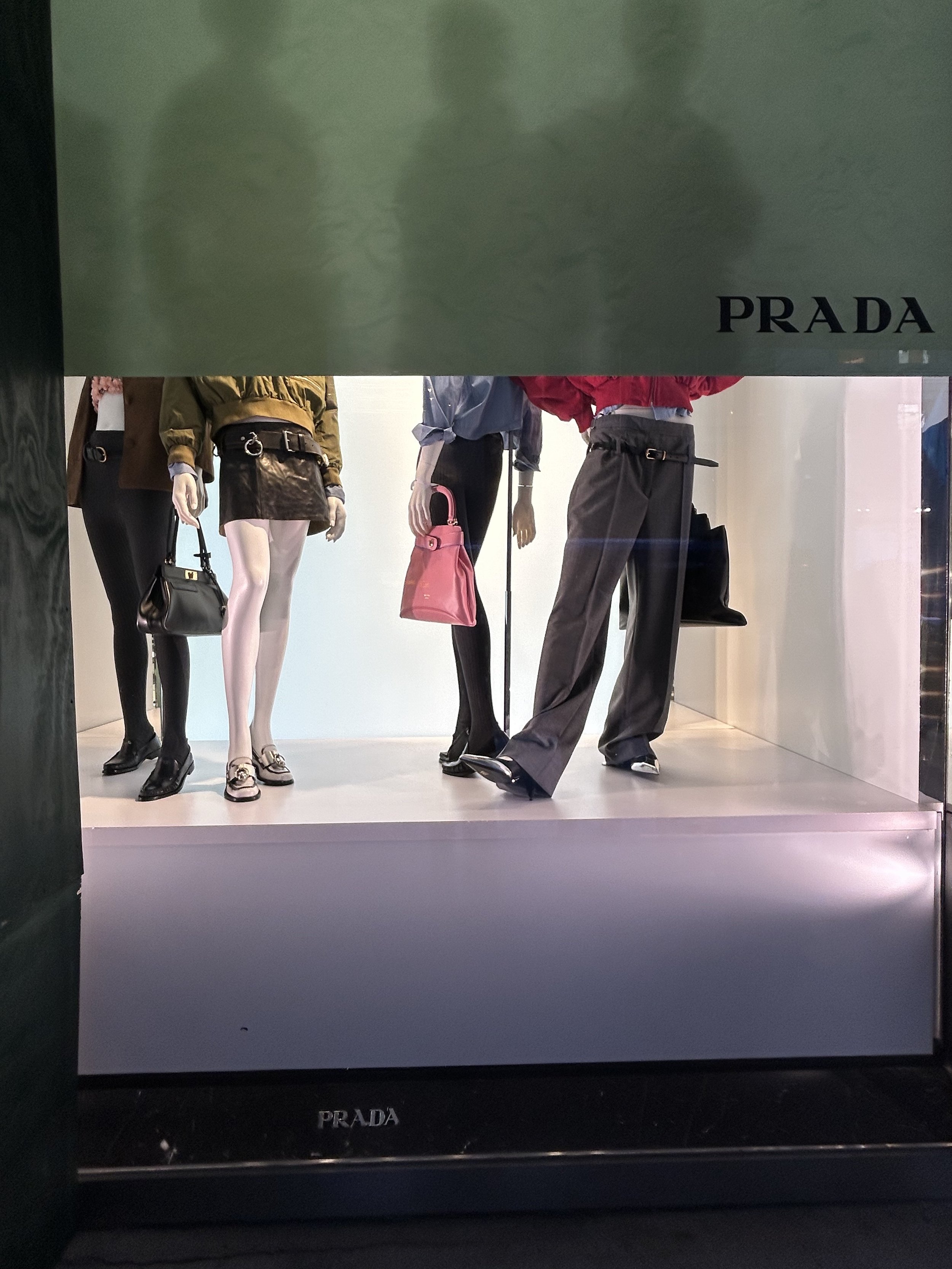
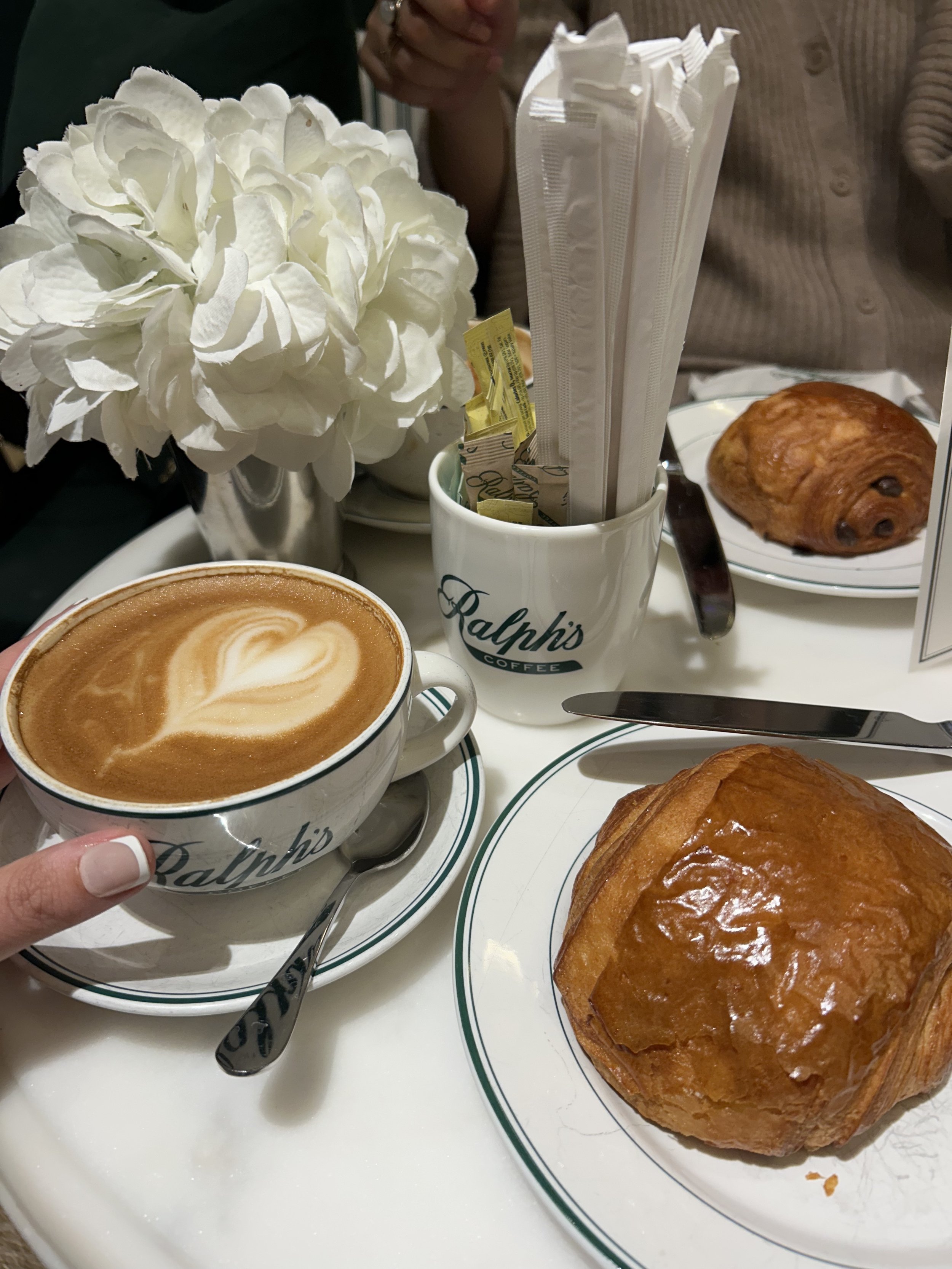
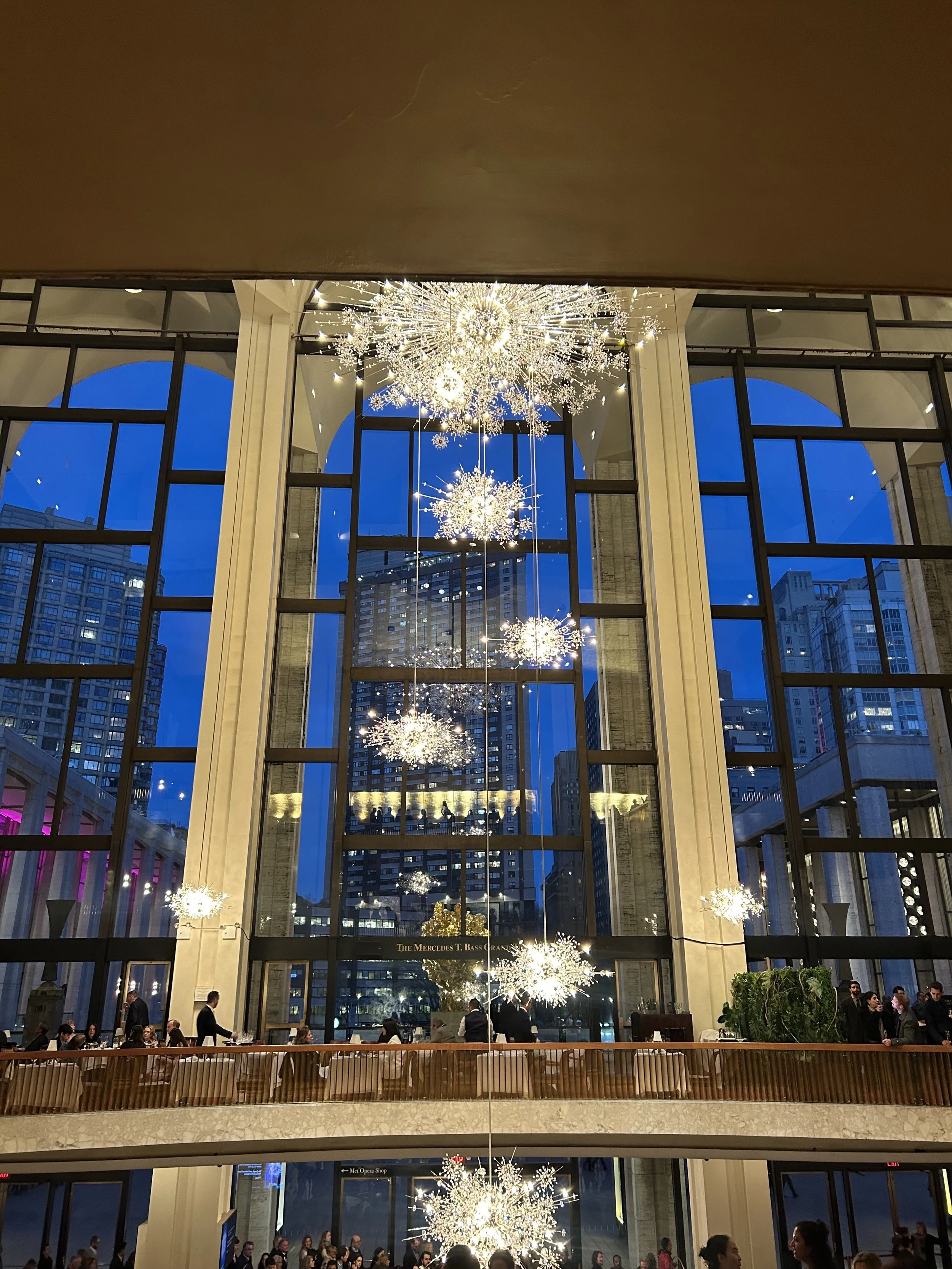
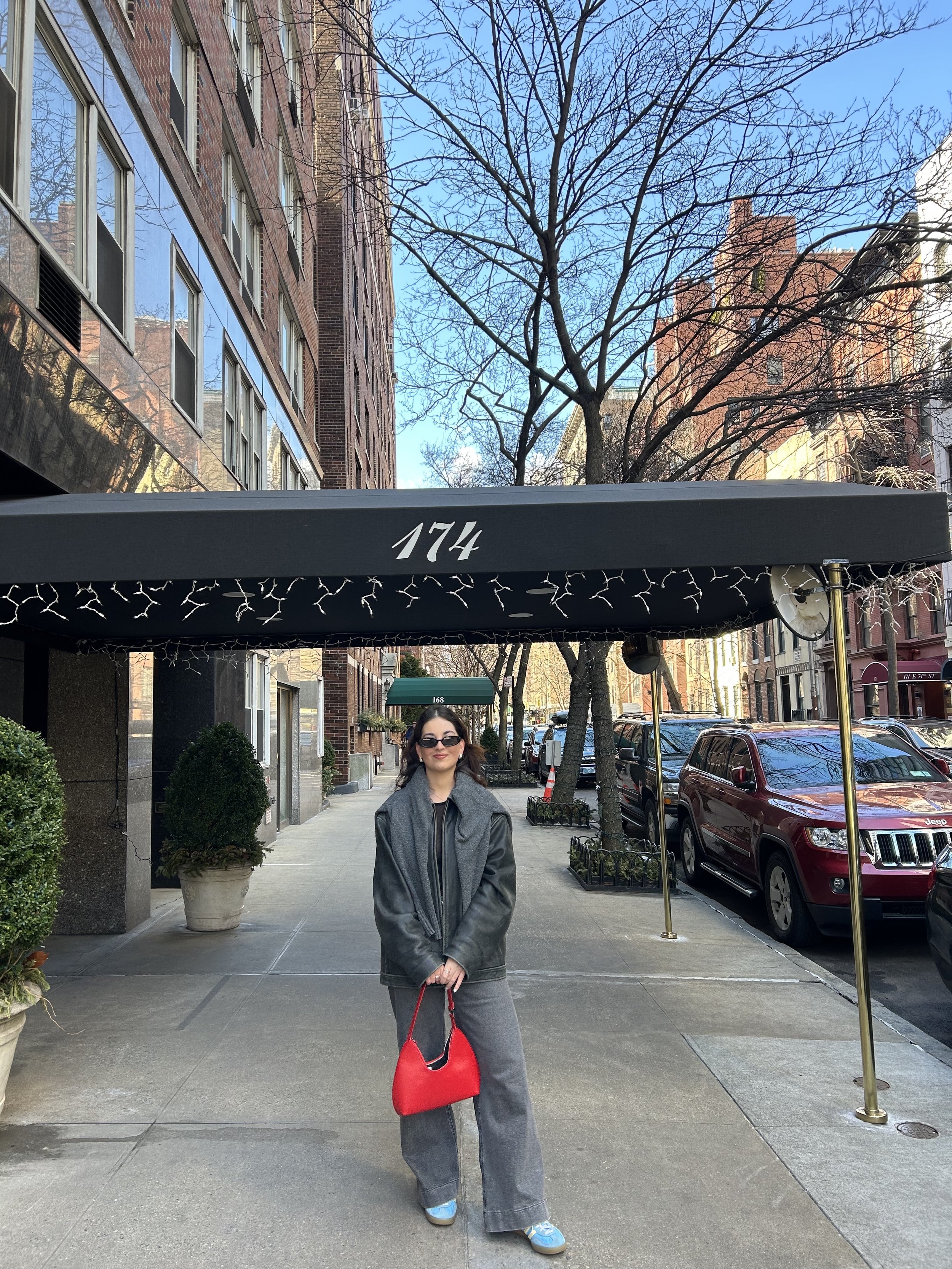
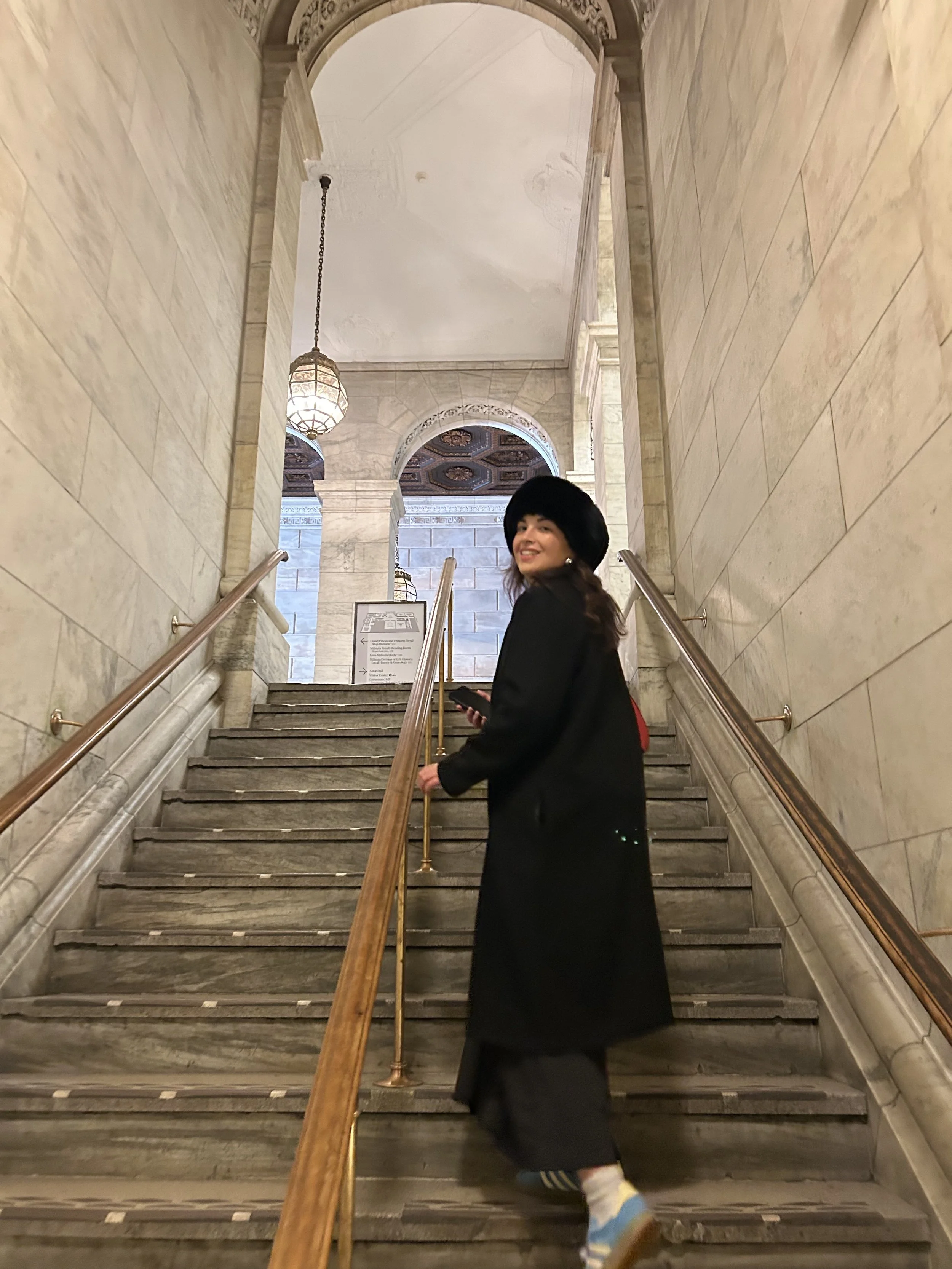
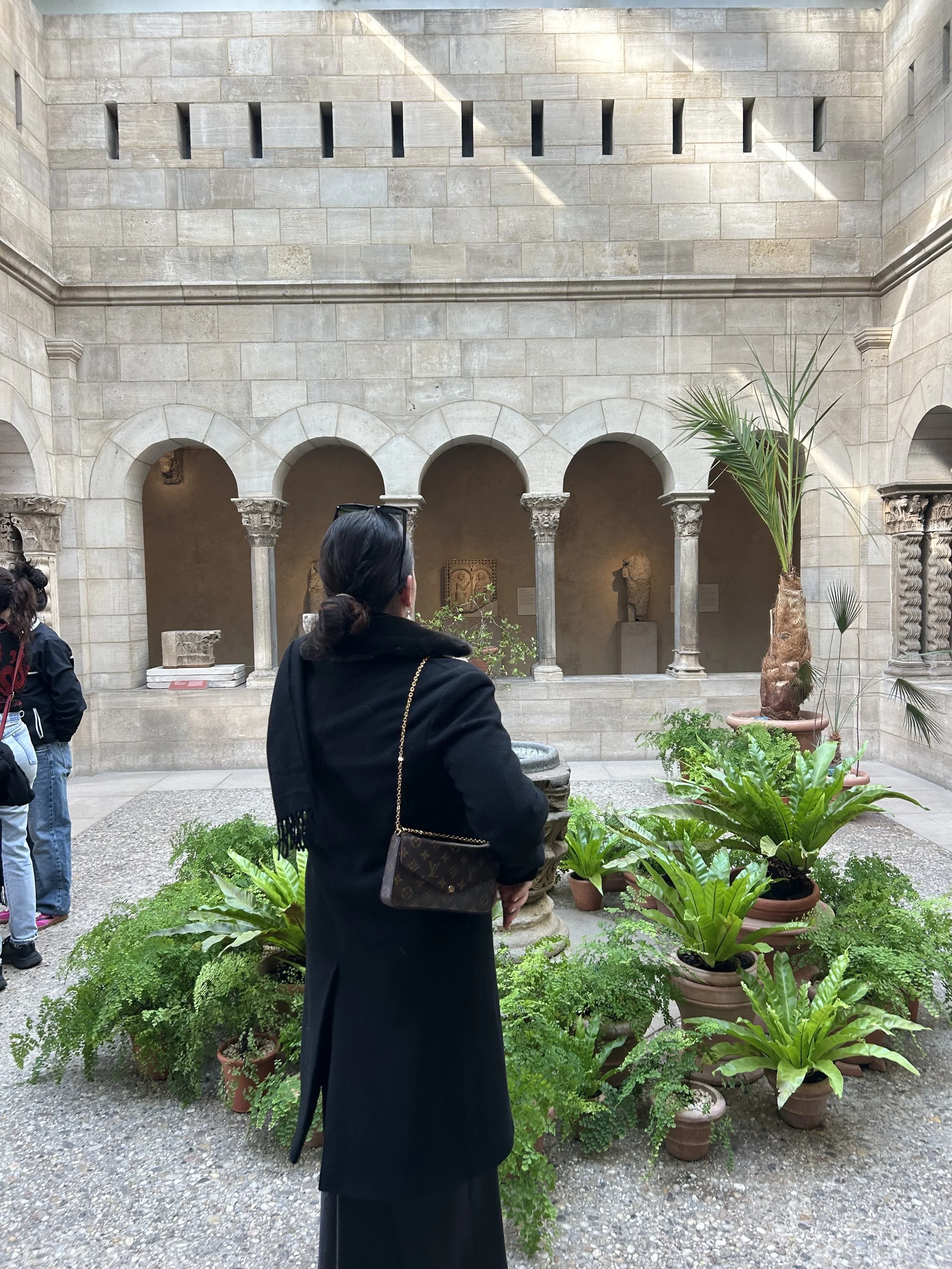
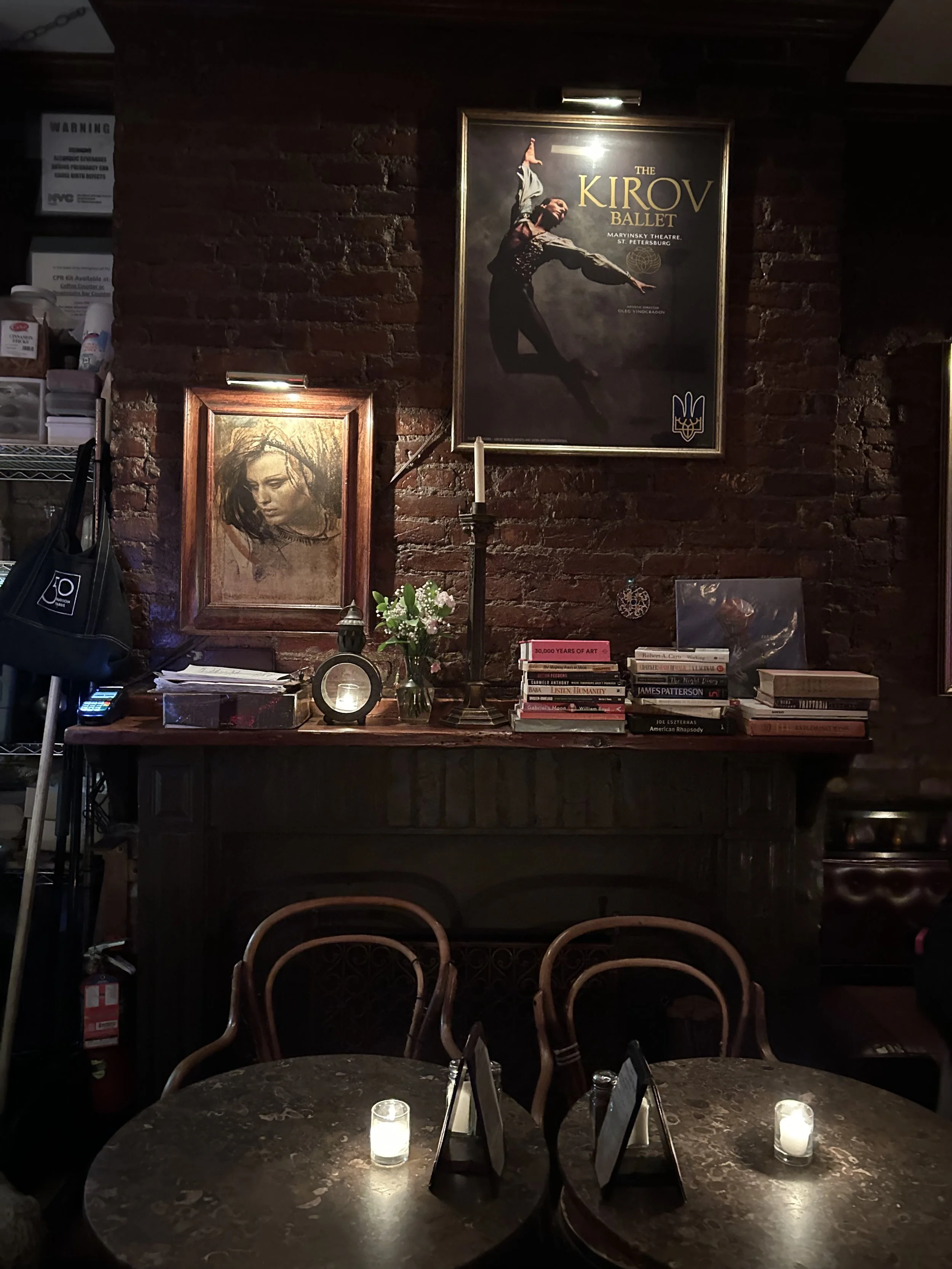
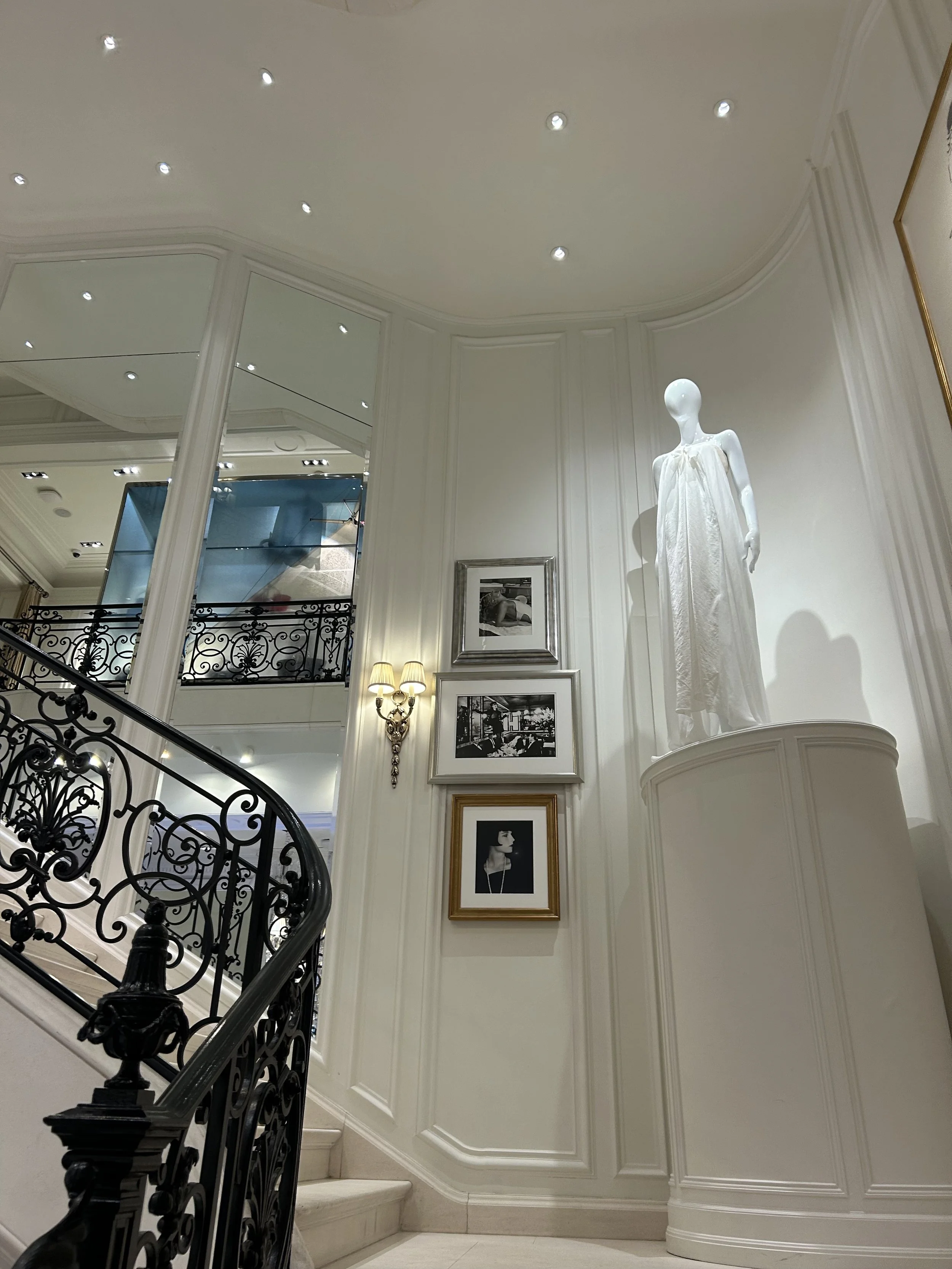
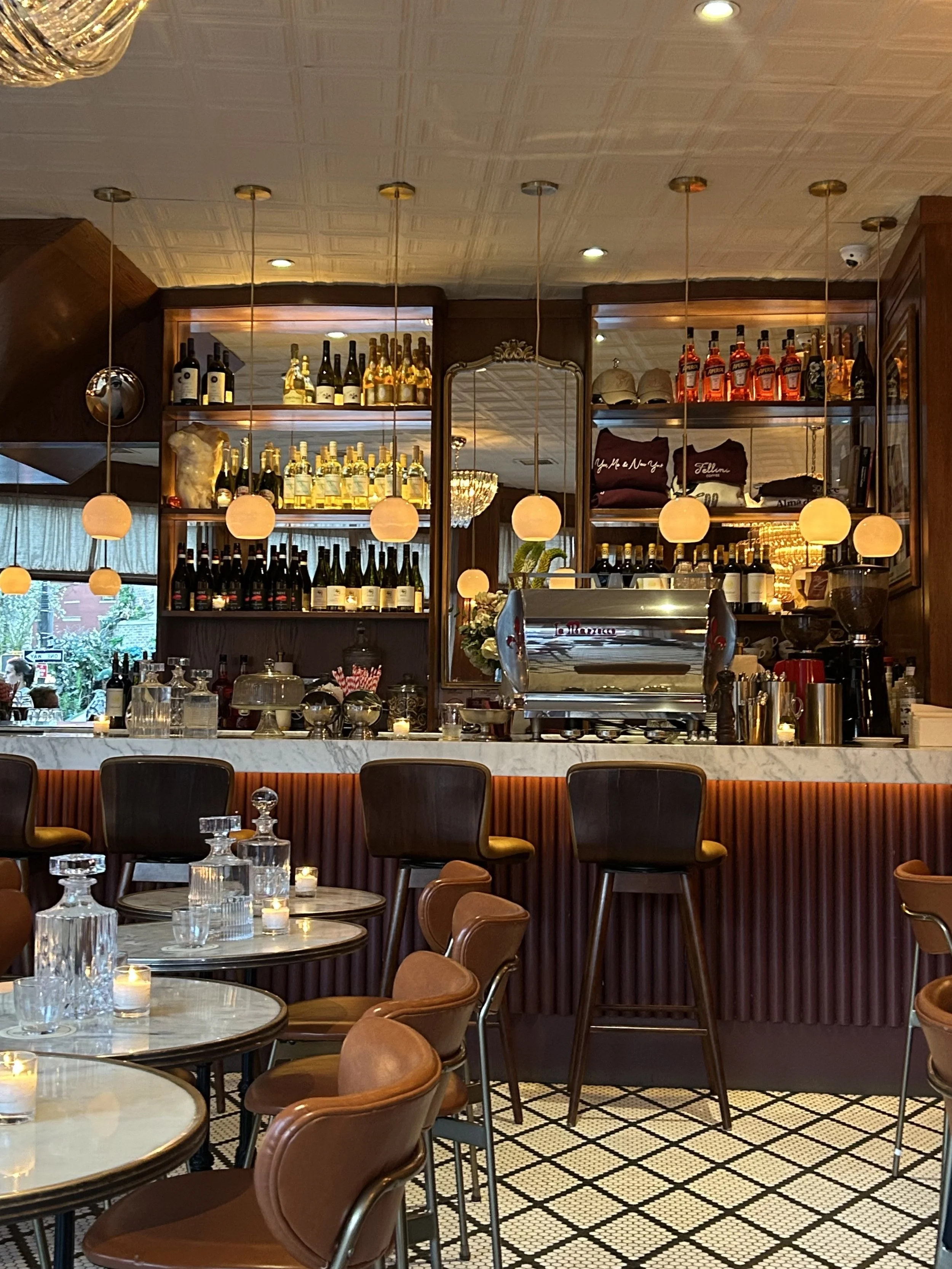
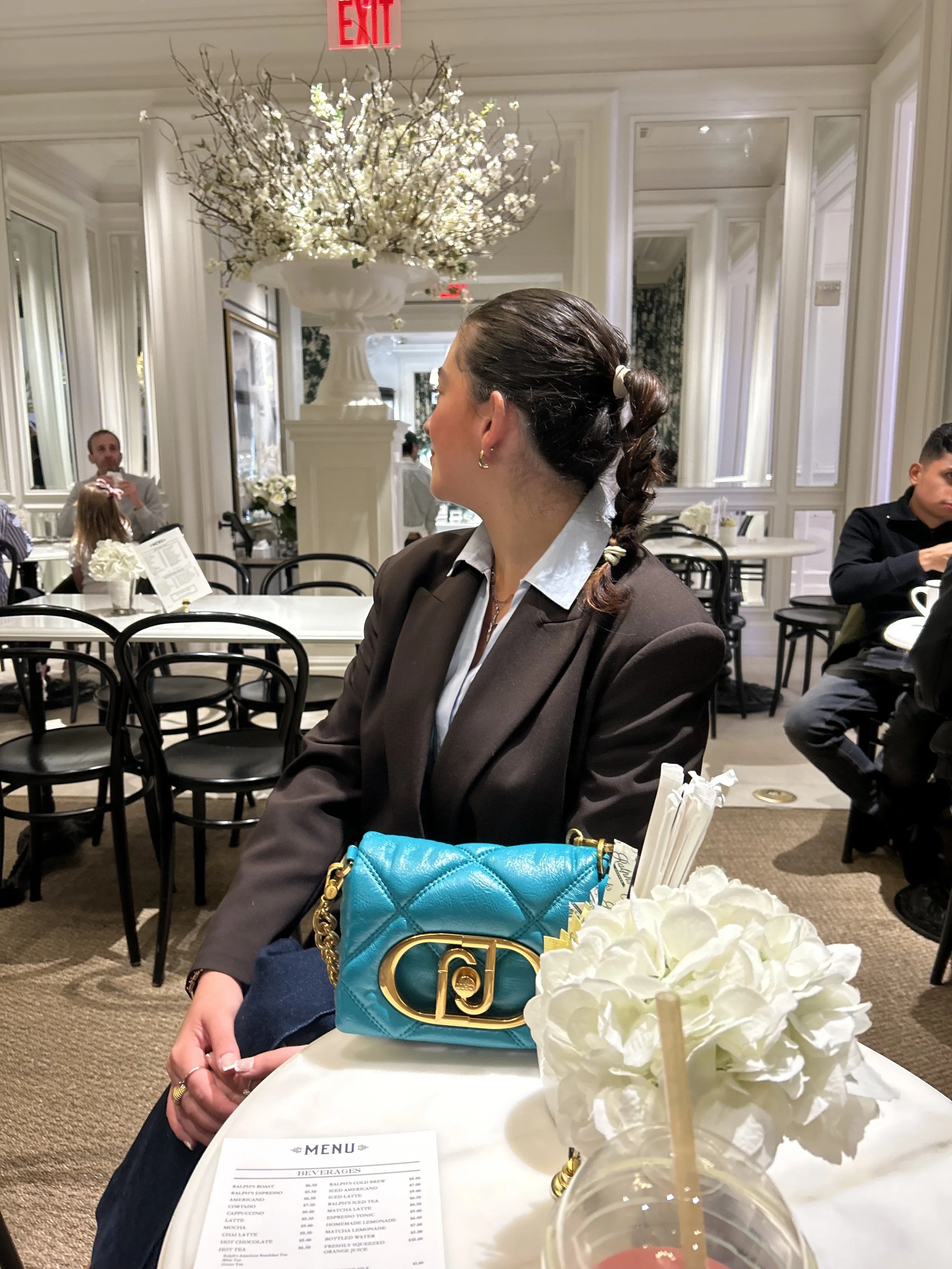
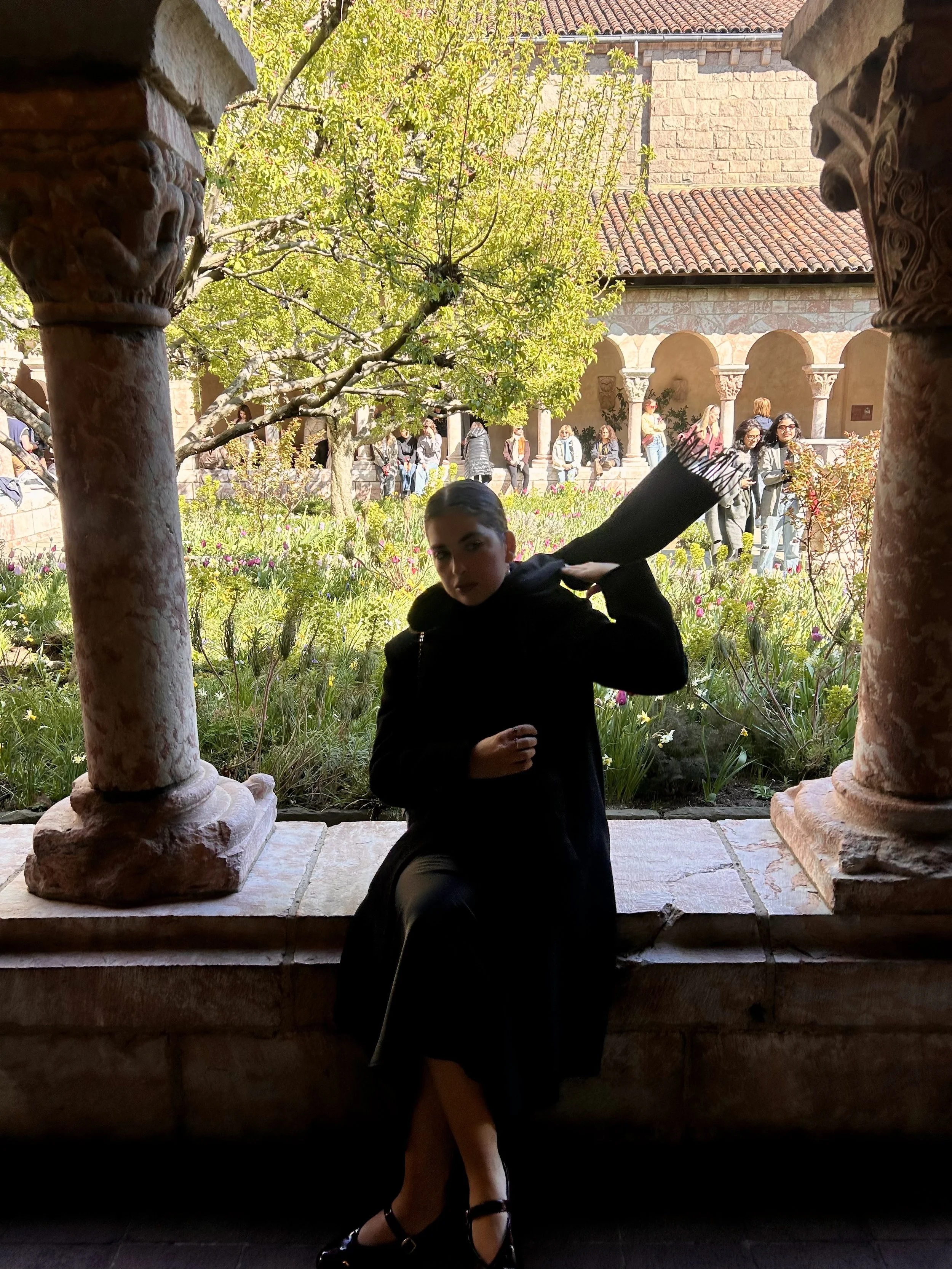
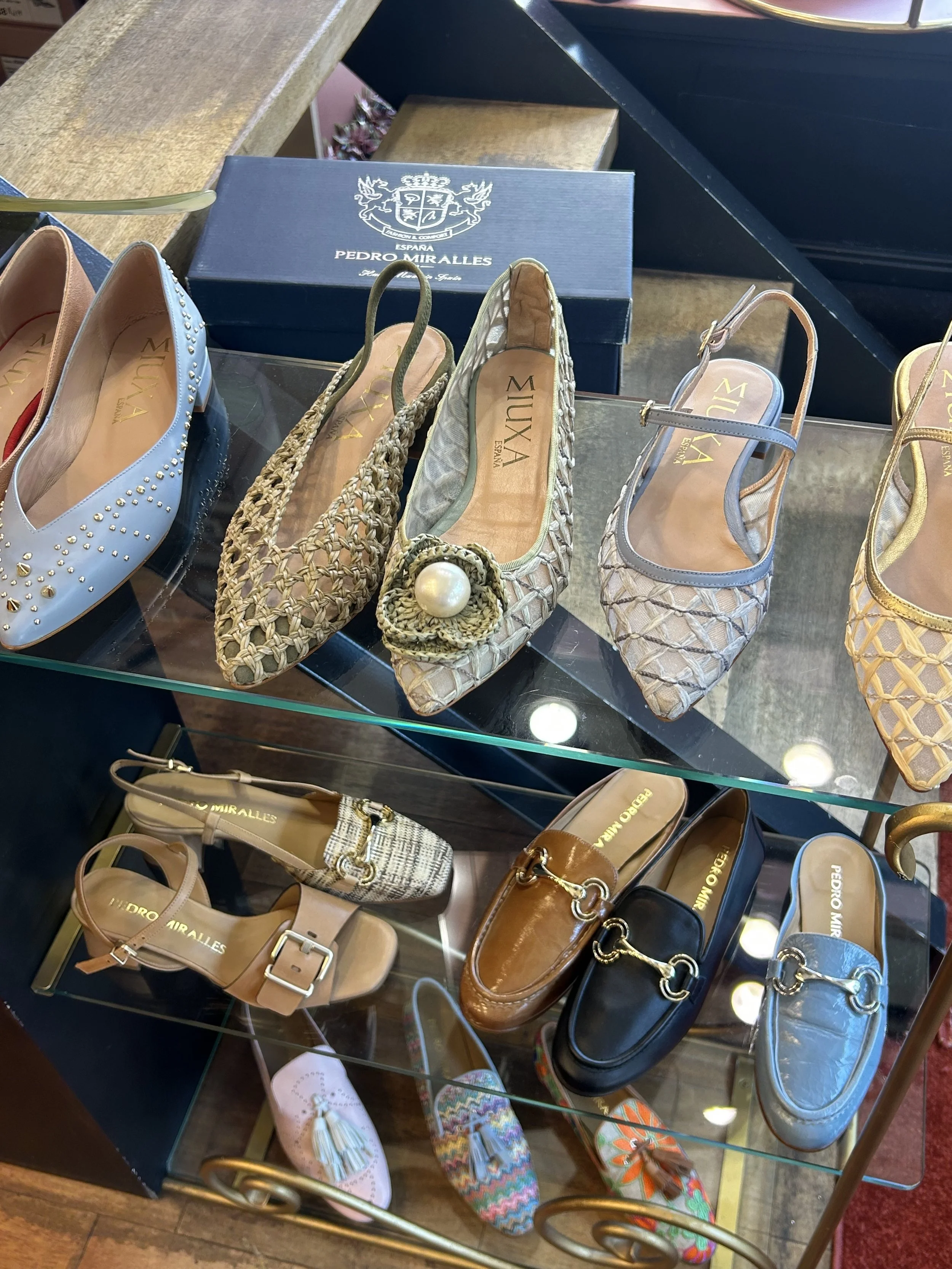
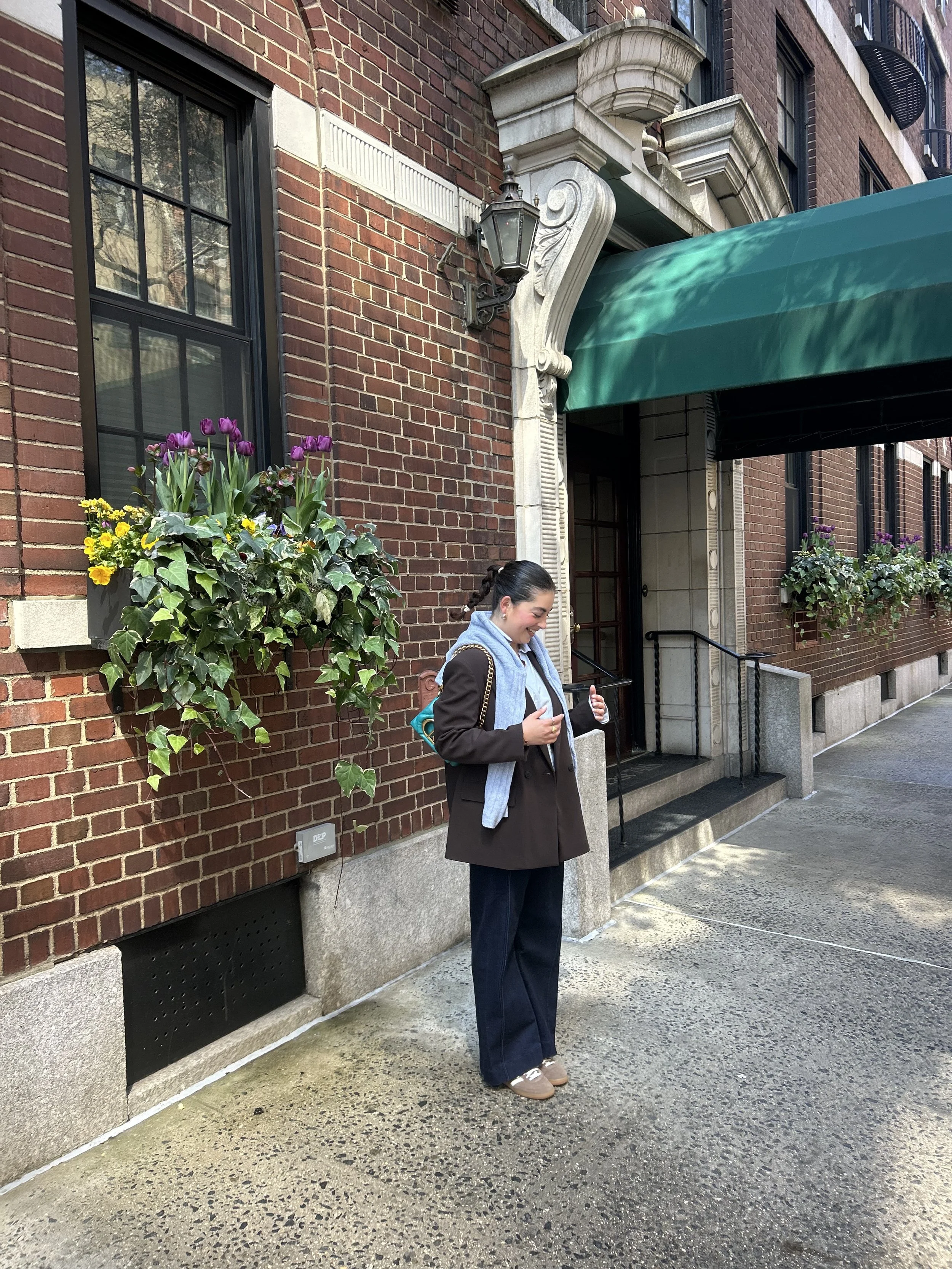
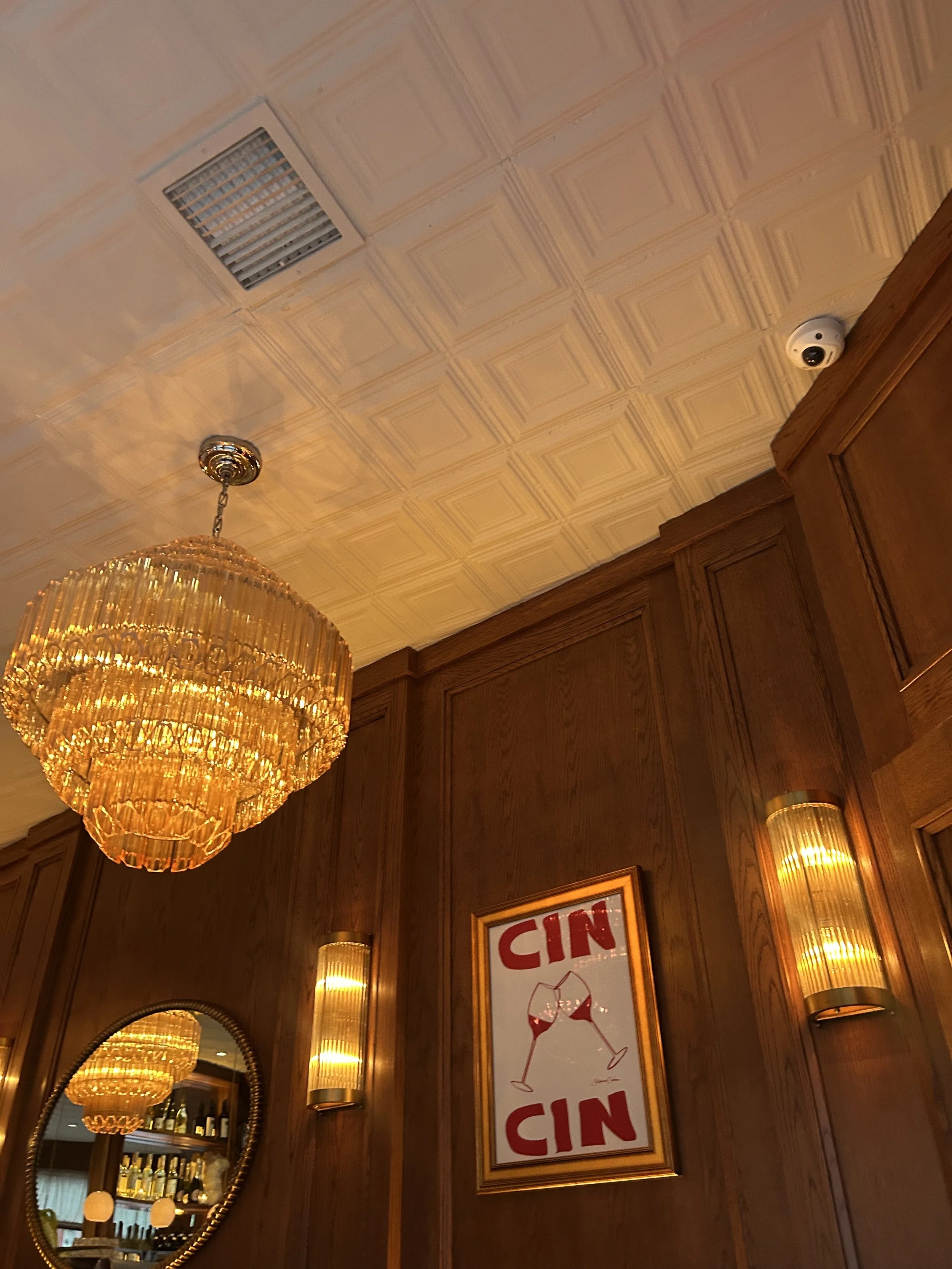
What I always return to after spending time in New York is not necessarily a specific trend or item of clothing, but a heightened awareness of how much a city can shape the way people present themselves. In New York, fashion feels embedded in the rhythm of everyday life rather than reserved for special occasions. It becomes part of the architecture of the streets, the restaurants, the cafés, the hotel lobbies, even the movement of people in long coats crossing avenues on winter evenings.
I think this is part of why the city continues to inspire me so deeply. Elegance there does not feel isolated to fashion alone, but connected to a larger visual culture that values atmosphere, detail, and presence. Even ordinary moments, sitting in a dimly lit restaurant downtown, walking through museum corridors, or stopping for coffee on a cold morning, seem shaped by a certain attention to aesthetics that quietly influences the way people dress and move through the city.
Coming from Milan, I notice how different this elegance feels. Milan’s relationship with fashion often feels quieter and more instinctive to me, while New York carries a sharper and more urban energy. Yet despite these differences, both cities seem to share an understanding that beauty can exist as part of everyday life rather than something reserved for special occasions.
Perhaps that is why I always leave New York feeling inspired to dress differently, to pay closer attention to silhouettes, textures, tailoring, and the emotional atmosphere clothing can create. More than anything, the city reminds me that fashion is never only about clothing. It is about environment, movement, identity, and the subtle ways places shape how we see ourselves.