On Guatemala; Lake Atitlán and Antigua
Guatemala was not a trip I had planned very far in advance. We spent about a week there, beginning at Lake Atitlán and ending in Antigua Guatemala, and it ended up being one of the most interesting and memorable places I have visited.
Lake Atitlán was our first stop. Surrounded by three volcanoes and bordered by Indigenous Maya villages along its shores, the lake has a very distinct atmosphere. We arrived through Panajachel and from there explored different villages by boat, including San Marcos La Laguna and San Juan La Laguna, each with its own character and pace. The lake itself was formed more than 84,000 years ago after a volcanic eruption created a massive crater that eventually filled with water, and today it remains the deepest lake in Central America. It has also been considered a sacred place by Maya communities for centuries, something that becomes easier to understand once you experience the scale and landscape of the area in person.
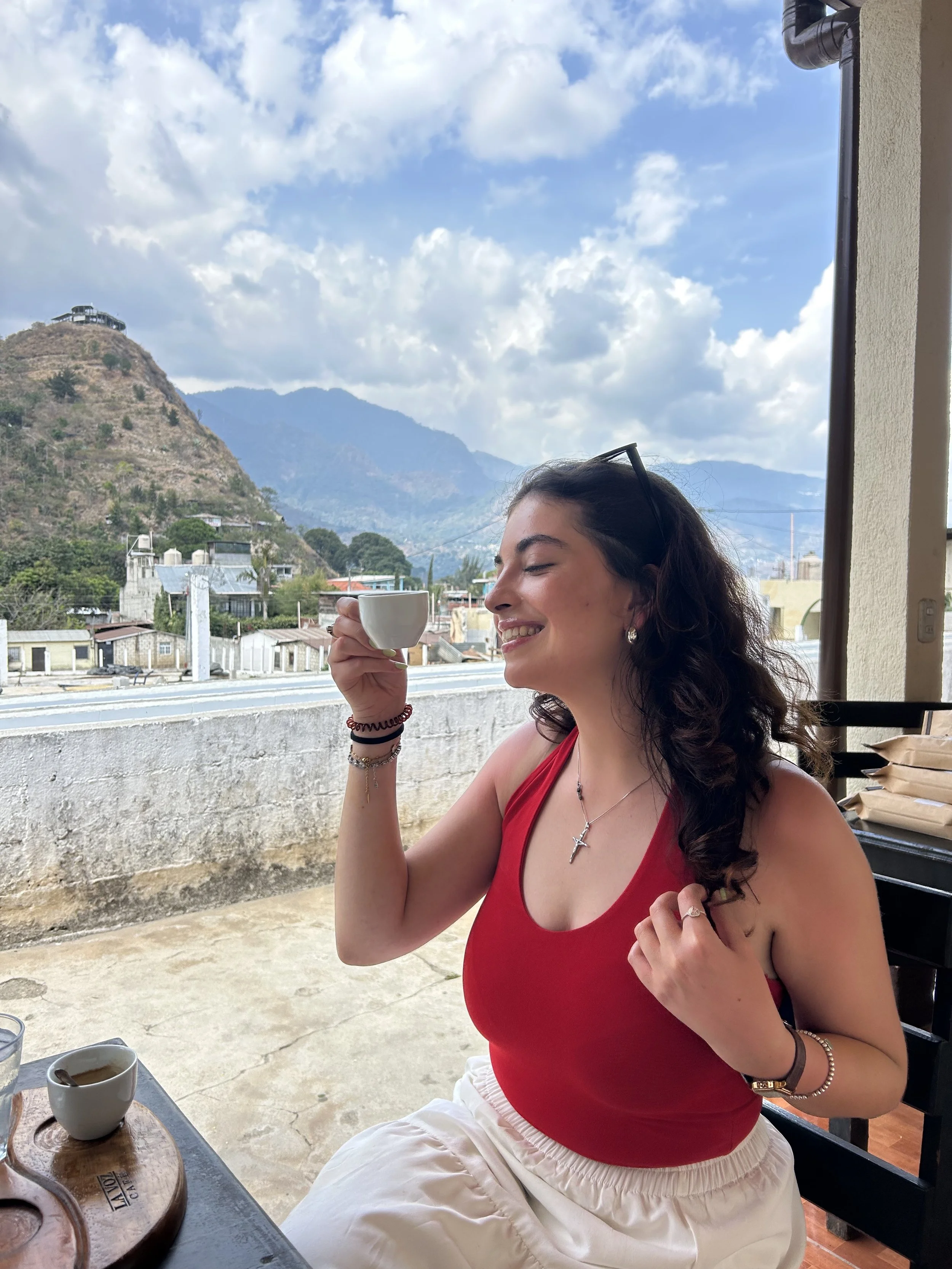
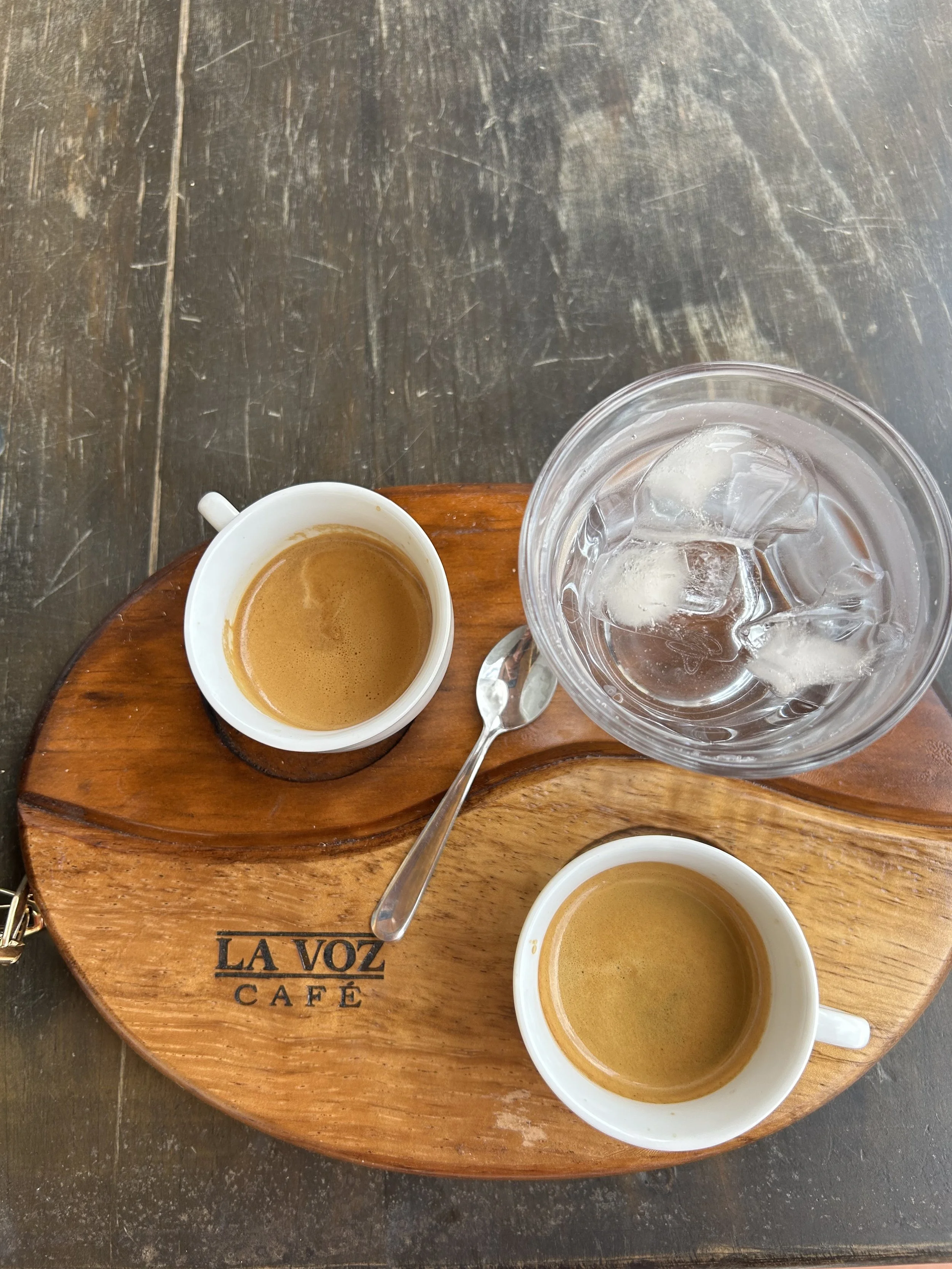
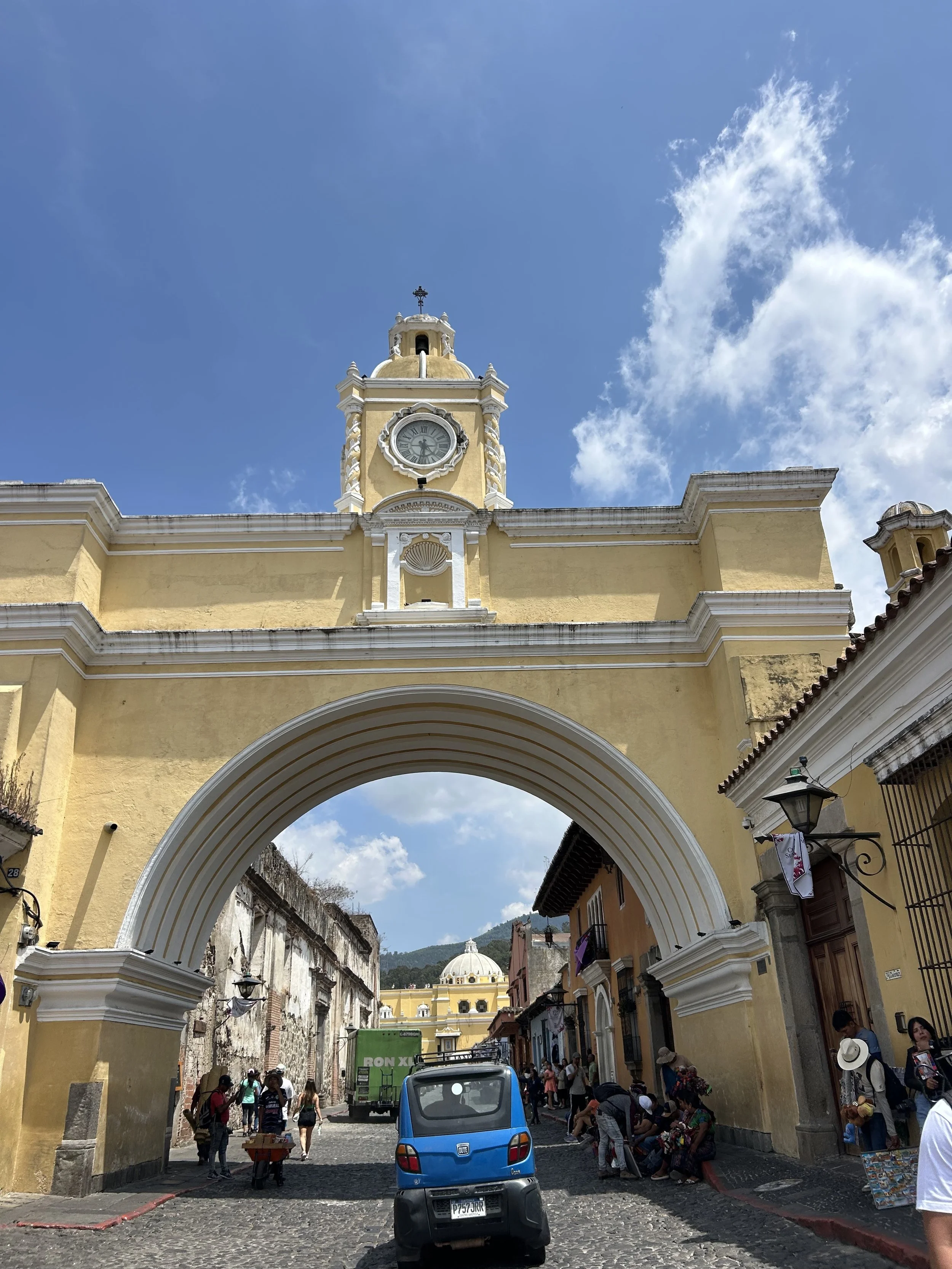
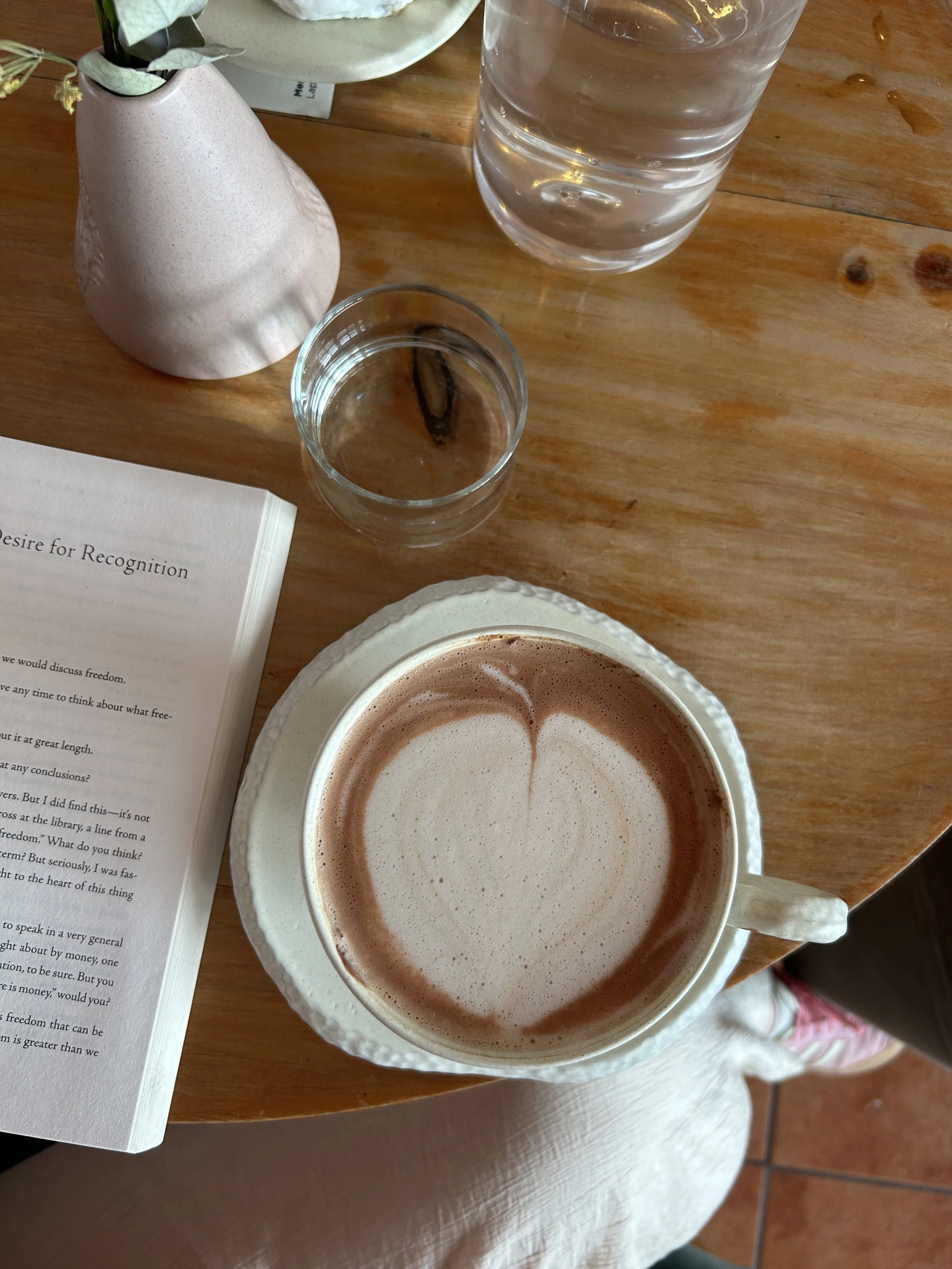
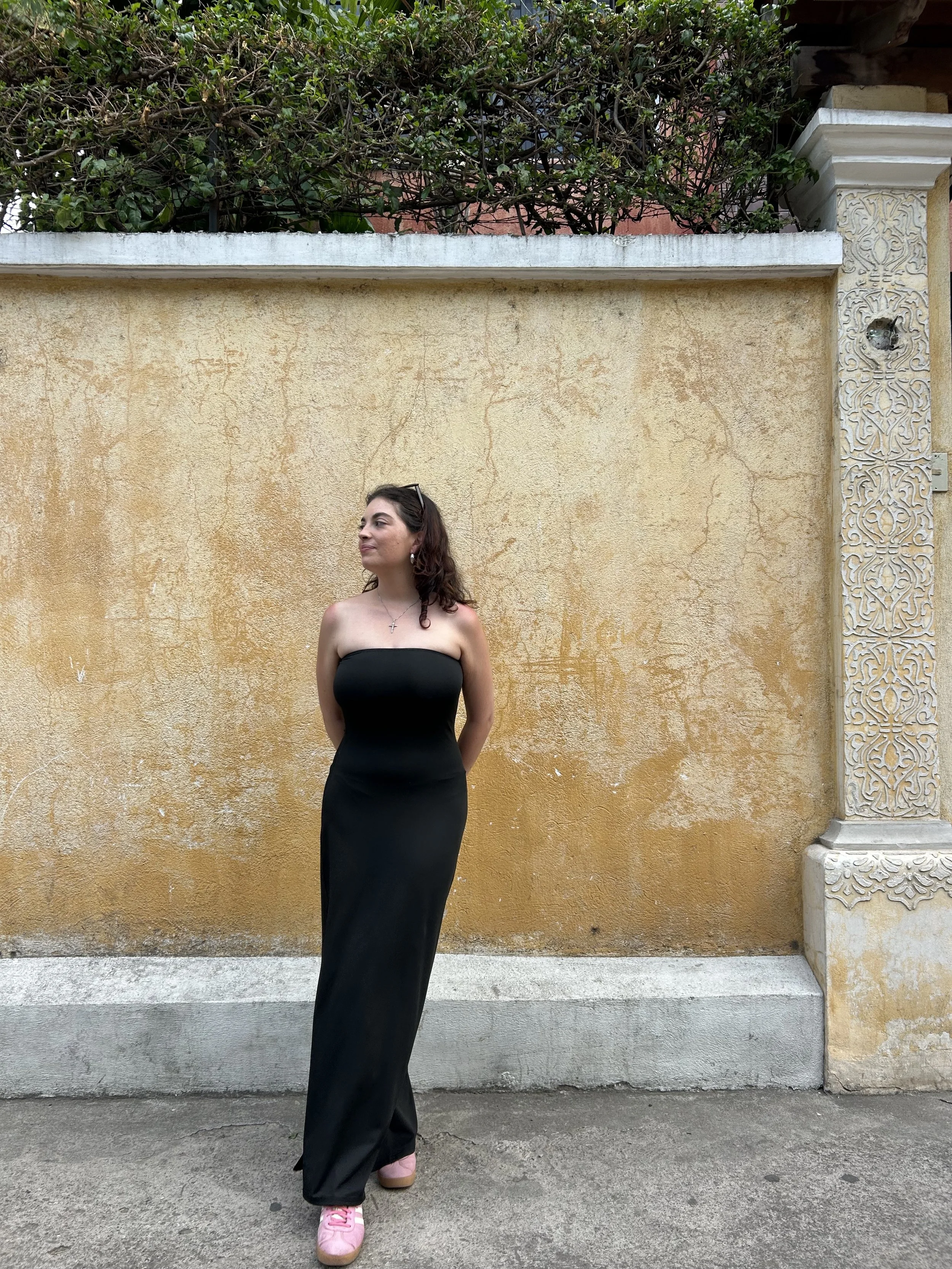
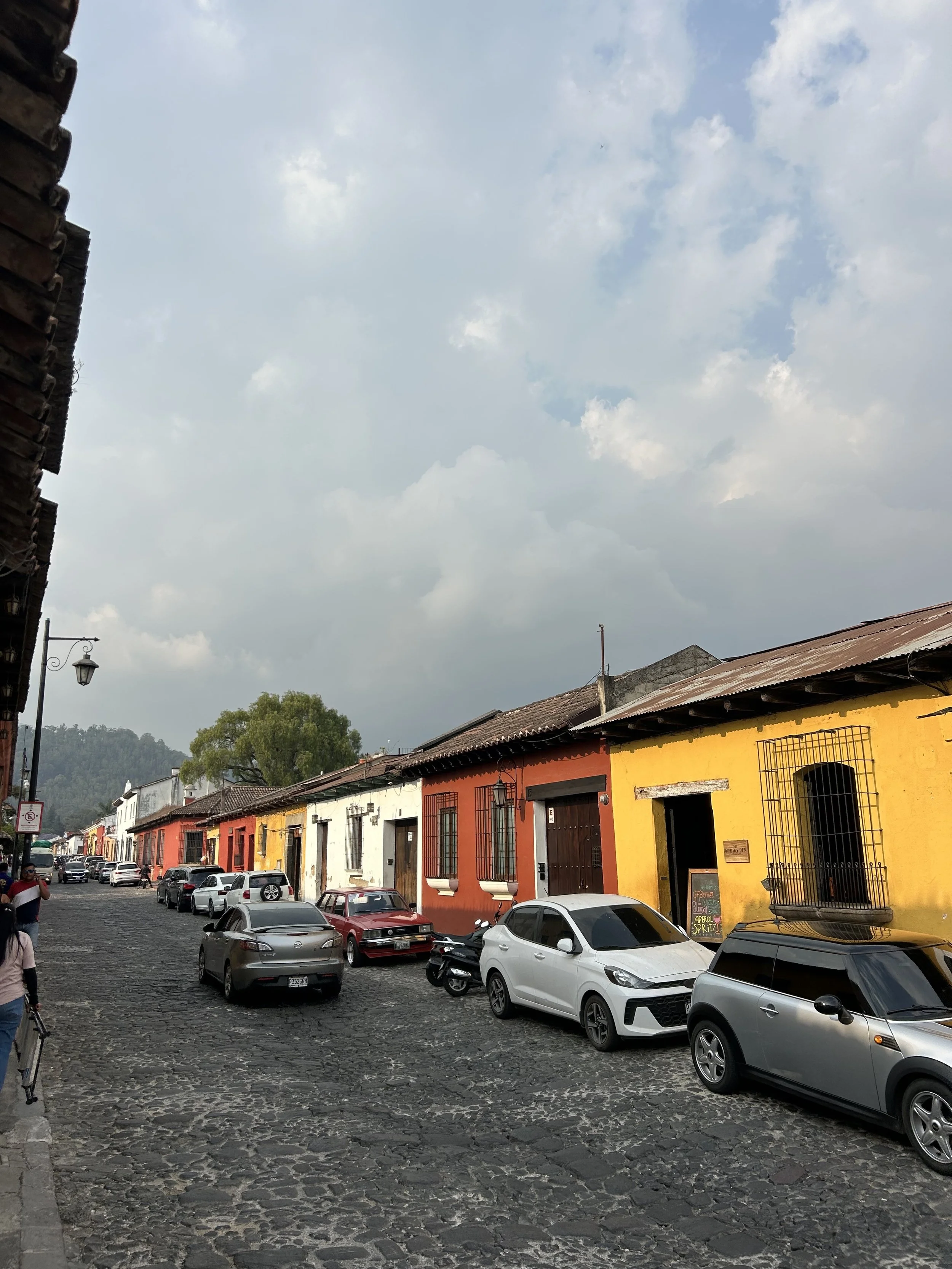
Antigua felt completely different from Lake Atitlán but equally memorable. The city is known for its Spanish colonial architecture, colorful buildings, cobblestone streets, and views of volcanoes visible throughout the city. Founded in the 16th century, it later became a UNESCO World Heritage Site and remains one of the best-preserved colonial cities in Latin America. I also really loved the café culture there. Many coffee shops in Antigua were hidden behind simple doors that opened into garden courtyards, while others occupied rooftop terraces with views of Volcán de Fuego in the distance. I started ordering cacao lattes almost everywhere we went and immediately preferred them to coffee. Sitting in one of those courtyards for hours at a time became one of my favorite parts of being in Antigua. The people were also incredibly warm and welcoming, which made the city feel comfortable from the very beginning.
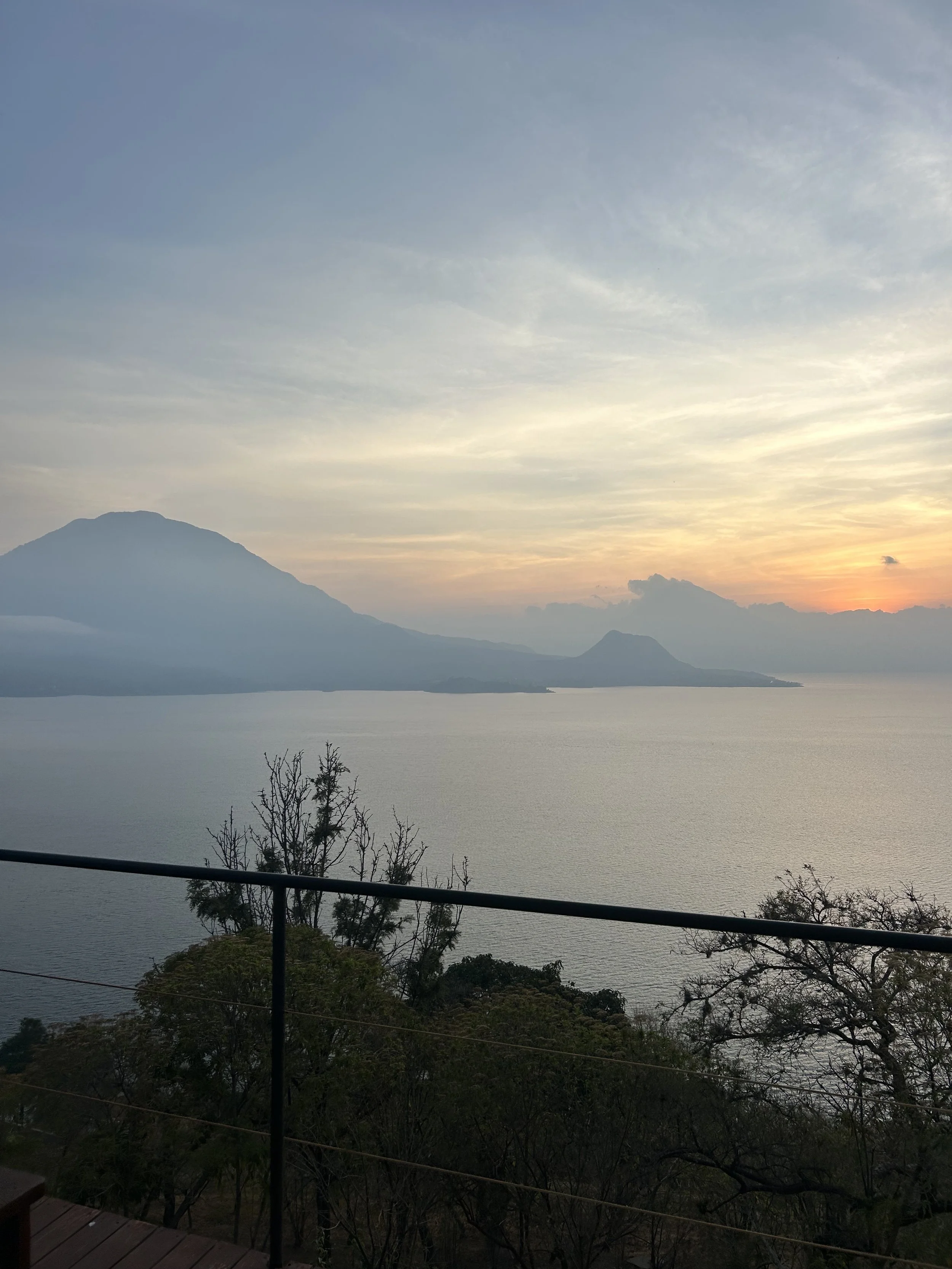
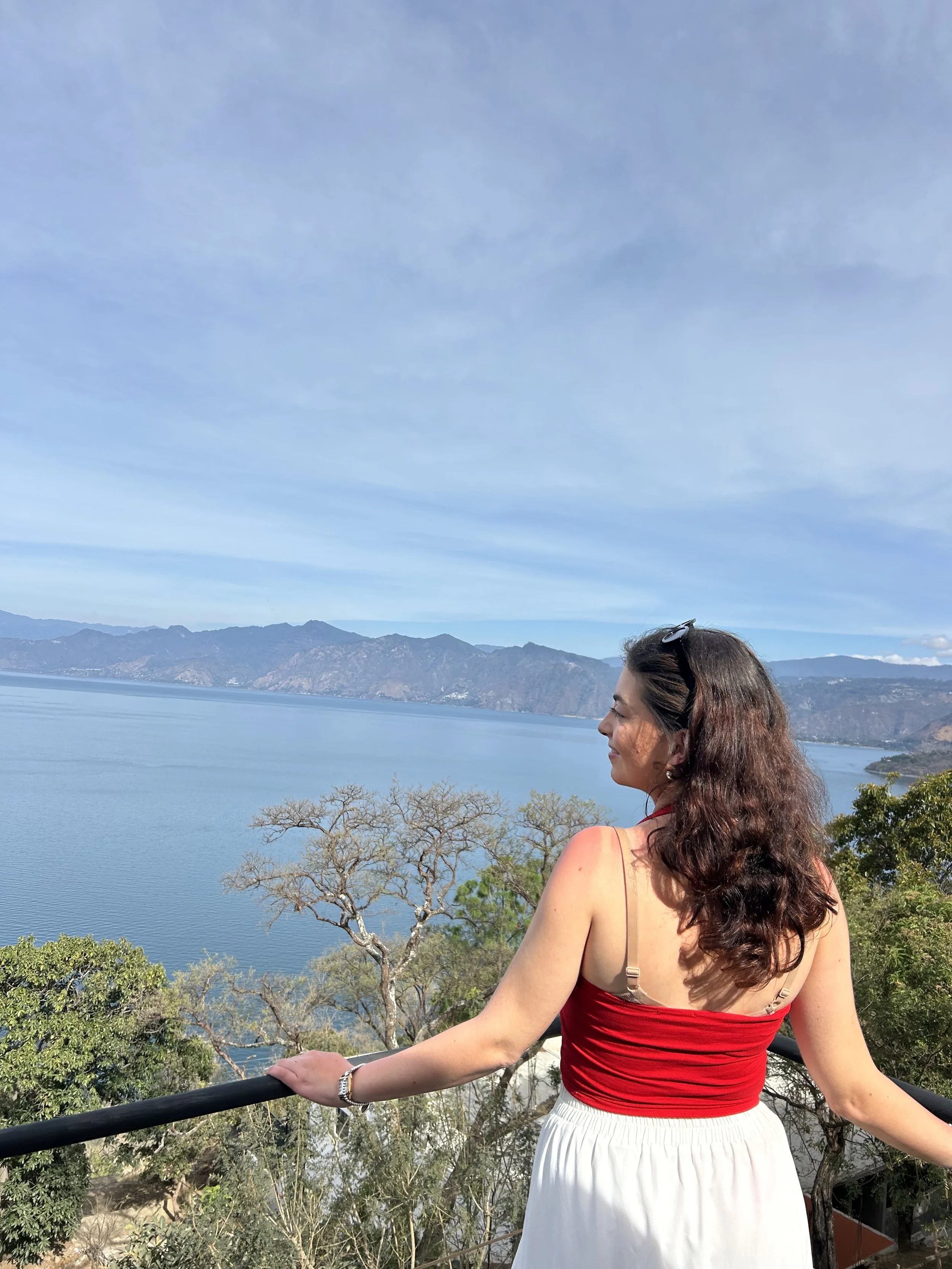
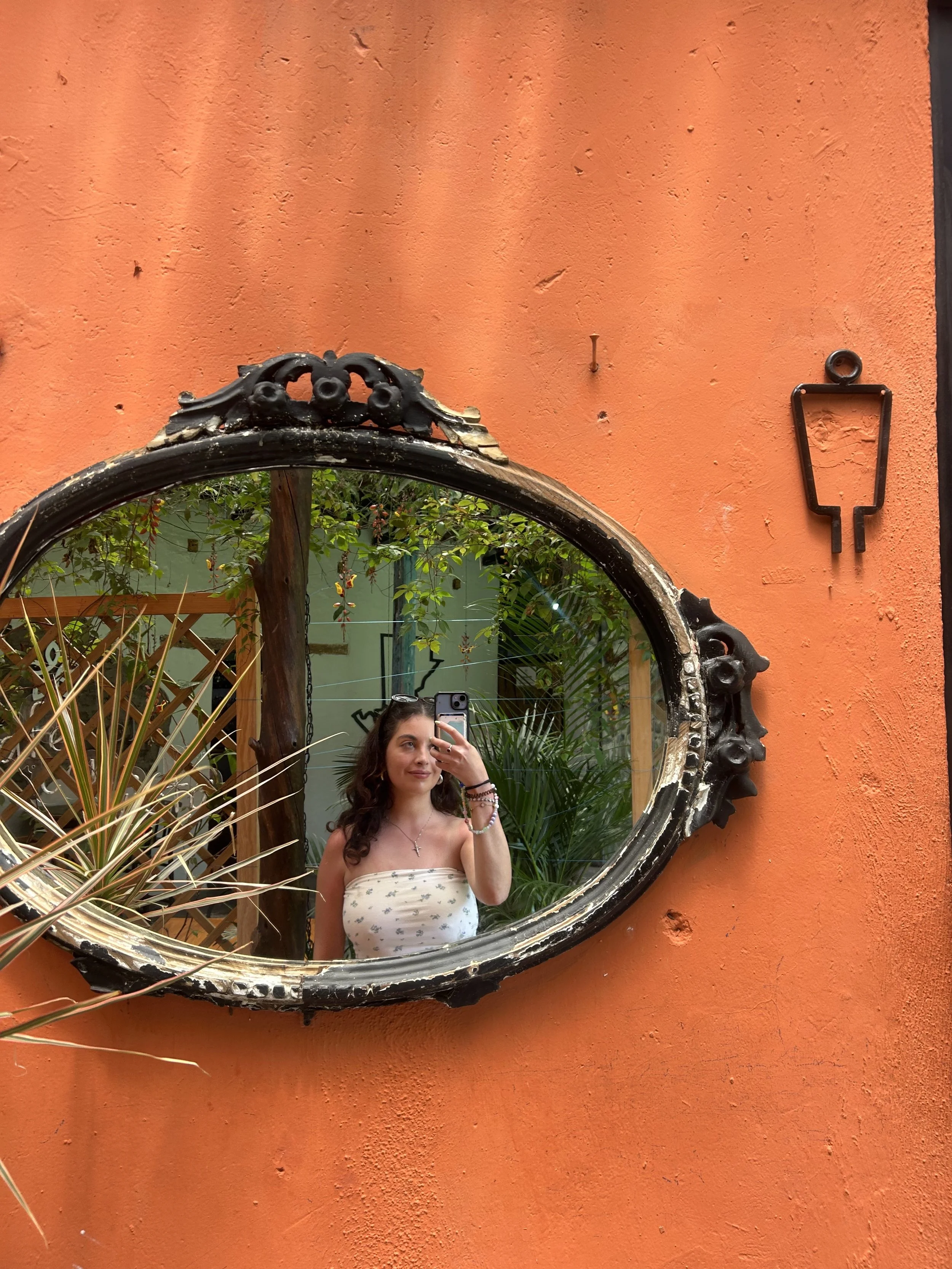
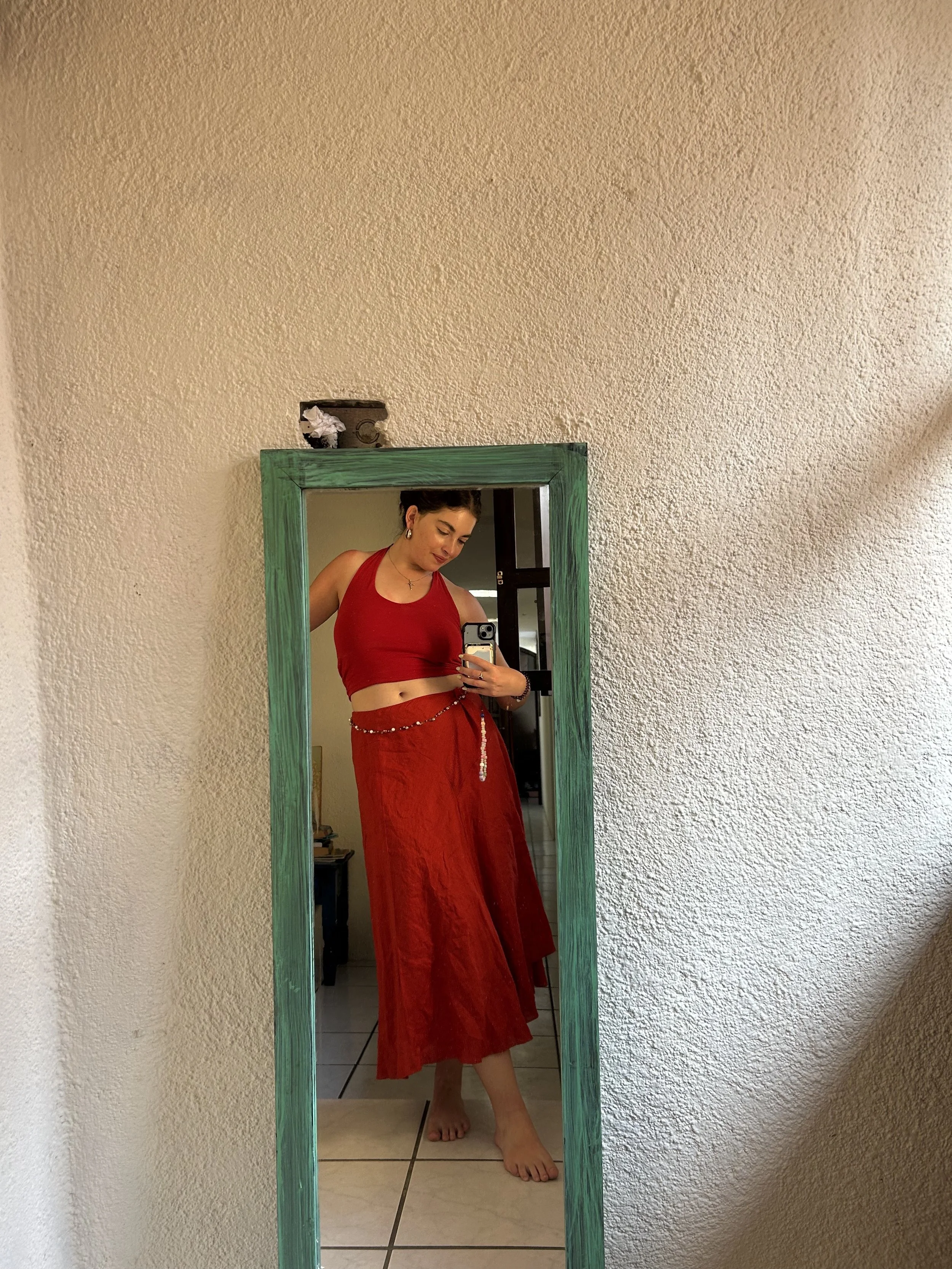
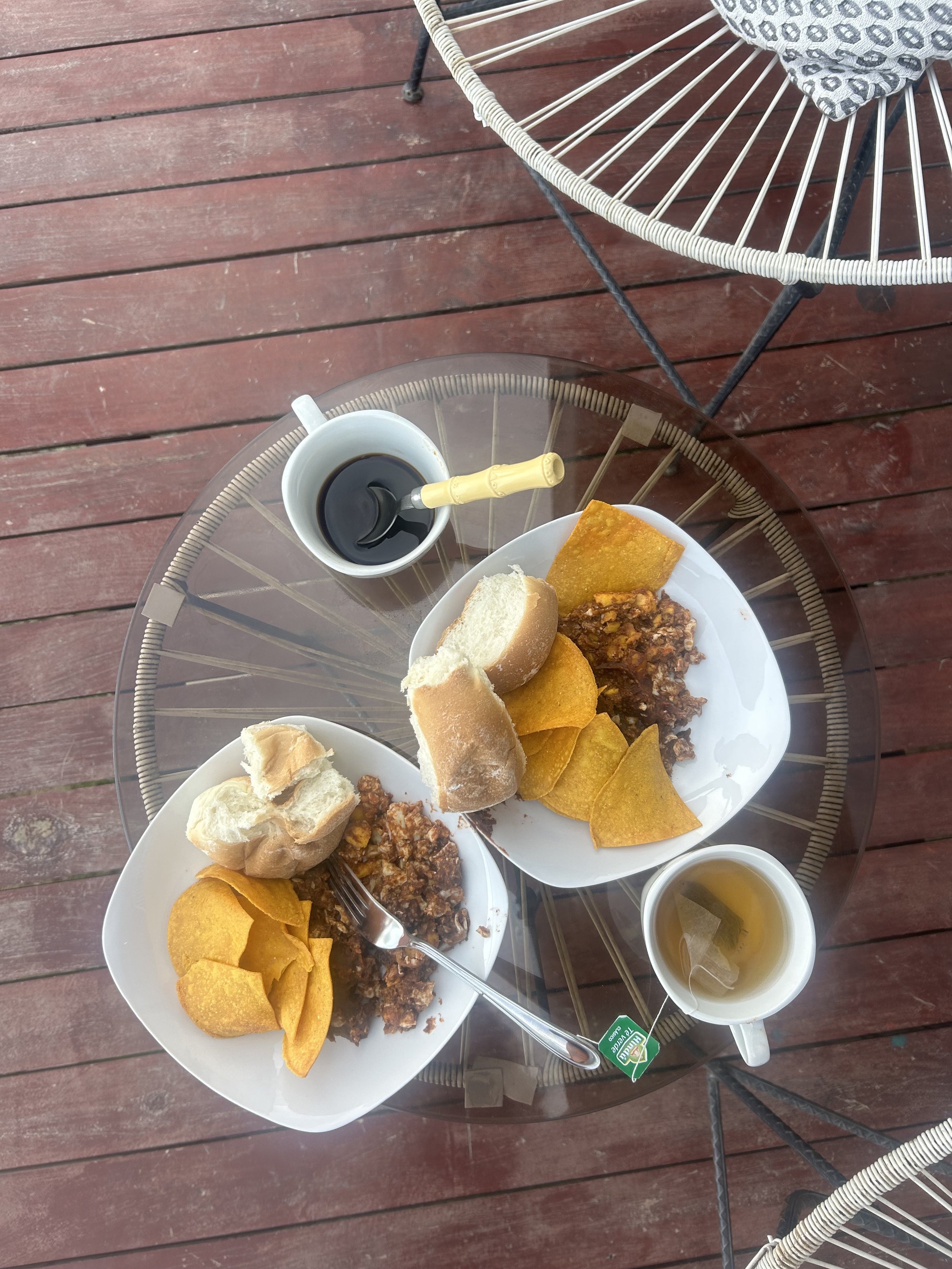
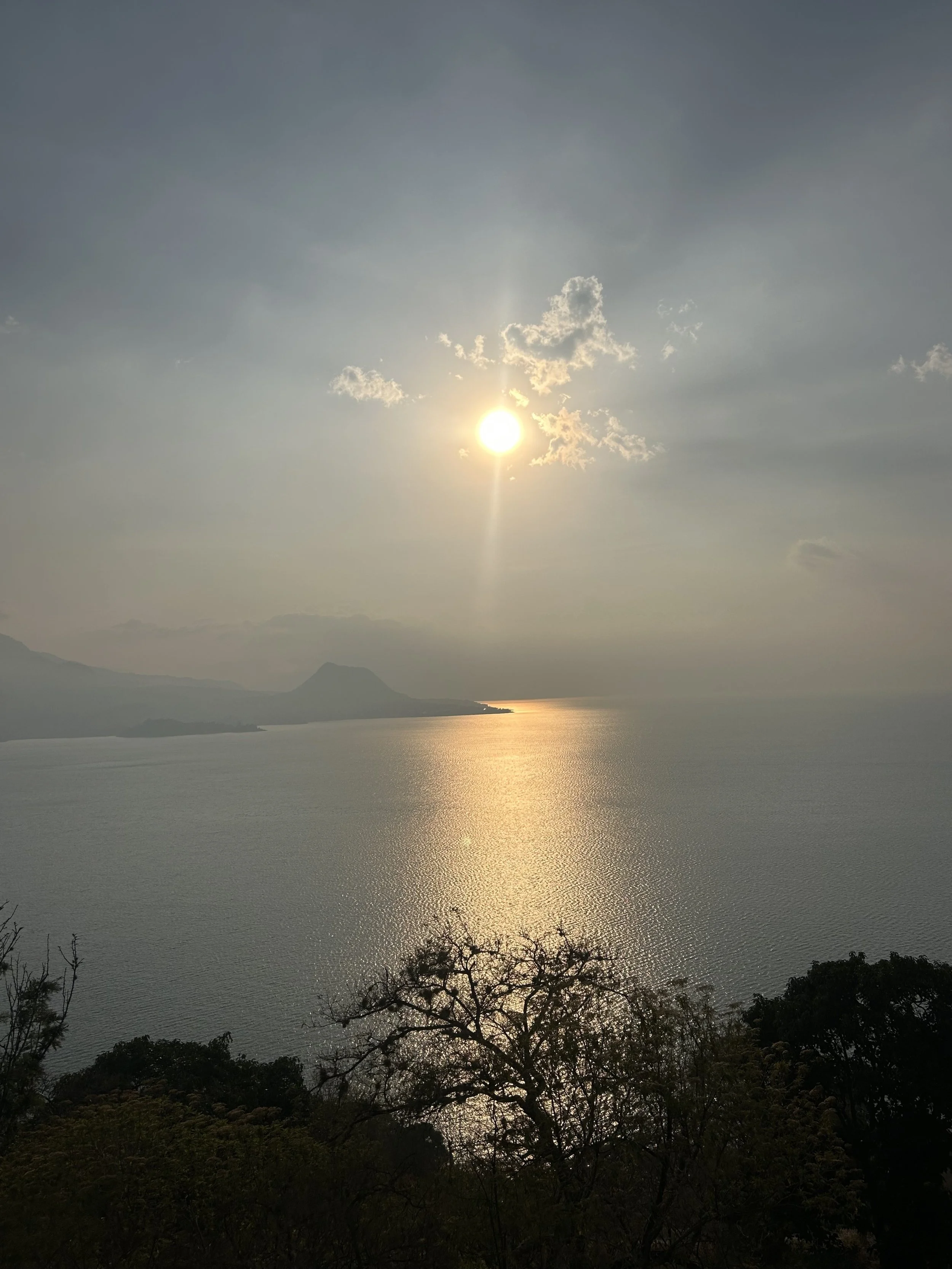
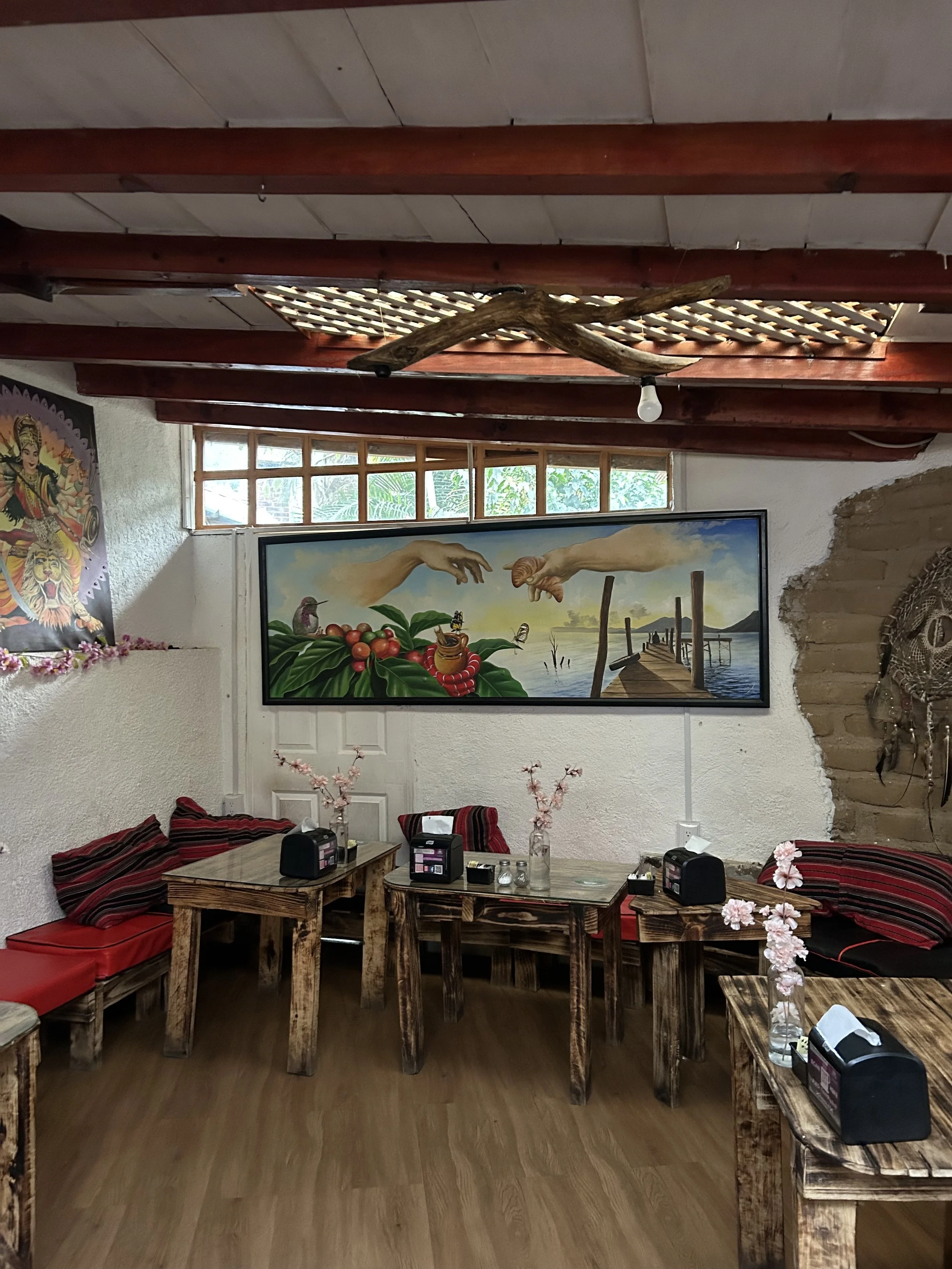
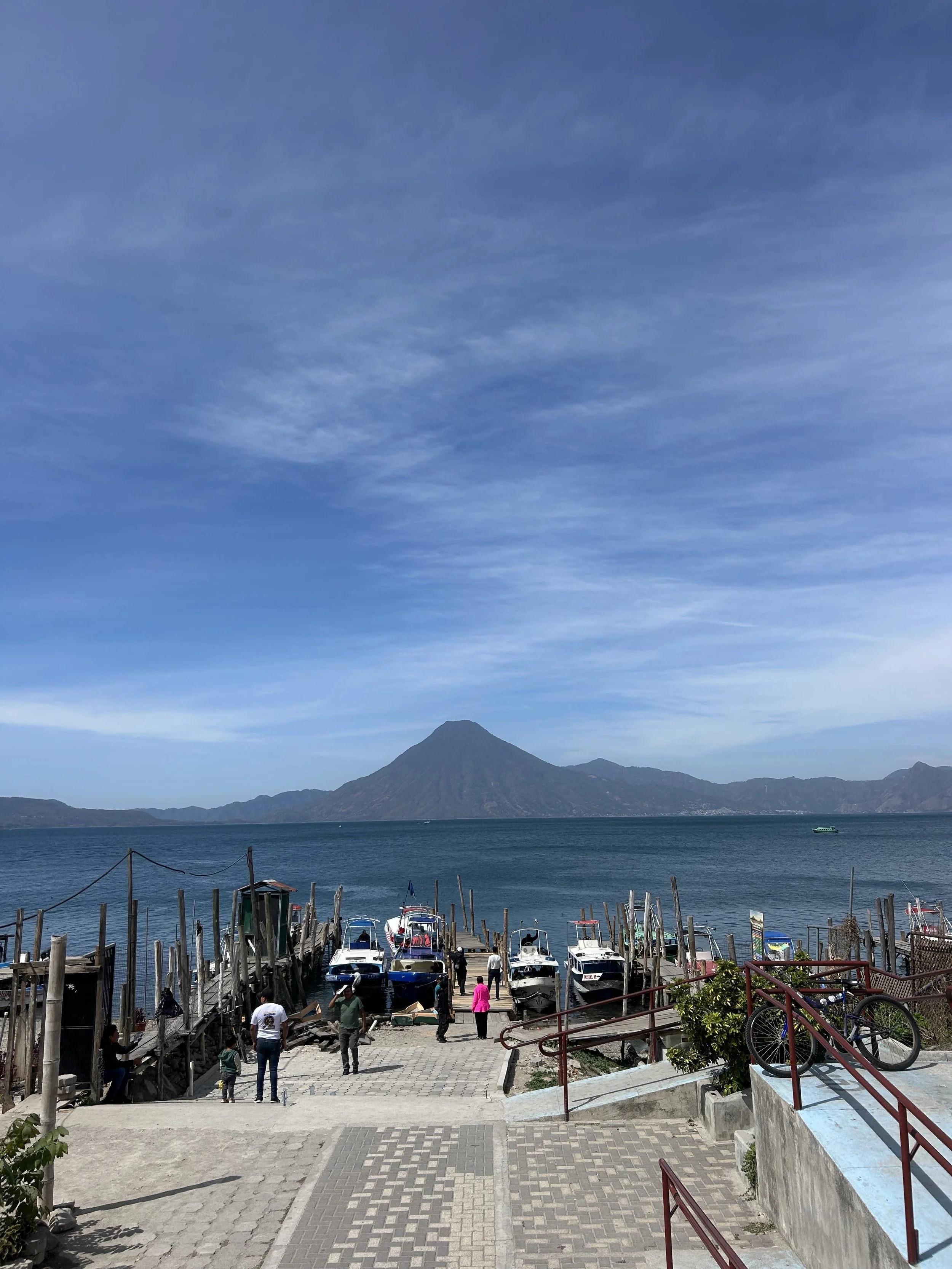
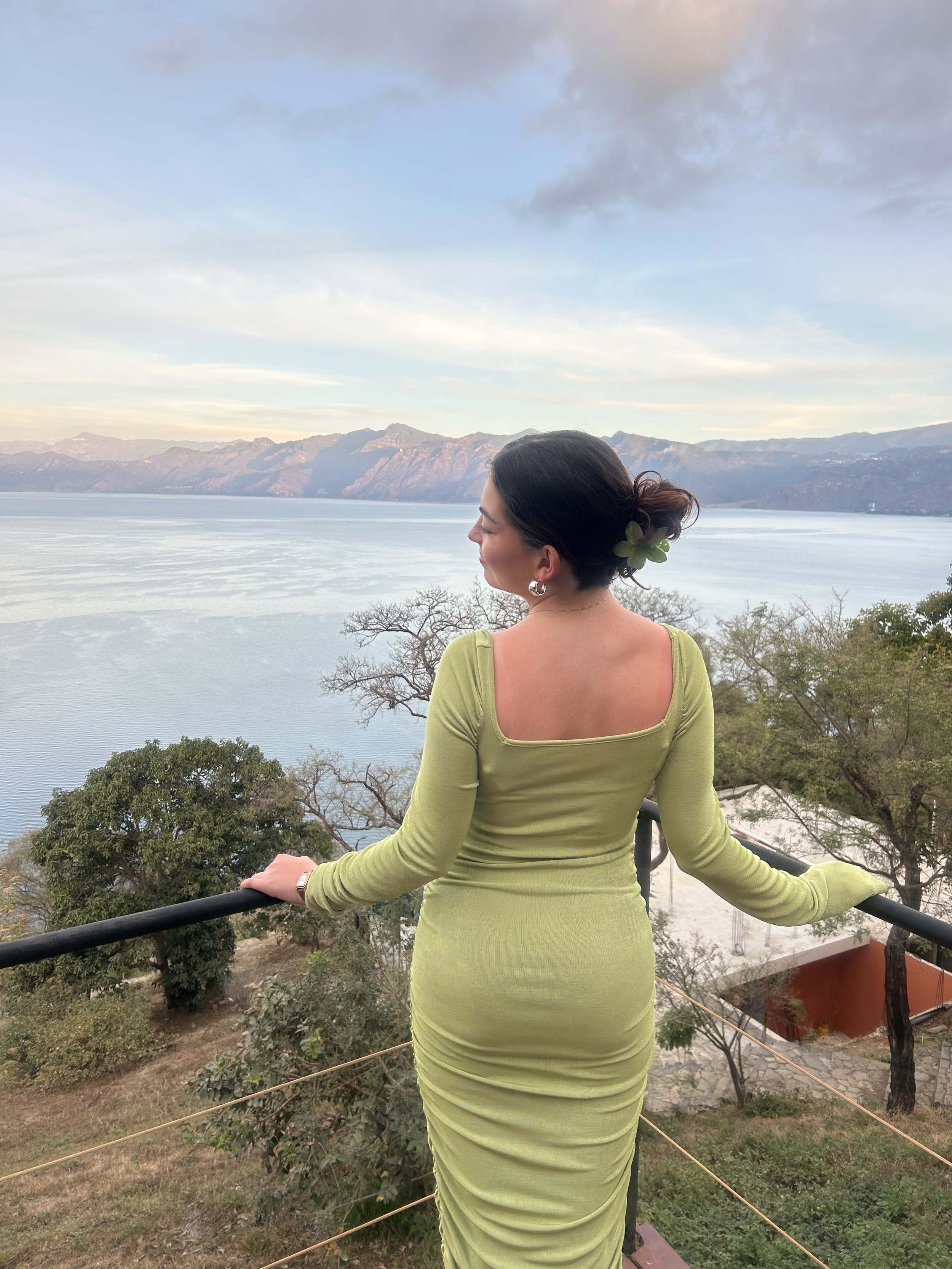
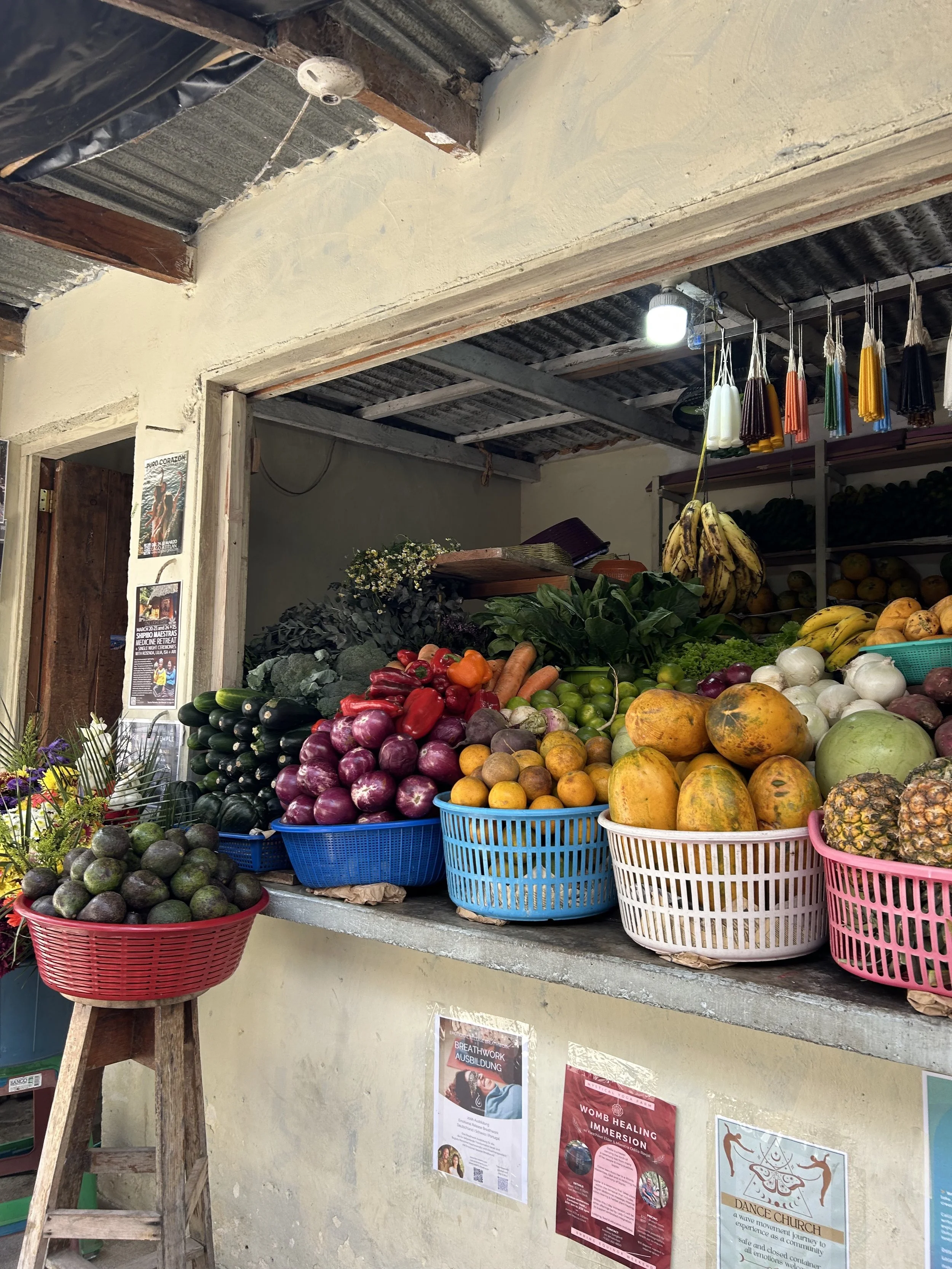
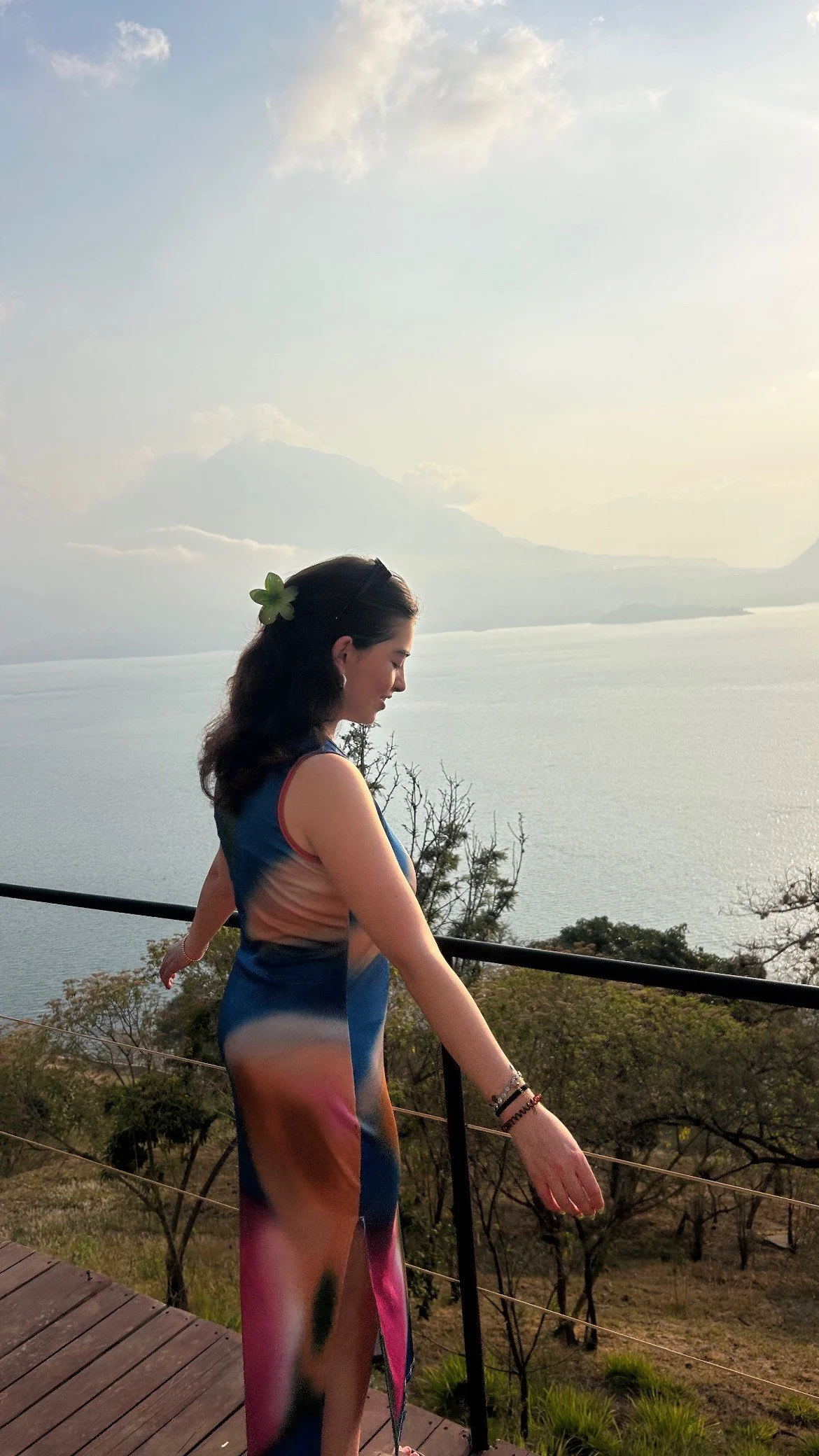
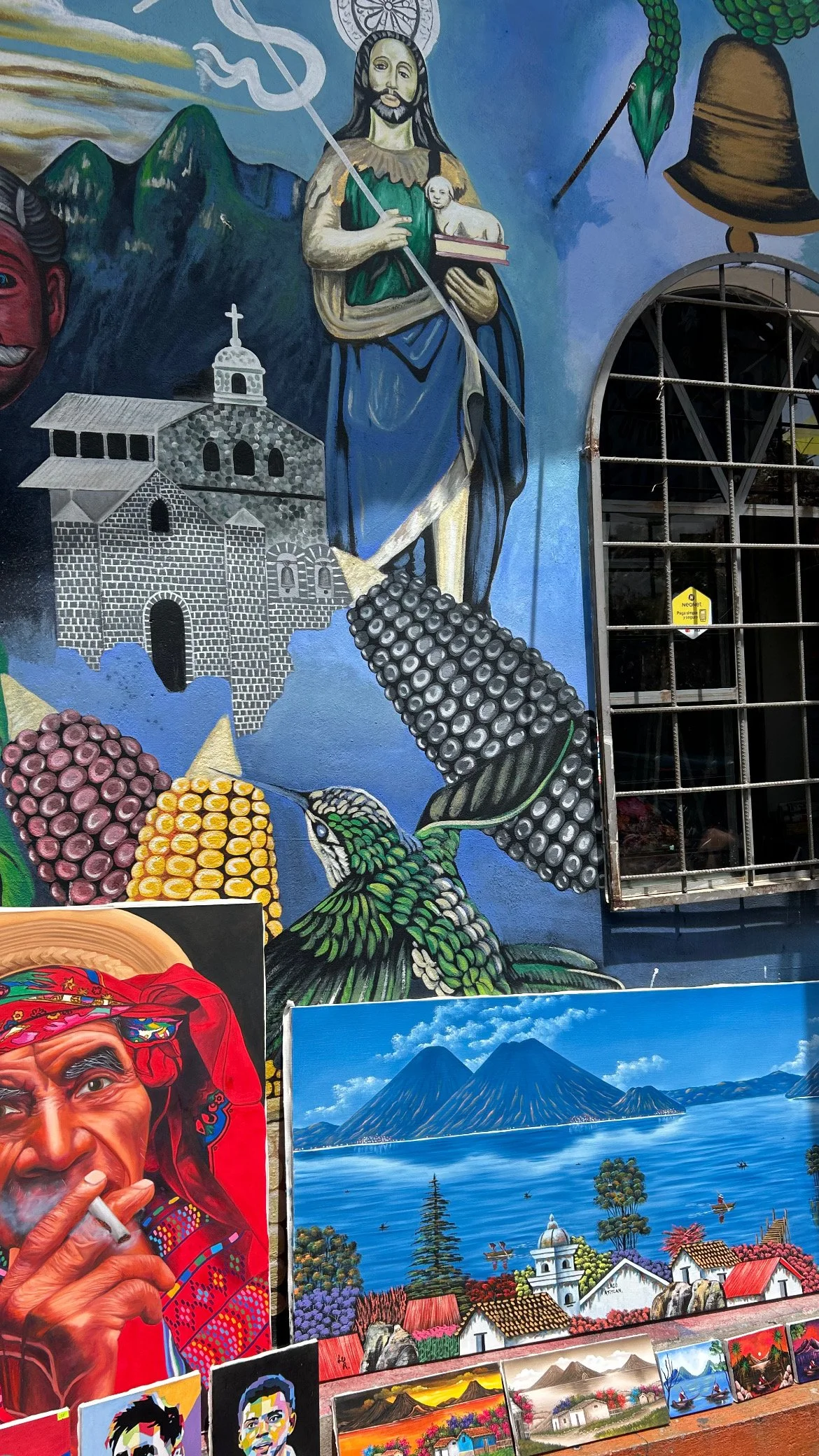
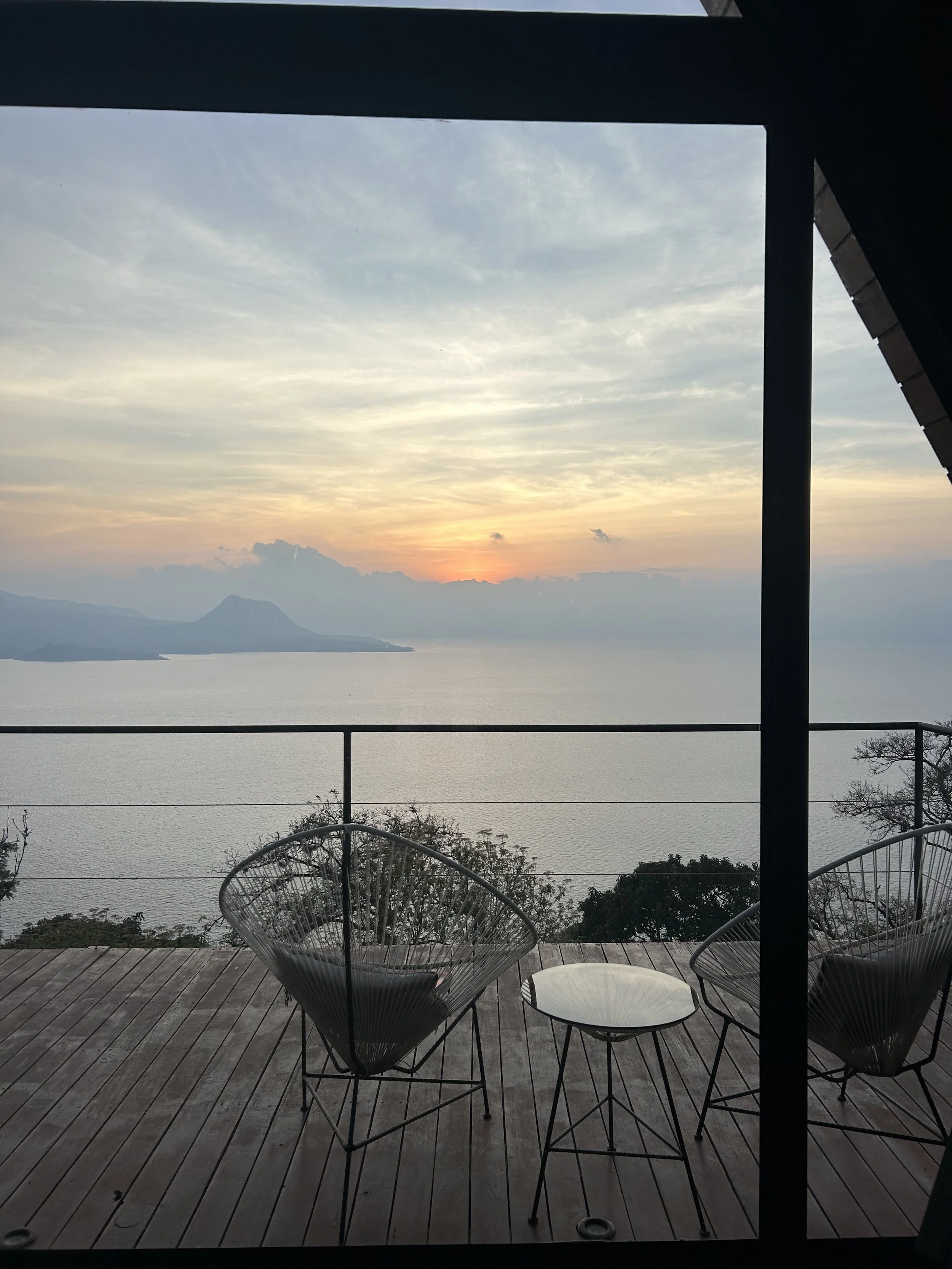
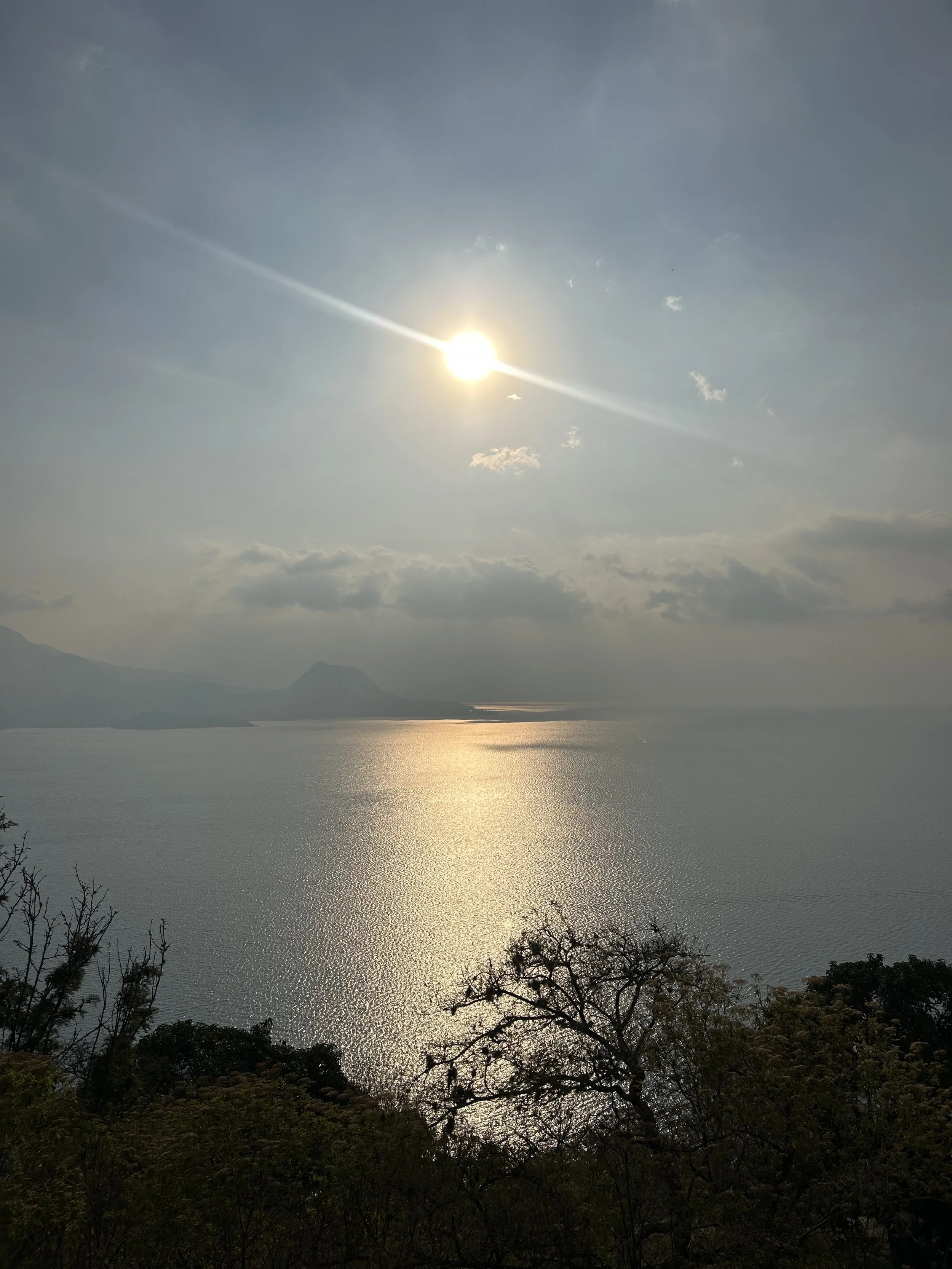
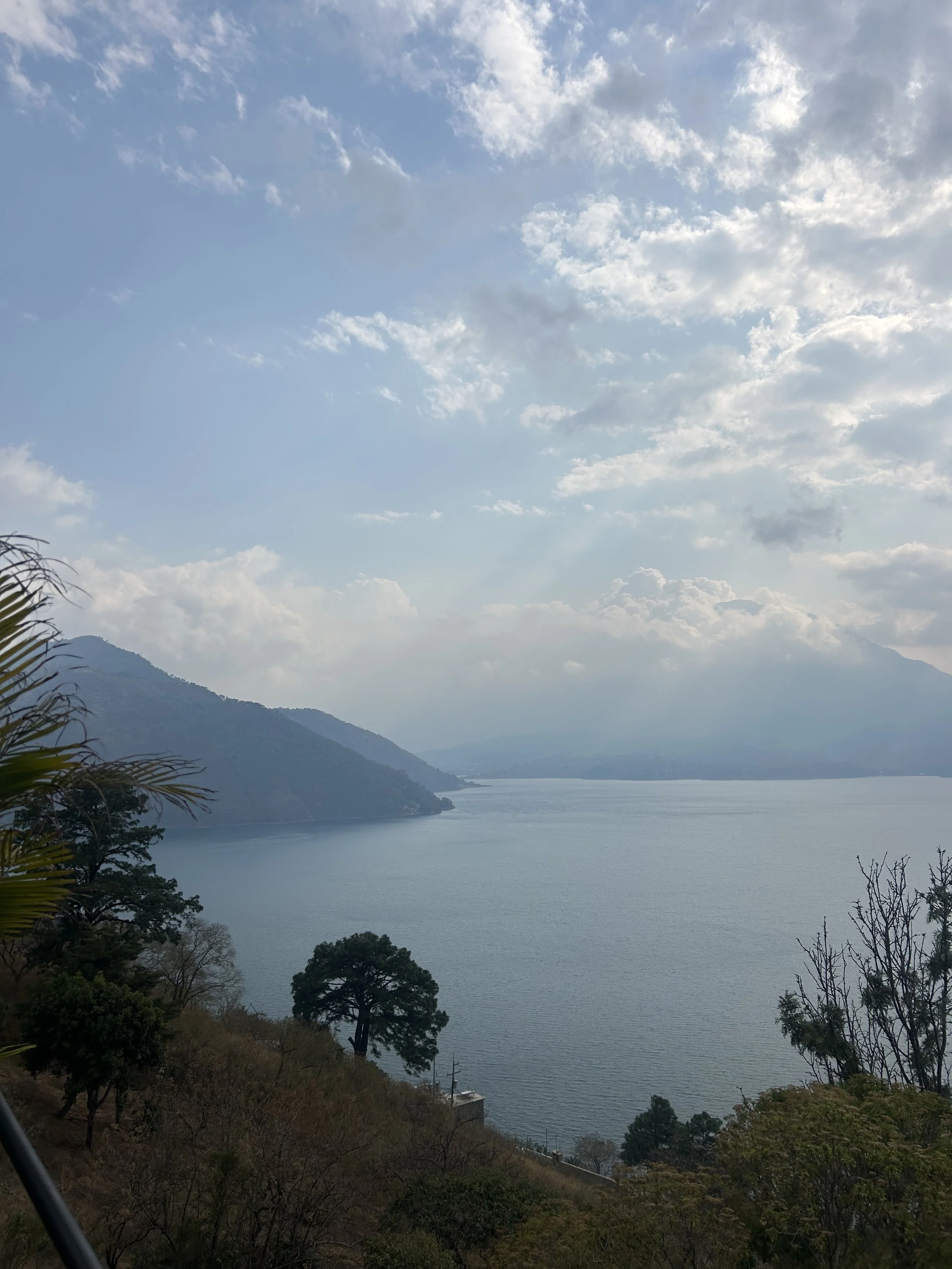
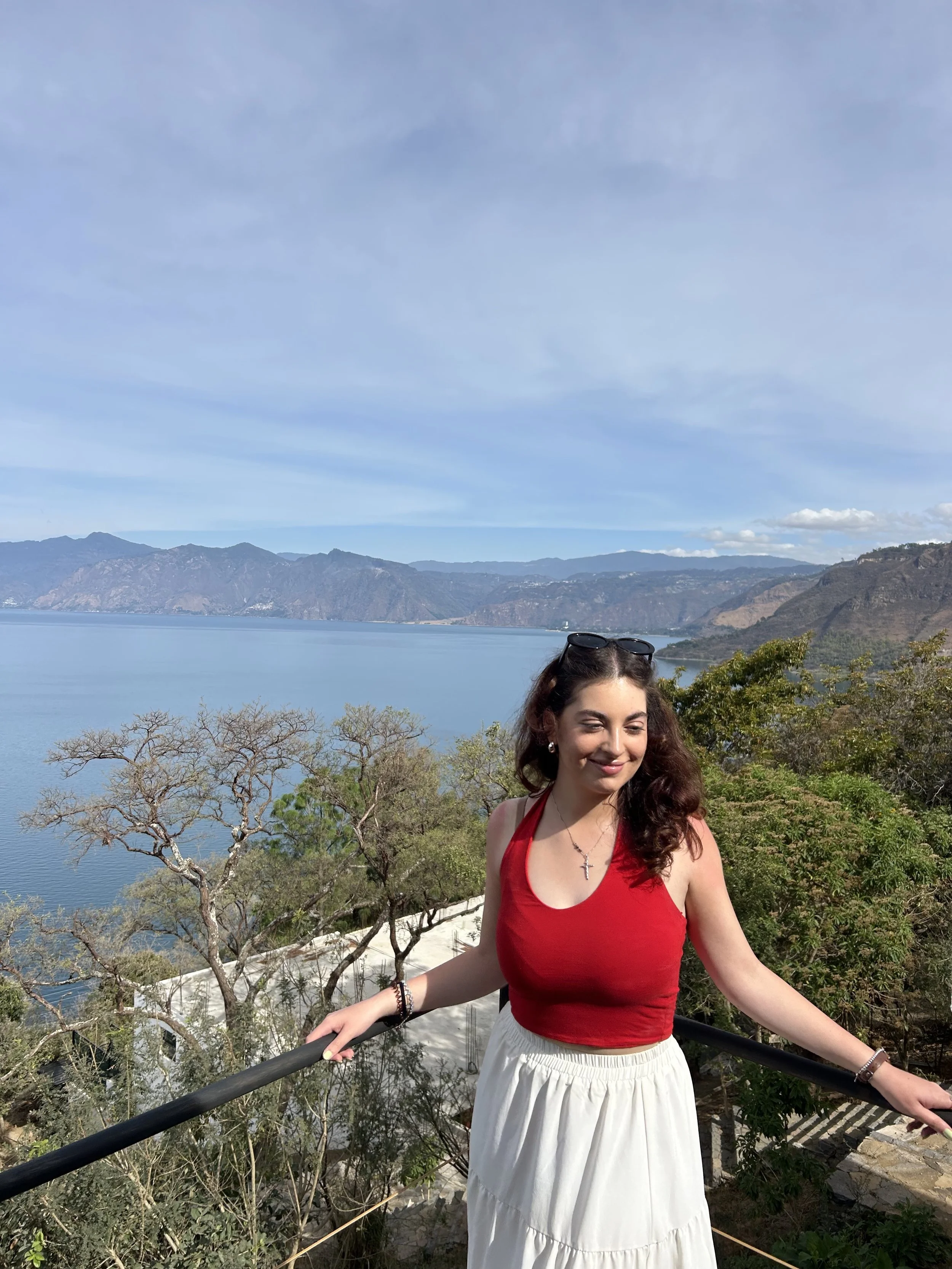

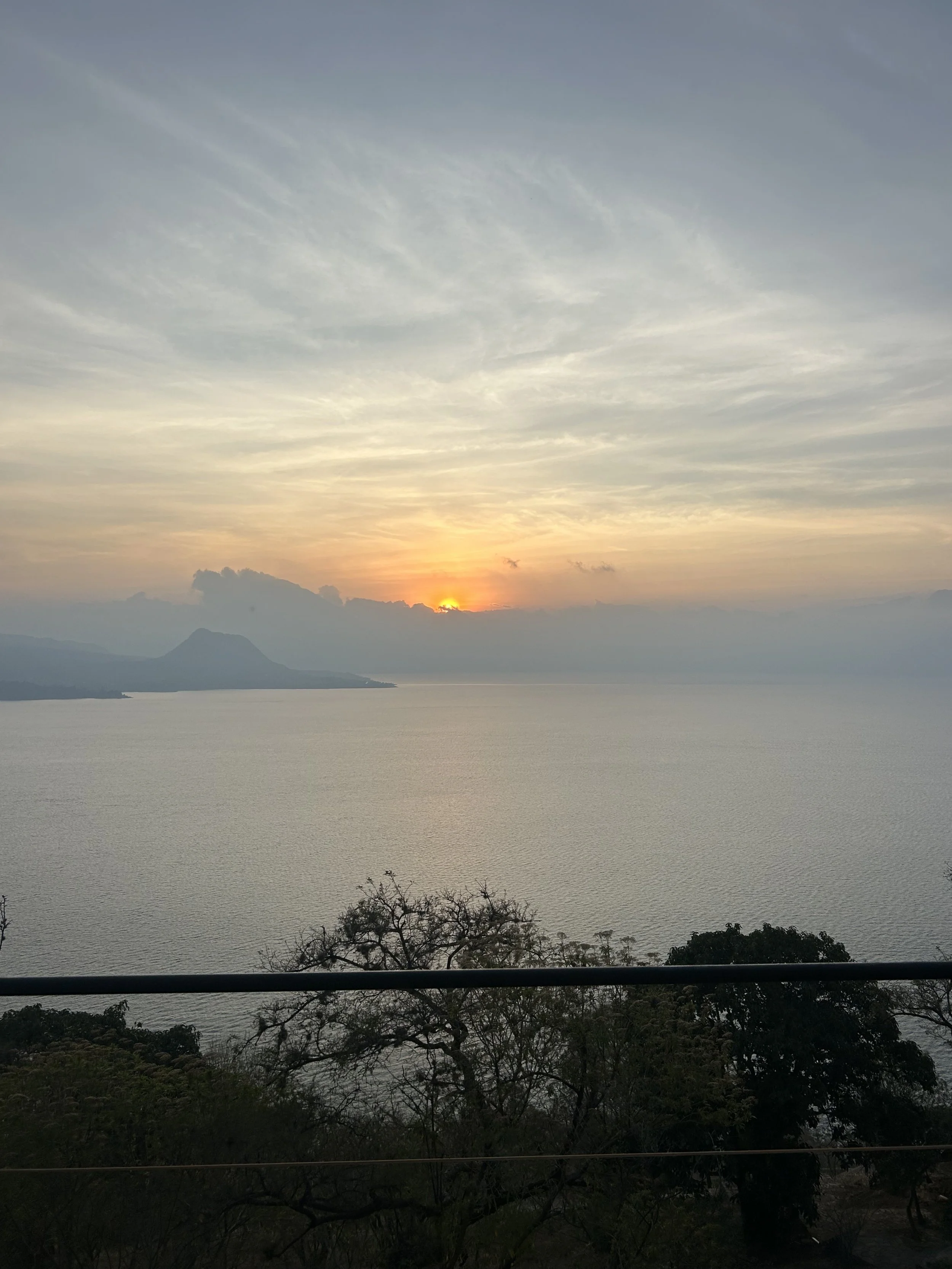
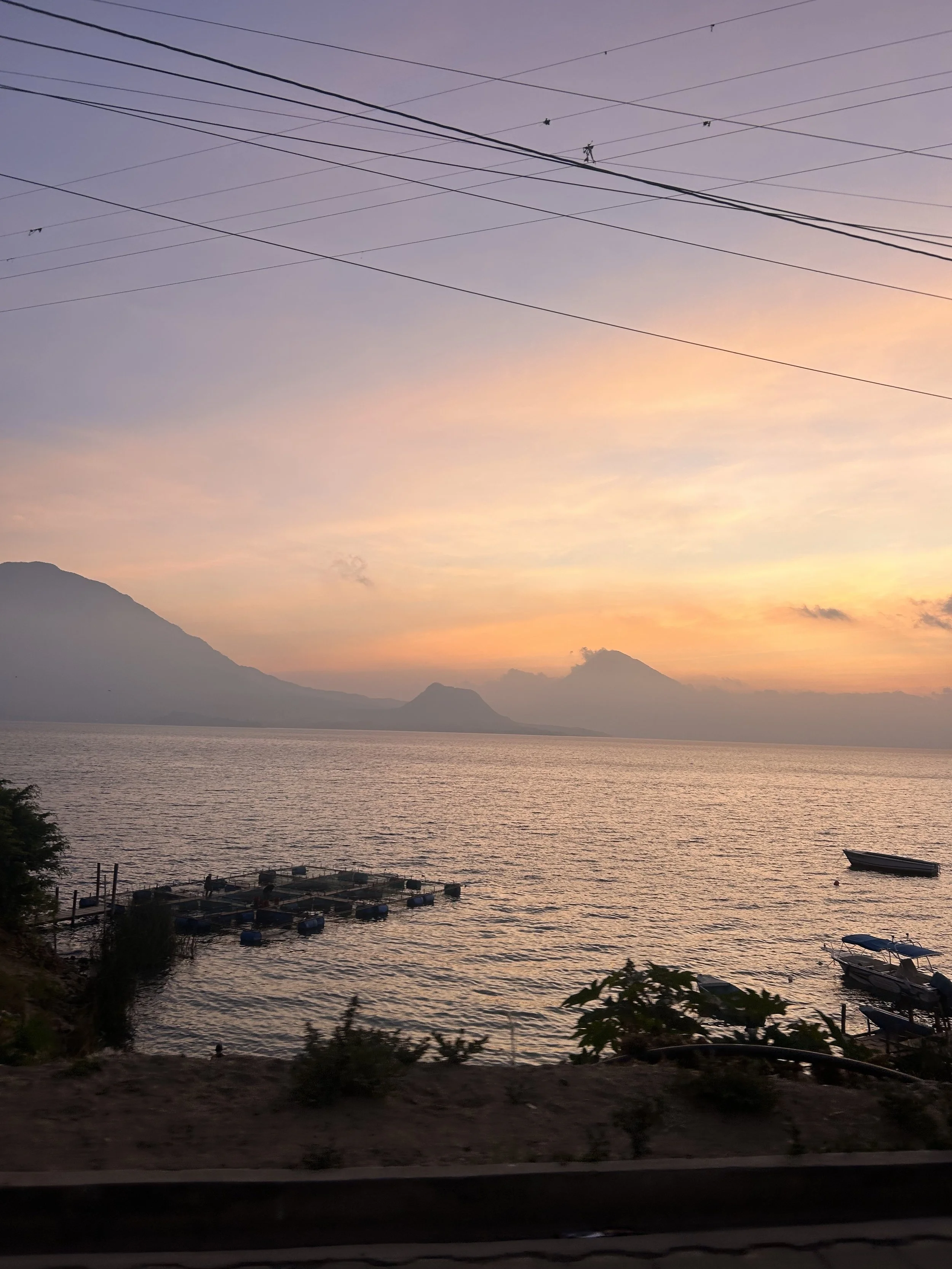
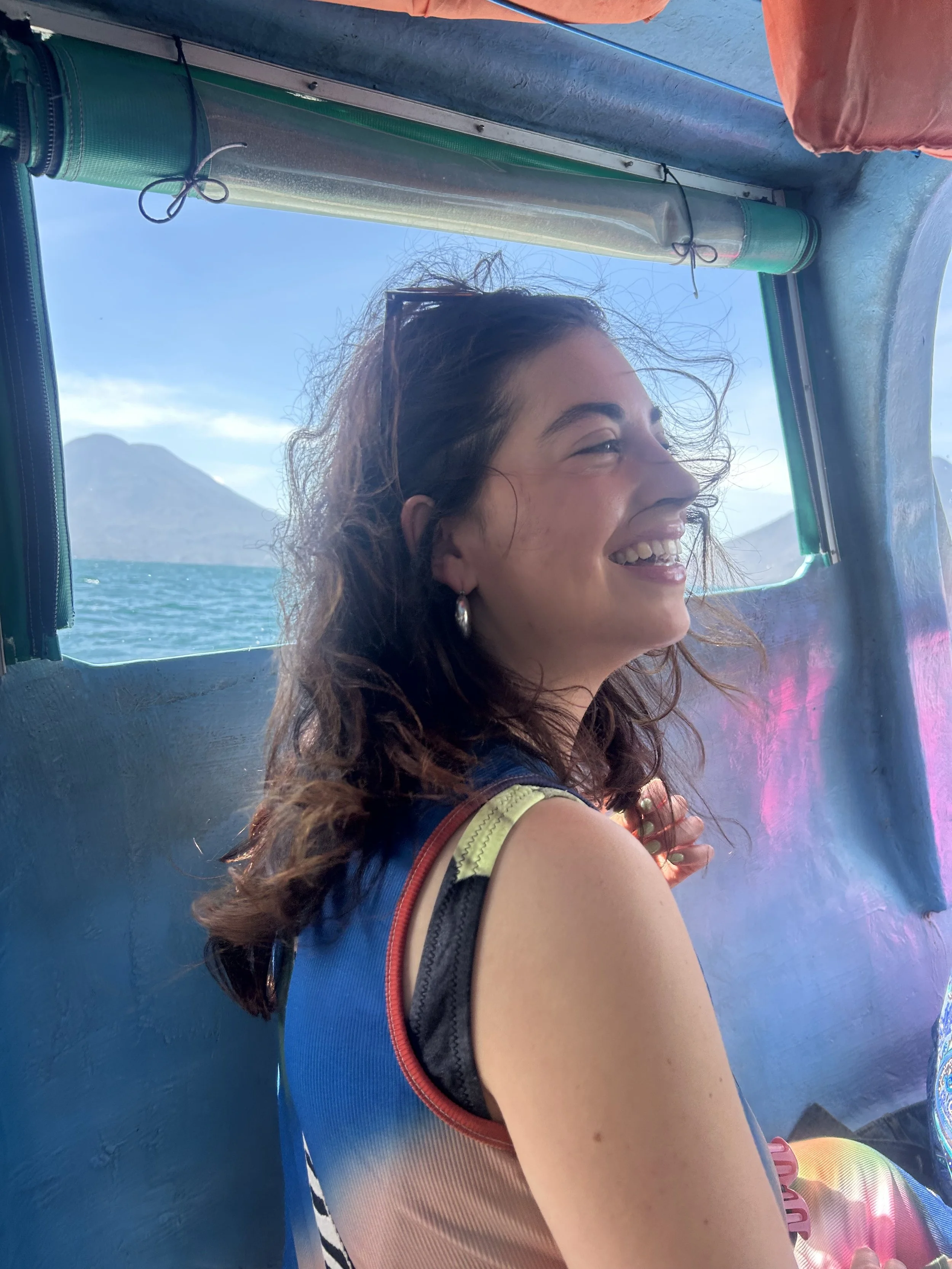
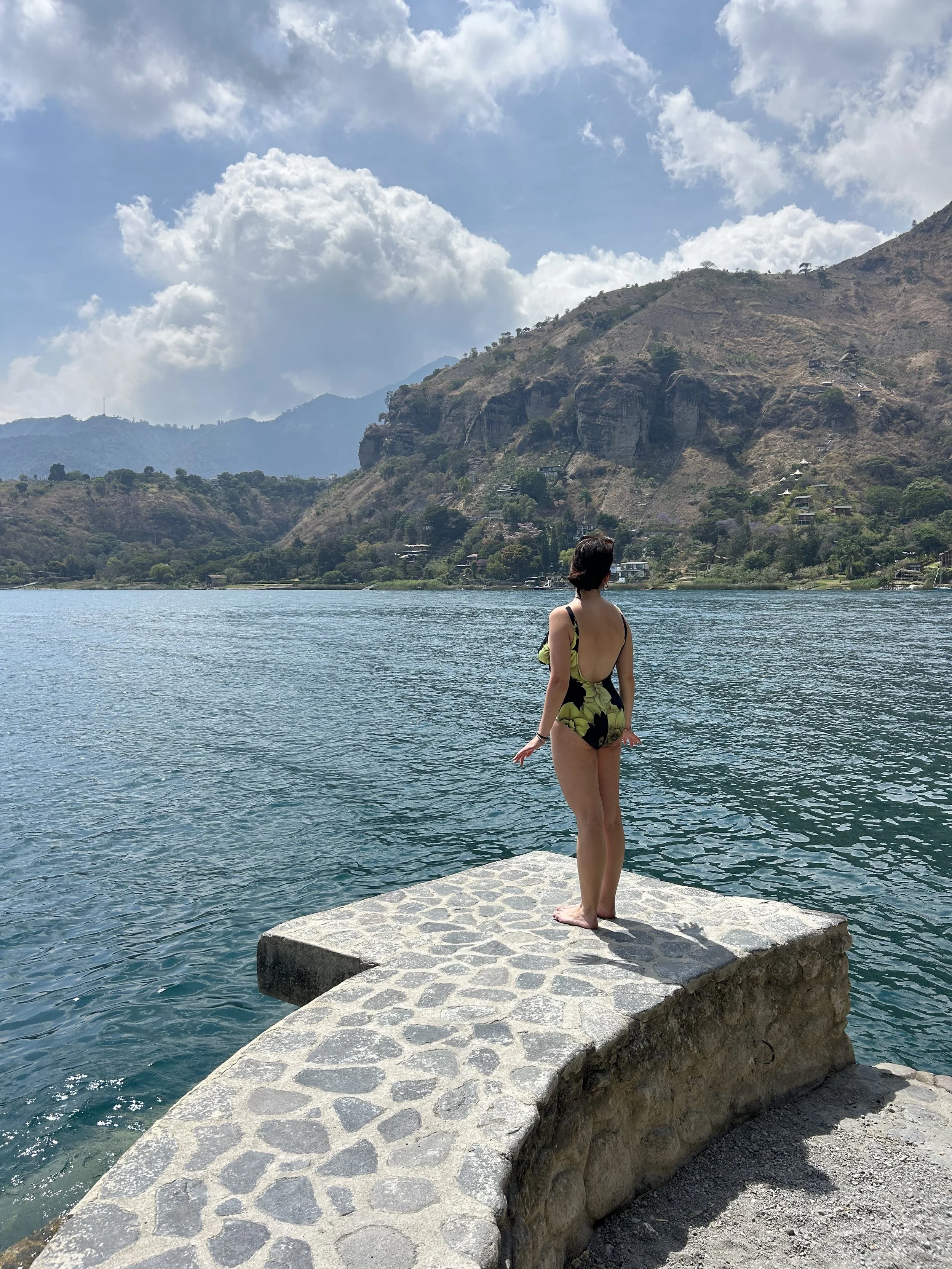
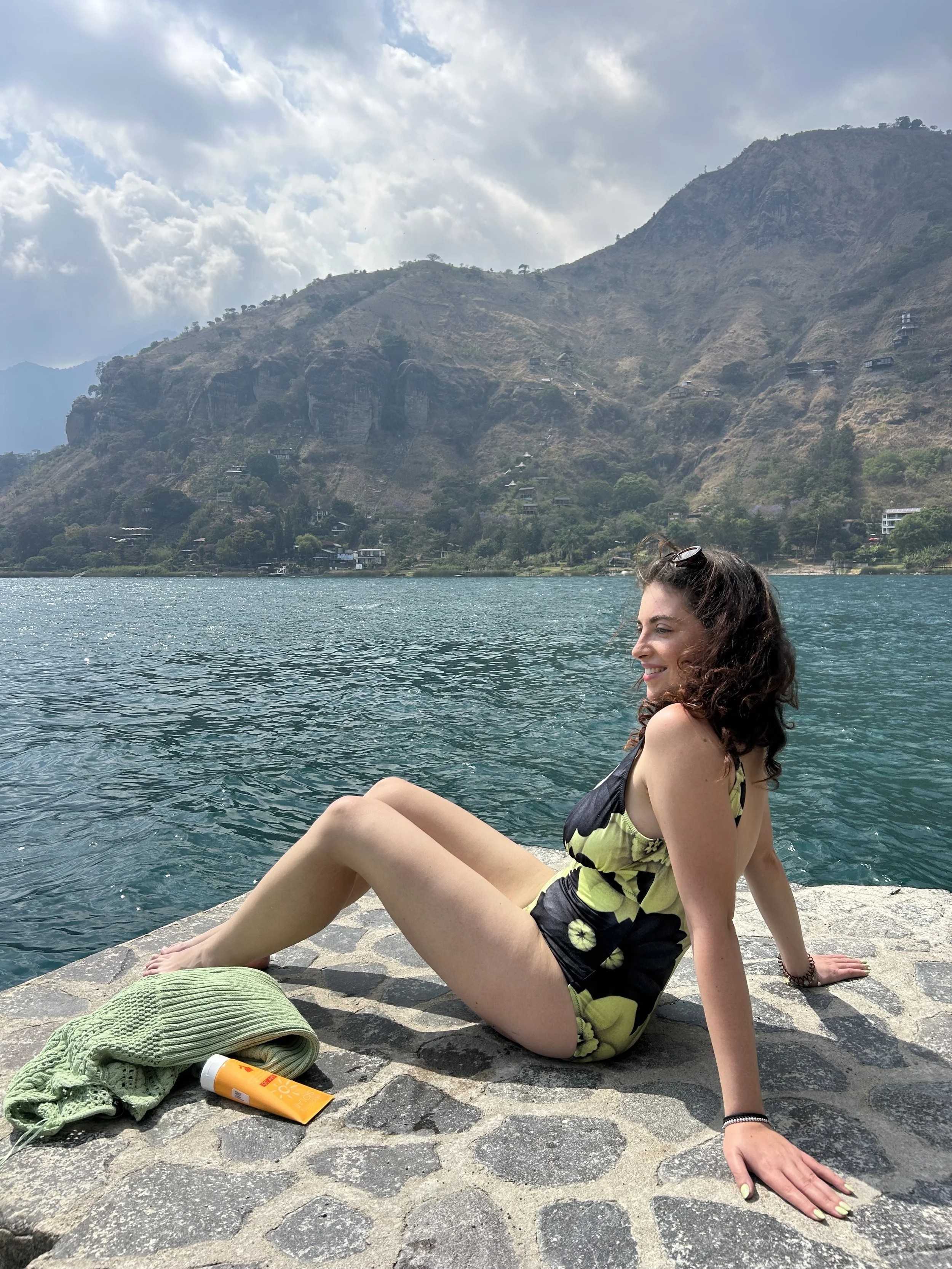
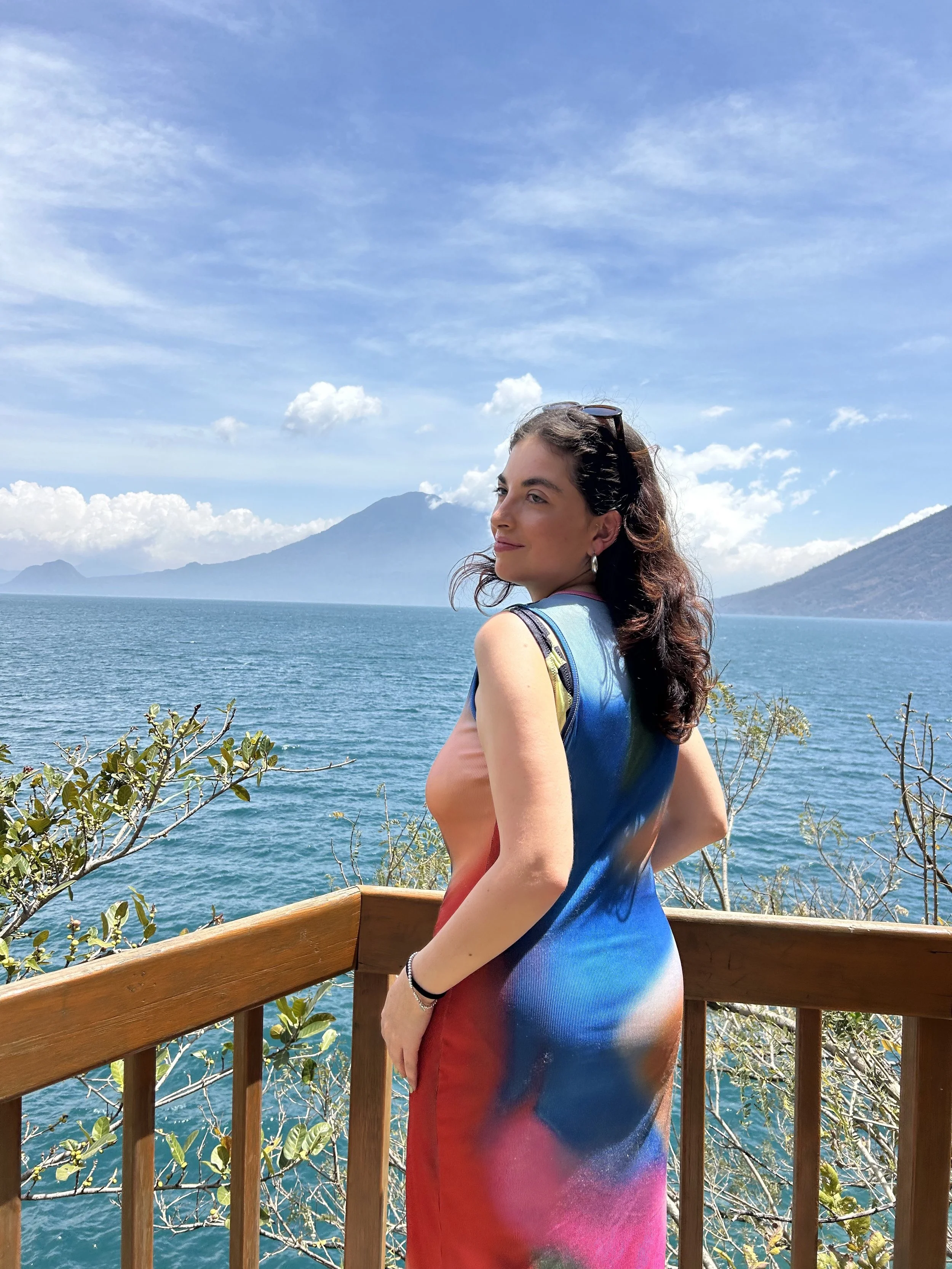
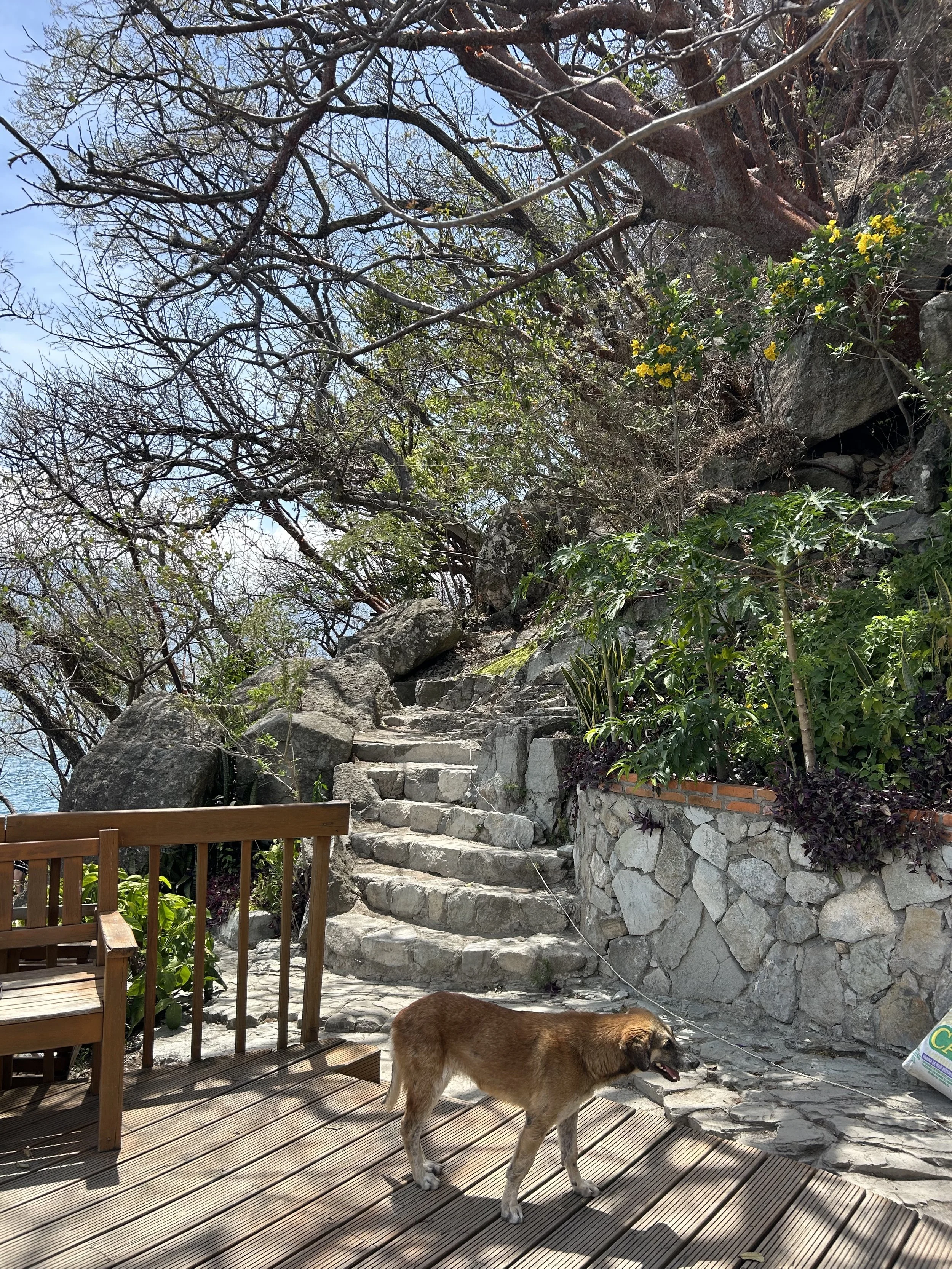
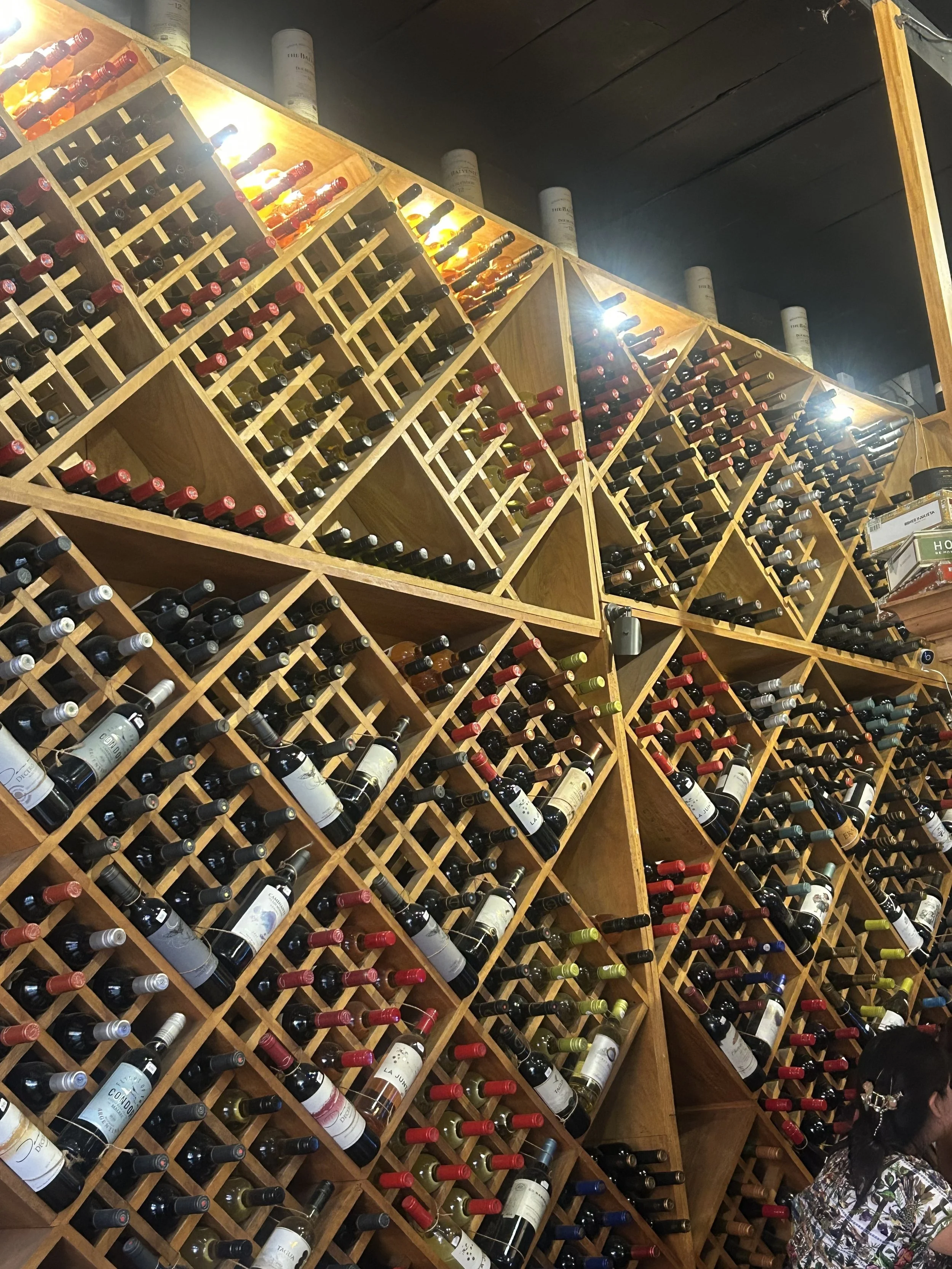
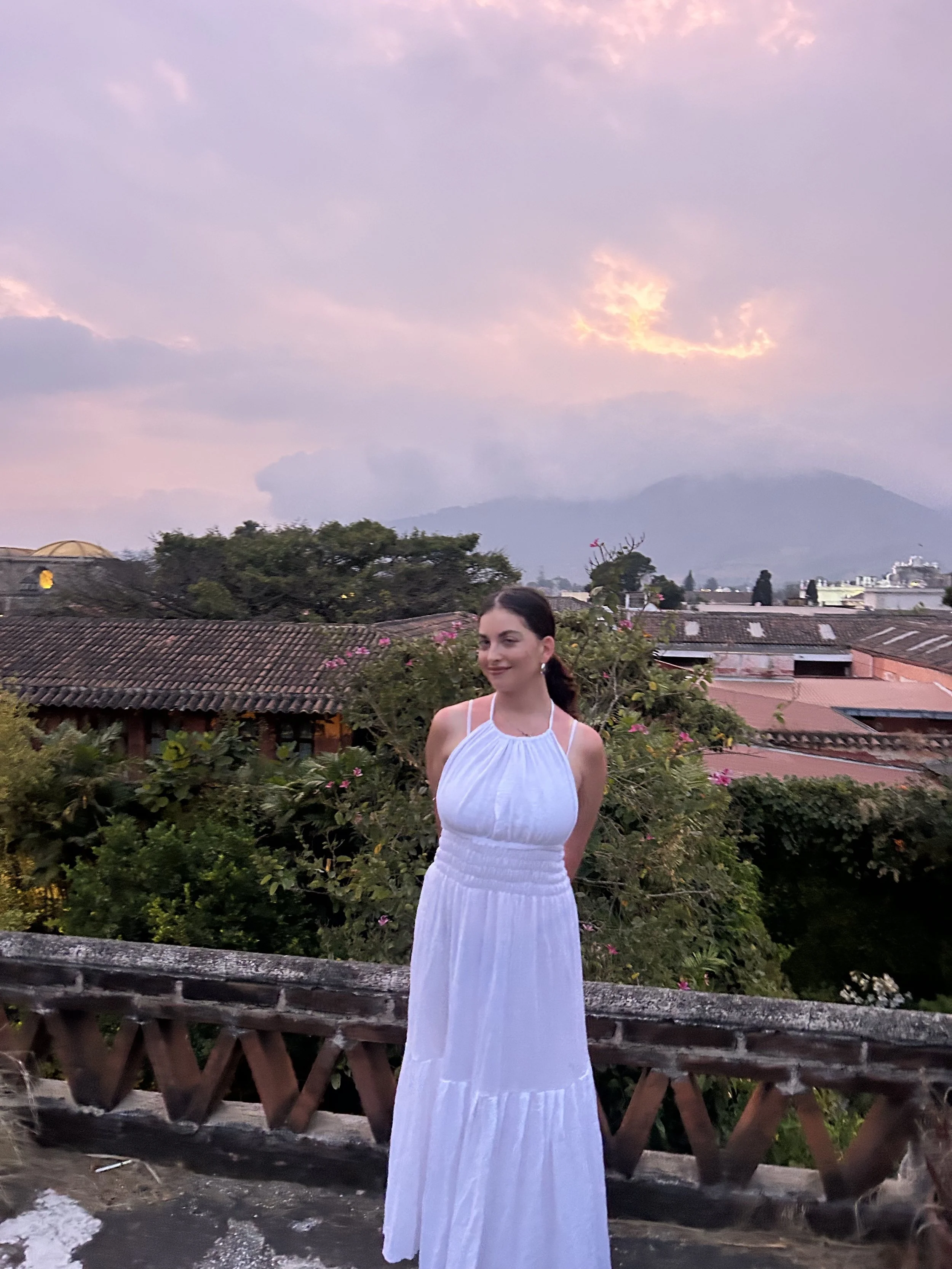
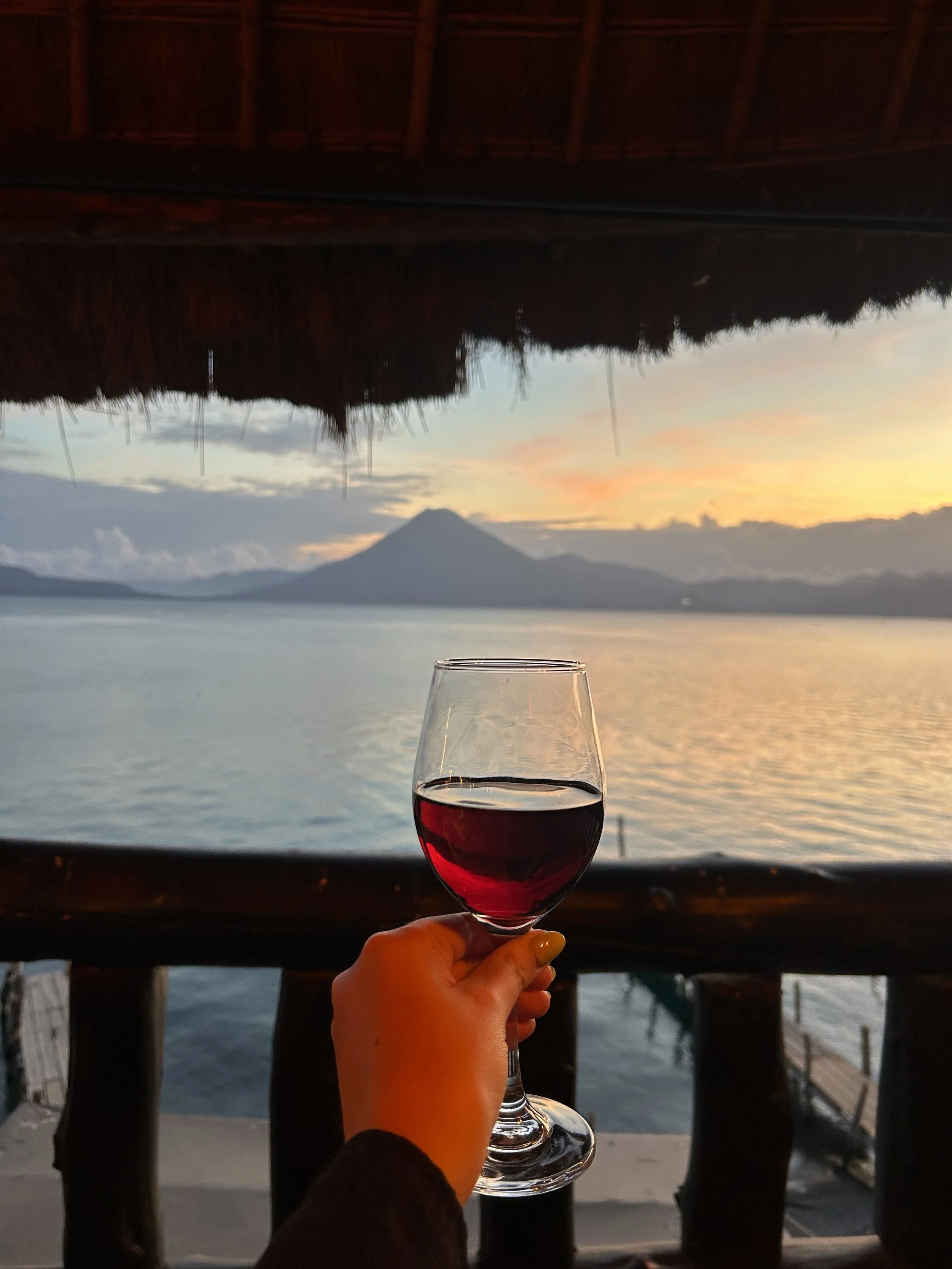
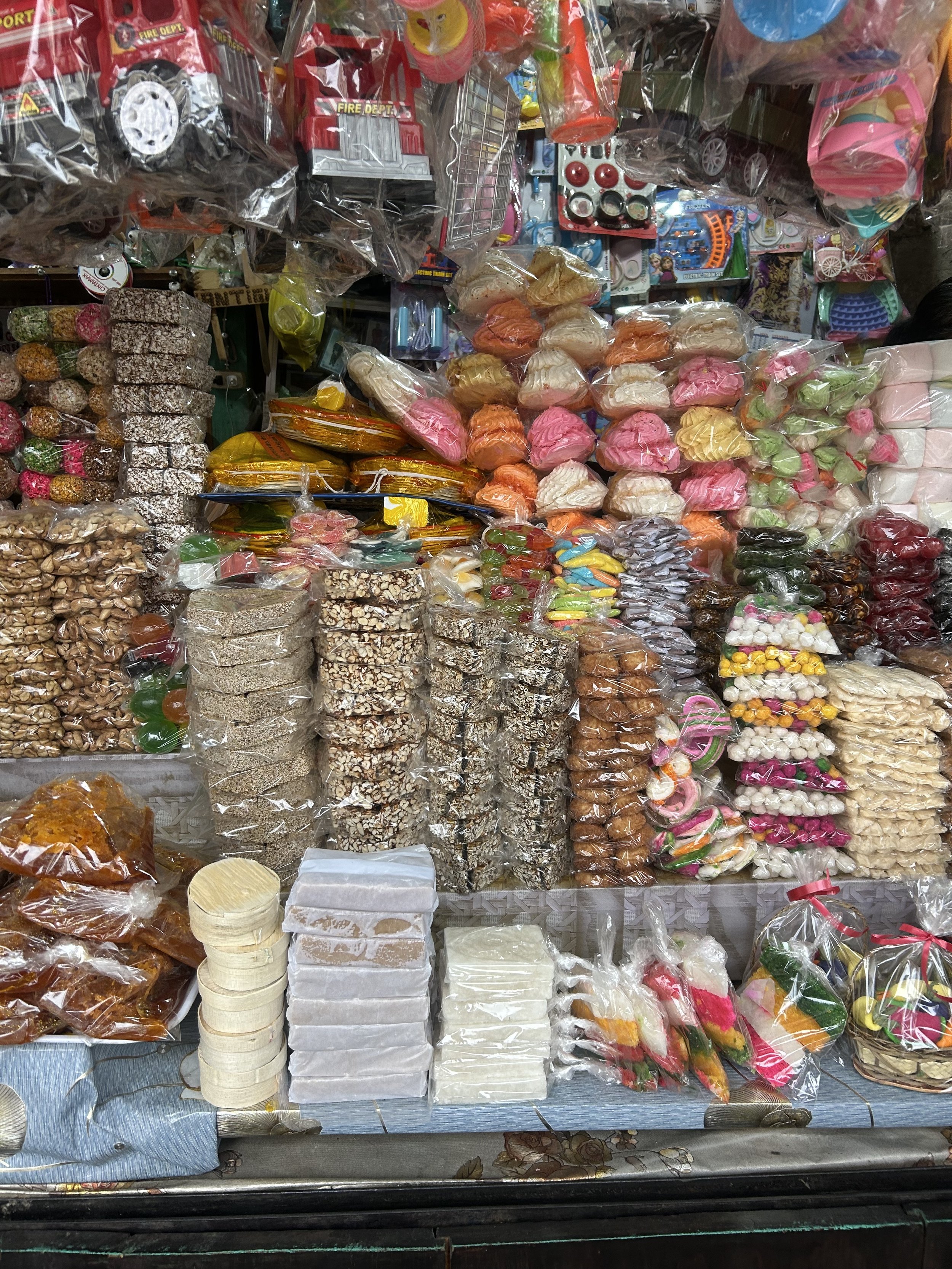
Lake Atitlán was the first place we visited, and it immediately made clear that Guatemala was going to feel very different from anywhere I had been before. The lake sits inside an ancient volcanic crater and is surrounded by three volcanoes, Atitlán, Tolimán, and San Pedro, and the landscape felt almost surreal, especially at sunrise and sunset. The Maya have considered the lake sacred for centuries, and the name Atitlán comes from the Nahuatl language and translates to “the place where the rainbow gets its colors.”
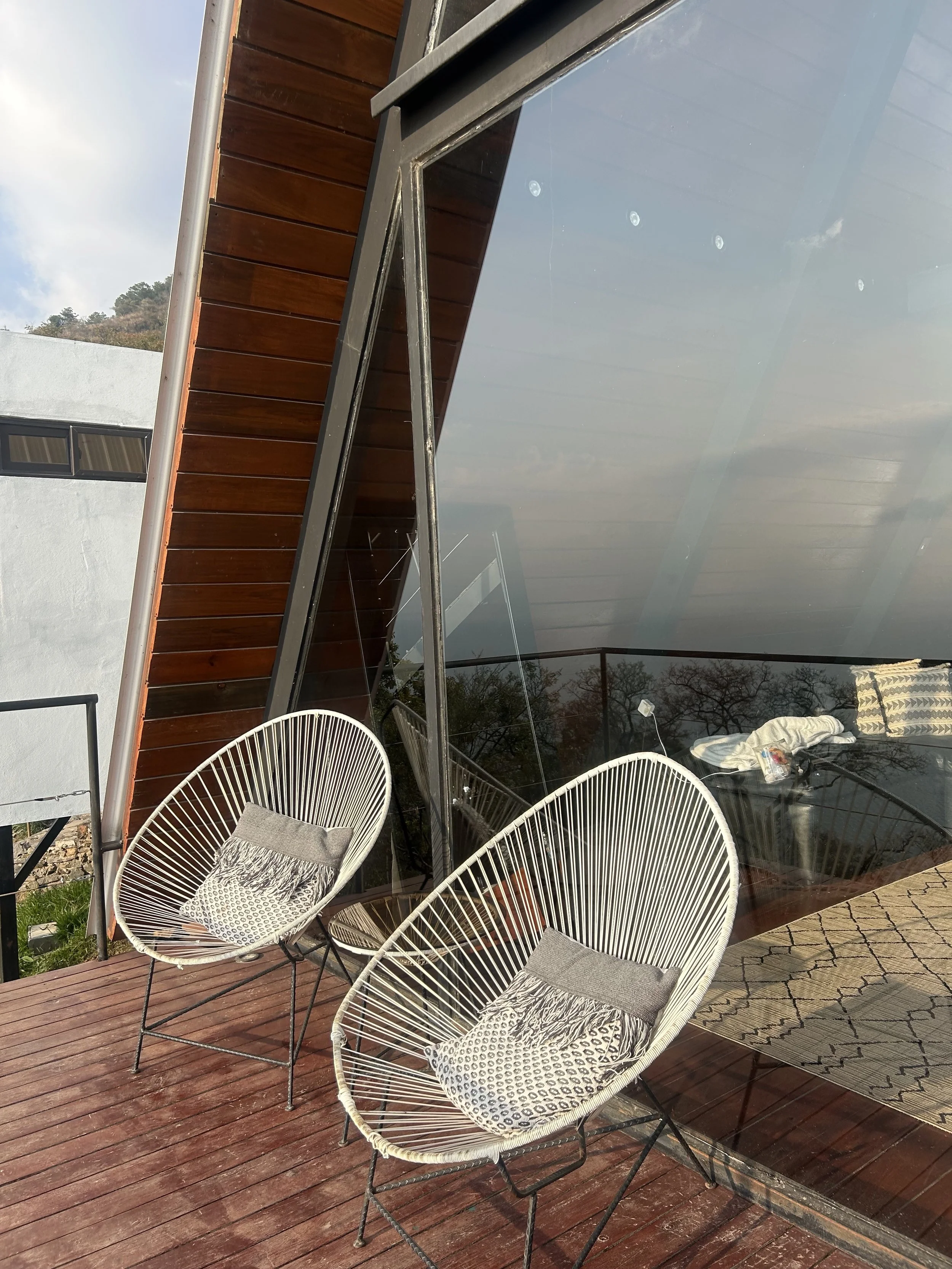
Staying by the lake, with our Airbnb facing the water and the surrounding volcanoes, I understood why the area holds such cultural and spiritual importance for many Maya communities. There is a calmness and scale to the landscape that feels very distinct once you are there. Much of that feeling comes not only from the lake itself, but also from the history of the communities that have lived around it for generations. Beneath the surface of Lake Atitlán lies Samabaj, an ancient Maya settlement discovered by divers in the late 1990s. Archaeologists believe the site was submerged centuries ago after changes in the lake’s water levels. Learning that traces of an ancient settlement still exist beneath the water added another historical dimension to the lake and its significance within Maya culture.
The best way to move around Lake Atitlán is by lancha, small local boats that connect the villages. San Marcos La Laguna was one of the most memorable places of the entire trip. It is a small, quiet village that has a particular atmosphere, calm and unhurried. We visited the Cerro Tzankujil Nature Reserve, which sits right on the edge of the lake and has trails, swimming coves, and areas where you can jump into the water directly from the rocks. Swimming there, surrounded by the volcanic landscape and the extraordinary clarity of the lake, was one of those experiences that stays with you. The water is cool and remarkably clear, and spending time in it felt genuinely restorative. San Marcos has long been known as a spiritually charged place, and whether or not you connect with that framing, there is something about the atmosphere there that is quieter and more concentrated than anywhere else on the lake.
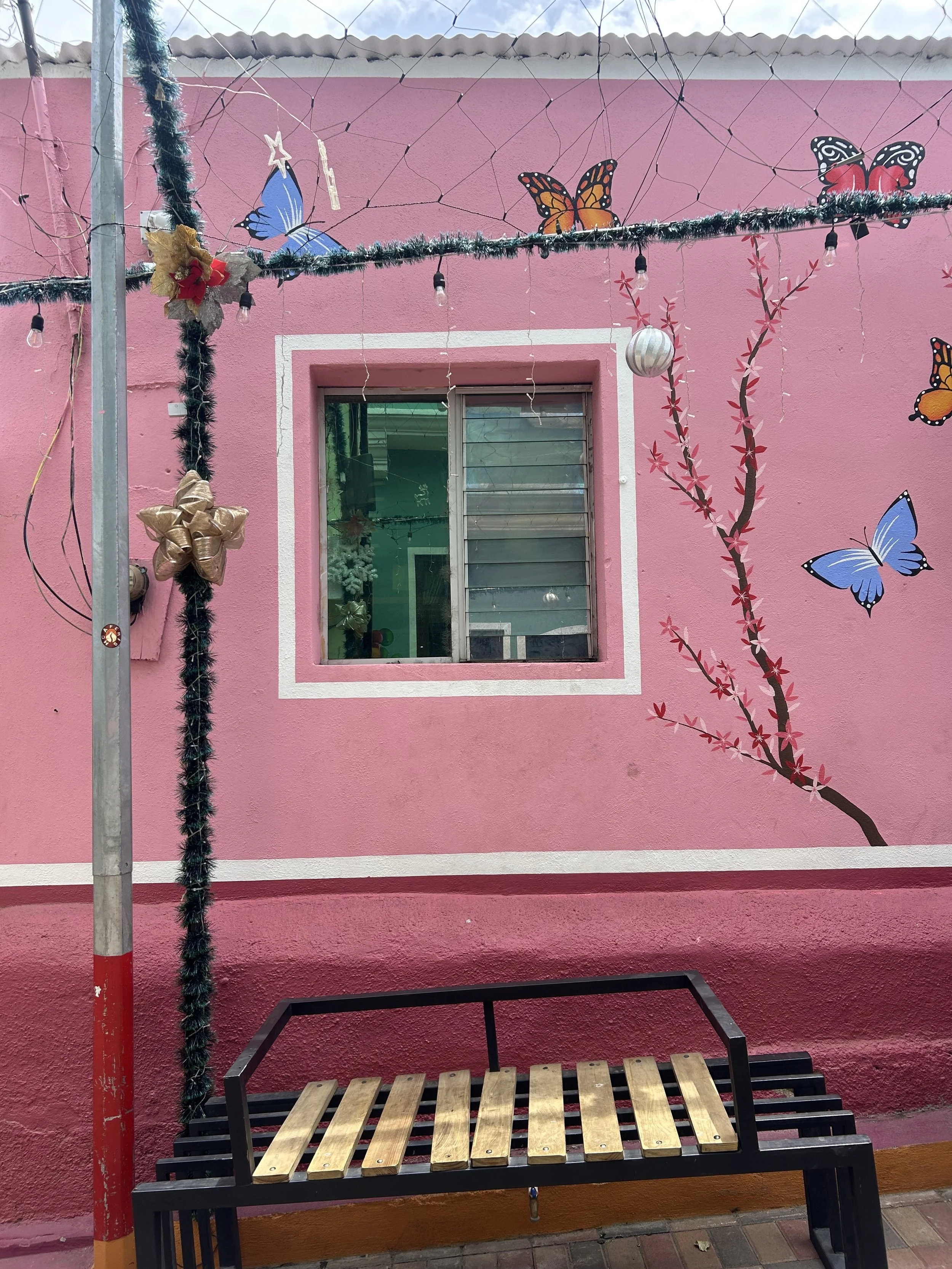
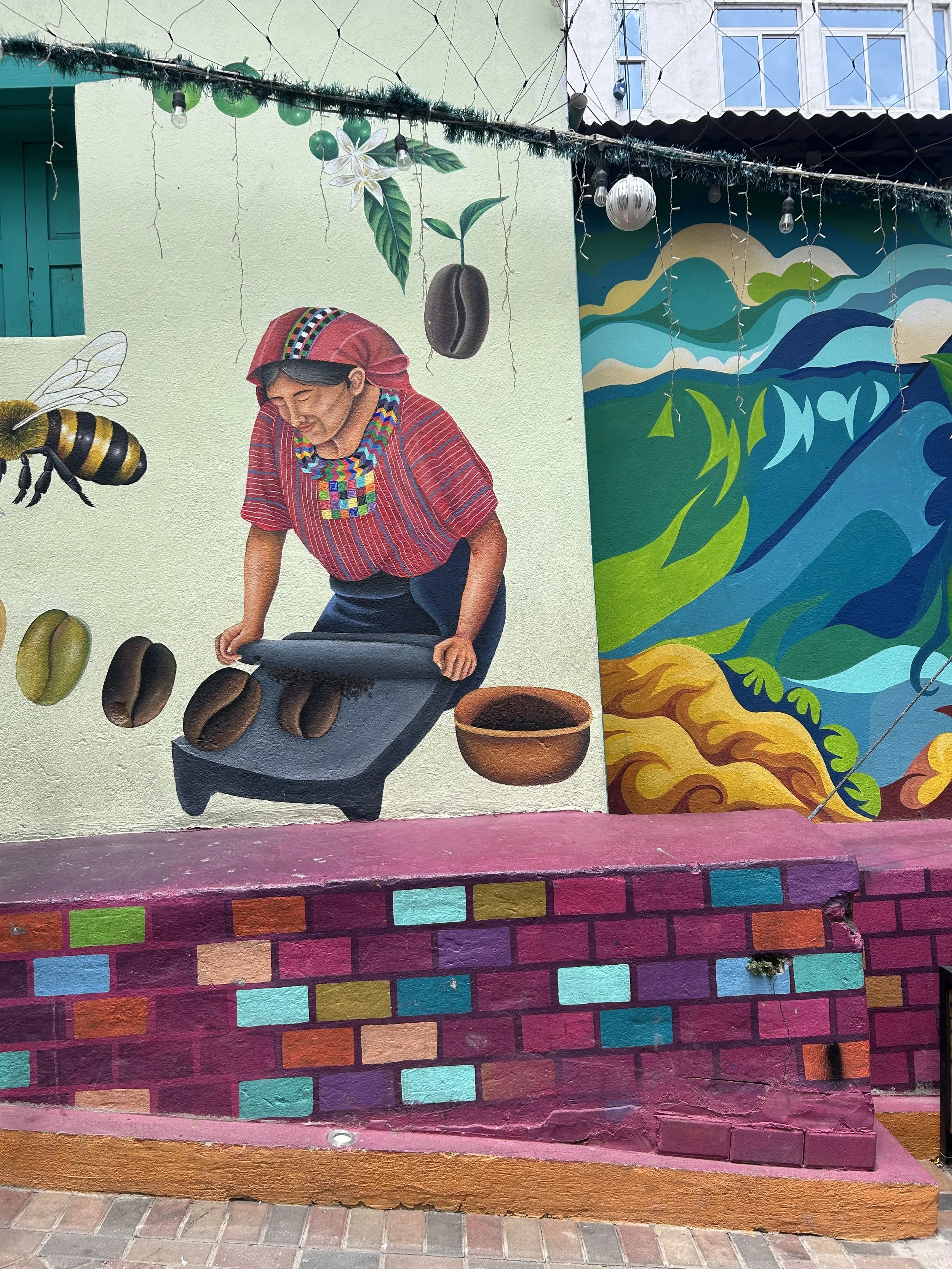
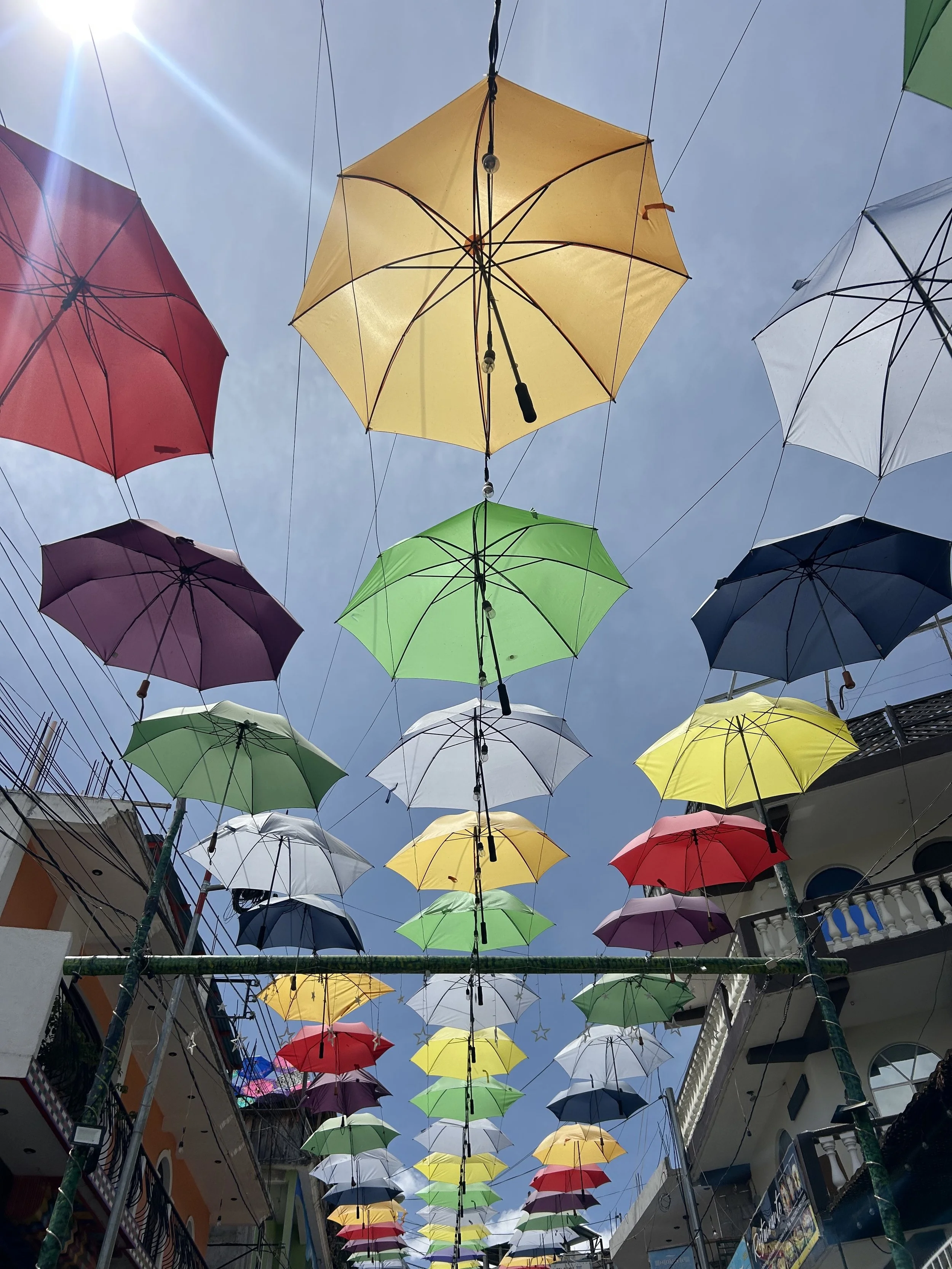
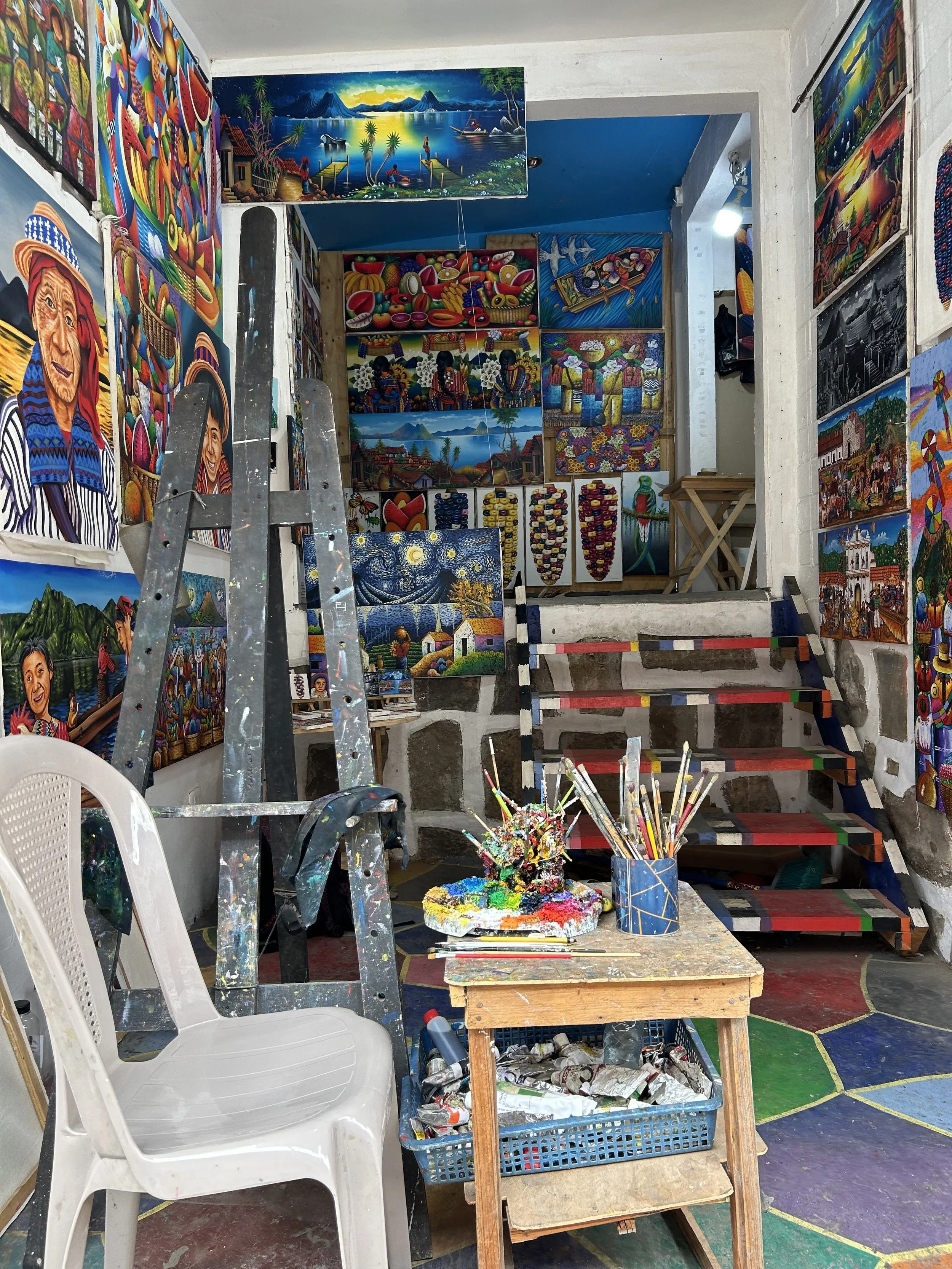
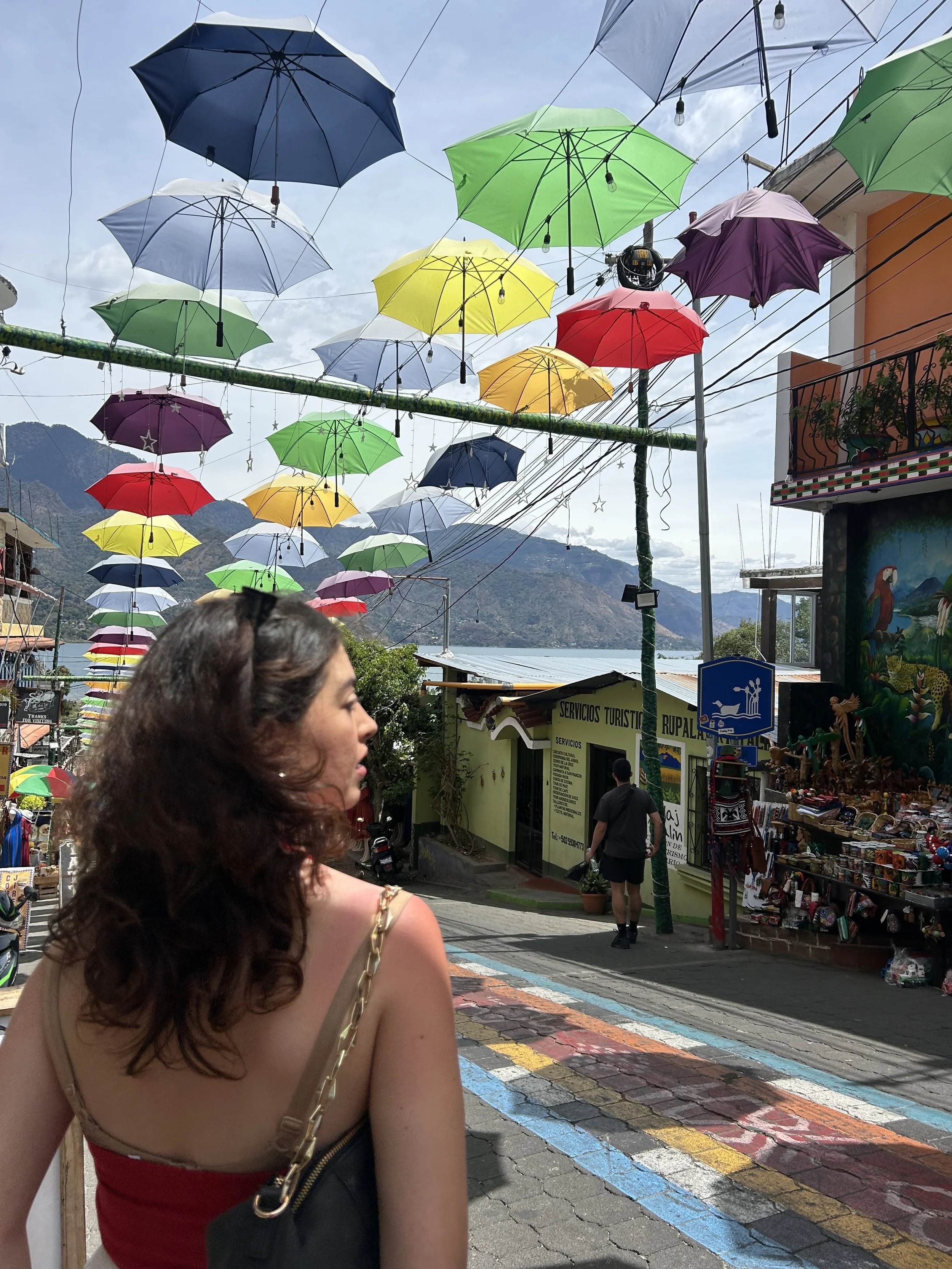
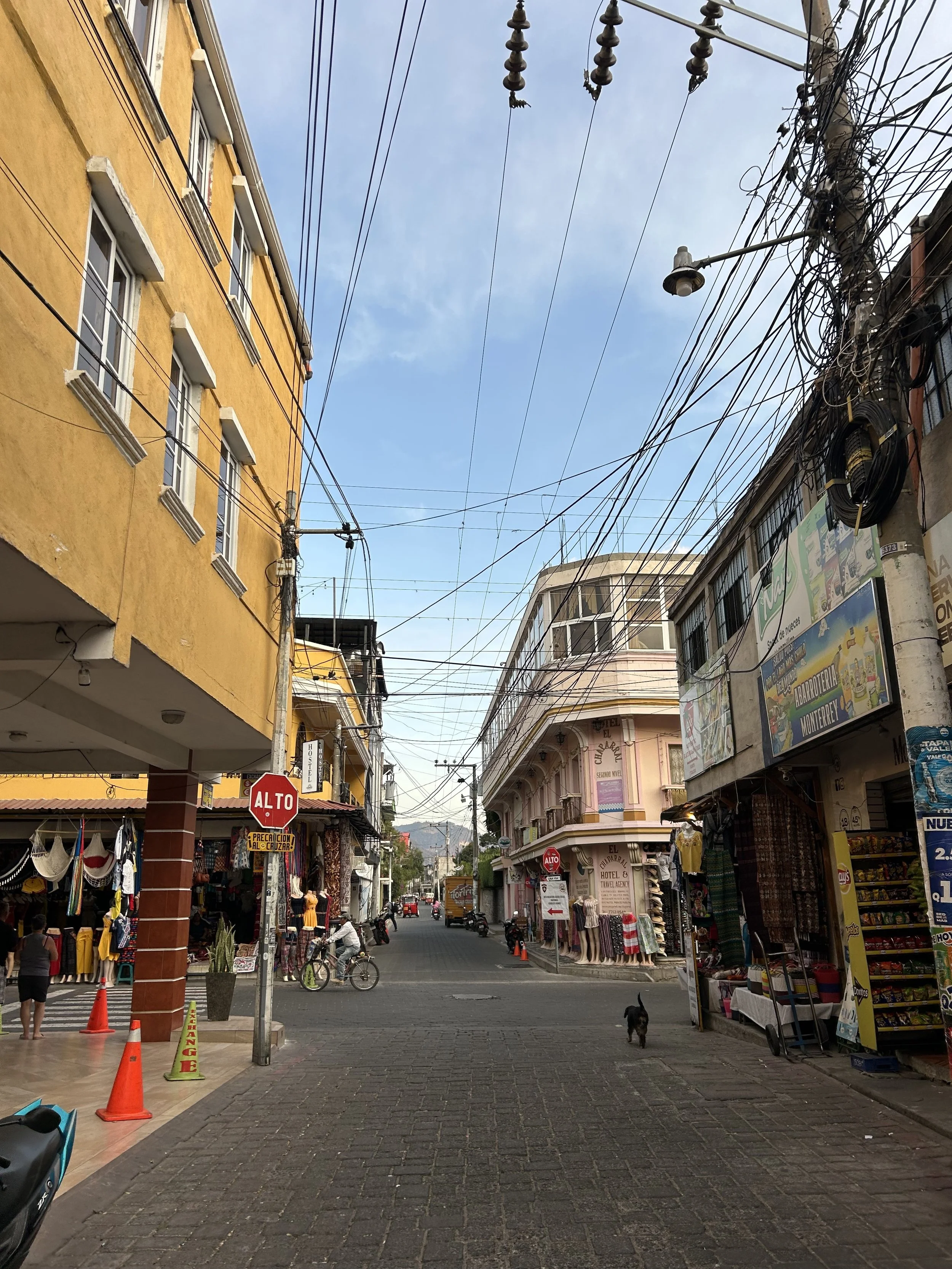
San Juan La Laguna felt visually different from San Marcos. Rows of colorful umbrellas hung overhead across parts of the streets, almost creating a ceiling above the town. San Juan is known for its Indigenous Maya culture and artisan traditions, particularly its textiles and natural dyes, and the village has a strong visual identity that reflects that heritage. Murals, colorful streets, and artisan workshops appeared throughout the town.
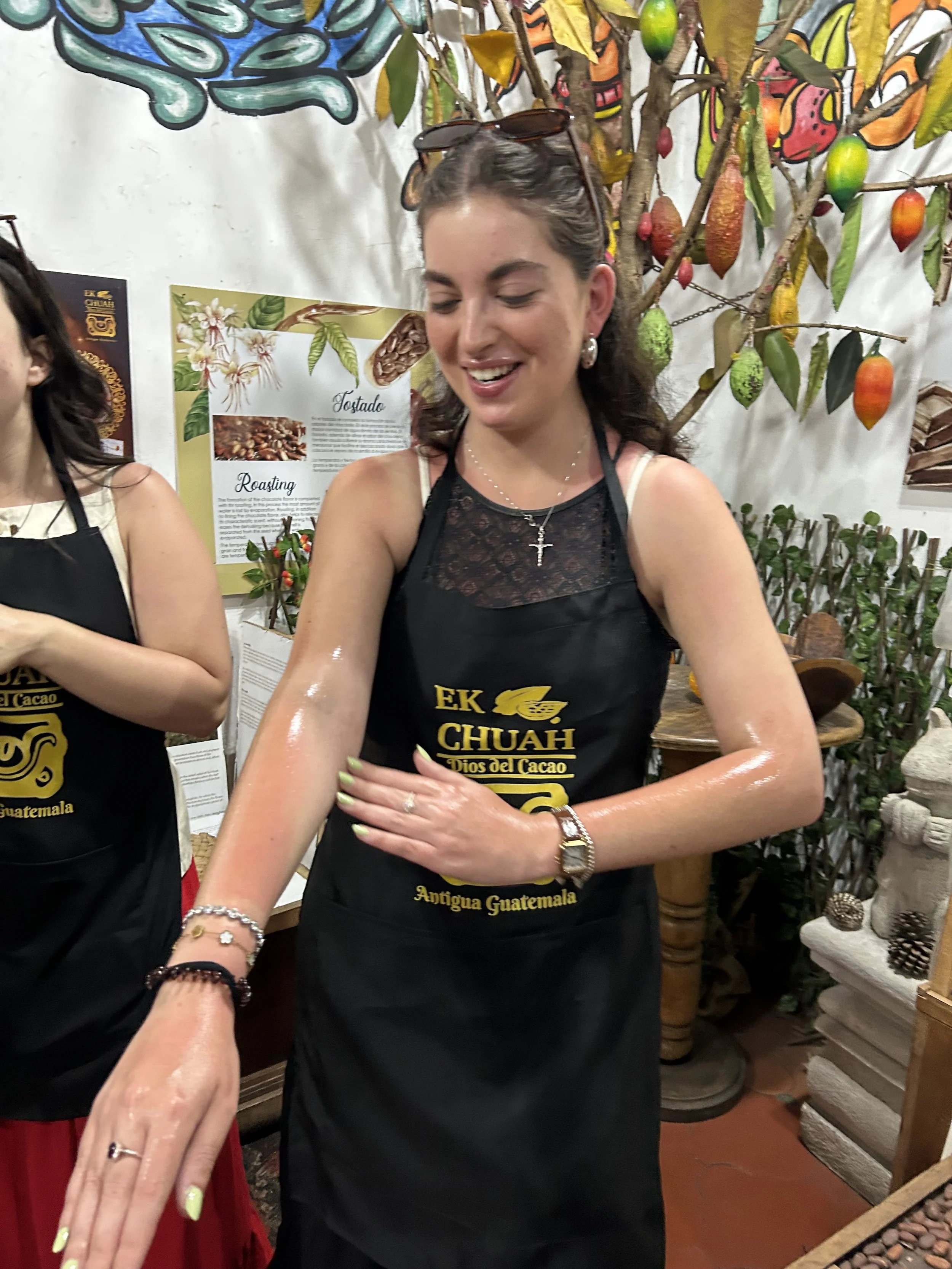
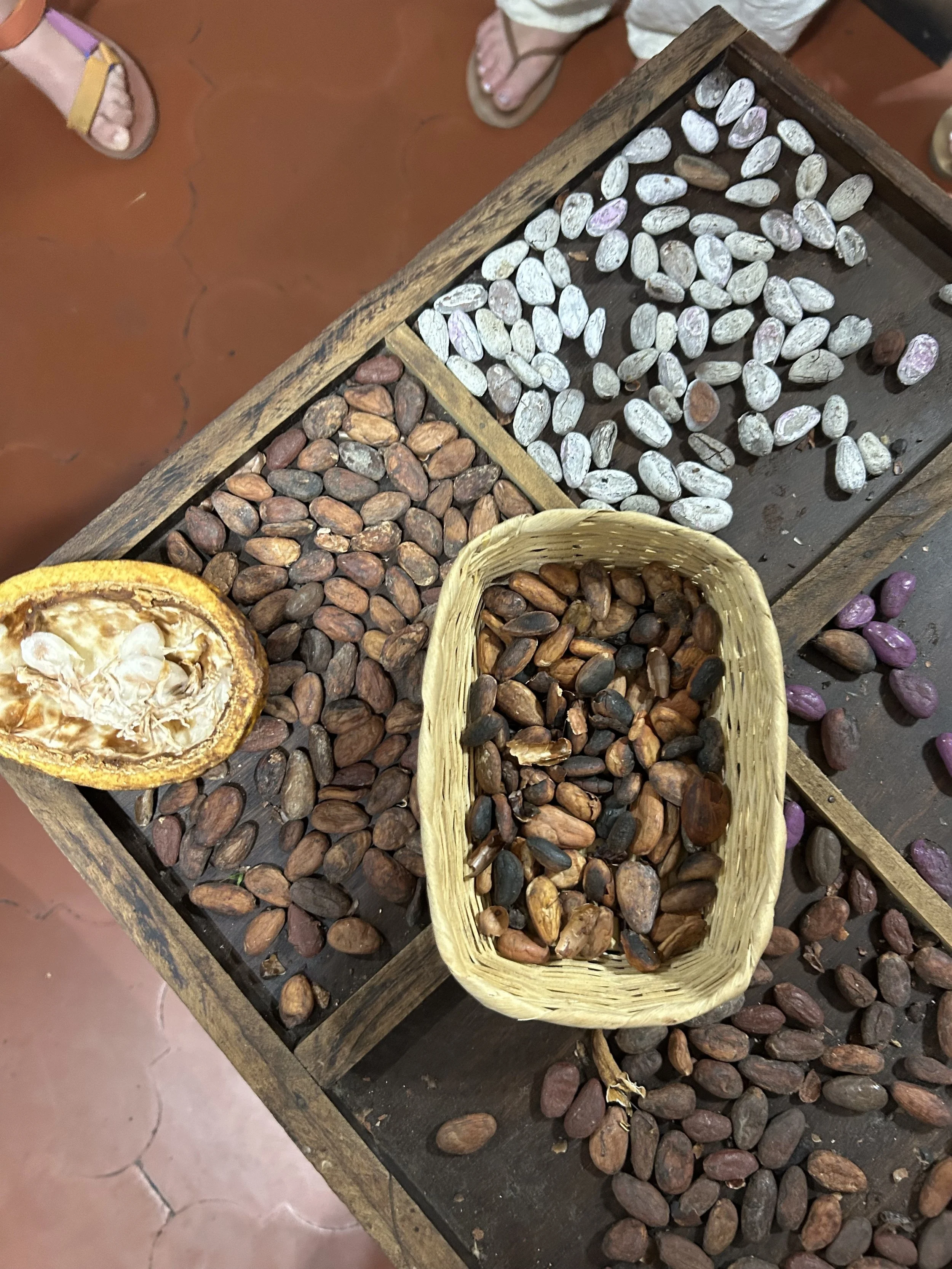
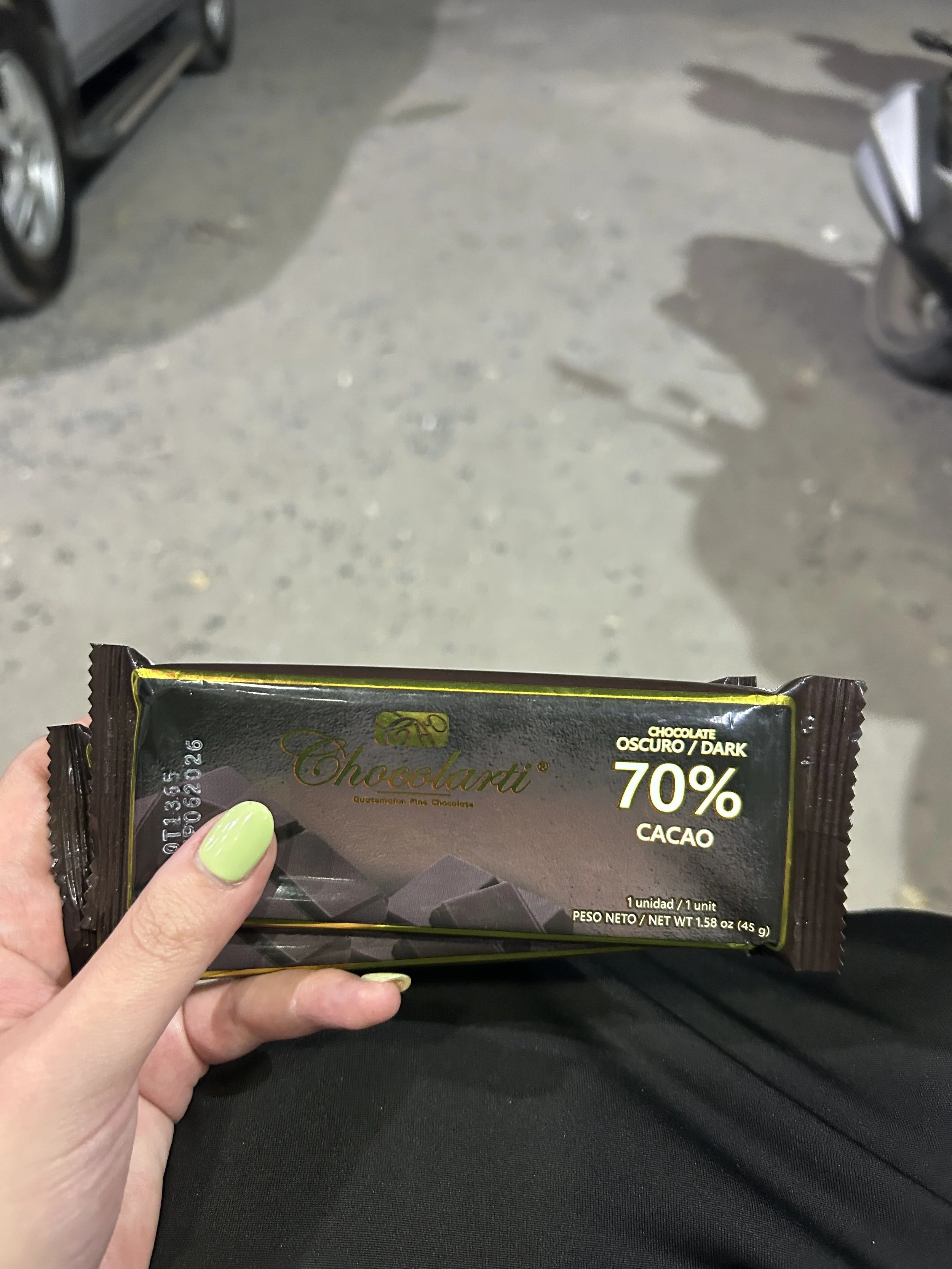
Antigua was our second stop and it felt different from the lake, more urban, more layered with visible history, and in its own way equally surprising. We spent days walking, stopping in cafés, sitting in courtyards for long periods of time, and slowly moving through the city without much planning. I quickly became obsessed with cacao lattes, which appeared on menus throughout Antigua and felt fitting in a country historically tied to cacao production. The chocolate and cacao culture in Antigua and Guatemala in general ended up being one of my favorite parts of the trip. Guatemala is considered the birthplace of chocolate, the Maya worshipped the cacao tree and called it the food of the gods, consuming it as a bitter, spicy drink mixed with chilies and cornmeal long before sugar or milk were ever added. We visited a chocolate workshop where we learned about the history of cacao from its ancient Maya origins to the present, and I came away with a completely different understanding of something I had always loved but never thought about seriously. The cacao latte I found everywhere in Antigua is a continuation of that tradition, chocolate consumed as a drink rather than eaten, which is still how most Guatemalans prefer it. As someone who loves chocolate, learning about its origins in this specific place, in the city where those ancient techniques are still practiced, was genuinely one of the highlights of the entire trip.
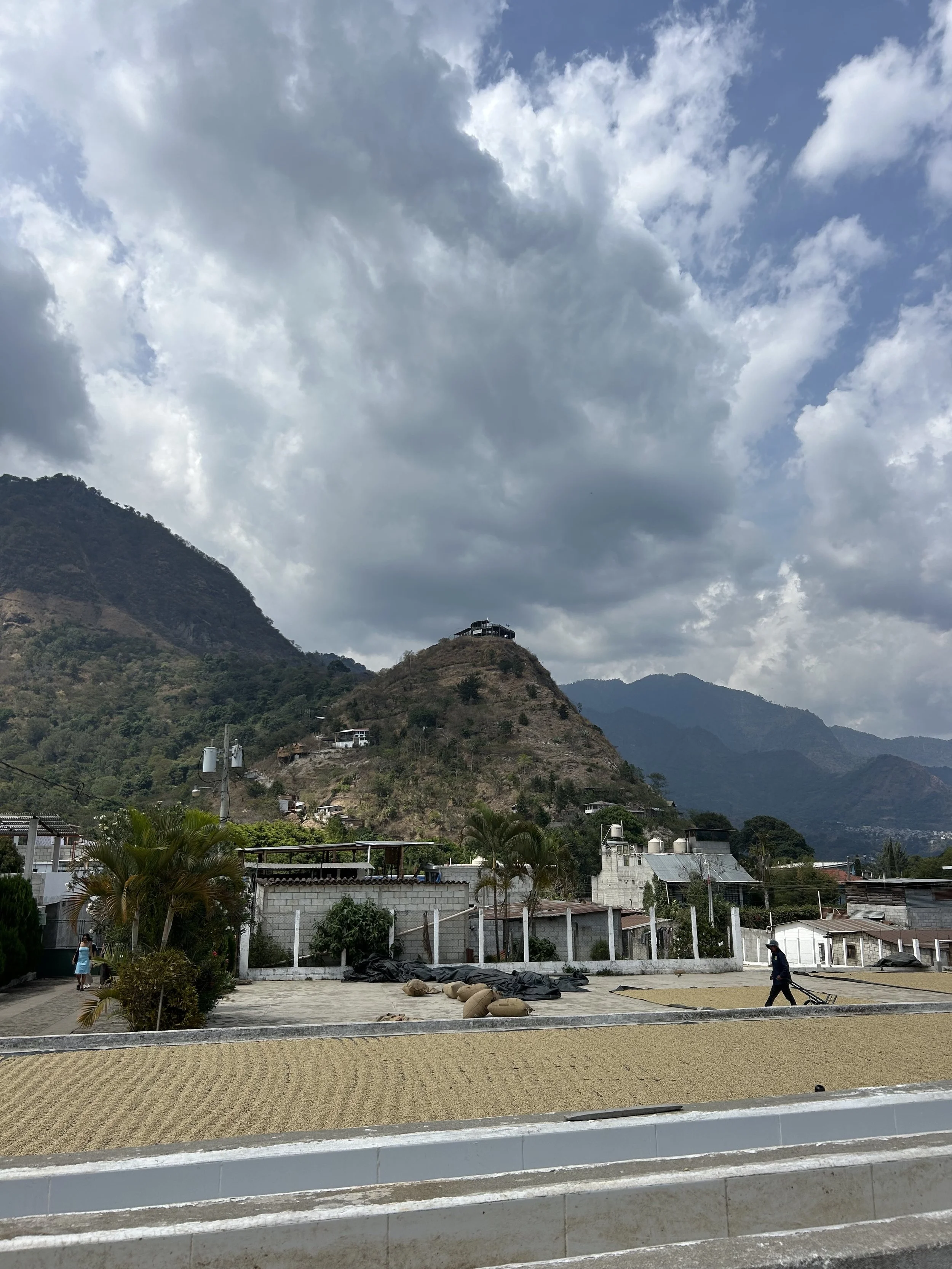
We also visited a coffee plantation in San Juan and learned more about the history of coffee in Guatemala. Coffee plants were introduced during the colonial period and eventually became one of the country’s most important exports, particularly in regions with volcanic soil like those surrounding Antigua and Lake Atitlán. Even as someone who does not drink much coffee, understanding the history of it in this specific landscape, the volcanic soil, the altitude, the microclimates that make Guatemalan coffee distinctive, made the experience worthwhile.
Guatemala was one of the most unexpected trips I have taken. It combined natural beauty, ancient history, indigenous culture, and a particular warmth in the people that made every place feel genuinely welcoming. Lake Atitlán and Antigua are very different experiences but they belong together as a trip, each one adding something the other does not have. I would return without hesitation.