On Mediterranean dressing, summer rituals, and the difference between lived style and internet aesthetics.
Mediterranean summers have always shaped the way I think about dressing. Growing up in Italy and returning to Sardinia every summer, I have always associated summer clothing with heat, sea air, long evenings outdoors, and a slower rhythm of life. Summer dressing in the Mediterranean feels instinctive rather than overly constructed, built around lightweight fabrics, repeated pieces, simple sandals, oversized linen shirts, cotton dresses, and clothes chosen as much for comfort and climate as for aesthetics.
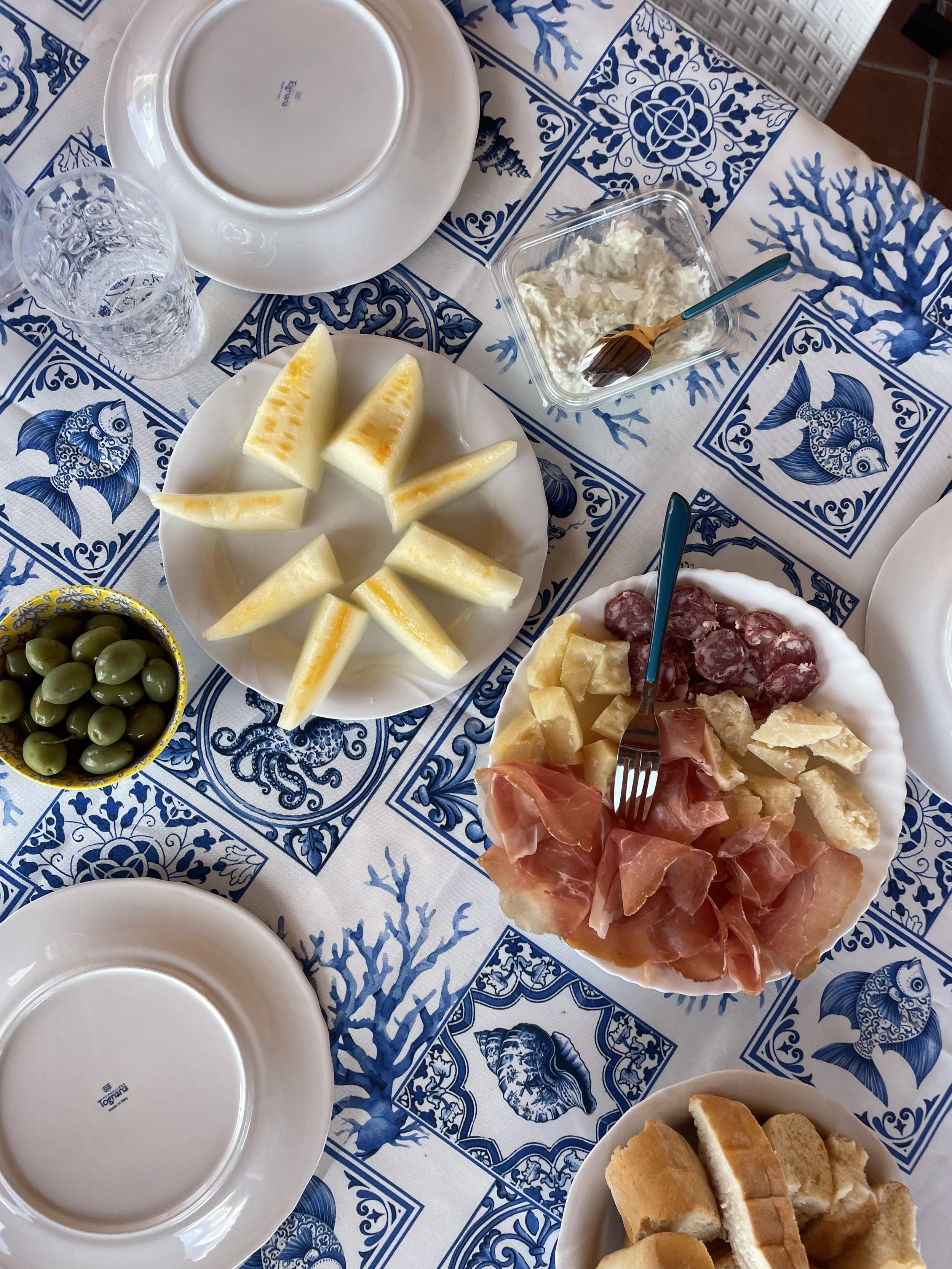
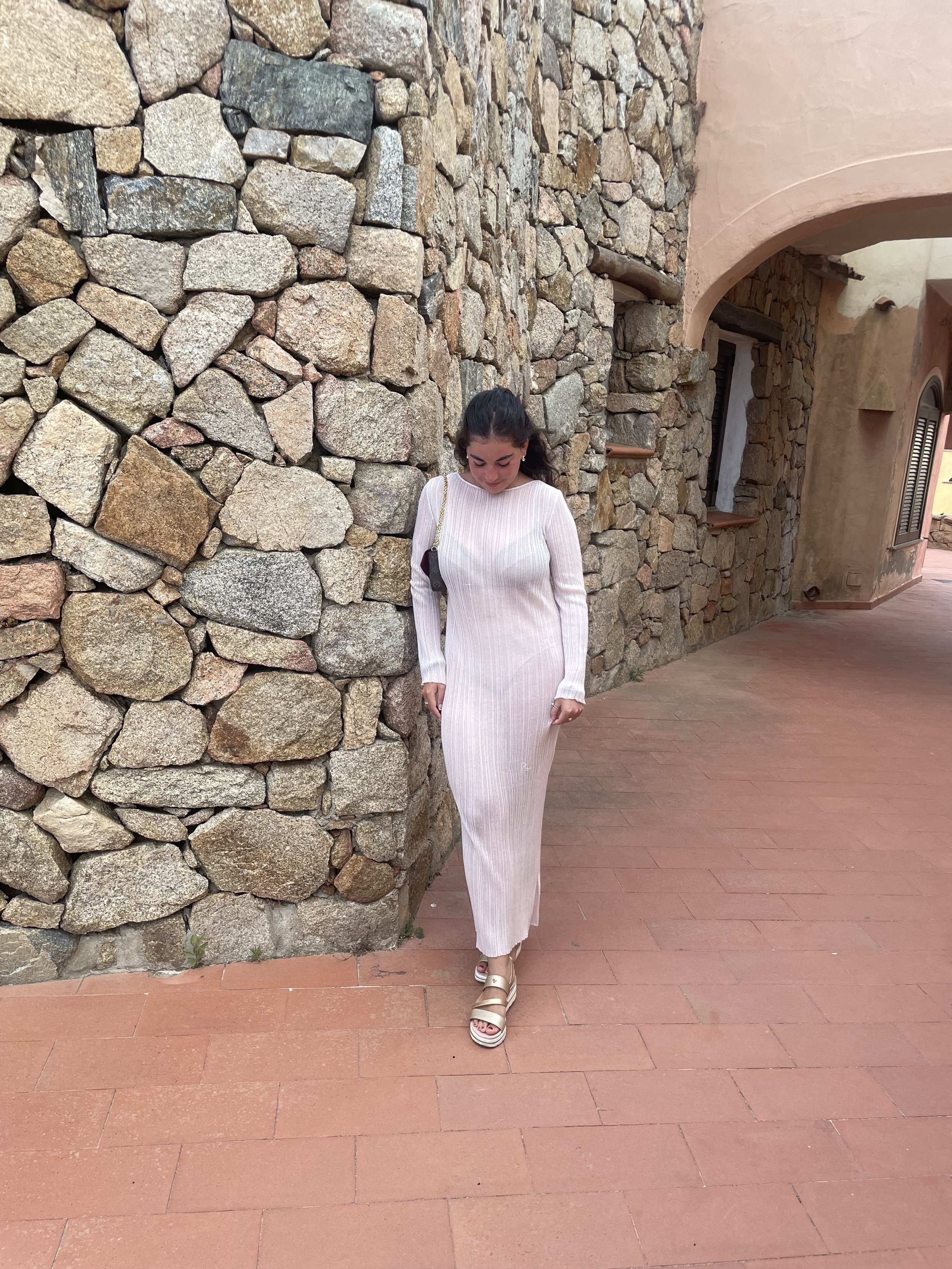
This board gathers moments mostly photographed during summers in Sardinia, alongside the colors, textures, interiors, and landscapes that continue to shape the way I experience Mediterranean summers. White dresses, sun-washed colors, oversized shirts, swimsuits drying in the sun, and clothes repeatedly worn throughout the season all become part of the atmosphere of summer itself. More than trends, Mediterranean dressing has always felt connected to environment and routine for me, shaped by heat, movement, outdoor living, and the familiarity that comes with returning to the same places summer after summer.
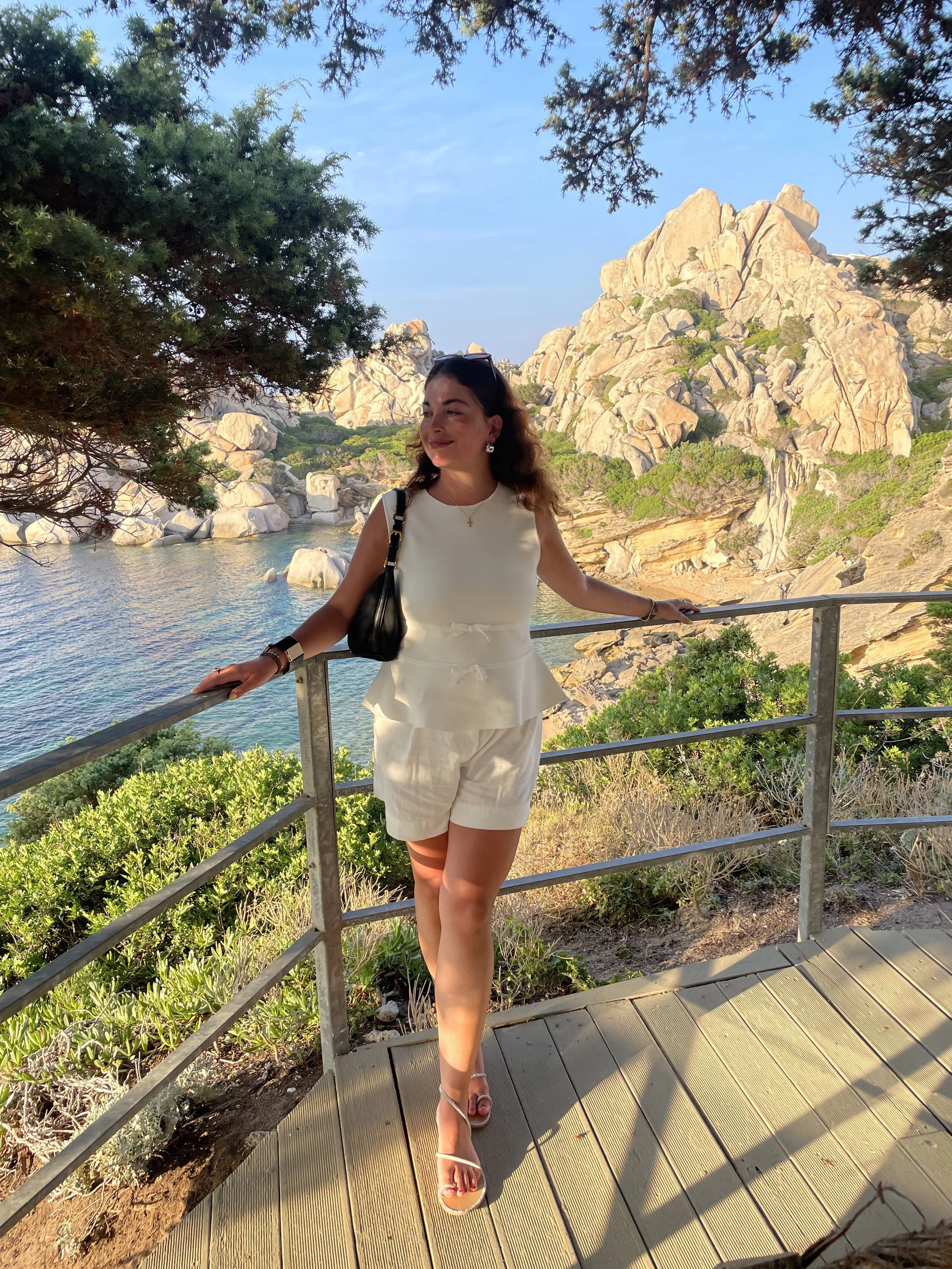
On Mediterranean Summer Style
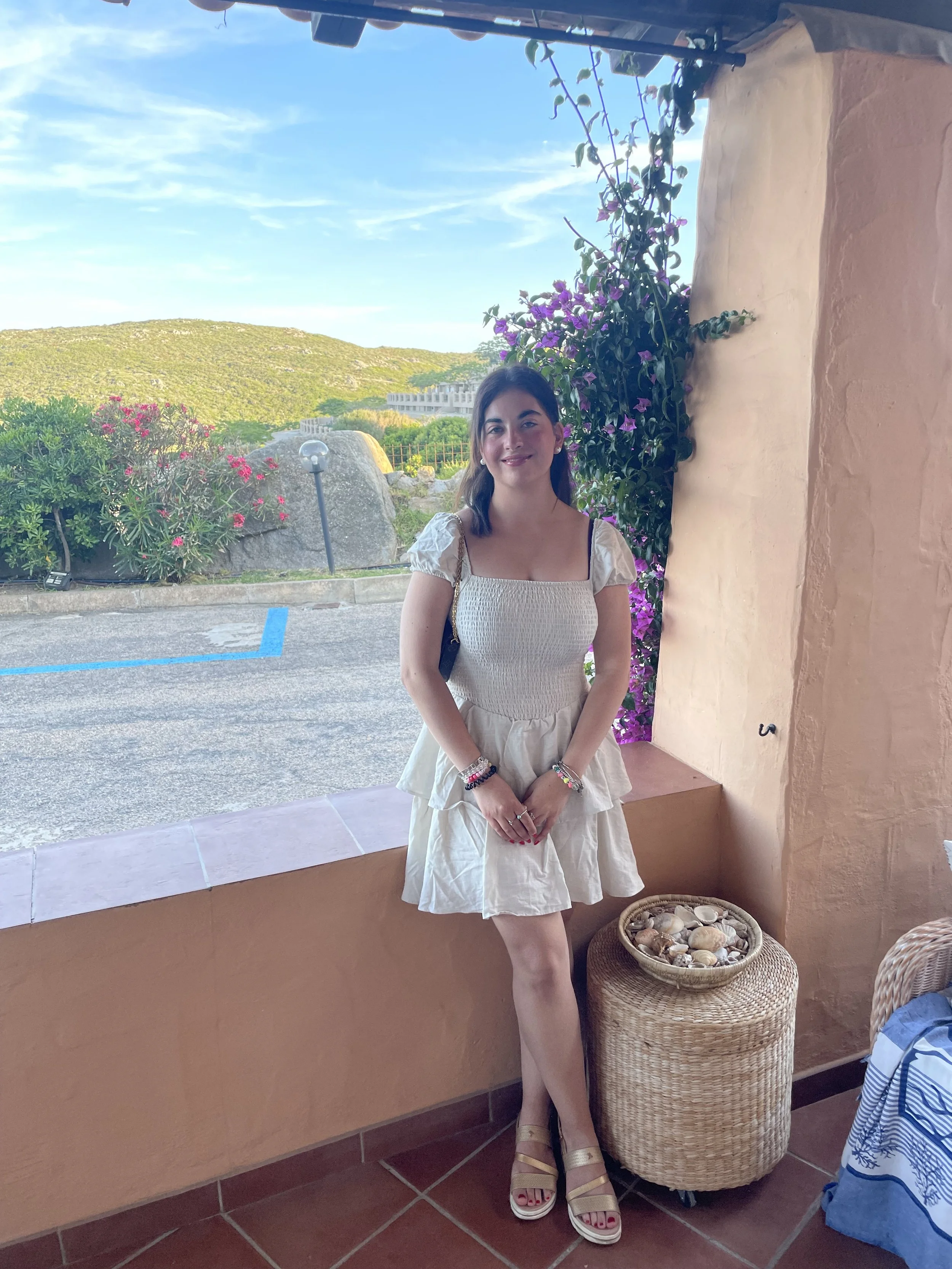

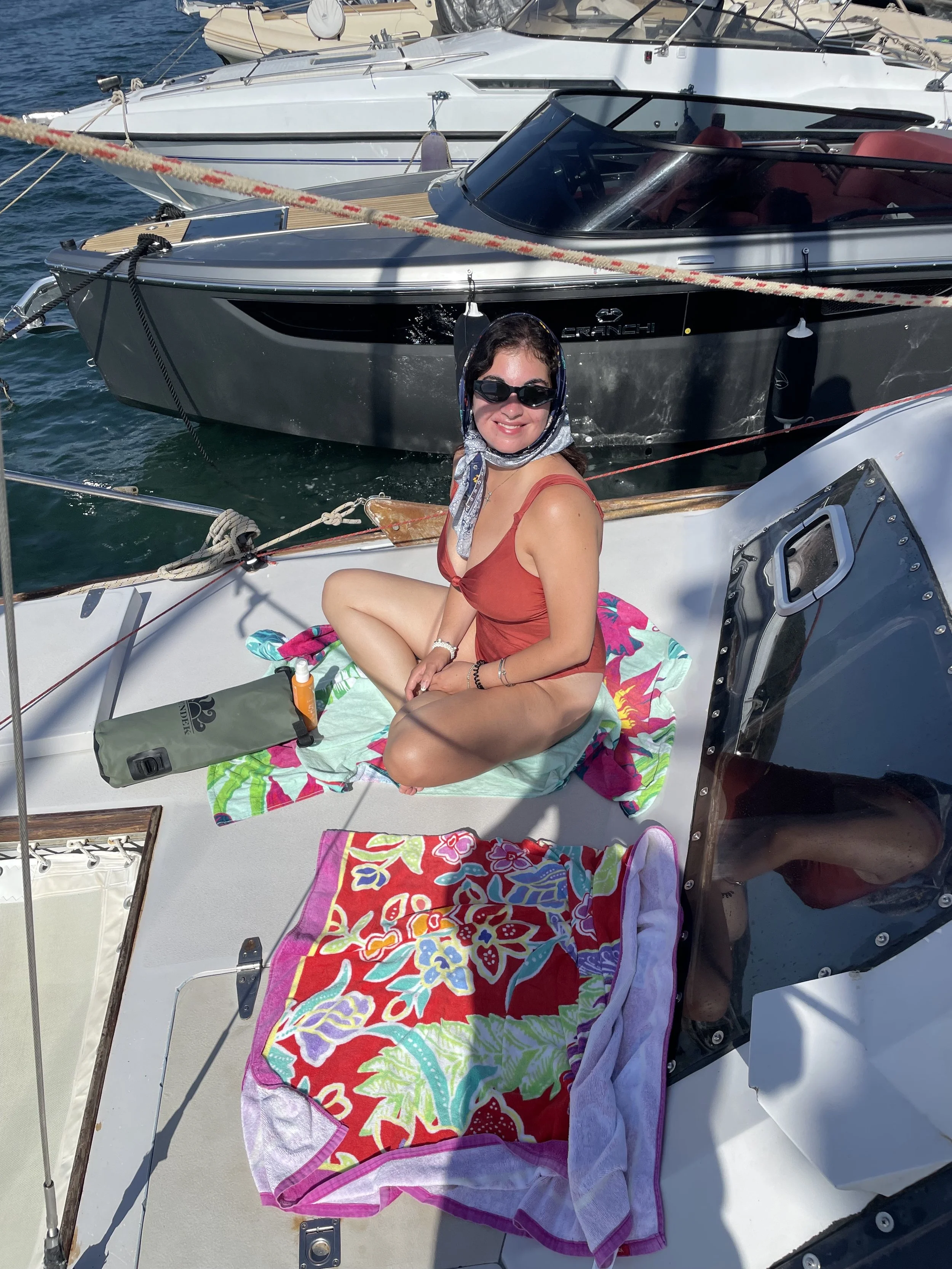
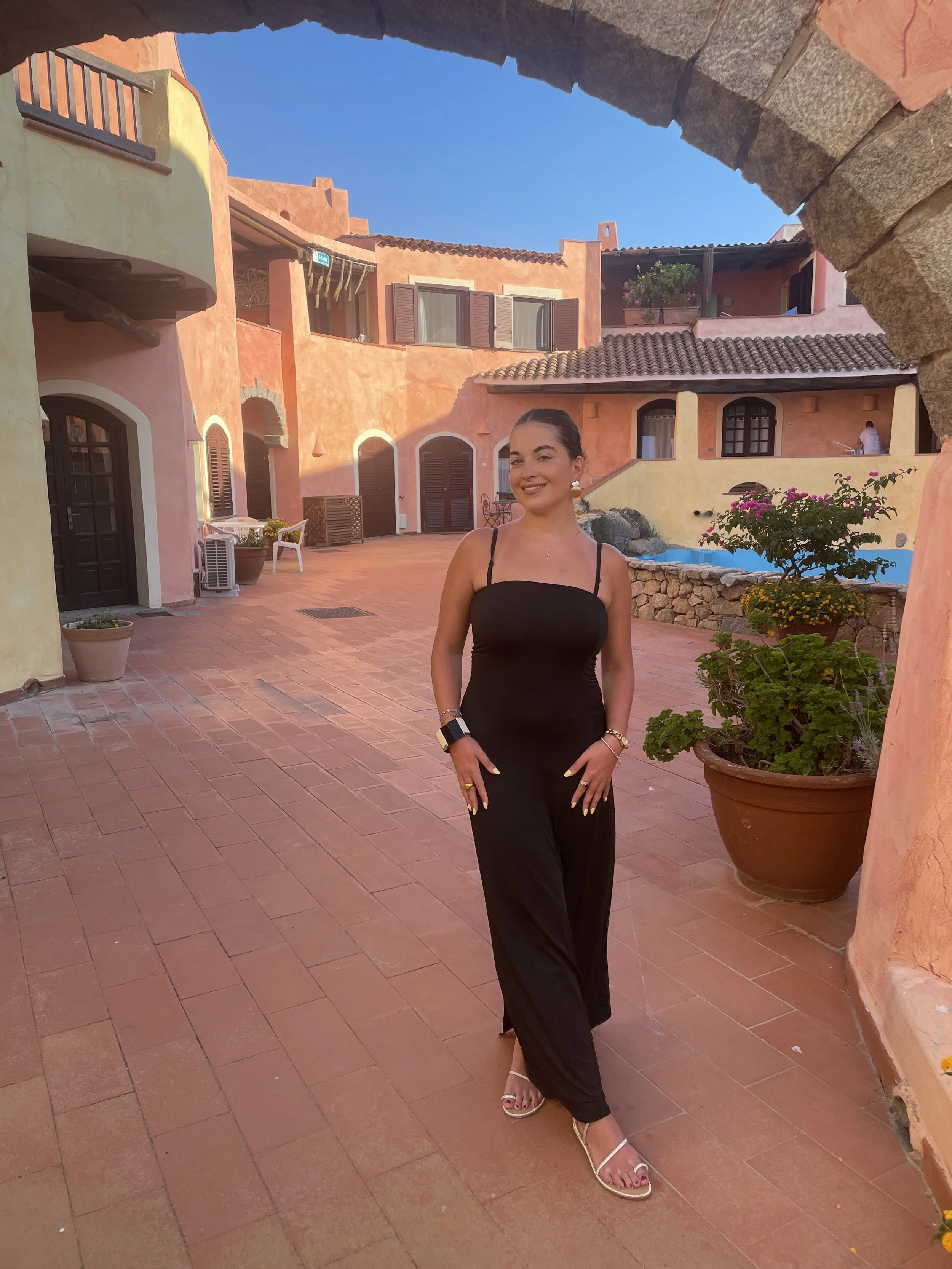
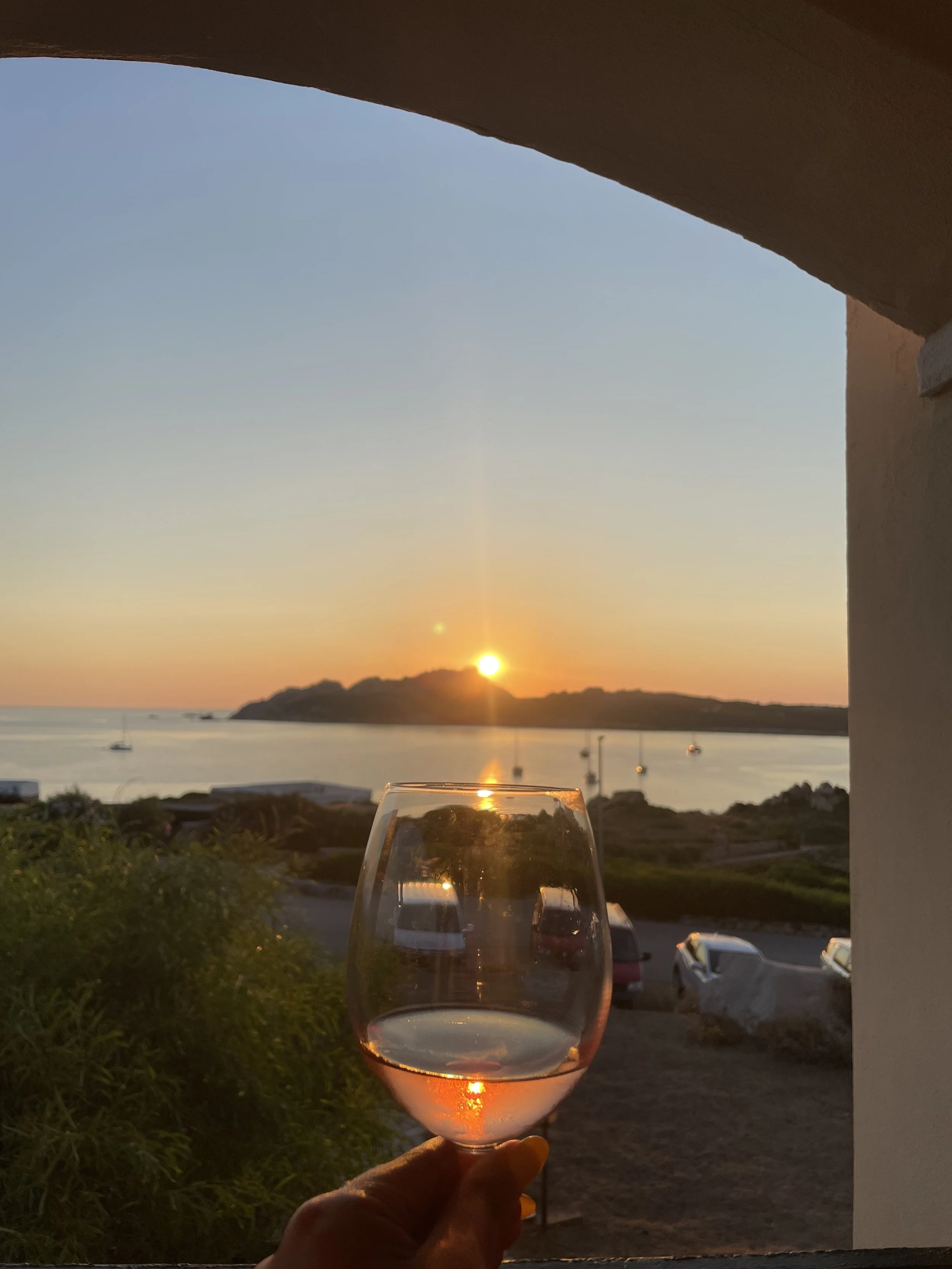
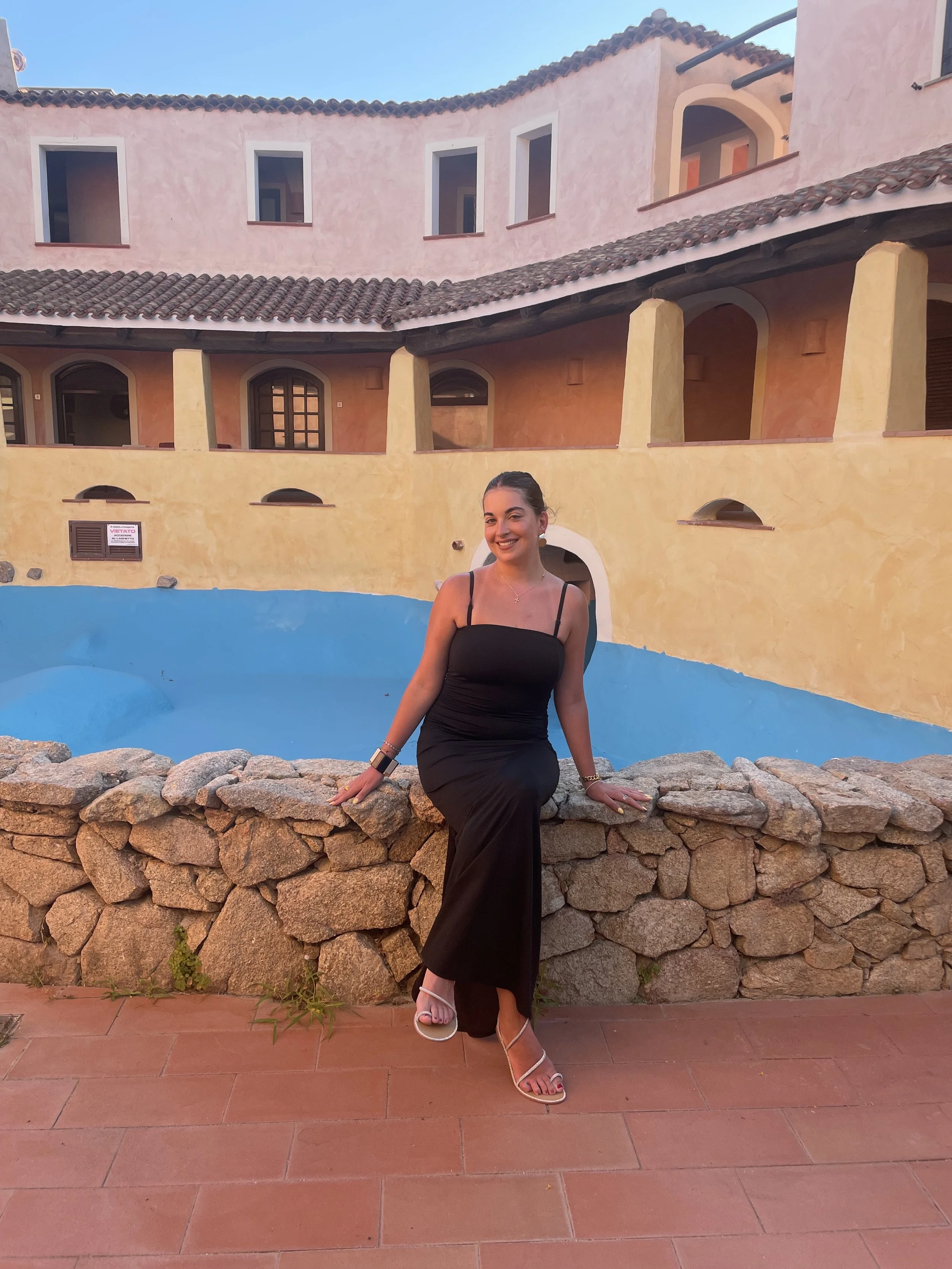
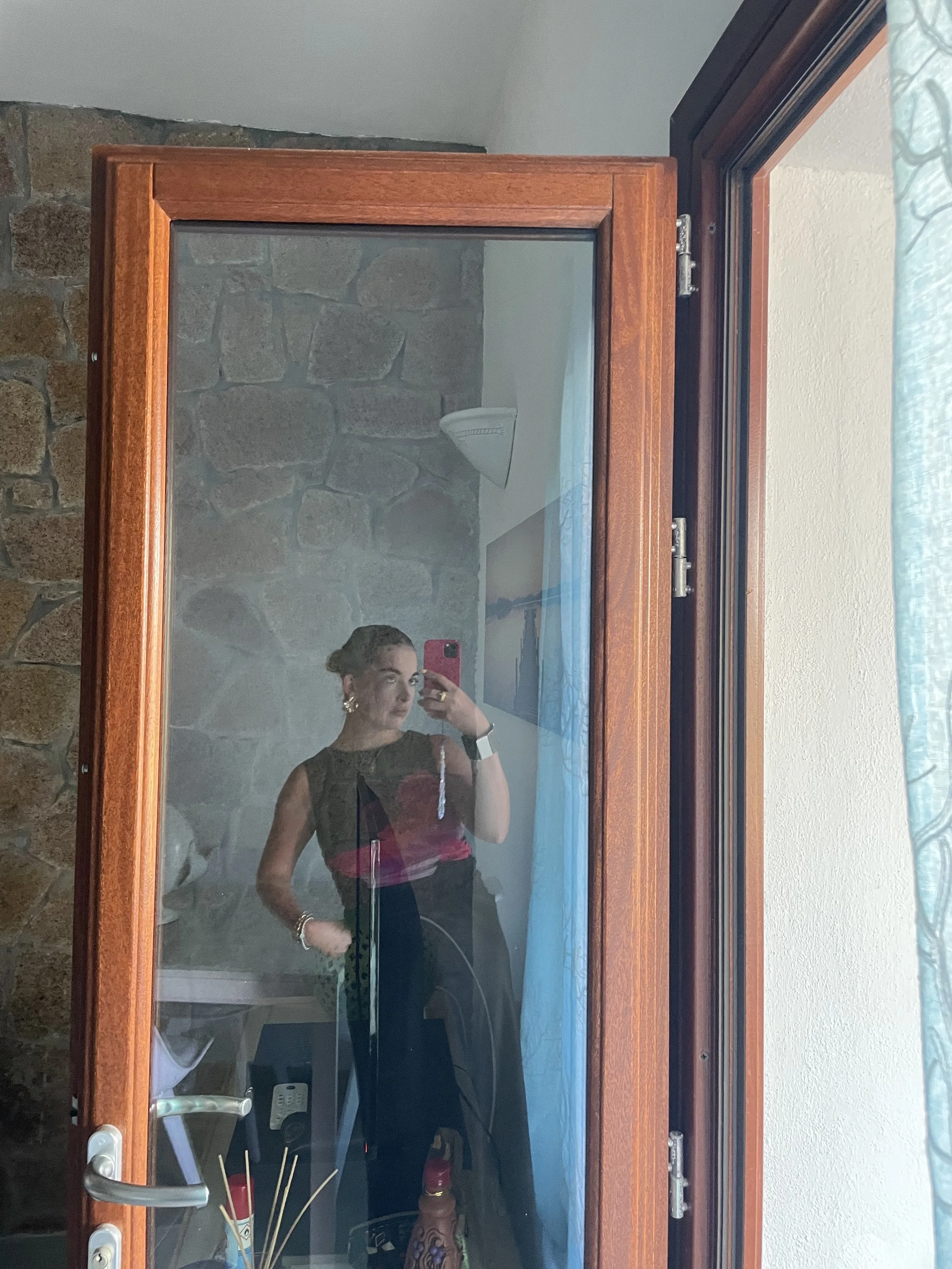
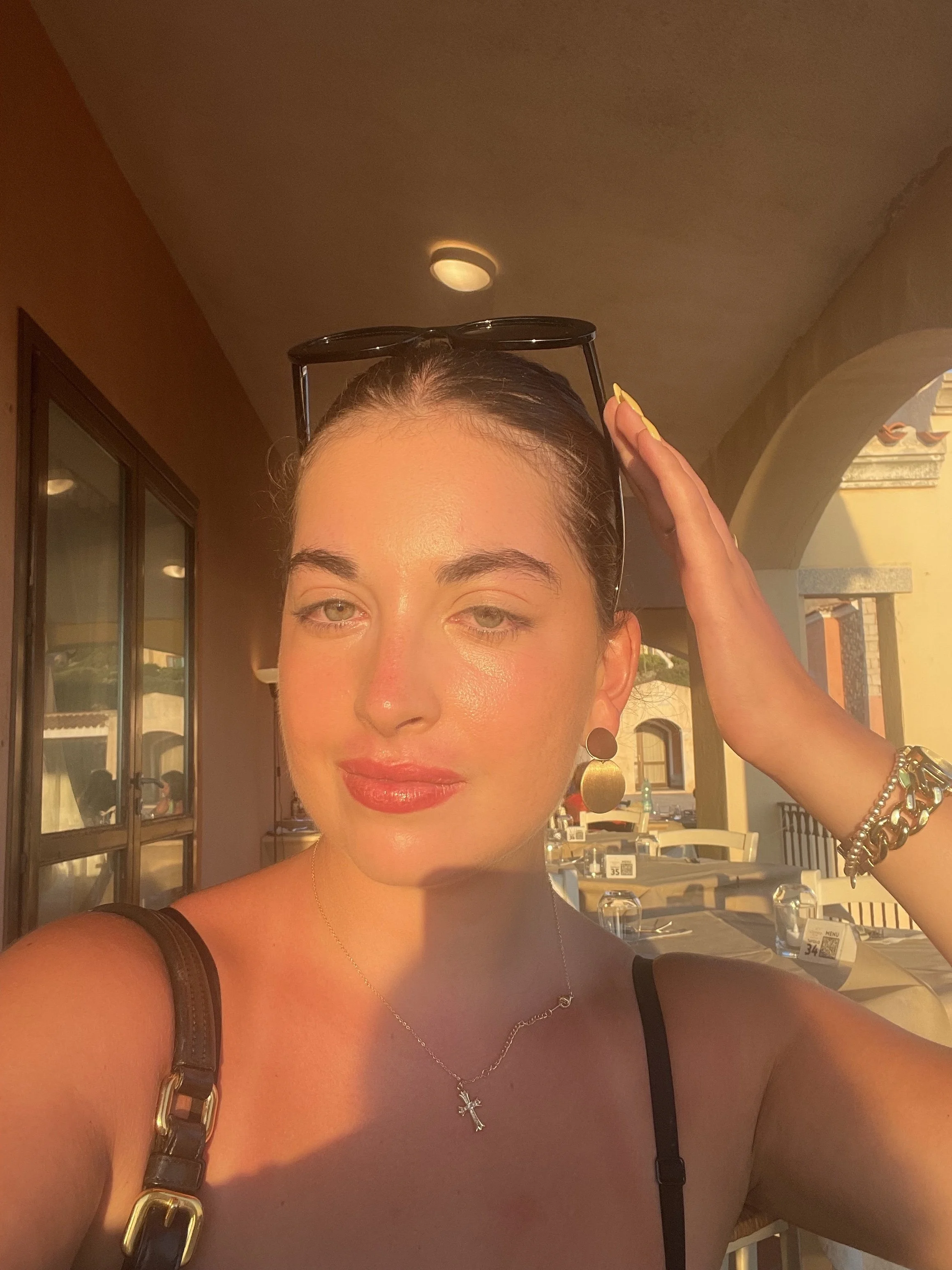
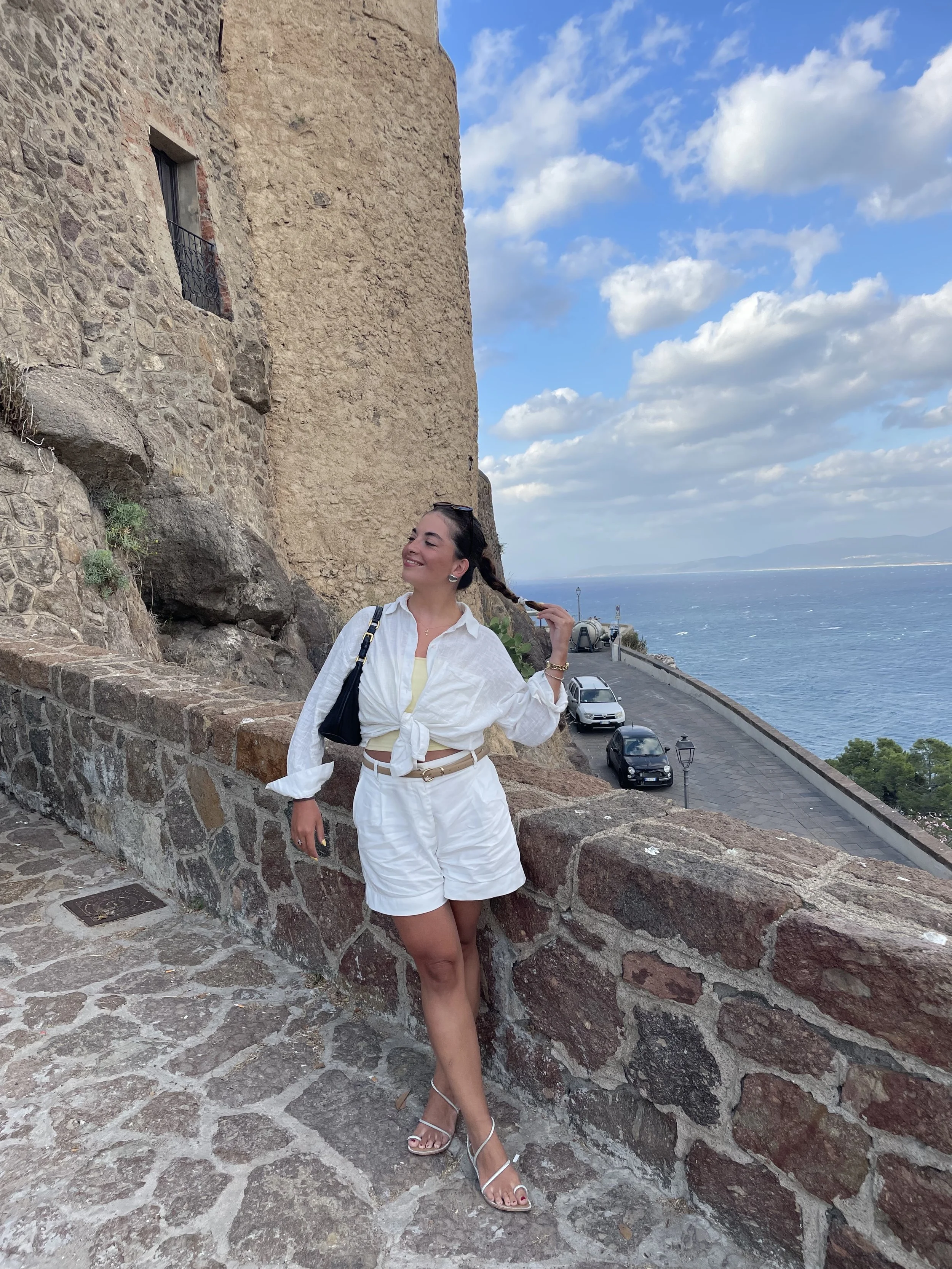
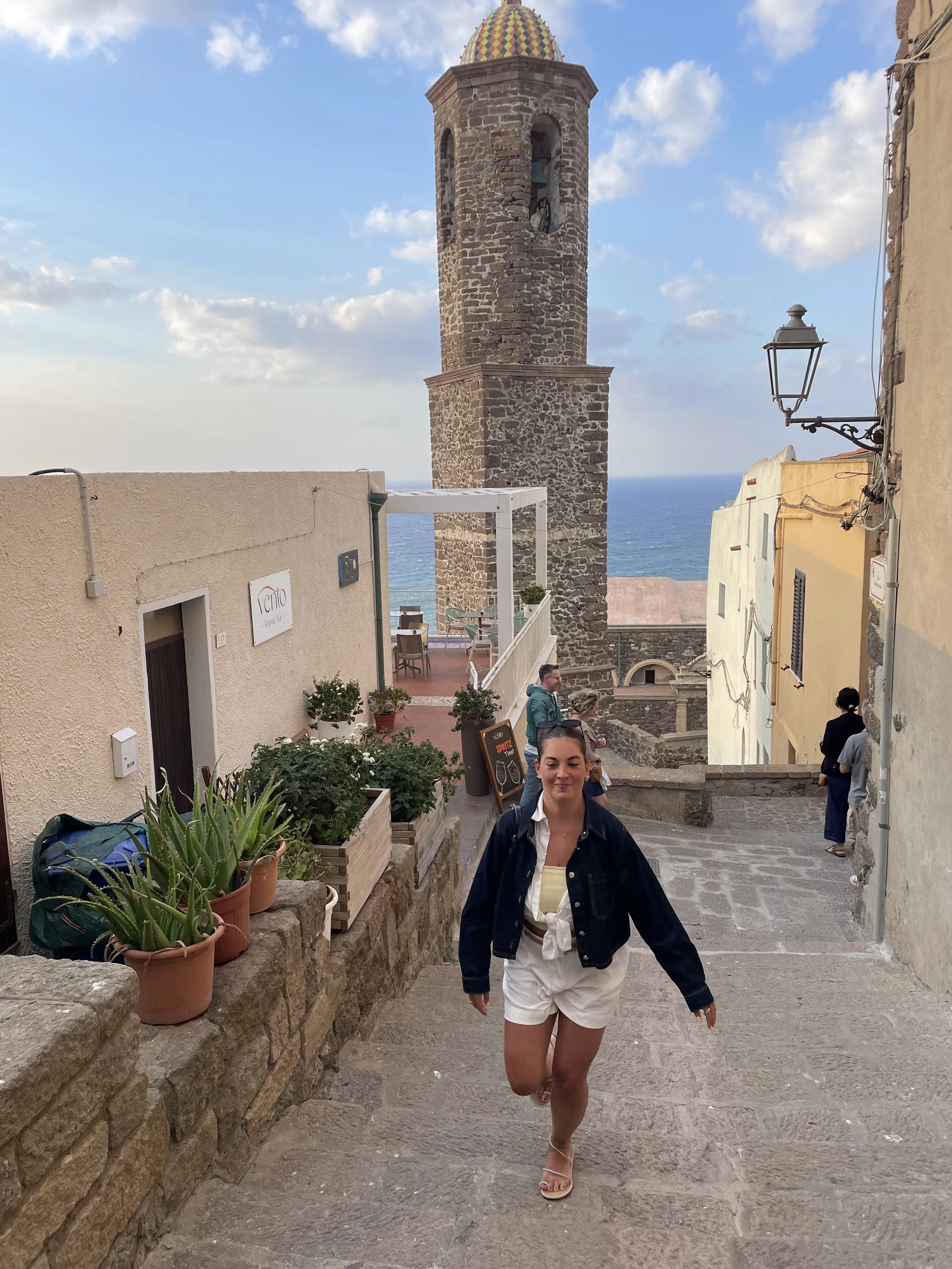
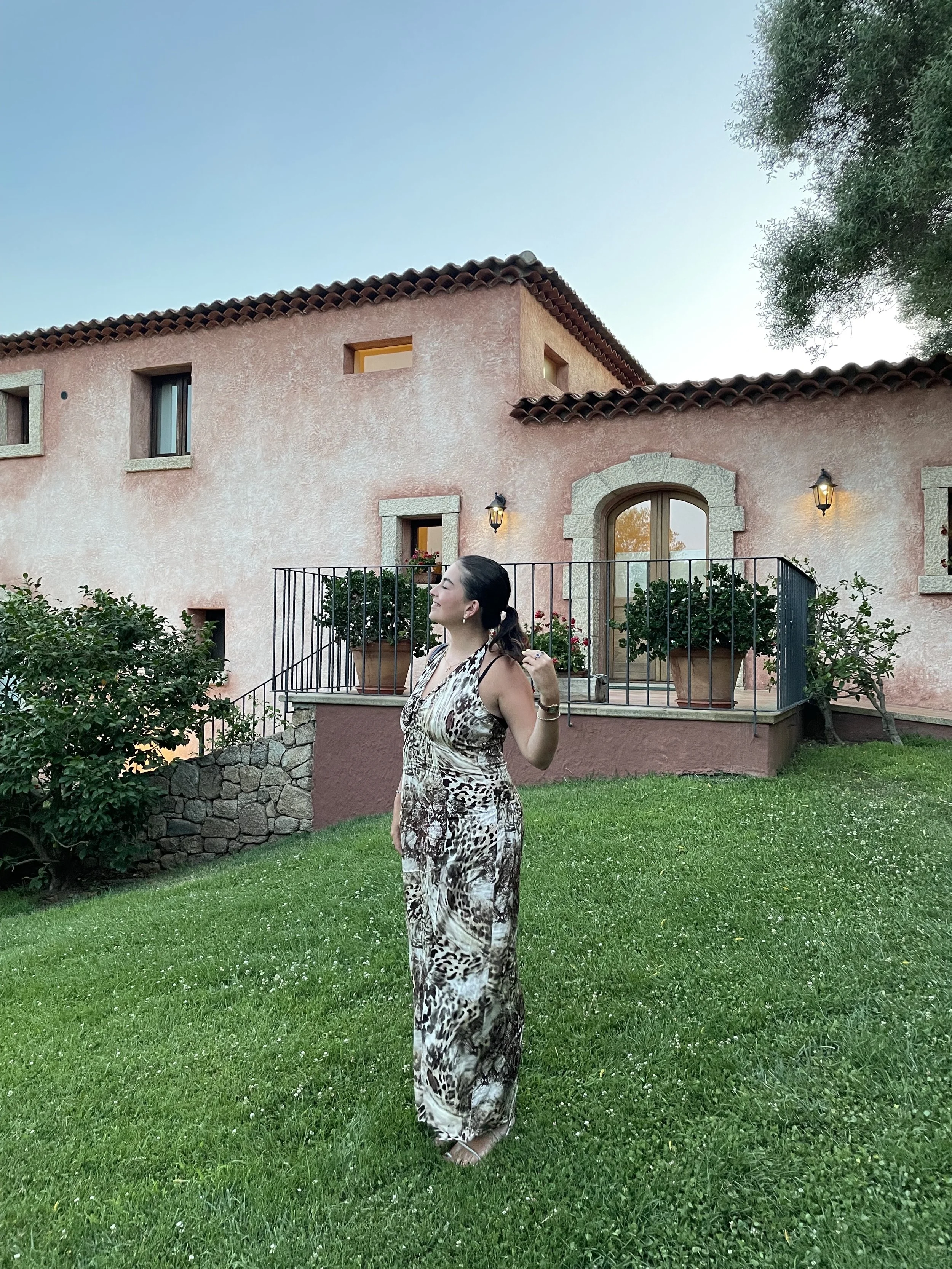
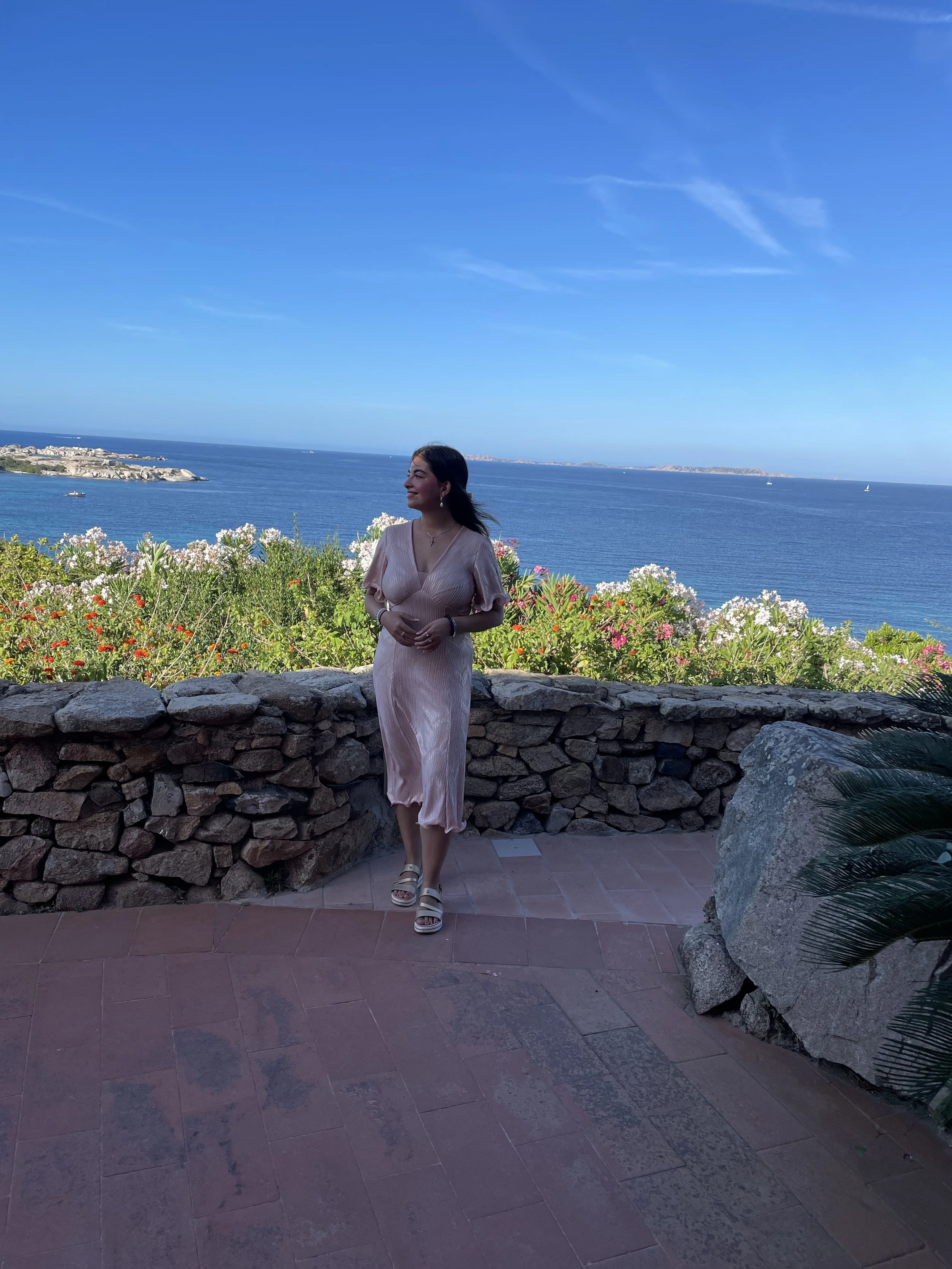
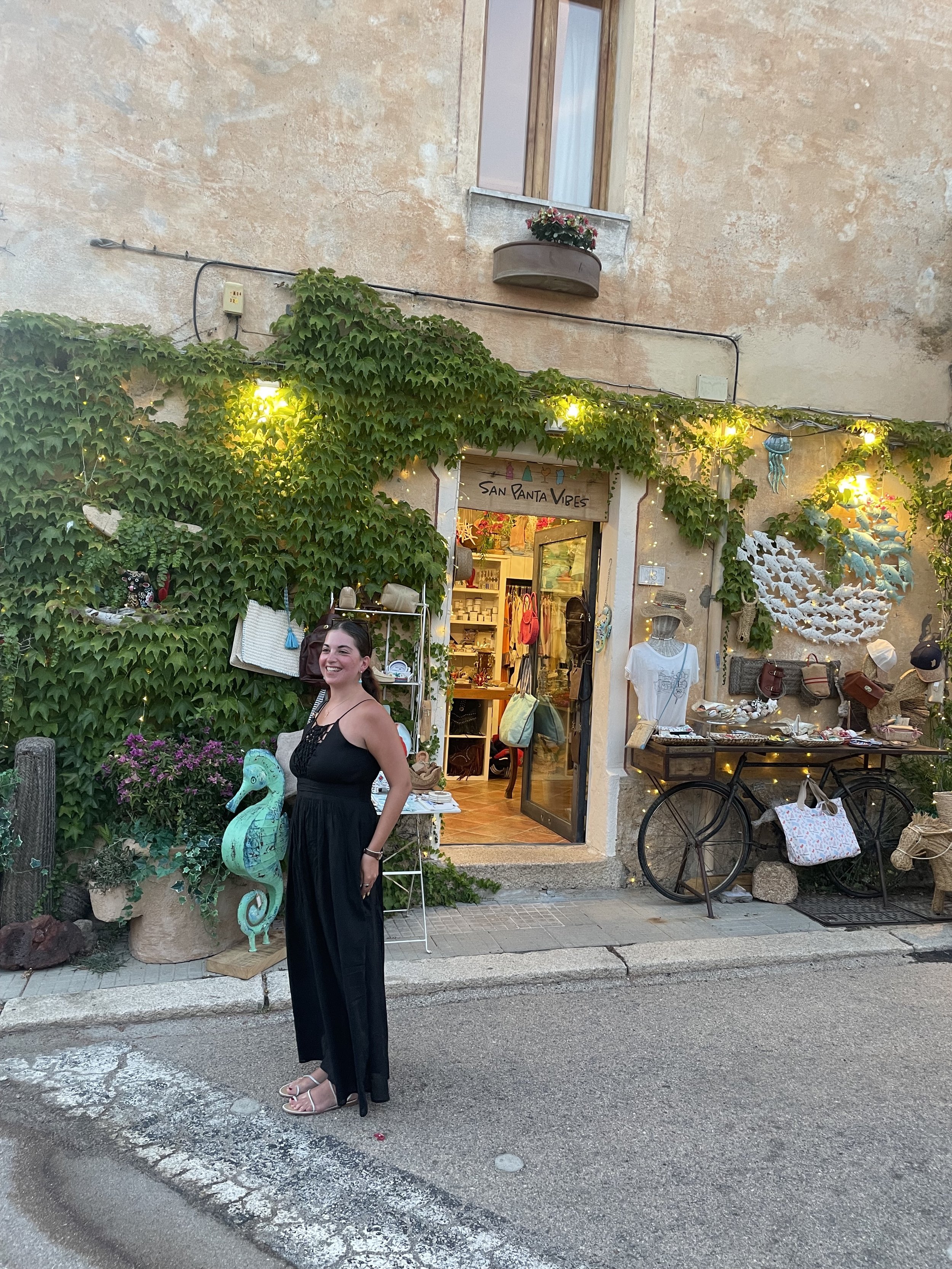
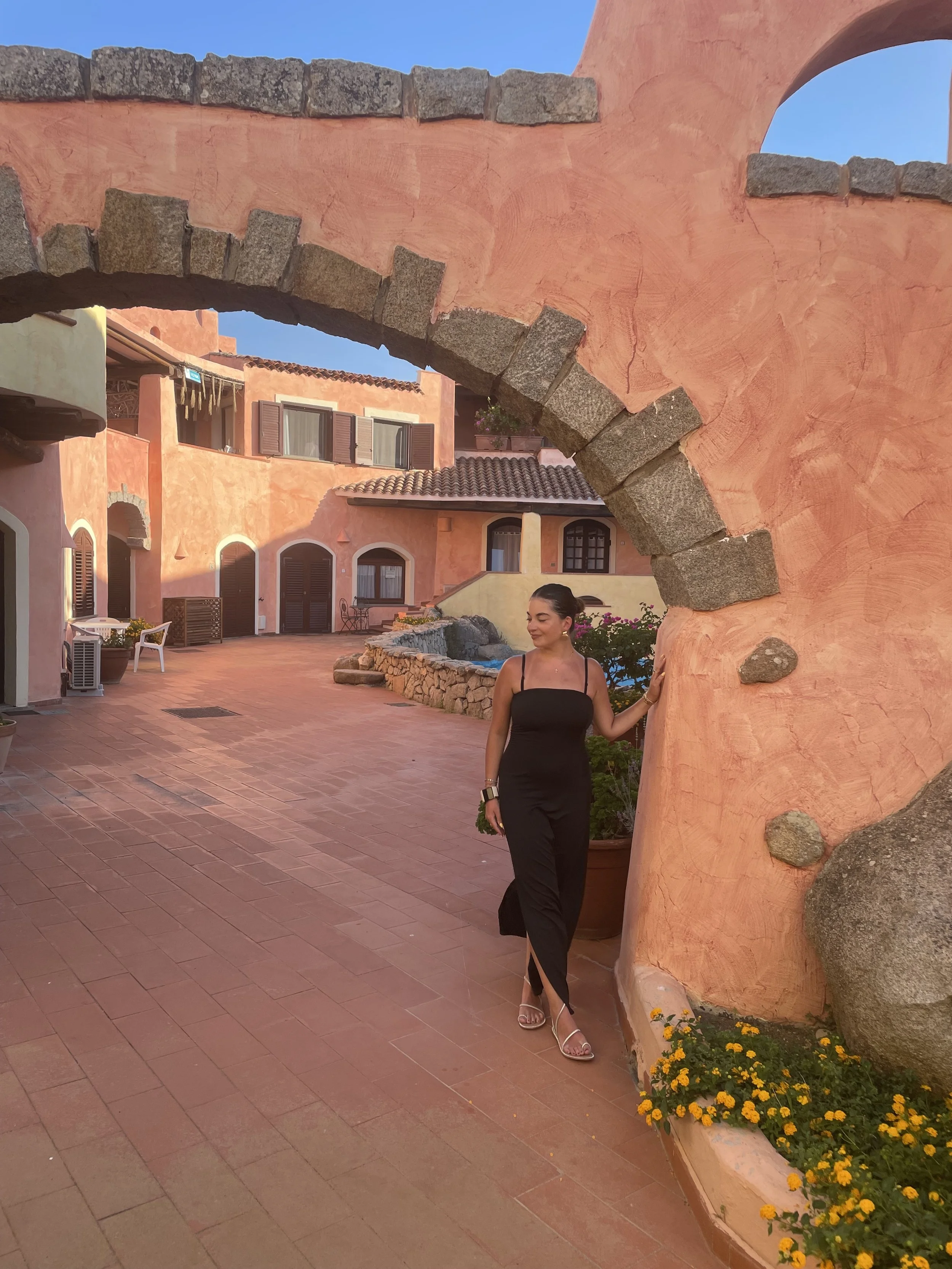
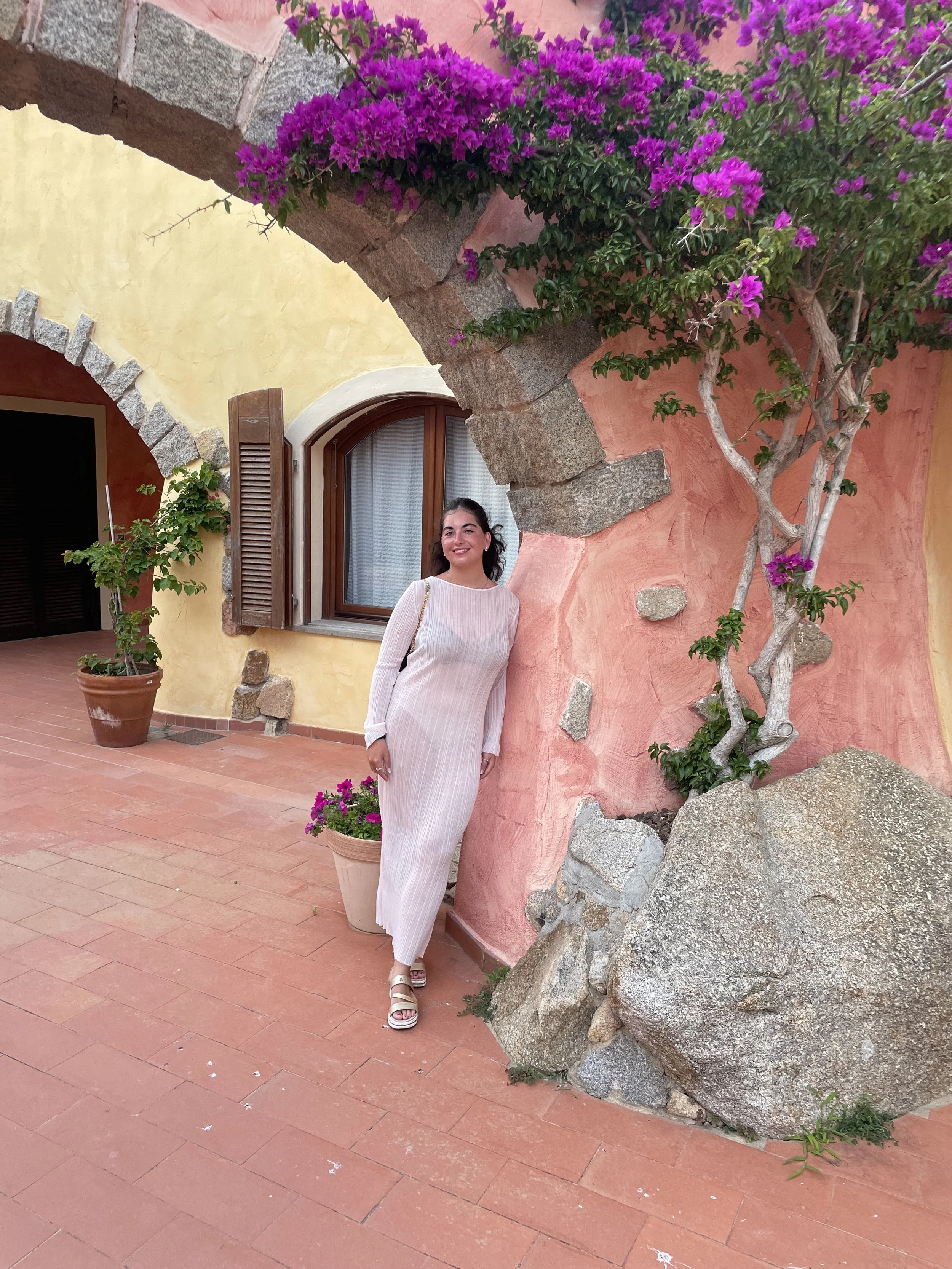
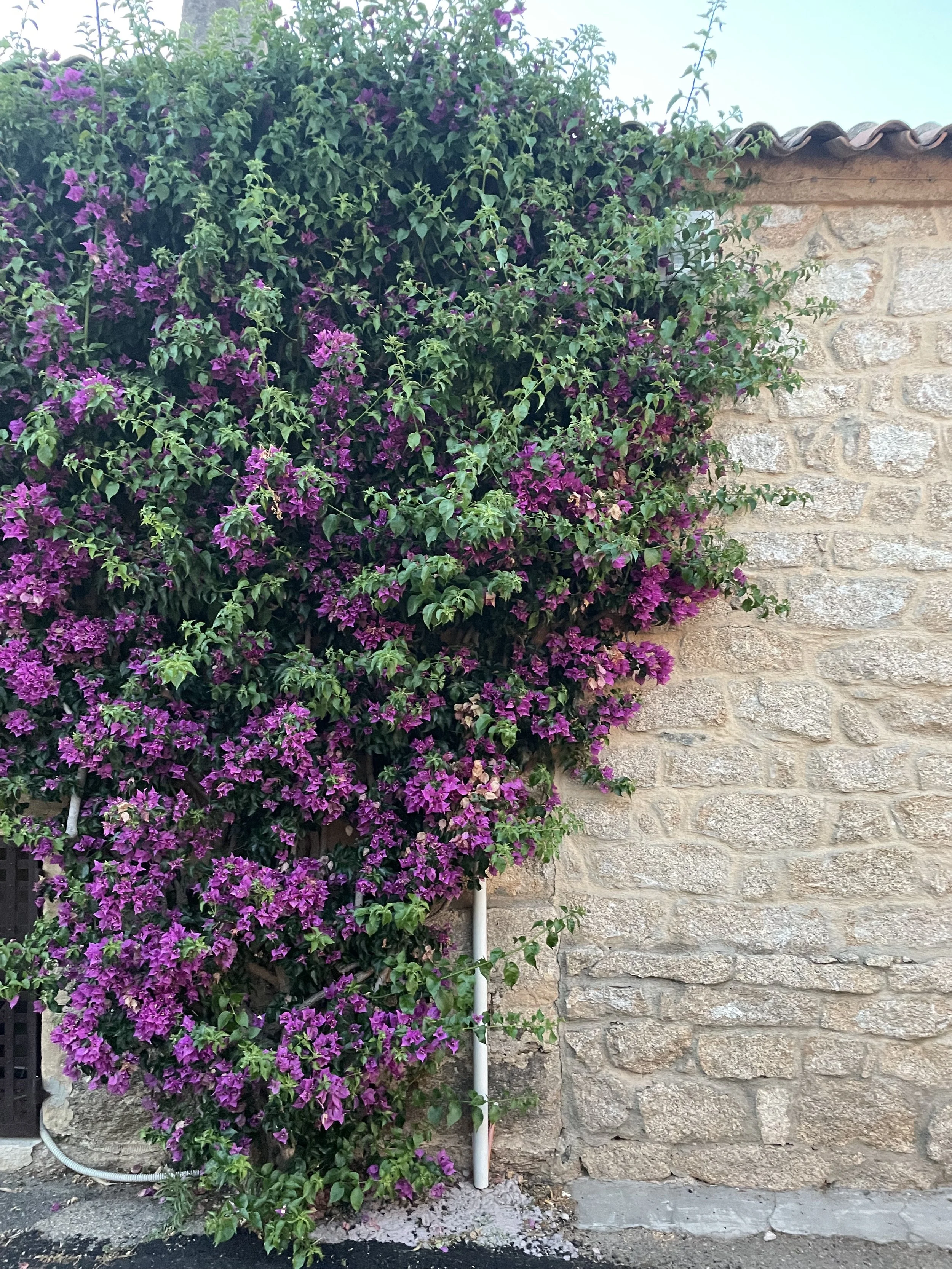
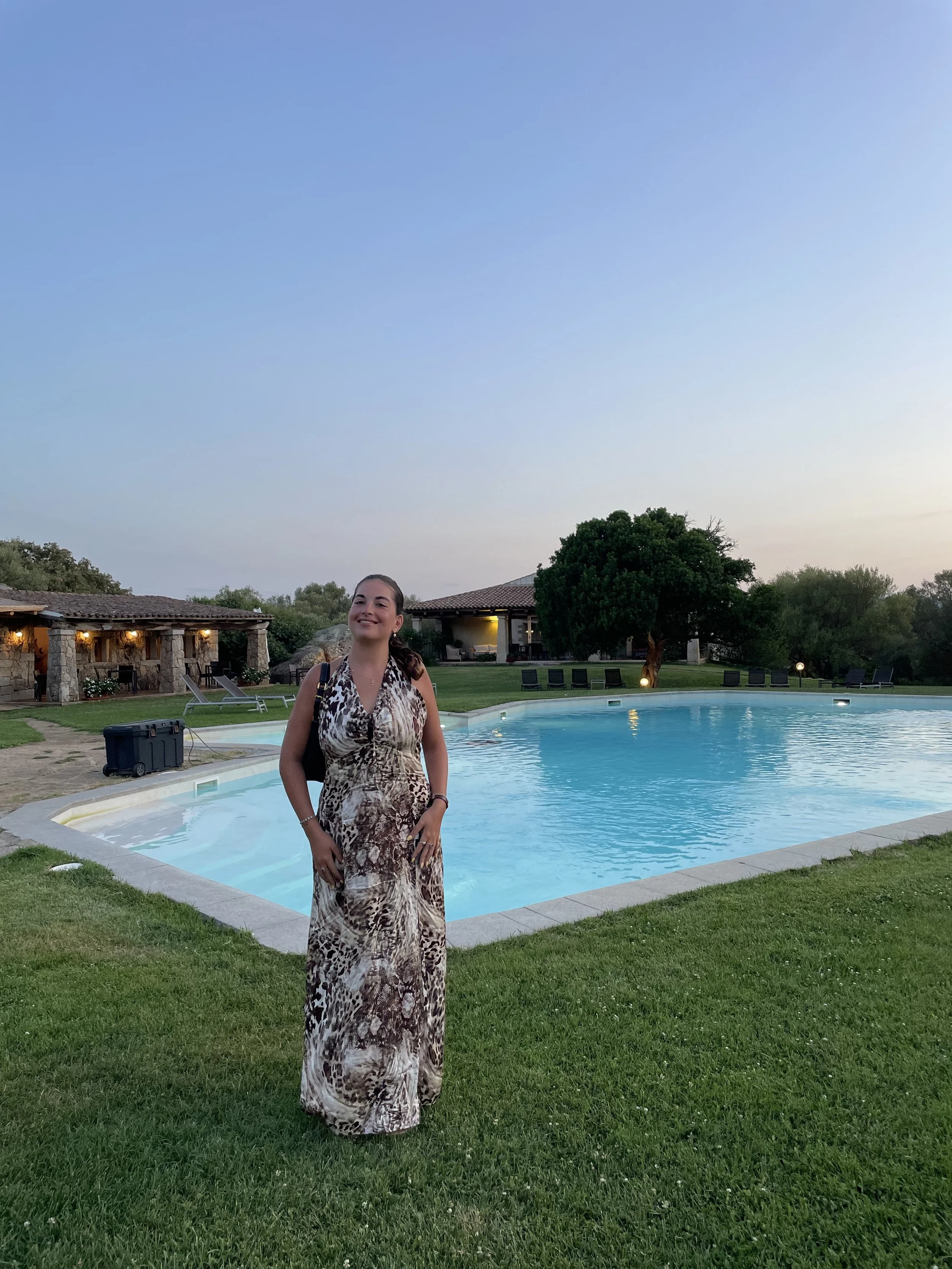
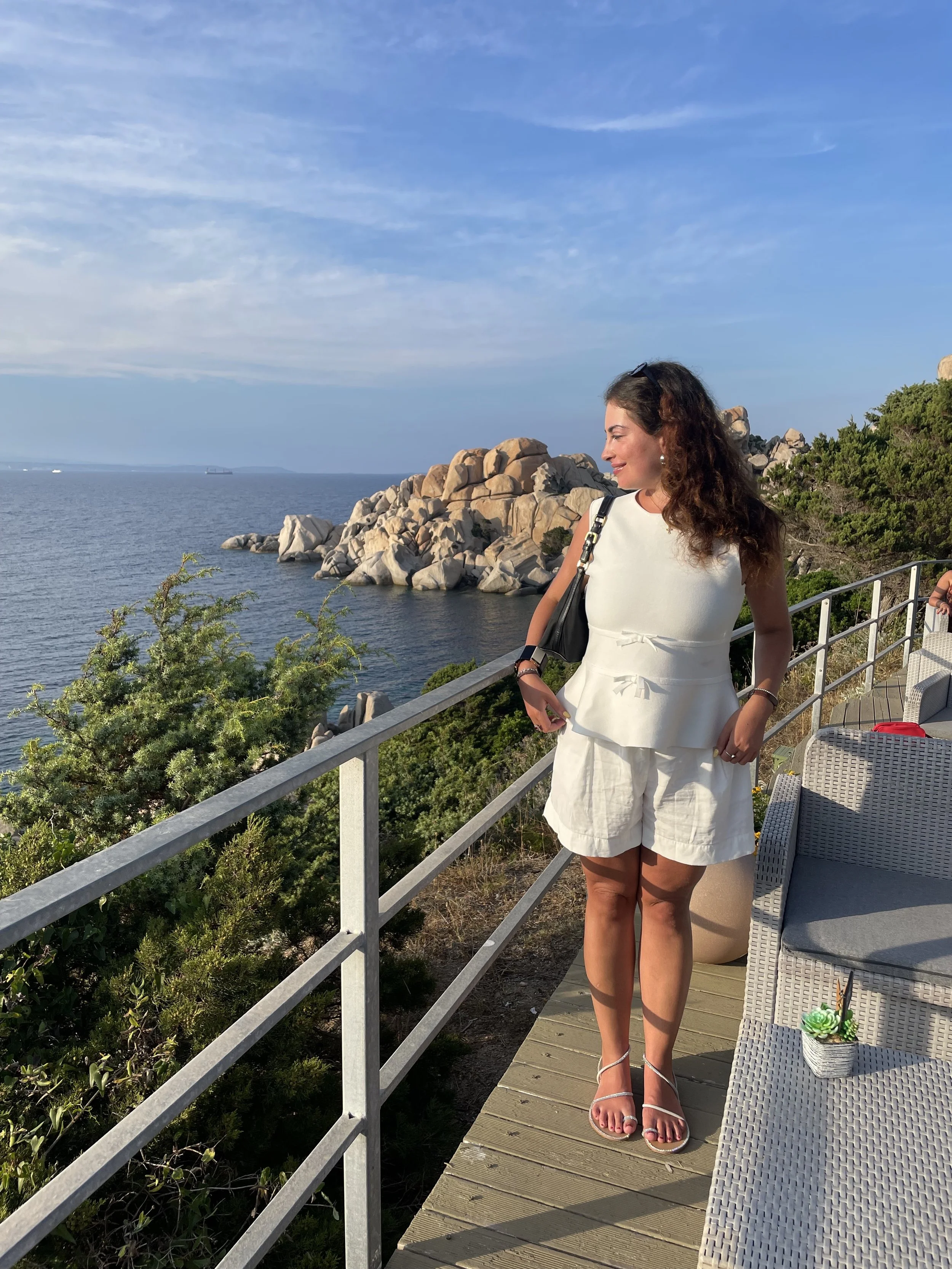
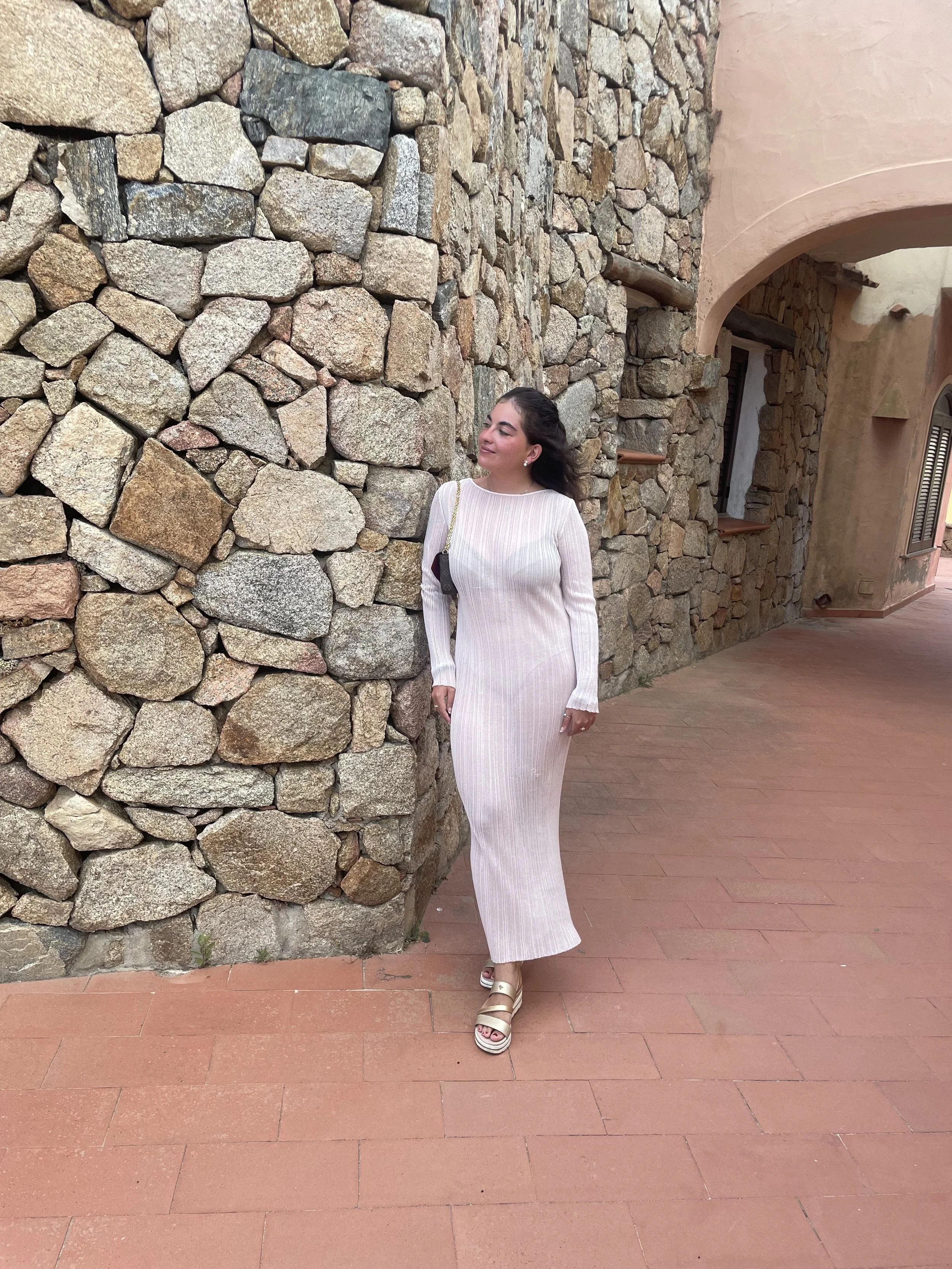

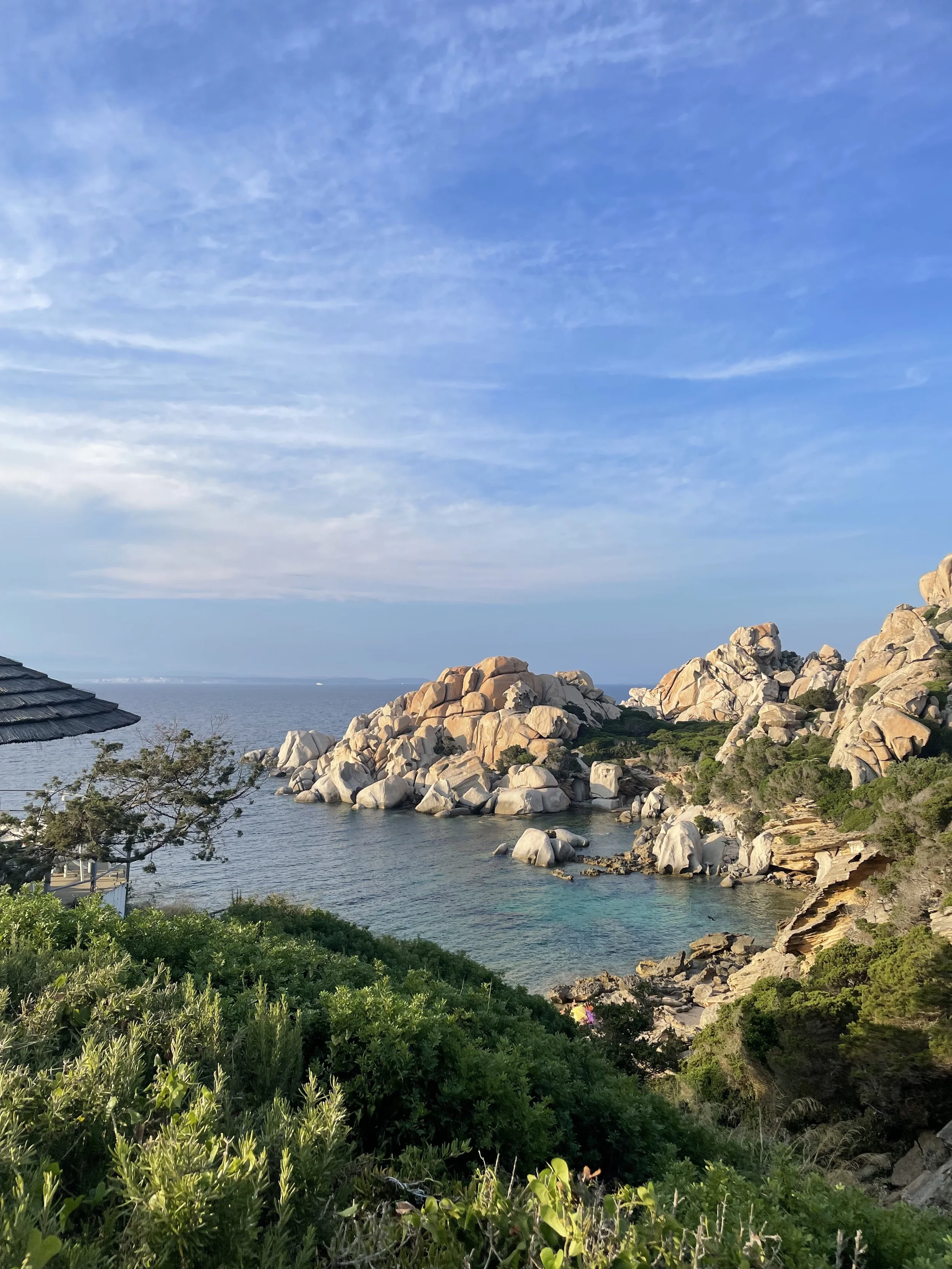
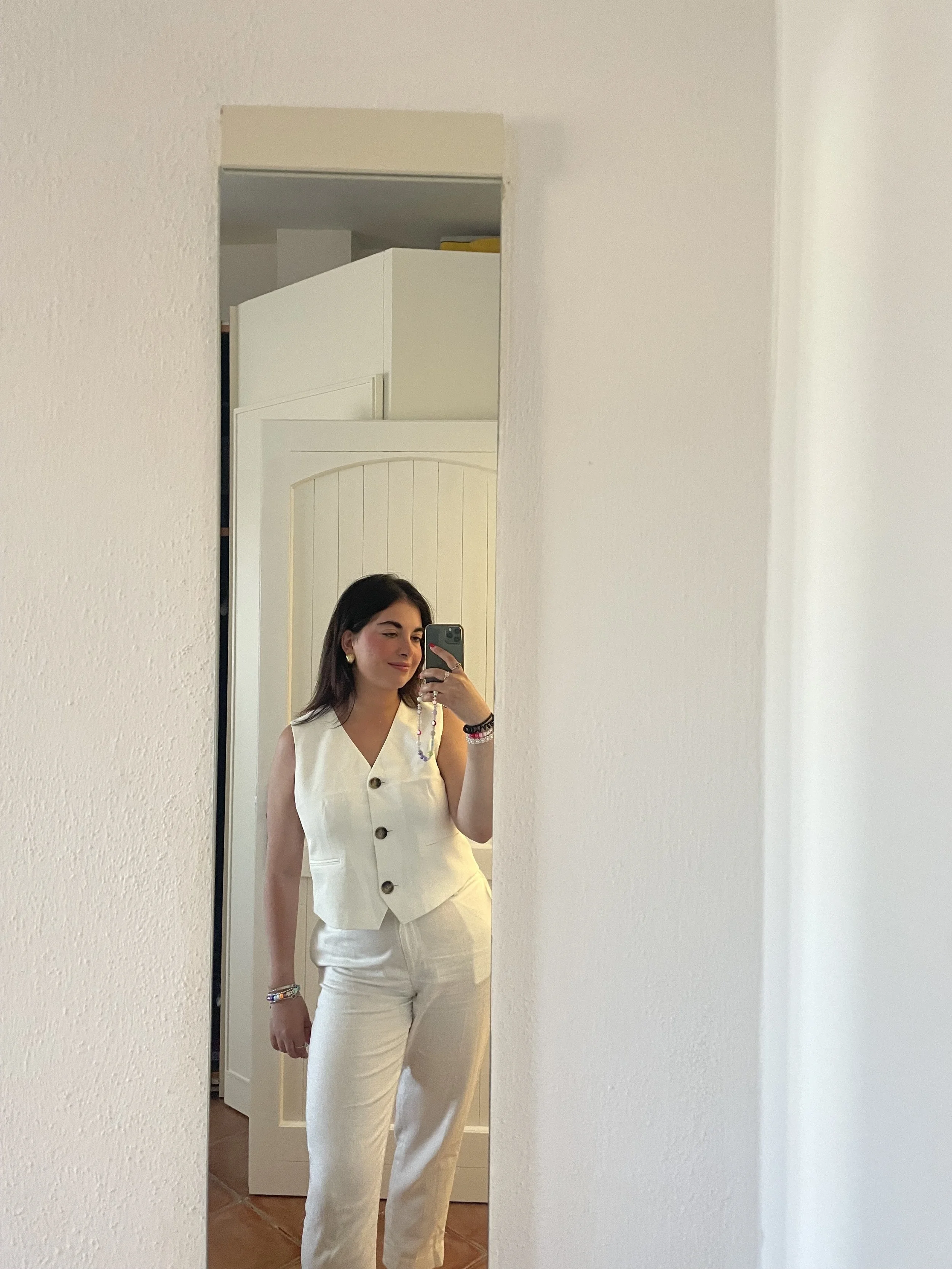
What I find most interesting about Mediterranean summer style is how much it has recently become transformed into an internet aesthetic. Across social media, Mediterranean dressing is often presented through a highly romanticized lens: dresses covered in lemons or exaggerated floral prints, silk scarves tied over hair, Aperol spritzes at golden hour, vintage Vespas, carefully curated coastal hotels, and endless images of “European summer.” While some of these references certainly exist, online they are often exaggerated into a fantasy version of Mediterranean life. The now almost-iconic lemon dress, for example, feels much more connected to tourist ideas of Italy than to the way most Italians actually dress day to day.
At the same time, the online version often feels more performative than the reality itself. Growing up in Italy and returning to Sardinia every summer, Mediterranean dressing has never felt particularly theatrical to me. It has always been much more connected to climate, routine, repetition, and practicality. The heat shapes everything. Clothing is chosen because it allows movement, comfort, and relief from long afternoons spent outdoors. Linen, cotton, oversized shirts, repeated dresses, worn sandals, swimsuits drying in the sun, and clothes slightly faded from salt water and heat become part of everyday life rather than a curated aesthetic.
What I have always loved most about Mediterranean style is precisely this naturalness. The elegance often comes from restraint rather than excess. People tend to repeat the same familiar pieces throughout the summer, adjusting them slightly rather than constantly reinventing themselves. The internet version sometimes turns Mediterranean dressing into a costume of leisure, while the reality is often quieter and more instinctive, shaped by the rhythms of ordinary life near the sea.
Returning to Sardinia each summer has made this difference even clearer to me over time. Summer dressing there feels shaped more by climate and daily life than by aesthetics alone. Lightweight fabrics, repeated outfits, simple sandals, swimsuits worn all day, and clothes chosen for comfort in the heat become part of everyday routine rather than carefully constructed looks. Summer dressing becomes less about styling a perfect outfit and more about adapting naturally to environment, temperature, and pace of life. I also think much of Mediterranean elegance comes from confidence and familiarity rather than from trends. In Italy especially, people often dress with a sense of ease that can appear effortless from the outside, even though there is usually attention behind it. Simplicity is valued. A single accessory, a well-cut linen shirt, a repeated pair of sunglasses, or a familiar dress worn every summer often says more than an overly curated look ever could.
More than anything, Mediterranean summer style reminds me that fashion can still feel deeply connected to place. The colors, fabrics, silhouettes, and textures all emerge naturally from climate, movement, architecture, and daily routine. That is what continues to make Mediterranean dressing feel timeless to me, not because it photographs beautifully online, but because it remains rooted in a way of living that feels slow, tactile, familiar, and real.