On the Charm of Lisbon
Lisbon felt peaceful in a way that surprised me. After the intensity of Barcelona, crowded streets, packed sidewalks, constant movement, arriving in Portugal’s capital felt calmer and slower. There was still energy and life everywhere, but without the same urgency that often defines larger European cities.
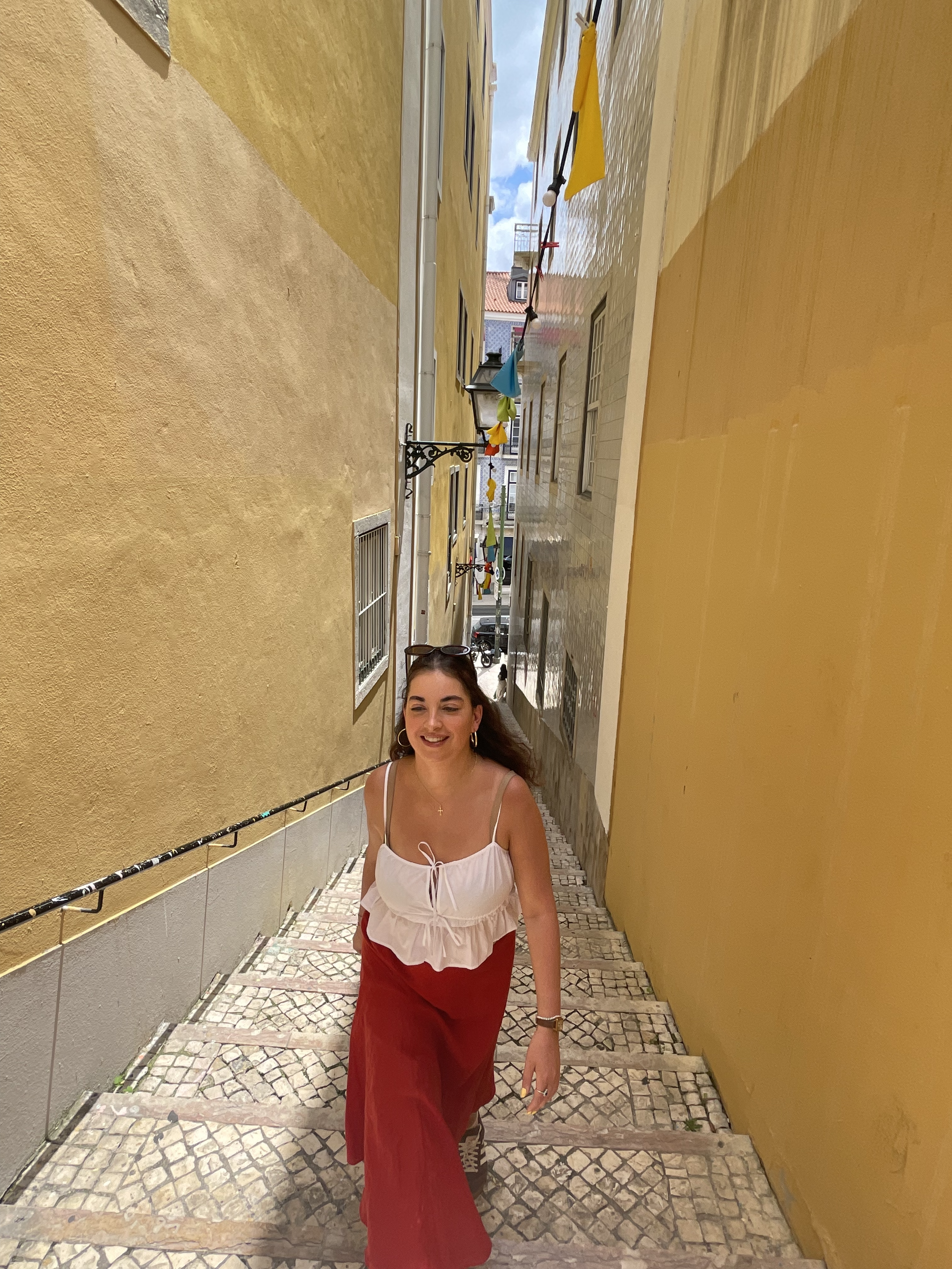
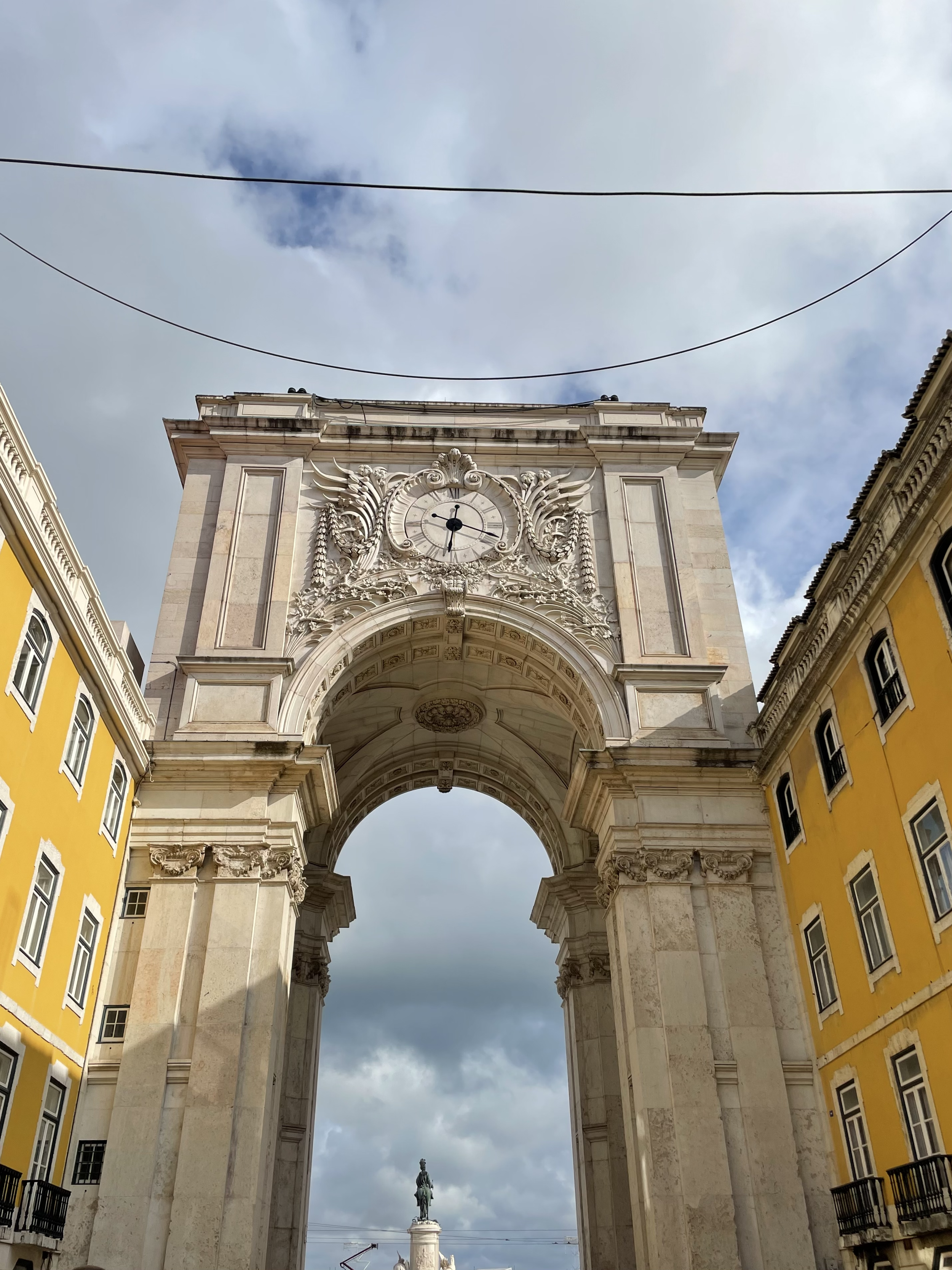
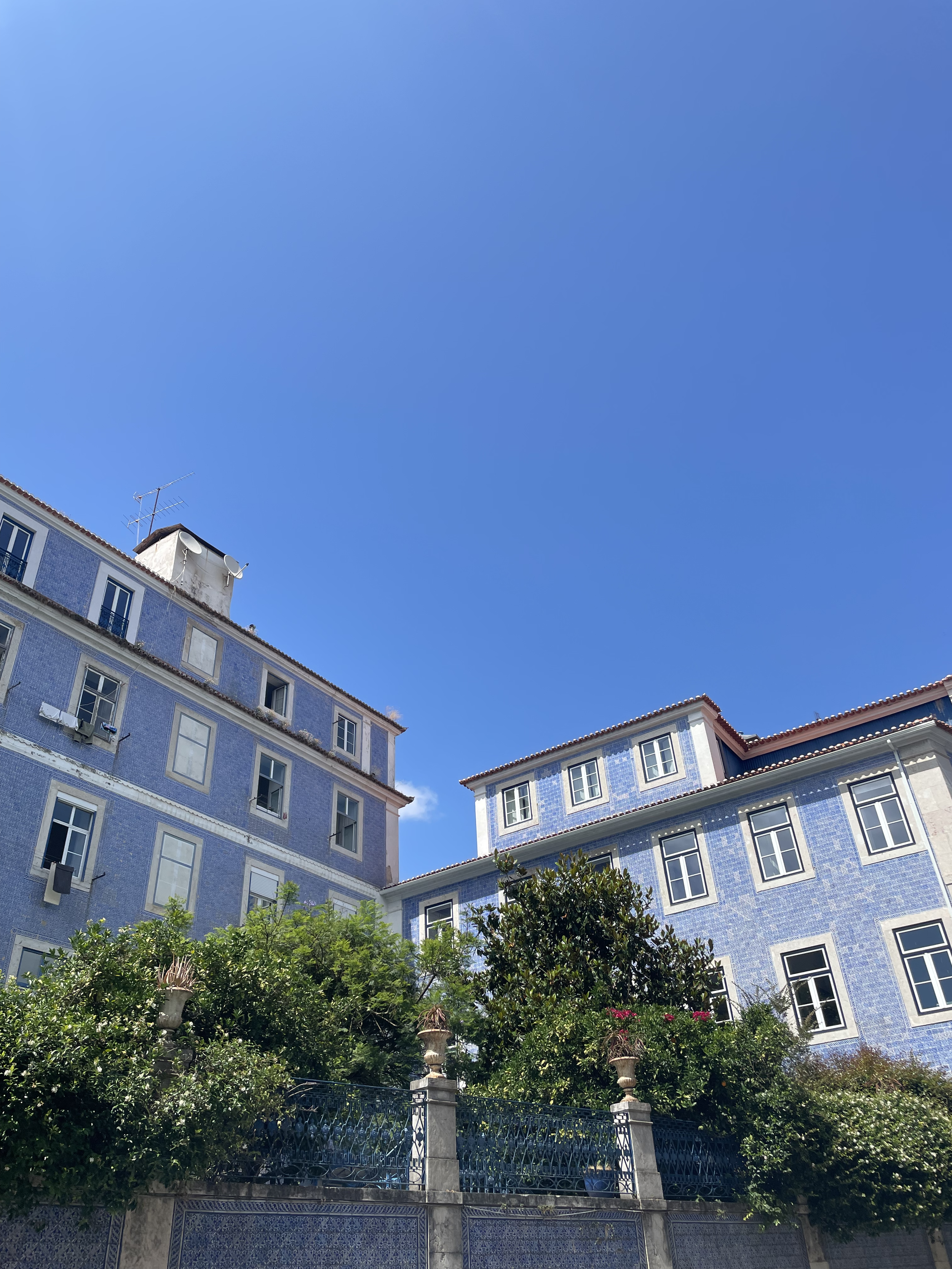
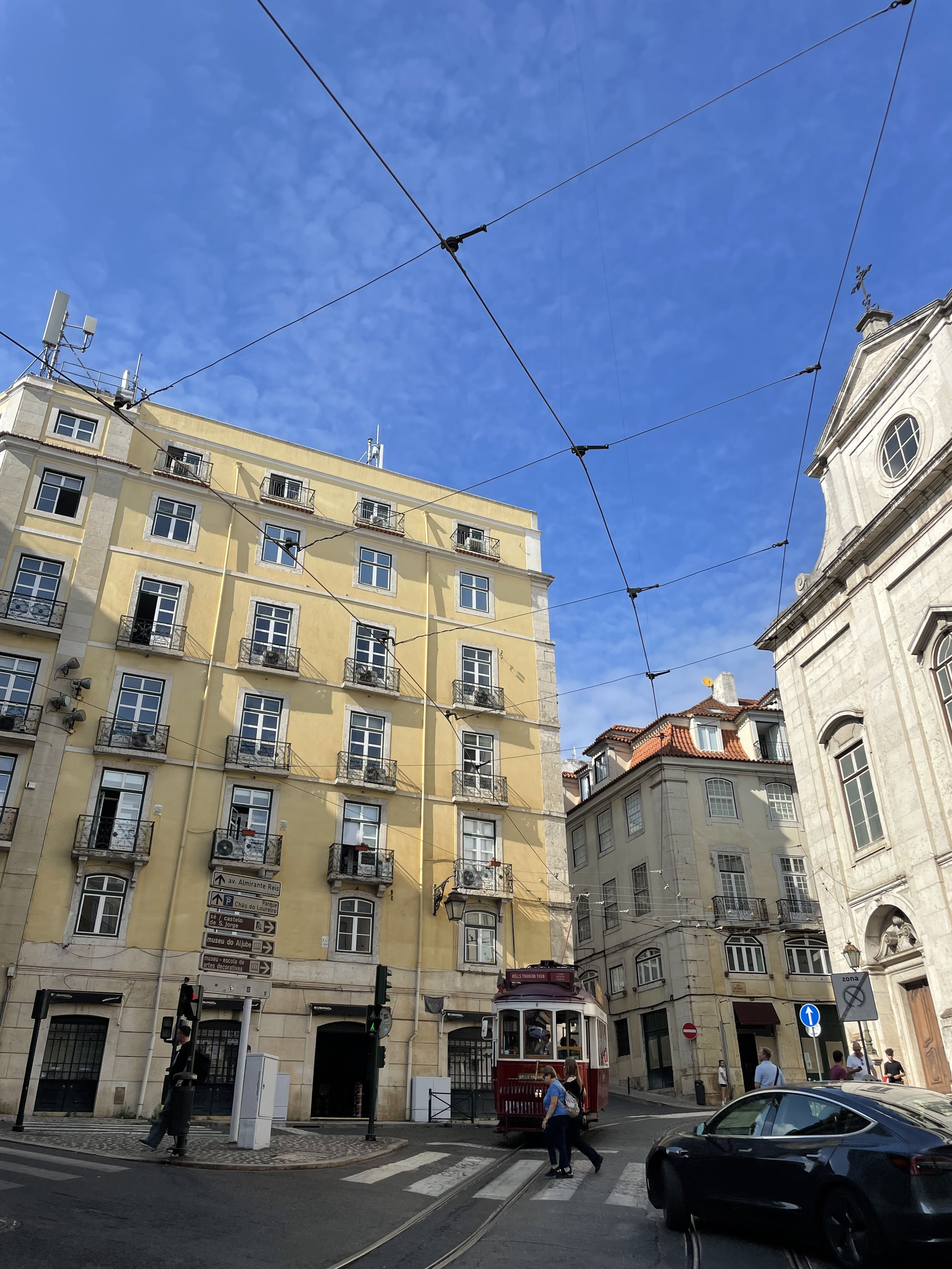
What stayed with me most was the atmosphere of the city itself. The steep hills, the trams moving through narrow streets, the ocean air, and even the bridge in the distance occasionally reminded me of San Francisco. Both cities are shaped by water, elevation, and neighborhoods that unfold gradually as you move through them. At the same time, Lisbon feels warmer, older, and more textured architecturally, with tiled facades, faded pastel buildings, and layers of history visible throughout the city.
I found myself paying attention more to everyday details than major landmarks, laundry hanging between buildings, small cafés filled with locals, trams moving uphill through narrow streets, and people lingering outside late into the evening. Lisbon’s charm does not come from trying to impress you all at once. It reveals itself gradually, through wandering, observation, and the feeling that the city encourages you to slow down and simply experience it at its own pace.
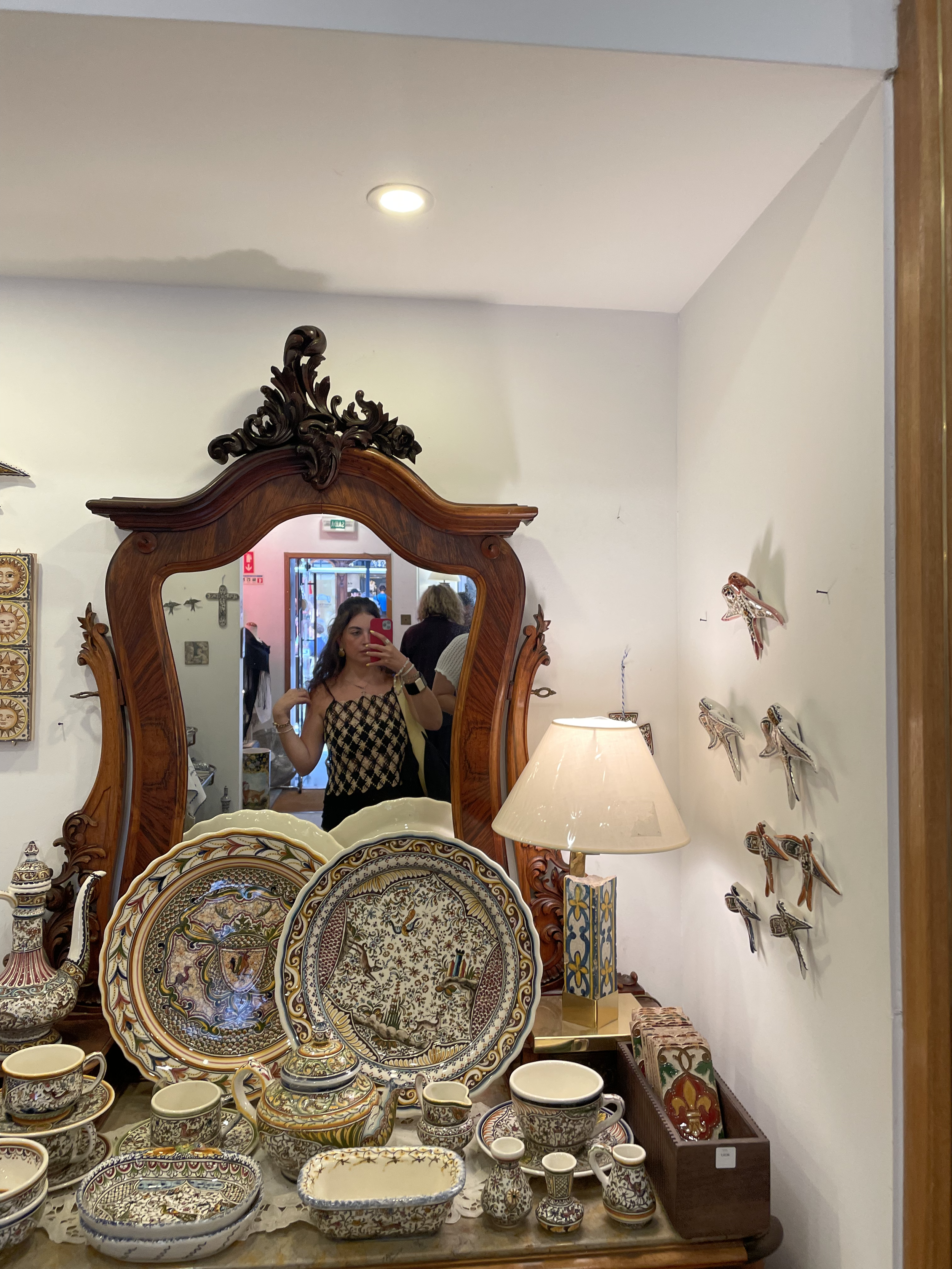
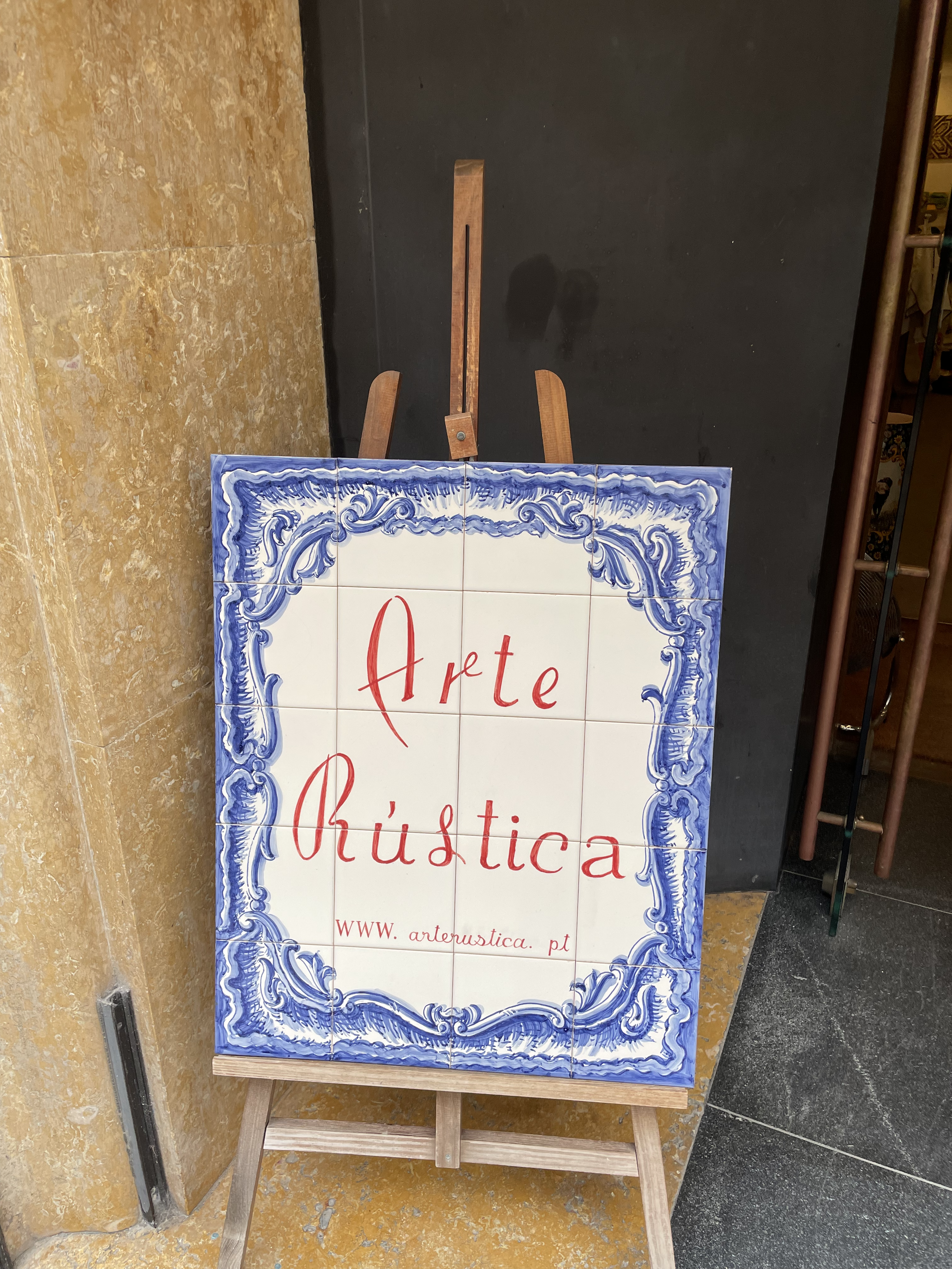
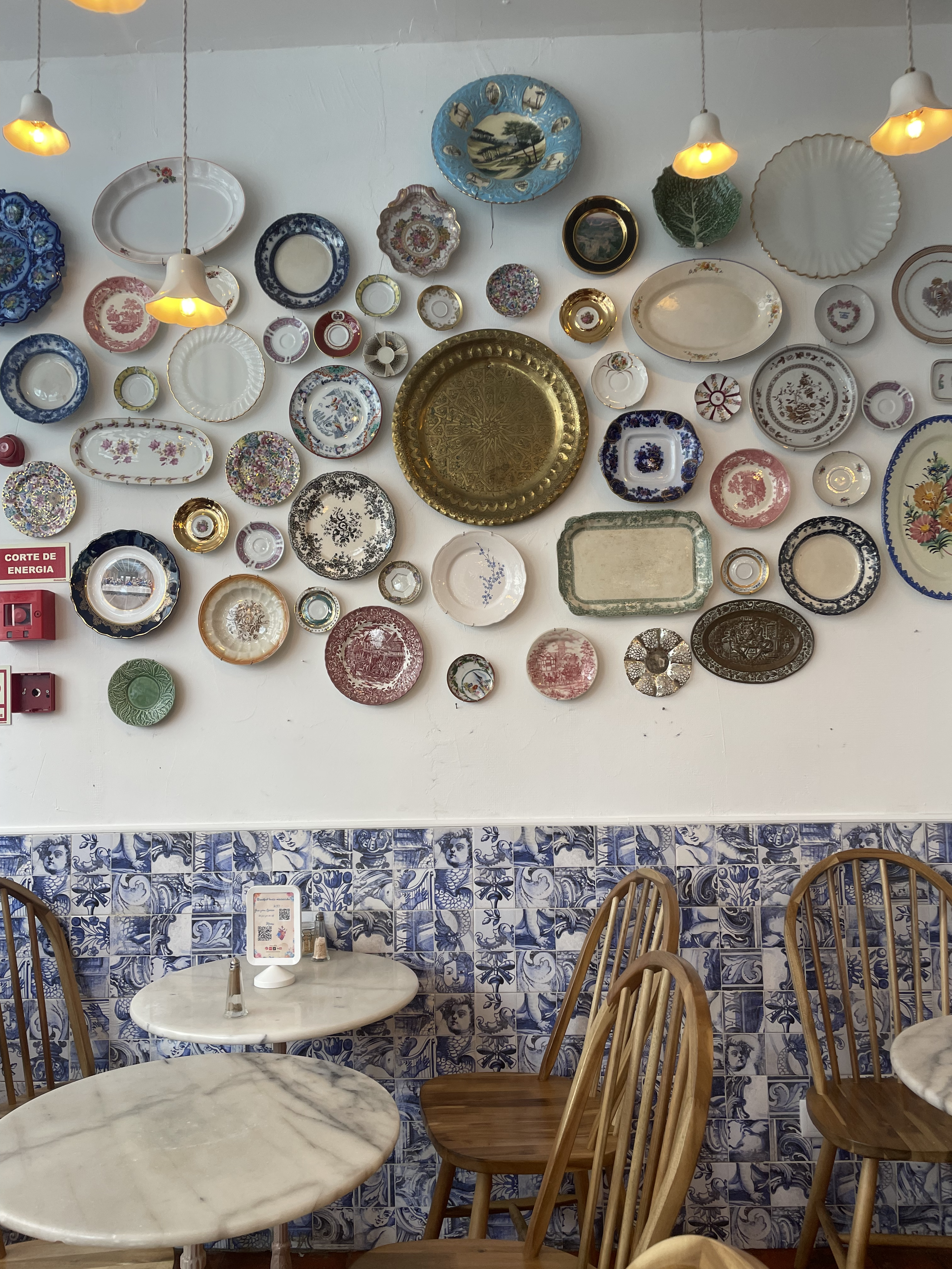
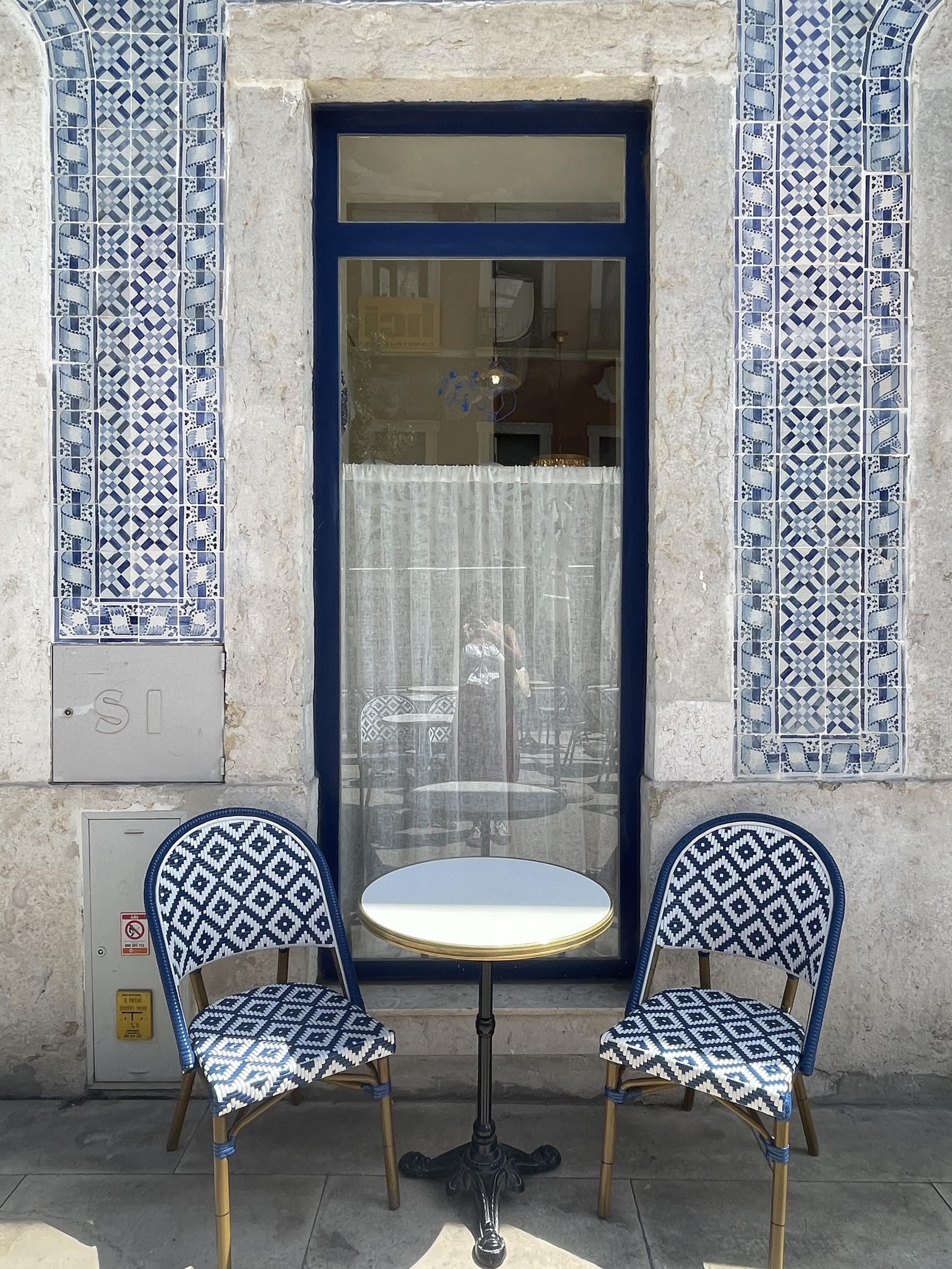
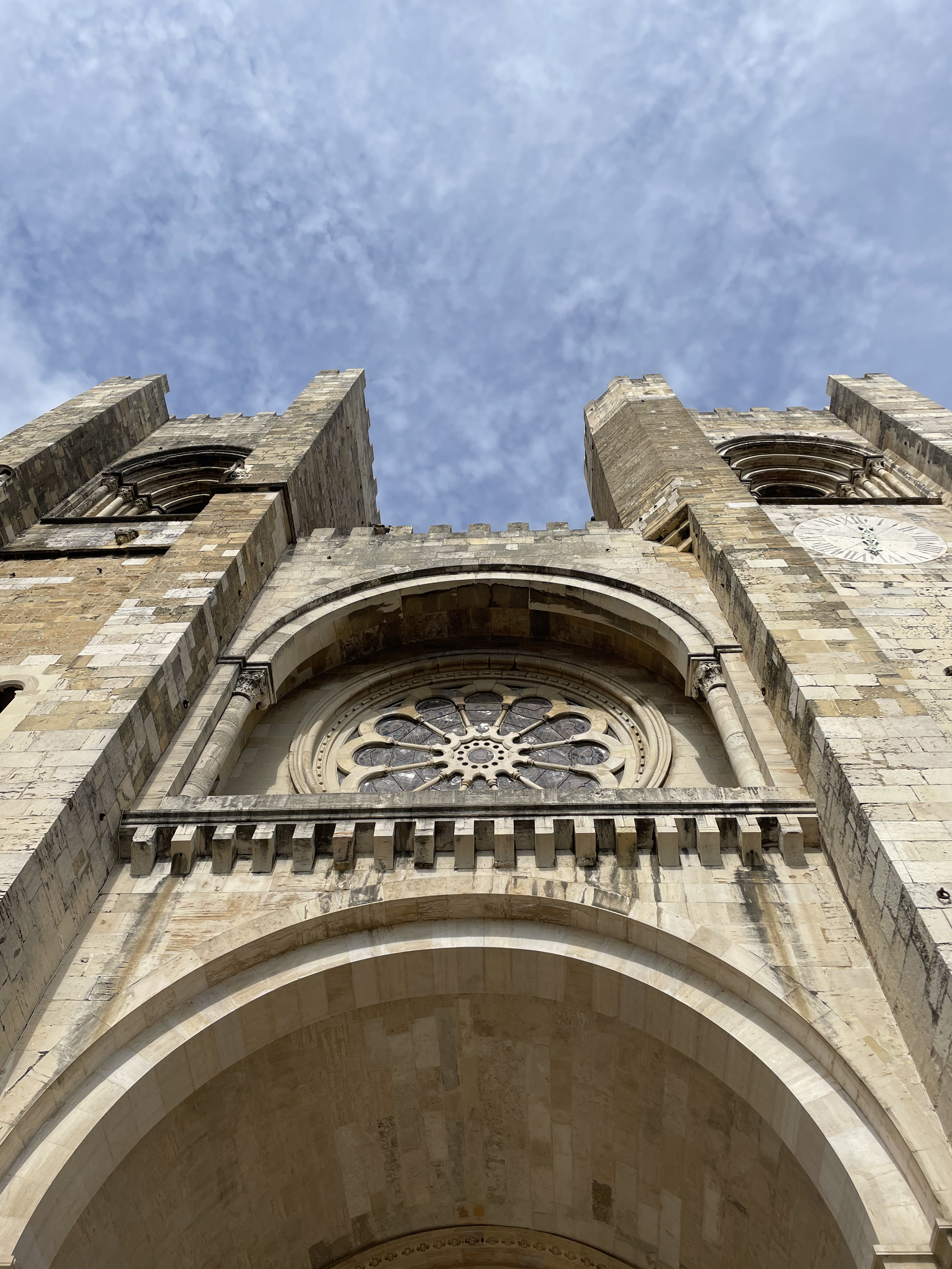
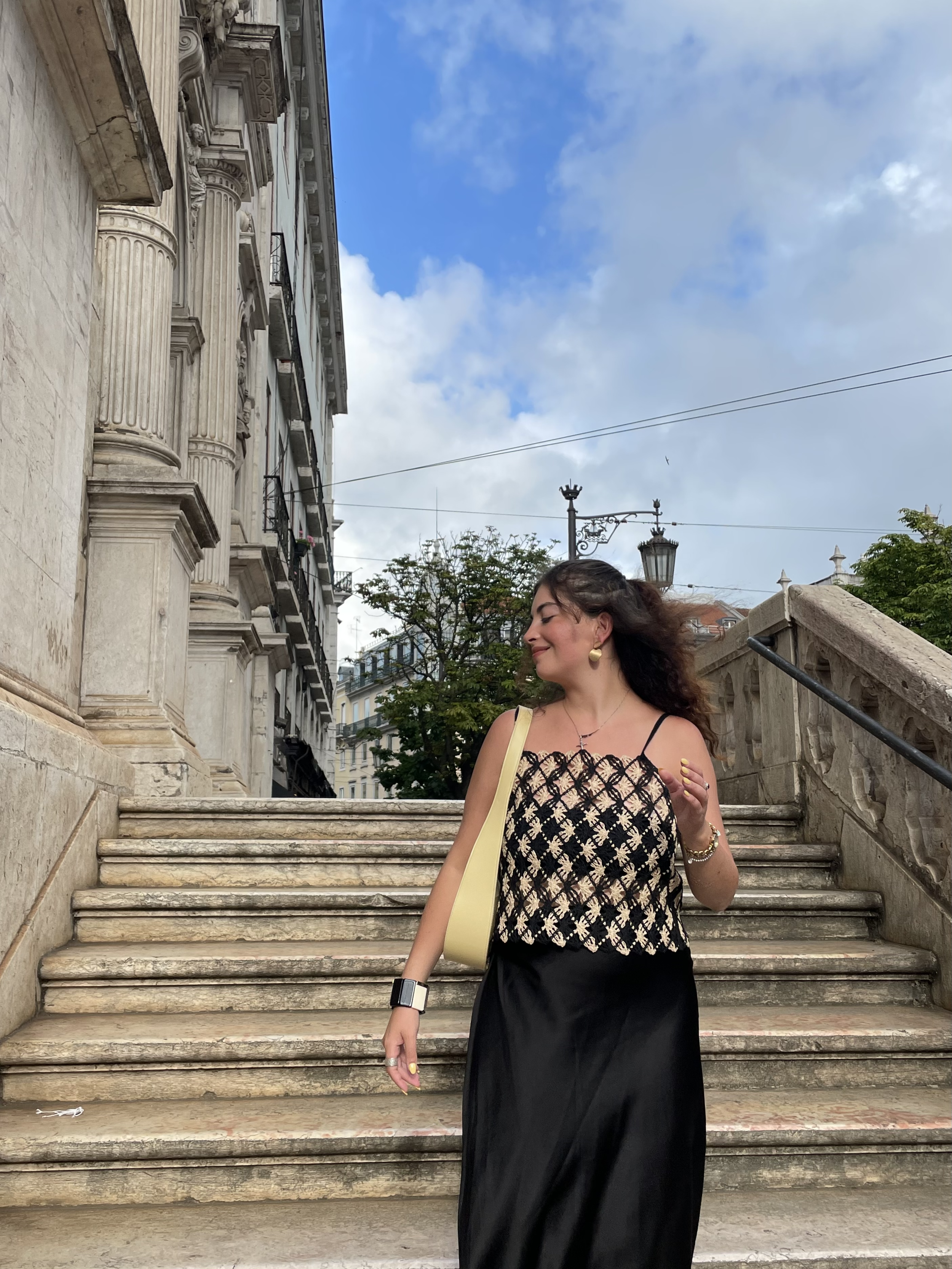
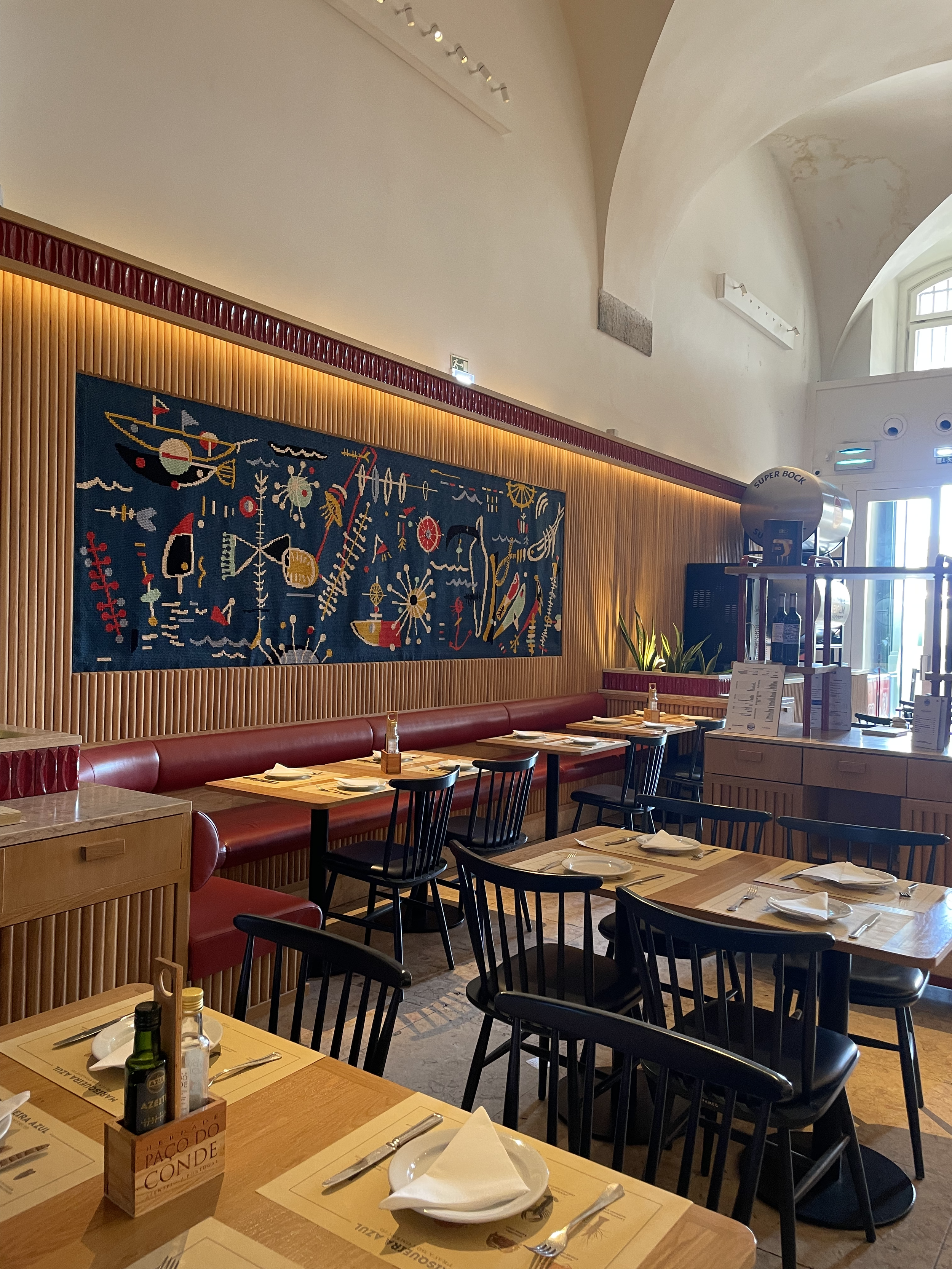
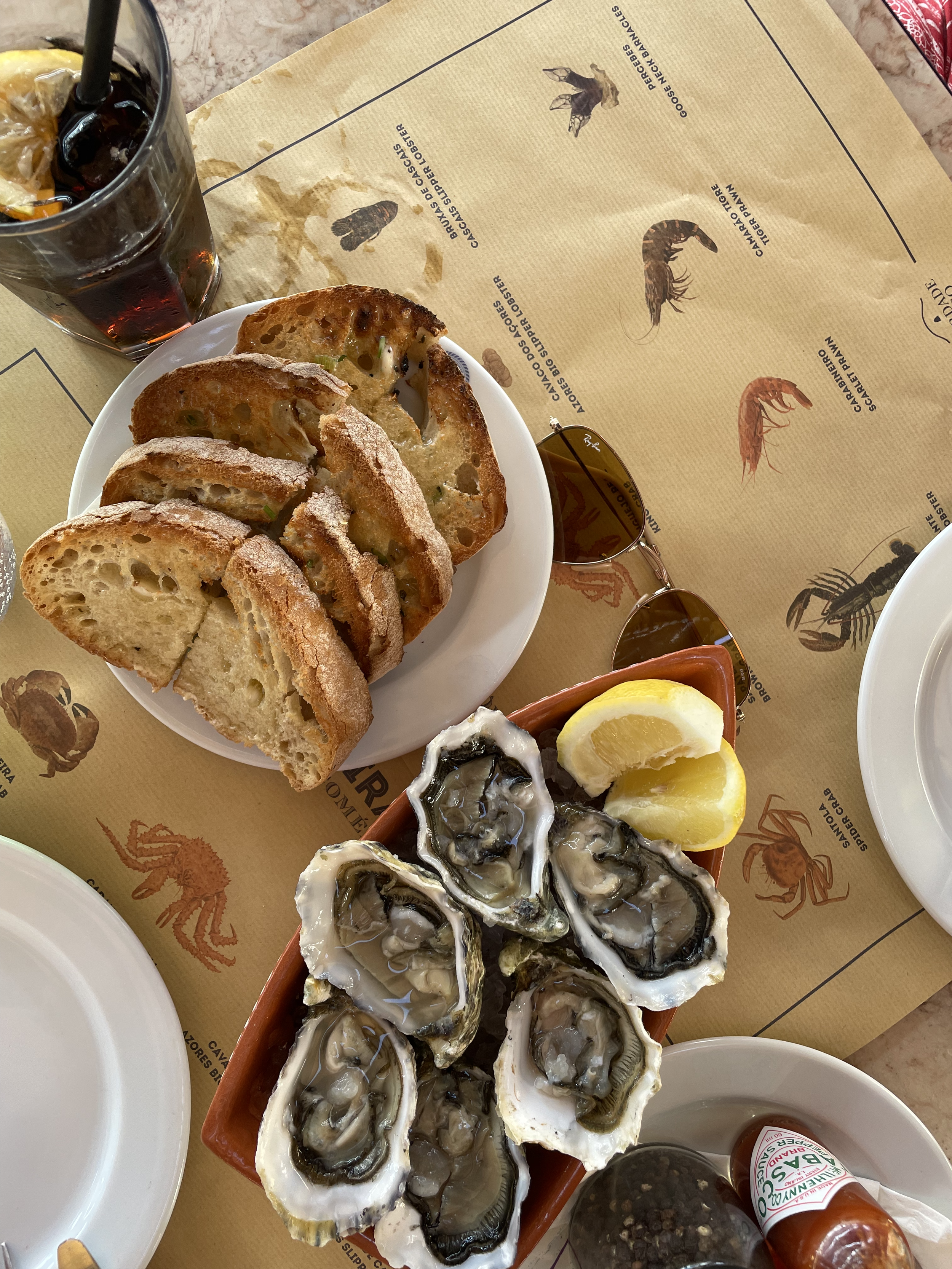
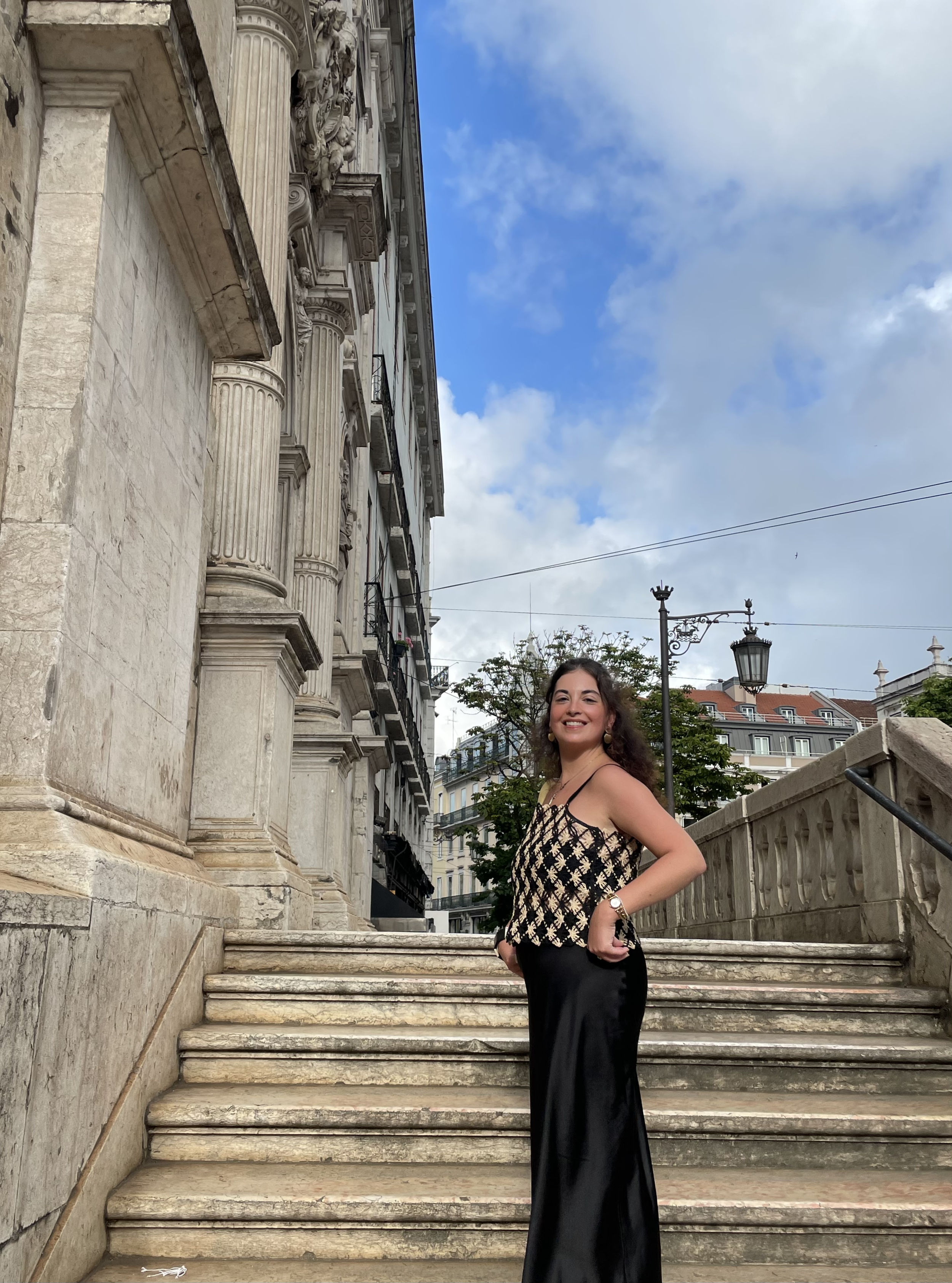
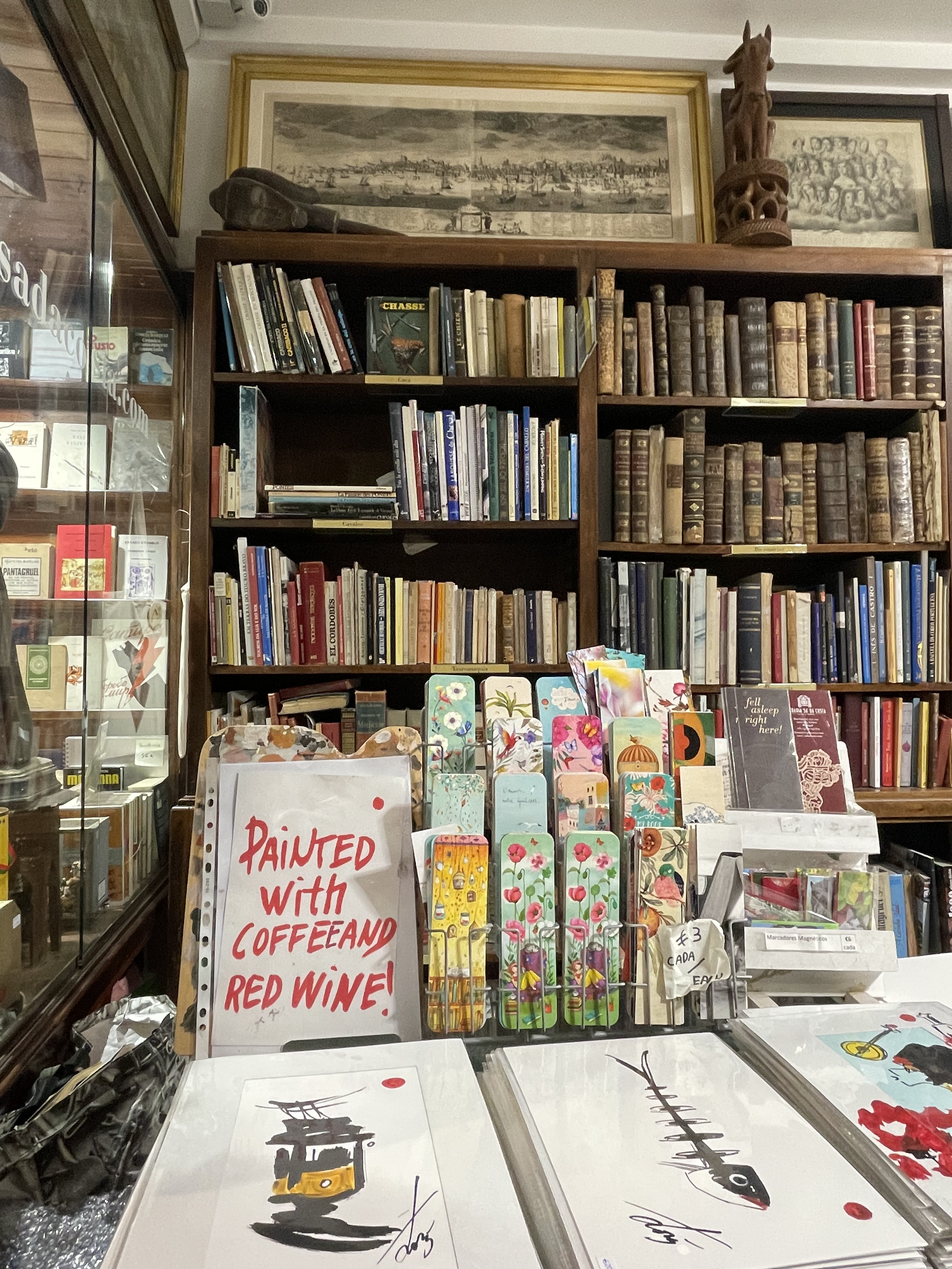
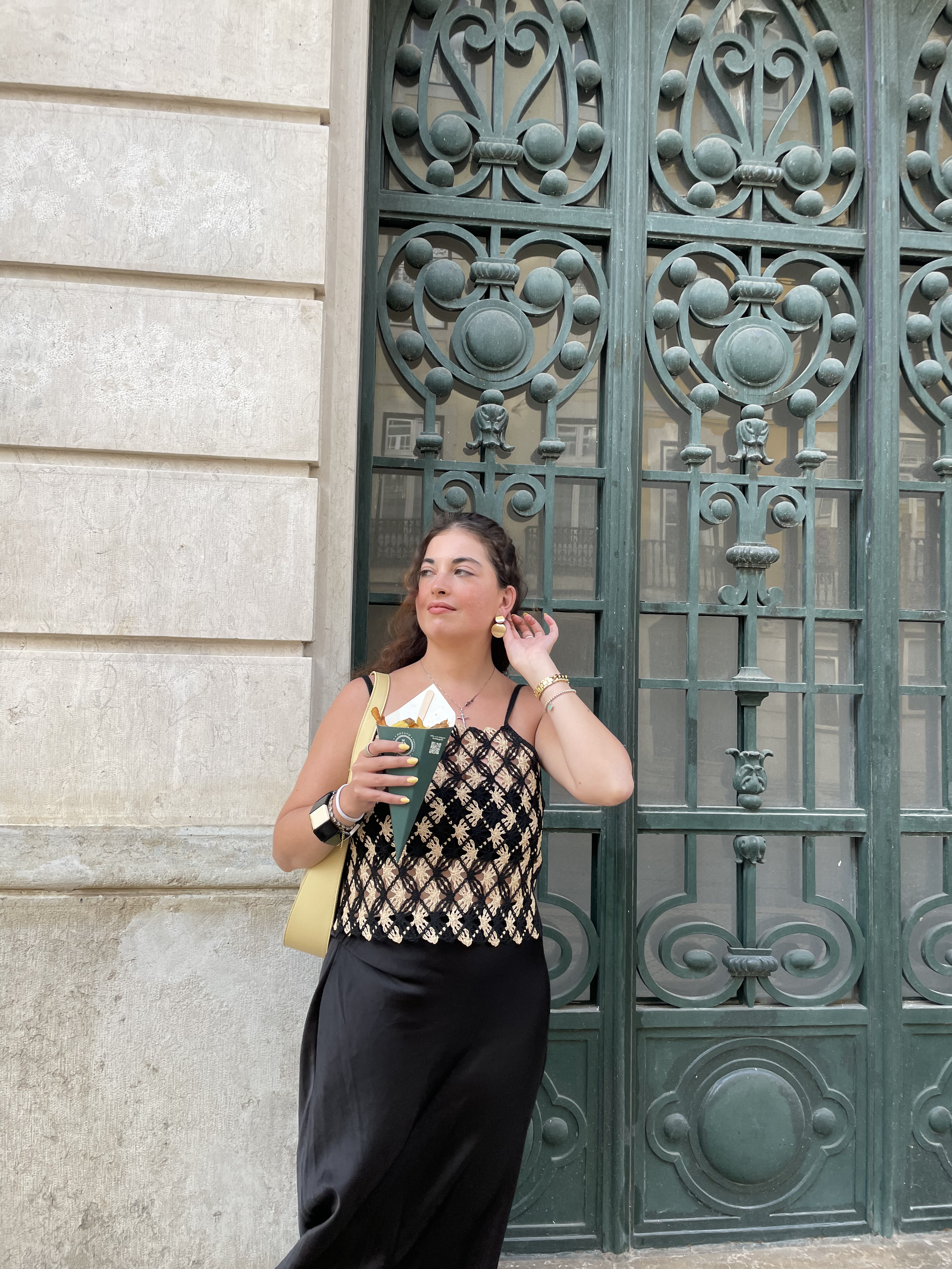
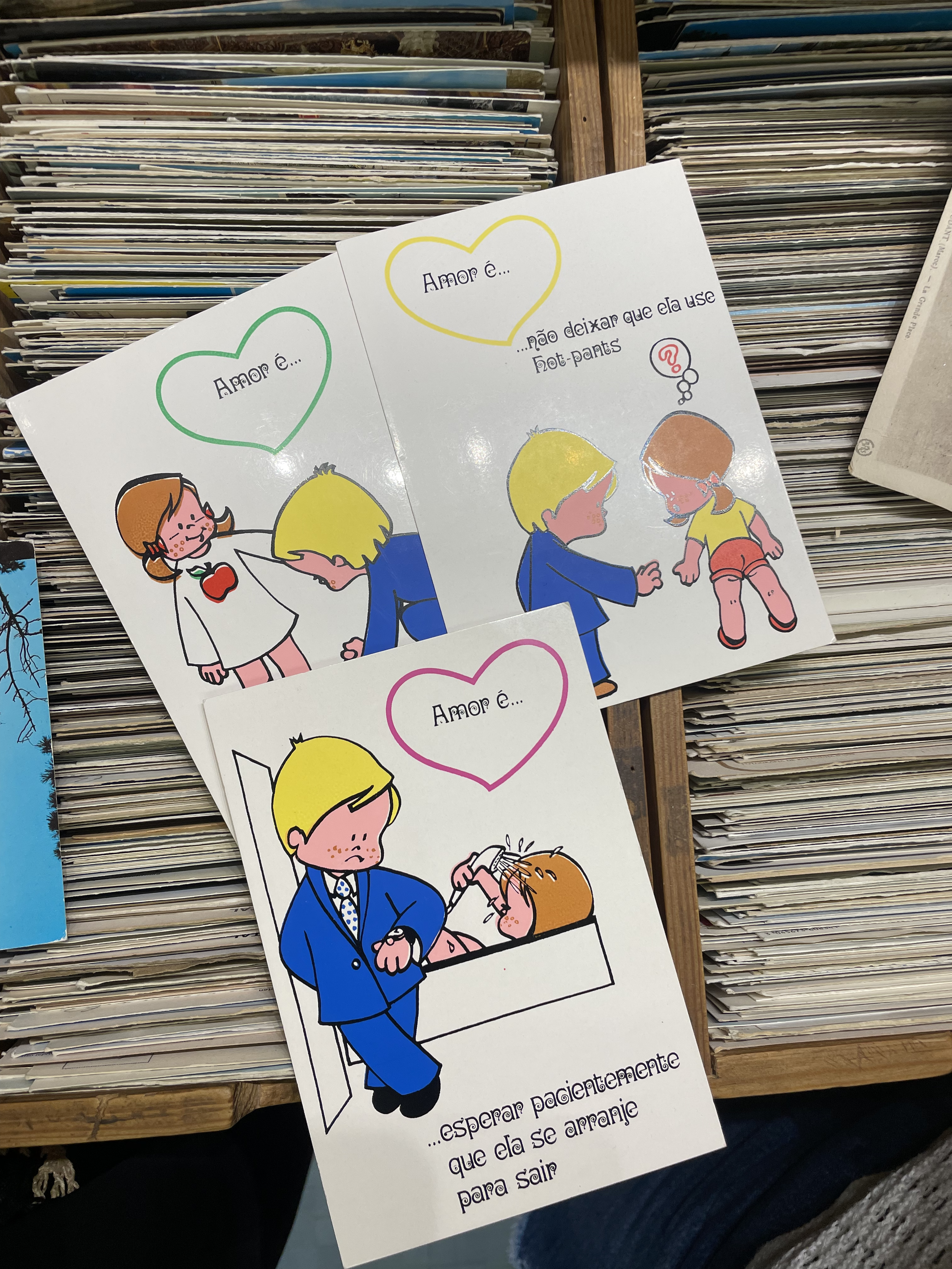
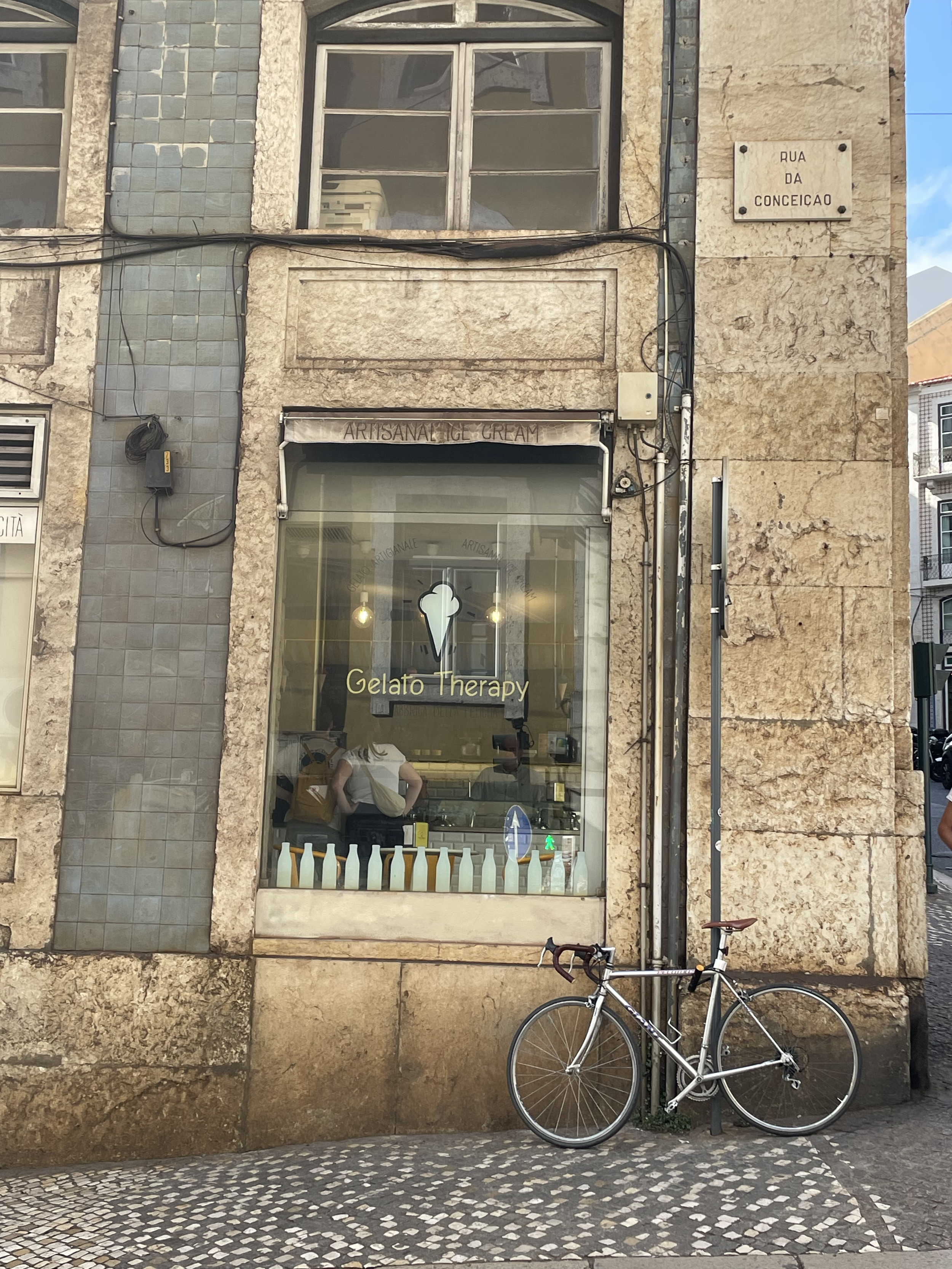
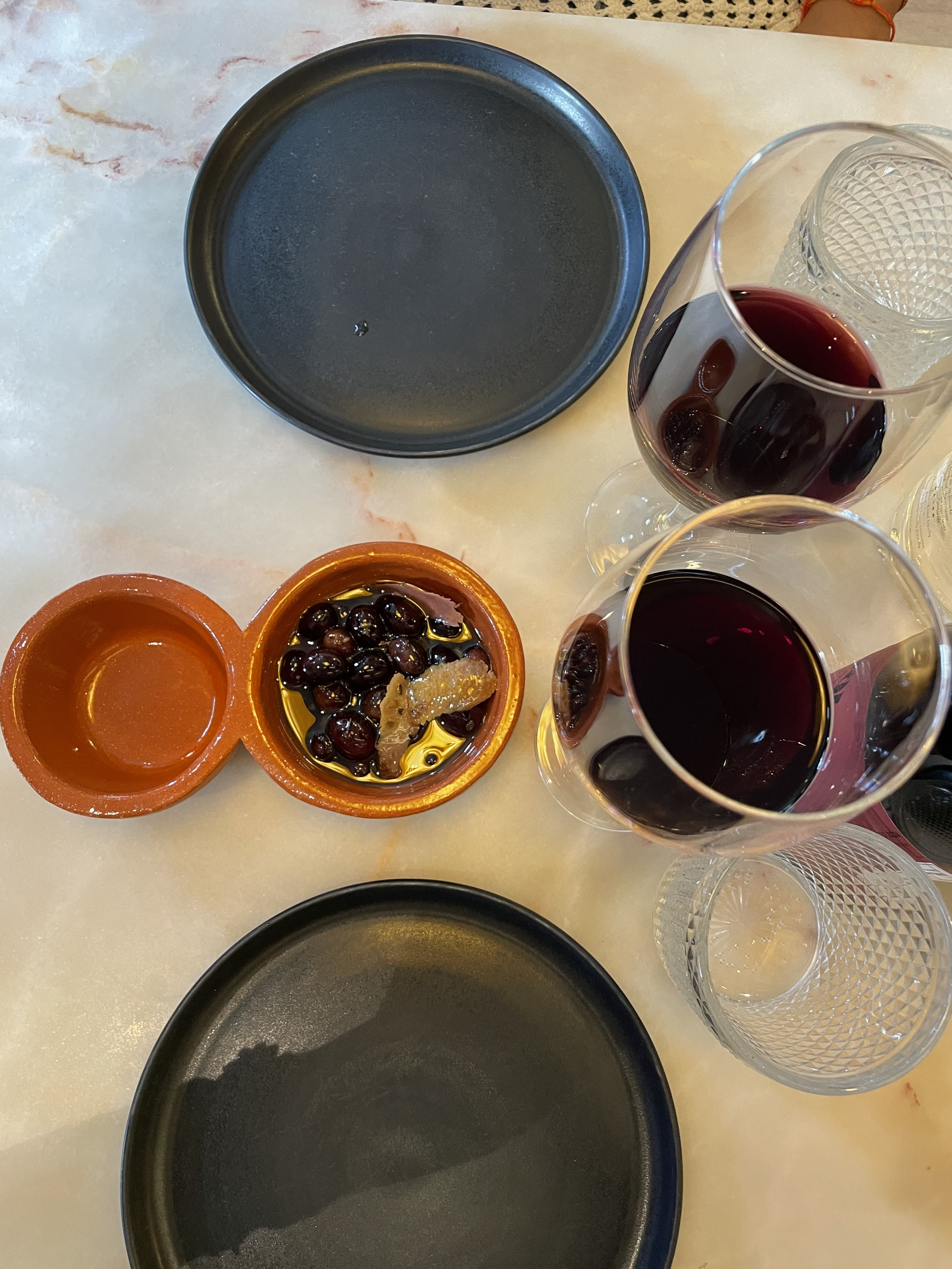
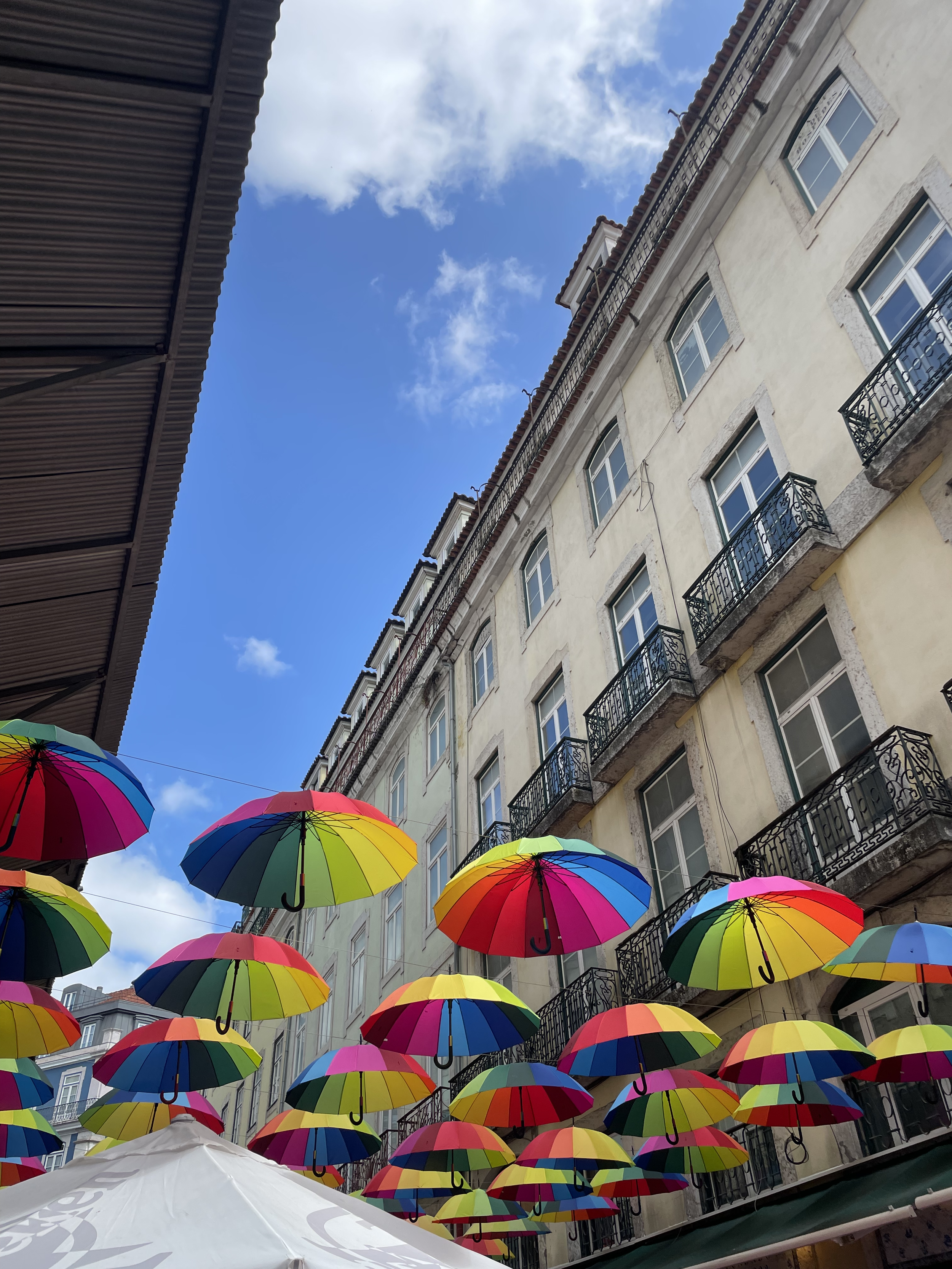
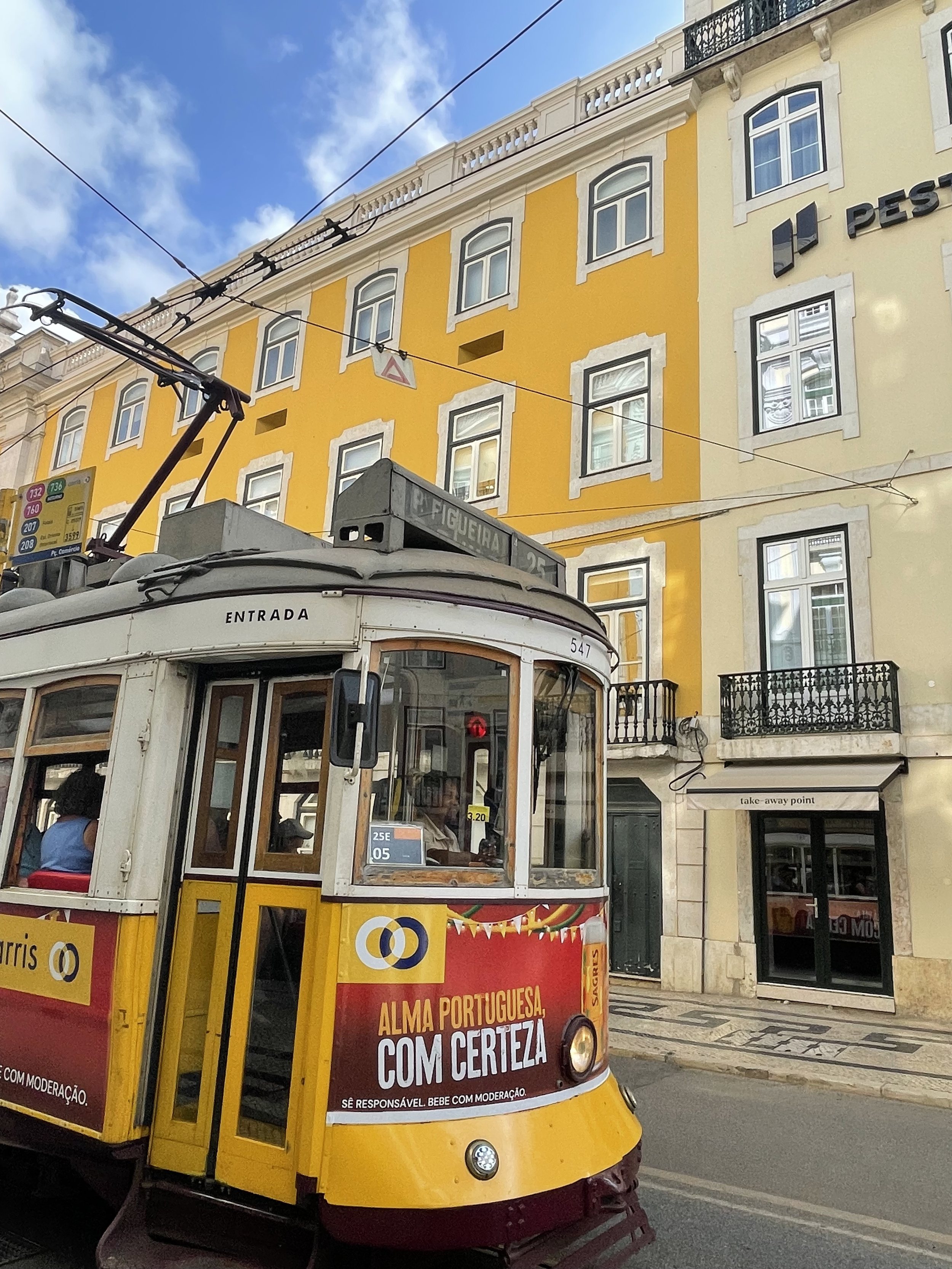
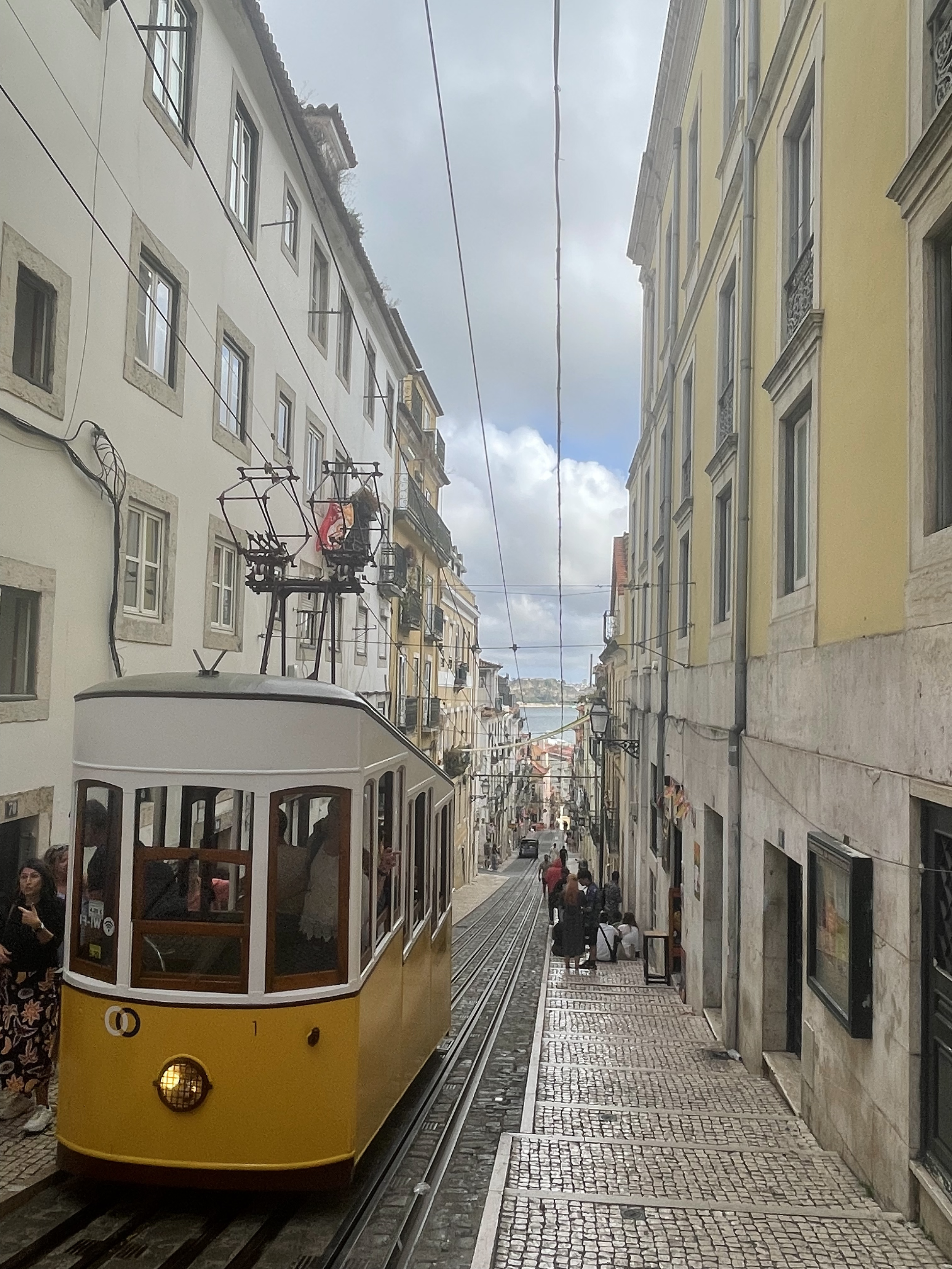
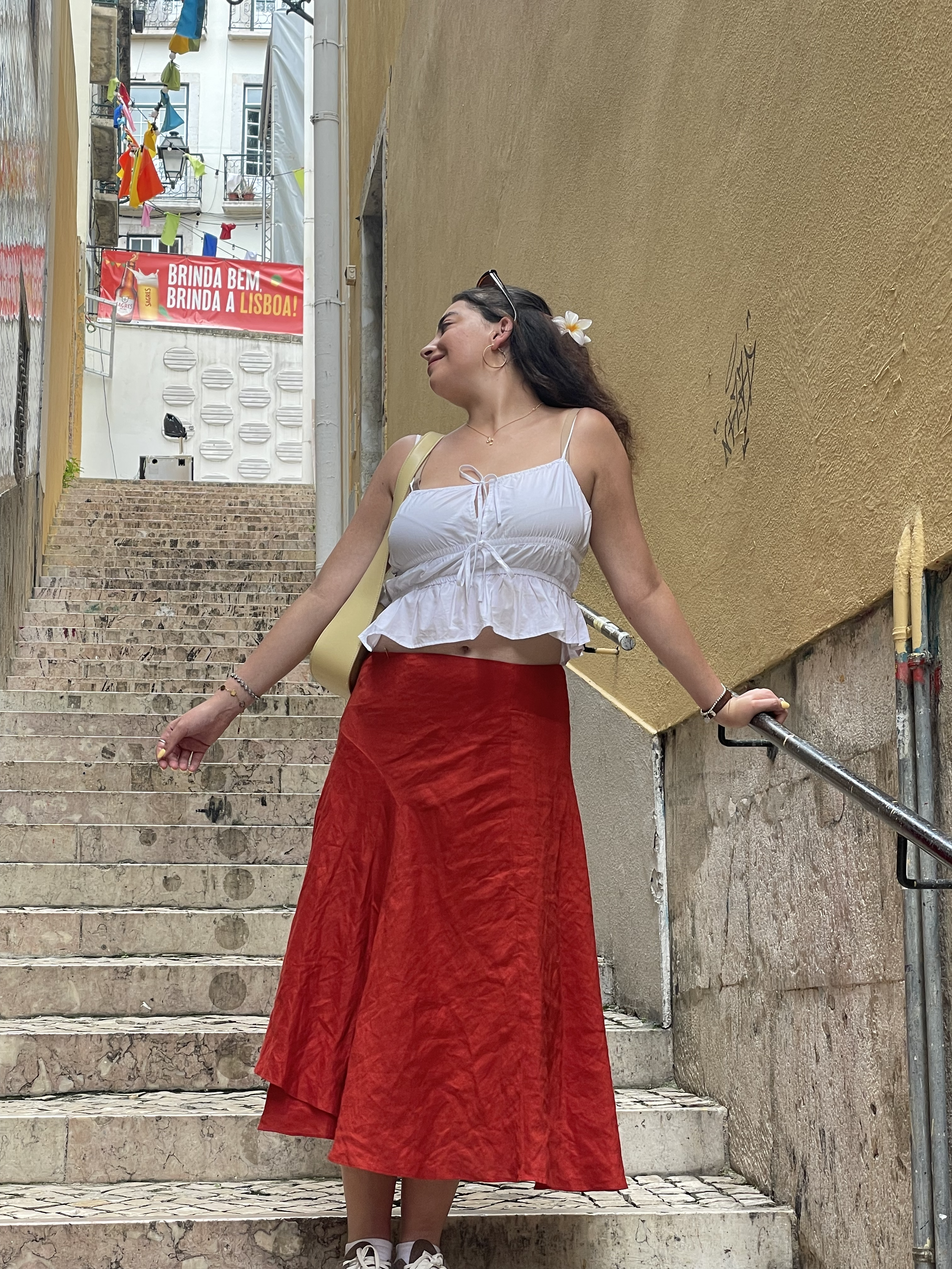
Beyond the architecture and the views, it was the atmosphere of daily life in Lisbon that stayed with me most. The city seemed built around lingering, over coffee, wine, conversation, and long walks through neighborhoods overlooking the river. Like many Mediterranean cities, Lisbon revolves around outdoor life and social rituals, yet it felt noticeably calmer and less crowded than many other large cities along the Mediterranean coast.
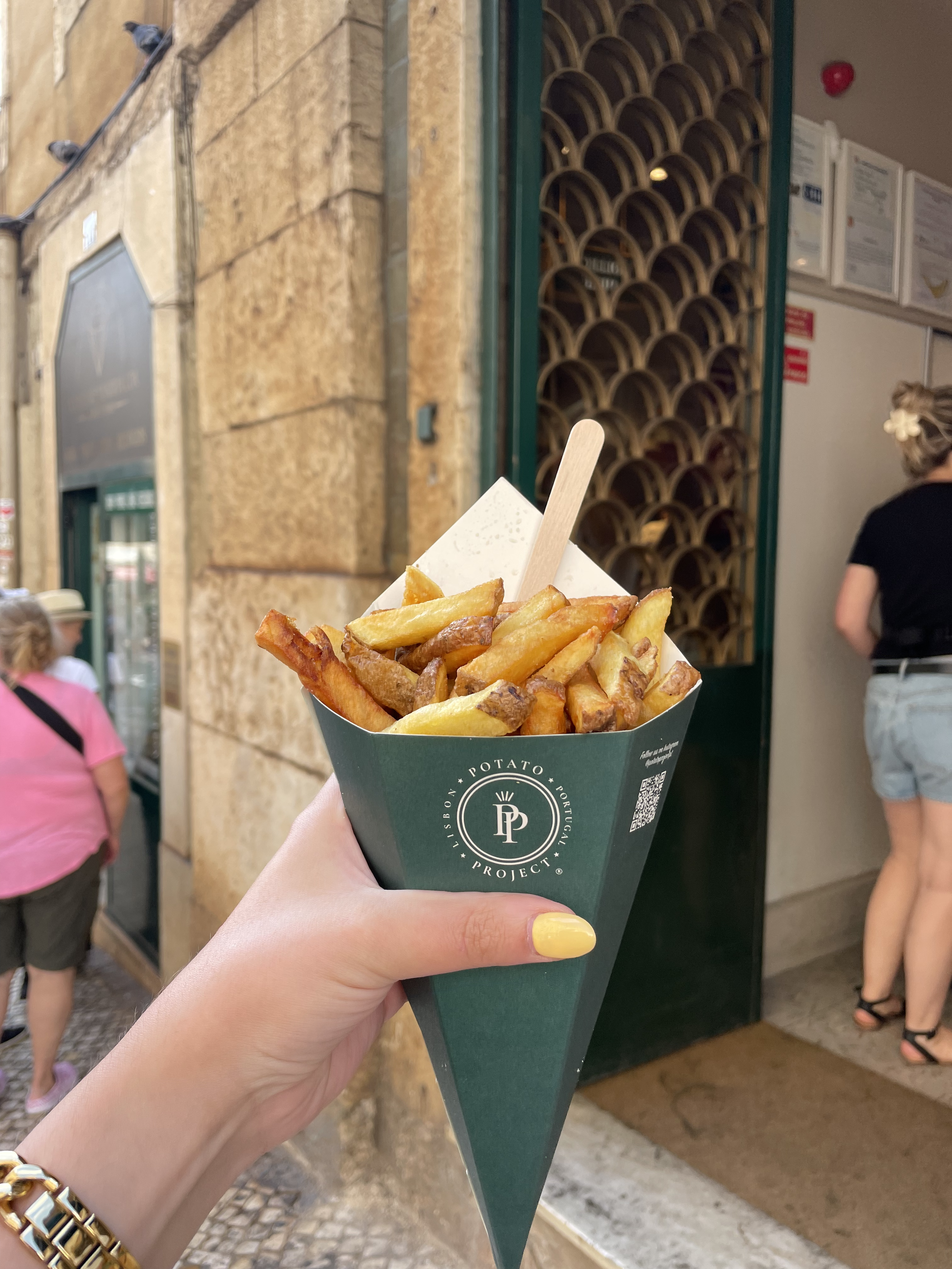
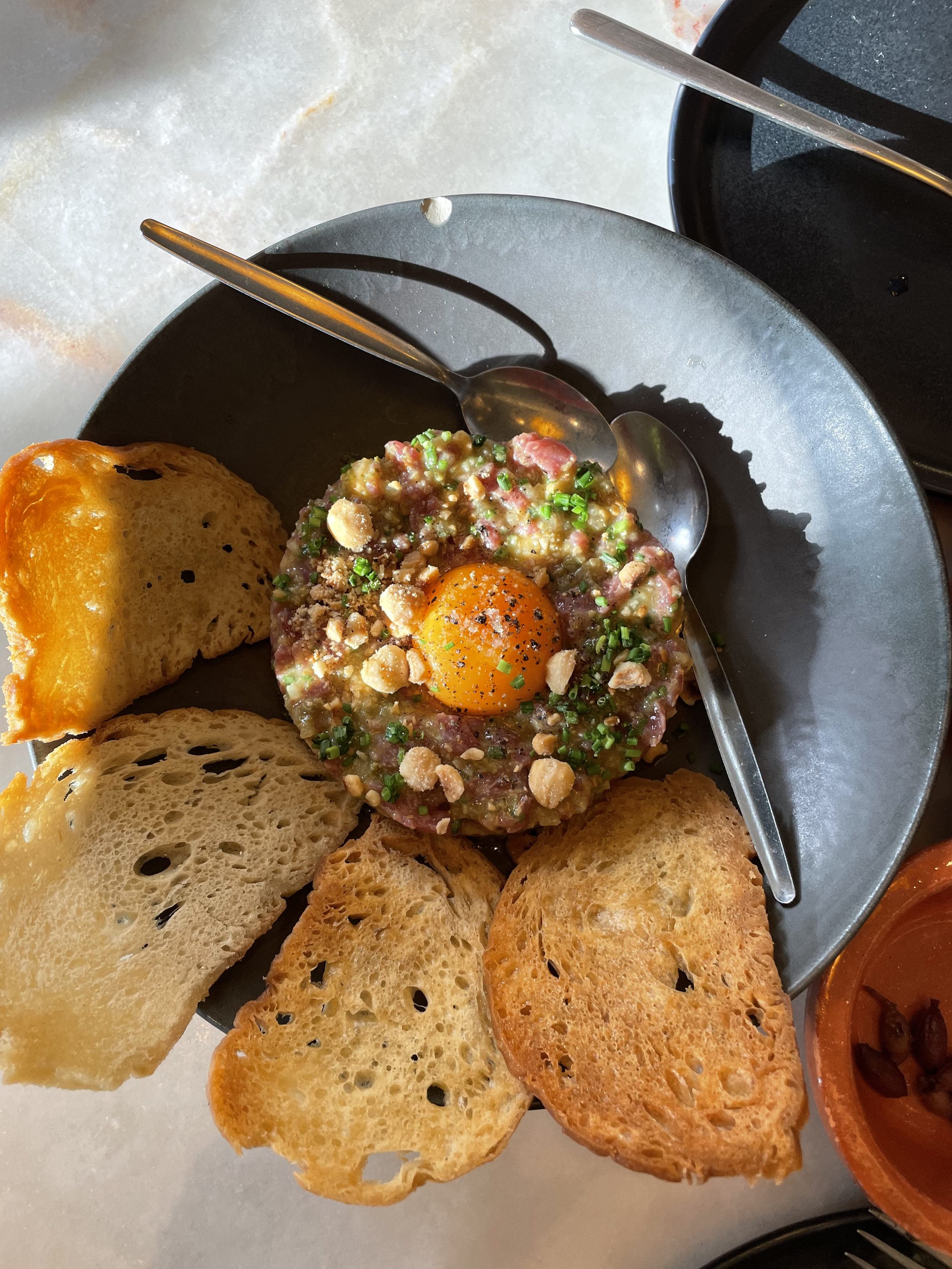
Food quickly became one of my favorite parts of being there. Meals felt social and unhurried, whether sitting outside for dinner late in the evening or stopping in small cafés throughout the day. Seafood, wine, pastries, and coffee all seemed naturally integrated into daily routines rather than treated as experiences that needed to feel curated or performative.
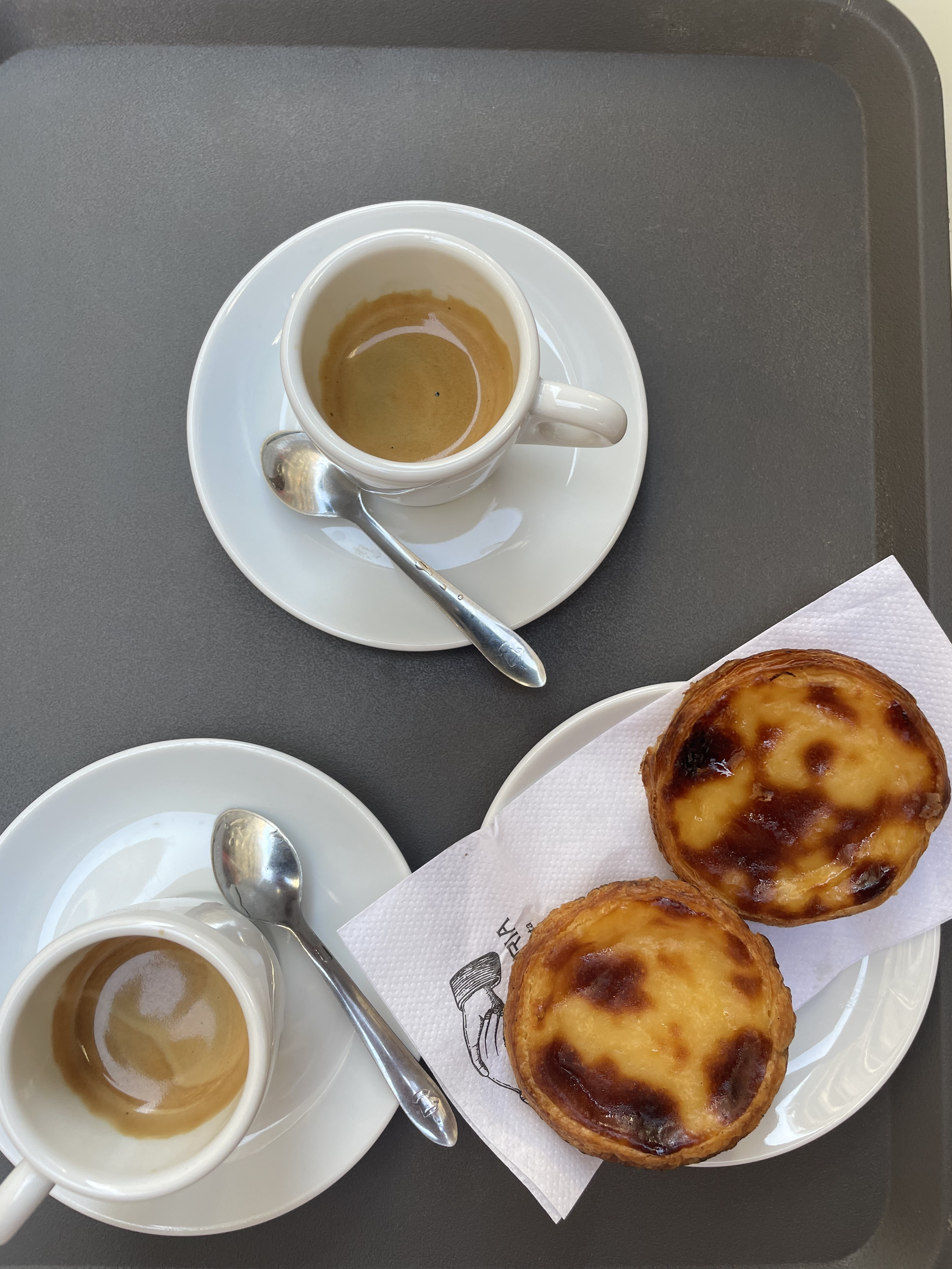
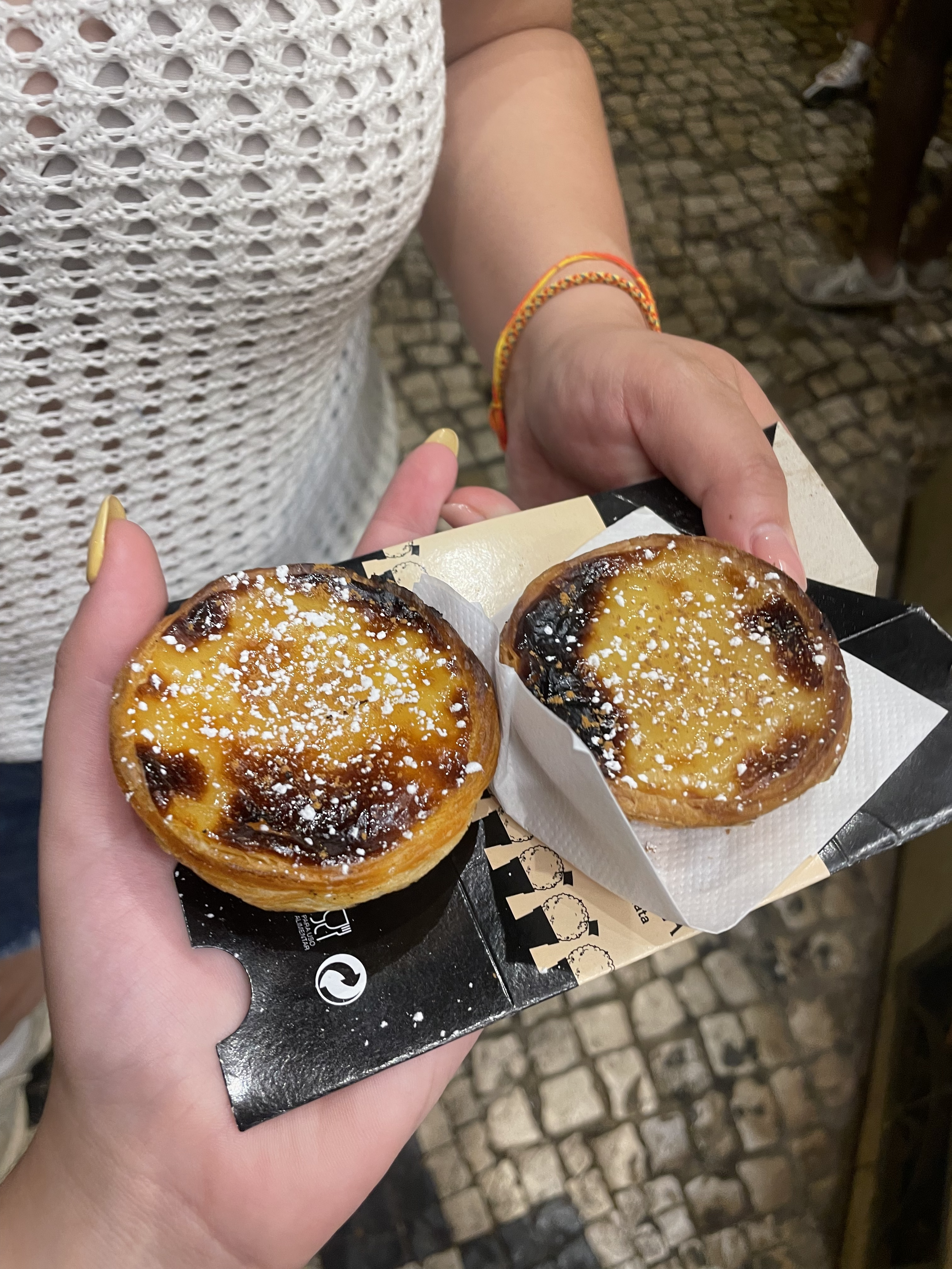
Pastéis de Nata became part of my routine. I could never have enough of them. These traditional Portuguese custard tarts, made with flaky pastry and a caramelized egg custard filling, originated in Lisbon and are still closely associated with the city. They are usually eaten warm, often with coffee, and sometimes with cinnamon or powdered sugar on top. What I liked most was how simple and everyday they felt, something people casually stopped for throughout the day rather than a special event or attraction.
The wine culture reflected a similar pace. Evenings often centered around simple meals, conversation, and sitting outside for hours at a time. Some of my favorite moments in Lisbon were the more unplanned ones, staying at restaurants longer than expected, walking back through the city after dinner, or stopping near the waterfront before heading home. Another thing that stood out to me was the politeness of the people. Interactions throughout the city consistently felt warm and respectful, whether in cafés, restaurants, shops, or while asking for directions. Combined with the slower pace of the city, it created an atmosphere that felt welcoming without trying too hard to impress visitors.
Looking back, I think that is what I appreciated most about Lisbon. Despite being a major European capital, it still feels grounded in everyday routines and local life. The city encourages you to slow down enough to notice small things, long meals, tiled streets, neighborhood cafés, late evening conversations, and the simple rituals that shape daily life throughout the city.