On the Quiet Elegance of Milan
Milan is not a city people usually fall in love with immediately. It does not have the obvious romance of Rome, the cinematic beauty of Venice, or the Renaissance grandeur of Florence. Compared to other Italian cities, Milan can initially feel colder, faster, more industrial, and at times even difficult to fully understand. It is a city built around work, fashion, business, and design, where people move quickly and beauty often feels less visible on the surface.
Growing up there, I never fully appreciated Milan in the way I do now. It took distance, time, and returning to the city repeatedly to begin noticing the quieter details that define it: hidden courtyards behind heavy wooden doors, old trams moving slowly through the streets, long aperitivo evenings, beautifully designed cafés, historic apartment buildings, bookstores, galleries, and neighborhoods like Brera that seem to reveal a softer and more intimate side of the city.
Over time, I began realizing that Milan’s beauty is rarely immediate. It is a city that rewards curiosity and observation more than spectacle. Much of its elegance exists behind closed doors, inside interiors, private gardens, restaurants, art spaces, and homes shaped by generations of design culture. Fashion, architecture, furniture, art, and everyday life all seem naturally connected there in a way I have rarely experienced elsewhere.
Brera, in particular, became one of the places that changed my relationship with Milan most deeply. My family and I often go there for dinner when I am back in the city, and over time it has become closely tied in my mind to the atmosphere I now associate with Milanese elegance itself. The narrow streets, quiet corners, galleries, bookstores, cafés, and slower rhythm of the neighborhood feel very different from the image many people initially have of Milan.
This board brings together moments, places, interiors, architecture, and atmospheres that reflect the quieter side of the city I slowly learned to appreciate over time.
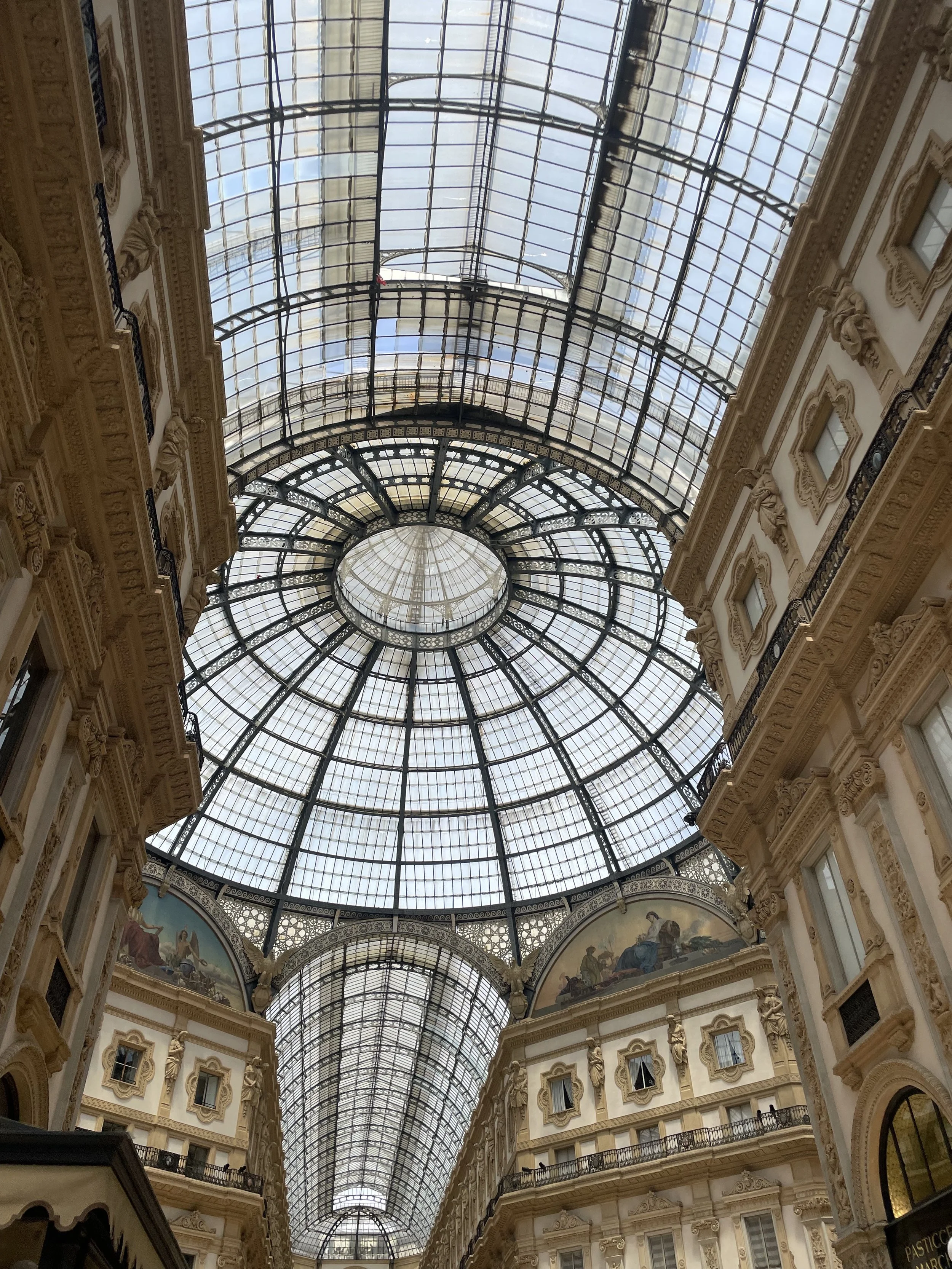
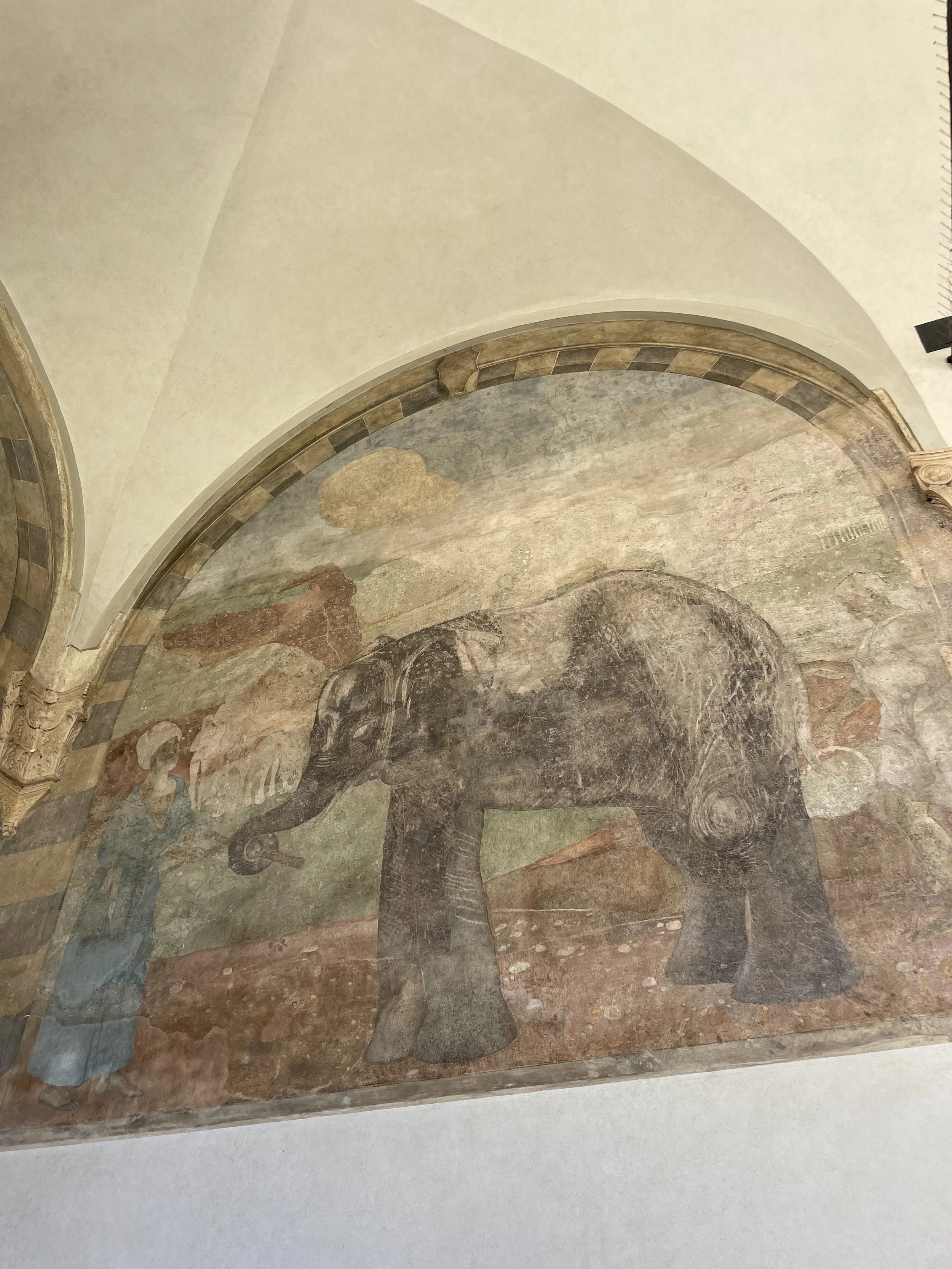
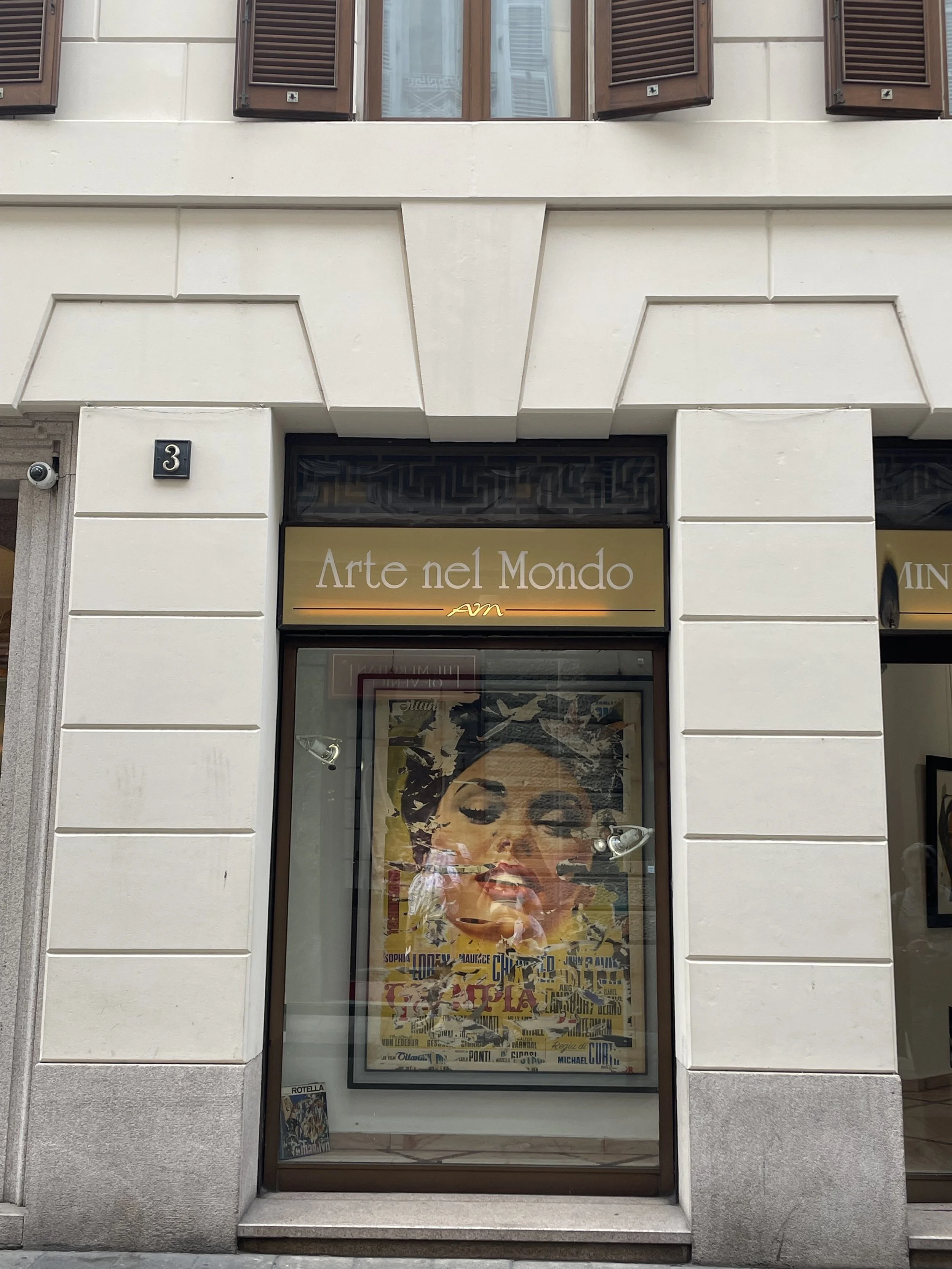
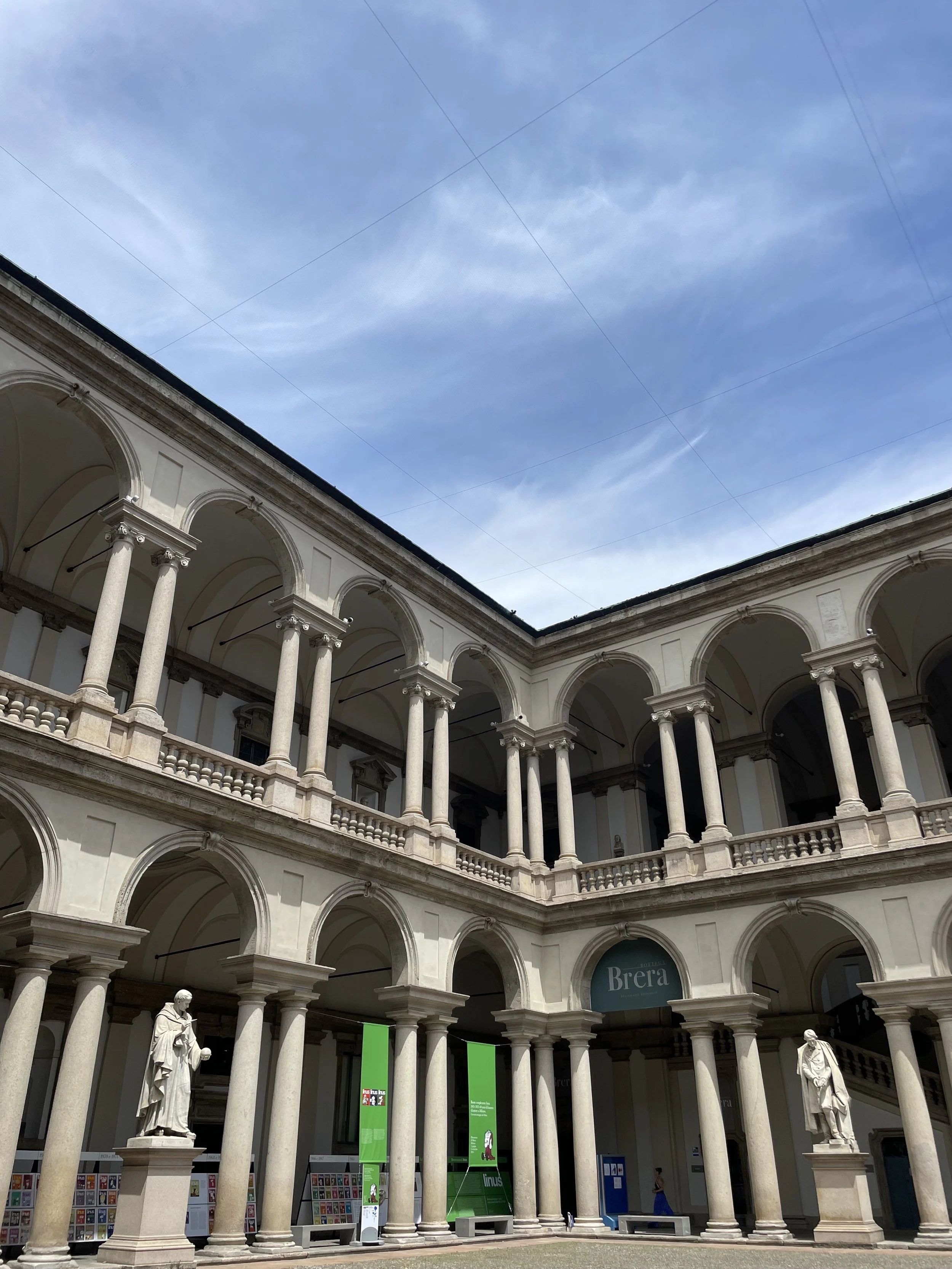

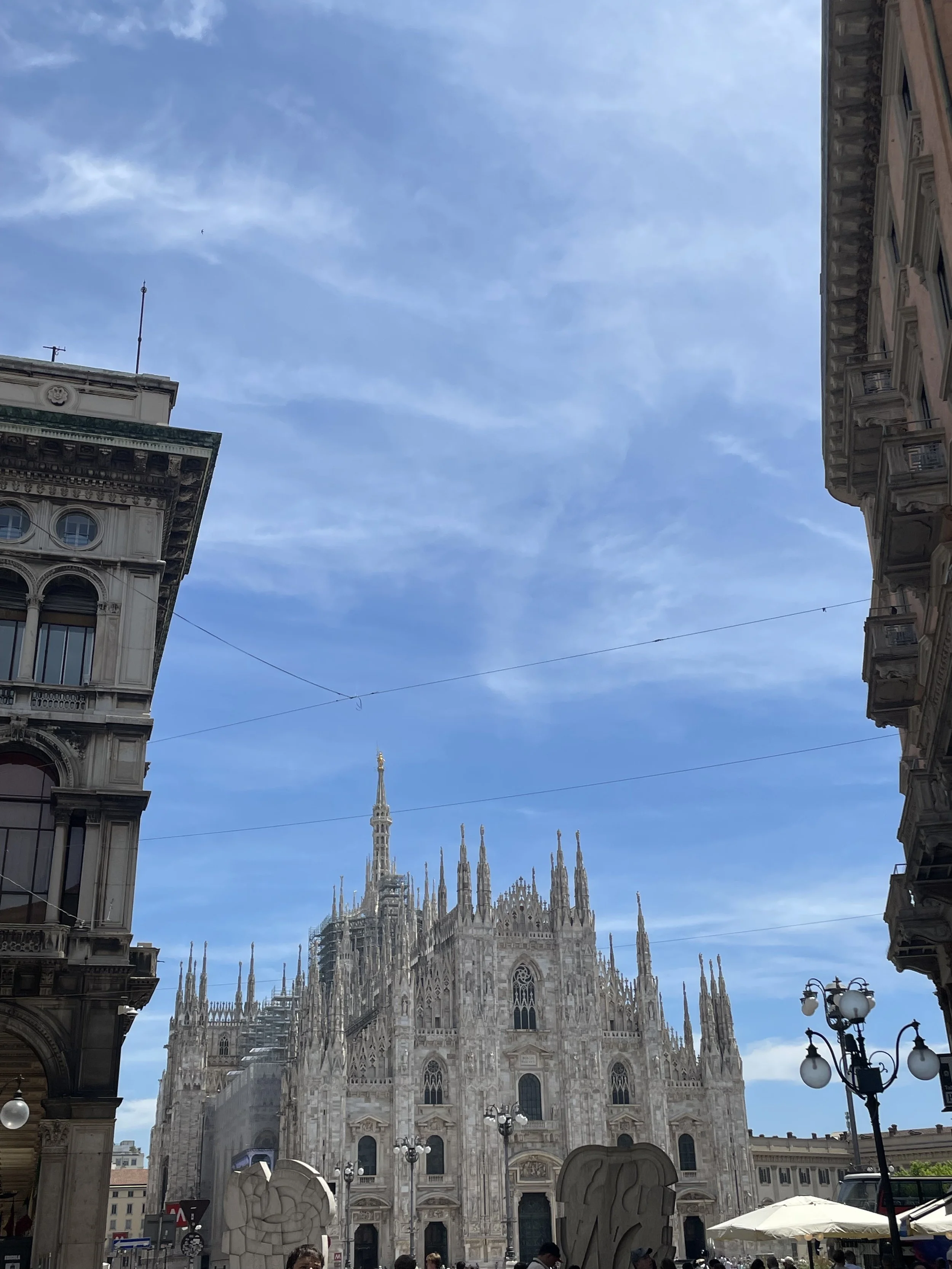

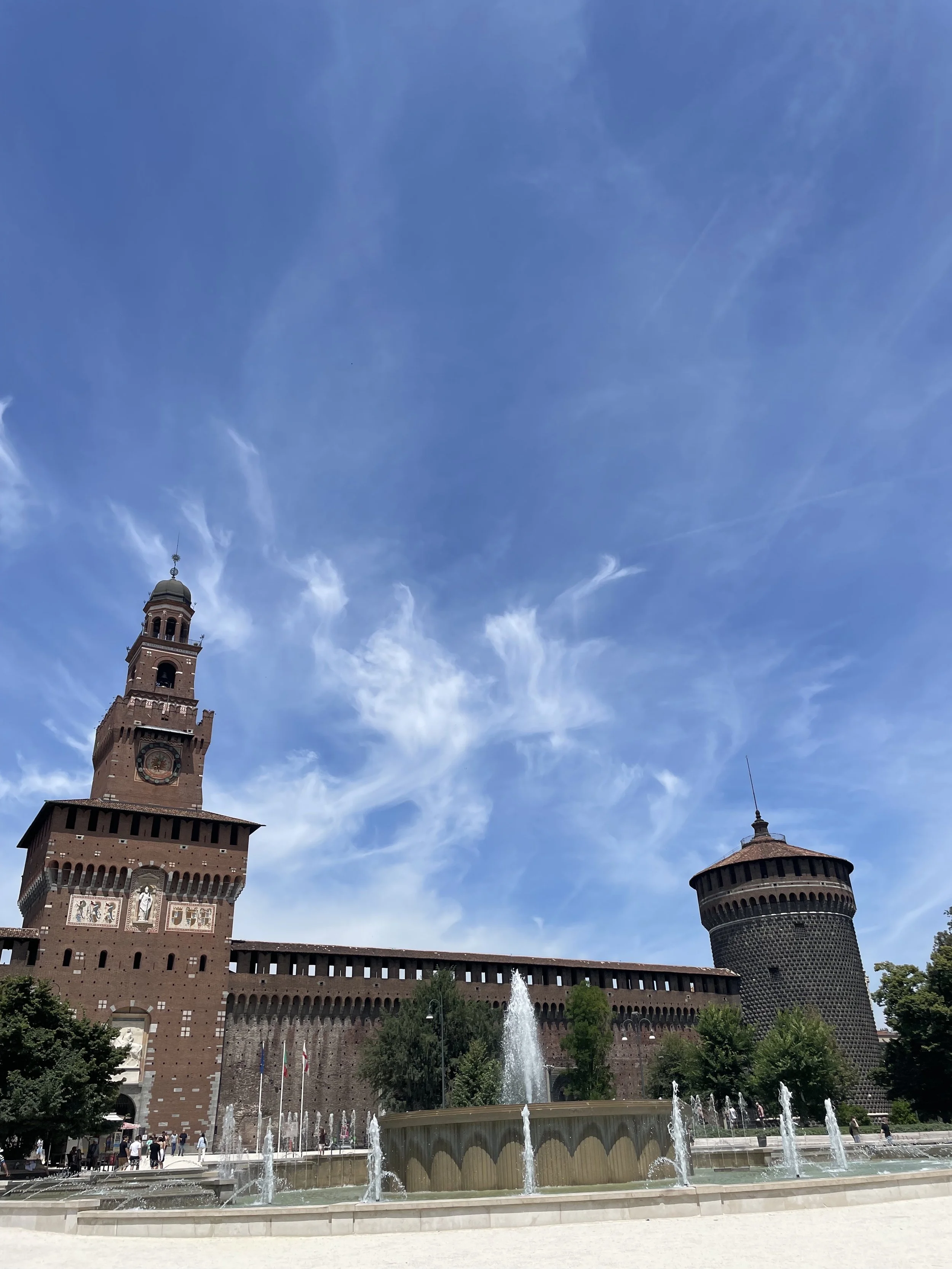
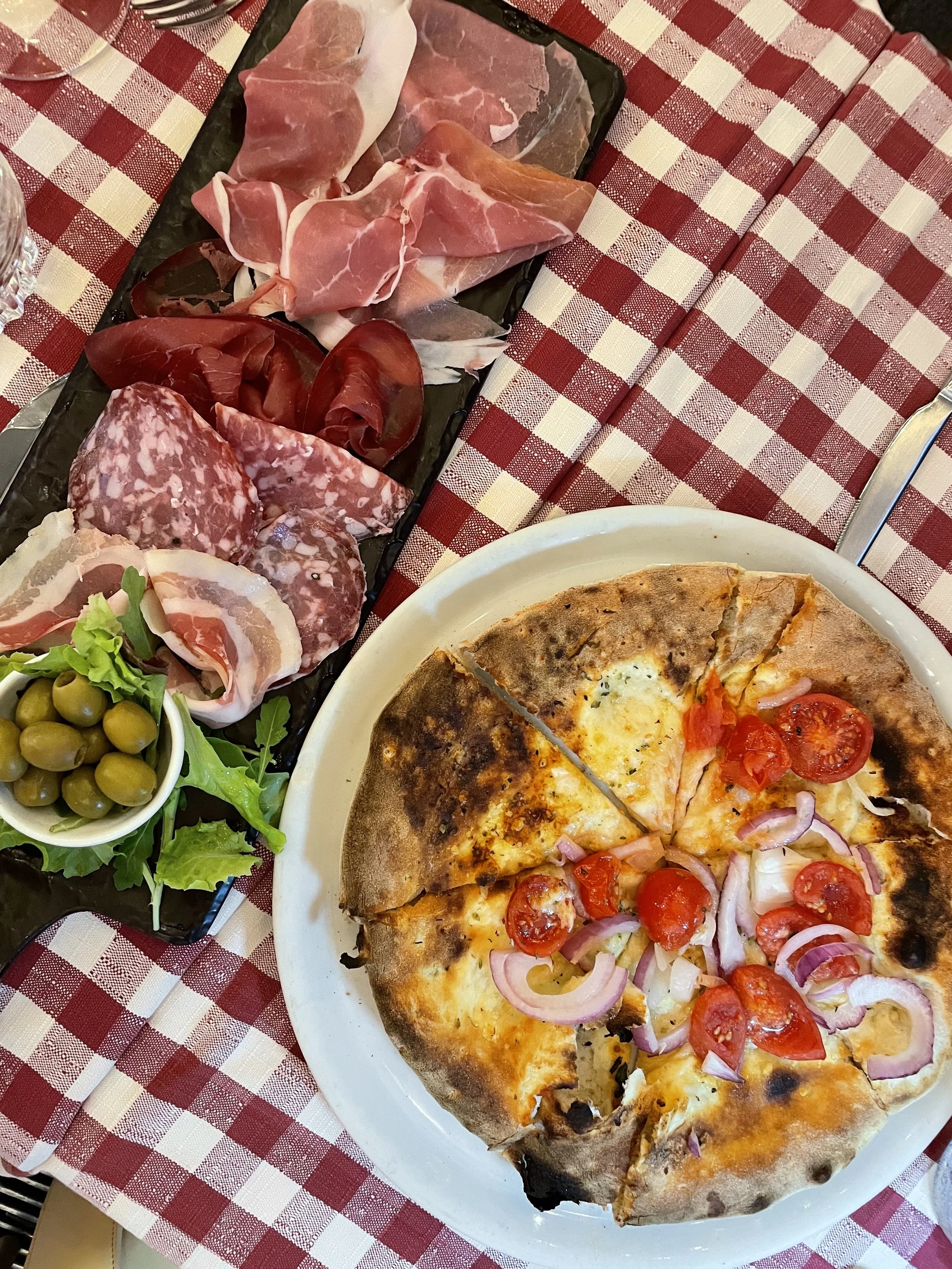
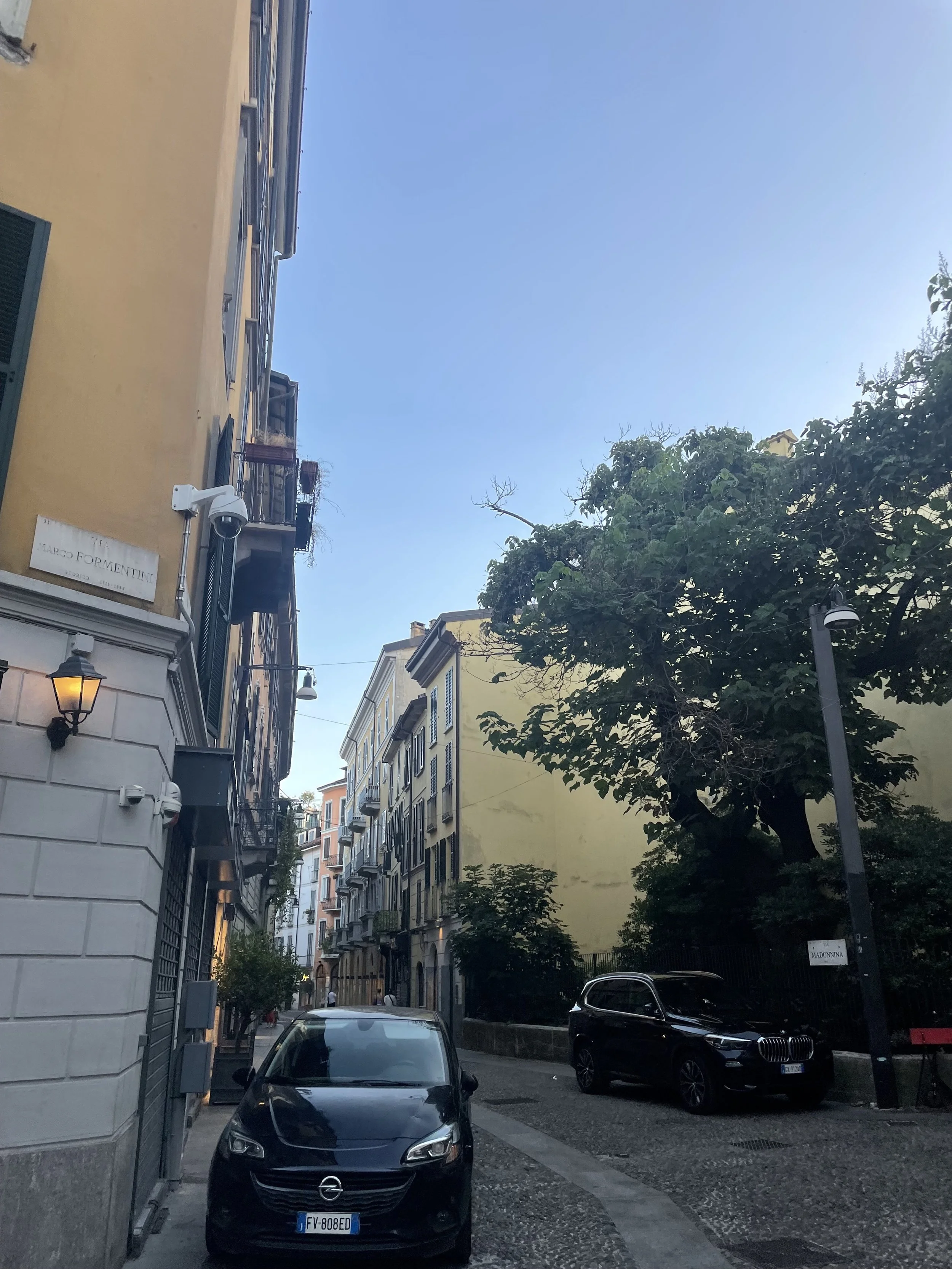
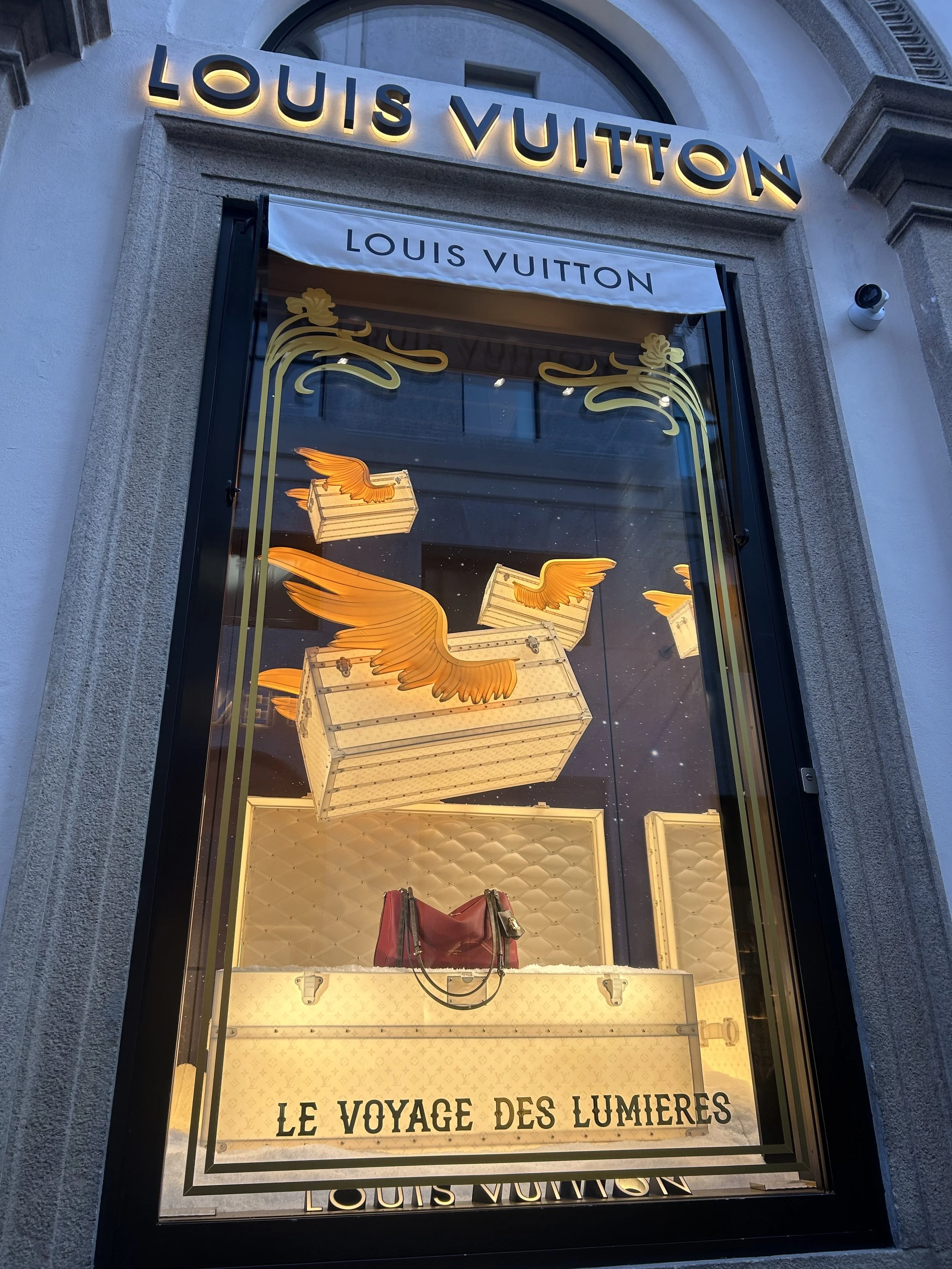
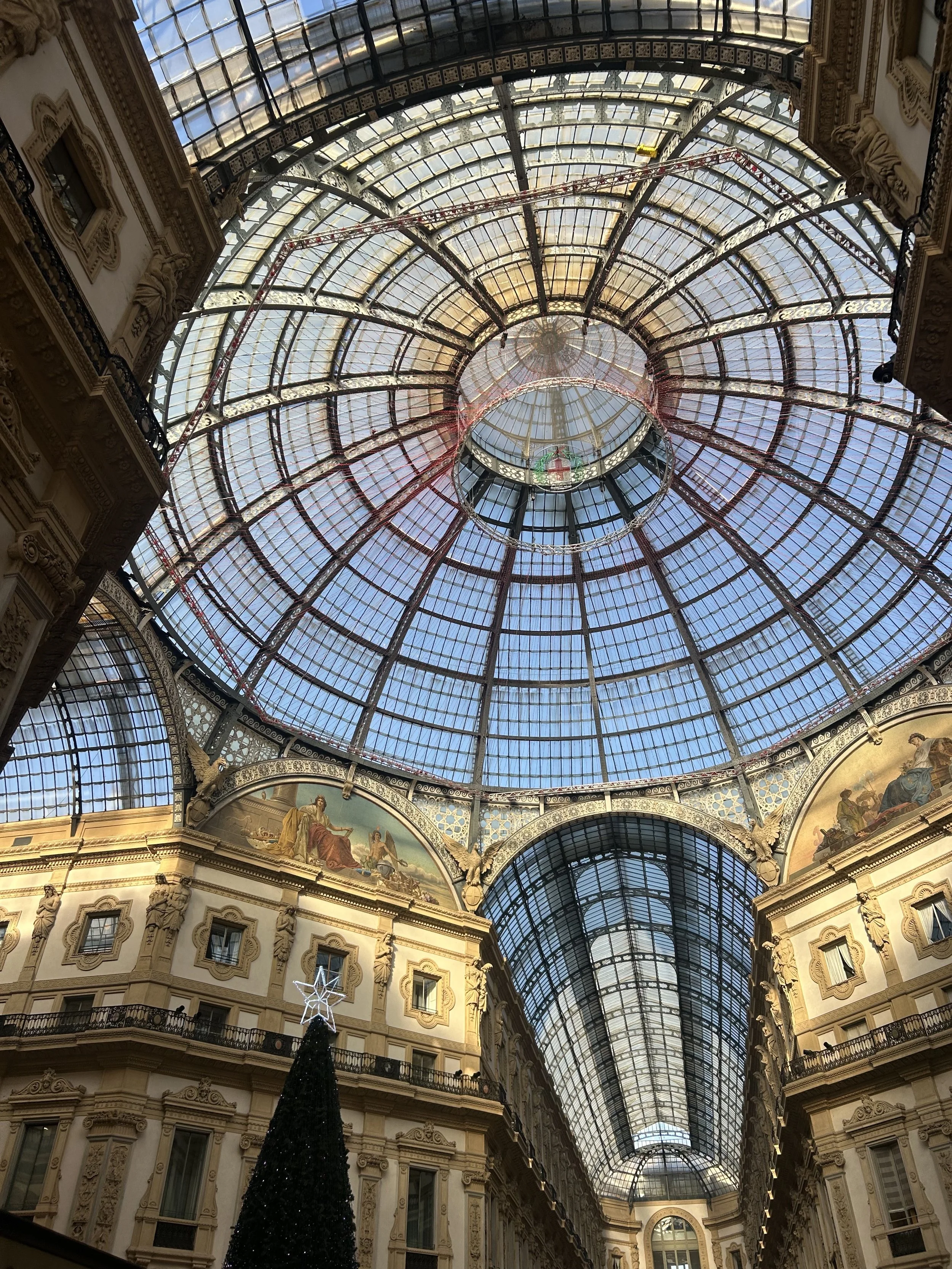
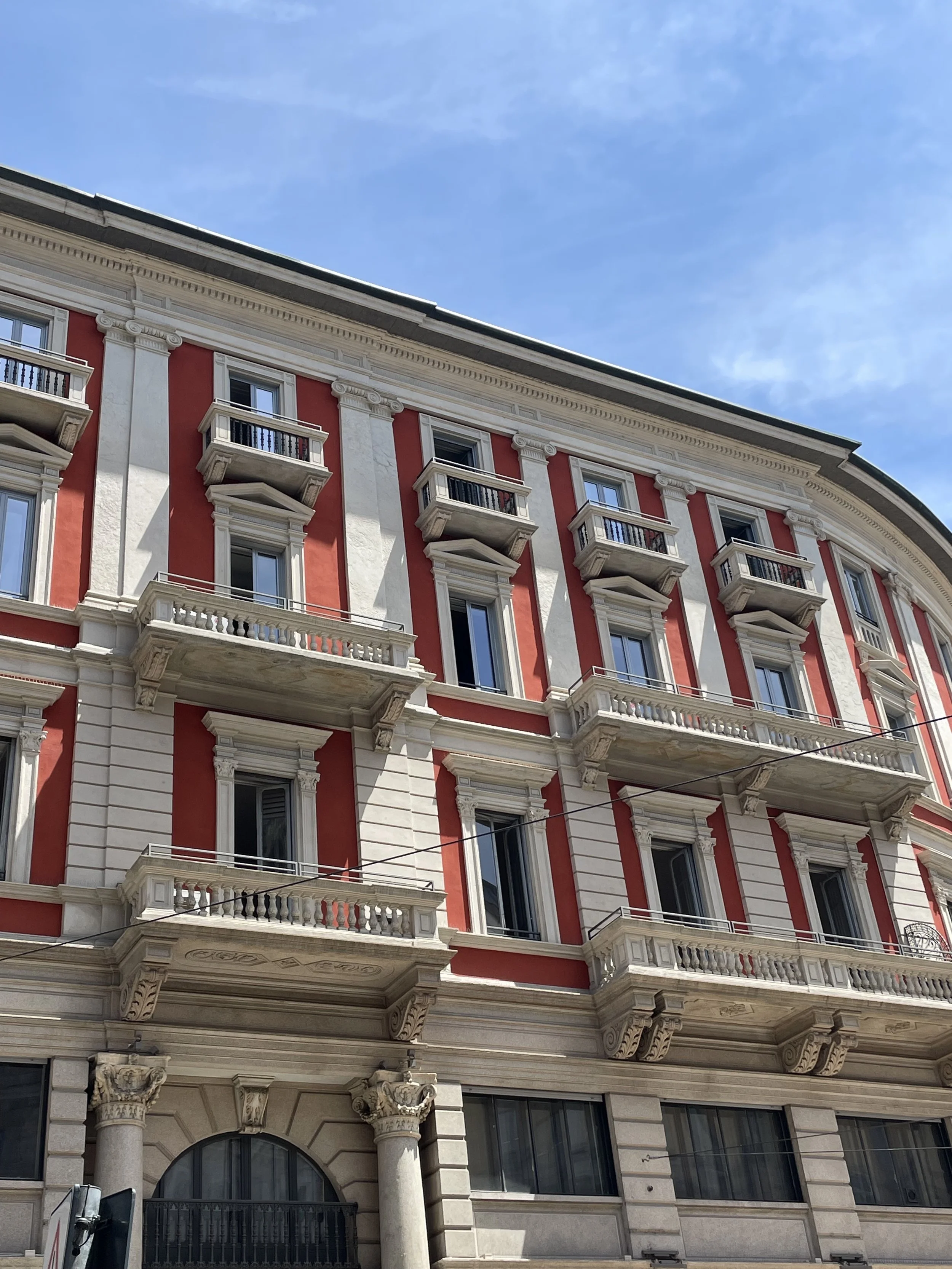
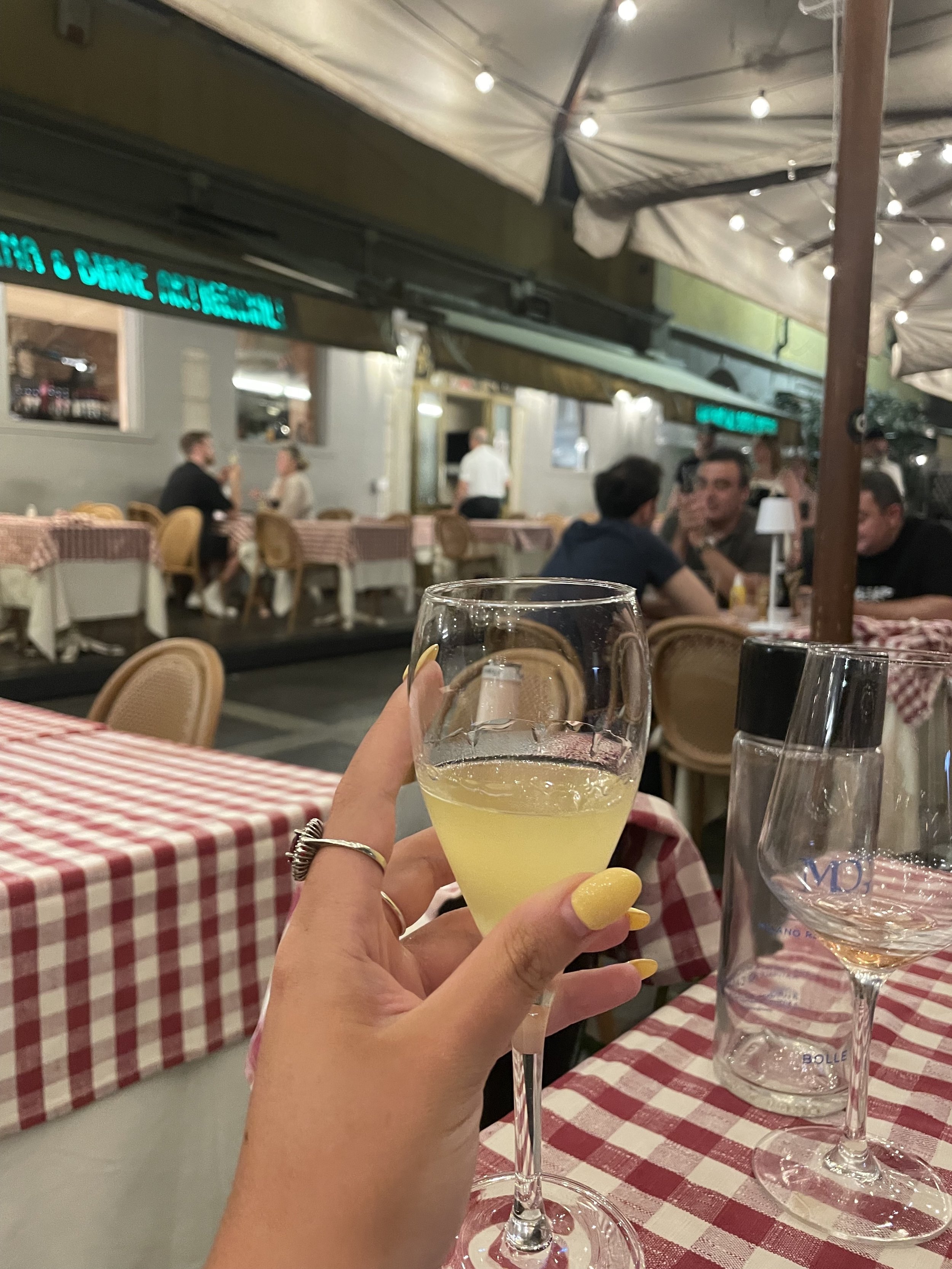
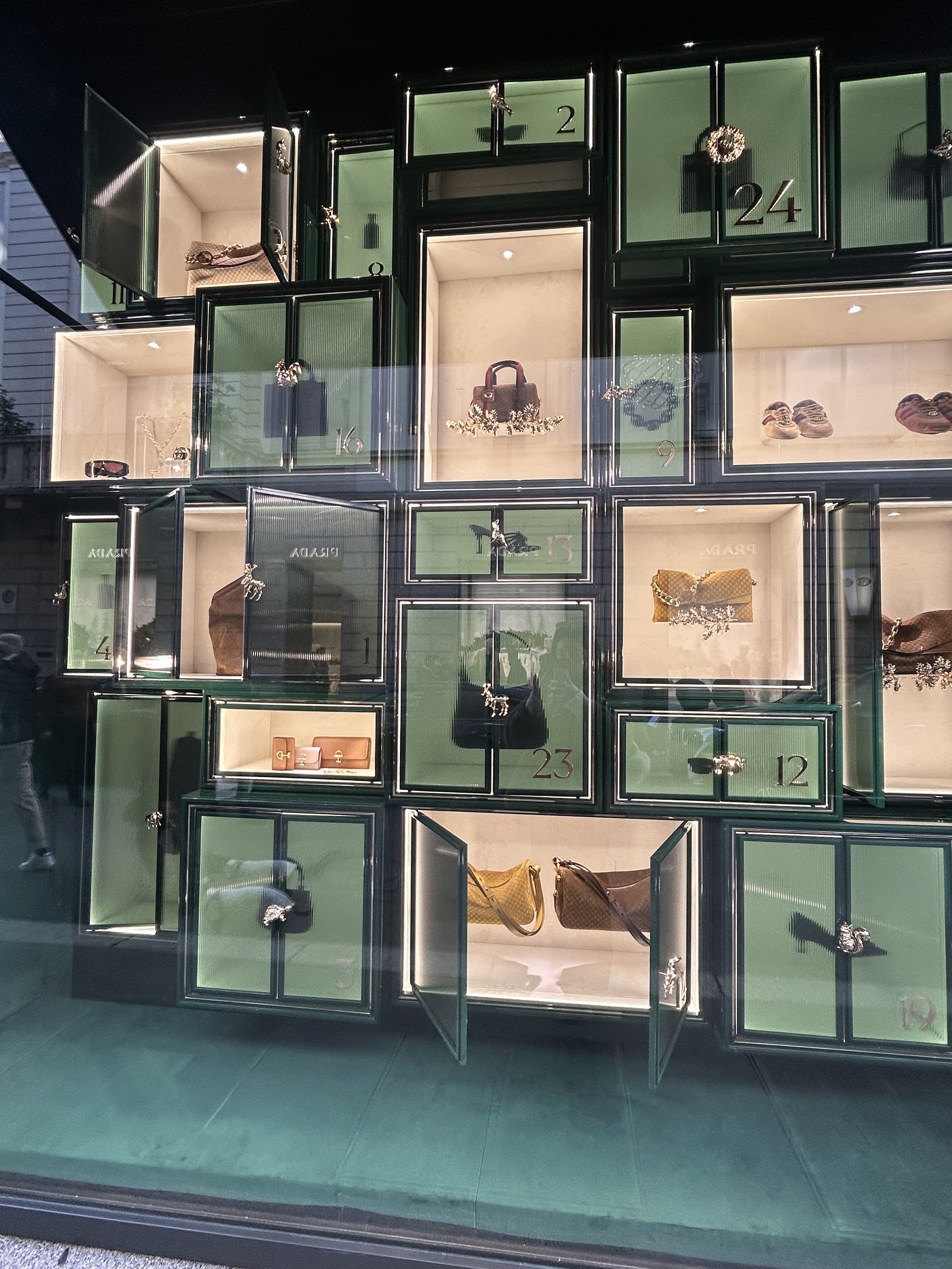
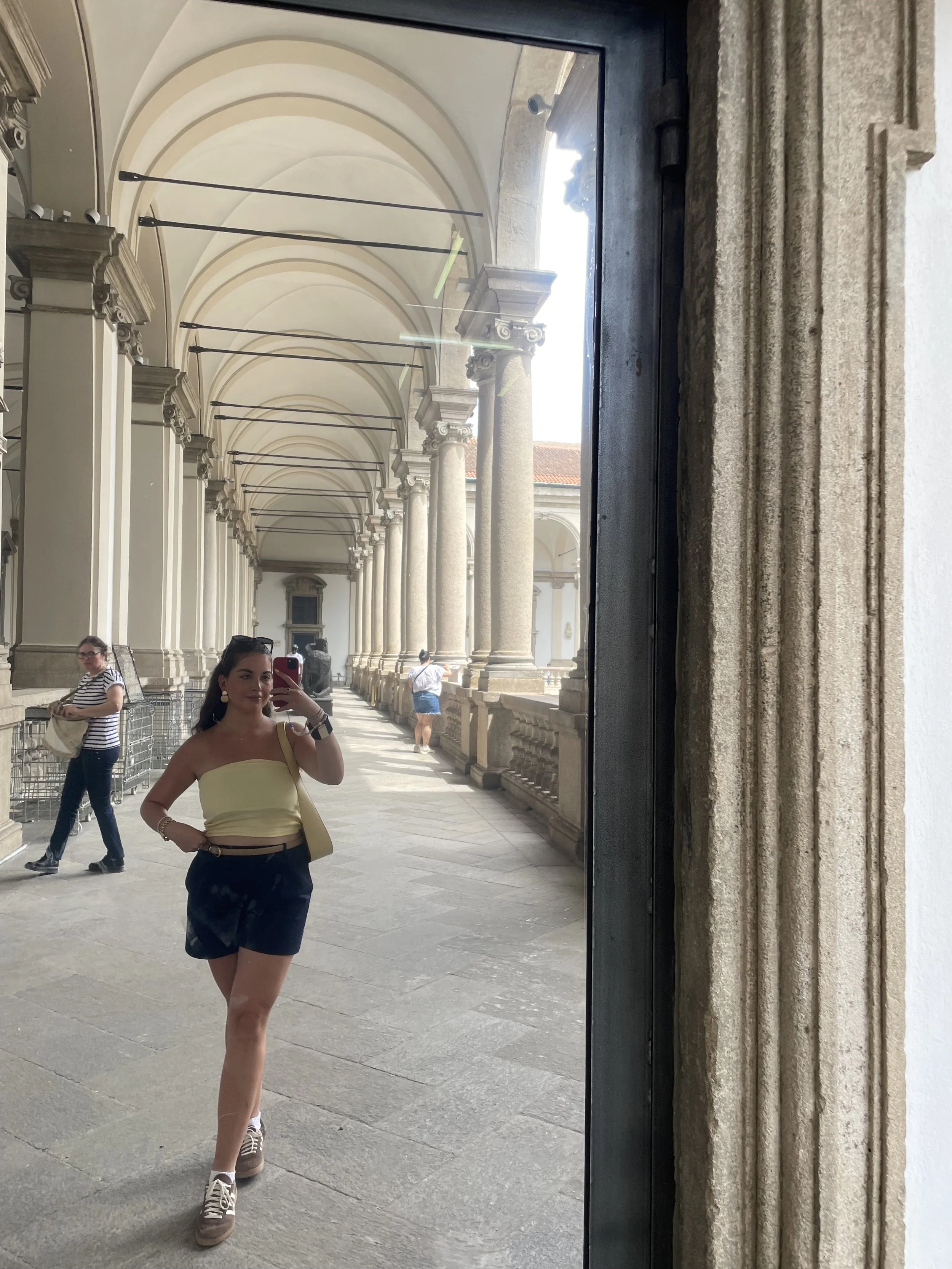
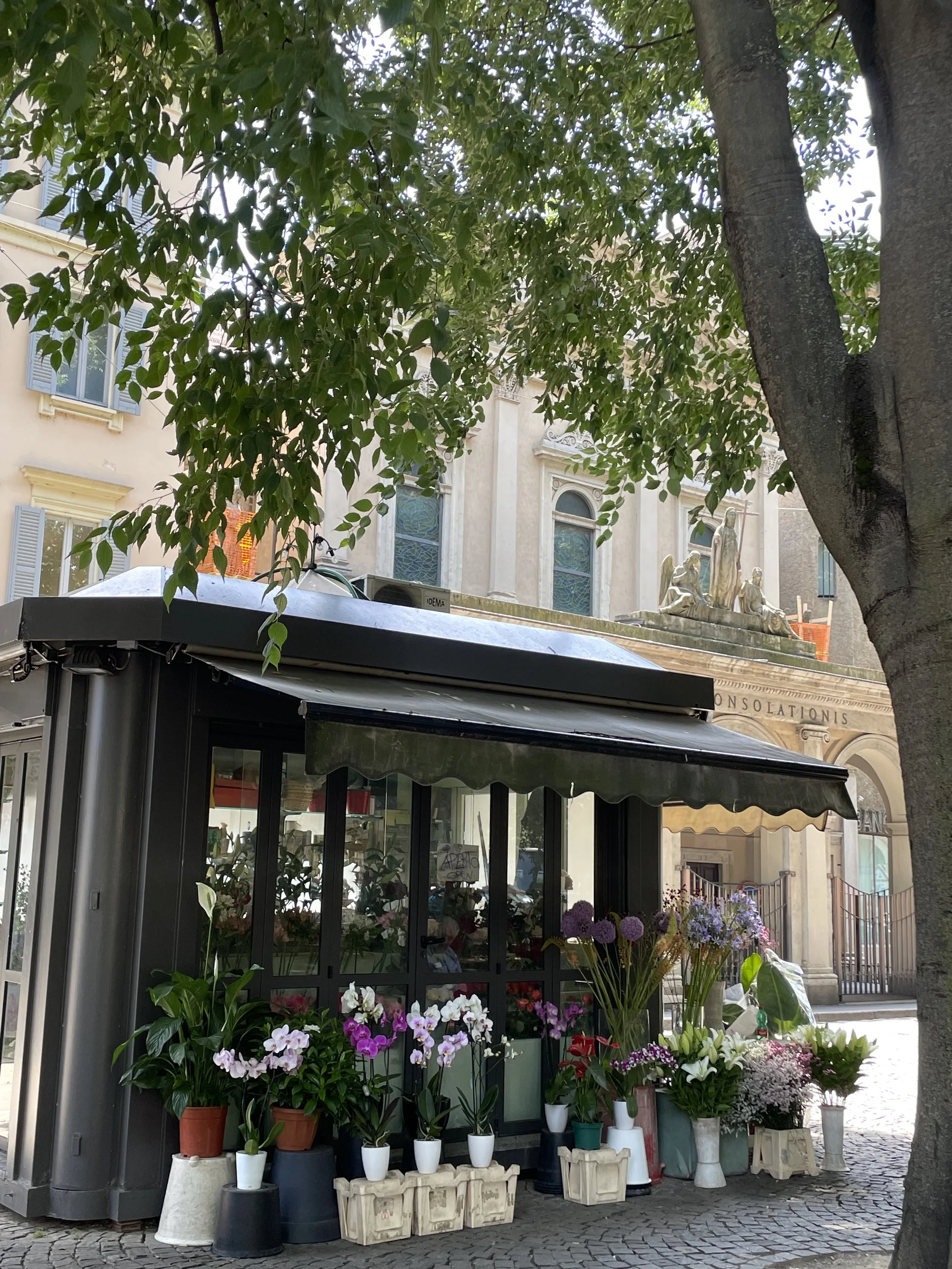
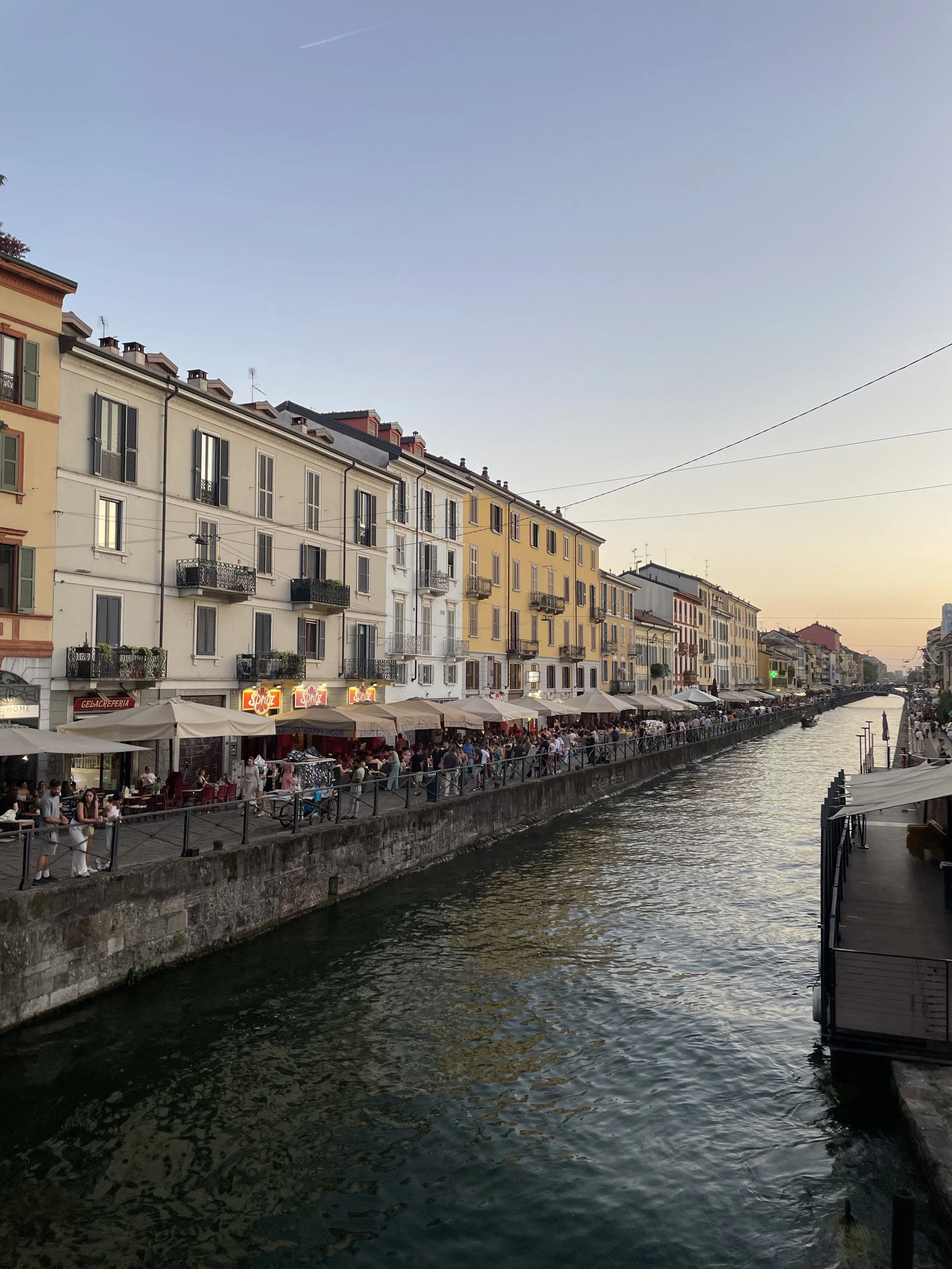
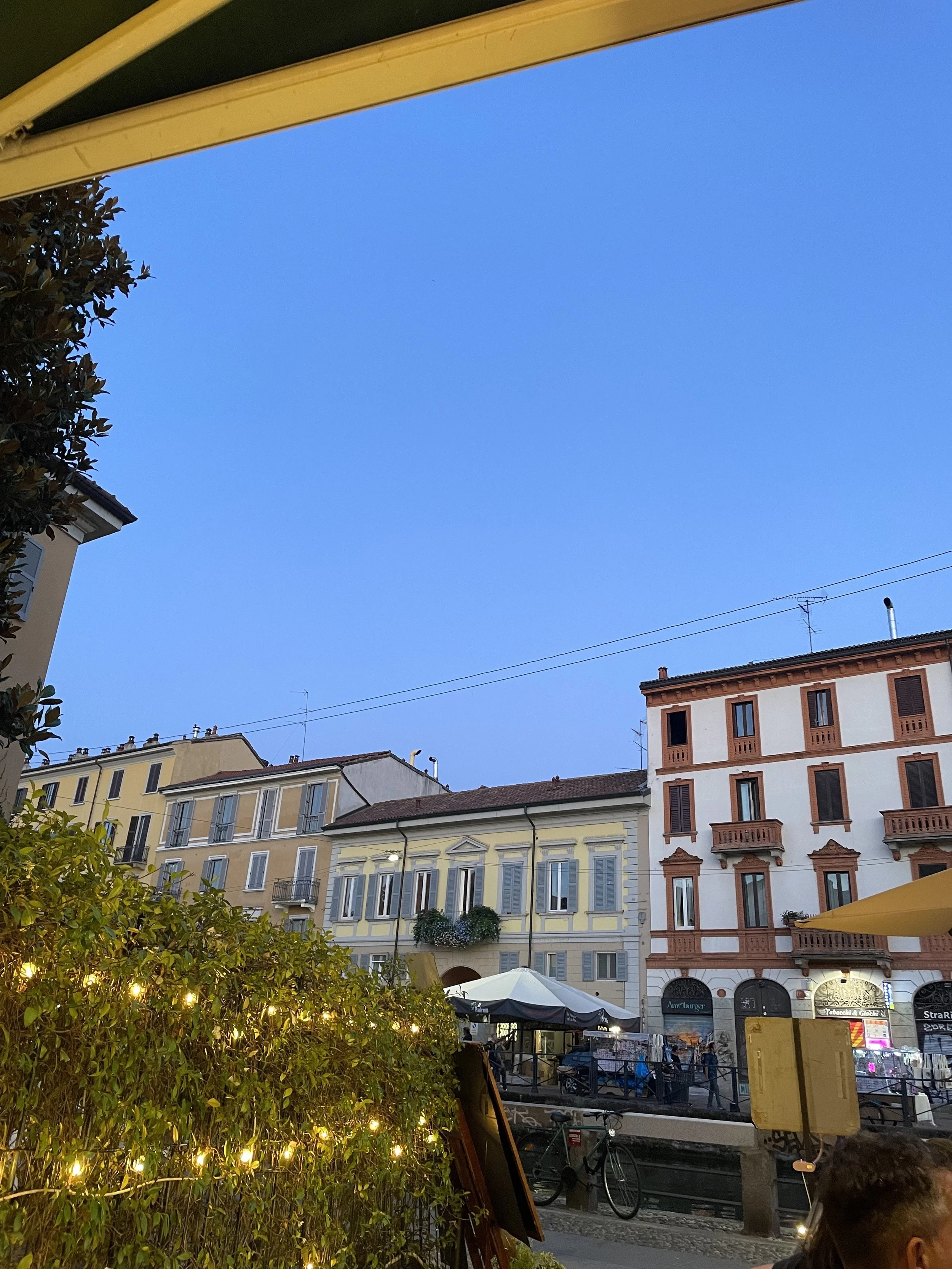
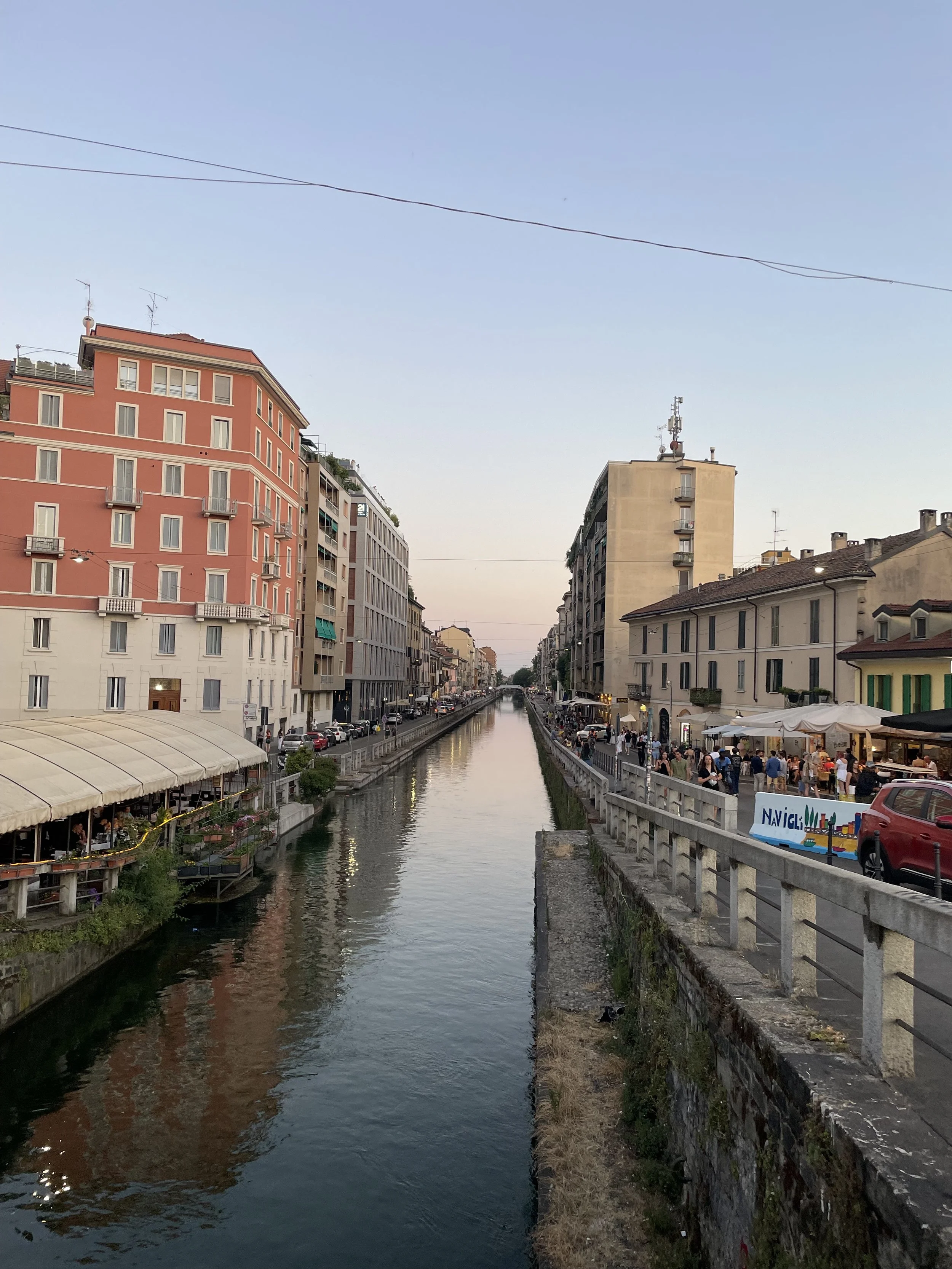
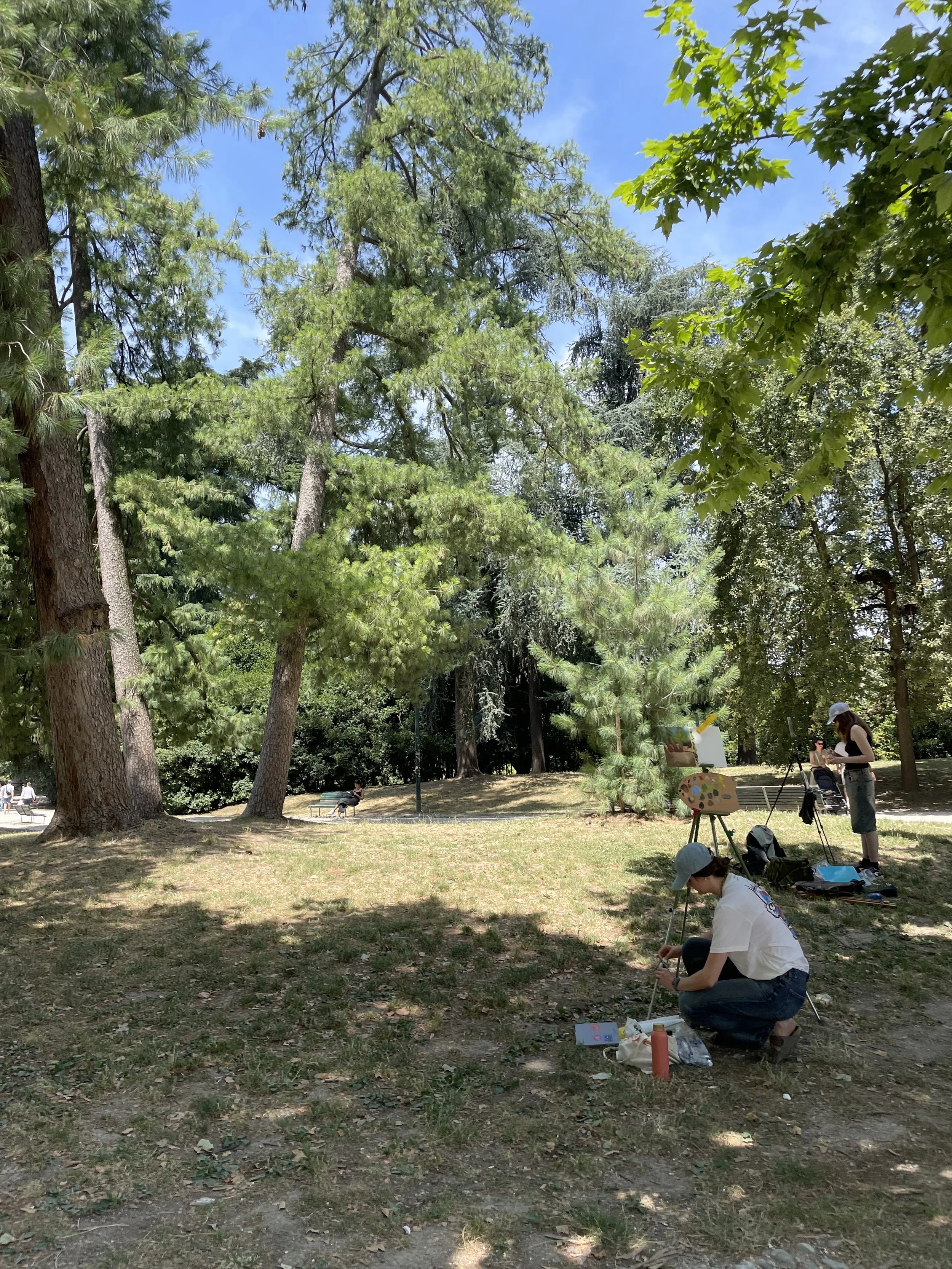
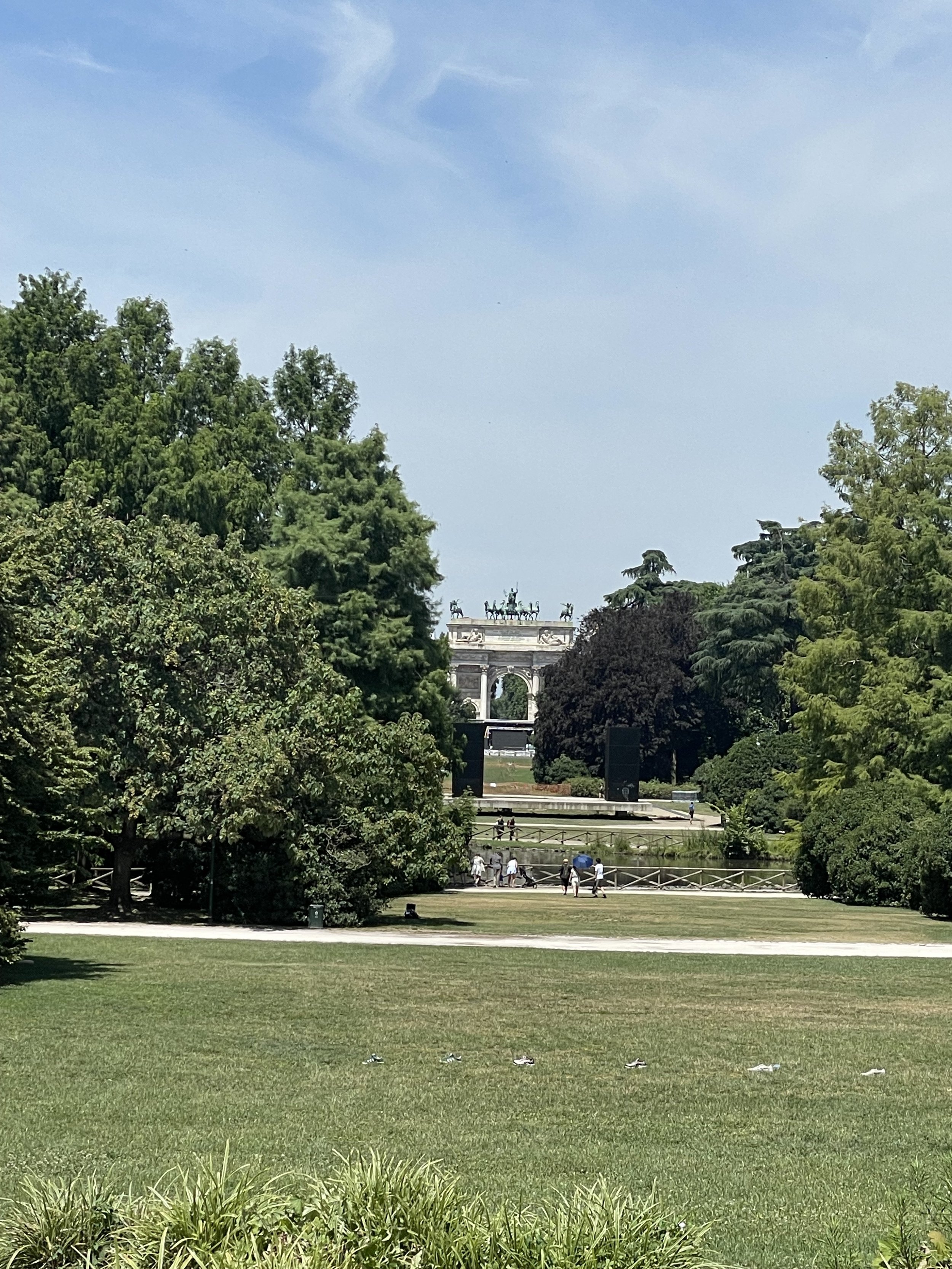
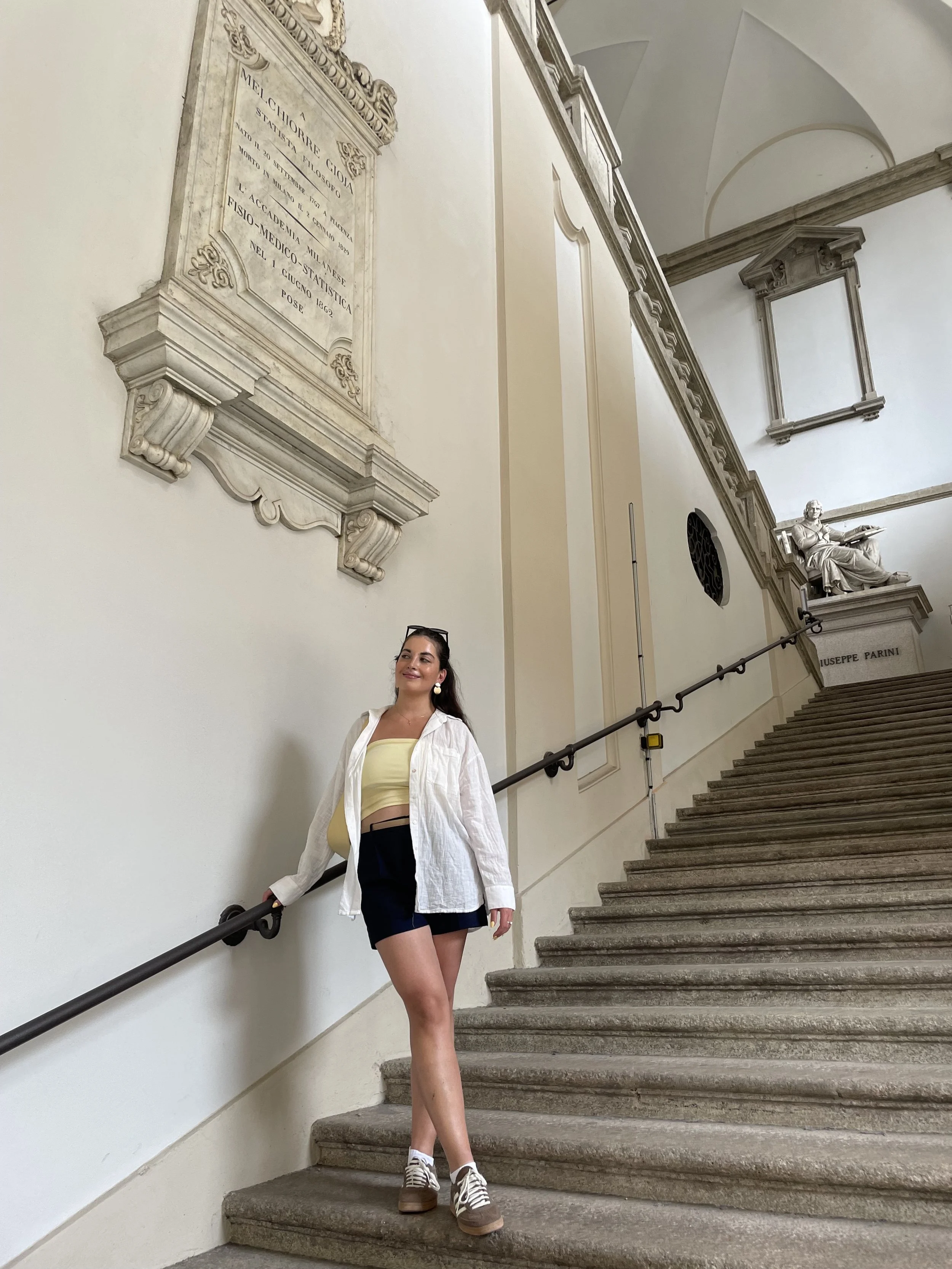
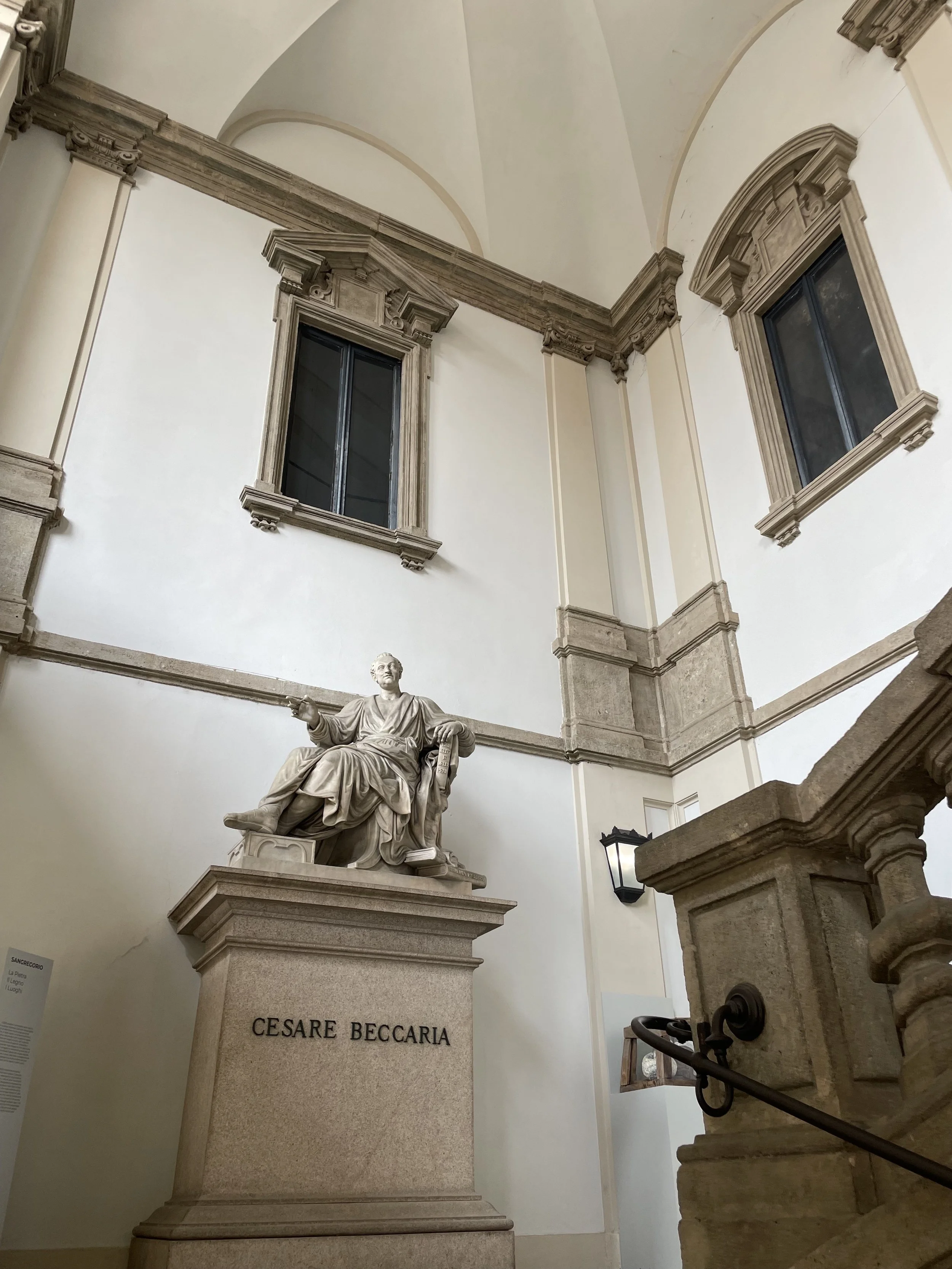
Milan is also one of the few cities where I have consistently felt that beauty is deeply integrated into everyday life rather than separated from it. Design does not exist only inside museums or during Salone del Mobile. It appears in apartment entrances, cafés, bookstores, restaurants, historic palaces, furniture stores, small details inside homes, and even in the rhythm of the city itself. There is a strong awareness of aesthetics in Milan, but it rarely feels loud or performative. Instead, it feels intentional, restrained, and integrated naturally into daily life.
Over time, I began appreciating how much of Milan exists behind façades. Some of the most beautiful spaces in the city are almost invisible from the street: quiet courtyards hidden behind large wooden doors, historic apartments, old villas, art spaces, and interiors that reveal themselves slowly. Places like Villa Necchi Campiglio or Palazzo Litta represent this side of Milan particularly well. Externally restrained, but internally filled with detail, history, elegance, and artistic identity. I think this is also why Milan can feel difficult to understand at first. The city rarely presents itself all at once.
Brera is probably the neighborhood where I feel this most strongly. It is one of the places I return to constantly when I am back in Milan, usually for long dinners with my family, slow walks through the streets, or afternoons spent wandering between galleries, bookstores, cafés, and design stores. The atmosphere there feels quieter and more intimate than many people expect from Milan. It is elegant without trying too hard to appear elegant. The beauty comes more from proportion, texture, architecture, lighting, and atmosphere than from spectacle.
I also think Milan changed the way I understand fashion itself. Growing up there made me realize that true elegance is often much quieter than the exaggerated versions of fashion people imagine from the outside. Milanese style rarely feels overly performative. People dress well because aesthetics are part of the culture of everyday life, not because they are trying to attract attention. Good fabrics, tailoring, restraint, beautiful interiors, thoughtful objects, and attention to detail all seem connected to the same larger cultural attitude toward beauty and design.
What makes Milan special to me now is precisely the fact that it does not immediately reveal itself. It is a city that asks for patience and observation. The more slowly I move through it, the more beautiful it becomes.