There are places where architecture does not seek attention, but instead learns how to belong.
At Sea Ranch, this approach was intentional. Conceived in the 1960s as an experiment in living lightly on the land, its buildings were designed in response to wind, light, and landscape rather than imposed upon them.
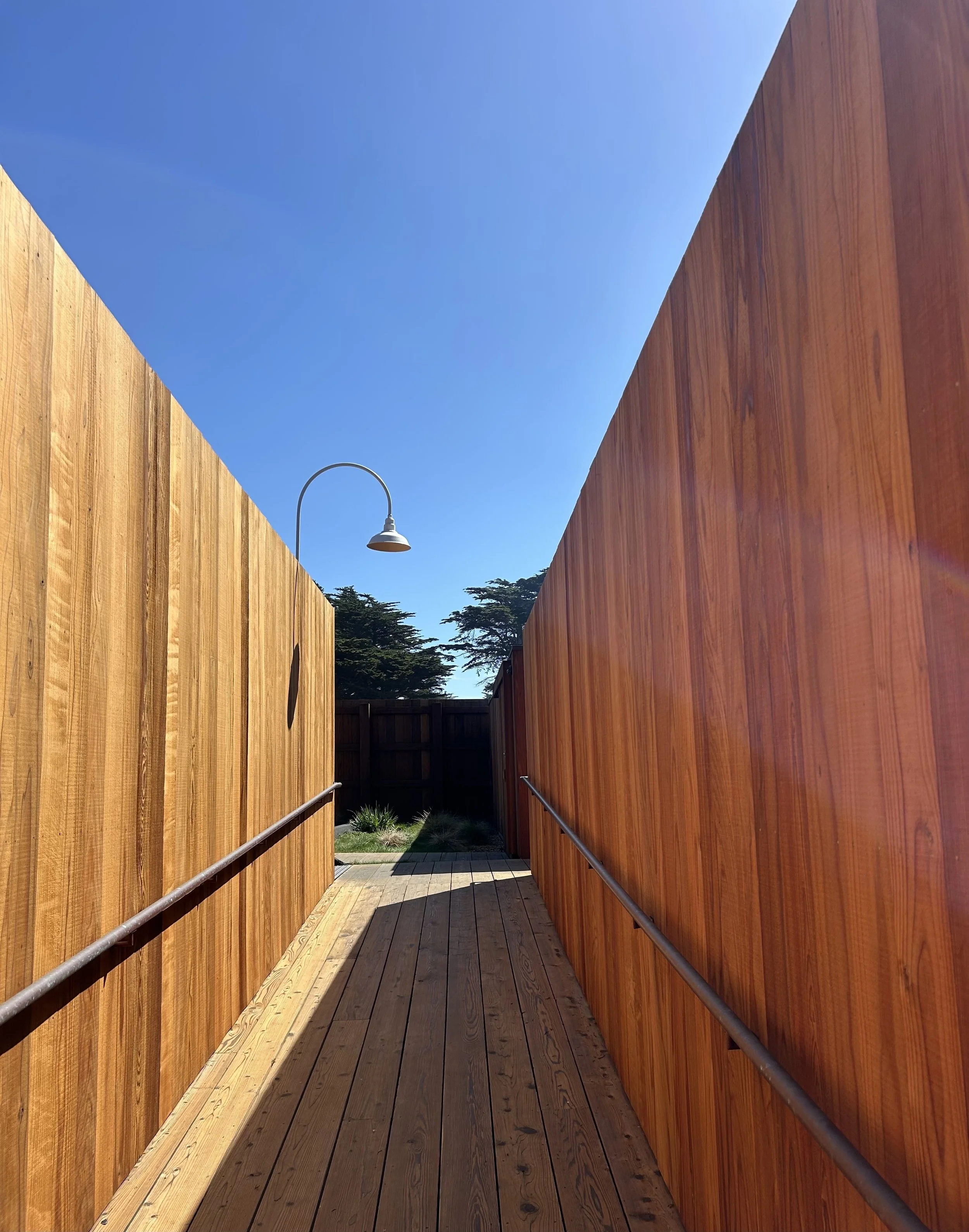
Walking through it, what first appears as repetition reveals itself as coherence, a quiet dialogue between structure and nature, where restraint becomes design.
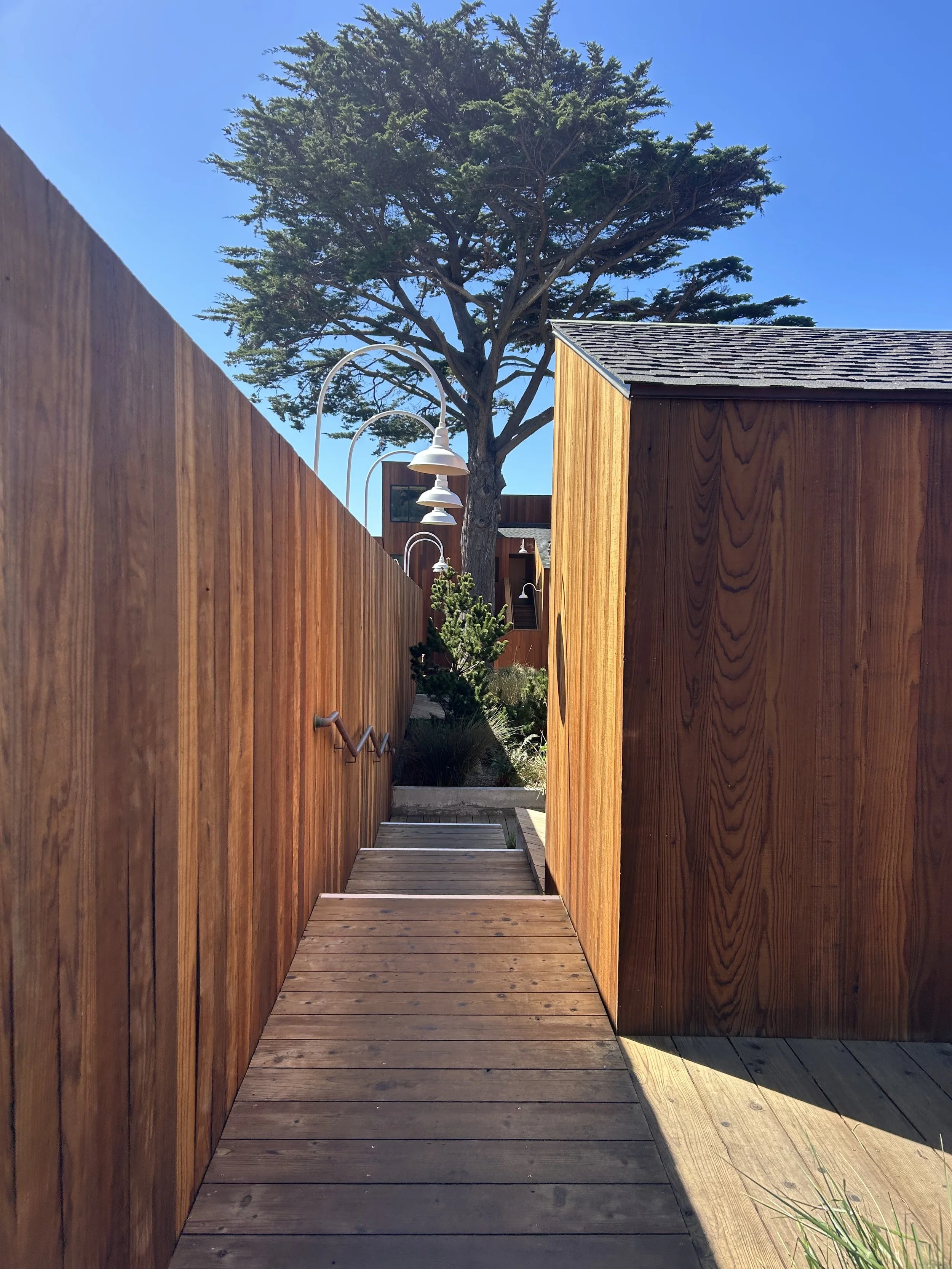
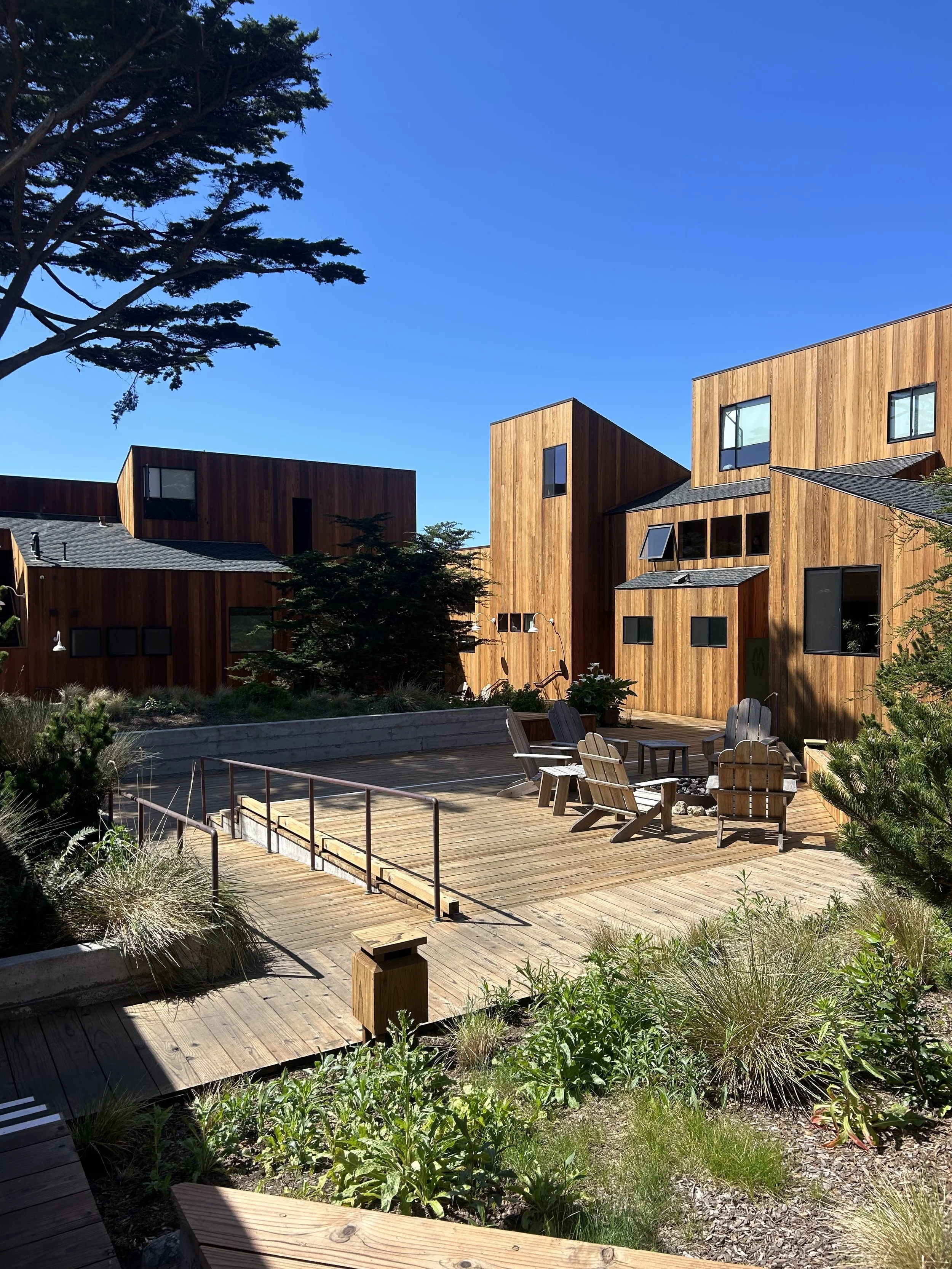
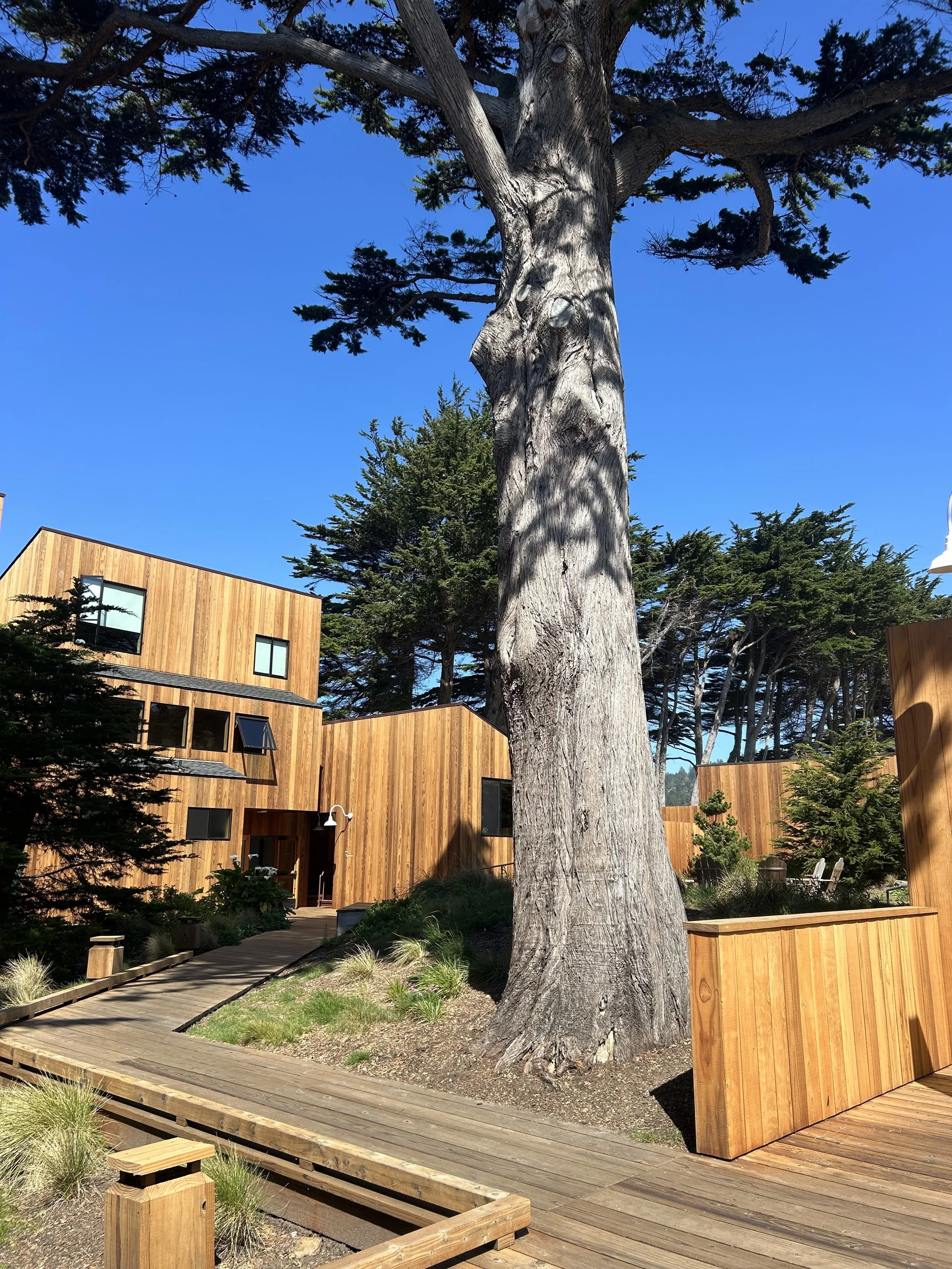
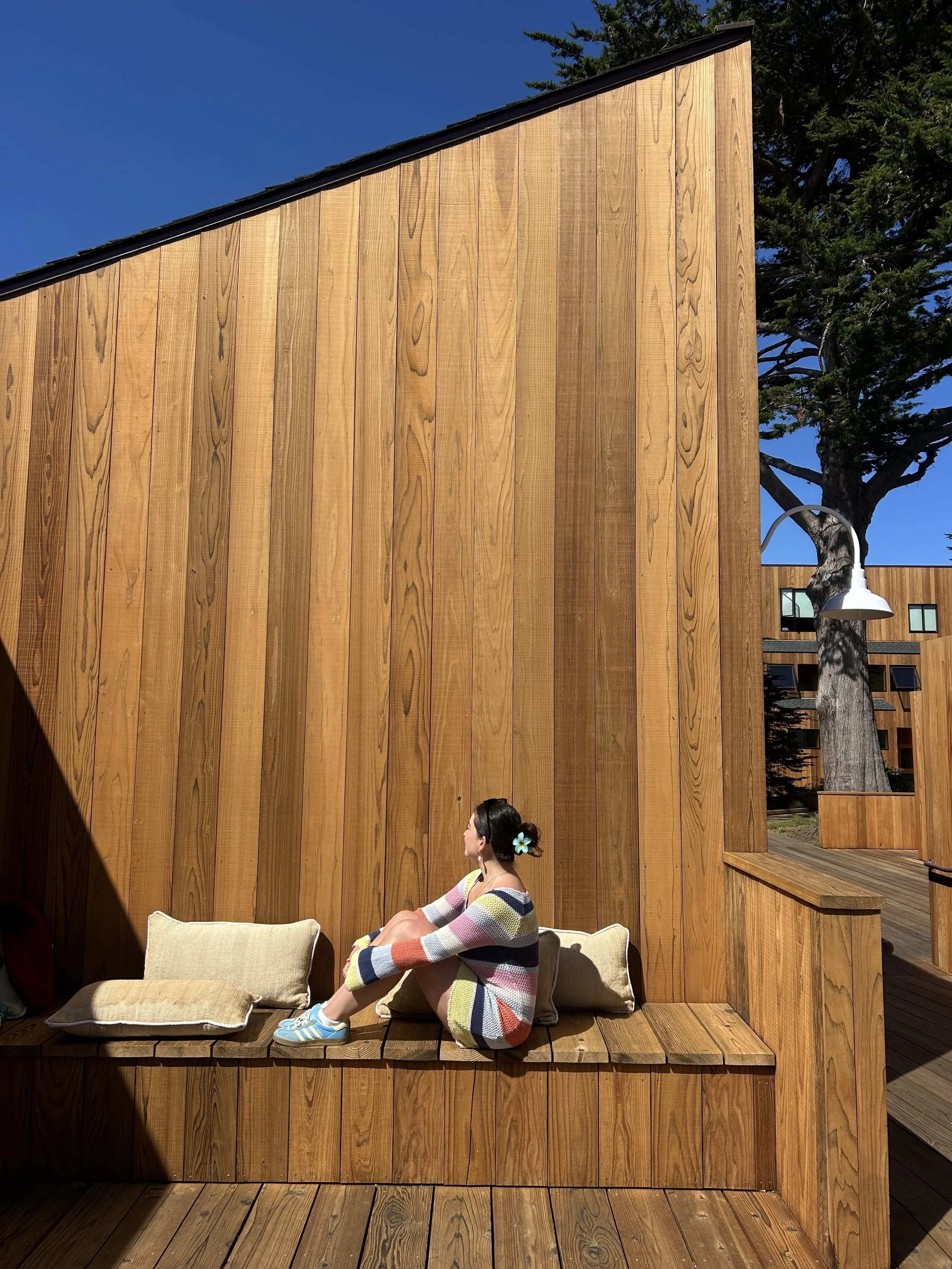
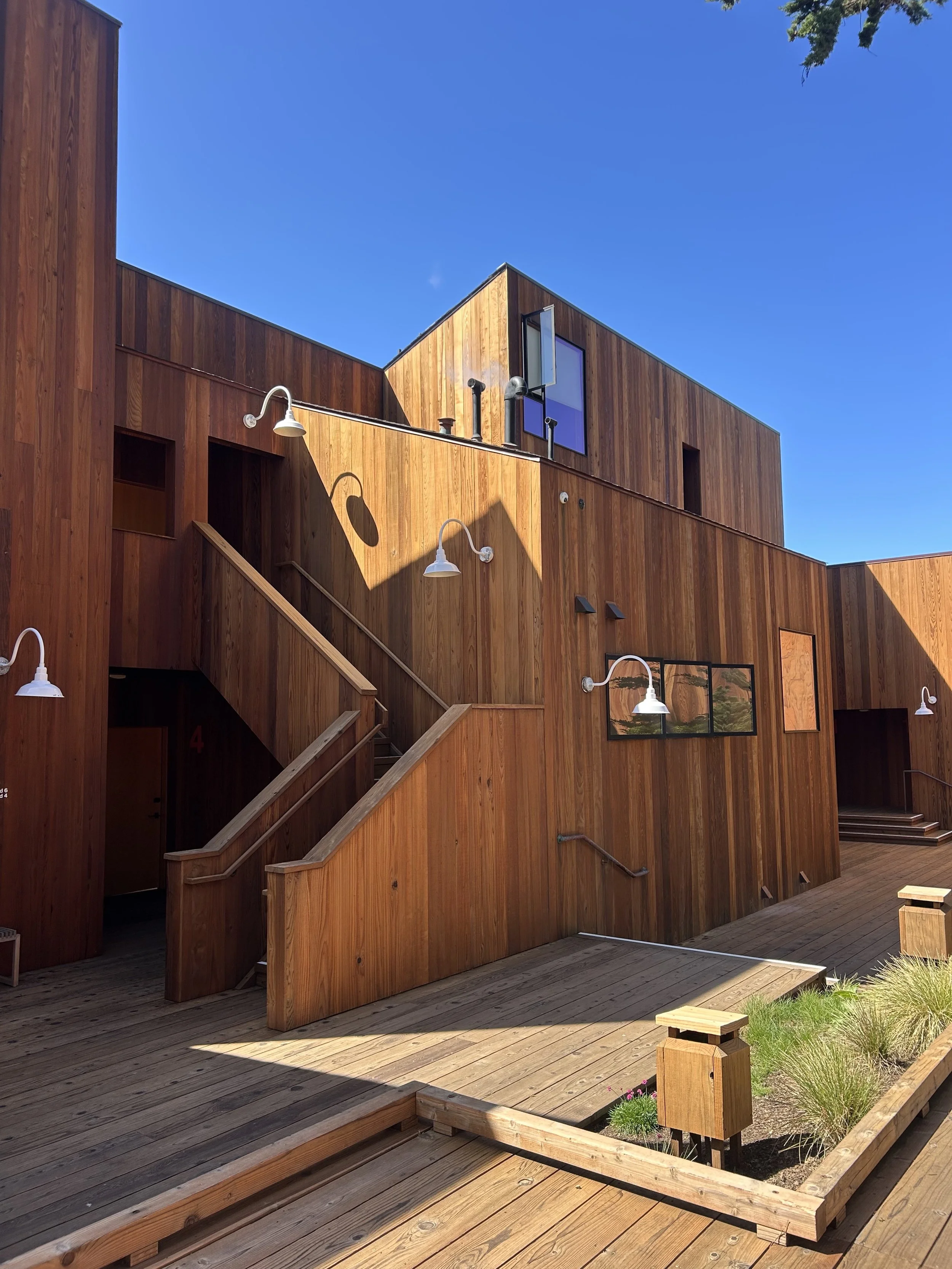
Sea Ranch’s architecture is distinctive because it was designed as a comprehensive response to its environment rather than as a series of individual buildings. Developed in the 1960s, the project was guided by a master plan that took into account the site’s ecology, including wind patterns, topography, vegetation, and coastal conditions. Buildings were positioned and shaped to work with these elements, using simple forms, local materials such as redwood and stone, natural materials and finishes that allow them to blend into the landscape. Design guidelines were established to maintain this approach over time, ensuring consistency across the community. What makes Sea Ranch particularly significant is this emphasis on integration rather than impact, architecture that is informed by the land, minimizes disruption, and maintains a strong visual and environmental relationship with its surroundings.
Sea Ranch: Architecture in Dialogue with Nature
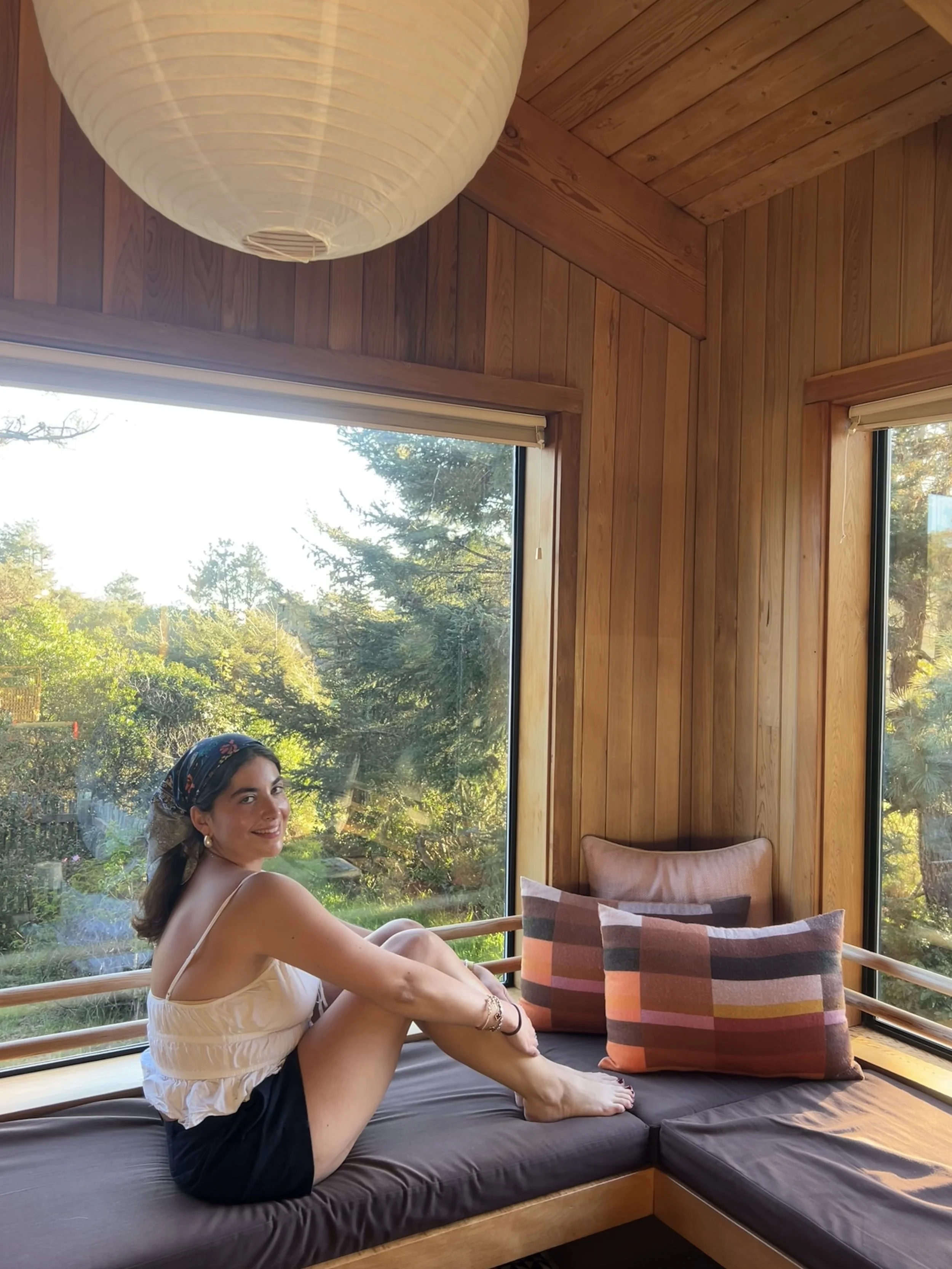
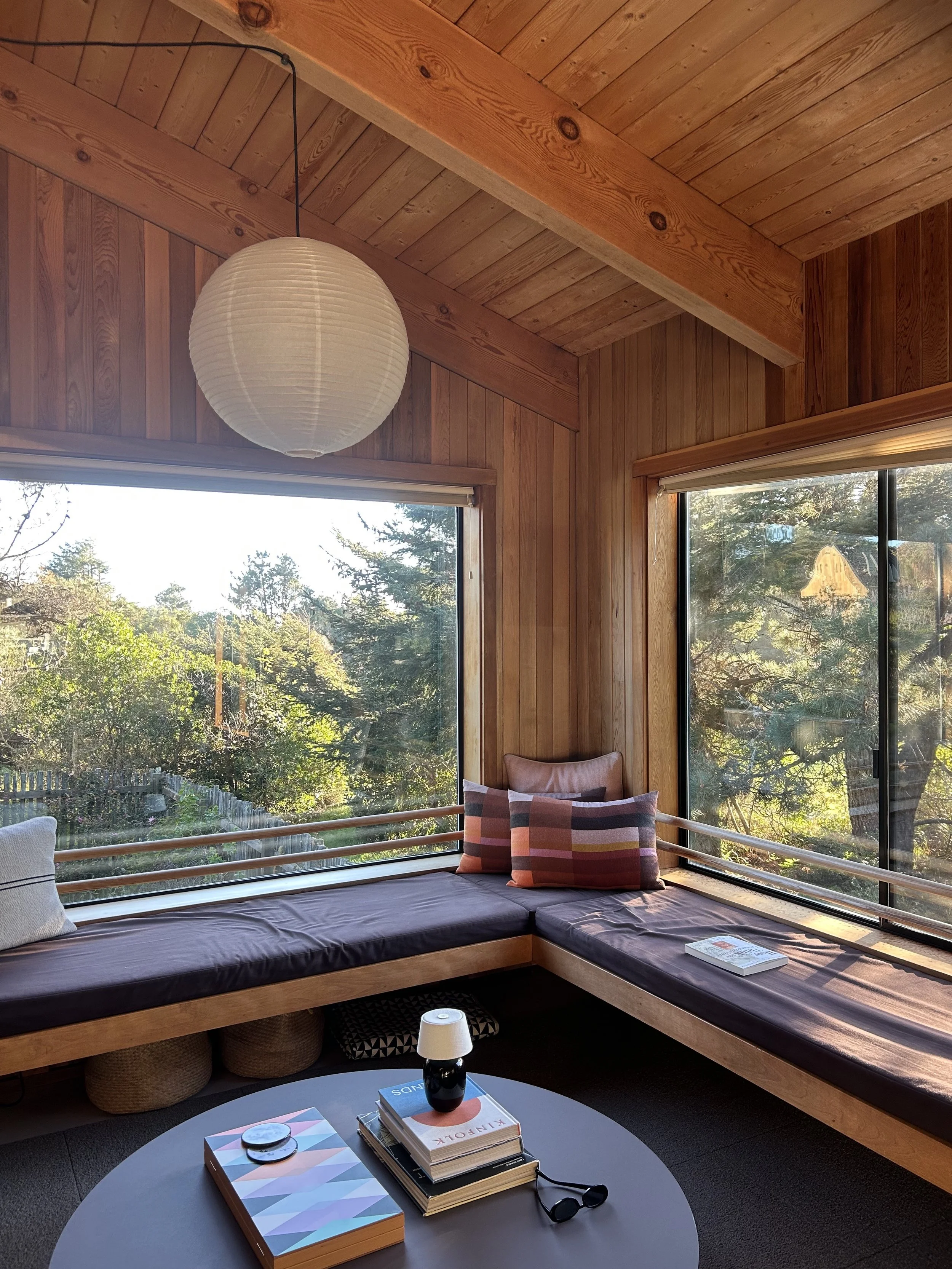
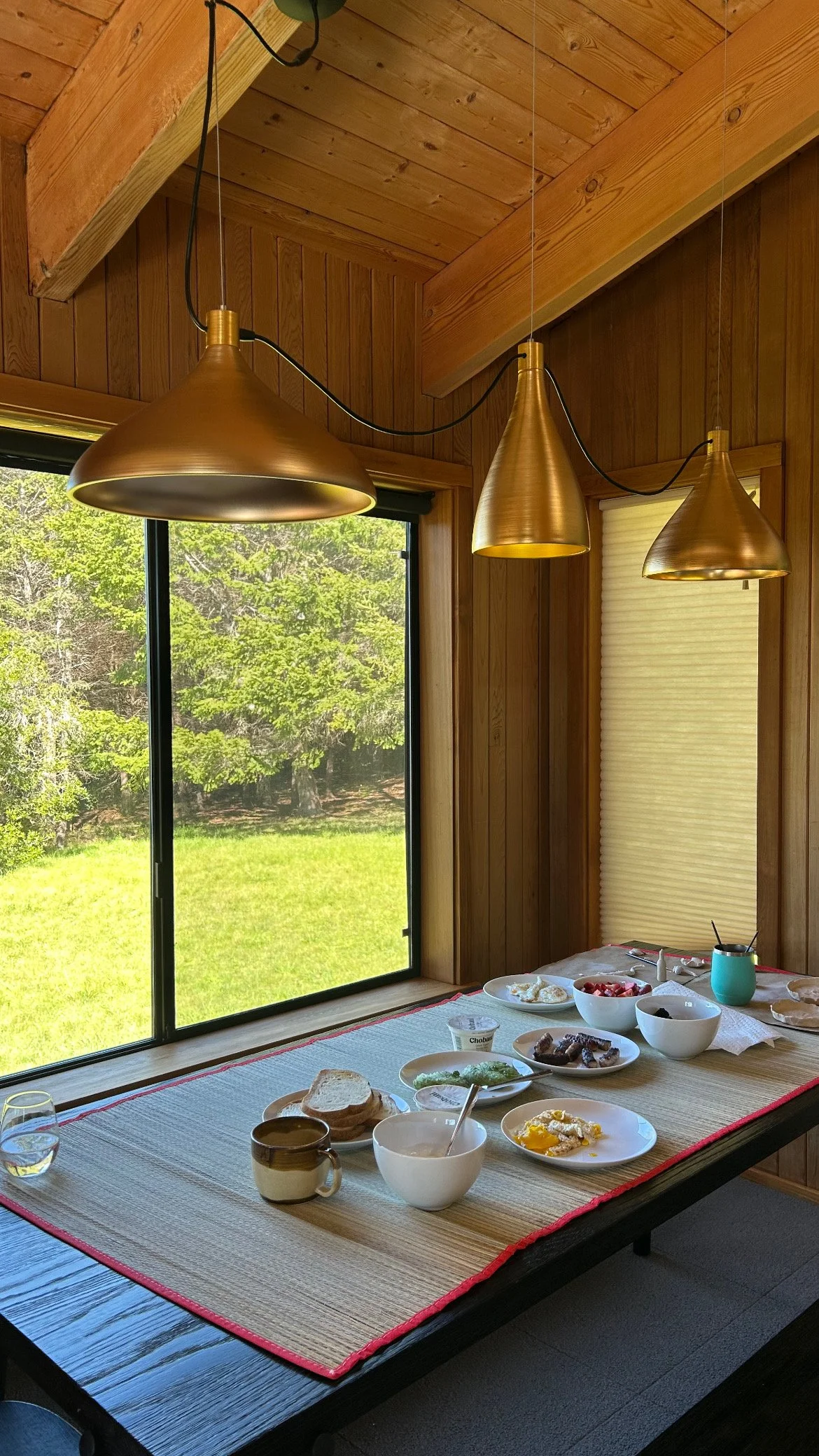
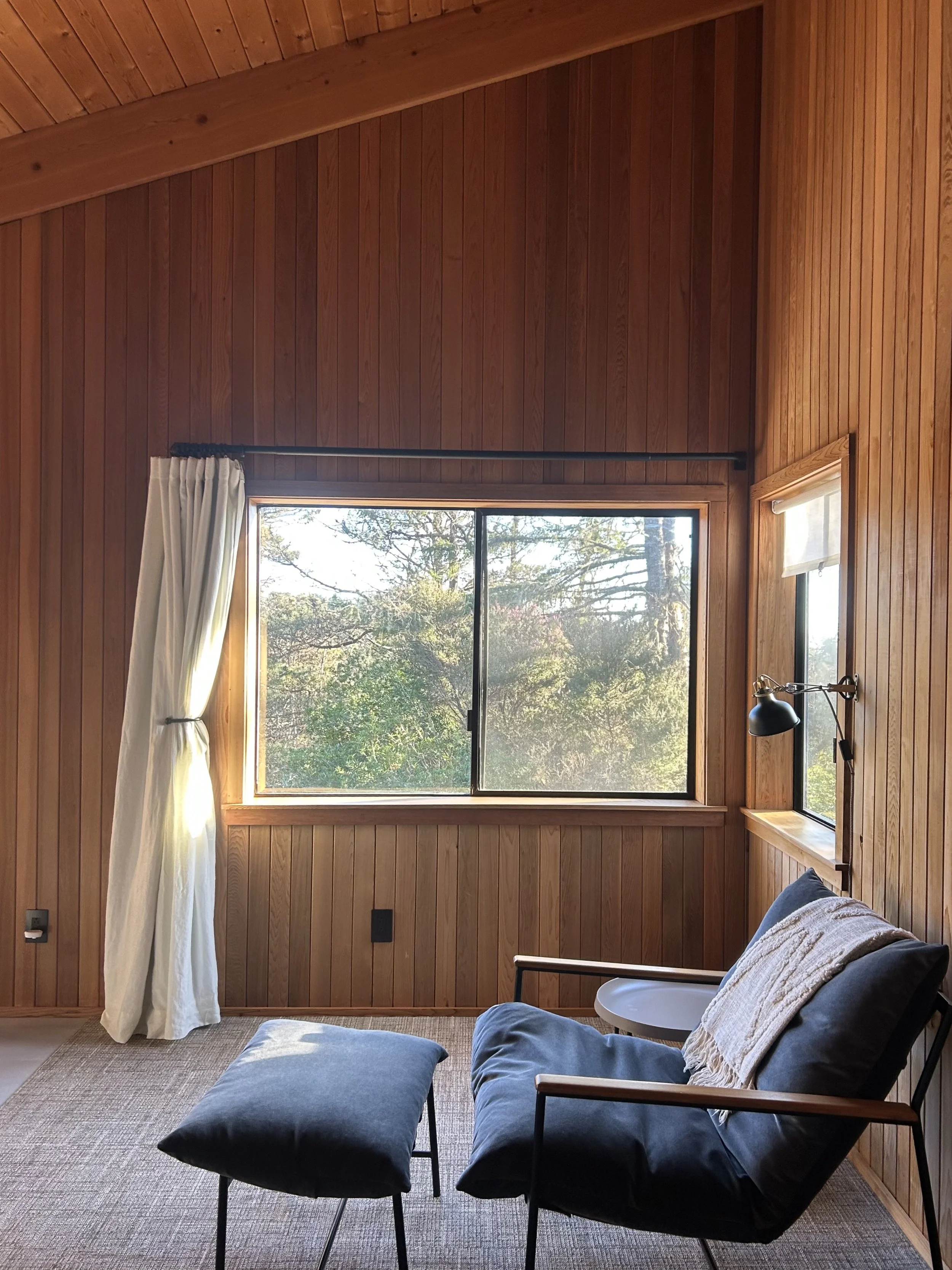
Design Approach
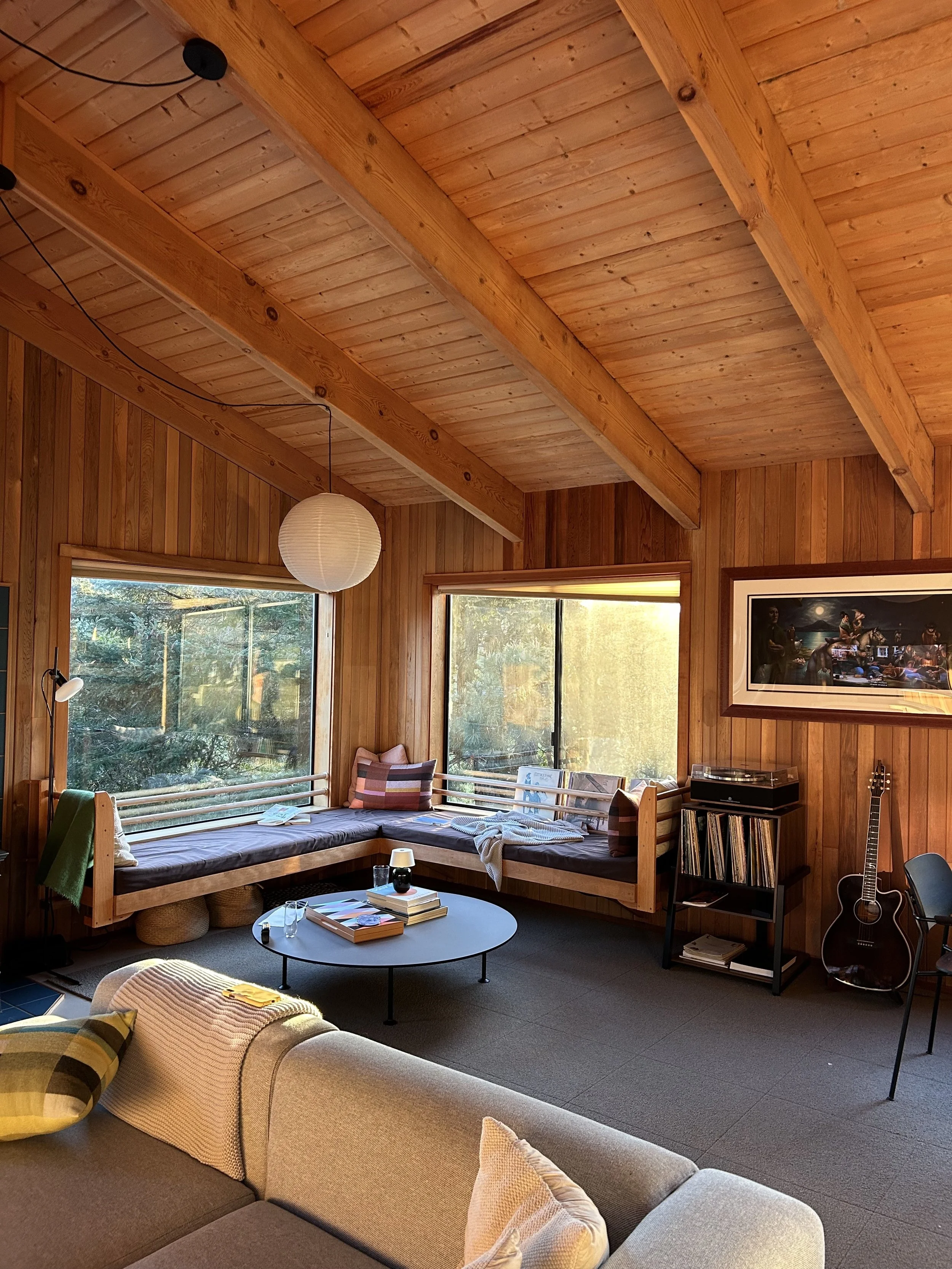
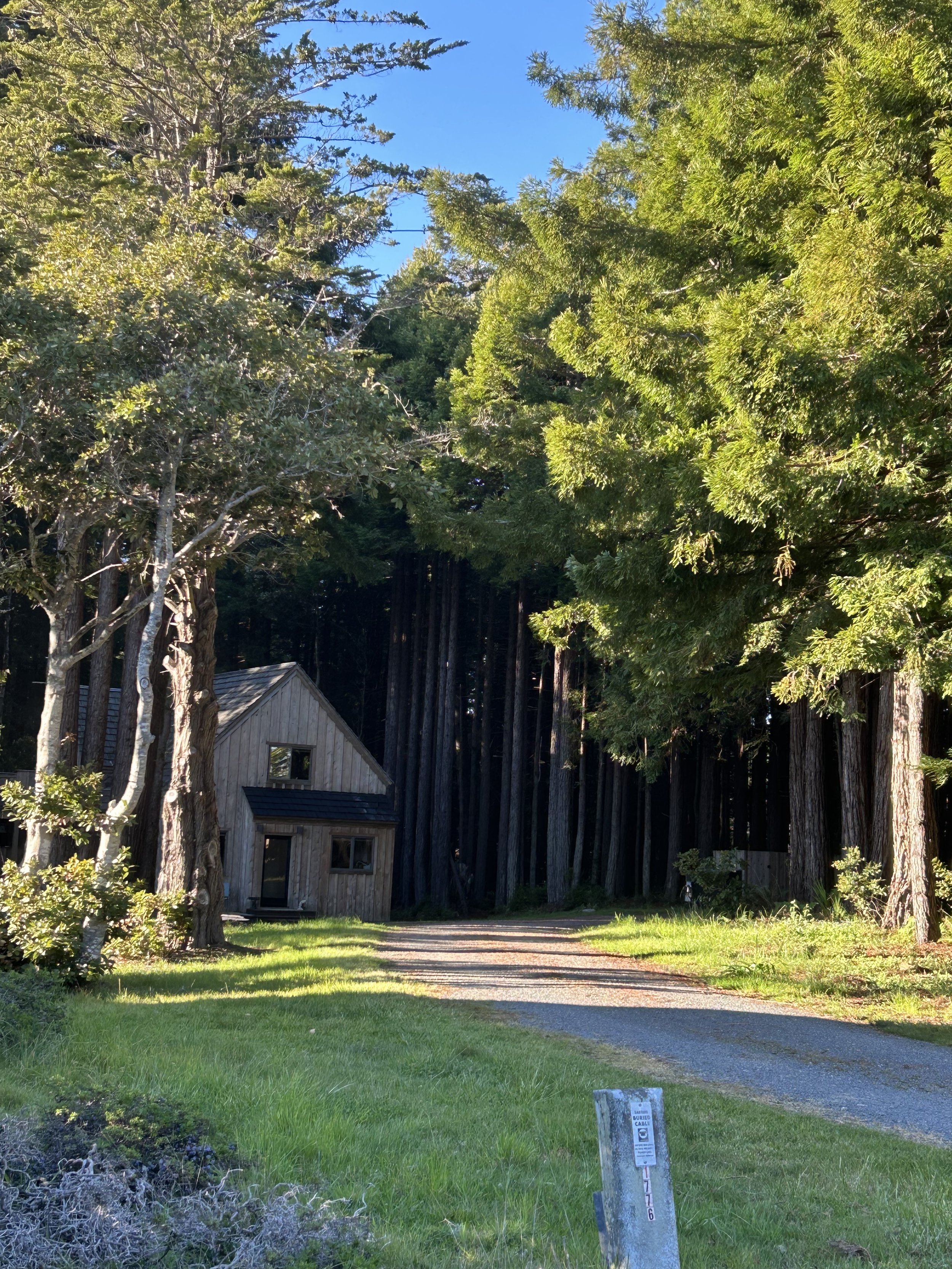
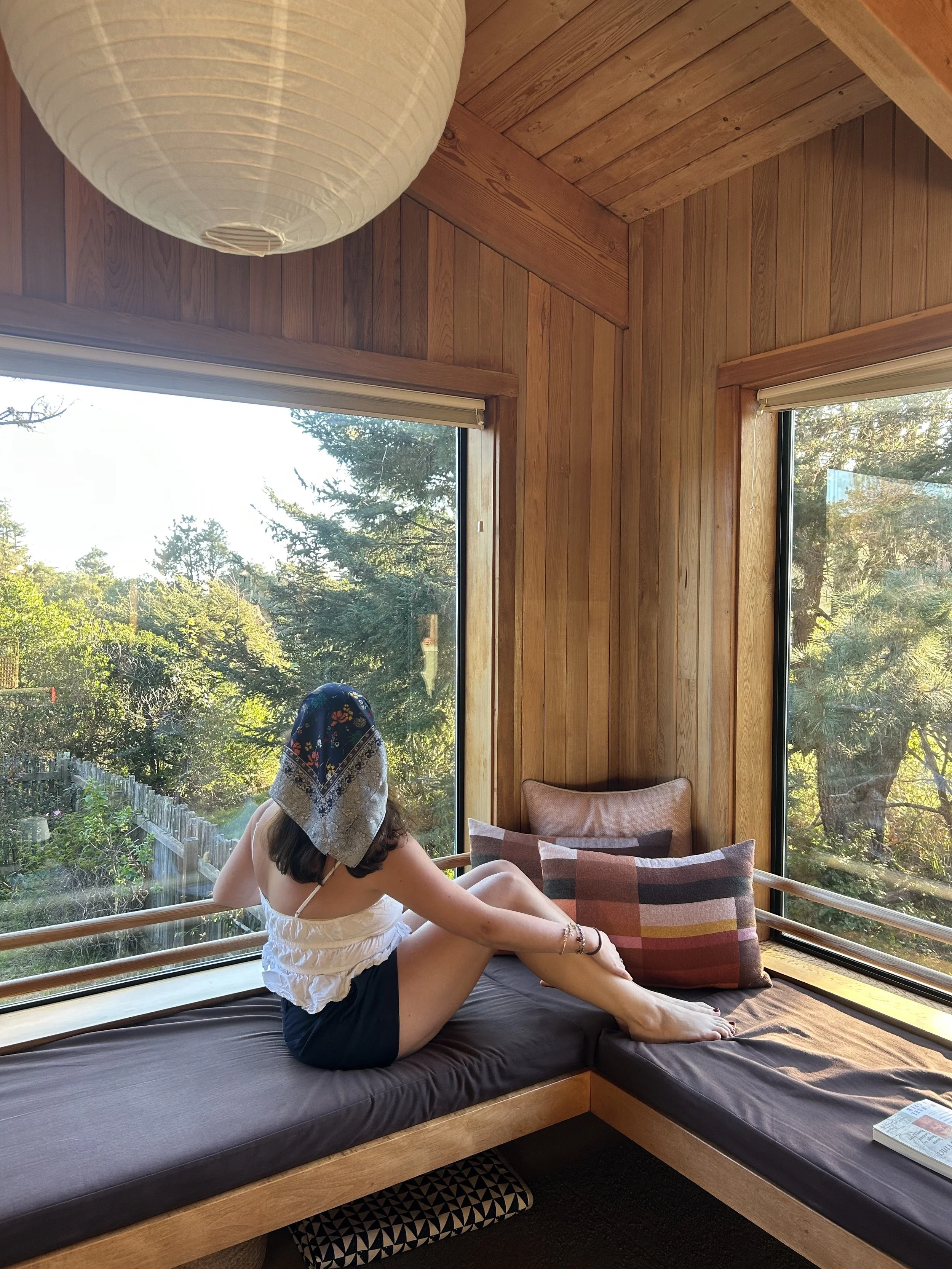
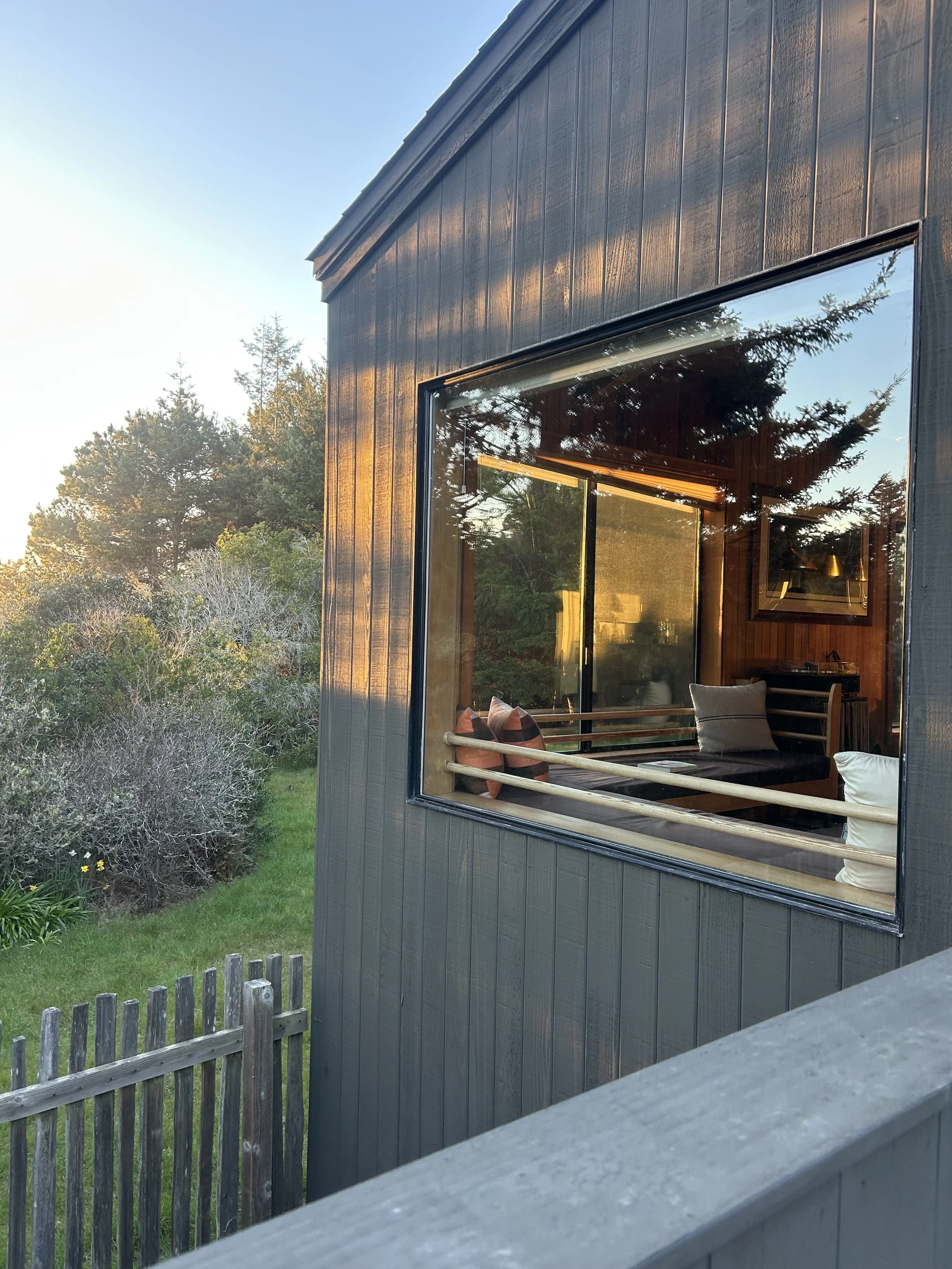
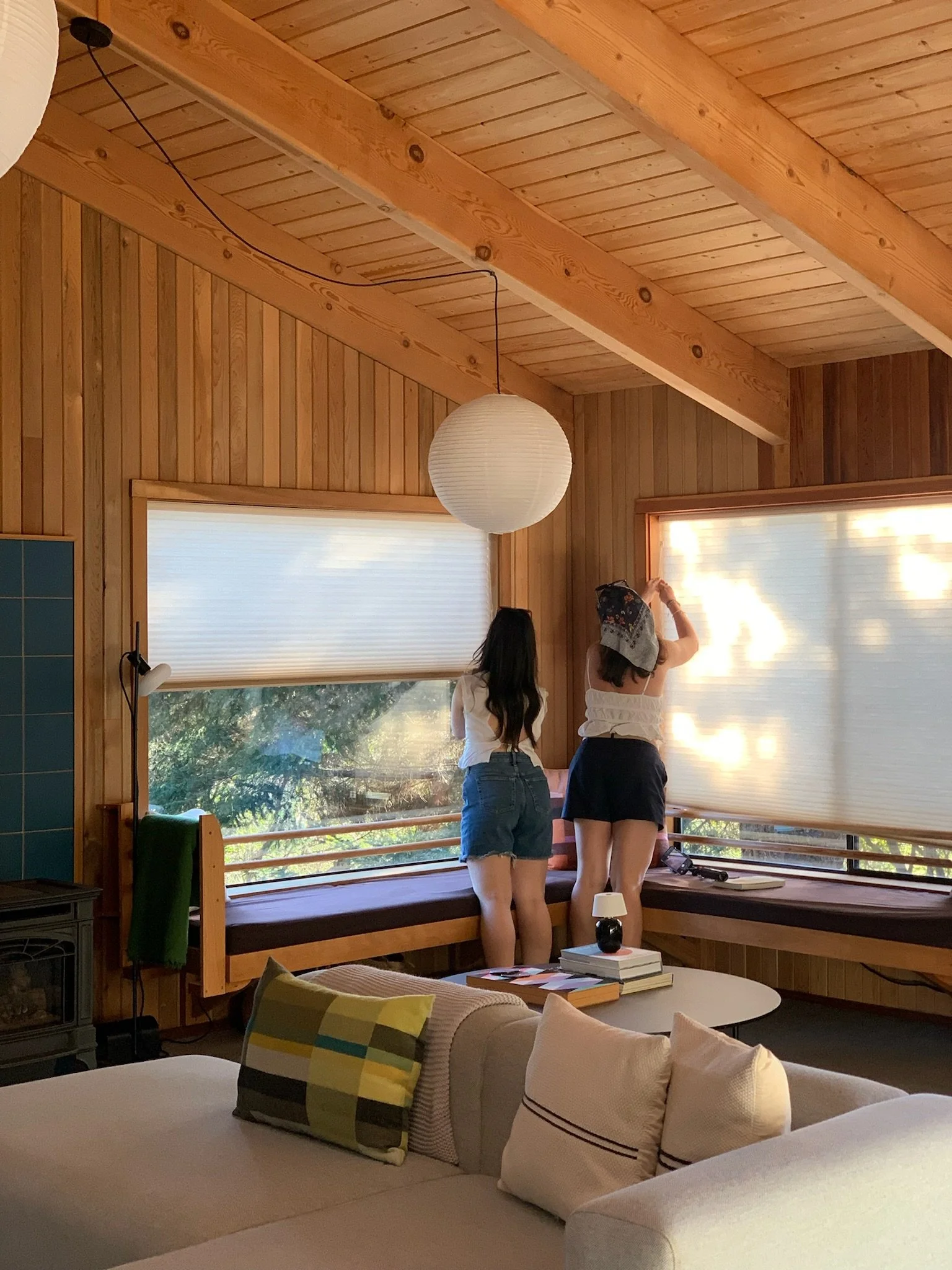
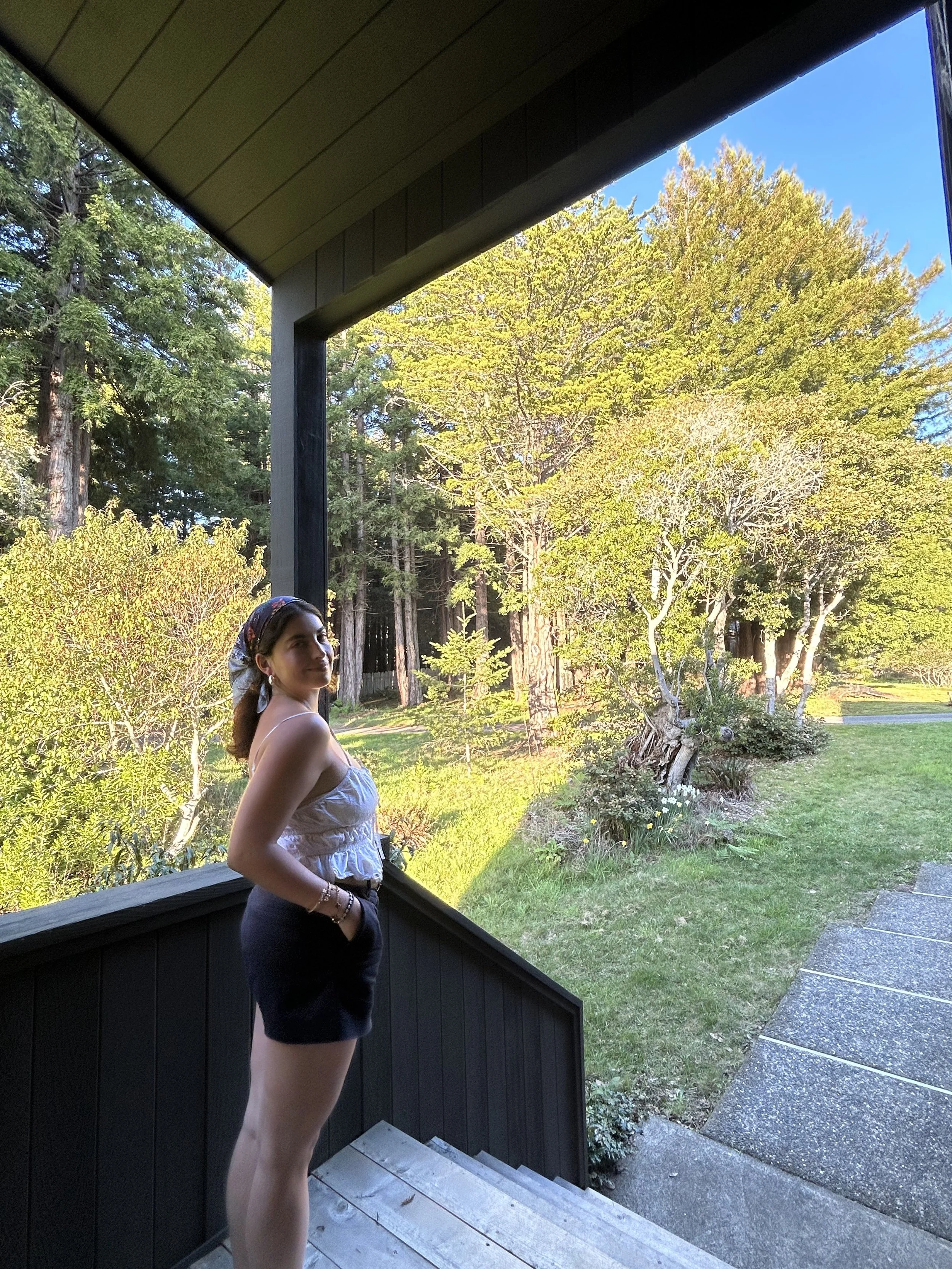
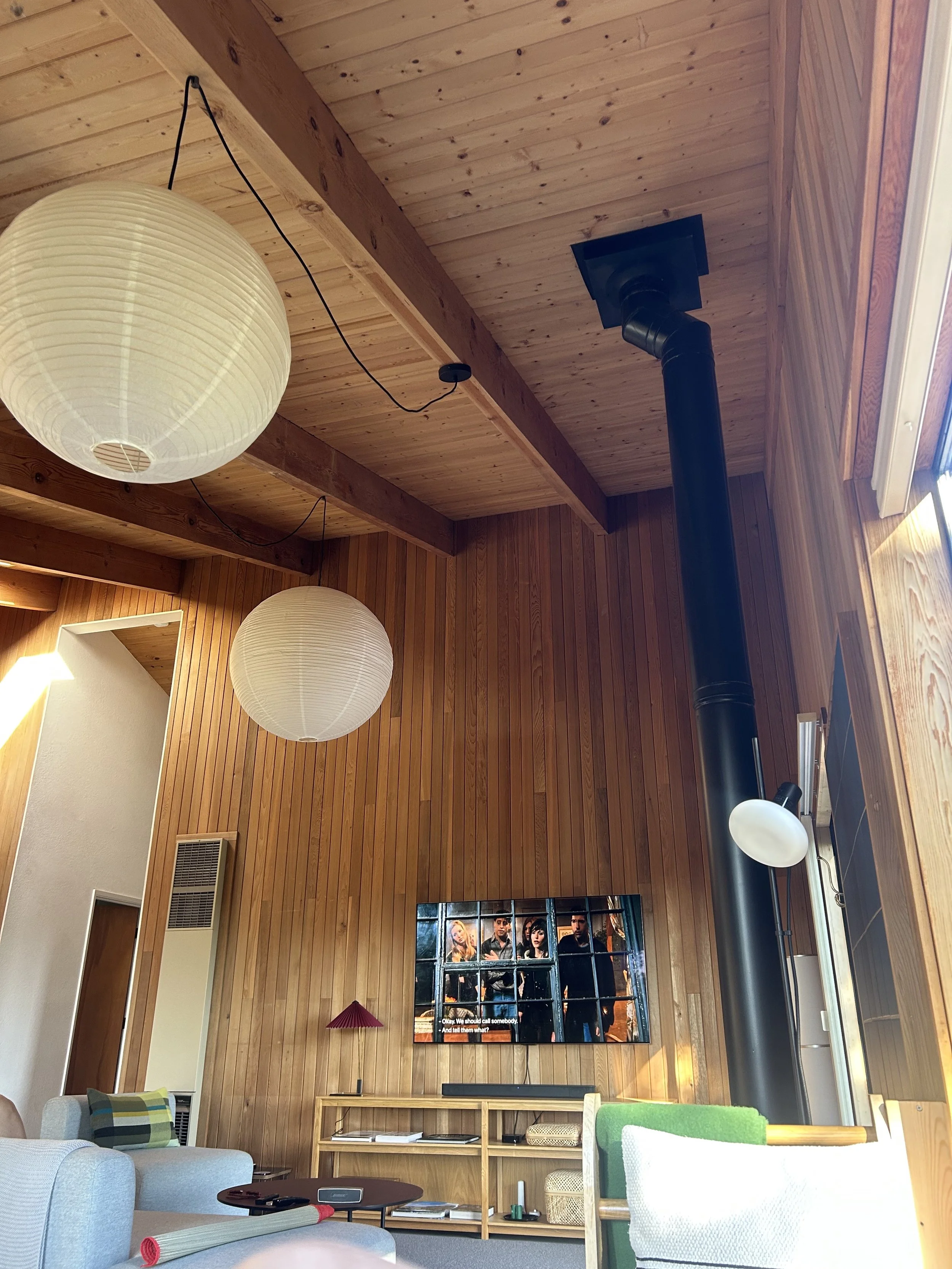
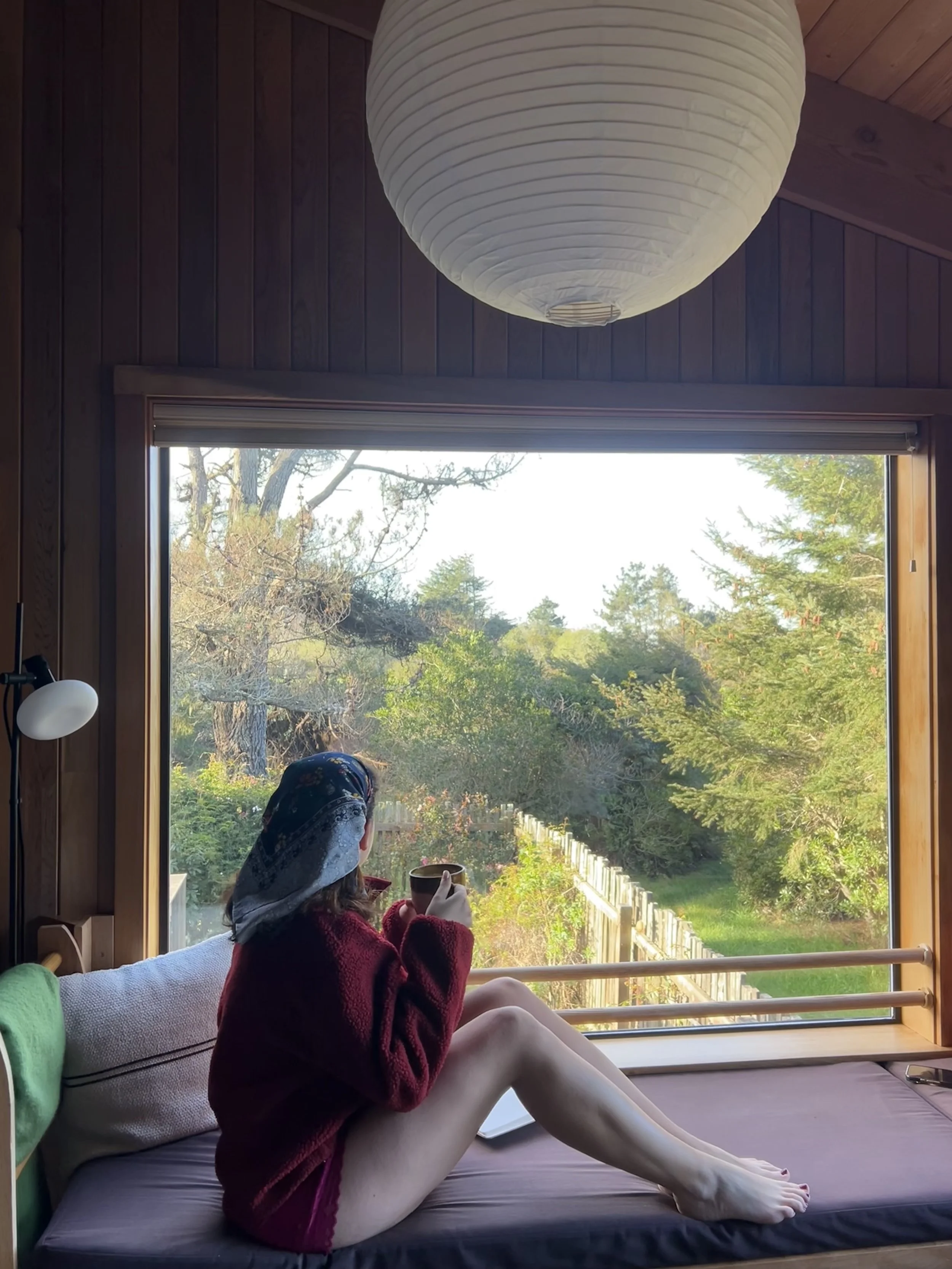
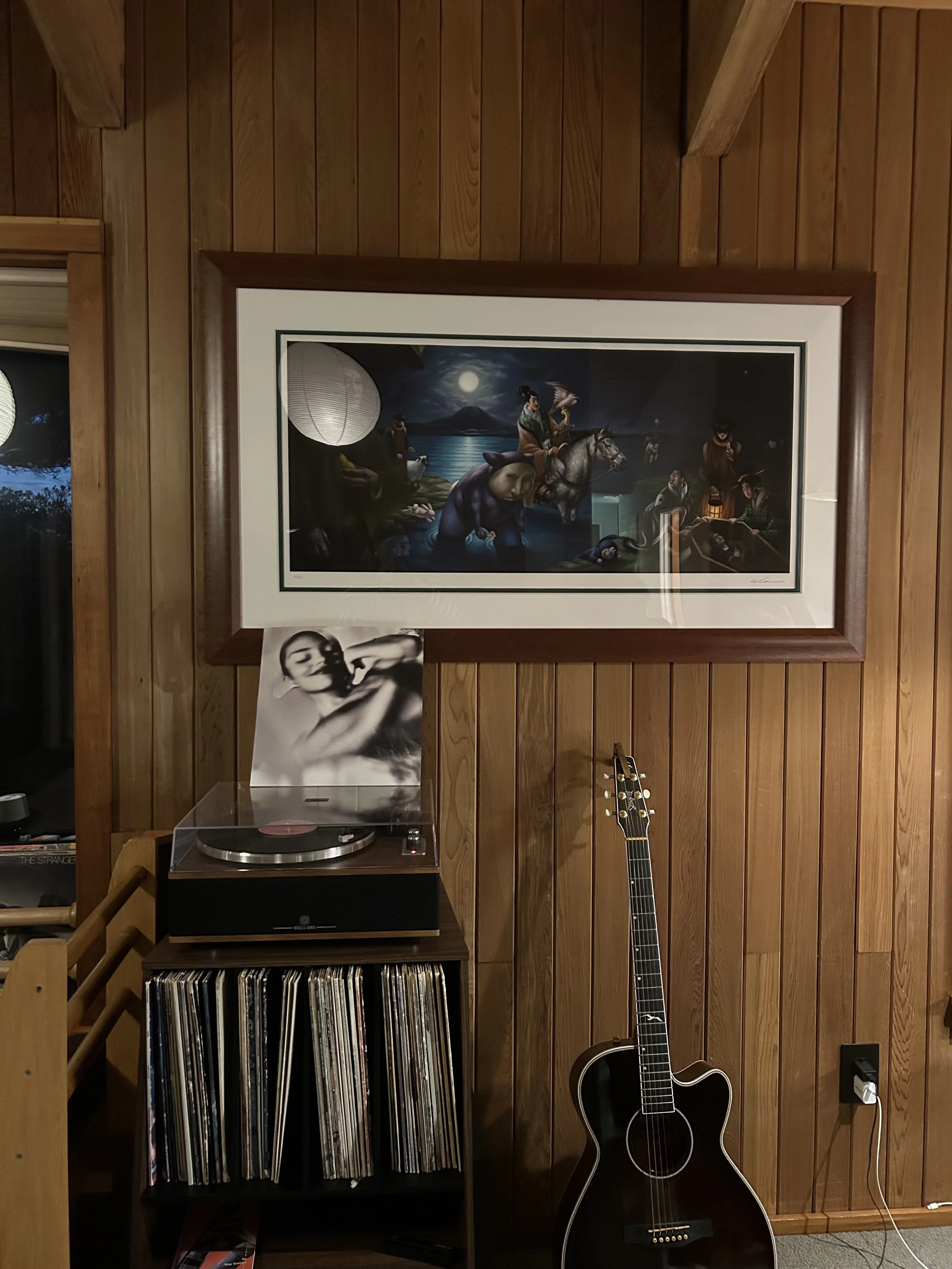
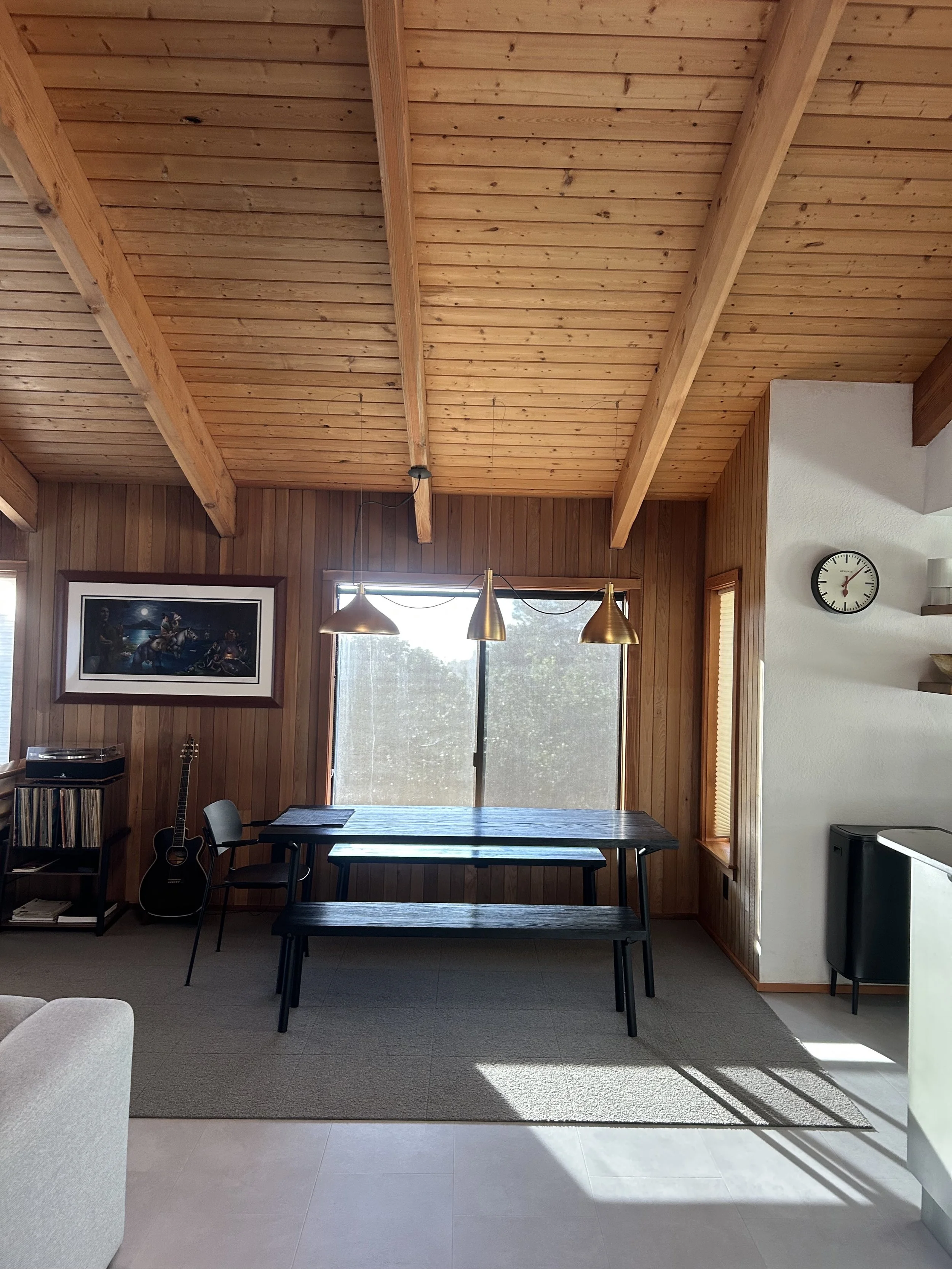
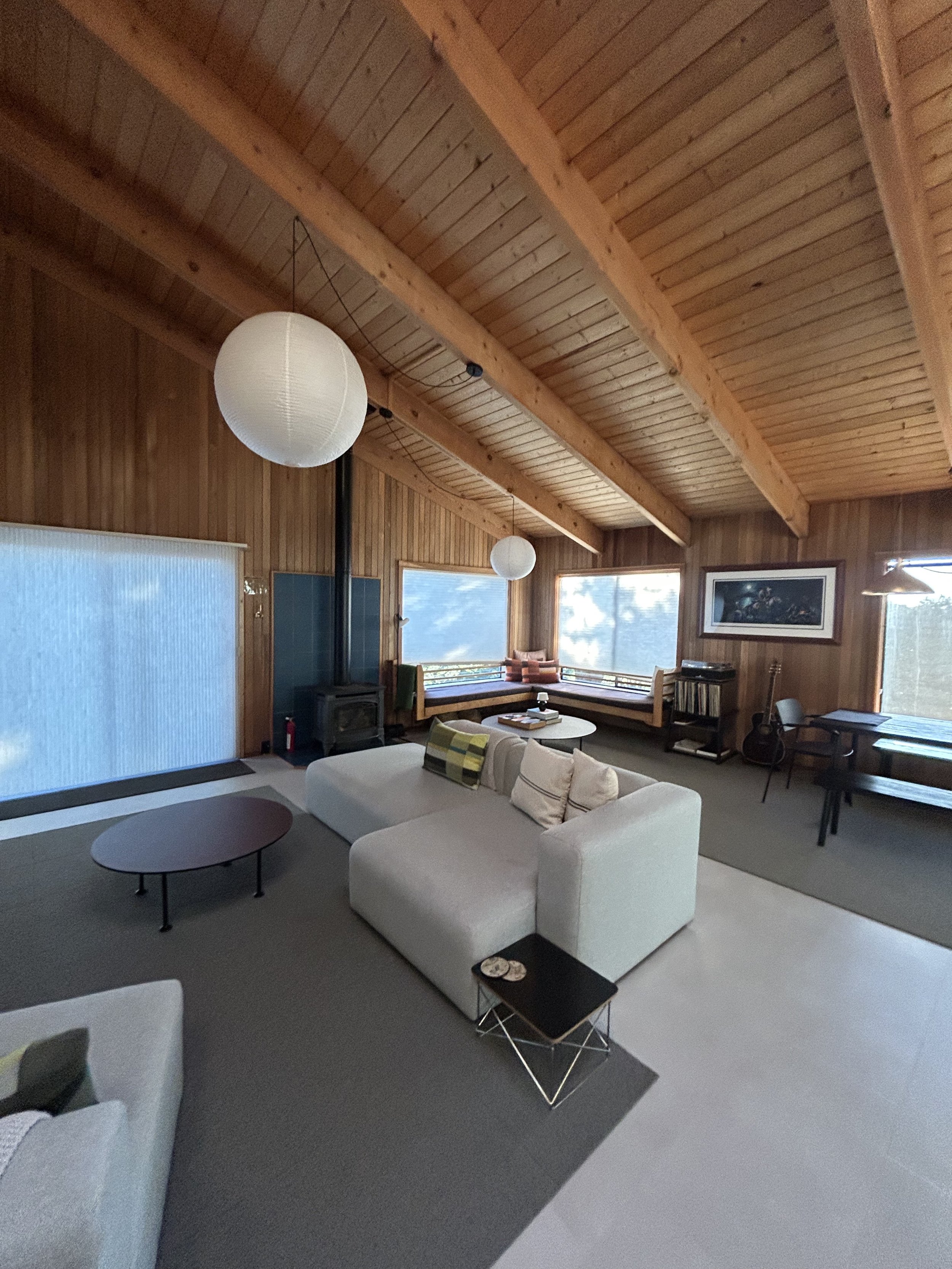
What stood out across these spaces was the consistency in how this approach is carried through both architecture and interiors. The house (airbnb) where I was staying felt warm and intentional, with wood surfaces, natural light, and a simplicity that made the space feel functional rather than overly styled. There was also a subtle 1980s influence in the interiors, particularly in the materials and overall layout, which added to the sense of comfort and familiarity.
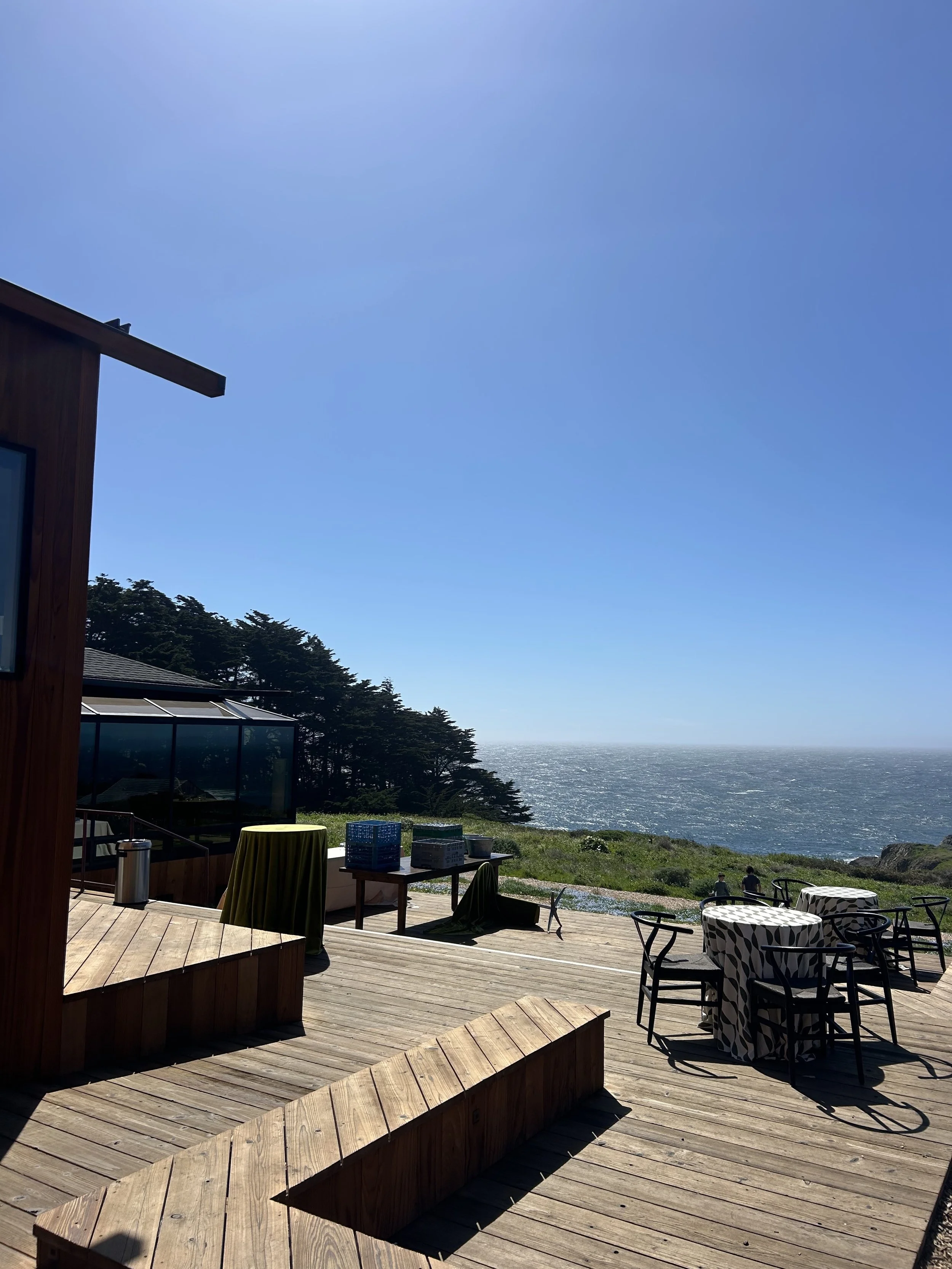
At the Sea Ranch Lodge, this approach is expressed in a way that closely reflects the broader Sea Ranch architectural language. The design emphasizes simplicity, open space, and a strong connection to the surrounding landscape, particularly through its orientation toward the meadow and ocean. Public spaces are organized to frame these views, making the landscape a central part of the experience rather than a backdrop. Recent renovations have reinforced this approach by removing previous additions that disrupted the original structure, simplifying the layout, and creating clearer visual and spatial connections between interior spaces and the outdoors.
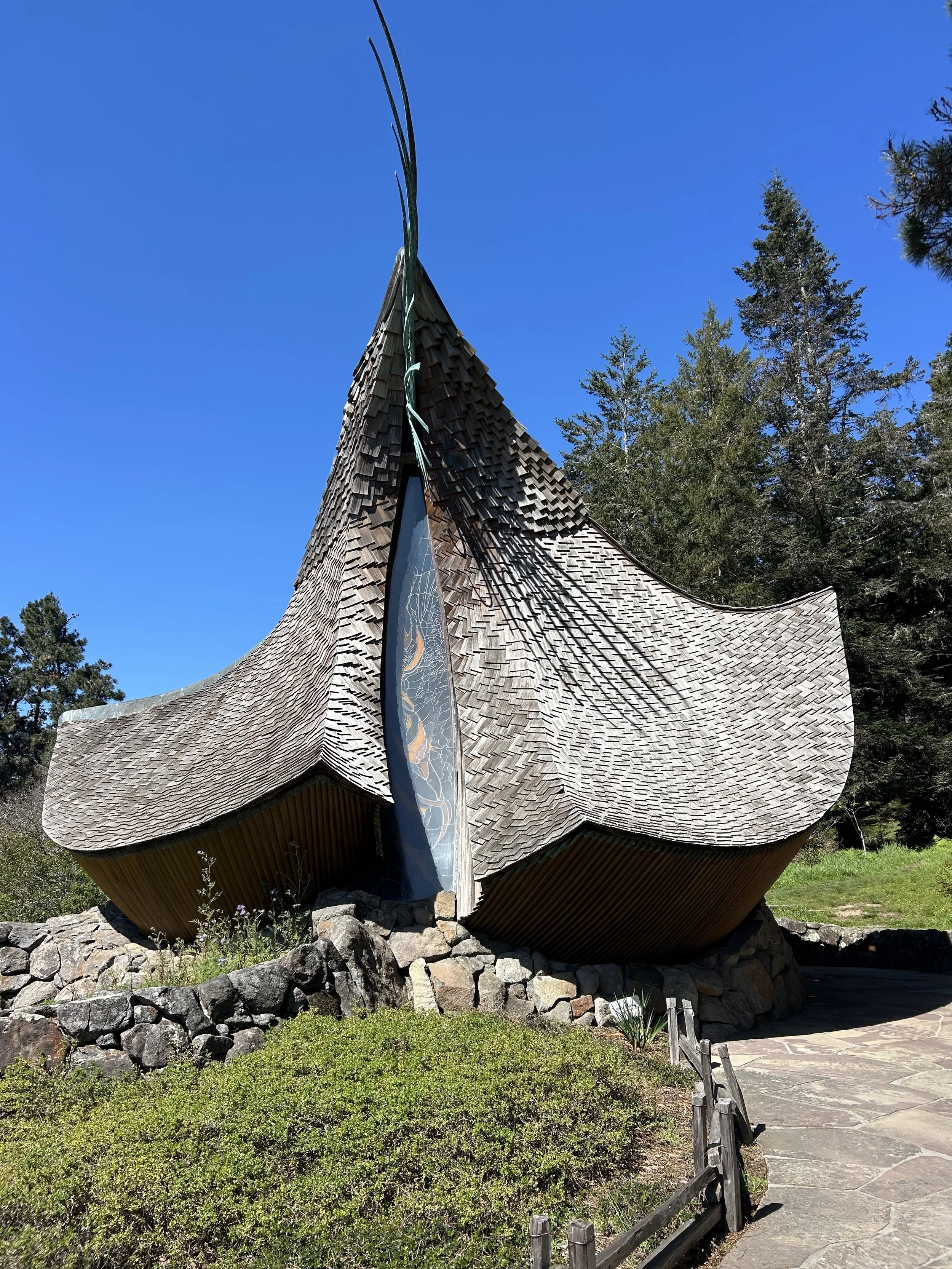
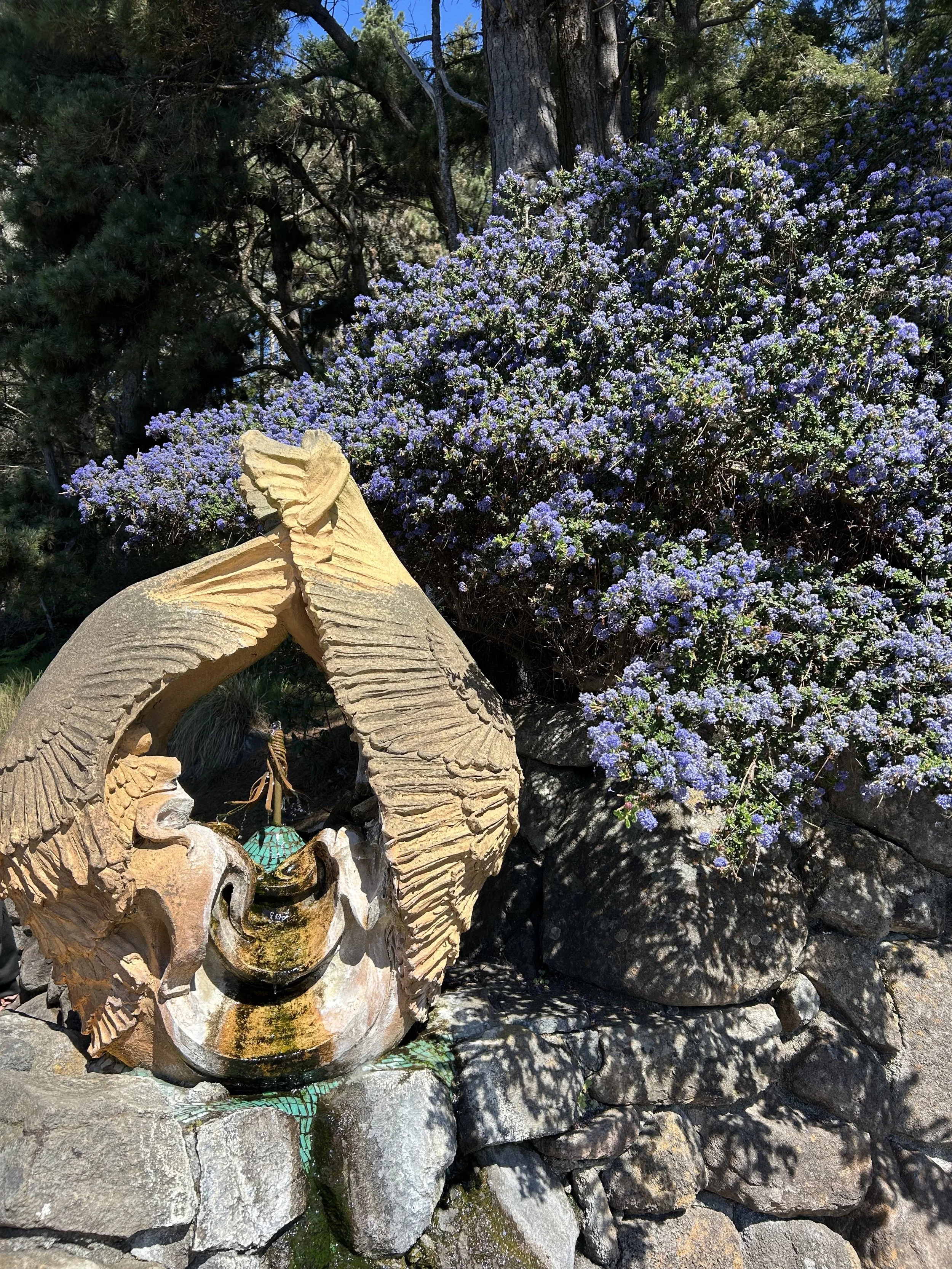
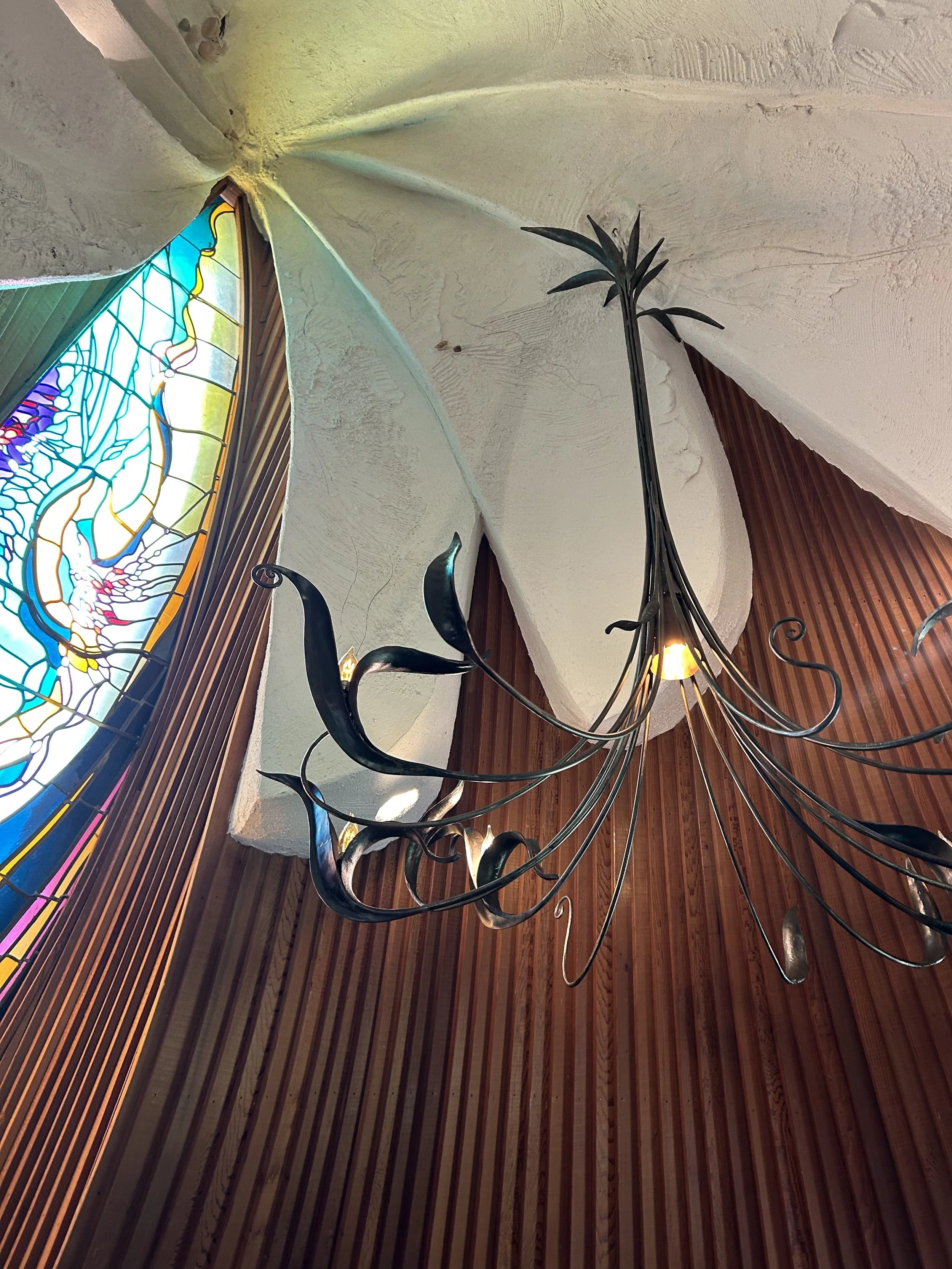
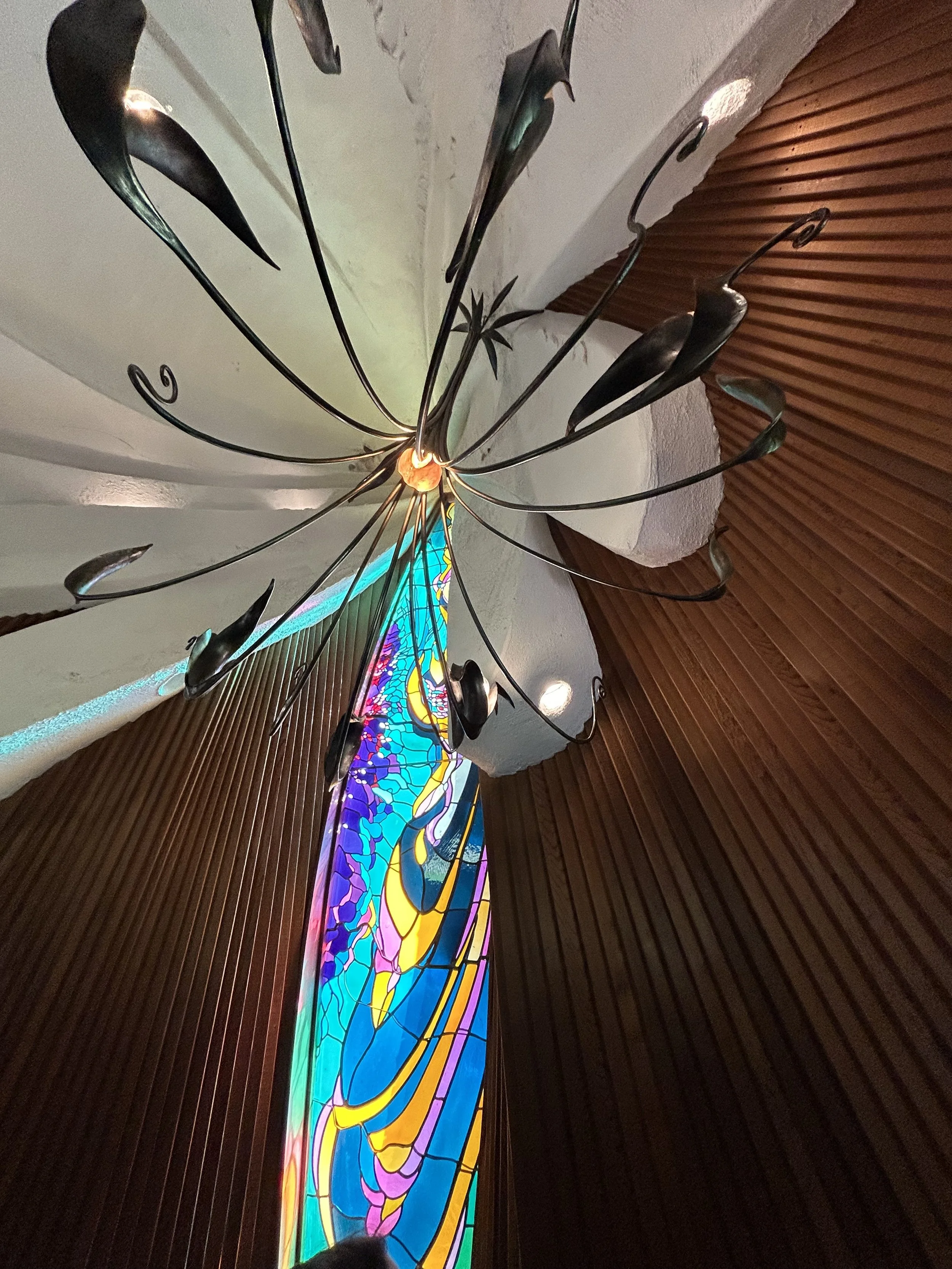
Another gem I did not expect to find was the the Sea Ranch Chapel. The Sea Ranch Chapel was designed by James Hubbell, and completed in 1985, it is defined by its curved, shell-like shape and roof that follows a flowing form inspired by wind and nature. The structure sits on a stone base made from local materials and is covered in redwood, helping it blend into the surrounding landscape. Inside, the same approach continues through detailed, handcrafted elements. Carved redwood seating and shelving feel built into the structure, while stone from the surrounding hillside is used throughout the interior. The ceiling has a sculpted, organic shape inspired by natural forms, including shells. Stained glass windows bring in soft, colored light, adding to the atmosphere of the space. The design is closely connected to nature, both in its overall form and in its details. Even though the chapel is more expressive in shape, it still feels integrated with its surroundings through its materials, scale, and relationship with the surrounding trees and landscape.
Visiting the chapel brought to mind the work of Antoni Gaudí, particularly Sagrada Família, which I visited last year. I noticed similarities in the use of stained glass and in the way natural forms influence the design. While the visual outcomes are very different, the underlying intention, creating a relationship between architecture and the natural environment, feels consistent.