The Cloisters; A Medieval Gem in New York
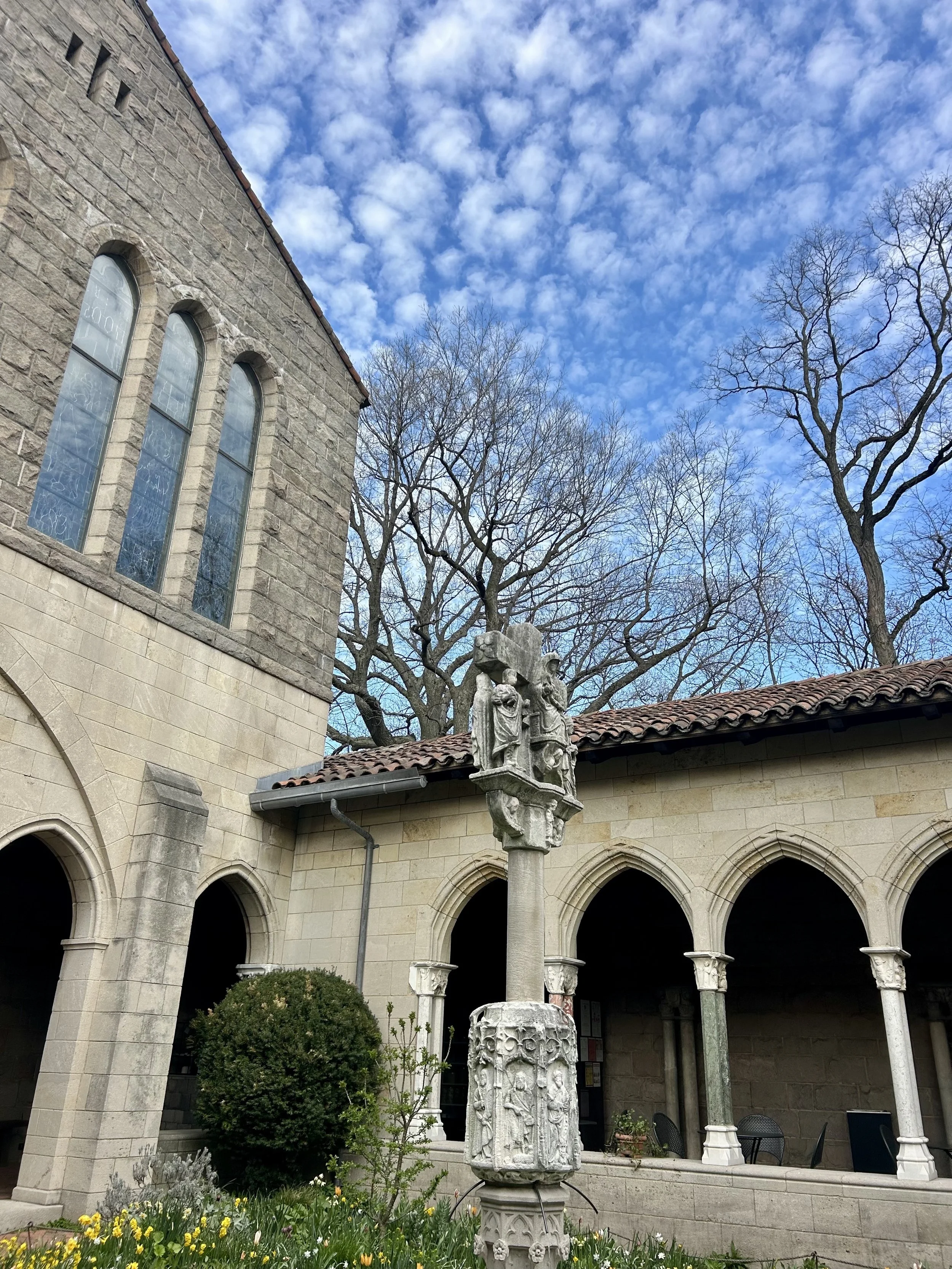
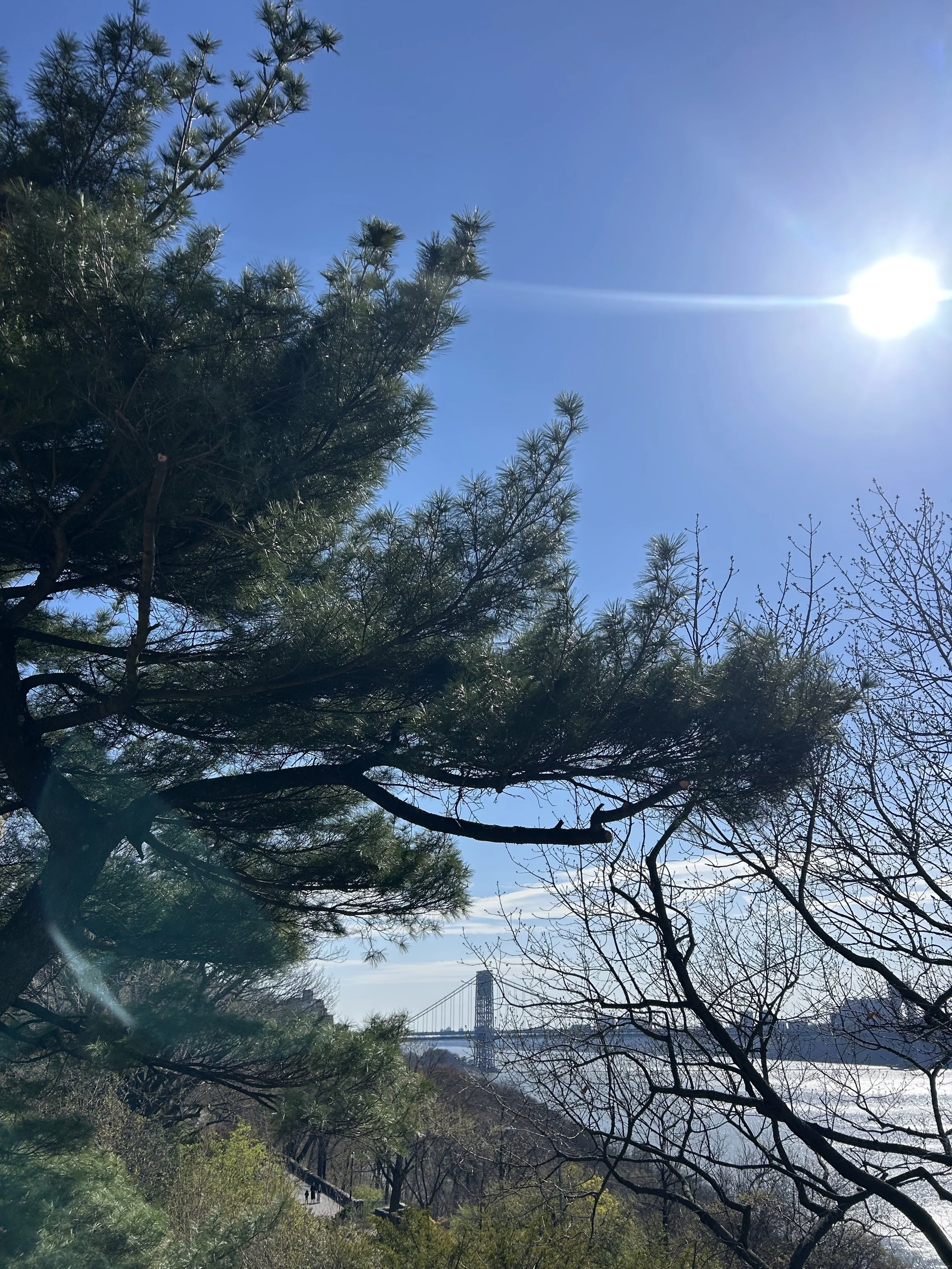
The Met Cloisters is a branch of the Metropolitan Museum of Art located in Fort Tryon Park in northern Manhattan, overlooking the Hudson River. It is America's only museum dedicated exclusively to the art and architecture of the Middle Ages, and it is one of the most surprising places I have visited in New York.
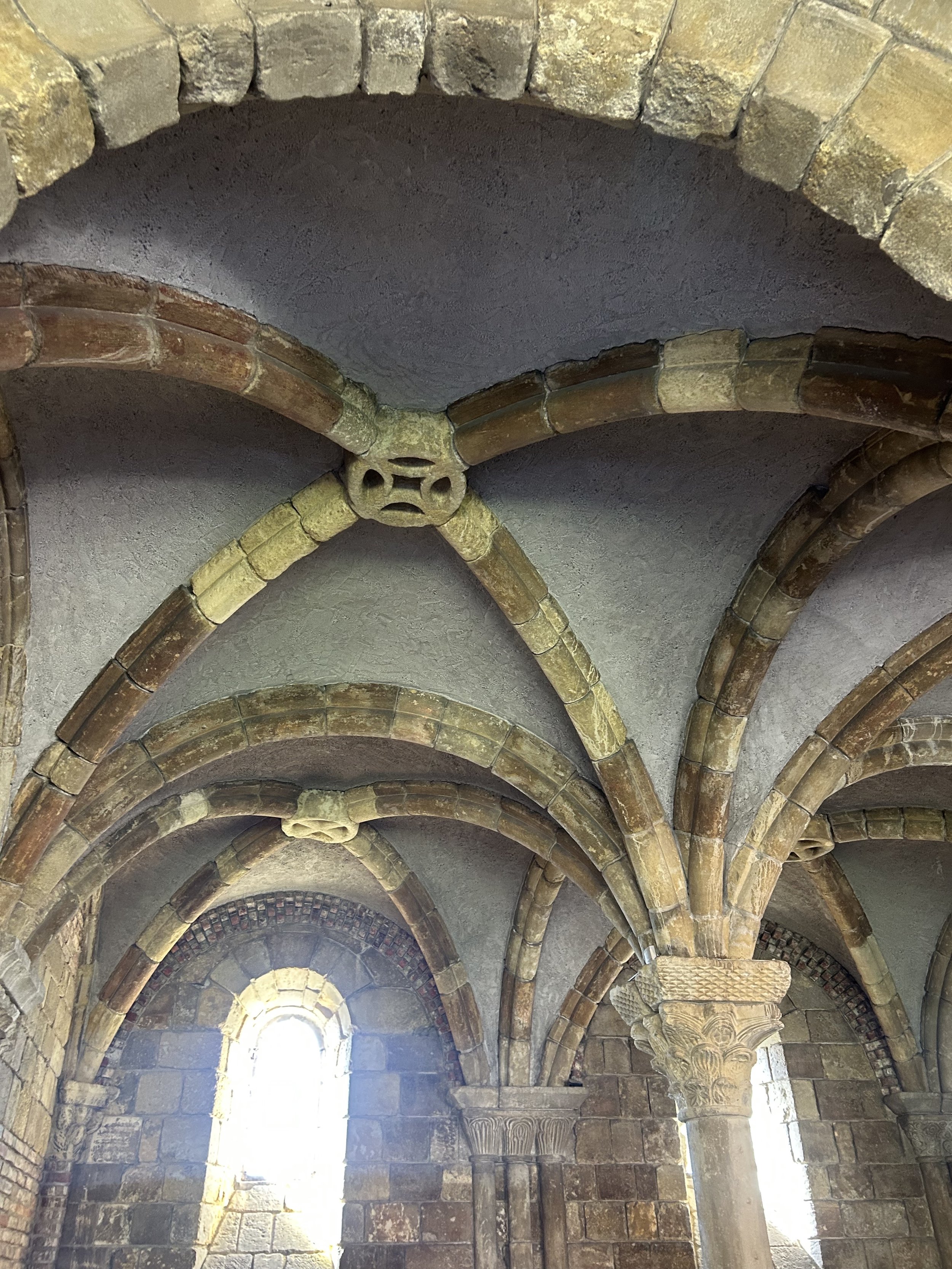
The building itself is extraordinary, not a replica of any single medieval structure, but a carefully designed space incorporating actual architectural fragments from five real French medieval cloisters, dismantled, shipped across the Atlantic, and rebuilt in Manhattan. The result evokes the atmosphere of a medieval European monastery in a way that feels completely genuine.
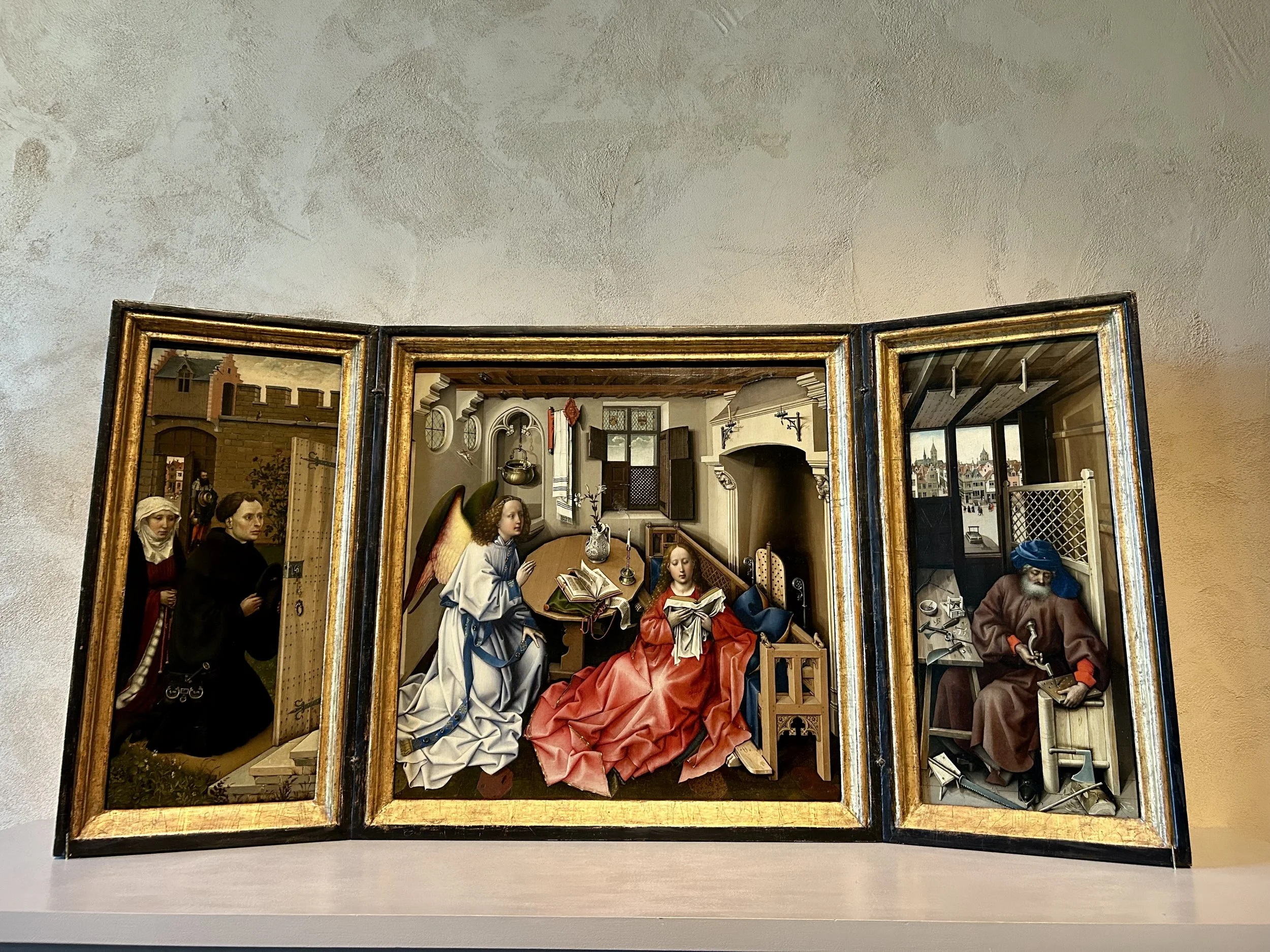
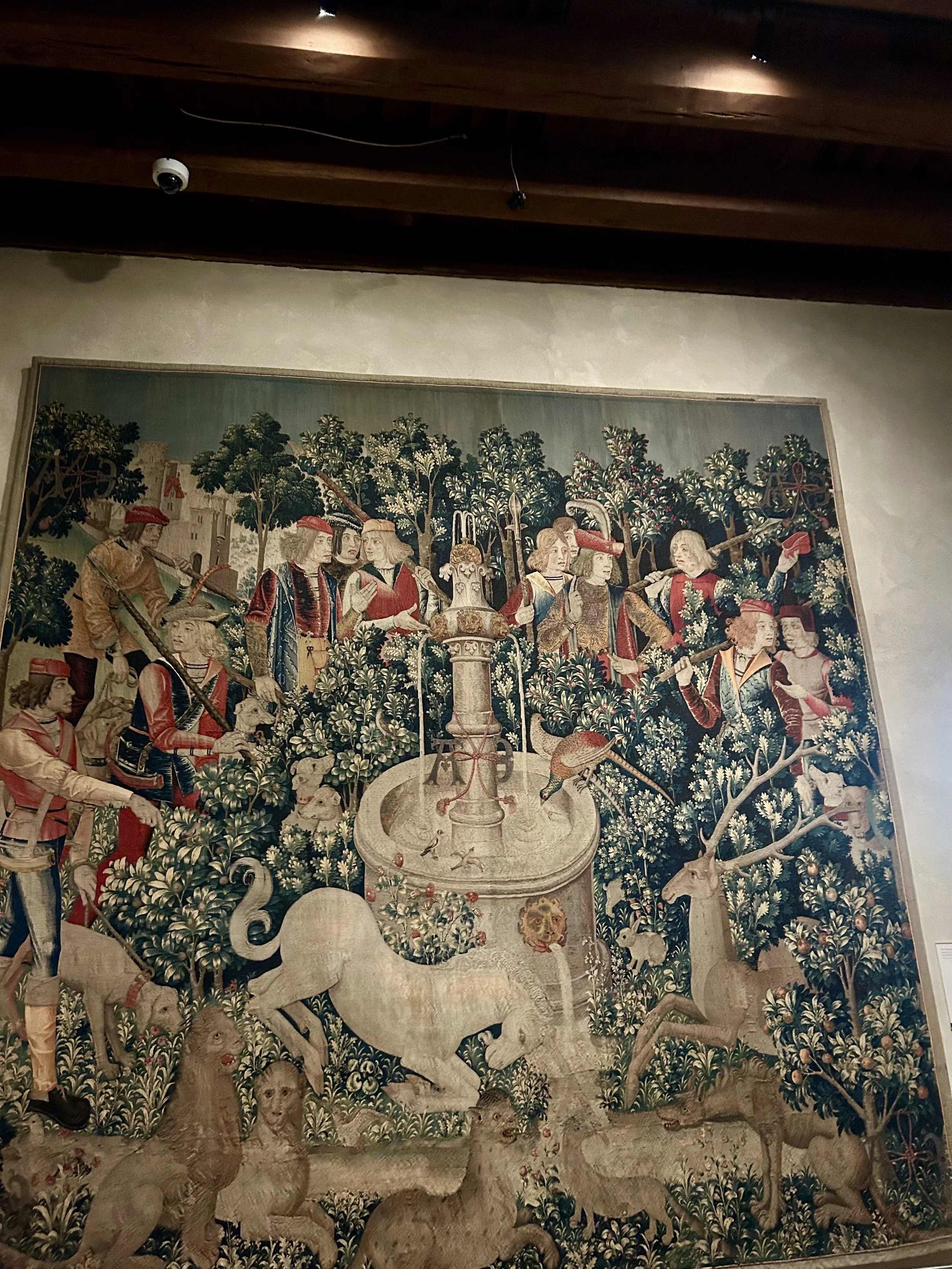
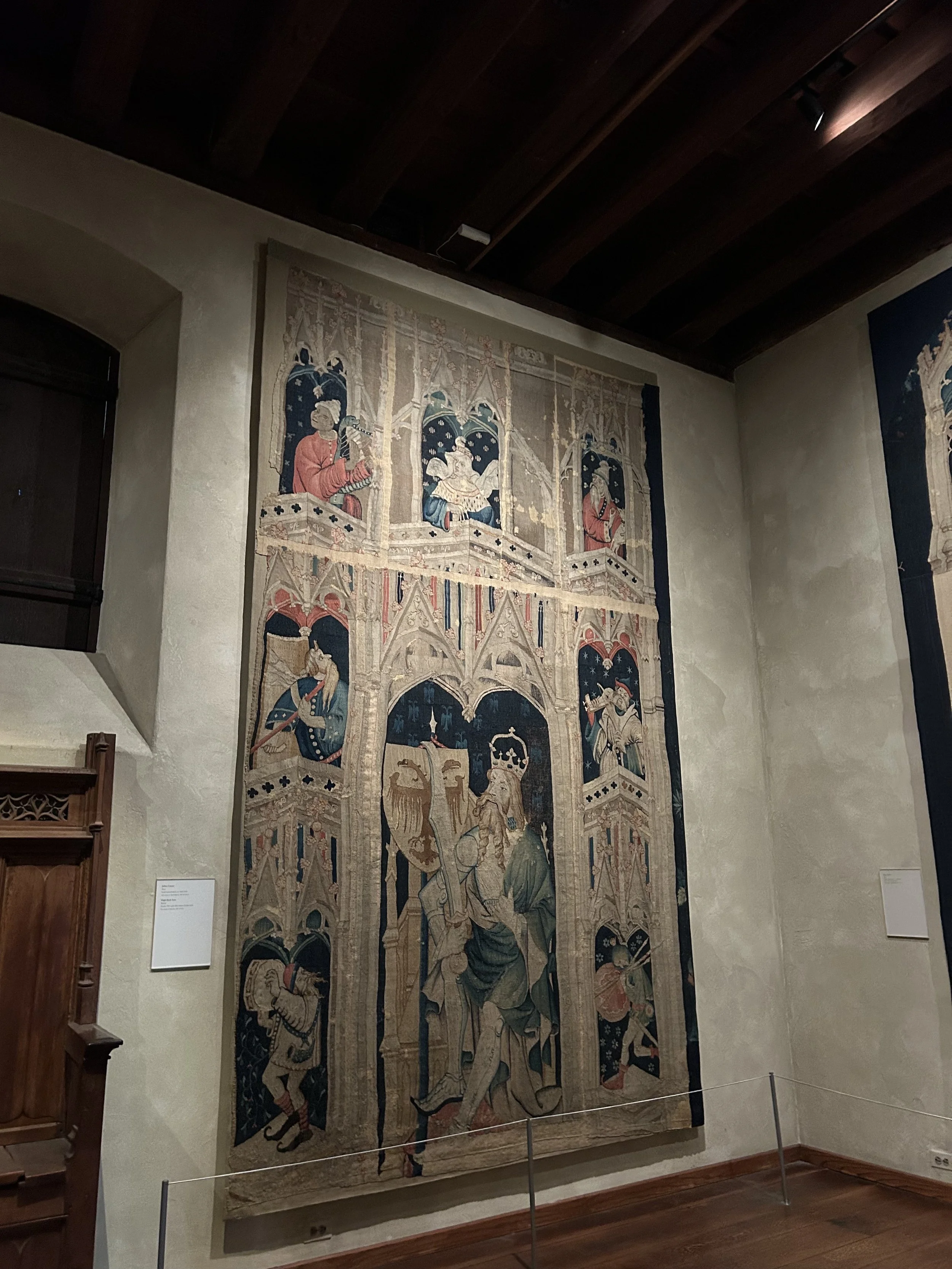
The collection includes over 5,000 works of art from medieval Europe such as sculpture, tapestries, paintings, stained glass, and metalwork from the 9th to the 16th century. Among the highlights are the celebrated Unicorn Tapestries and the Mérode Altarpiece, two of the most extraordinary works of medieval art in the world.
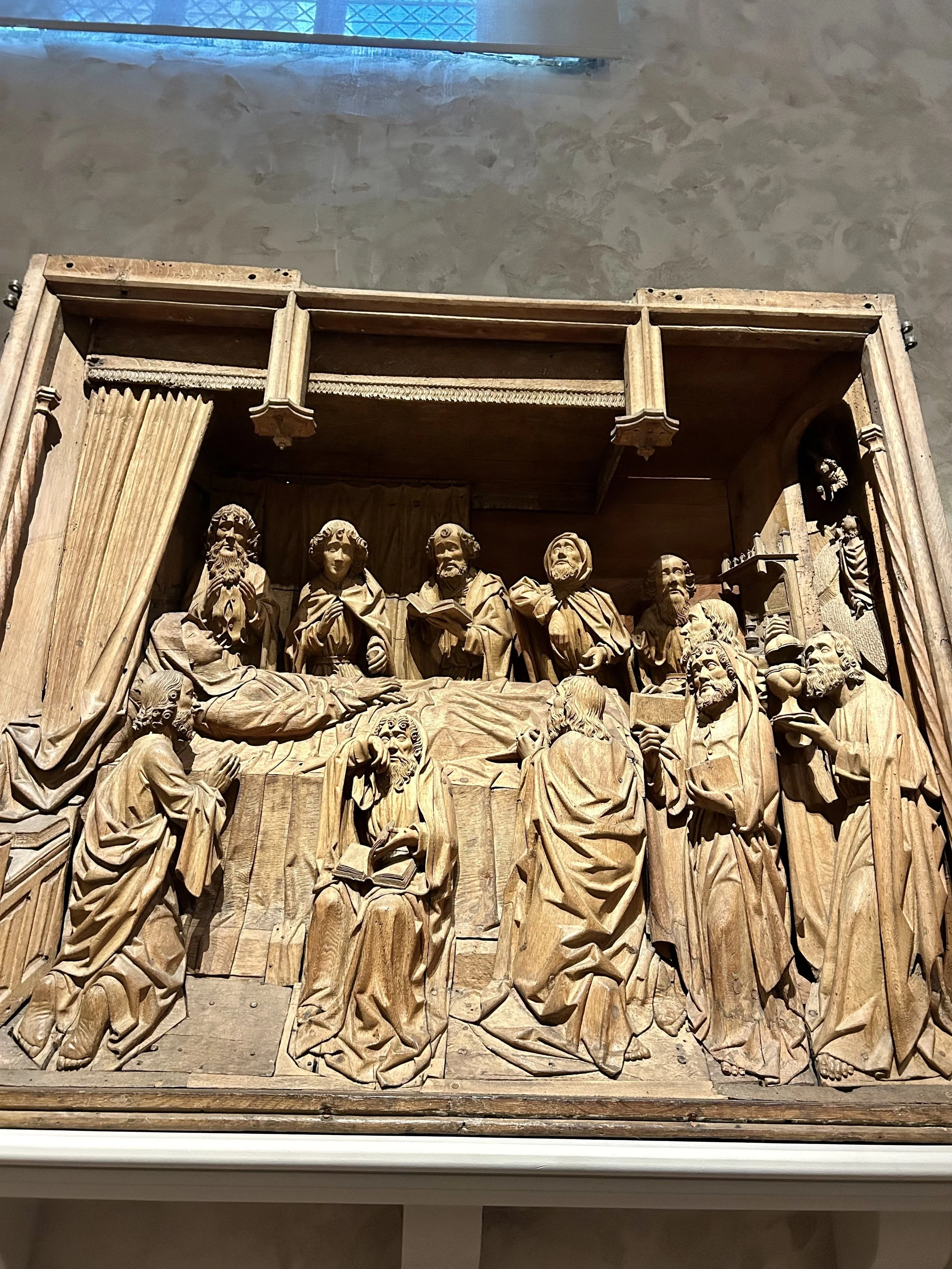
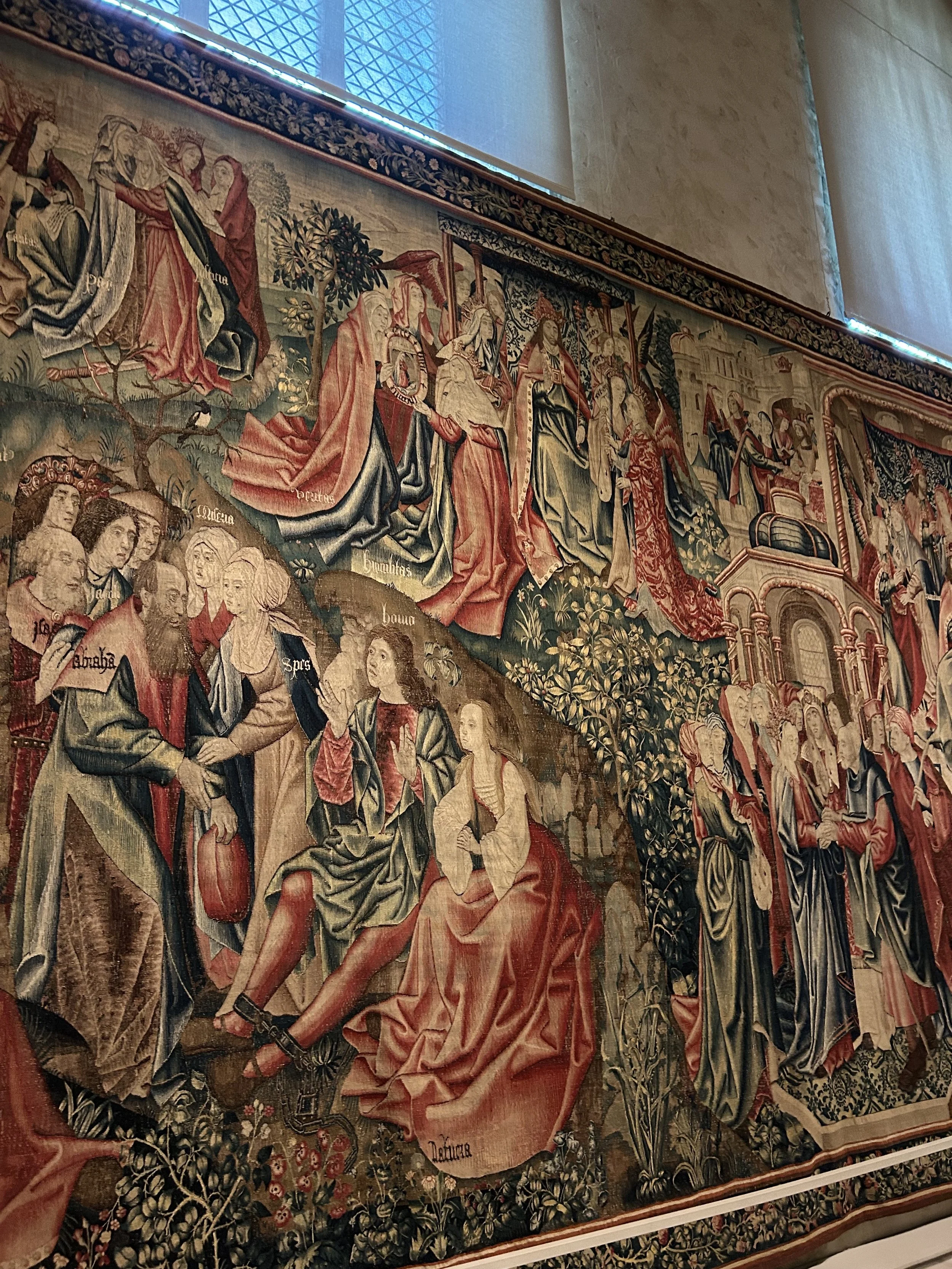
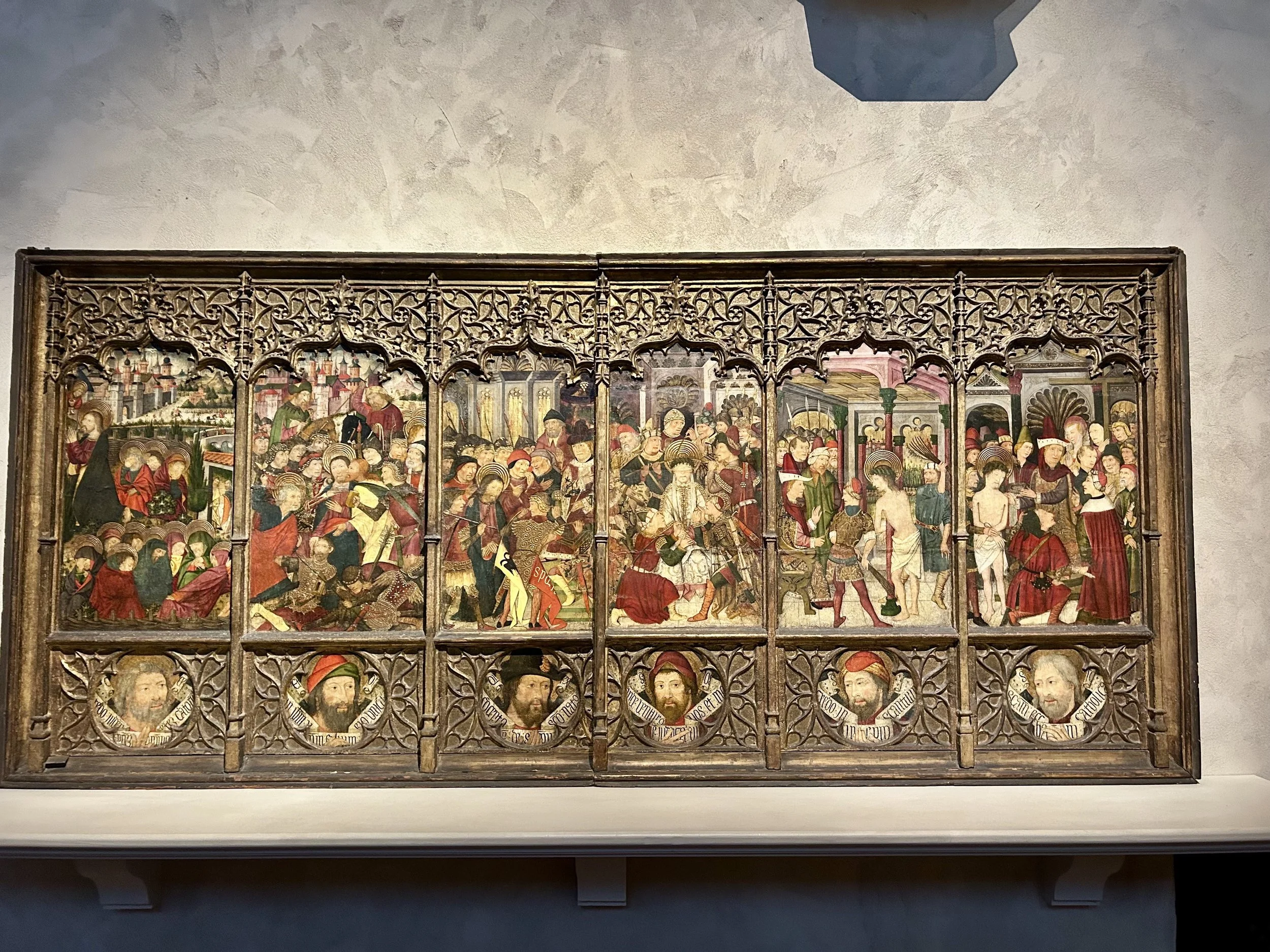
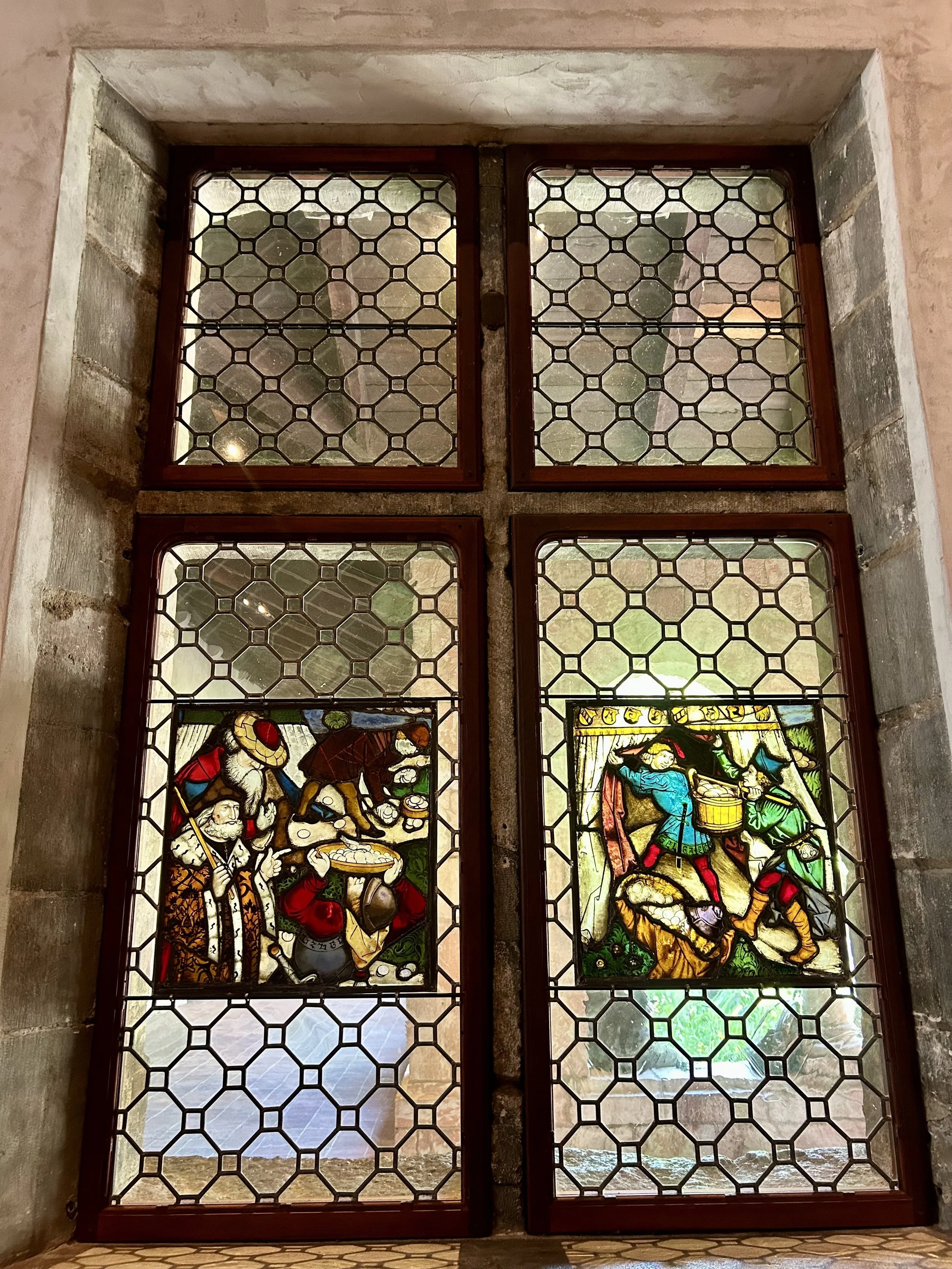
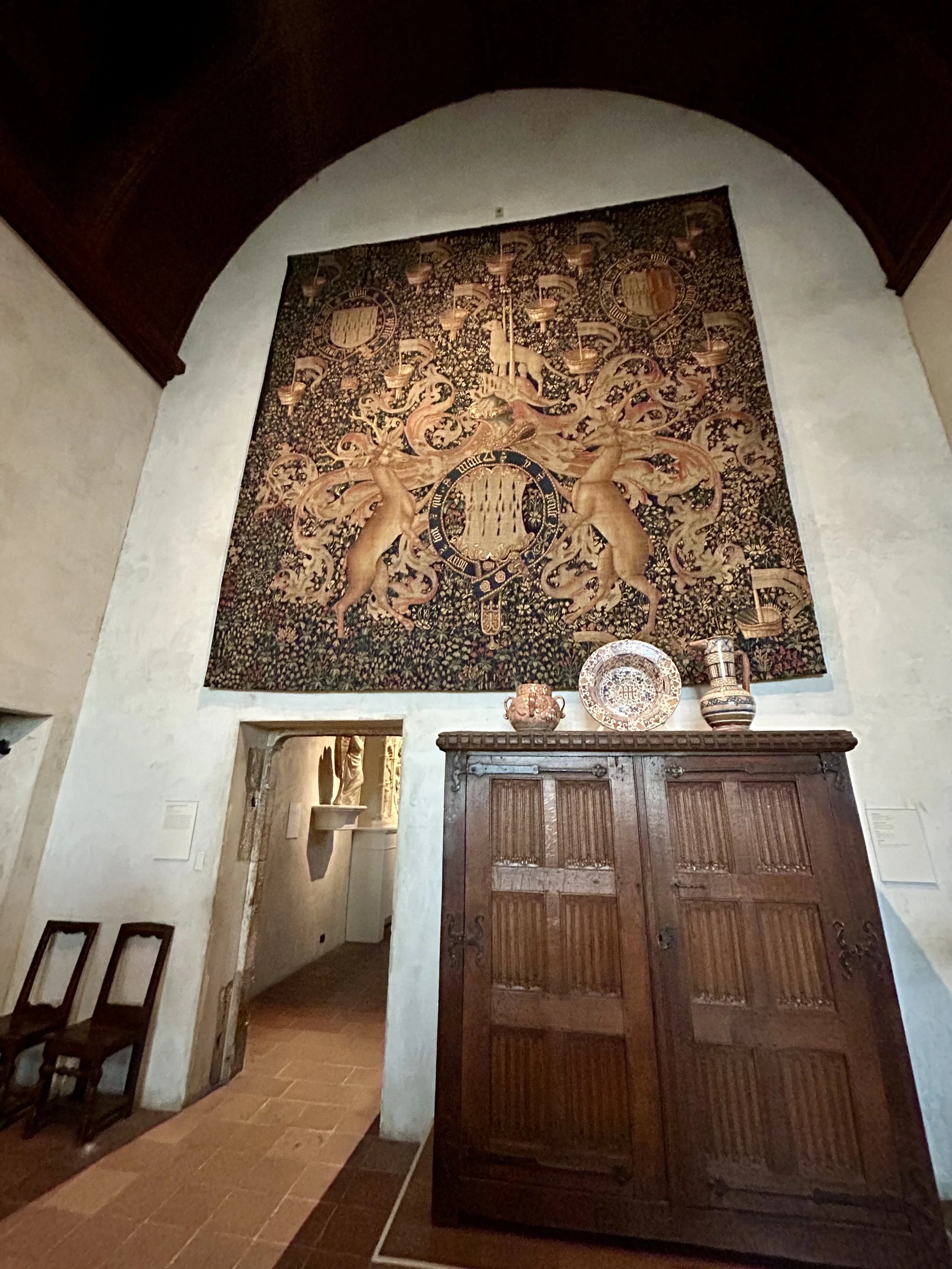
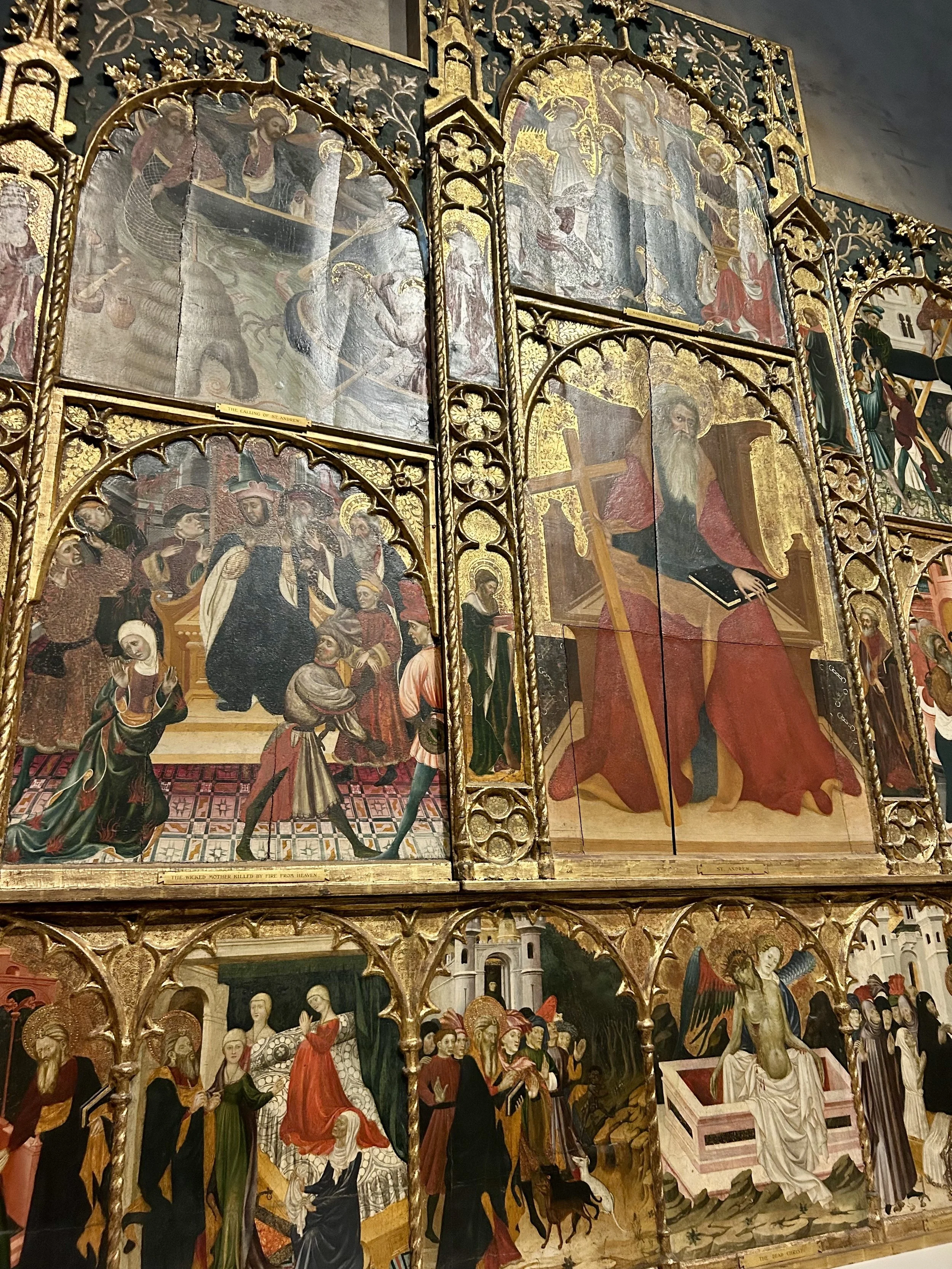
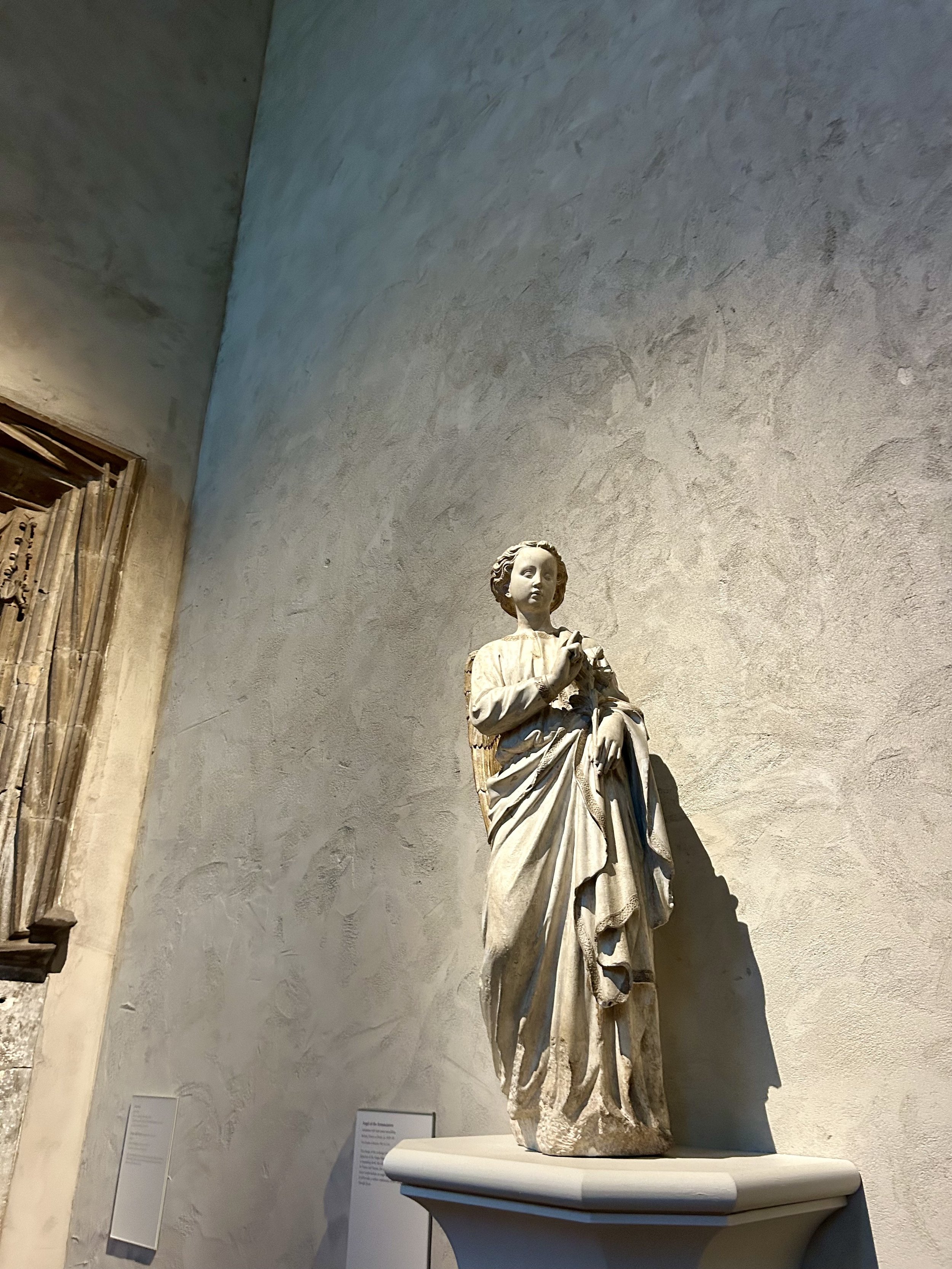
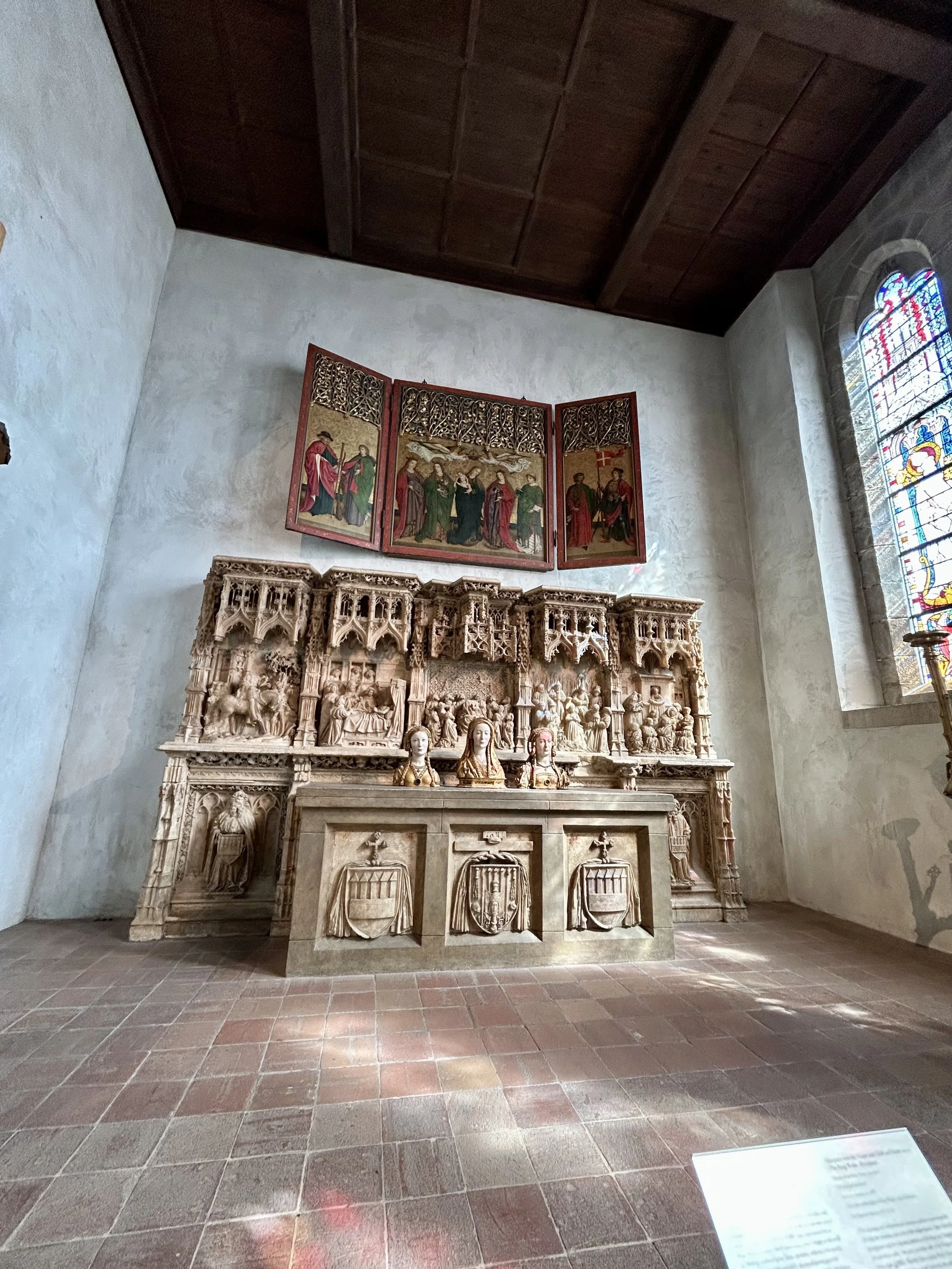
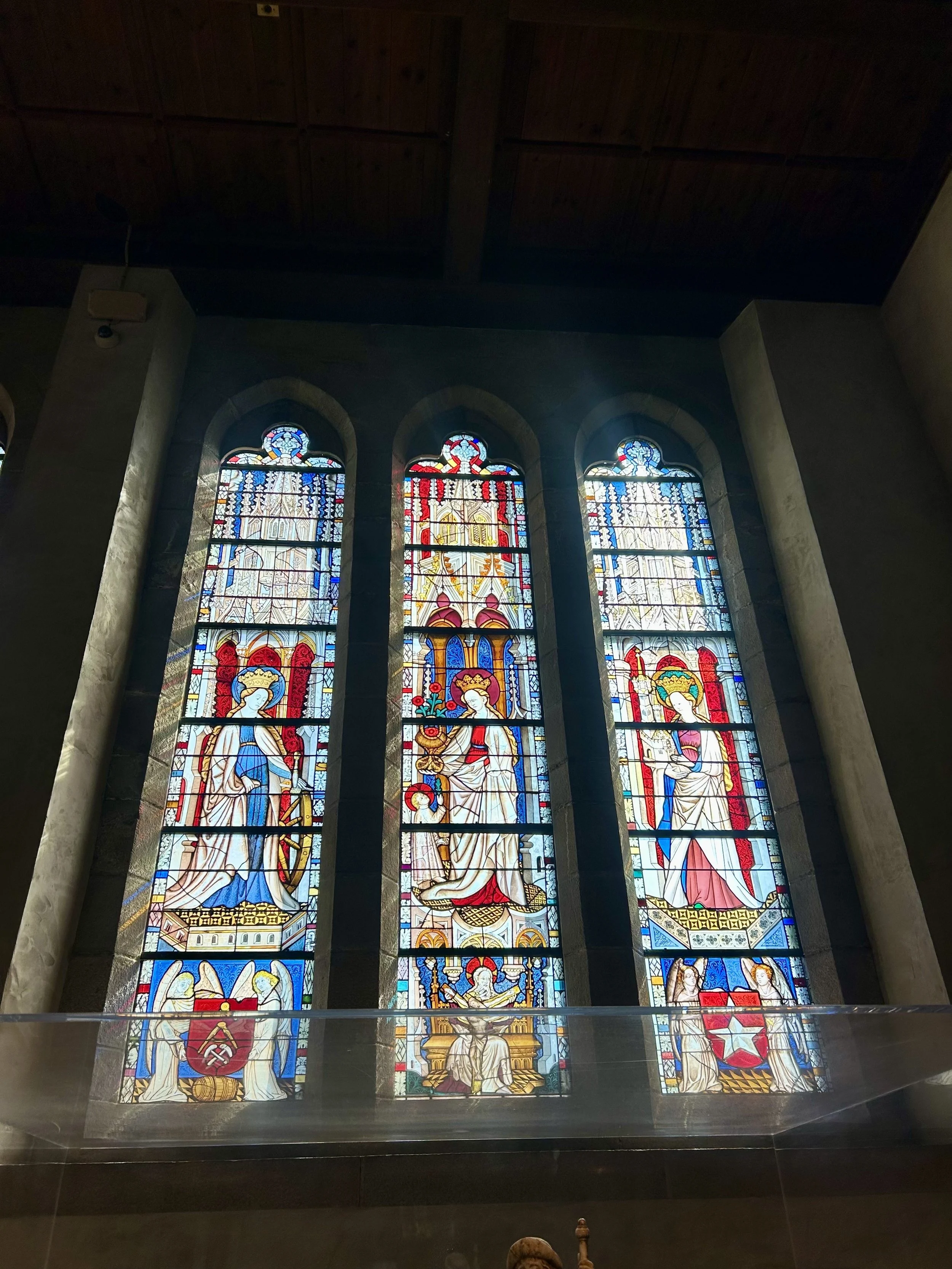
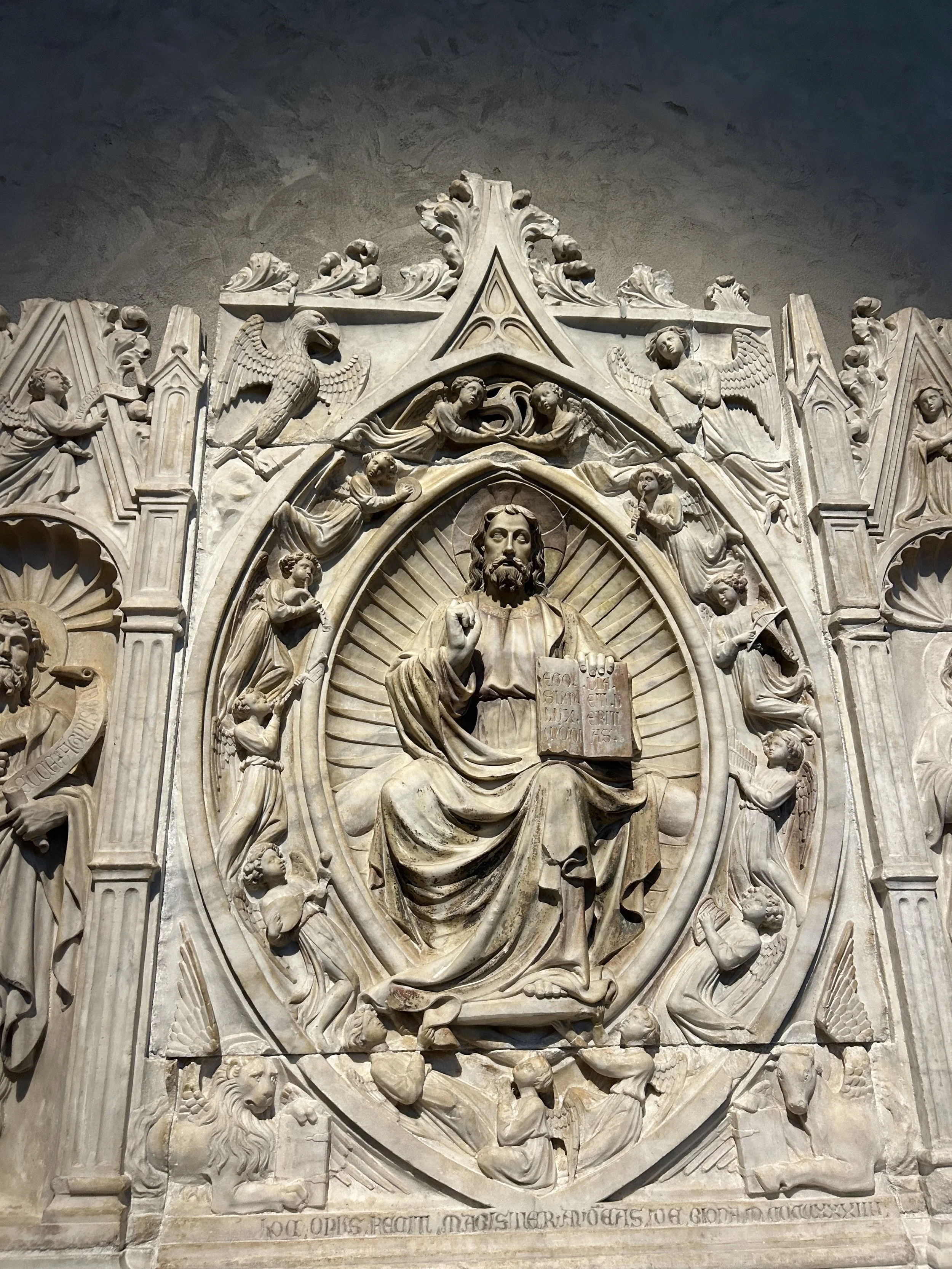
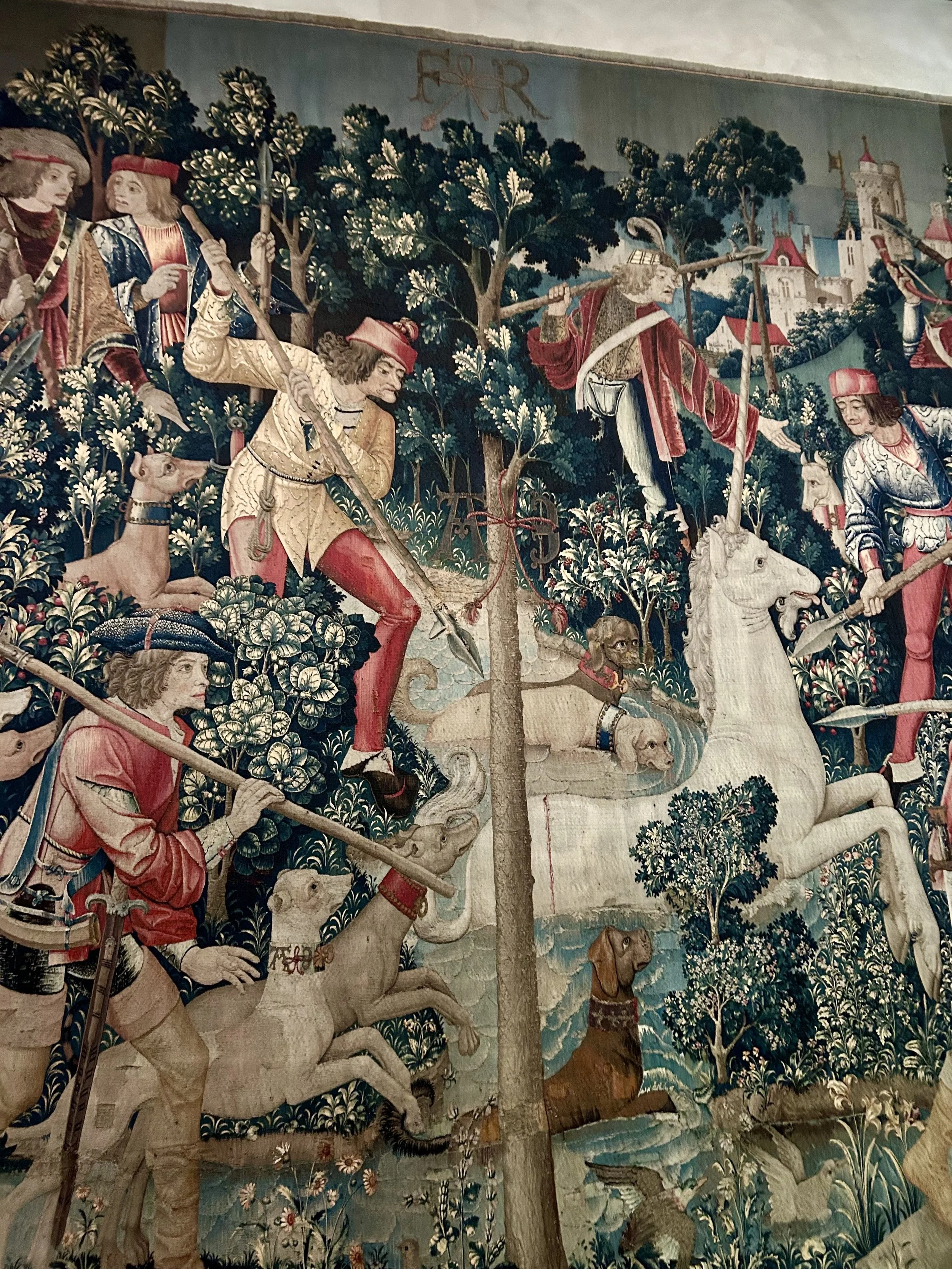
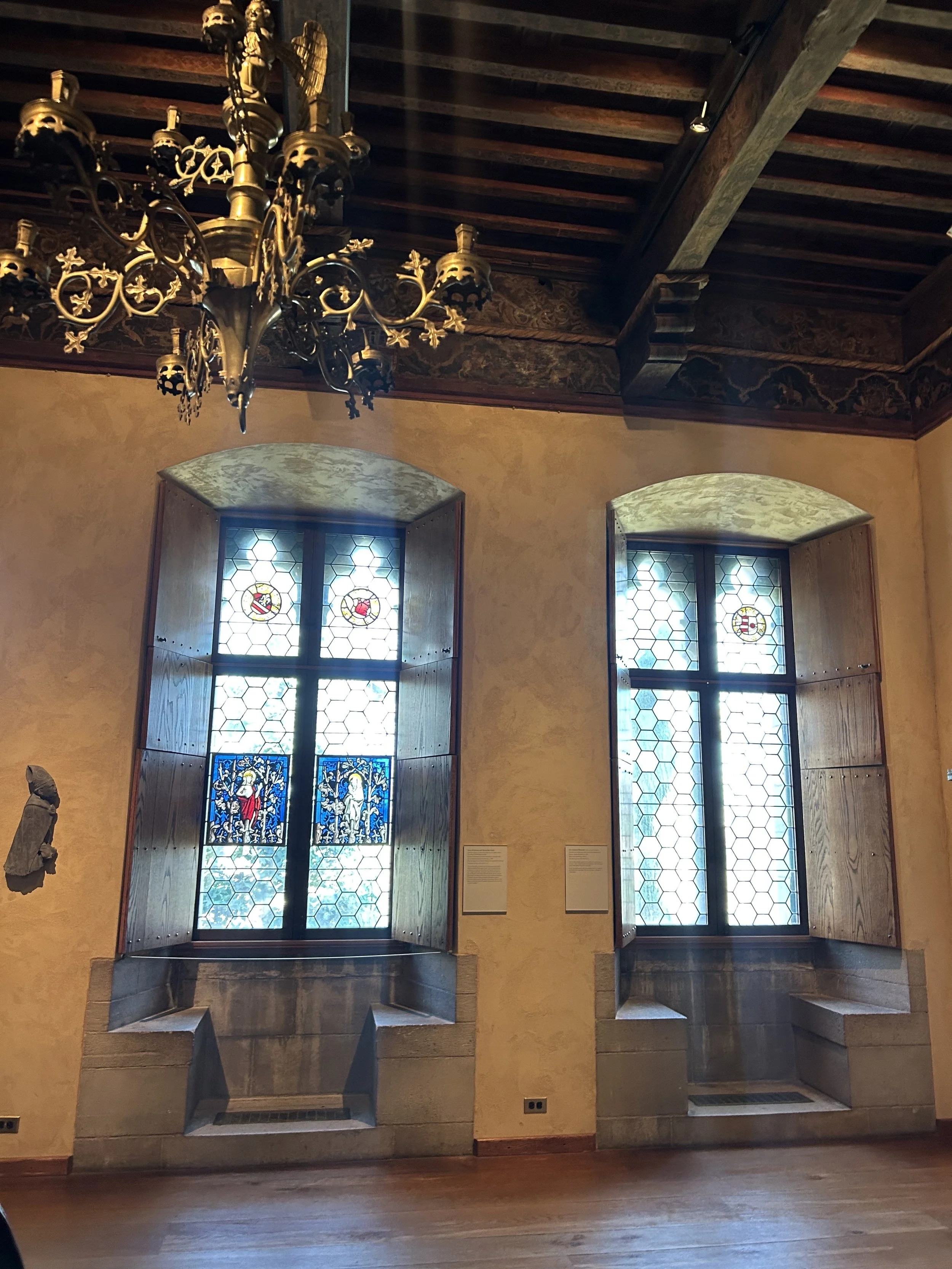
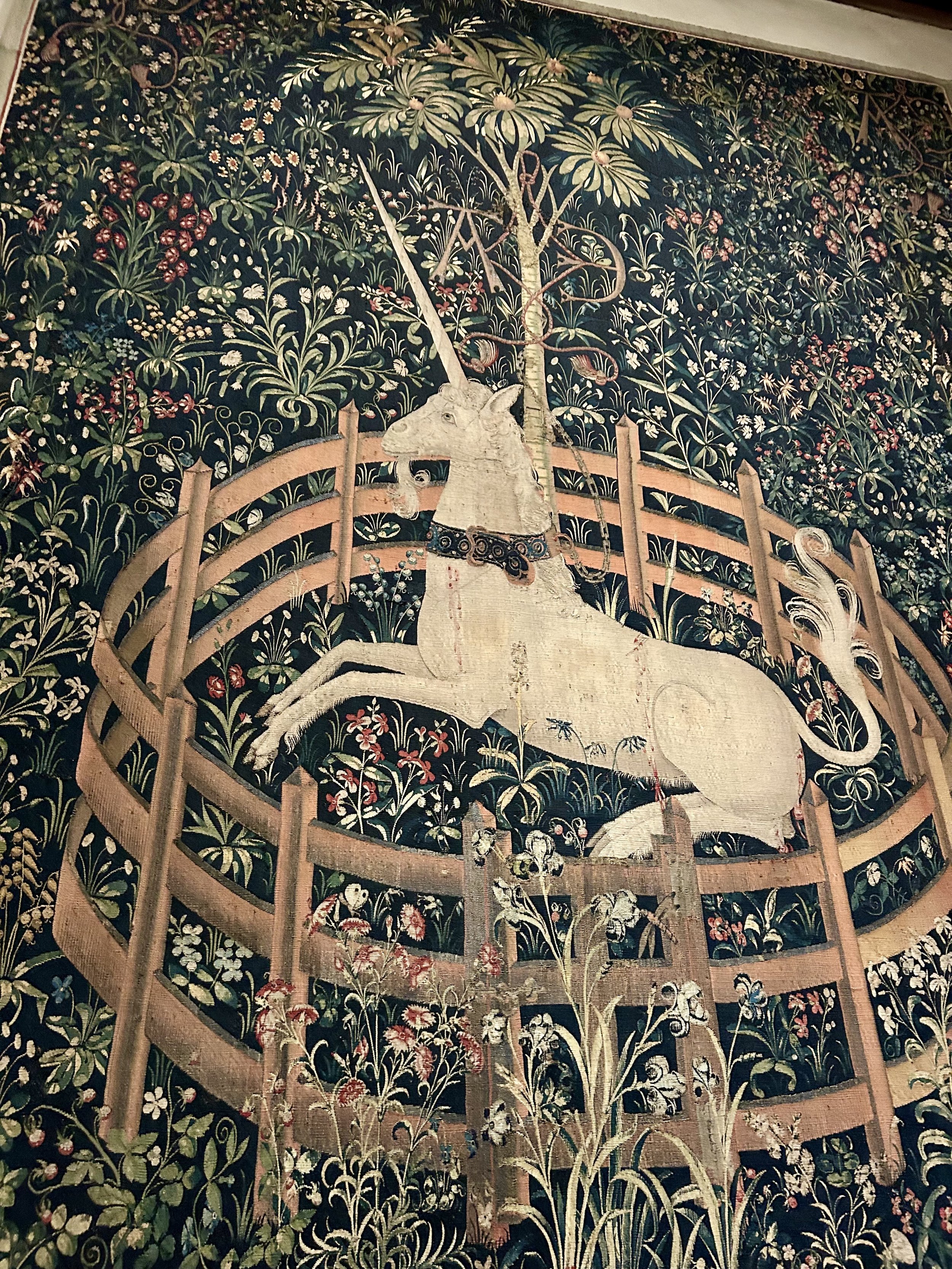
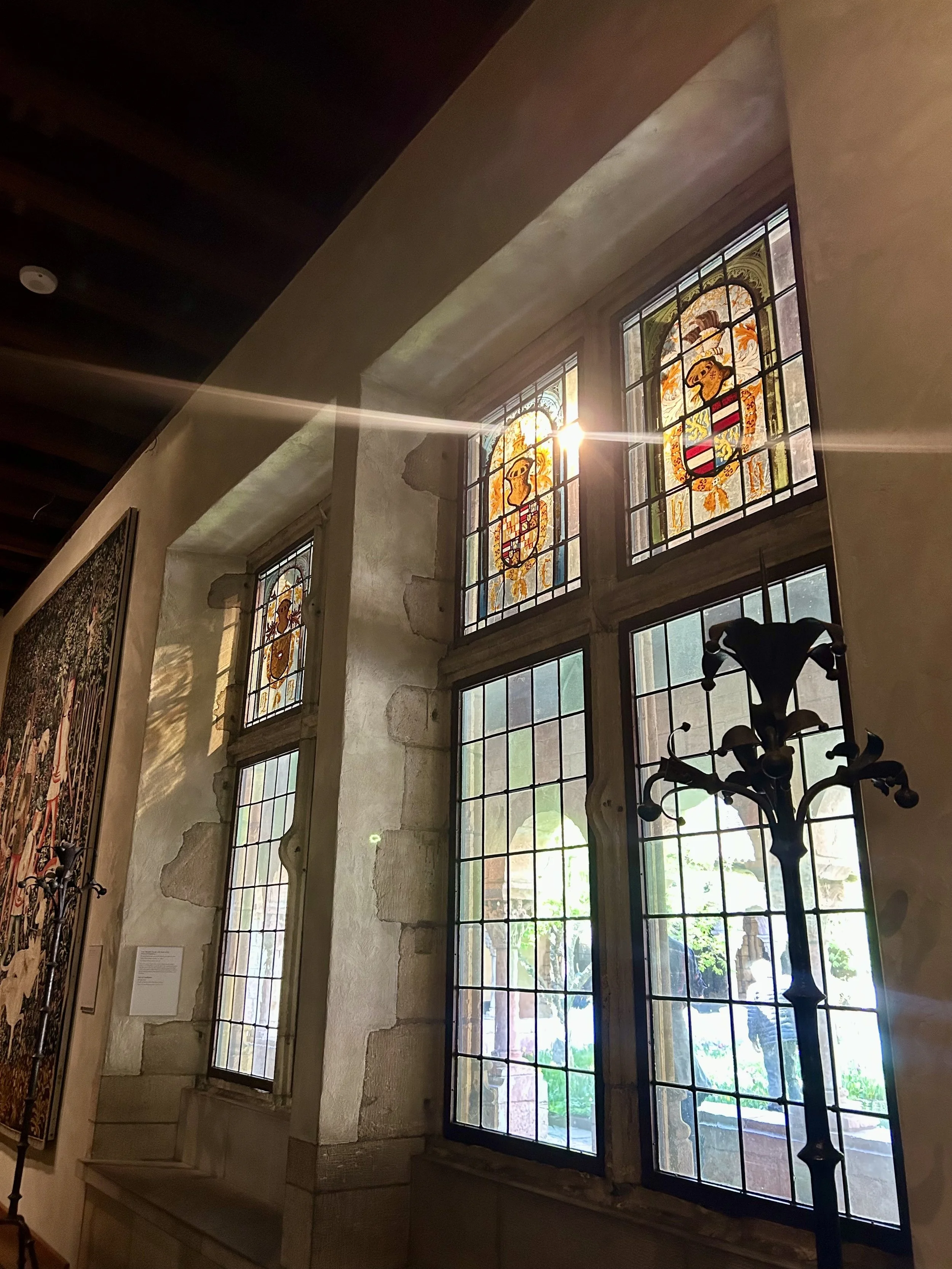
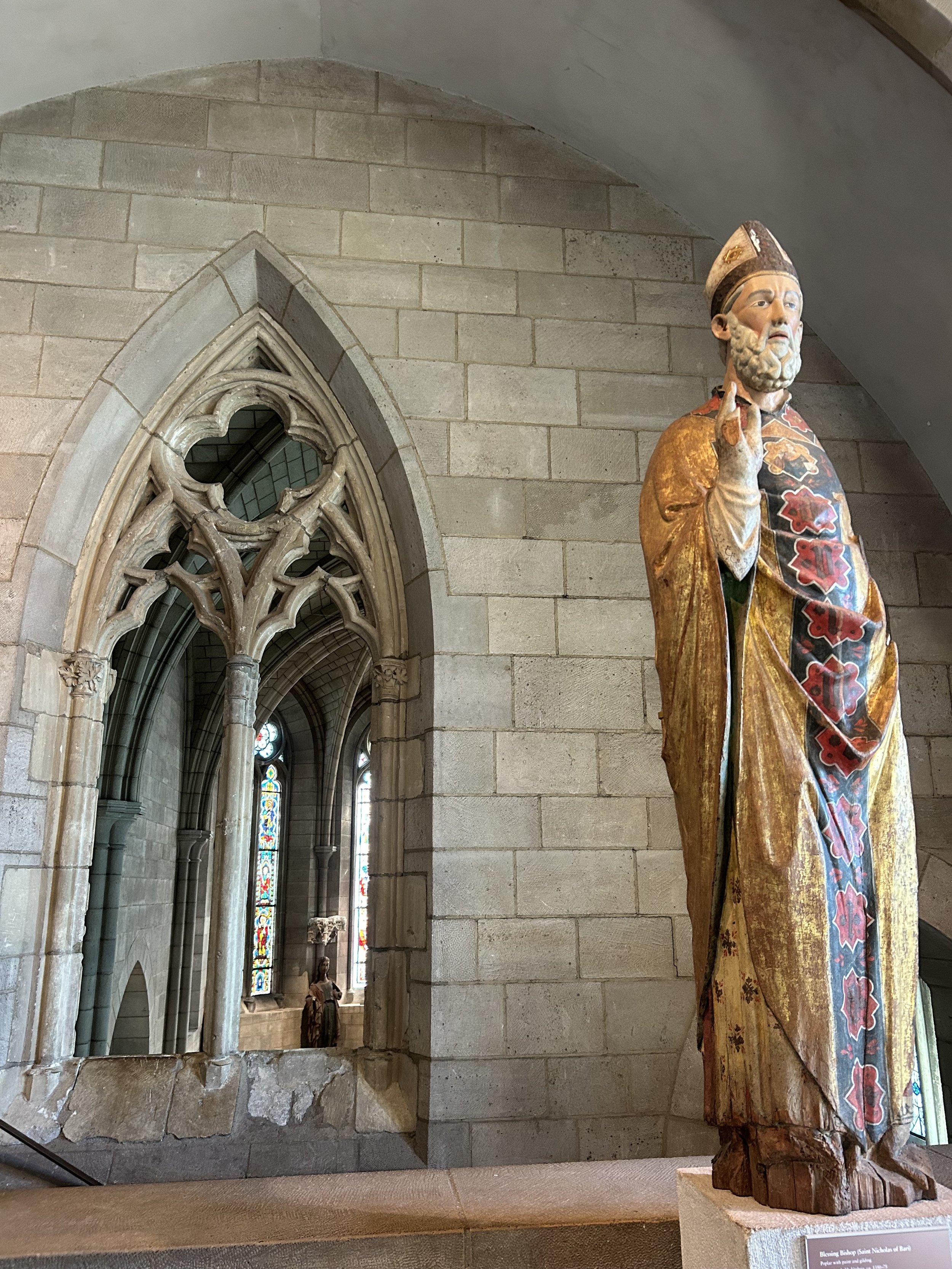
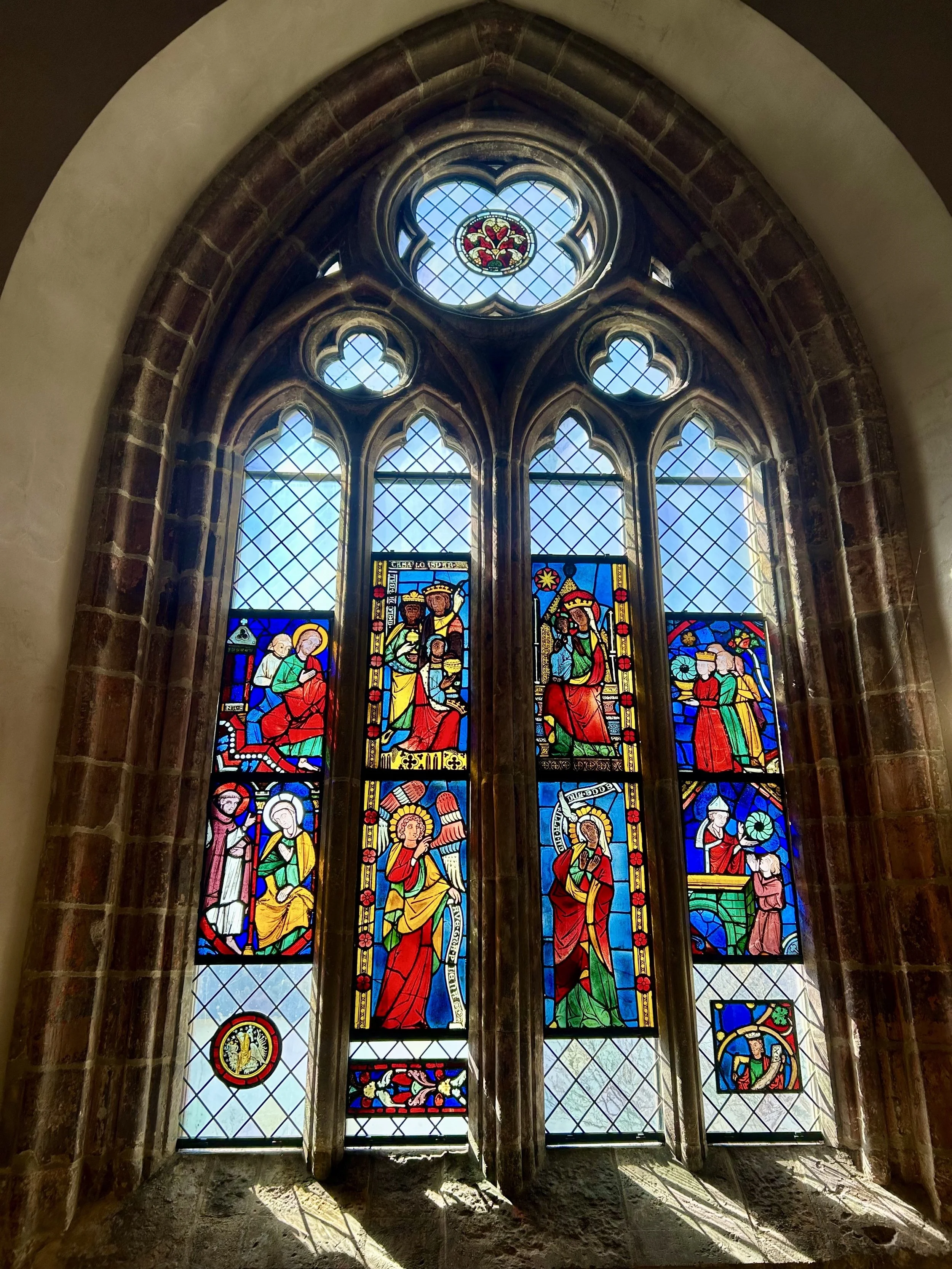
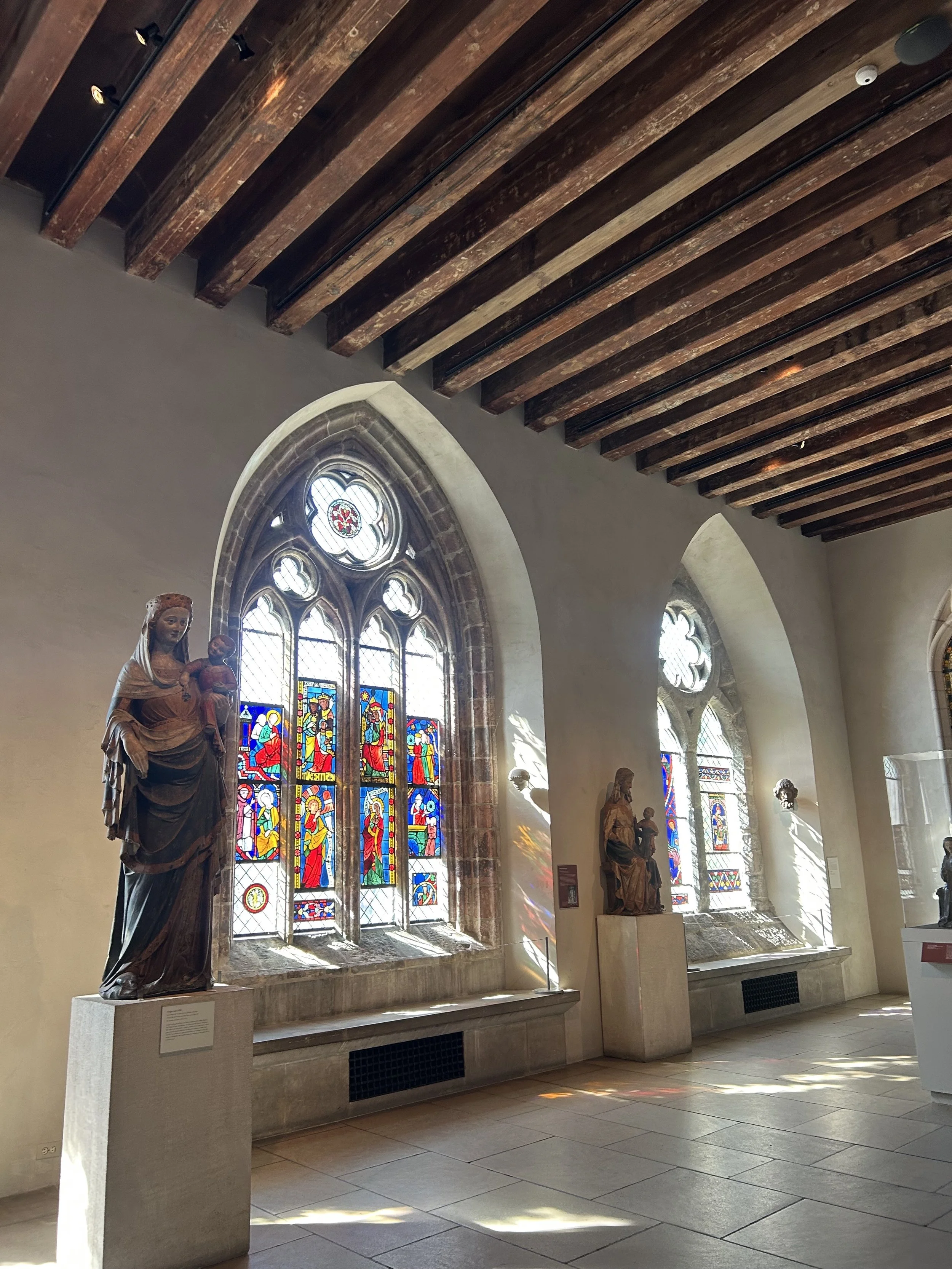
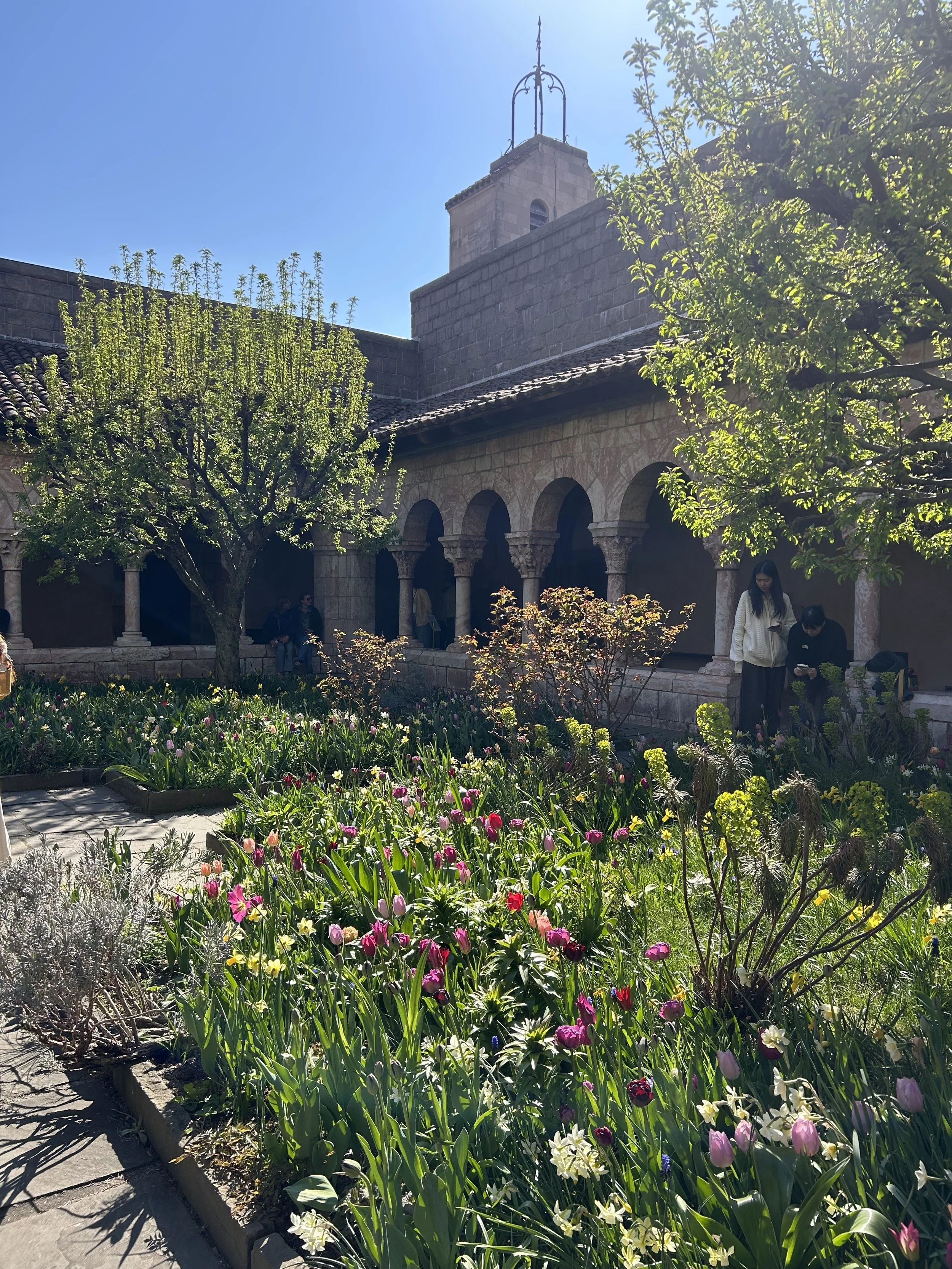
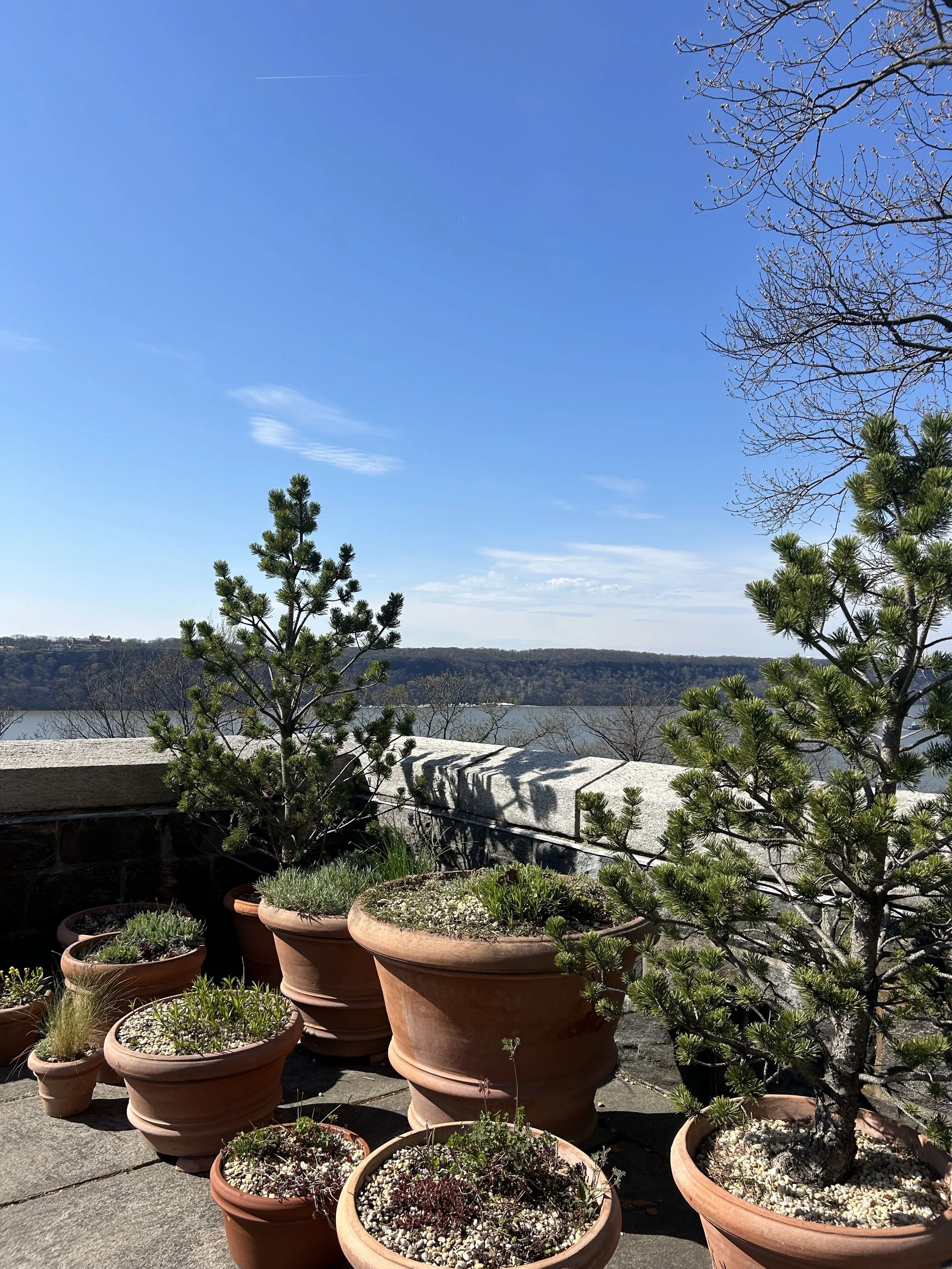
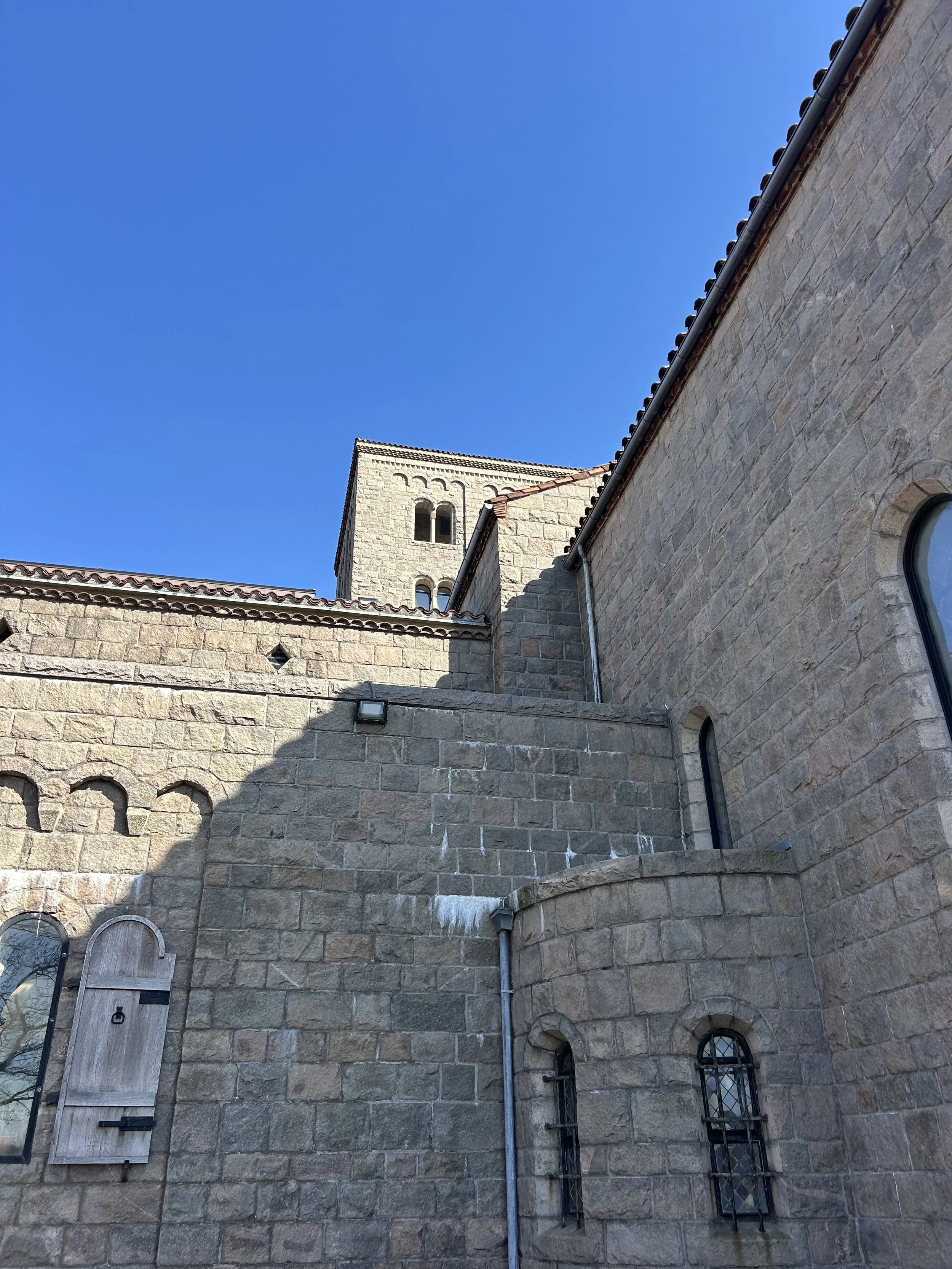
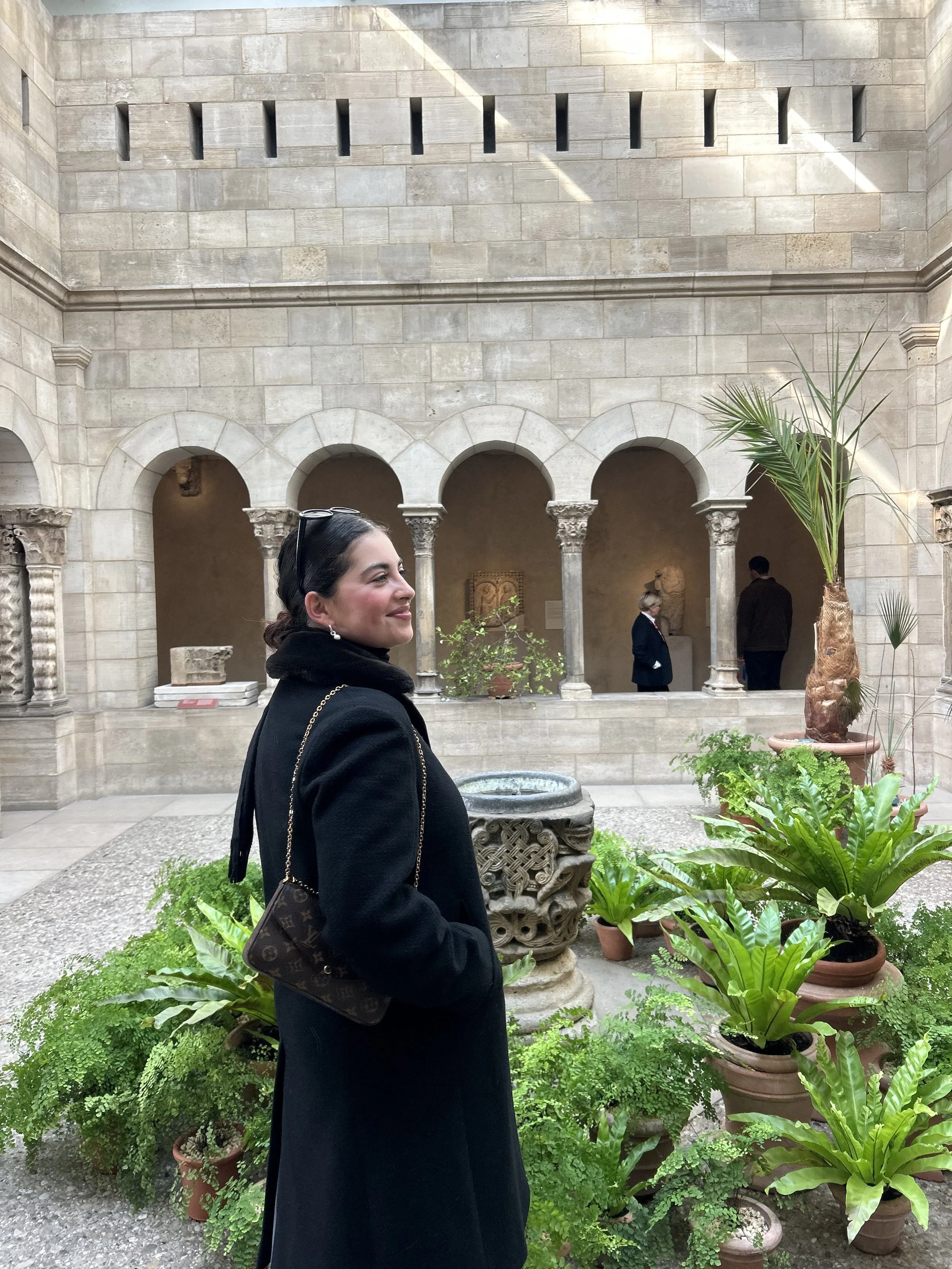
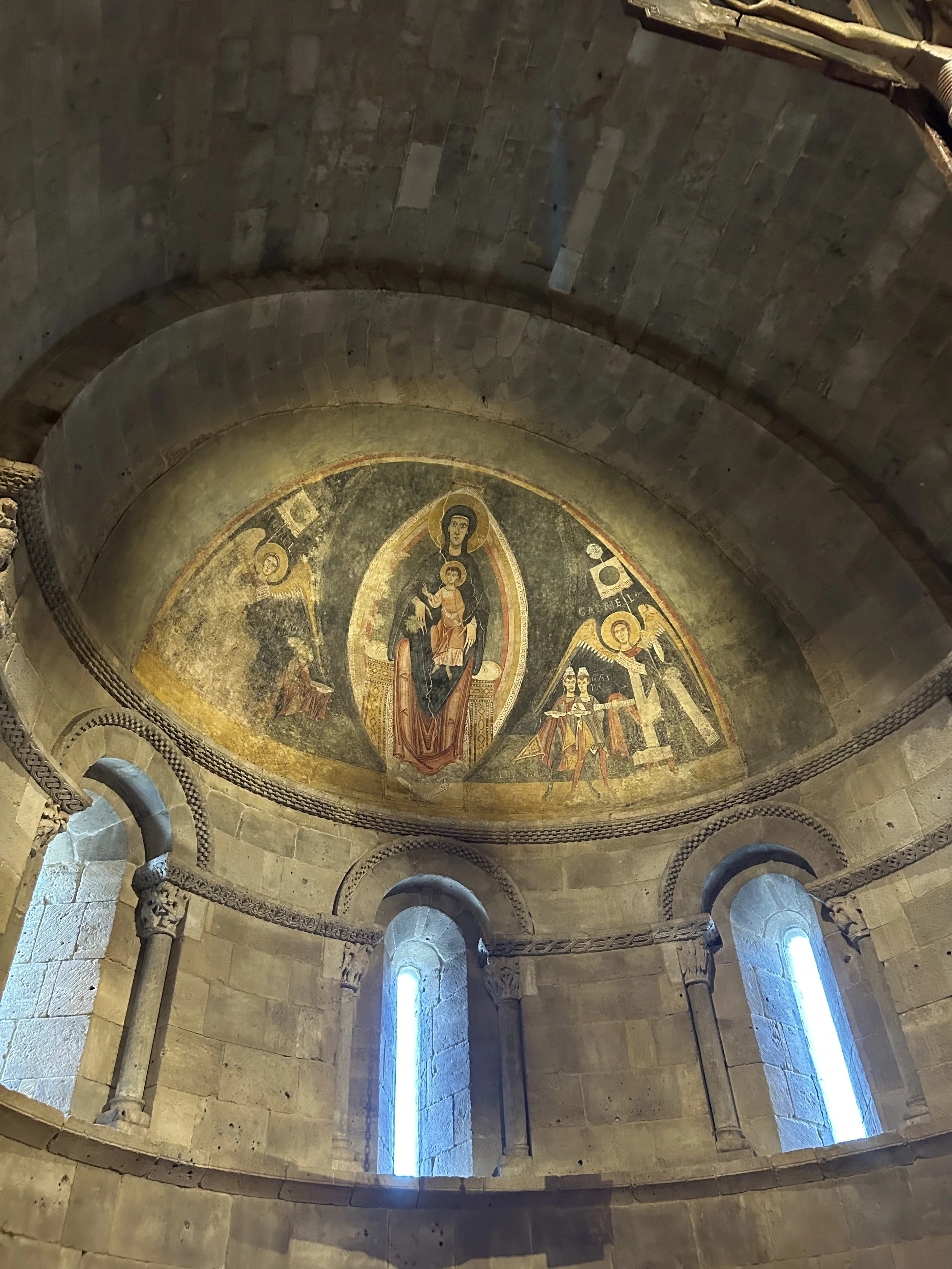
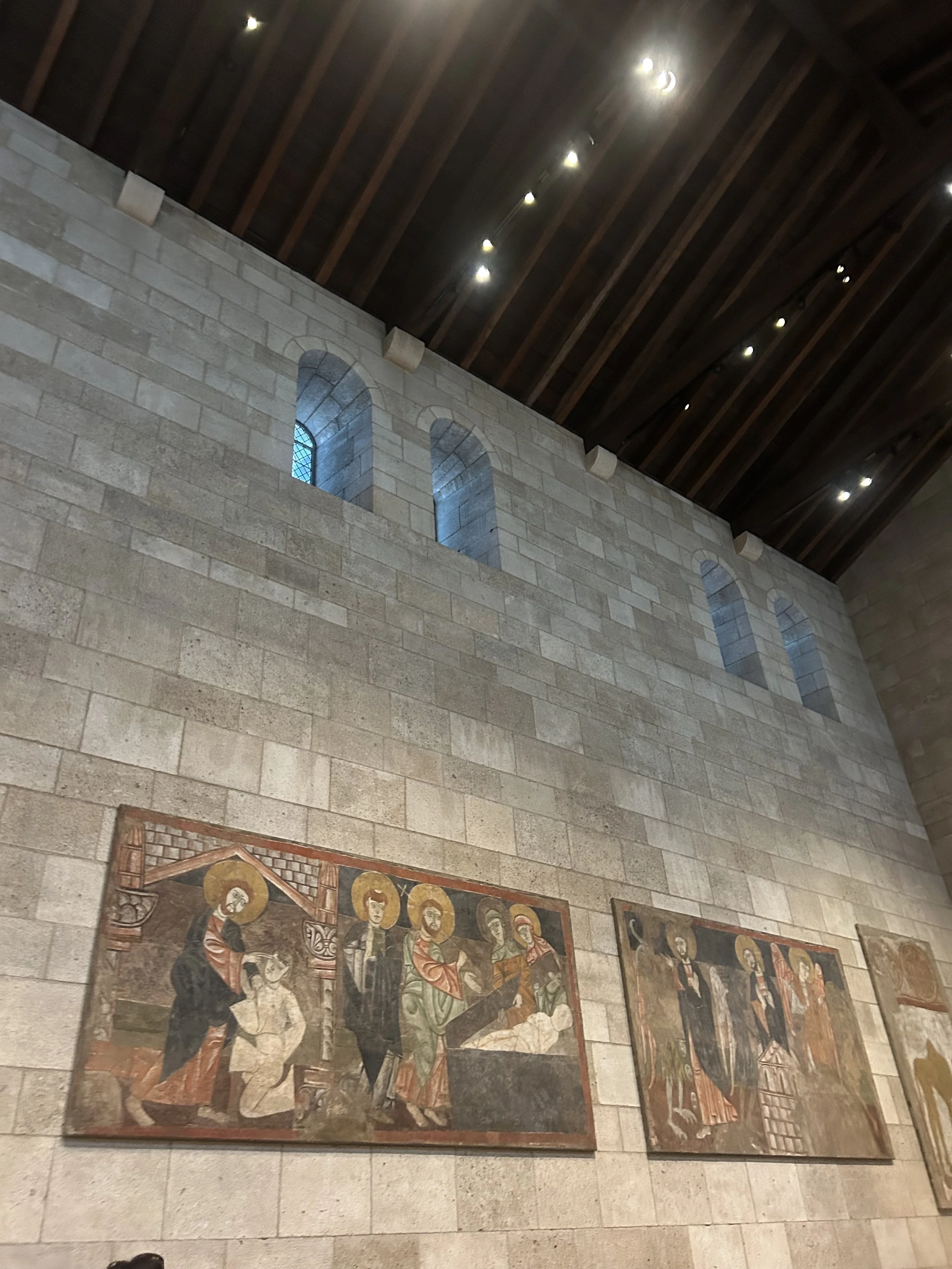
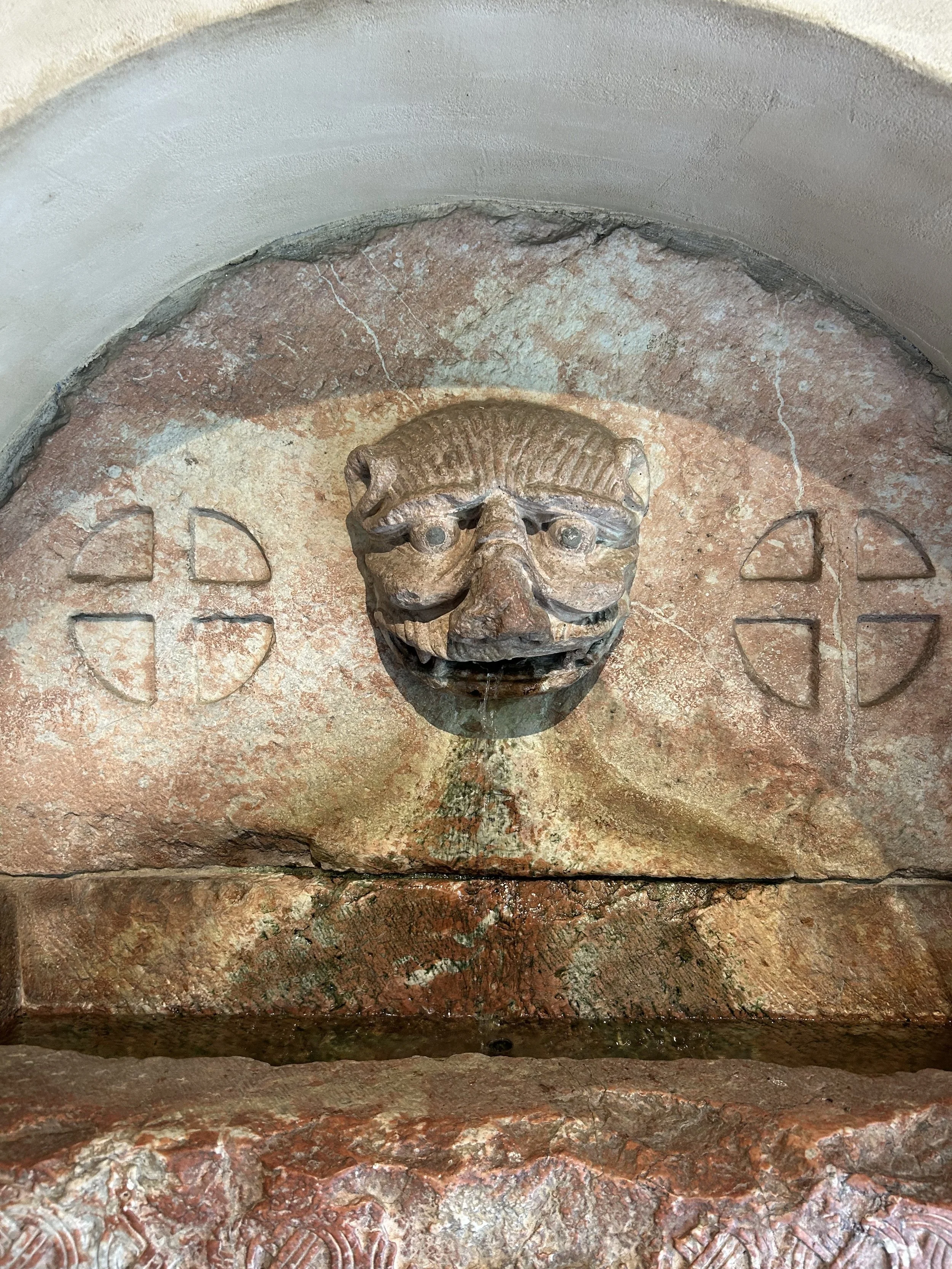
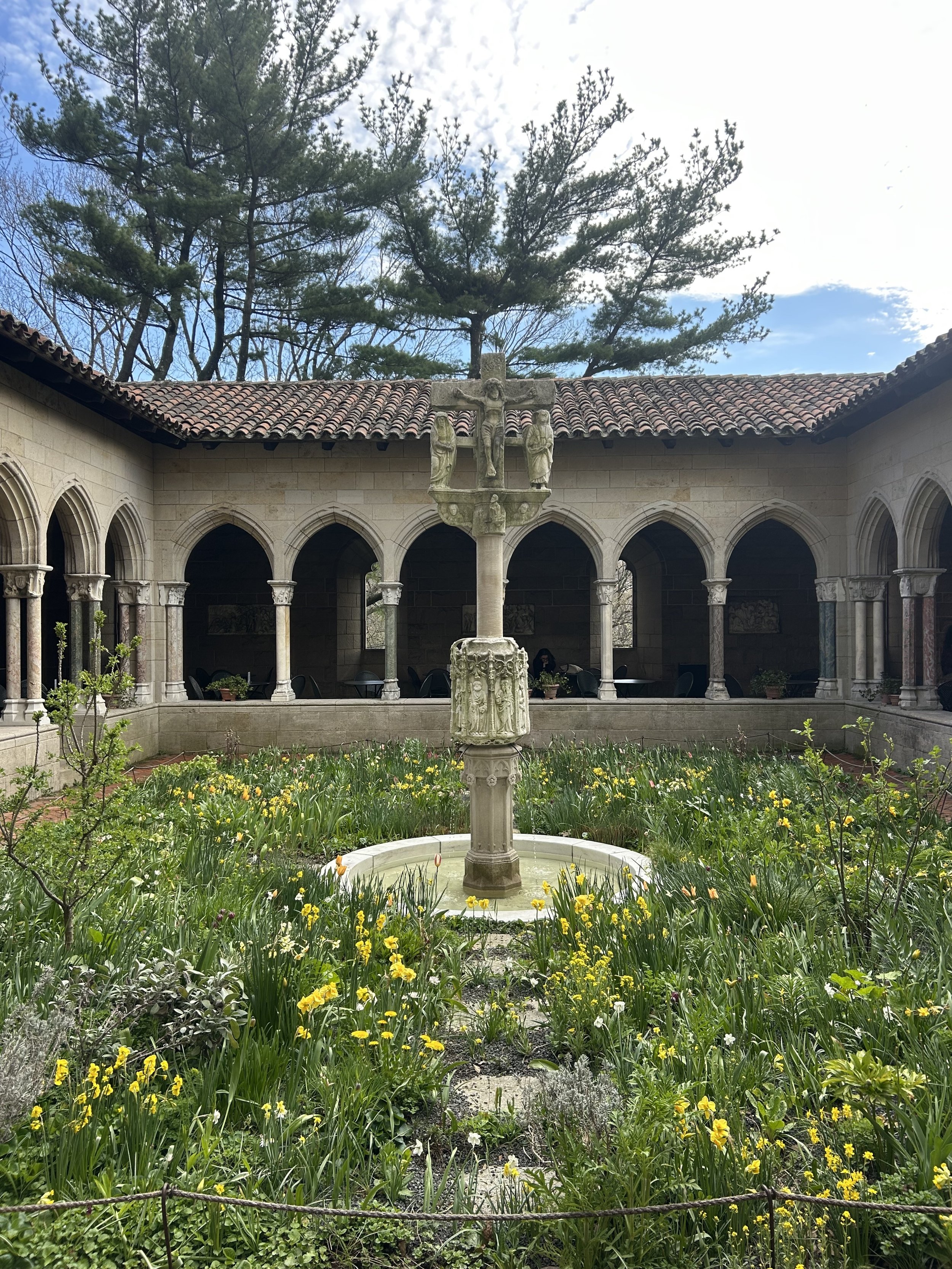
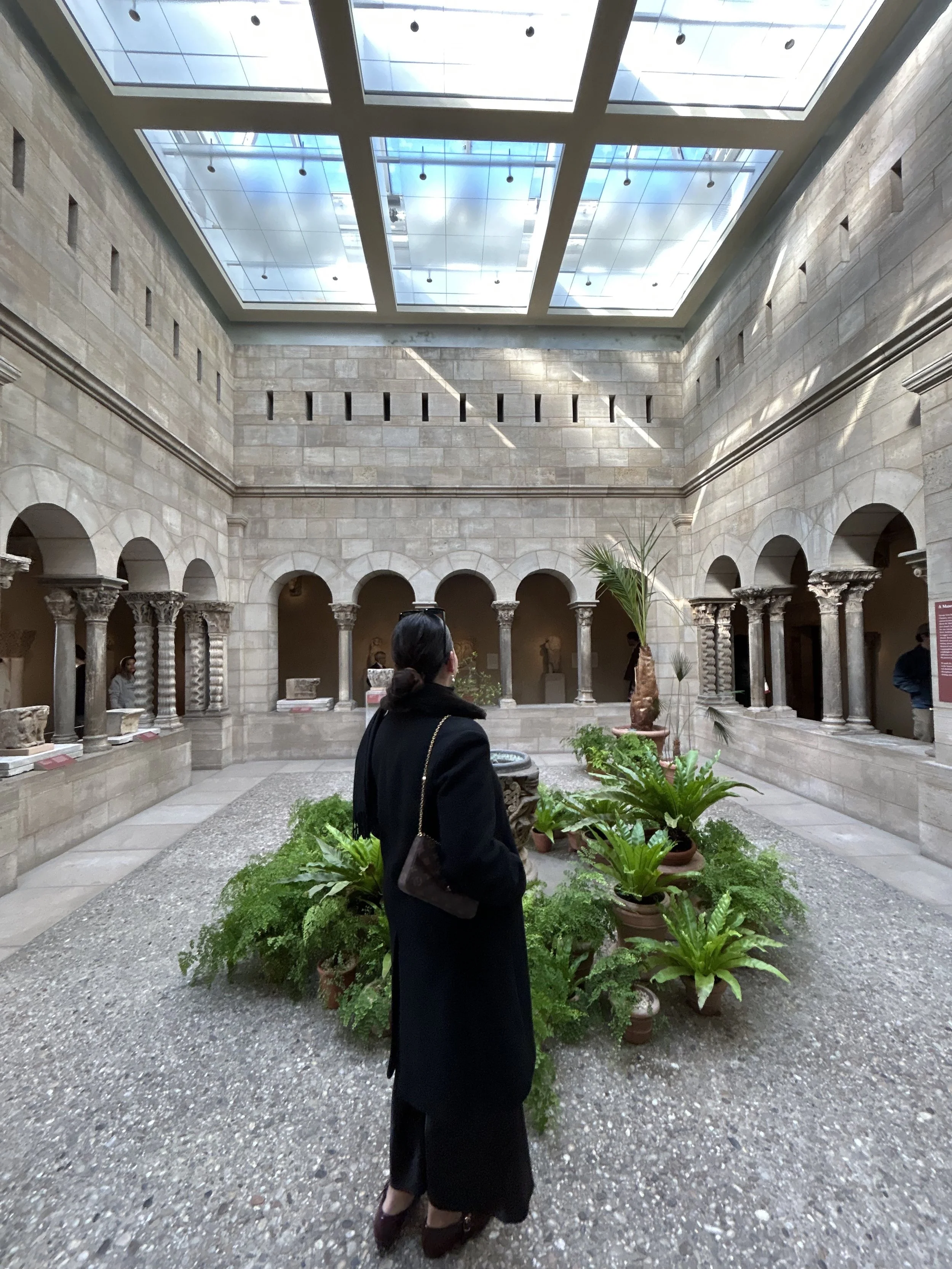
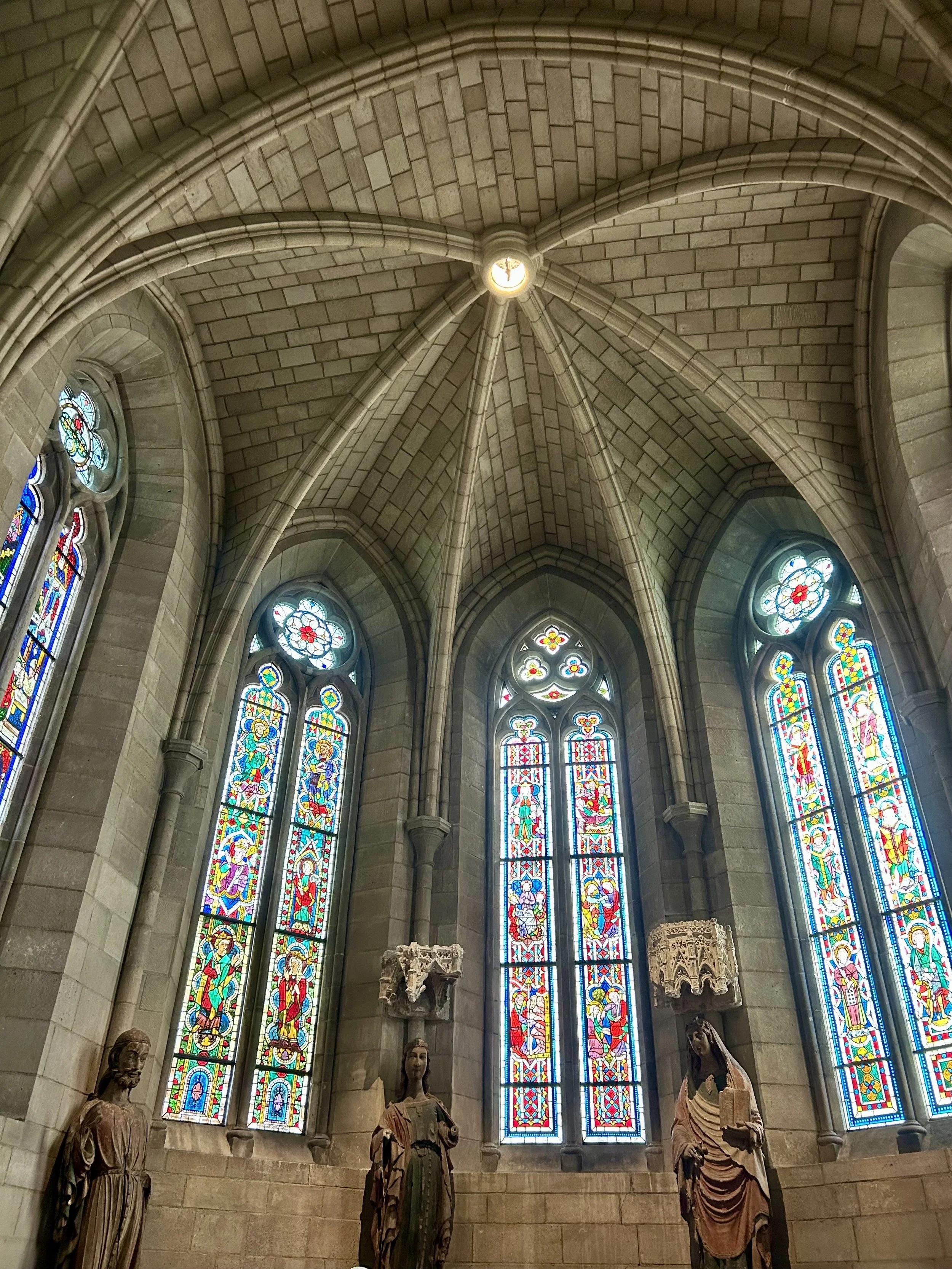
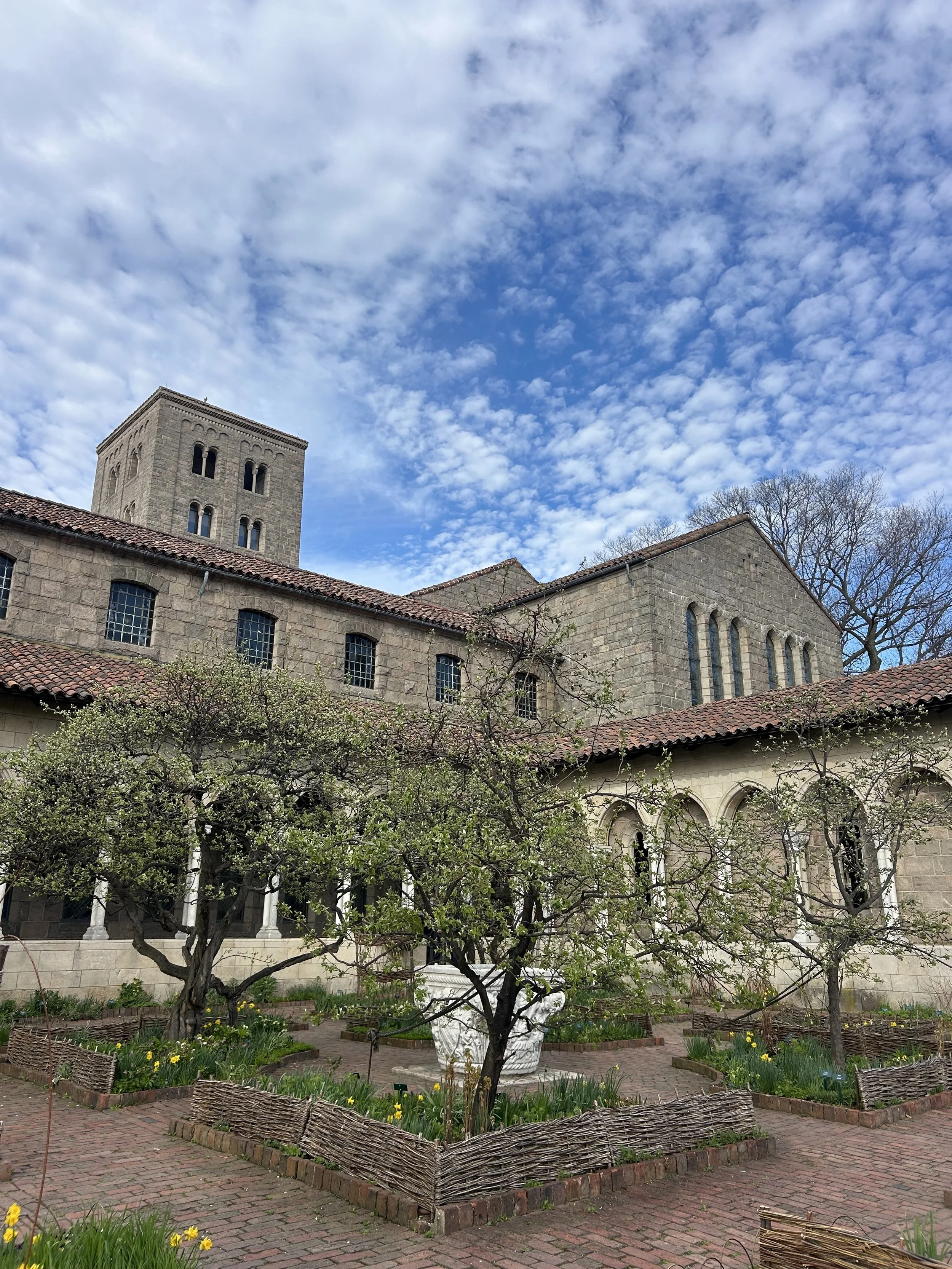
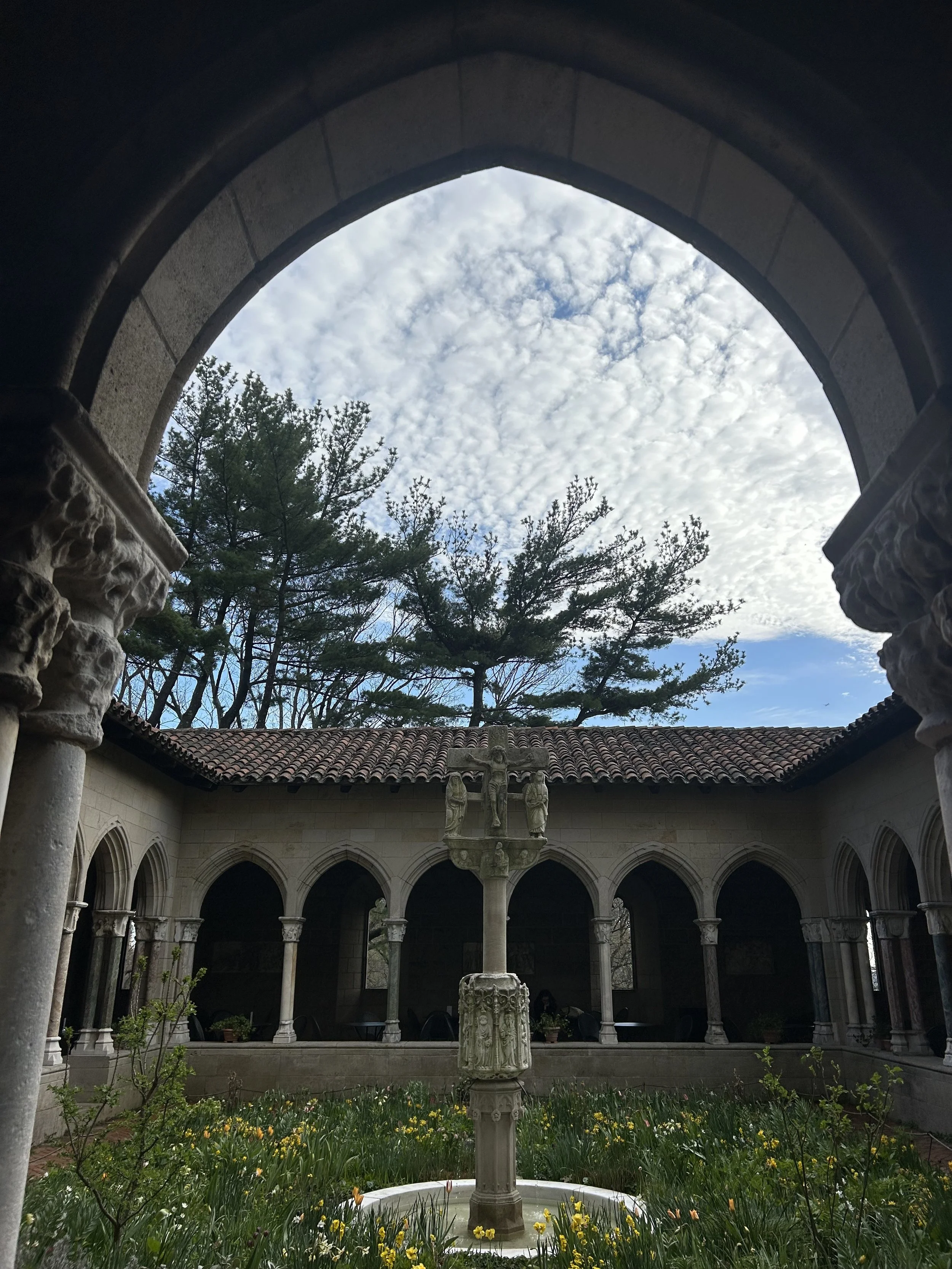
Walking through the Cloisters, I kept forgetting I was in New York. The architecture, the courtyards, the light coming through the stained glass, it felt like being back in Europe, visiting an old castle or monastery. For someone who grew up in Italy surrounded by medieval churches and art, that feeling was immediate and completely unexpected in the middle of Manhattan.
The building itself is part of the story. What looks like a medieval monastery is actually a carefully assembled space incorporating real architectural fragments from five French cloisters, dismantled, shipped across the Atlantic, and rebuilt stone by stone in northern Manhattan in the 1930s. The result is something that shouldn't work as well as it does, and yet feels completely genuine.
The collection is extraordinary. The Unicorn Tapestries, woven in the late 15th century and gifted to the museum by John D. Rockefeller Jr., are among the most beautiful and mysterious works of medieval art I have ever seen. The Mérode Altarpiece, painted around 1427, is full of symbolic details so specific and layered that the longer you look, the more you notice.
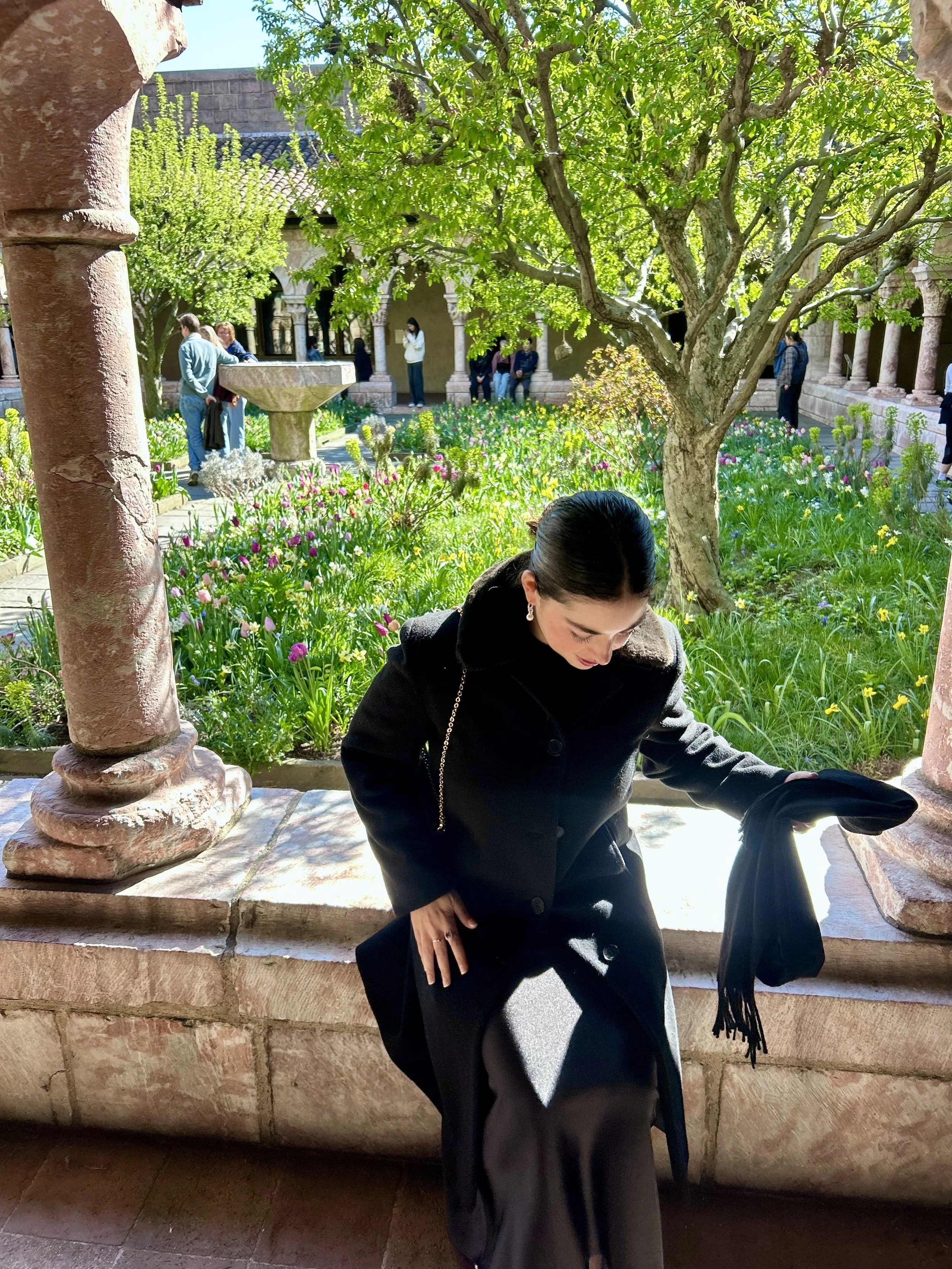
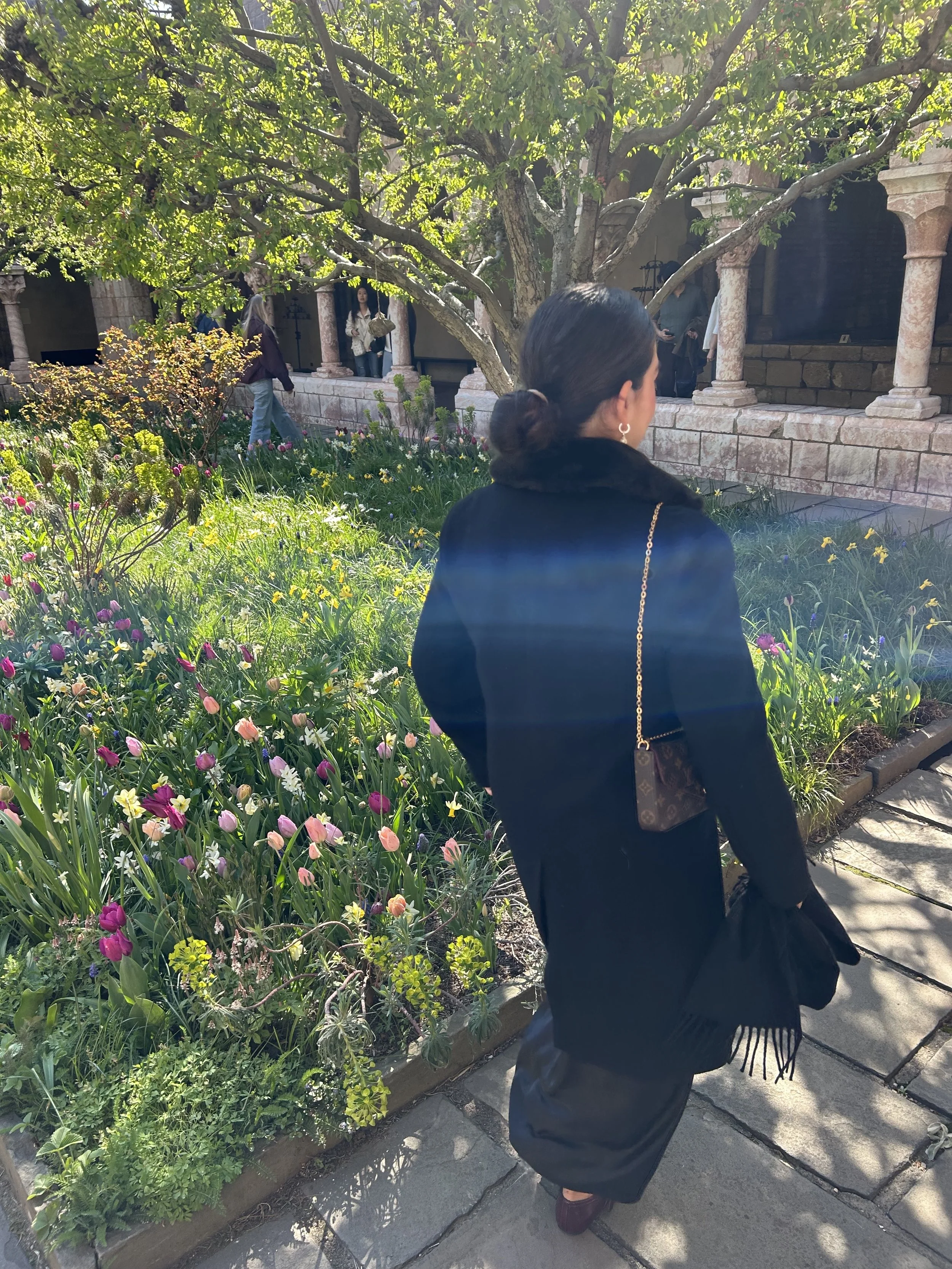
There are three gardens at the Cloisters, but the one I remember most vividly is the Bonnefont Cloister garden, planted with over 250 species of herbs known in the Middle Ages, grouped by their medieval uses: culinary, medicinal, aromatic, and even magic. Walking through them felt like stepping into a different understanding of time.
America's only museum dedicated exclusively to medieval art turned out to be one of the most European experiences I have had in the United States. A genuine gem that I don't think gets talked about enough, right in the middle of one of the busiest cities in the world.