The Frick Collection; Beauty and Elegance in a Gilded Age Mansion
The Frick Collection sits on Fifth Avenue on the Upper East Side of Manhattan, housed in the former residence of industrialist and art collector Henry Clay Frick. The Beaux-Arts mansion was designed by Carrère and Hastings and completed in 1914, and from the very beginning, Frick always intended it to become a public museum, a space open to everyone dedicated to the study and enjoyment of fine art.
The collection spans 14th to 19th century European paintings, sculpture, and decorative arts, with works by Vermeer, Rembrandt, Fragonard, Gainsborough, Constable, and Degas among others. Following a major five-year renovation completed in spring 2025, the mansion reopened with restored interiors, new galleries, and public access to the second floor of the original family residence for the first time.
I visited on a Monday morning with a friend and everything felt so quiet and intimate. During my visit the museum was also hosting Gainsborough: The Fashion of Portraiture, the first exhibition dedicated to his portraiture ever held in New York.
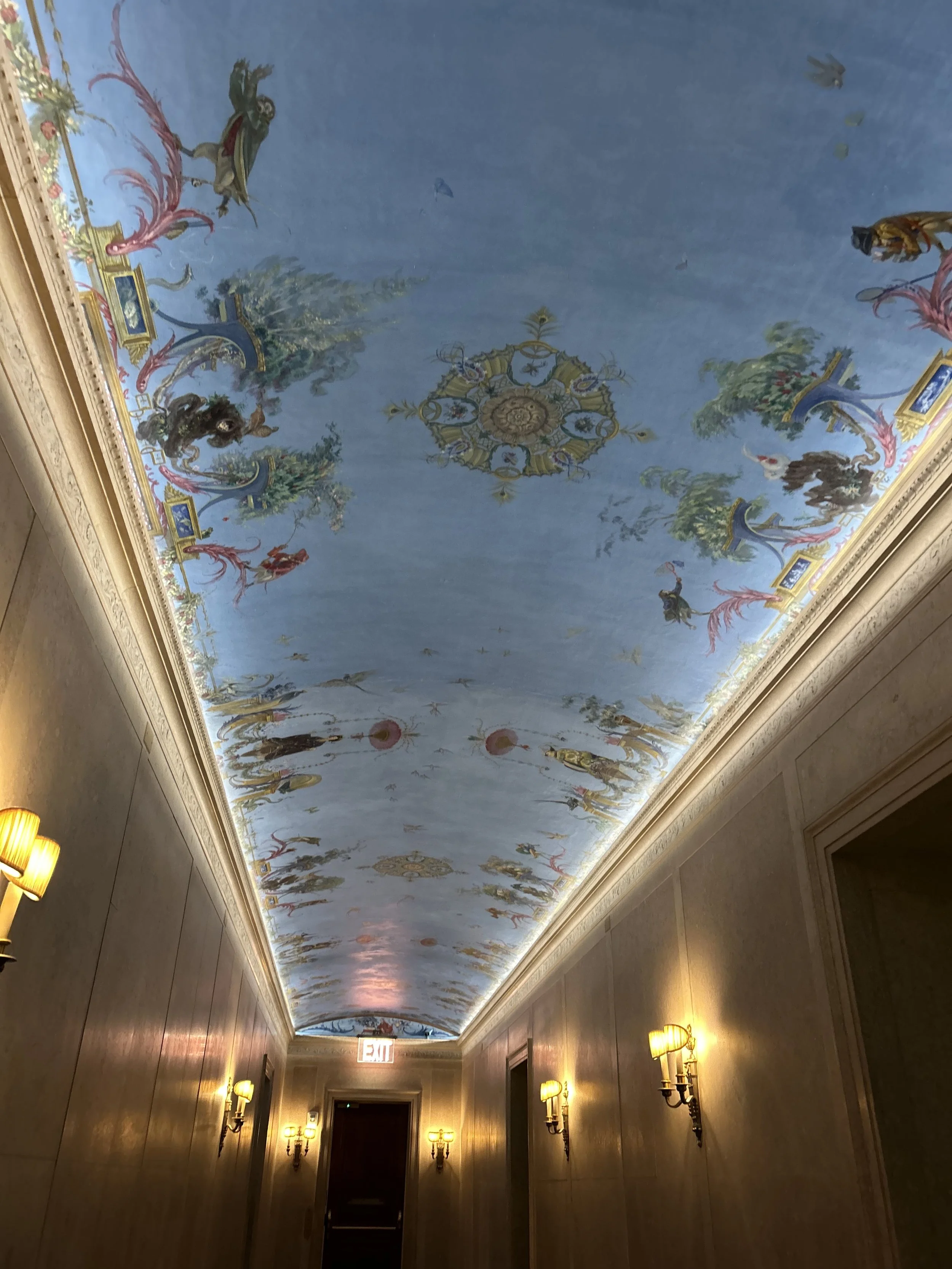
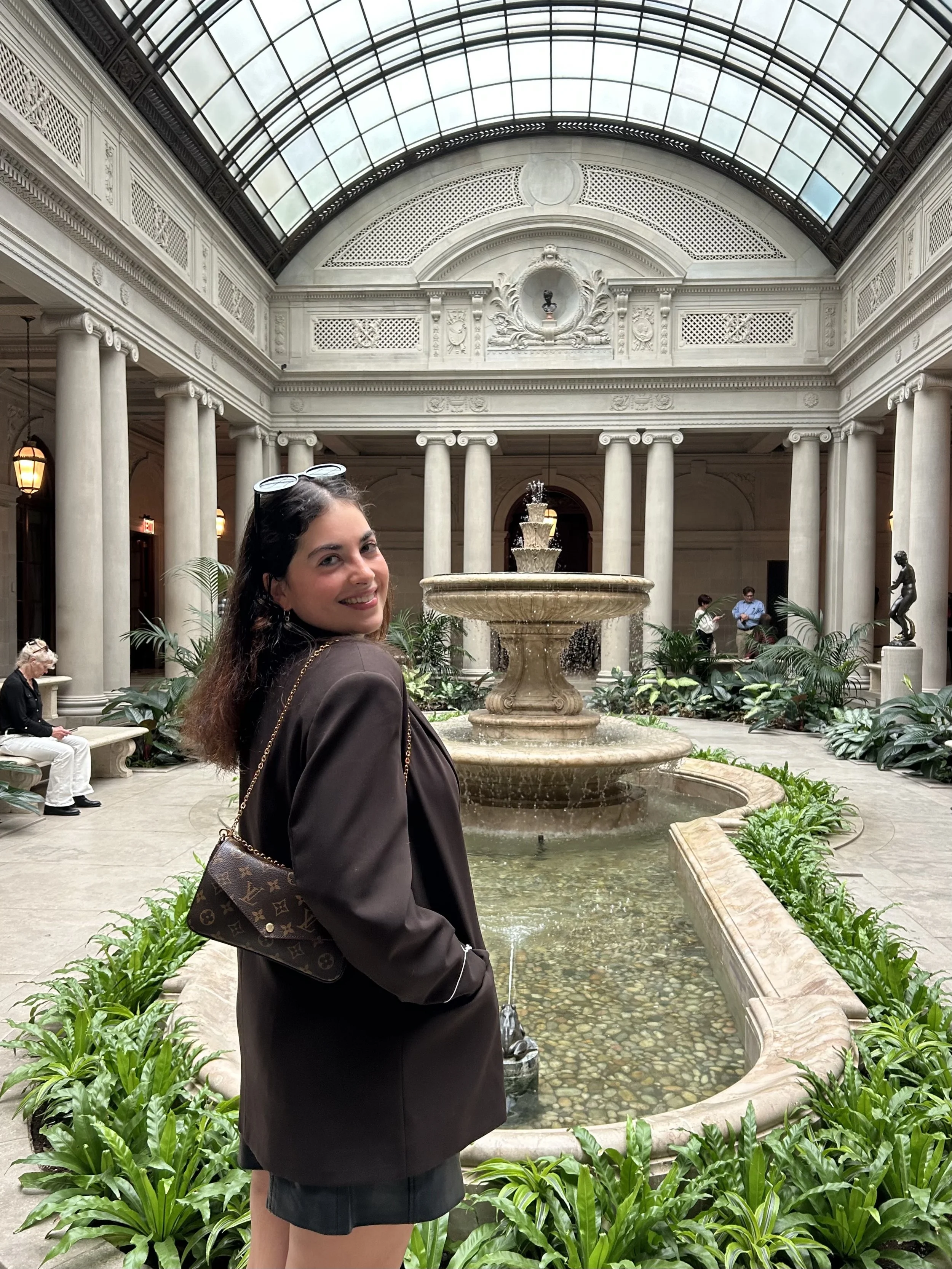
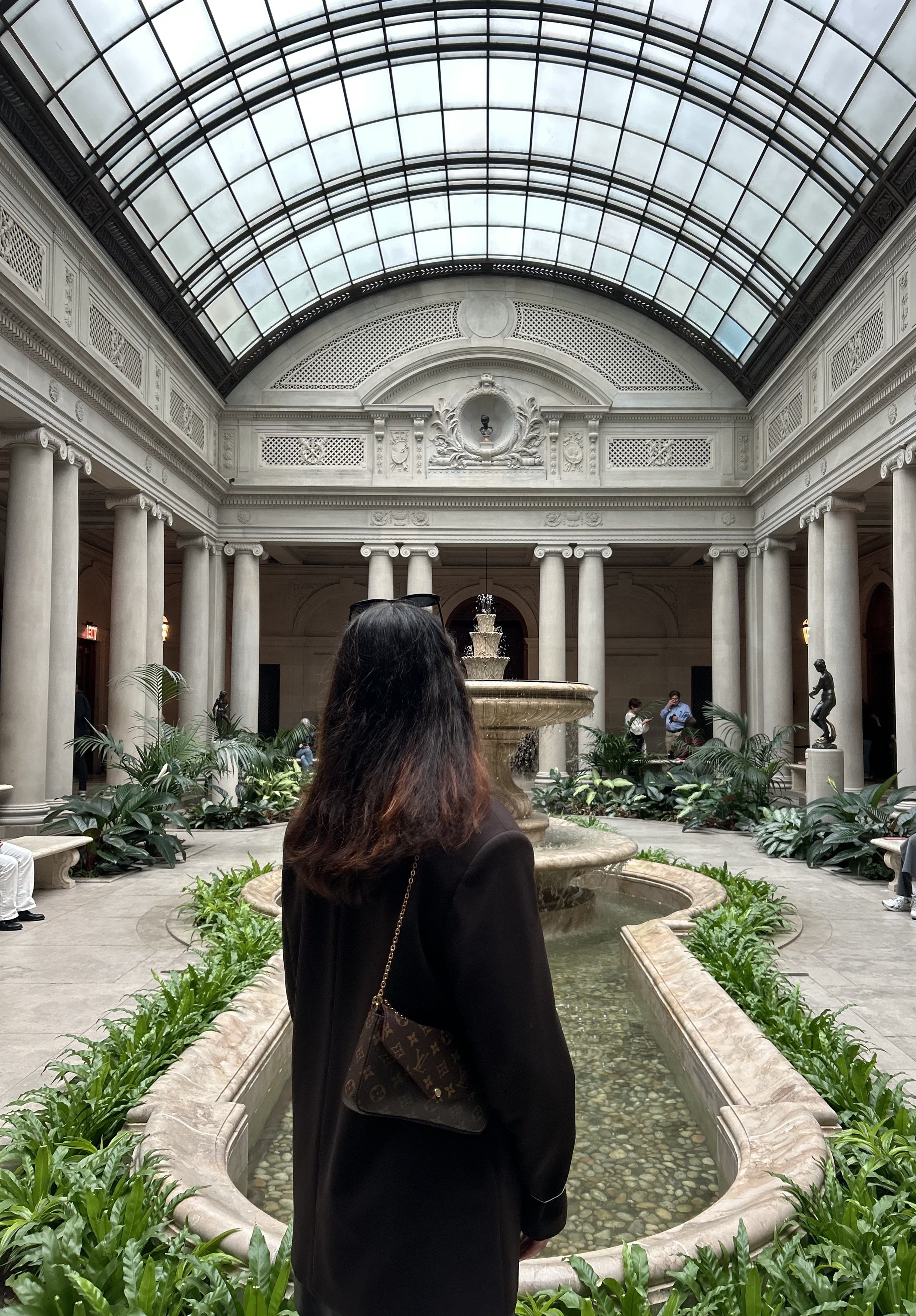
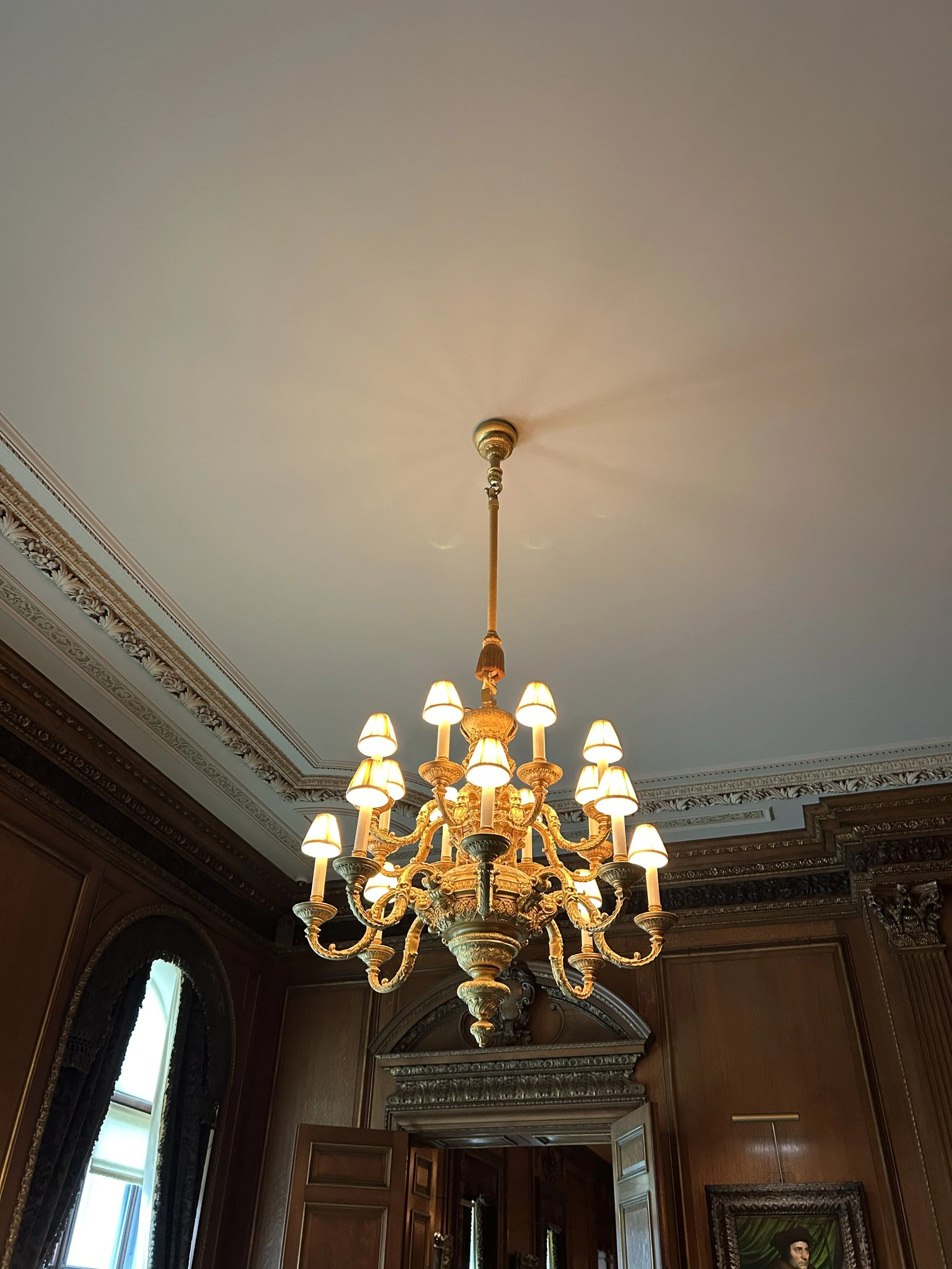
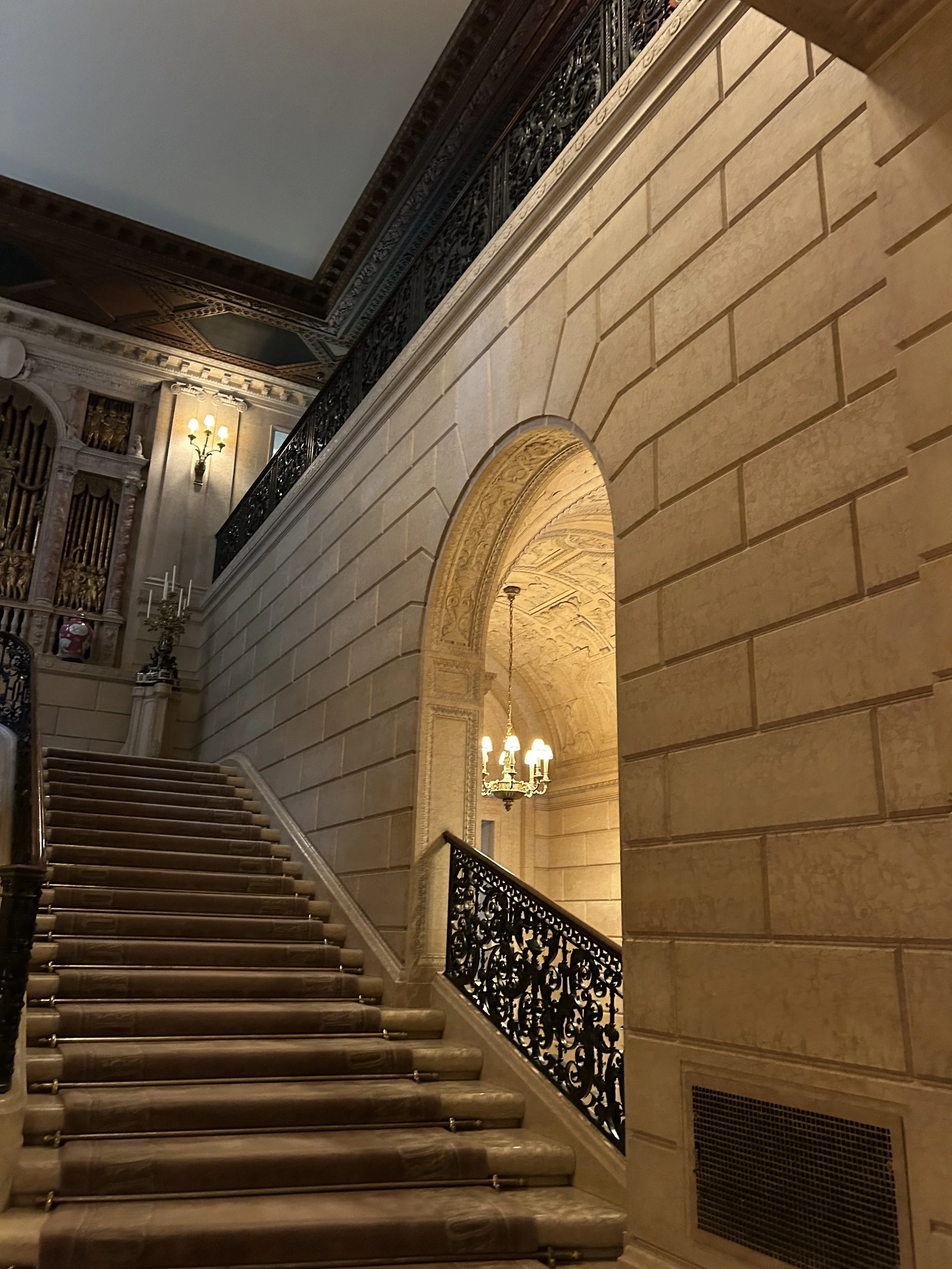
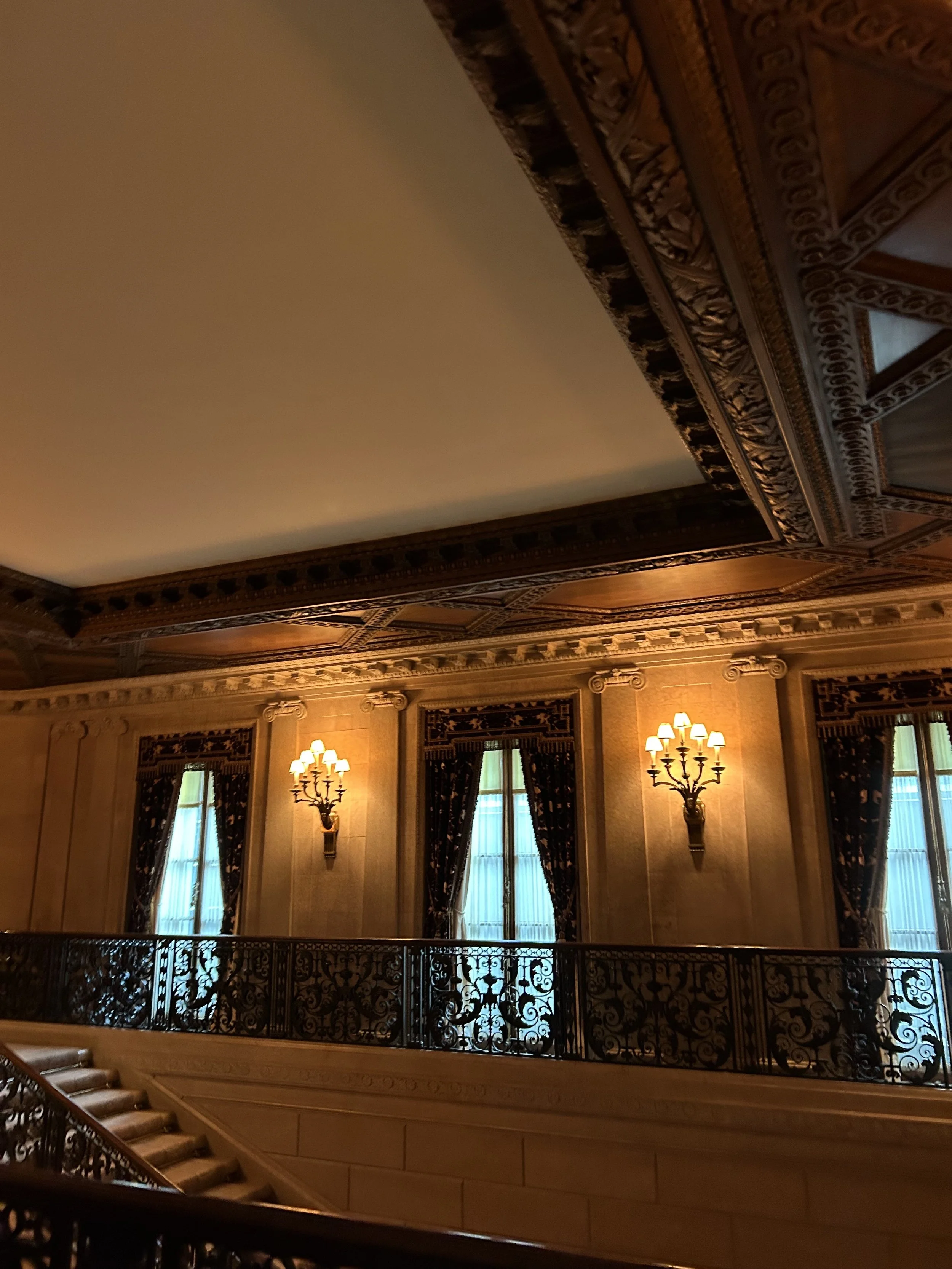
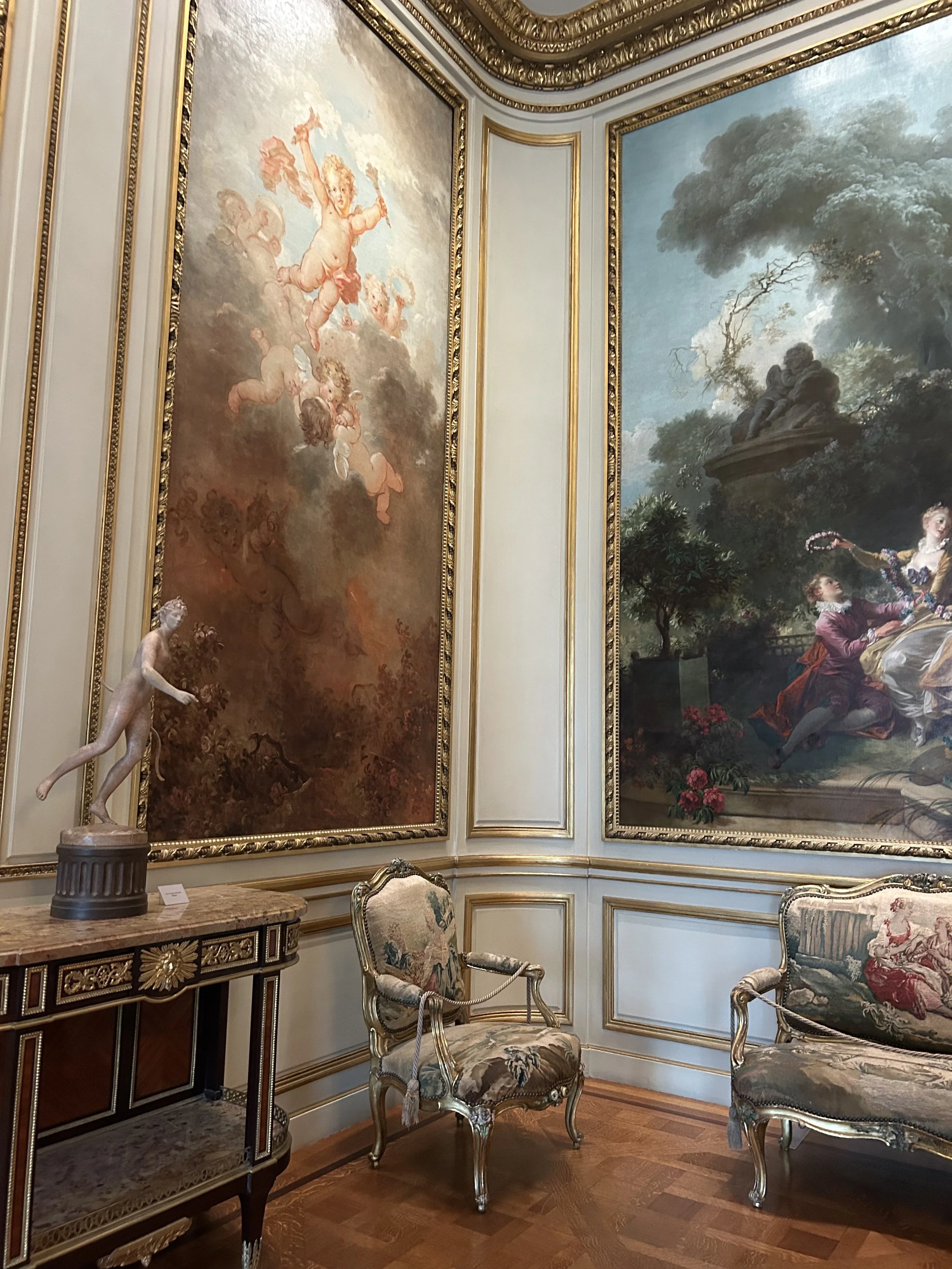
Walking through the Frick feels different from any other museum I have visited in New York. The rooms are intimate, the art is hung the way it would be in a private home, and there is a warmth and elegance to the whole experience that is hard to find elsewhere. Visiting on a Monday morning made it even more special, quiet, unhurried, with space to actually stop and look.
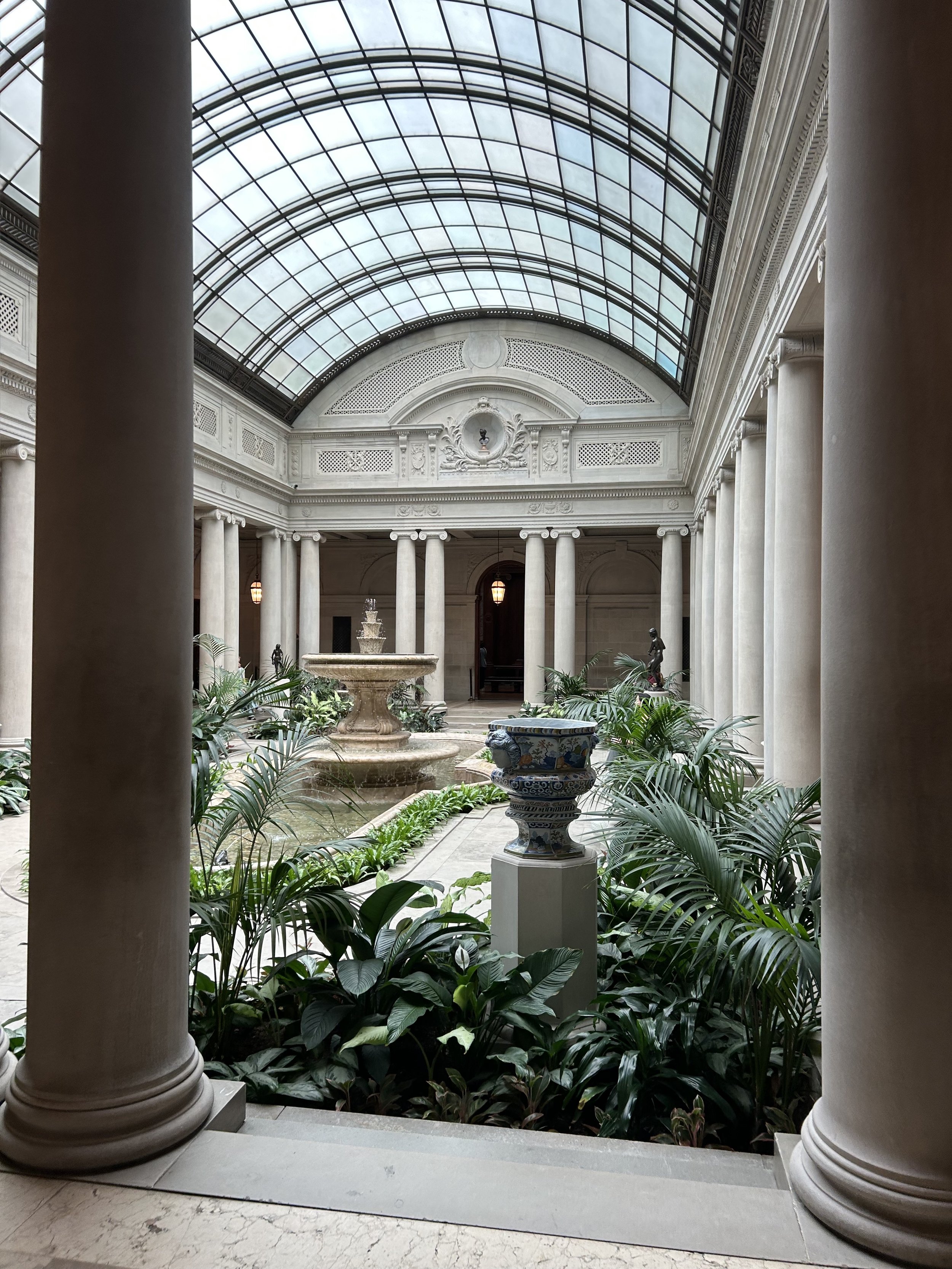
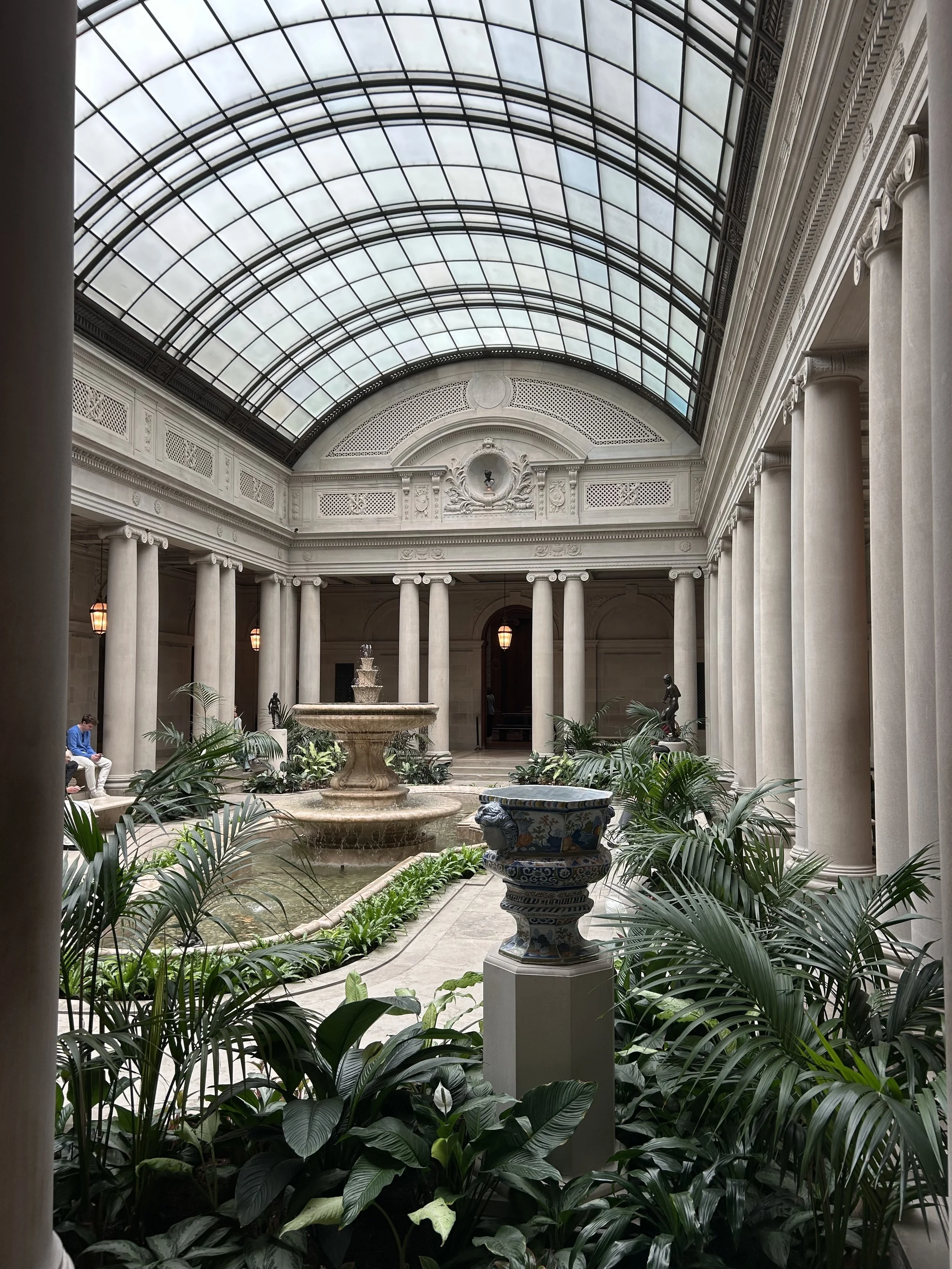
One of the first things that struck me was the Garden Court, a beautiful enclosed courtyard at the heart of the mansion, designed by architect John Russell Pope when the museum first opened in 1935. He transformed what had been an open outdoor carriage court into an elegant indoor space with columns, flower beds, palms, and a fountain under a curved glass roof. It sets the tone for the whole visit, calm, graceful, and very beautiful.
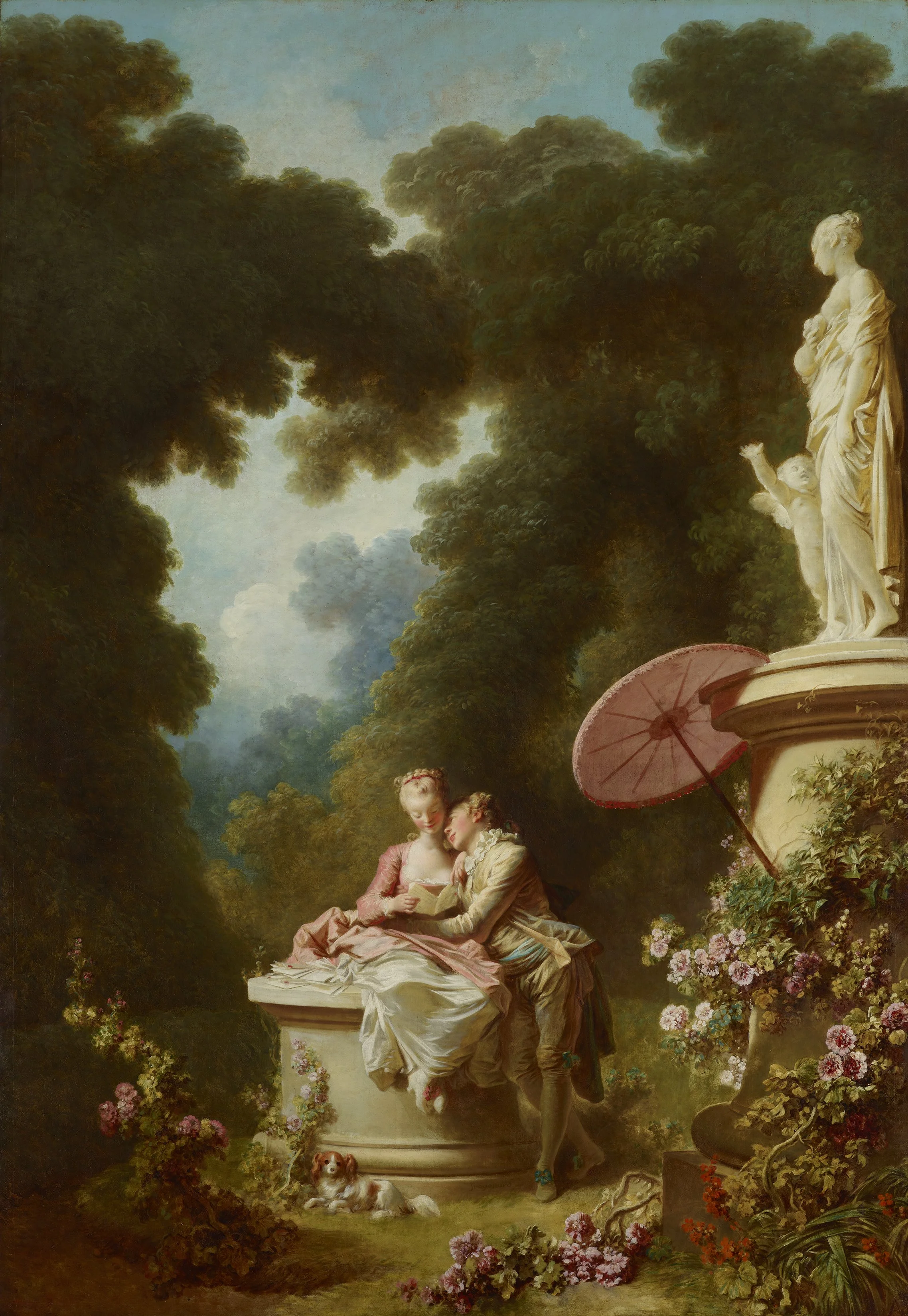
My favorite room was the Fragonard Room, which houses Jean-Honoré Fragonard's The Progress of Love series, large paintings that cover almost every wall. The scenes are full of movement and color and a romantic energy that makes the room feel completely immersive. I stood there for a long time. It is one of the most beautiful rooms I have ever been in.
The Frick is the kind of place that rewards slow attention. Every room has something extraordinary in it, and the setting, a real Gilded Age mansion with period furniture, porcelain, and decorative arts alongside the paintings, makes the whole experience feel completely different from a traditional museum. There is something about seeing art in a home rather than a gallery that makes it feel more intimate, and that made all the difference.
Jean-Honoré Fragonard (French, 1732–1806)
The Progress of Love: Love Letters, 1771–72
Oil on canvas, 124 7/8 x 85 3/8 in. (317.2 x 216.9 cm) The Frick Collection, New York
Image © The Frick Collection