Caspar David Friedrich: The Soul of Nature
Caspar David Friedrich painted landscapes as places to pause and reflect.
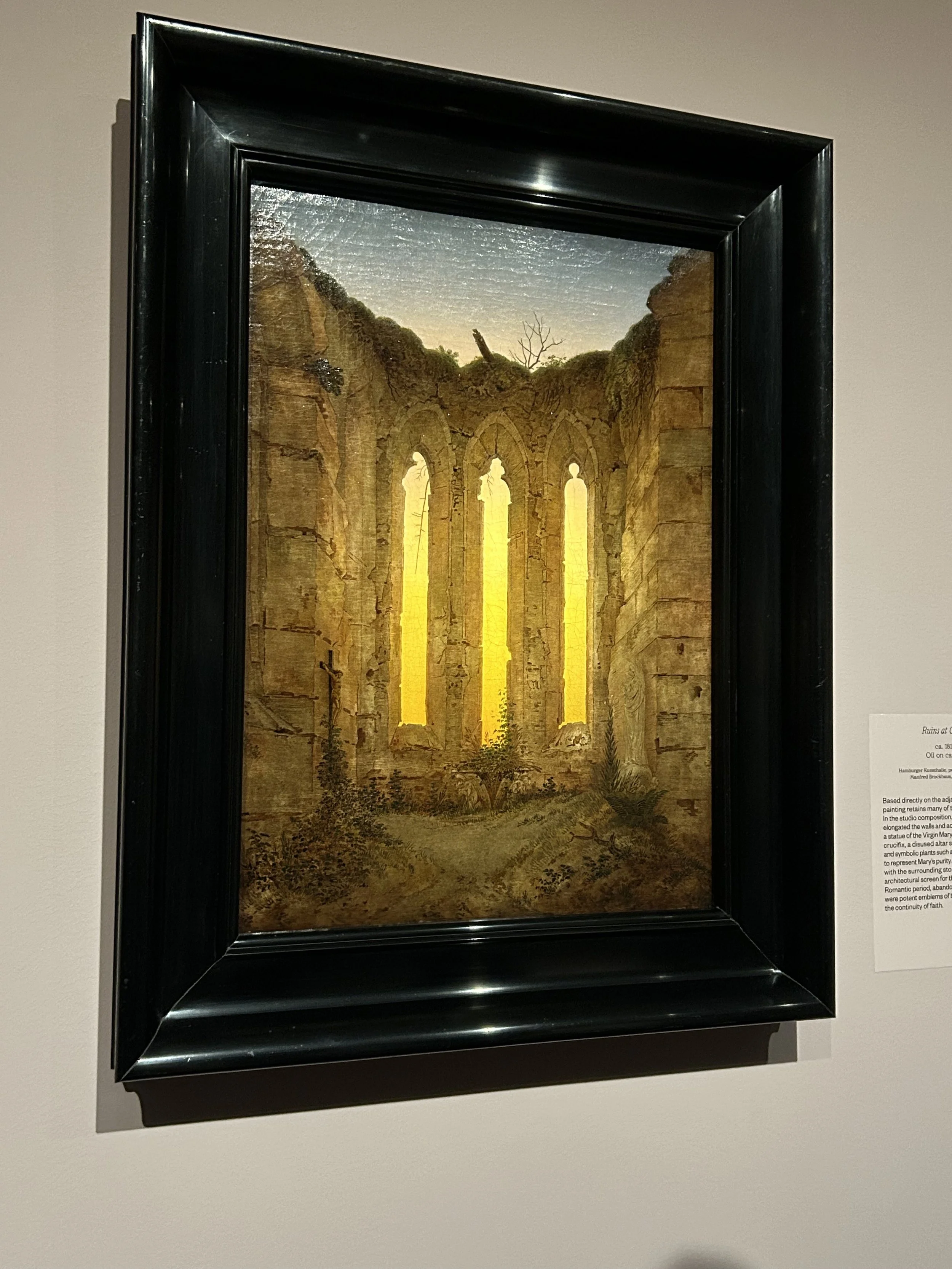
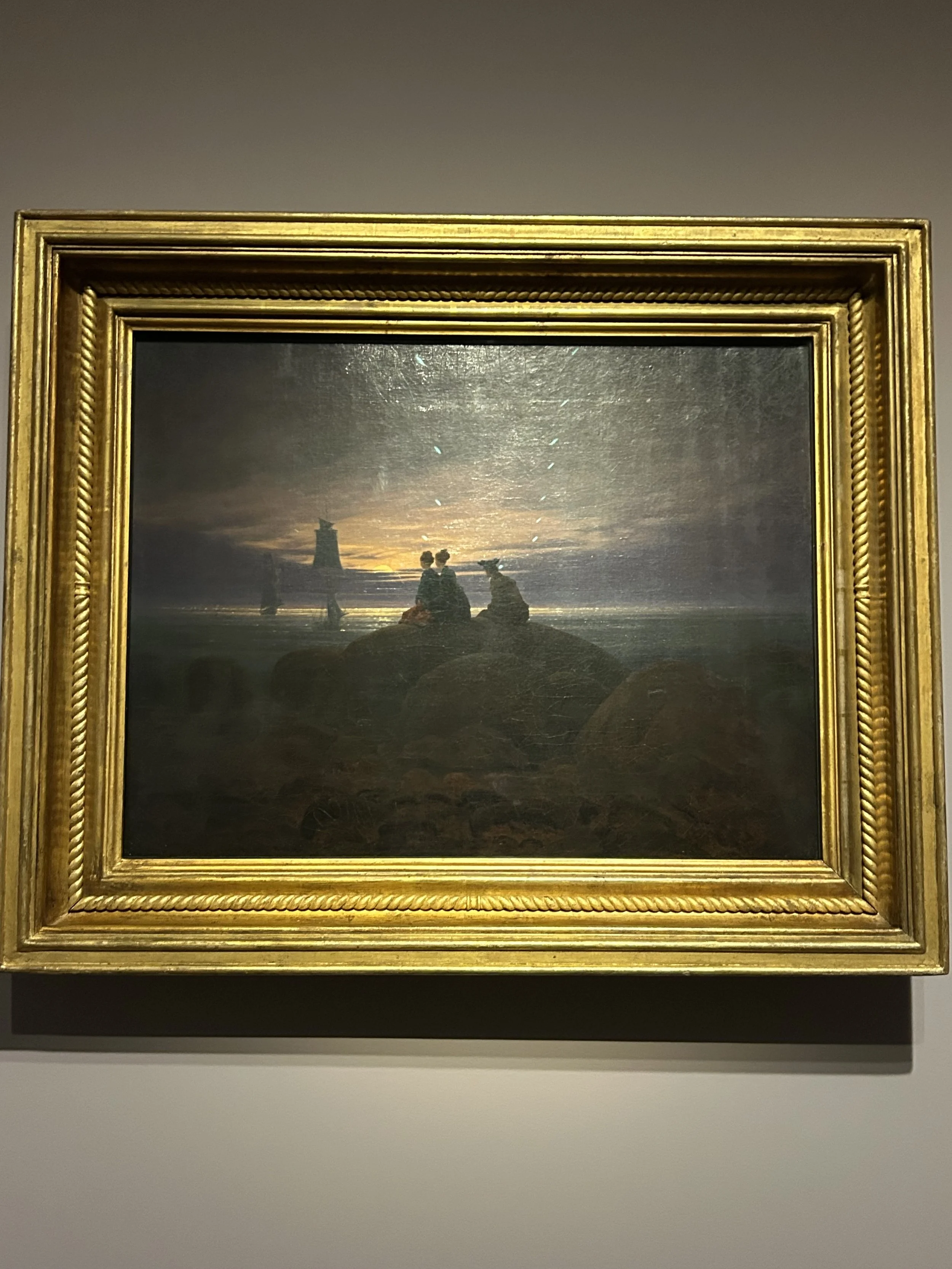
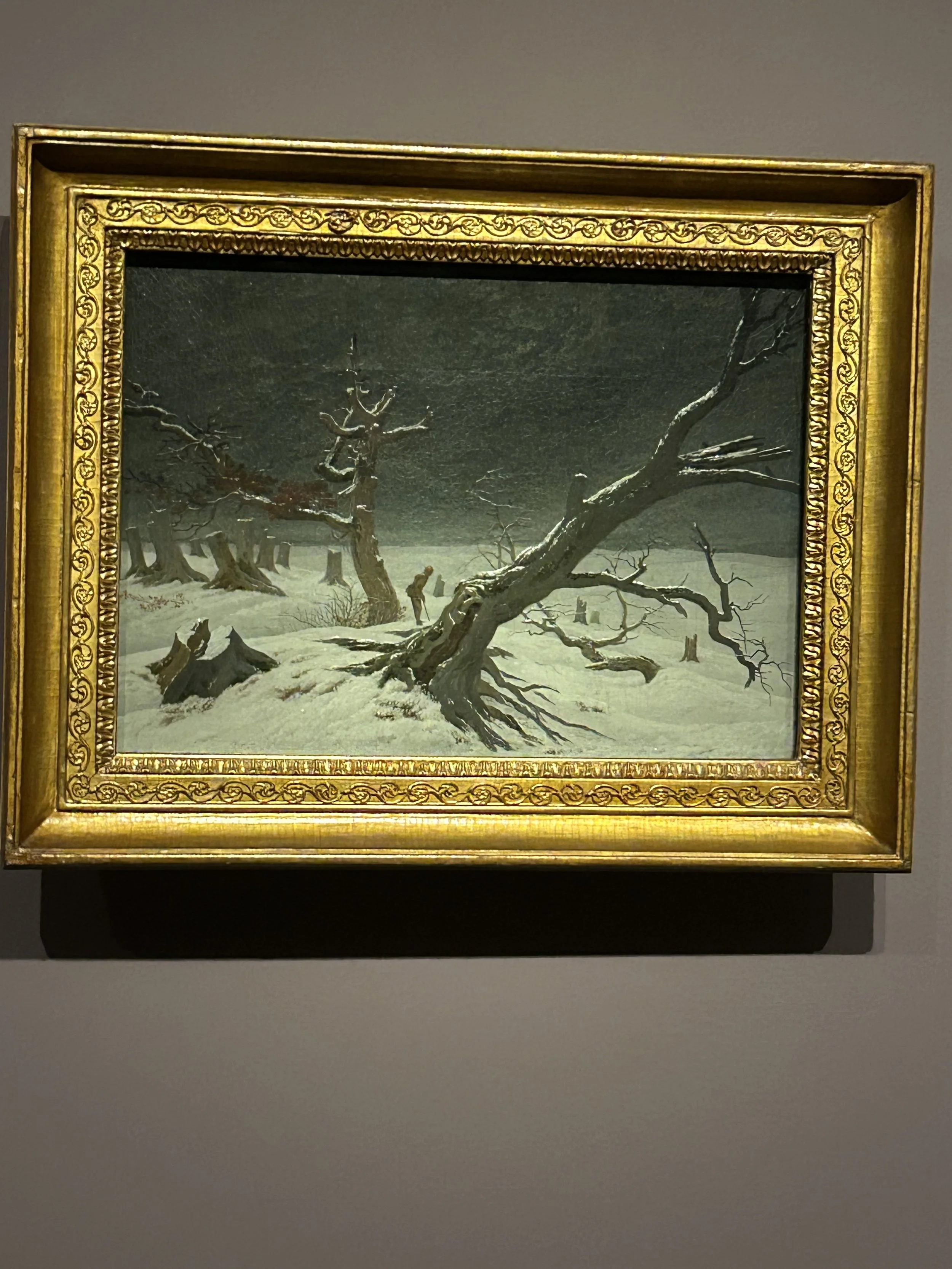
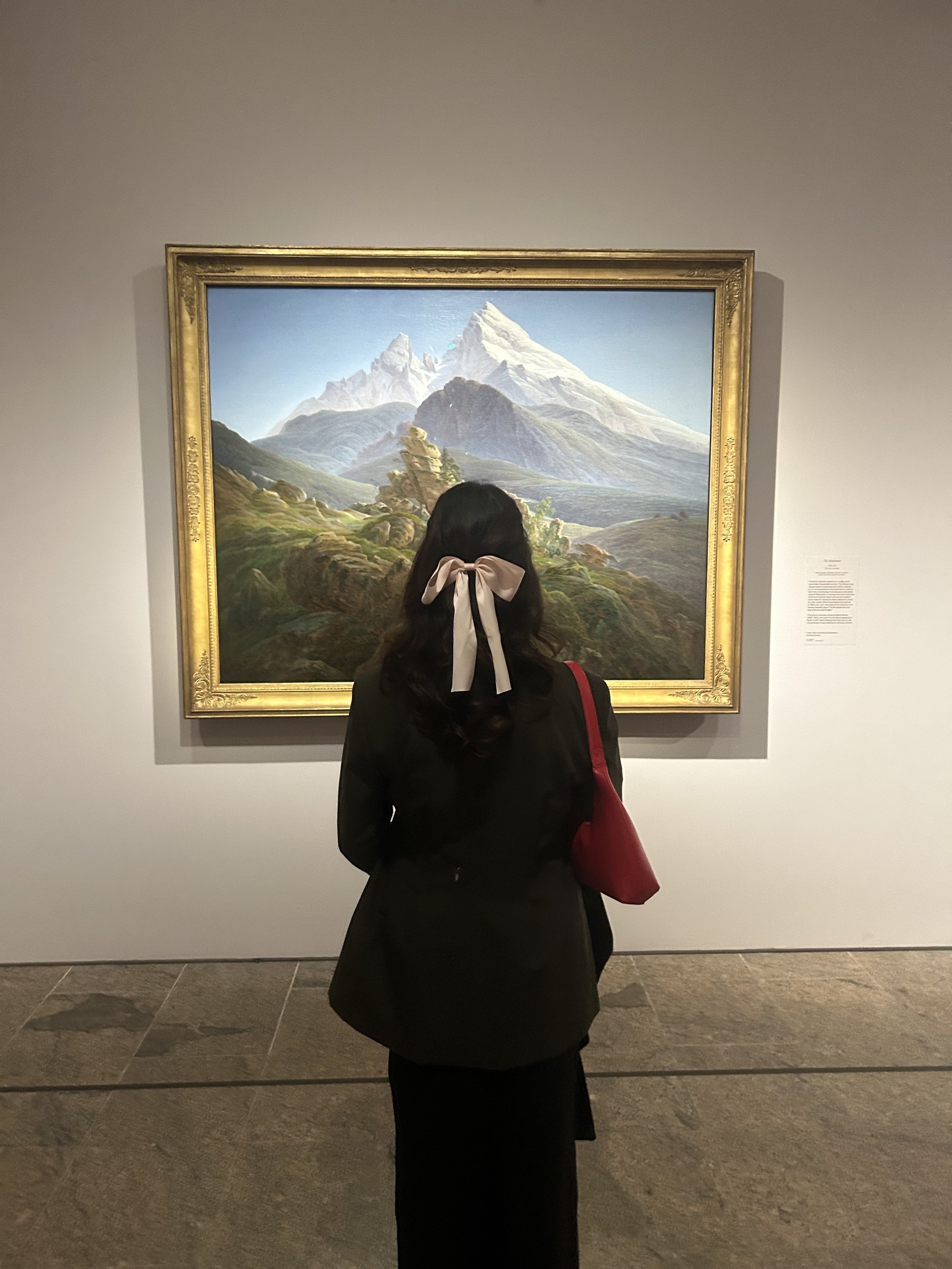
Visiting The Soul of Nature at The Met felt slow and quiet, an invitation to take time, notice details, and sit with light, distance, and stillness.
This board gathers impressions from that experience.
Notes on the Exhibition
Caspar David Friedrich has been one of my favorite painters since I was in high school. I was drawn to his work early on, before I fully understood its work. His landscapes always captured my attention because they felt measured, quiet, and deeply attentive to the relationship between the self and the natural world.
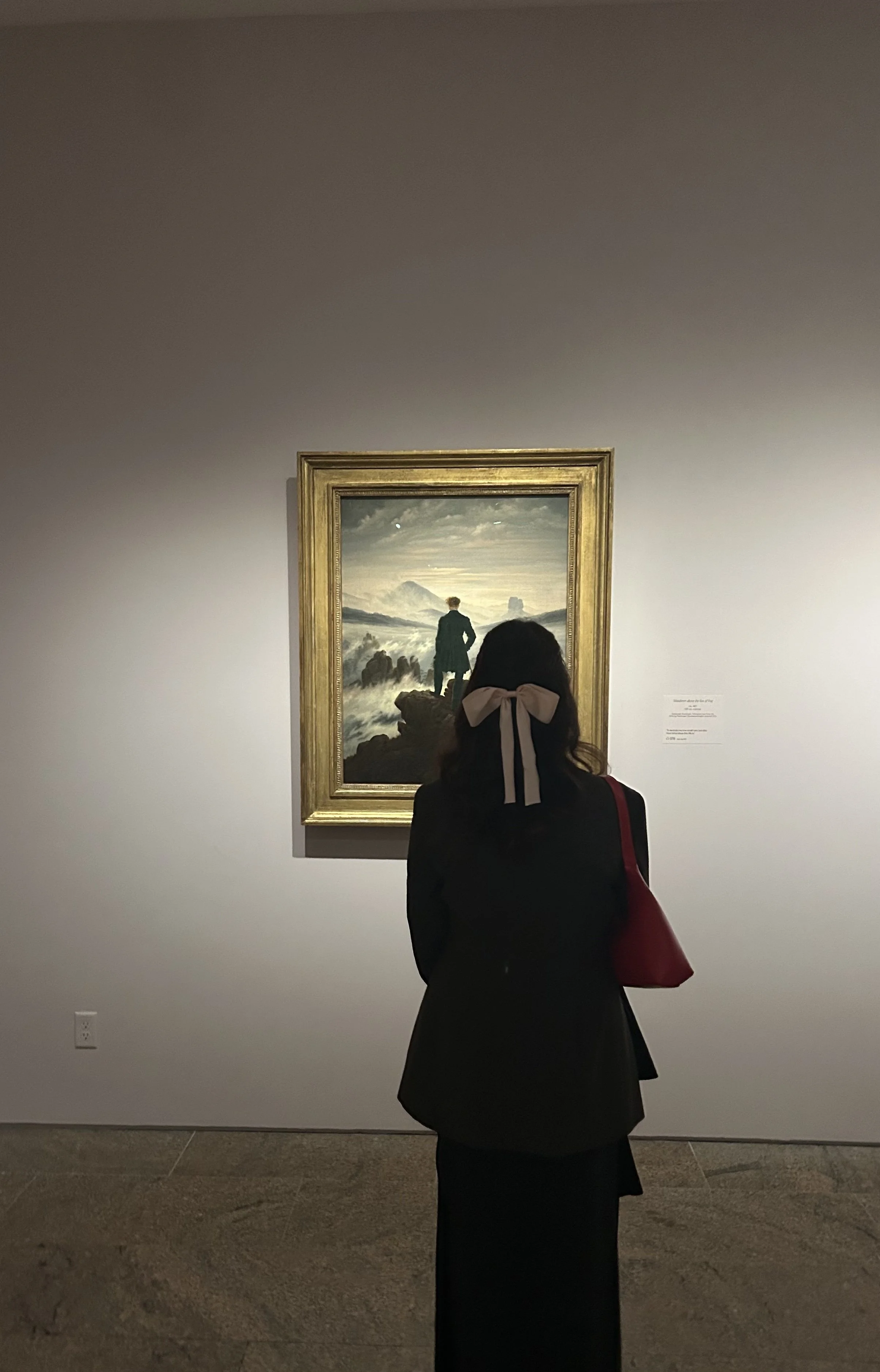
Seeing The Soul of Nature at The Met allowed me to spend time with his work in a more focused way. Moving through the exhibition felt slow by nature. The paintings don’t reveal themselves immediately. They require patience, and they reward it.
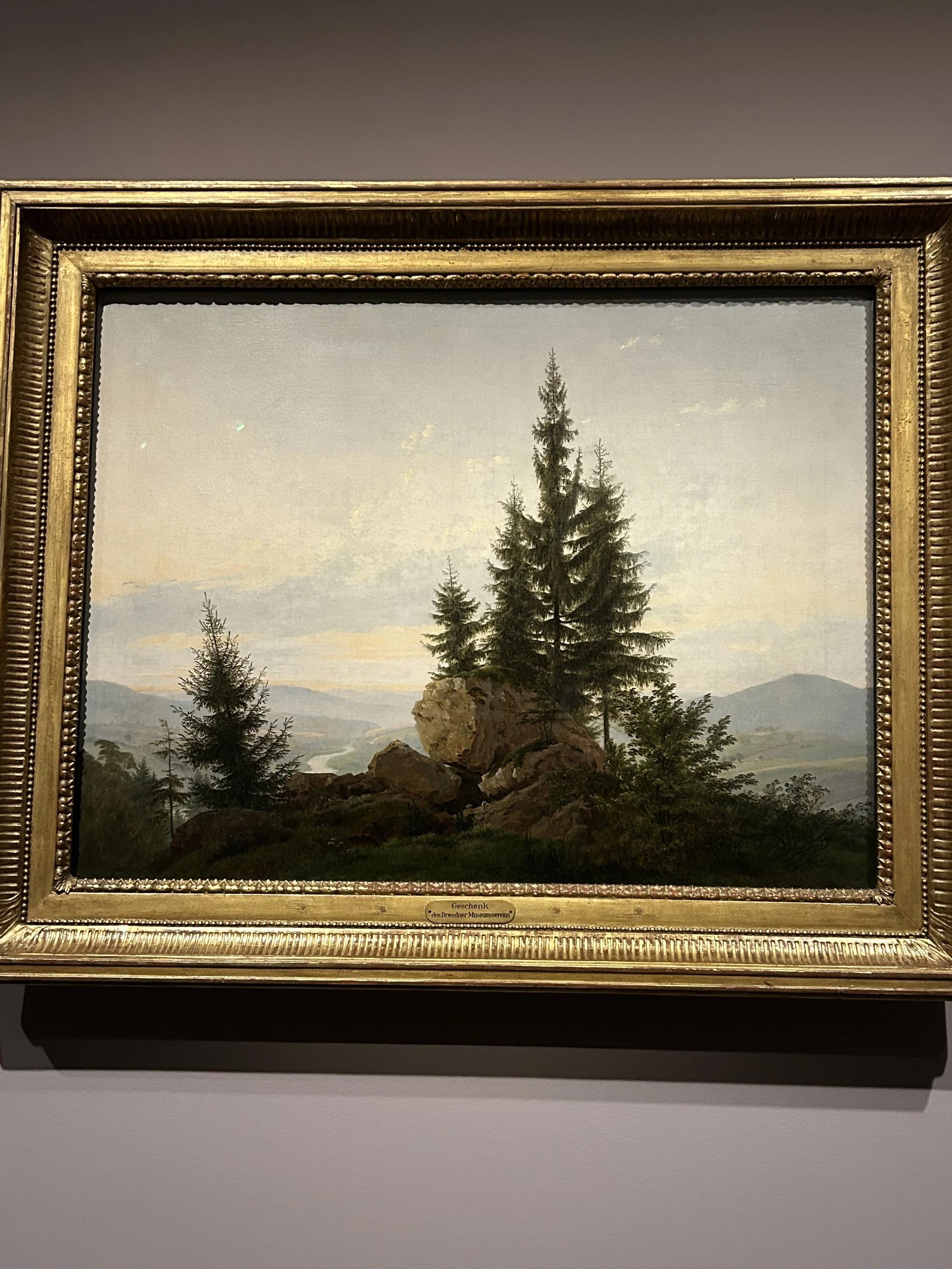
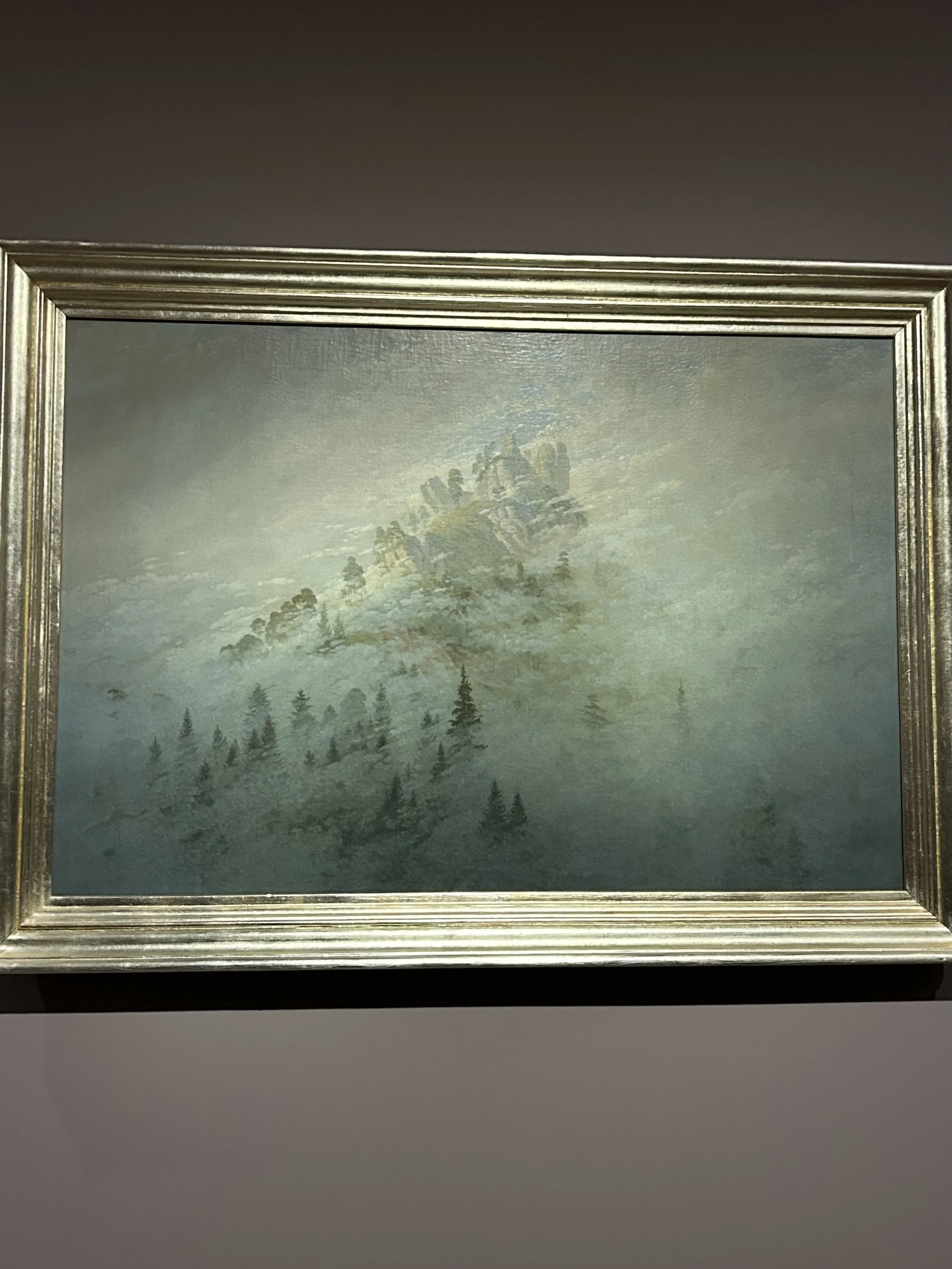
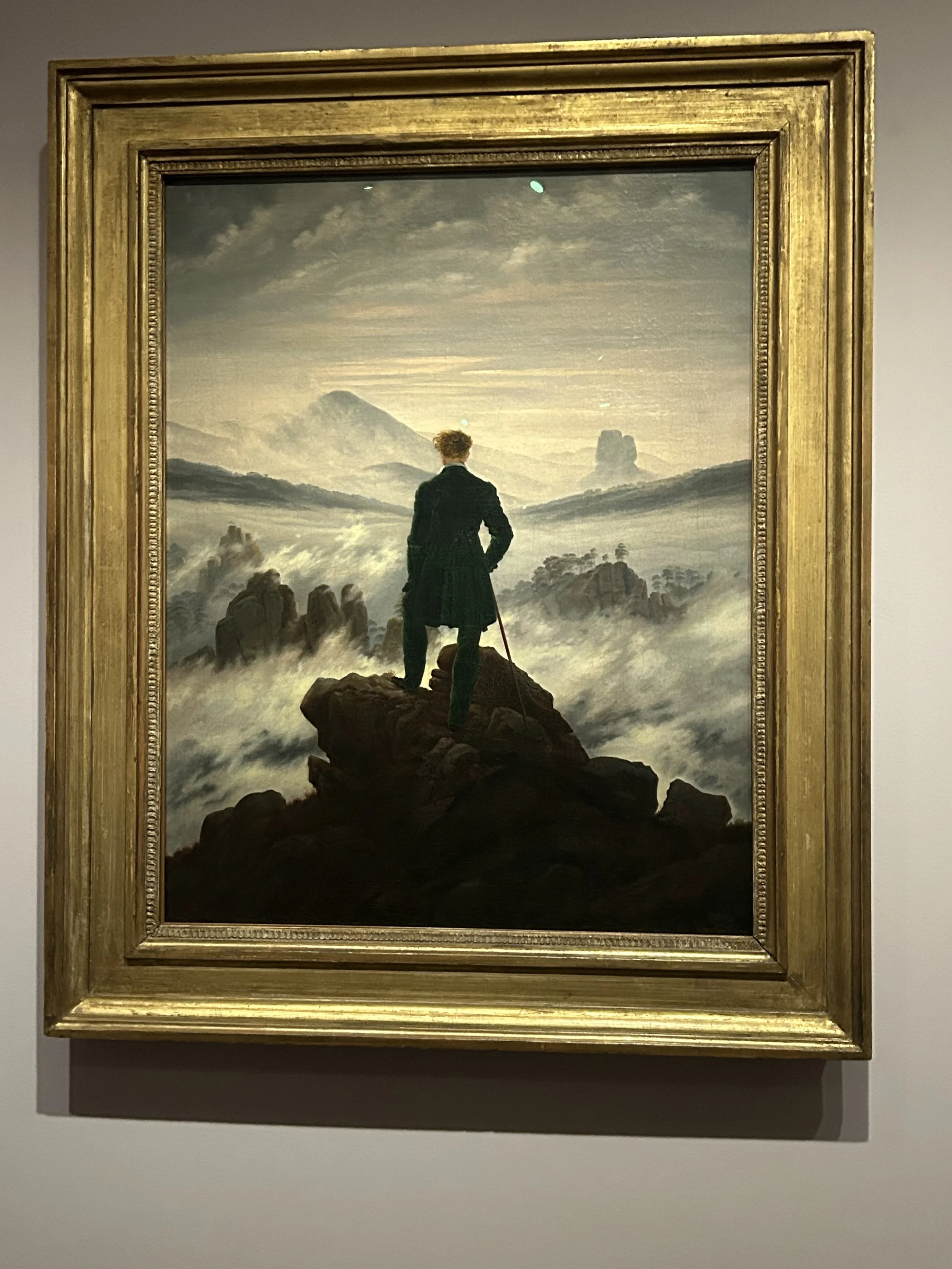
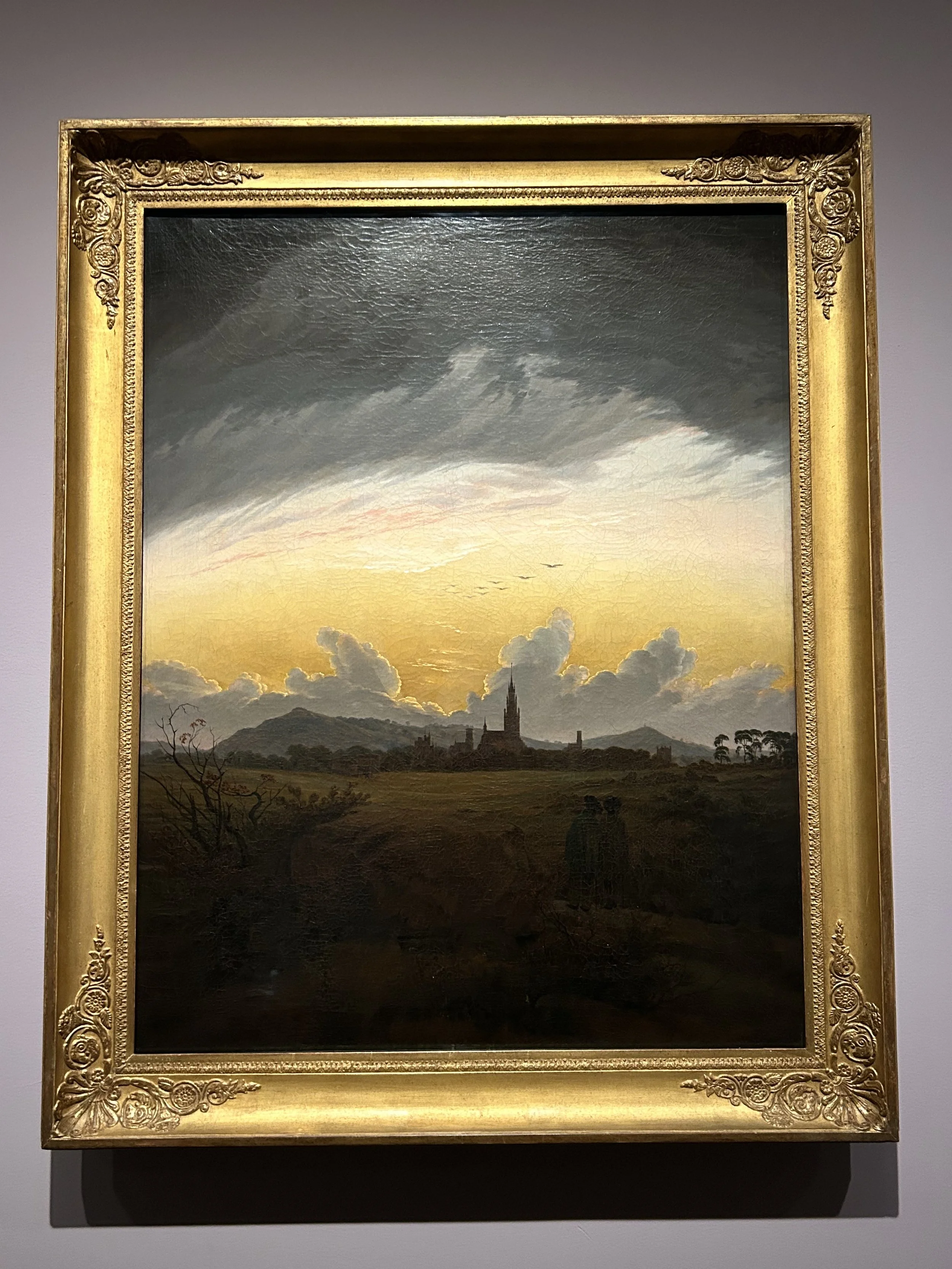
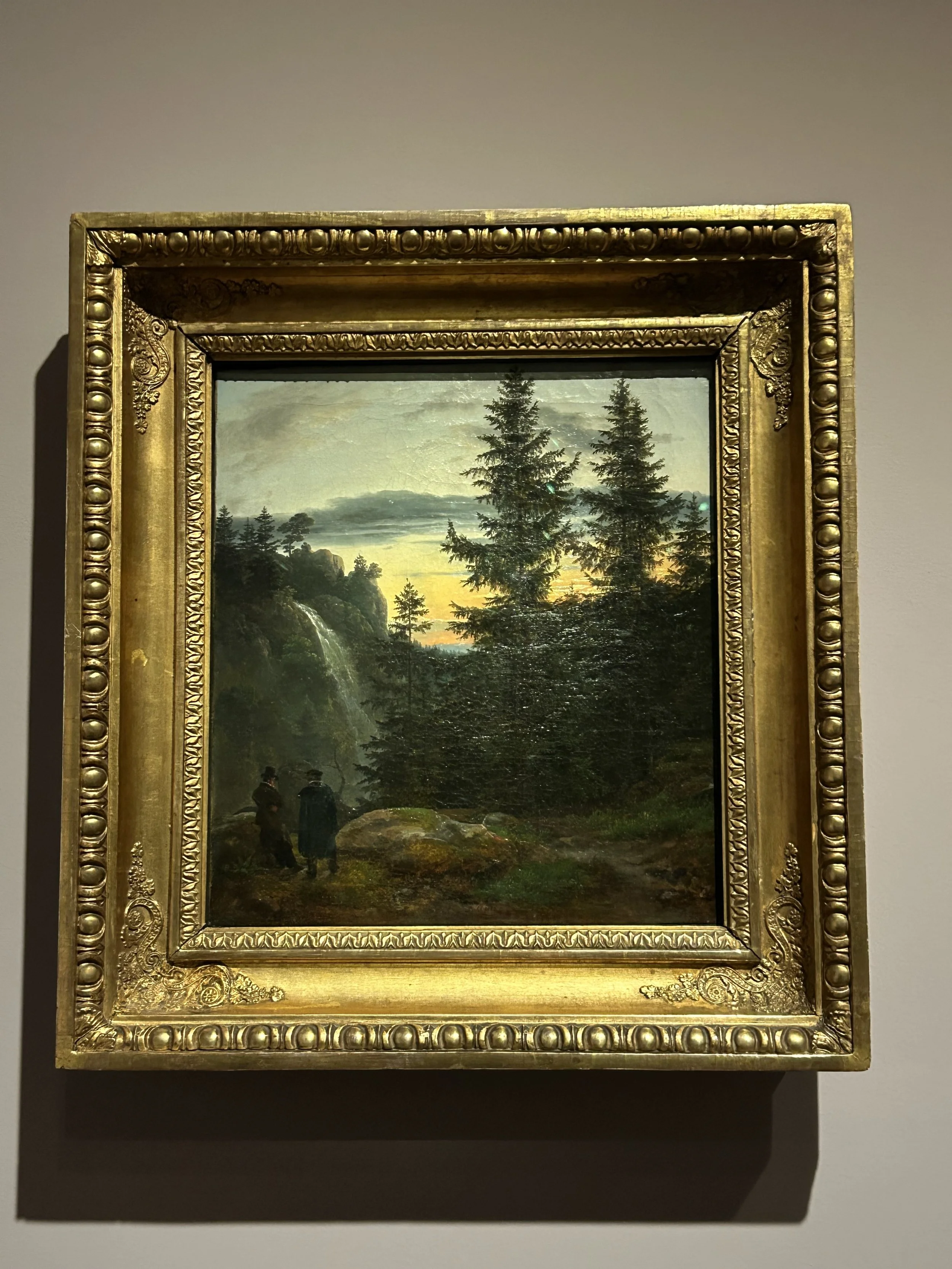
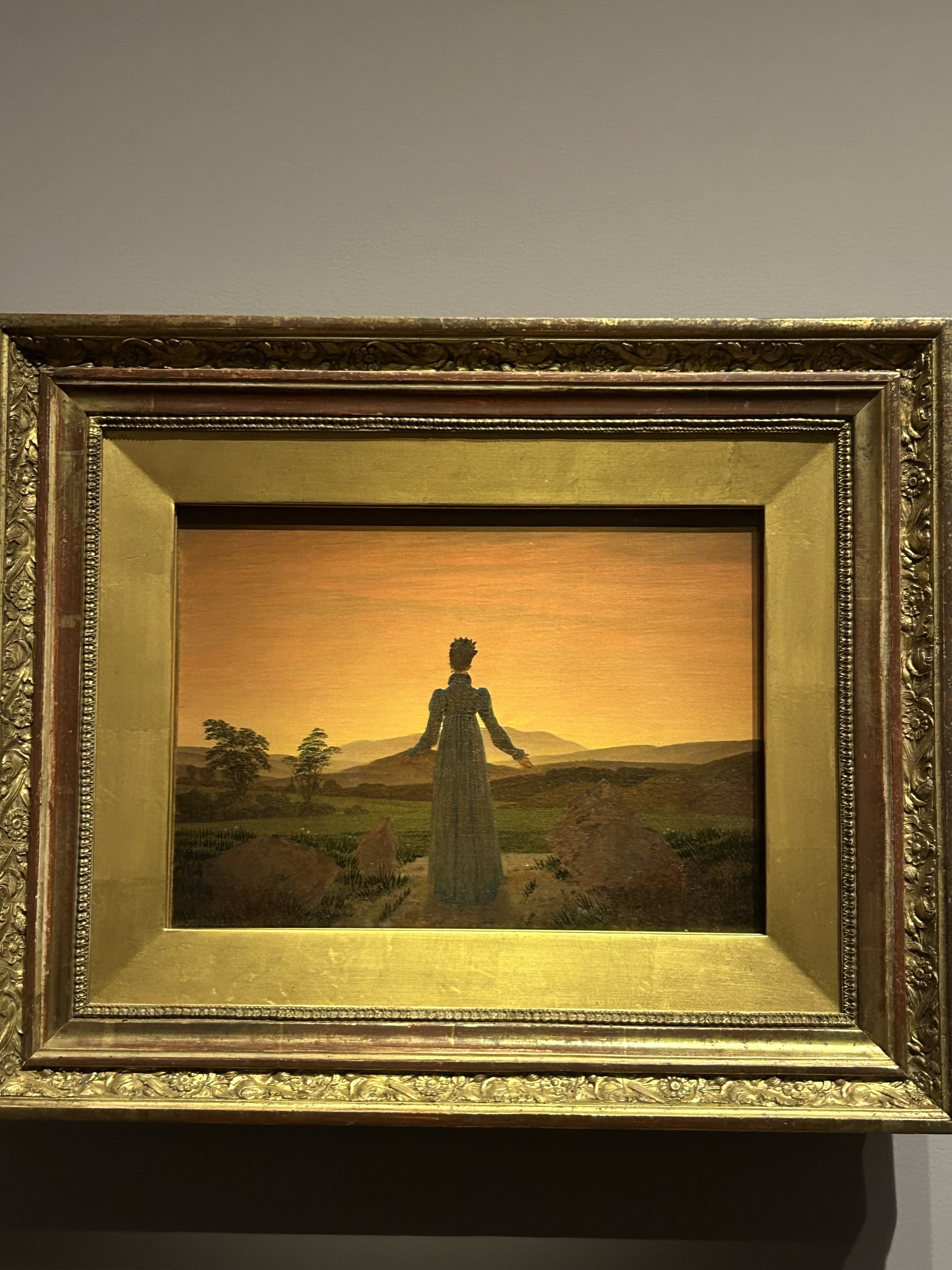
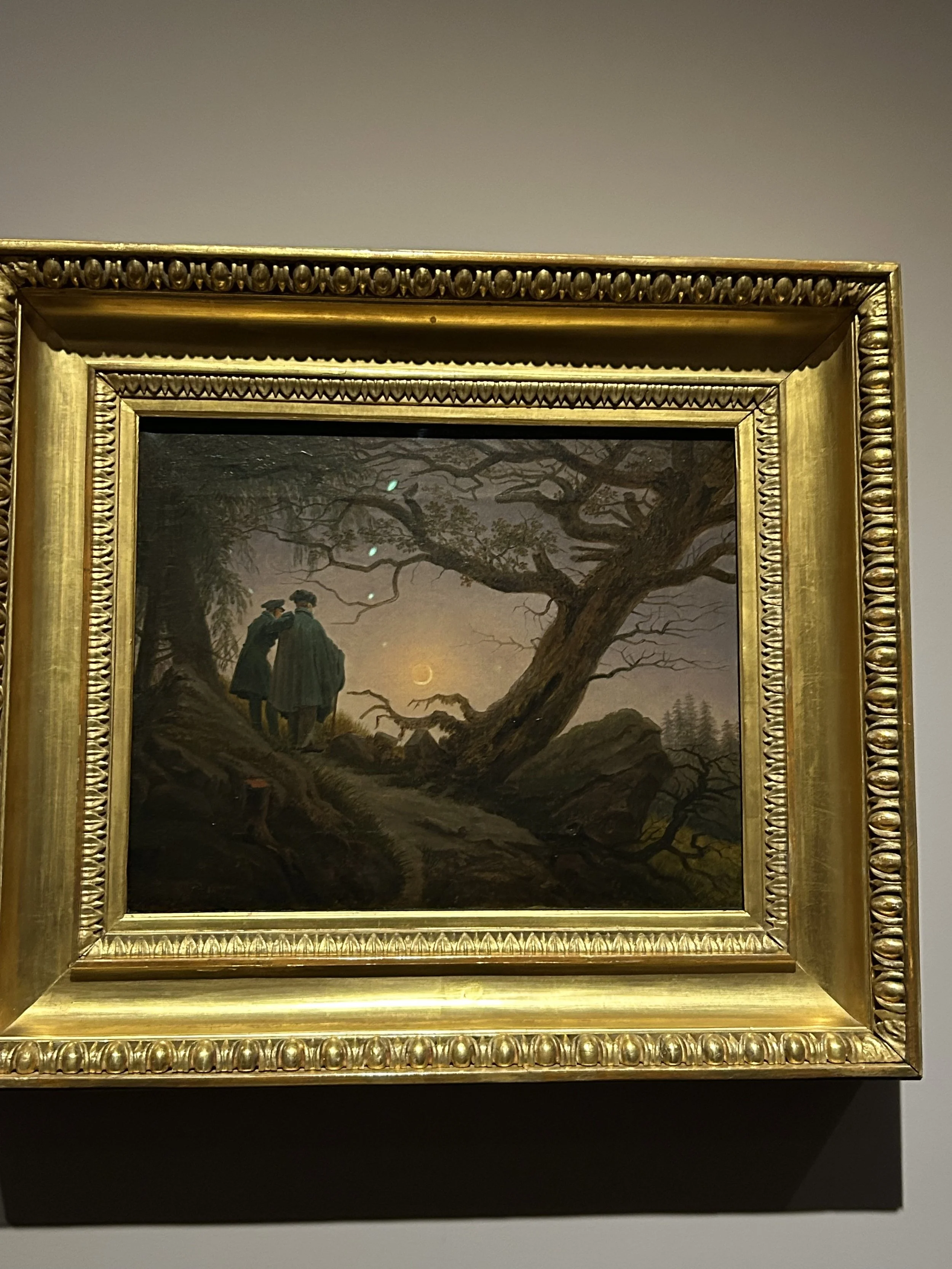
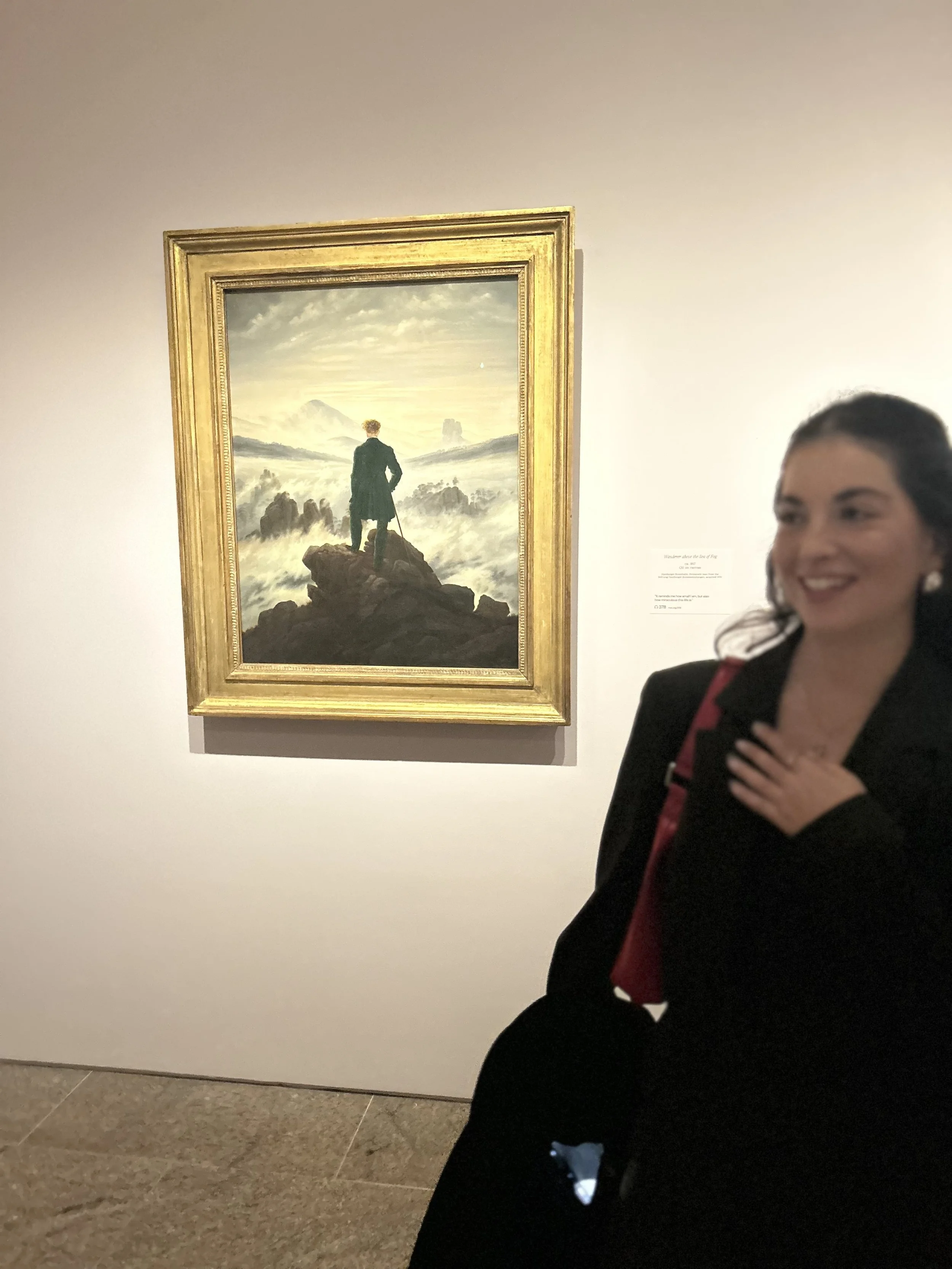
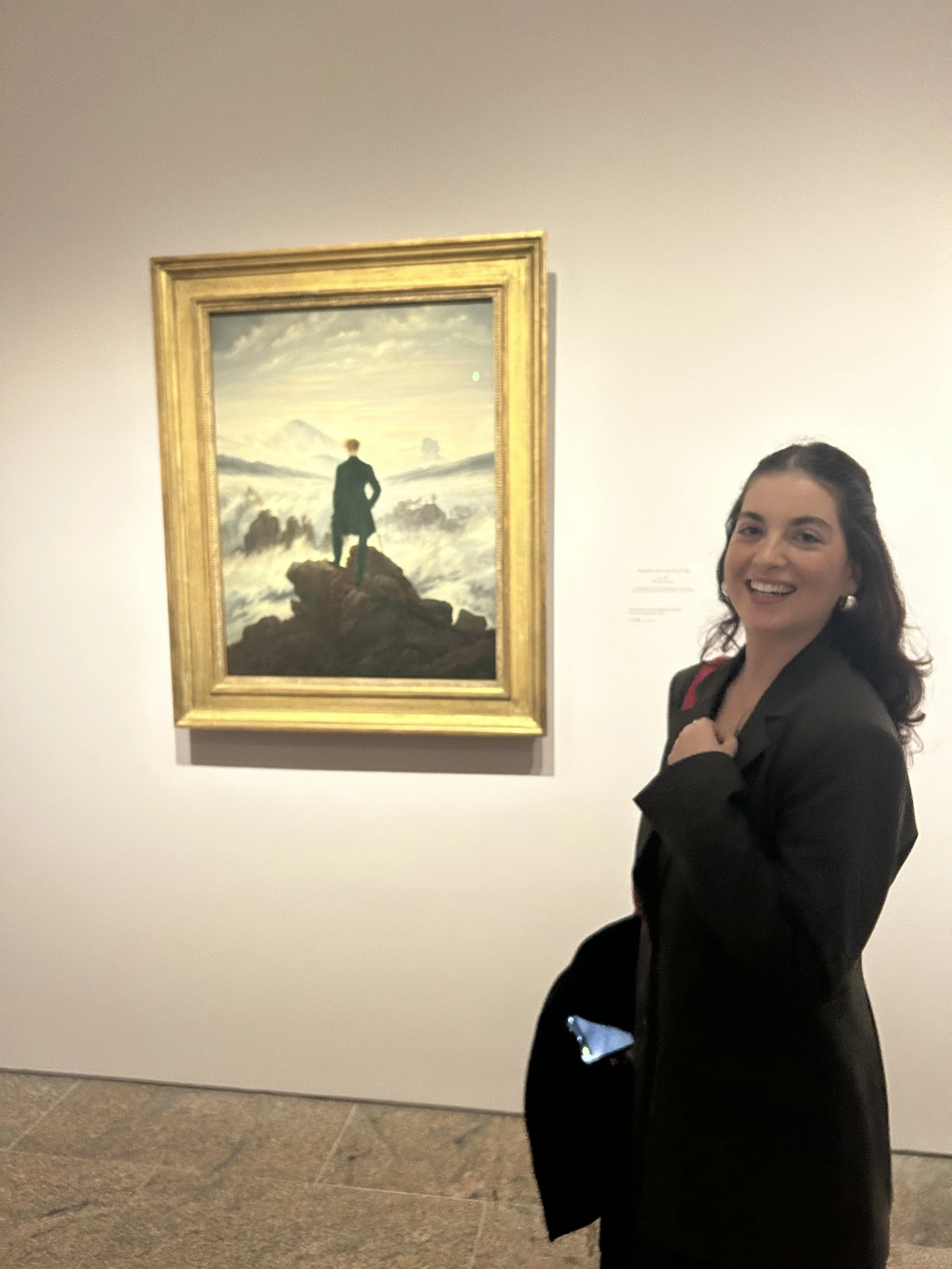
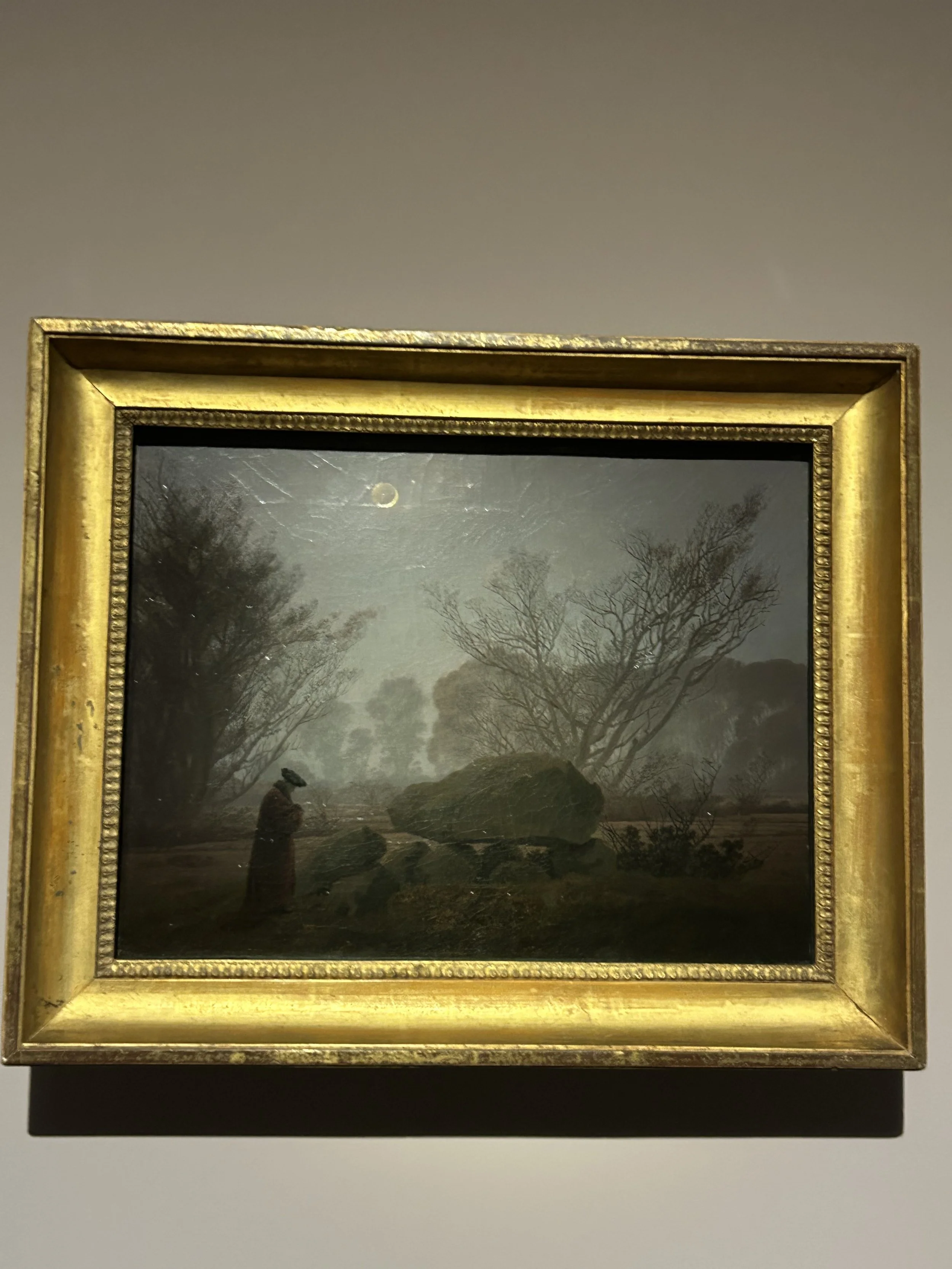
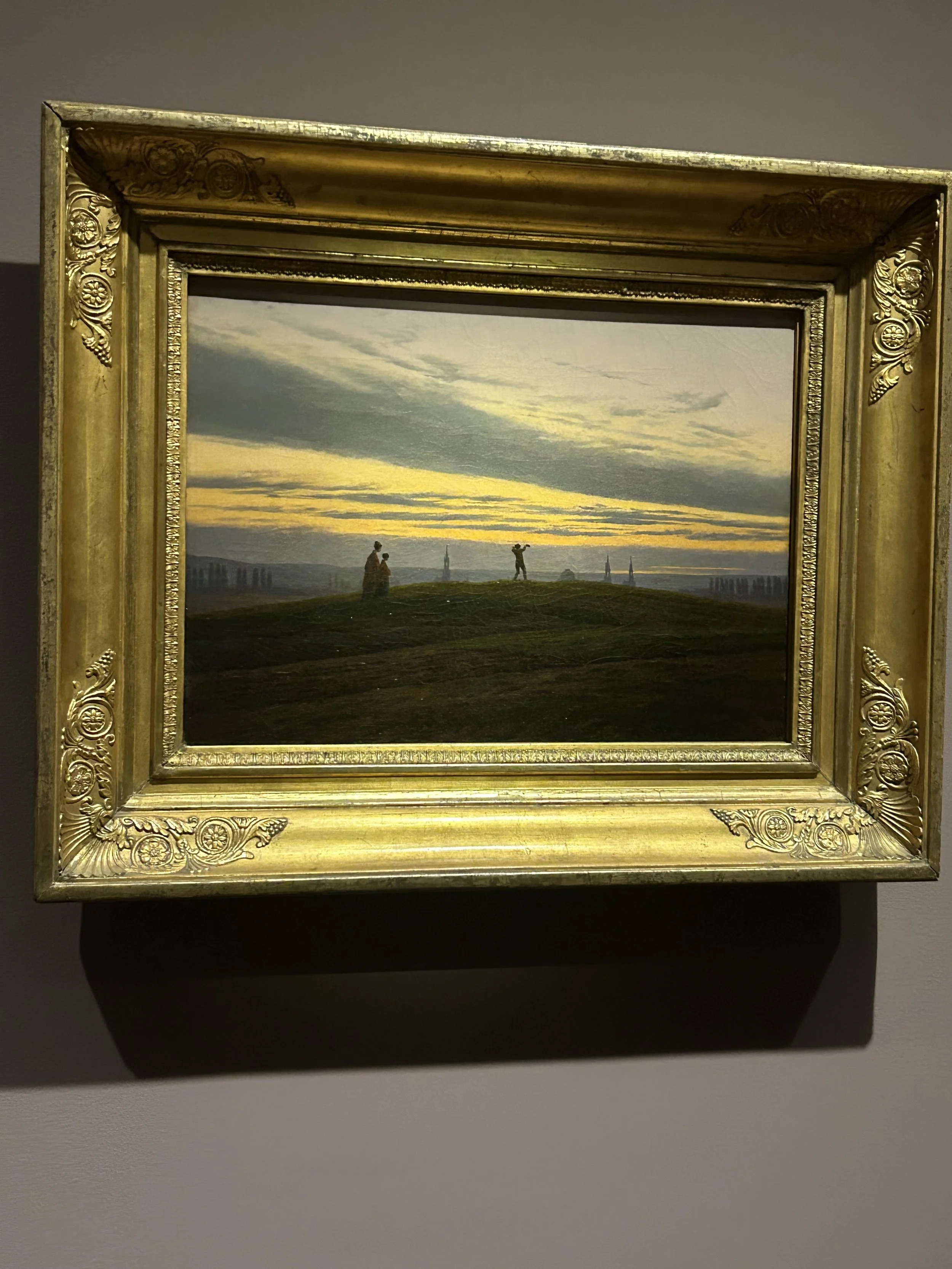
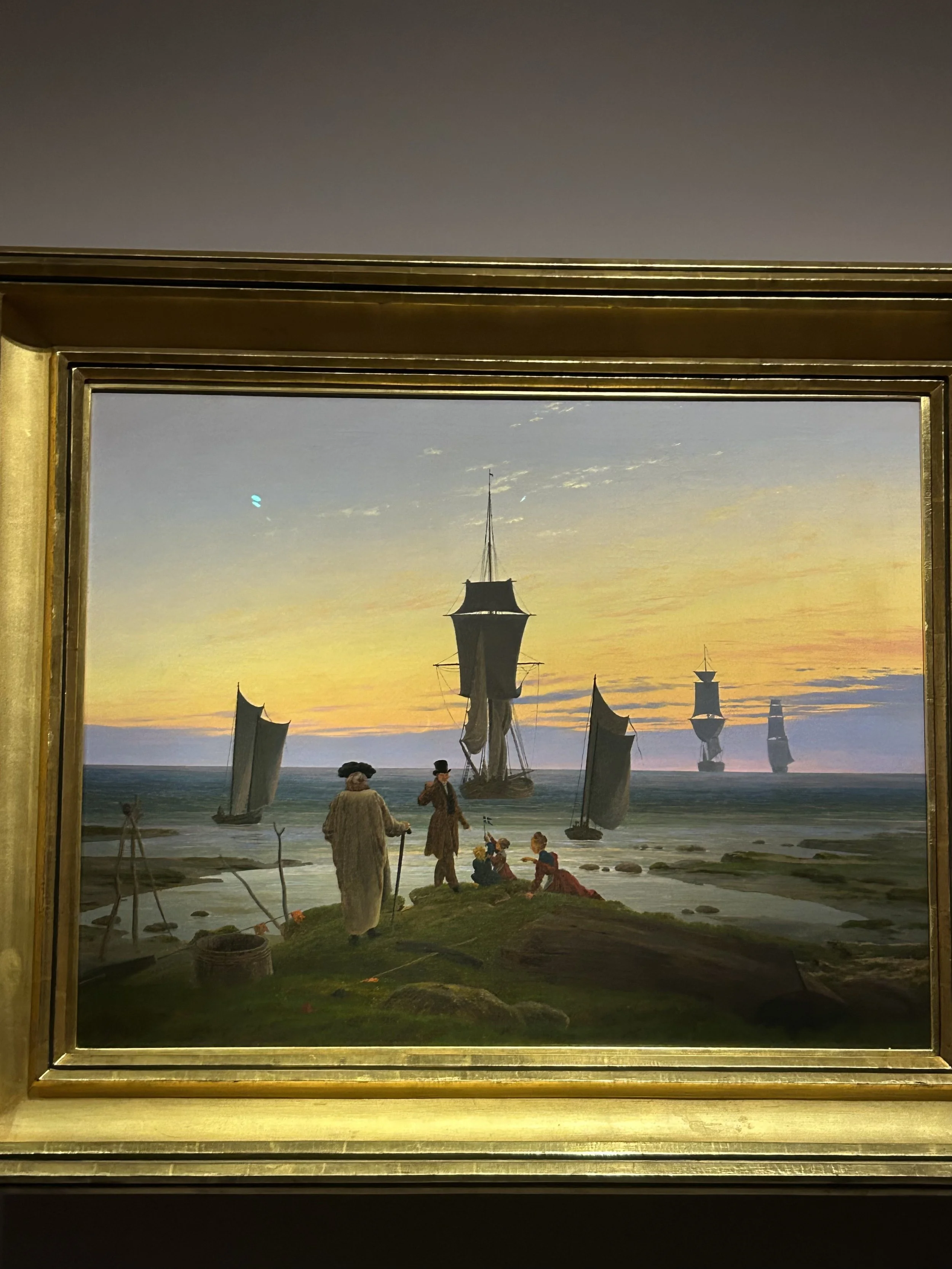
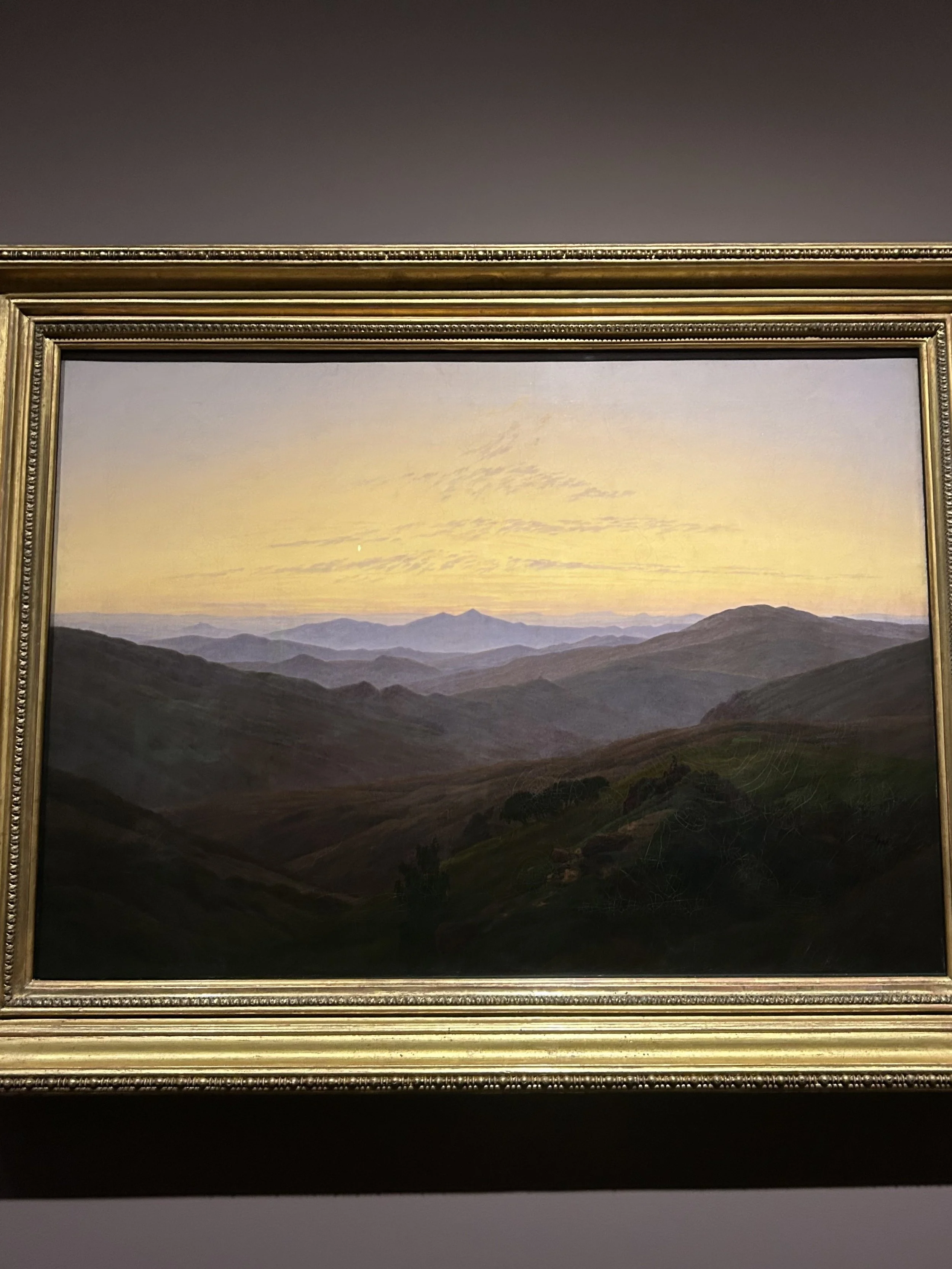
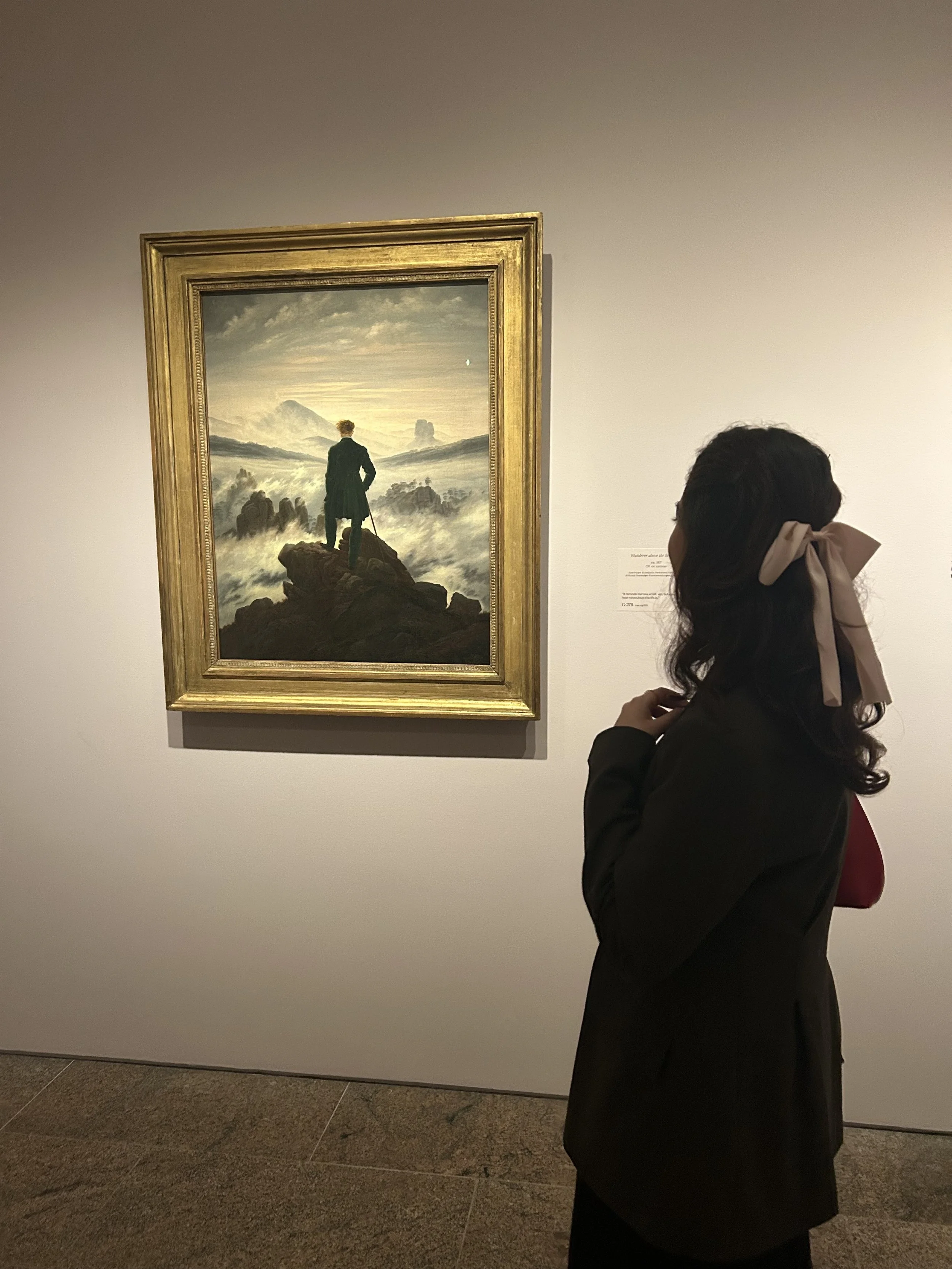
Friedrich often places small human figures within vast landscapes. Mountains, skies, sea, and fog stretch far beyond the individual.There is an undeniable sense of scale that can feel overwhelming, even unsettling. Yet the figures are never erased by it. They remain still and grounded.
Rather than resisting the vastness, they stand within it. The human presence feels conscious and intentional, not dominant, but not absent either, part of the landscape, aware of its limits.
His figures are for the most part turned away from the viewer. They look outward, into distance and uncertainty. Instead of creating separation, this gesture creates space. It allows the viewer to step into the scene quietly, without instruction. You are not told what to feel. You are given room to look.
There is solitude in Friedrich’s work, but it is not presented as absence or loss. It feels deliberate. Calm. His landscapes suggest that being alone does not always mean being disconnected. Sometimes it simply means paying attention.
Spending time with these paintings made me aware of how rarely we are asked to slow down when looking. Nothing here competes for attention. The work unfolds gradually, through repetition, restraint, and silence. Time feels less urgent in these rooms.
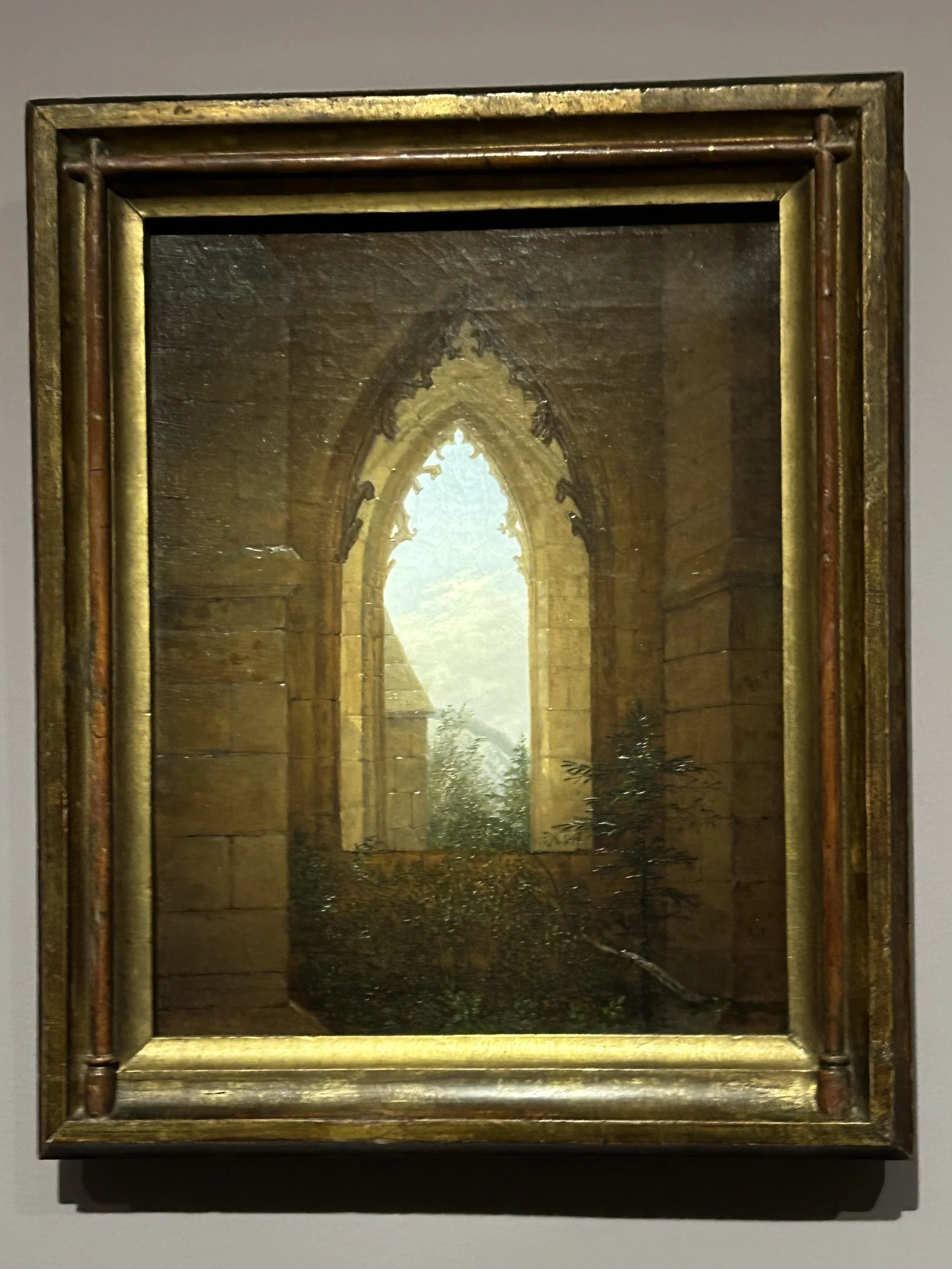
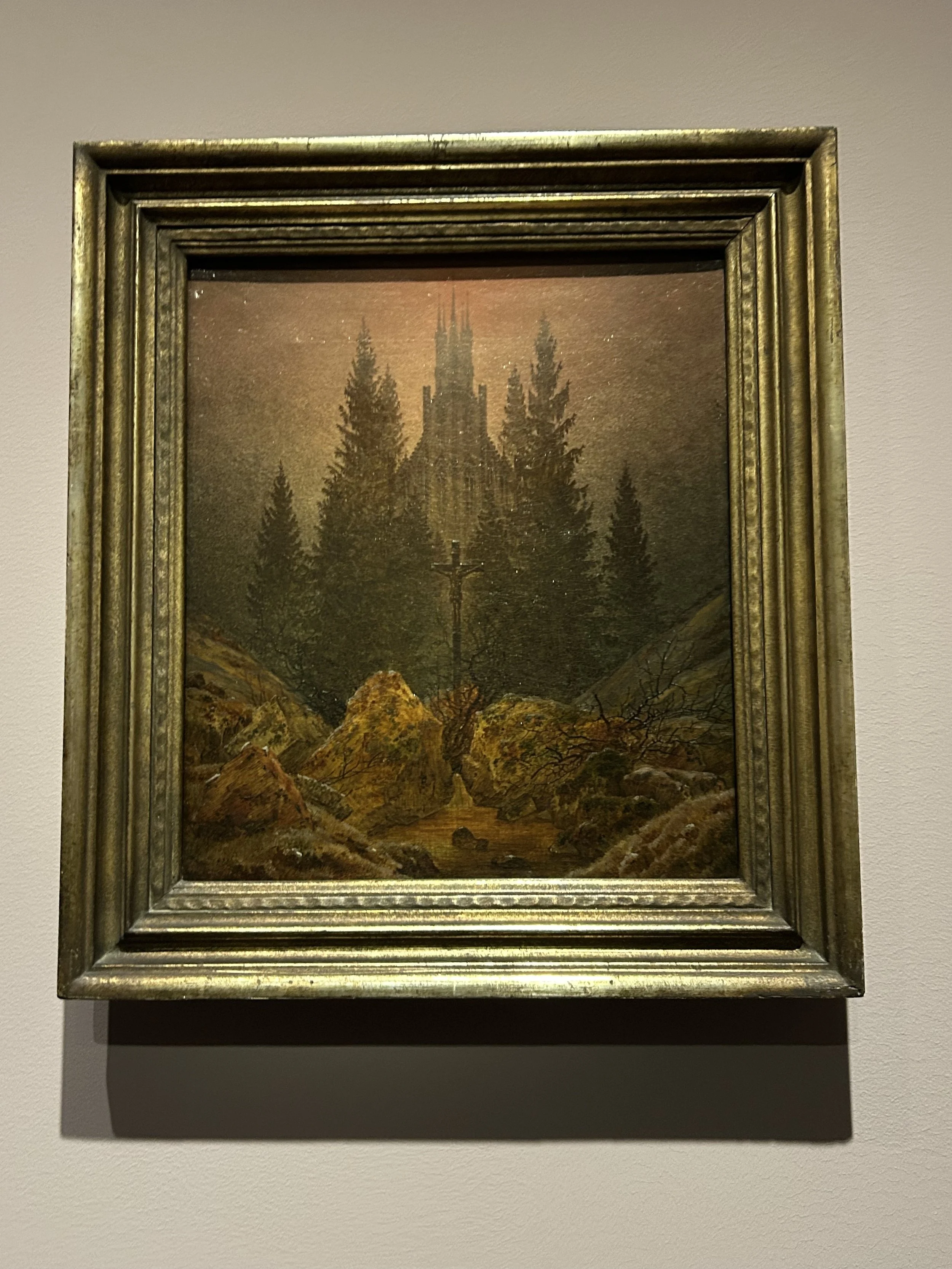
I have always appreciated how Friedrich treats nature not as spectacle, but as a space for reflection. His work allows uncertainty to remain unresolved. It does not try to explain or dramatize the world. It allows distance and leaves room for the viewer.
Leaving the exhibition, what stayed with me was that sense of quiet clarity. Friedrich’s work does not want to hold you. It simply allows you to stand, look, and remain for a moment, without urgency, without noise.