Form and Color at the Museum of Modern Art, New York
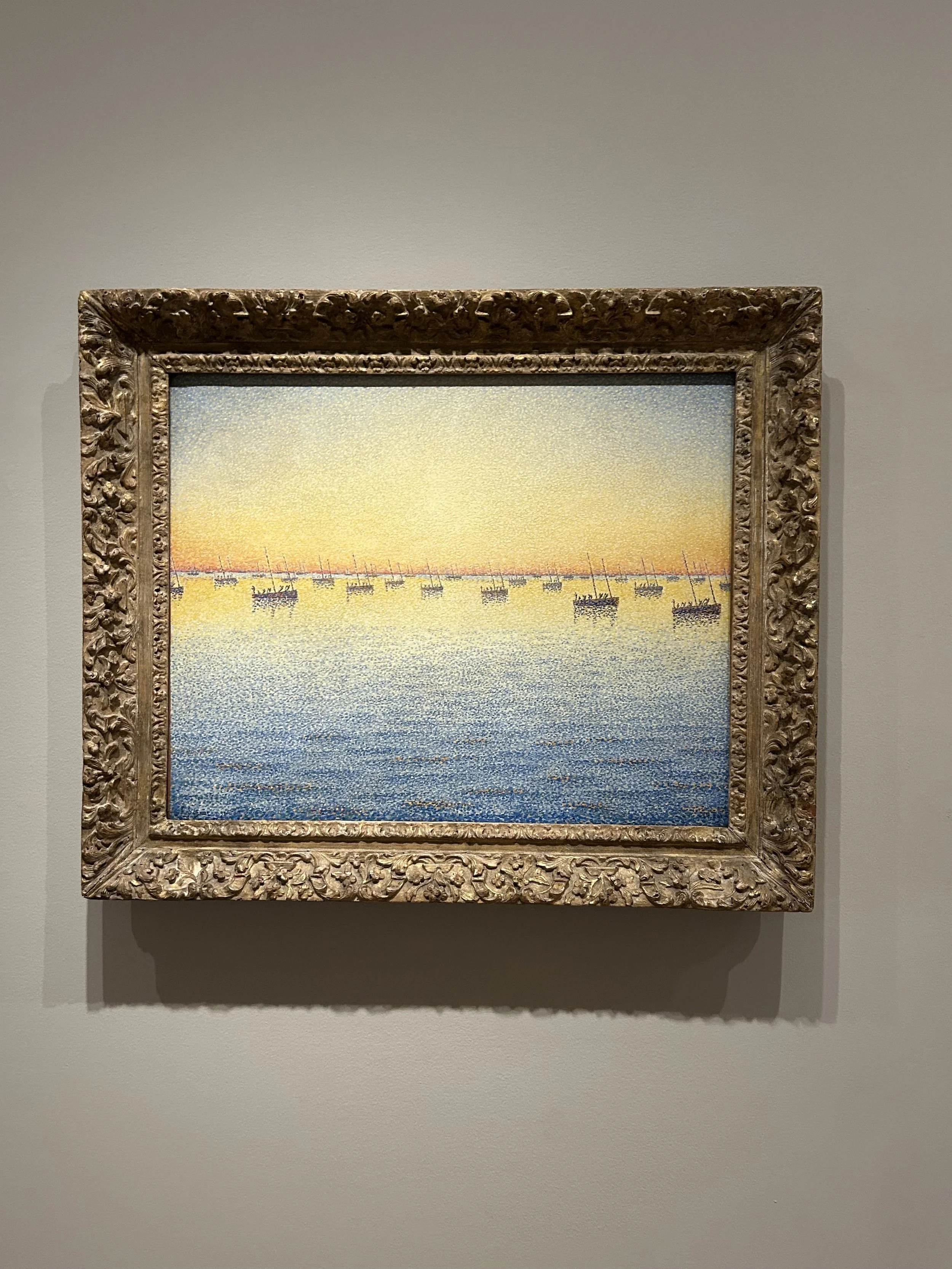
Located in New York, the Museum of Modern Art houses one of the most significant collections of modern and contemporary art. Its galleries span multiple movements and decades, bringing together works that have shaped the history and development of modern and contemporary art.
This selection focuses on only a small part of the museum and highlights artists whose work I am most familiar with. Many of these pieces brought back years of art history studies and previous encounters with modernism, now experienced again within the physical space of the museum.
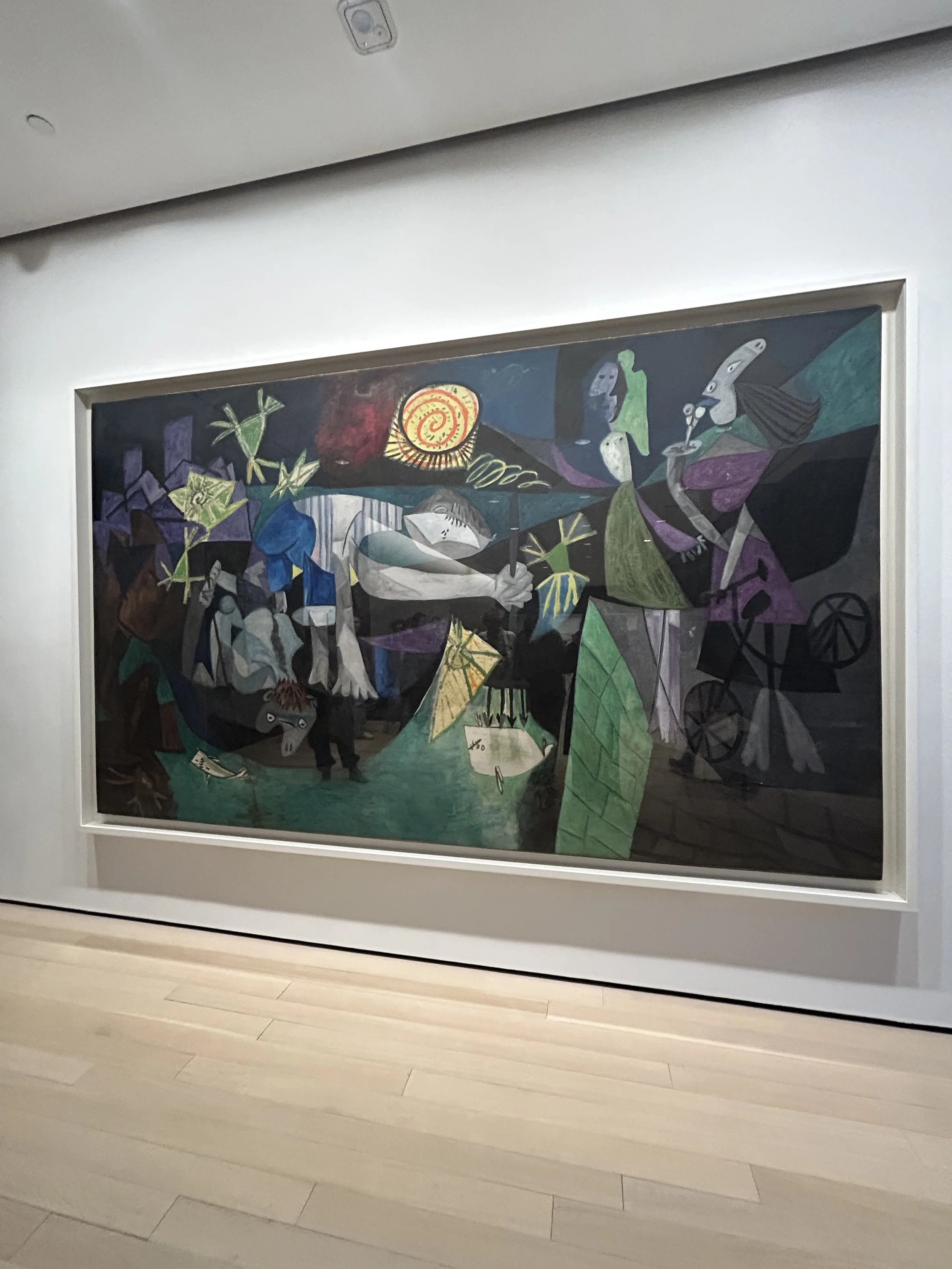
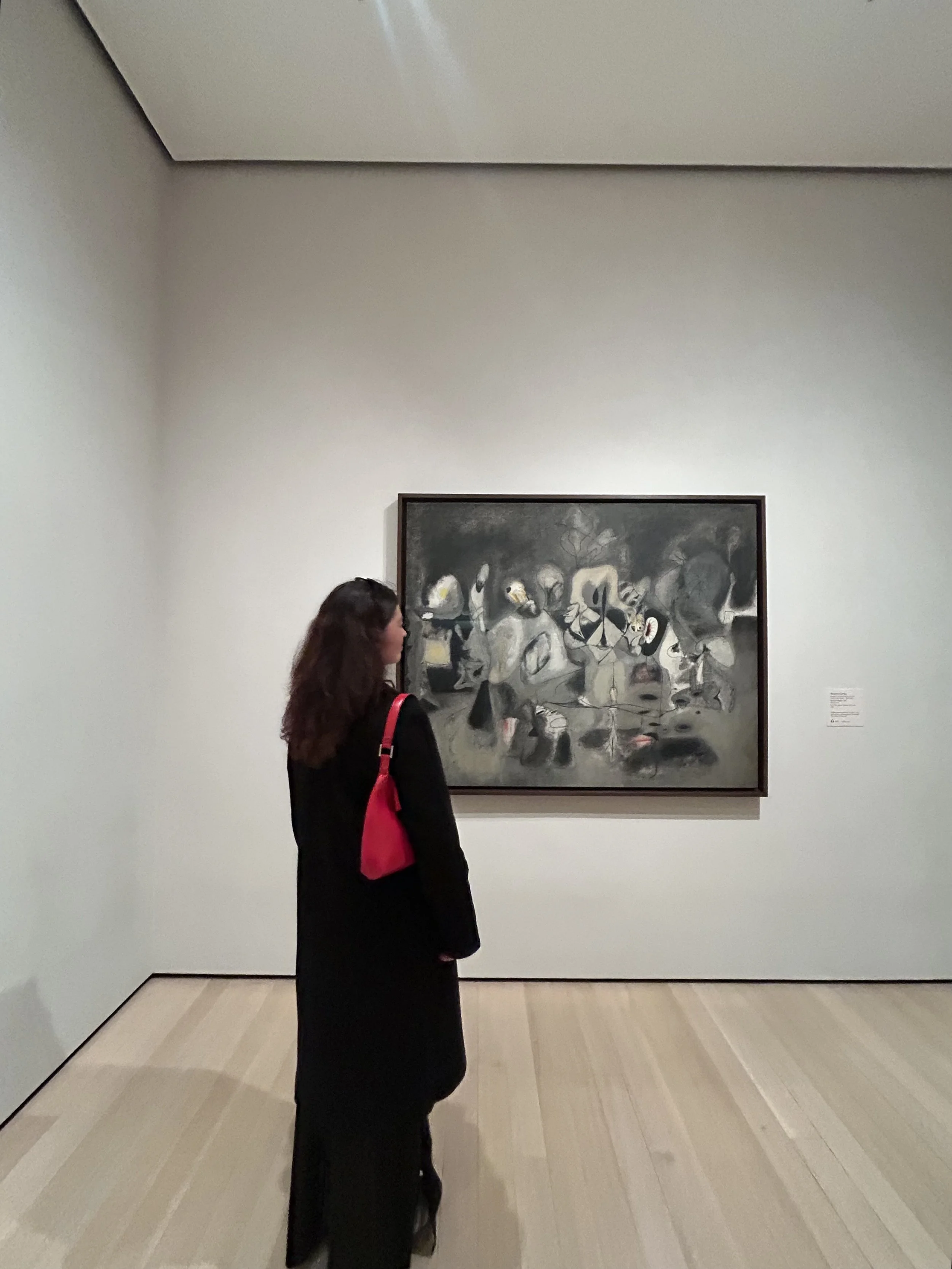
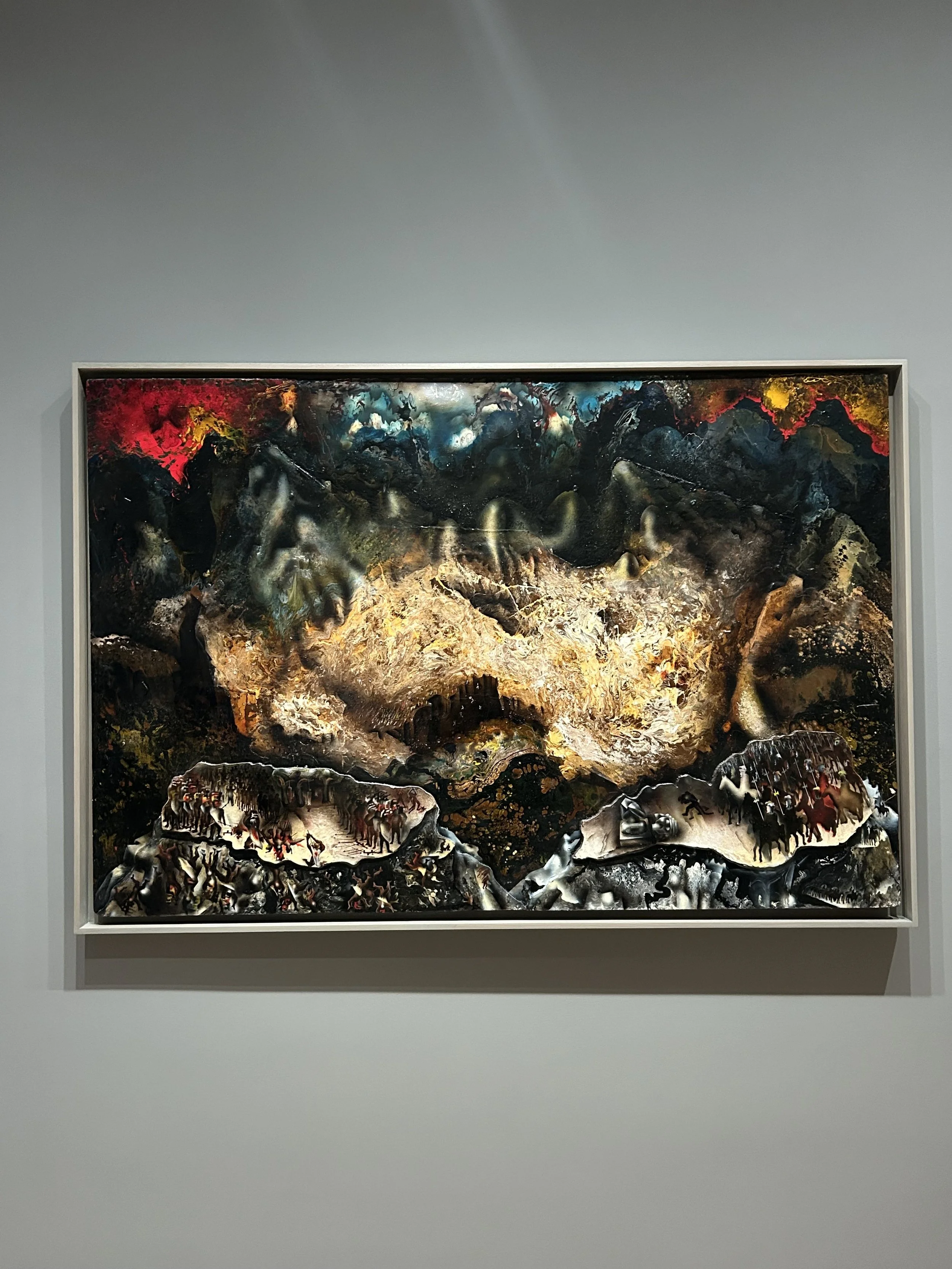
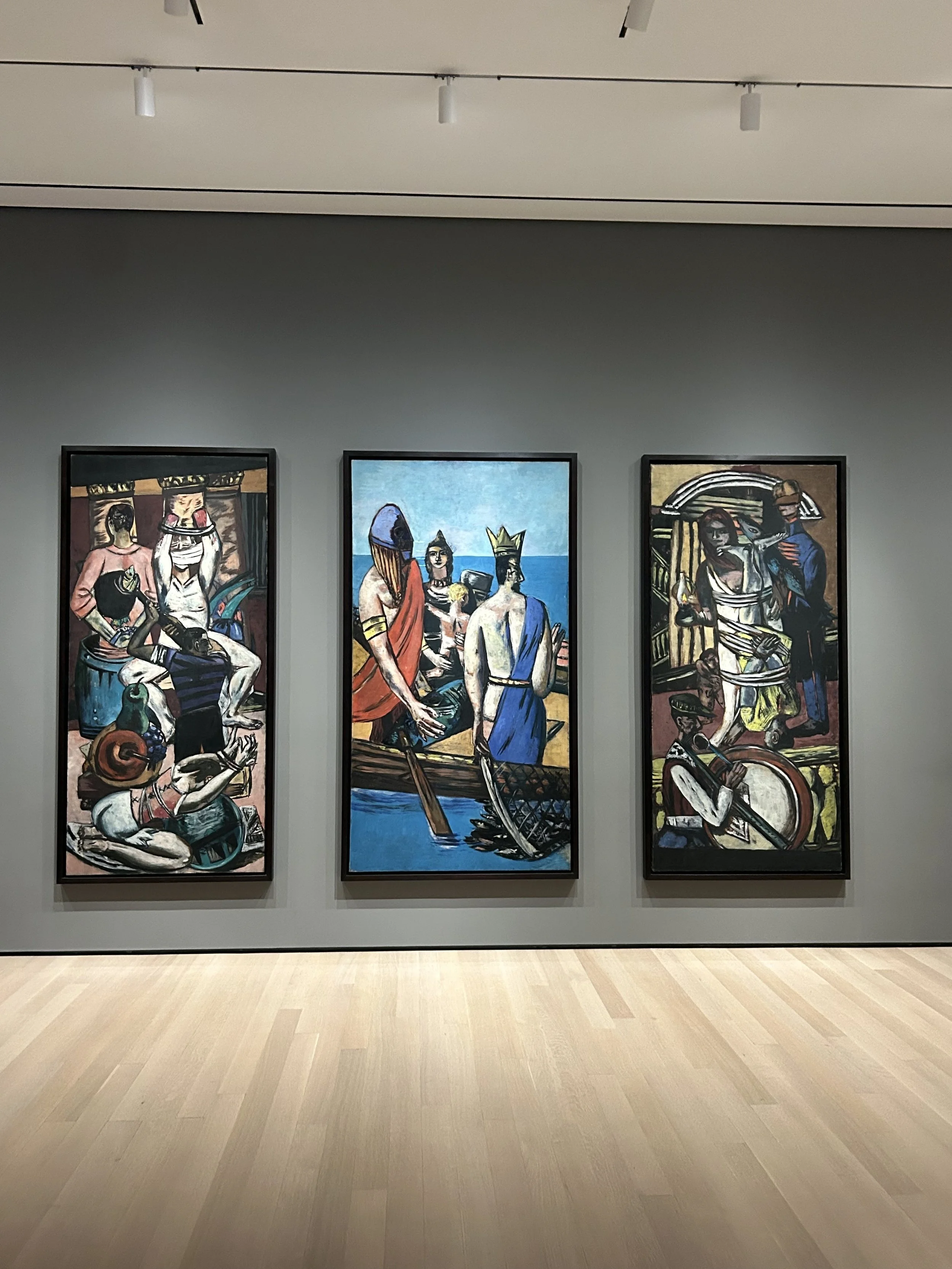
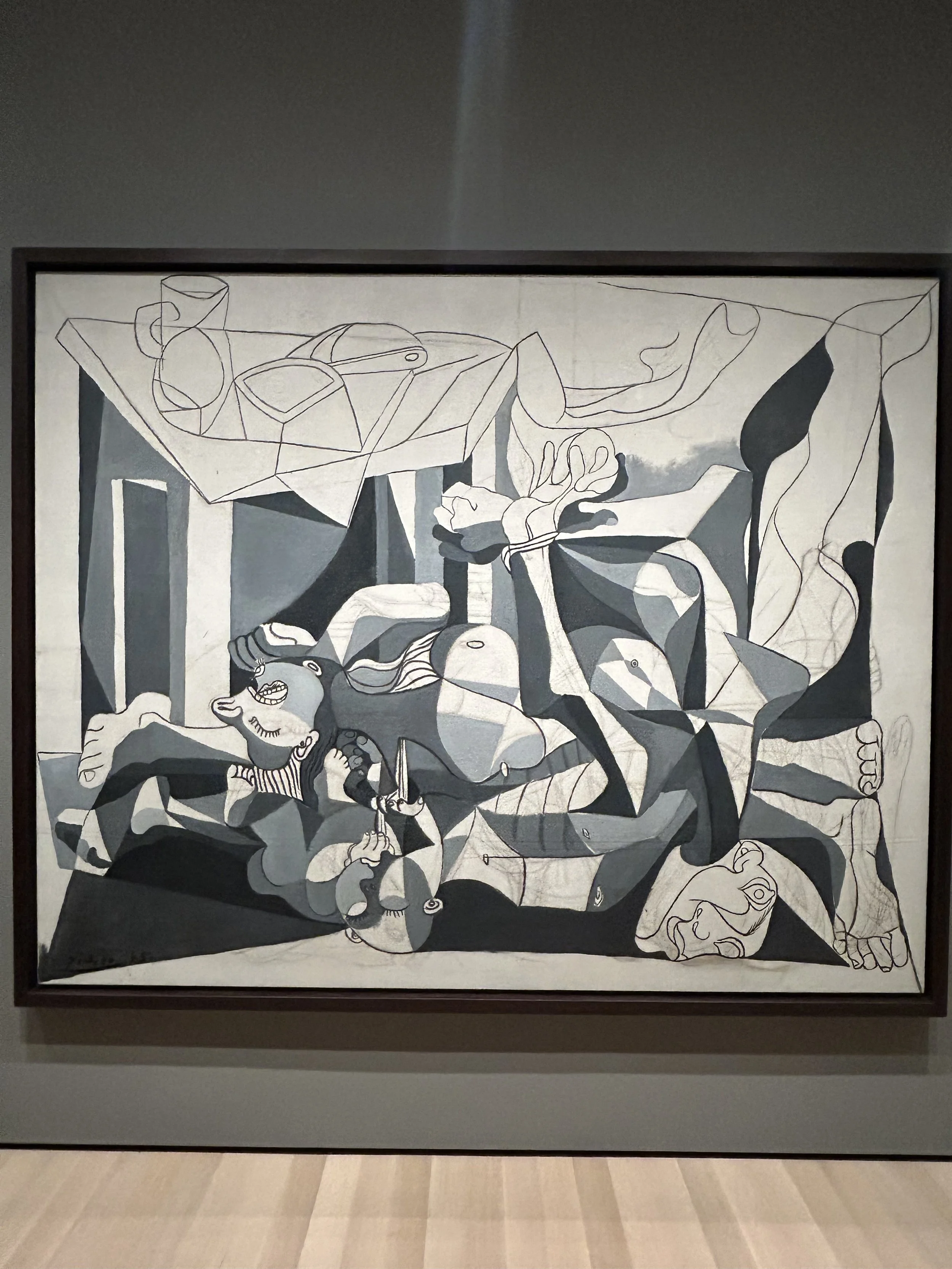
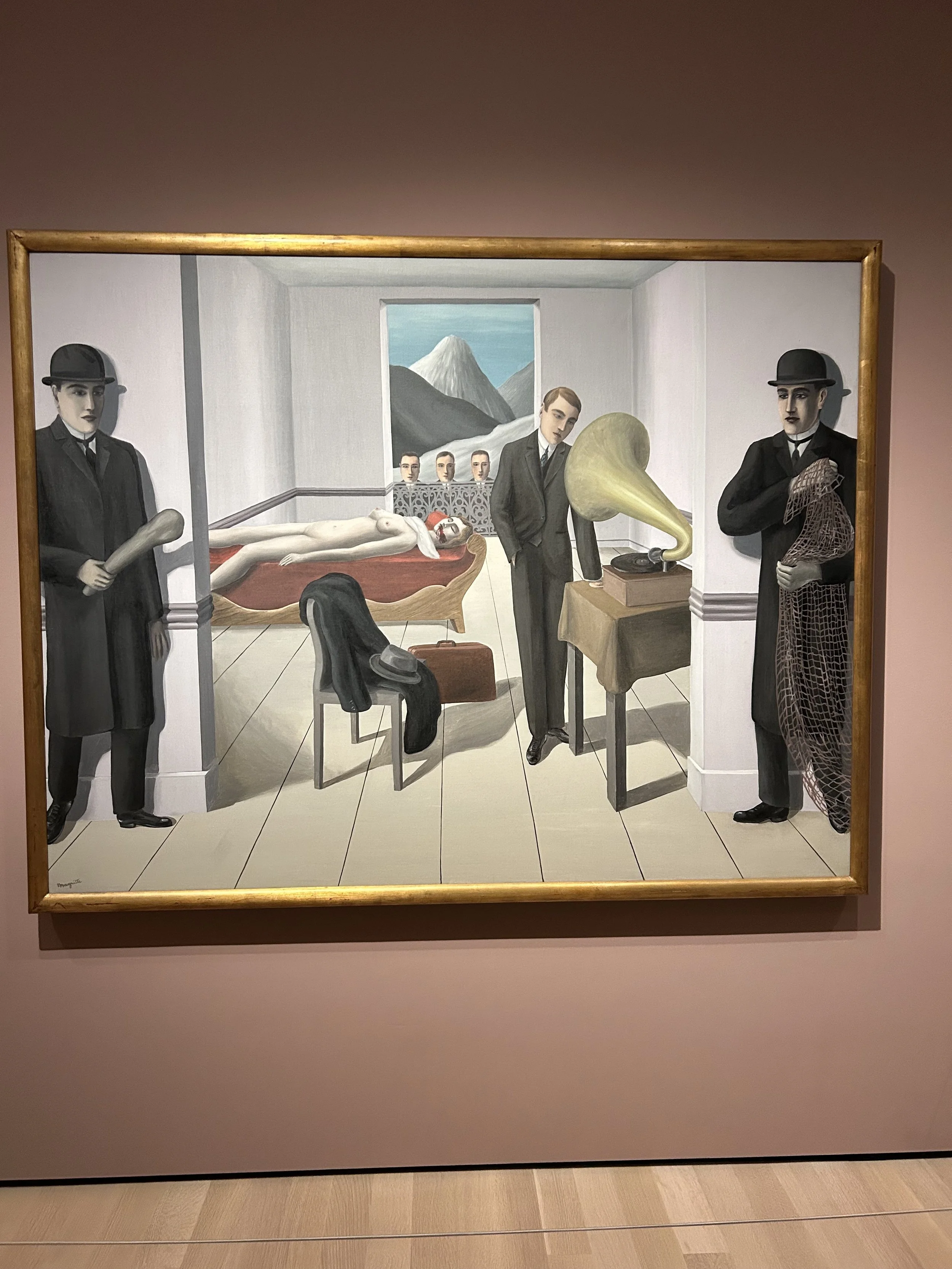
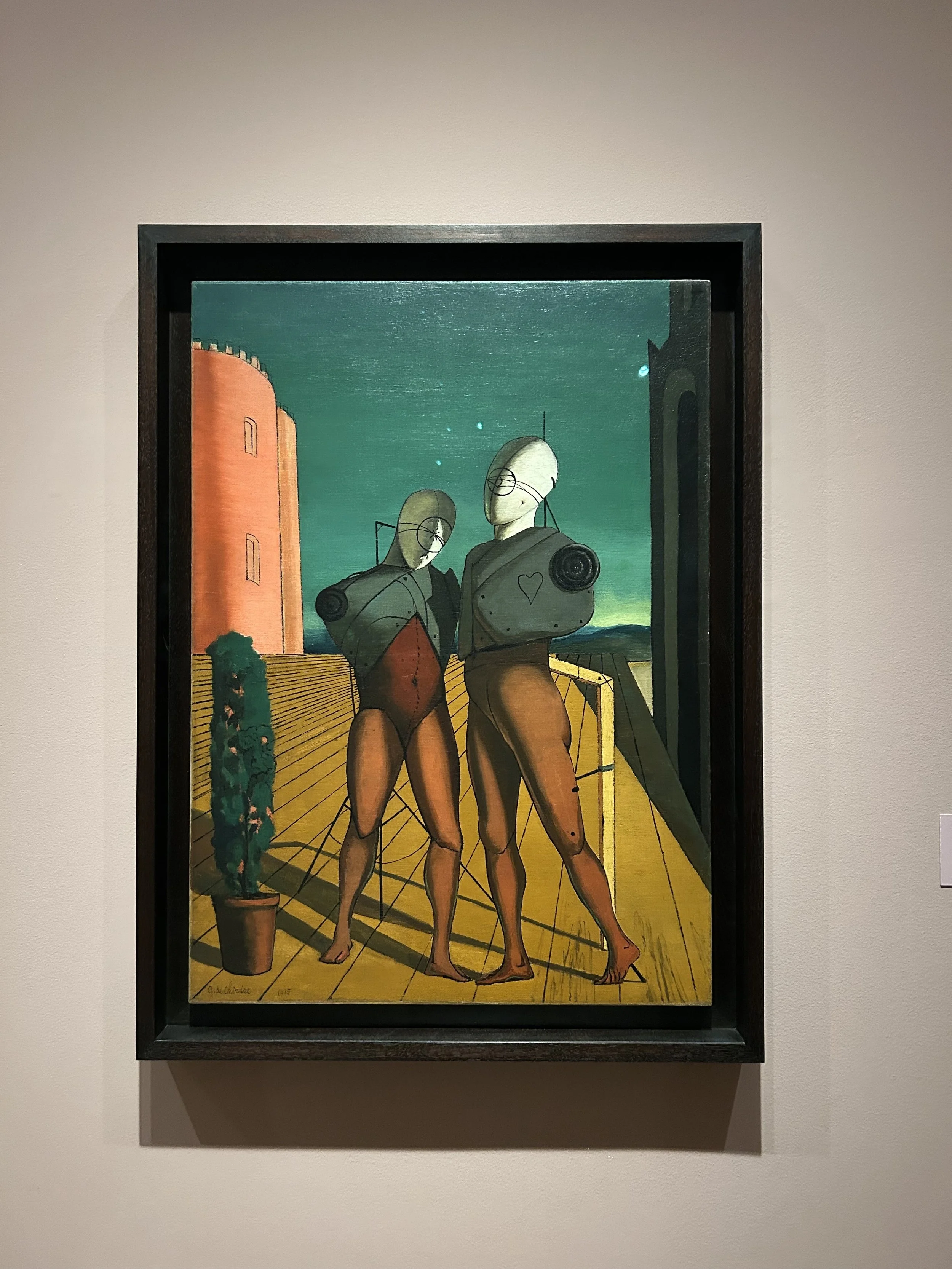
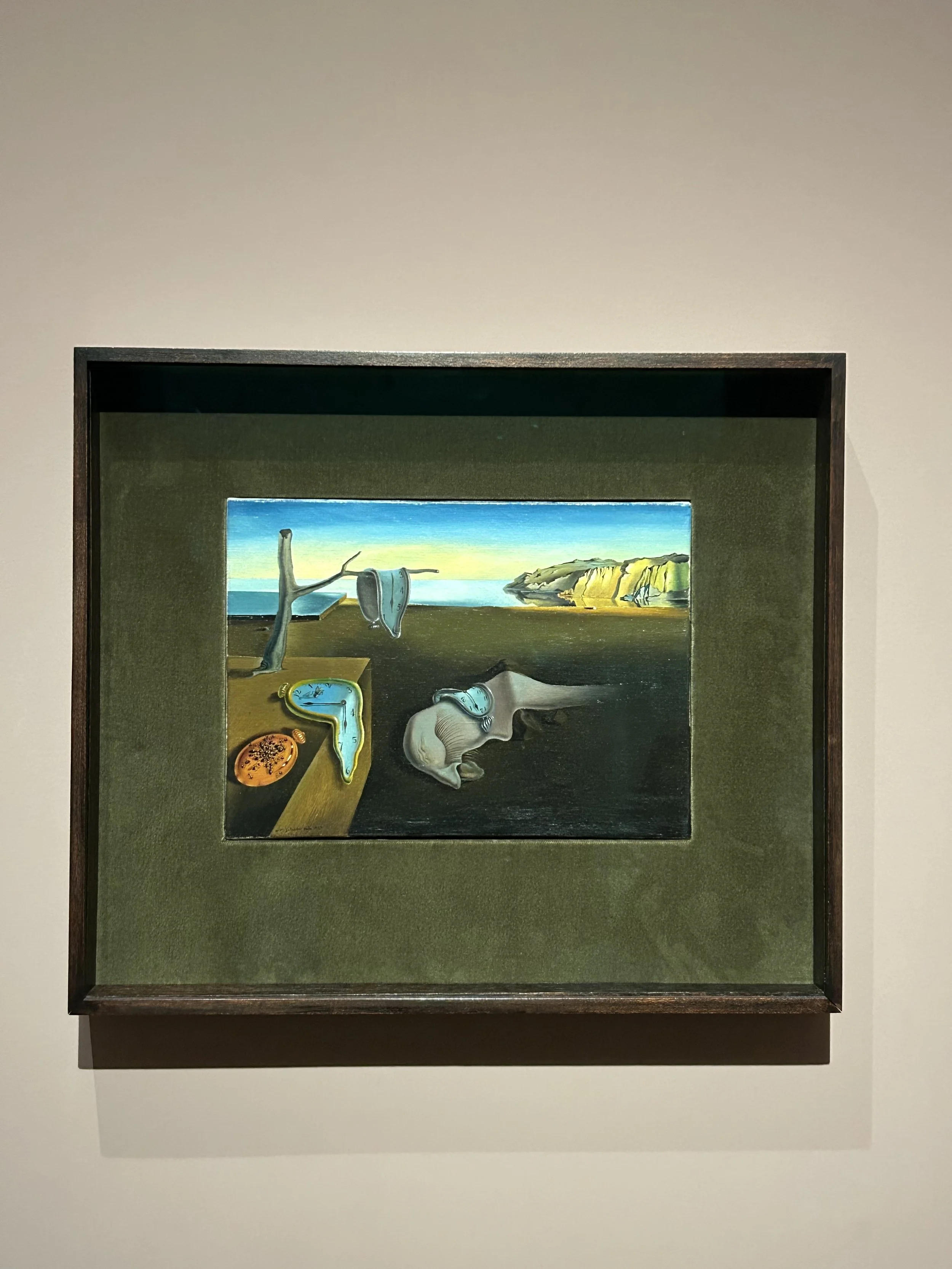
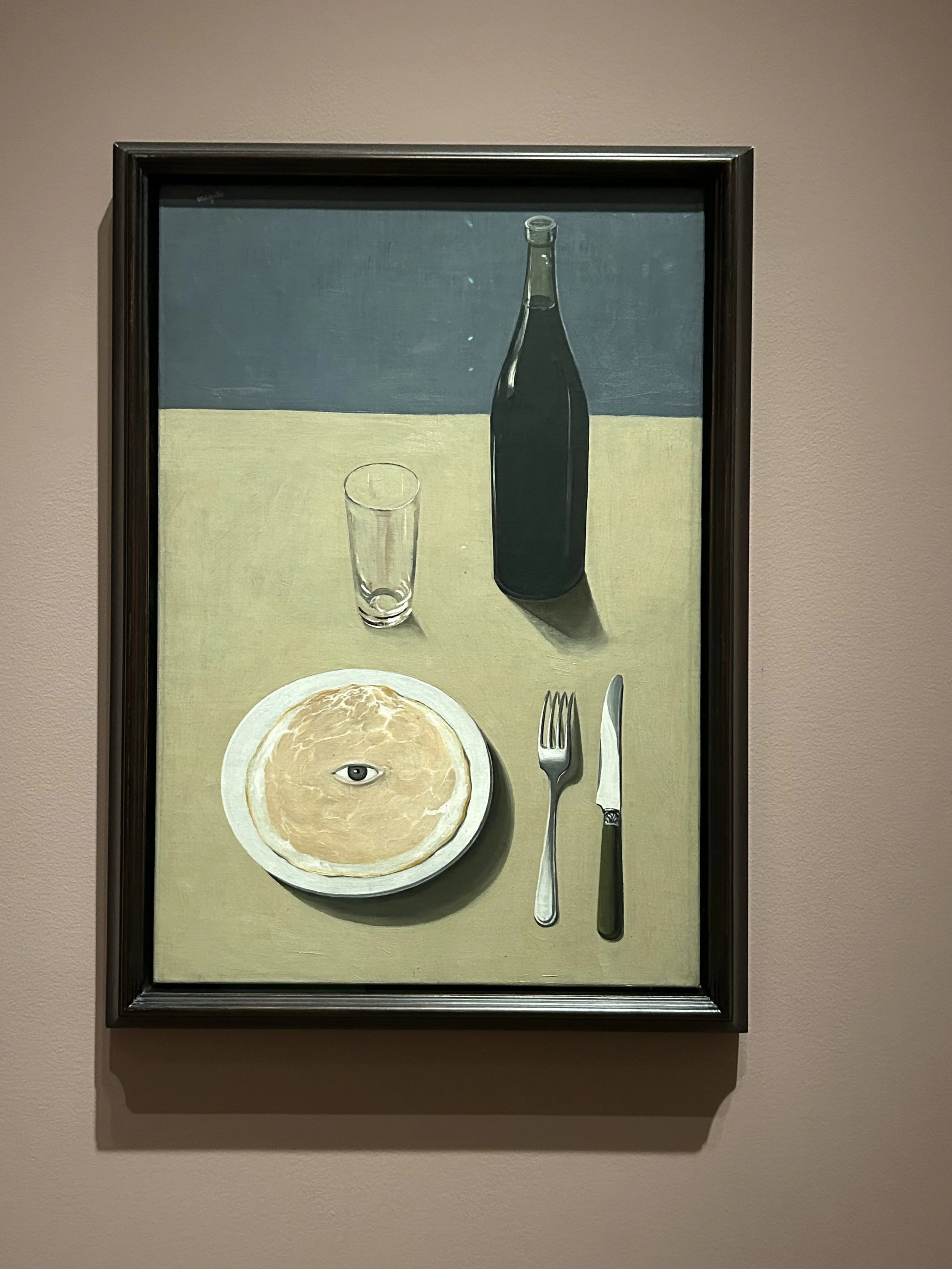
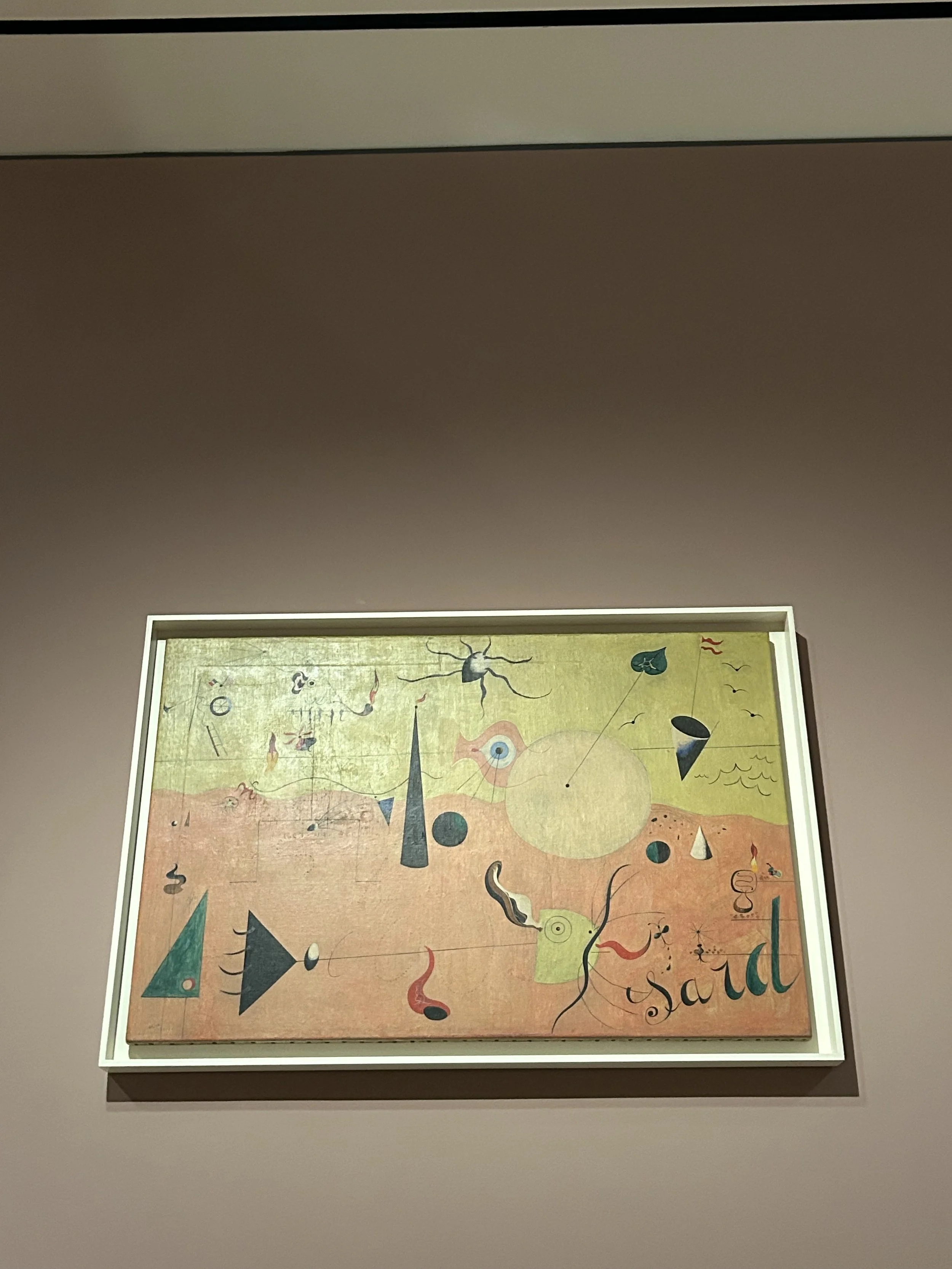
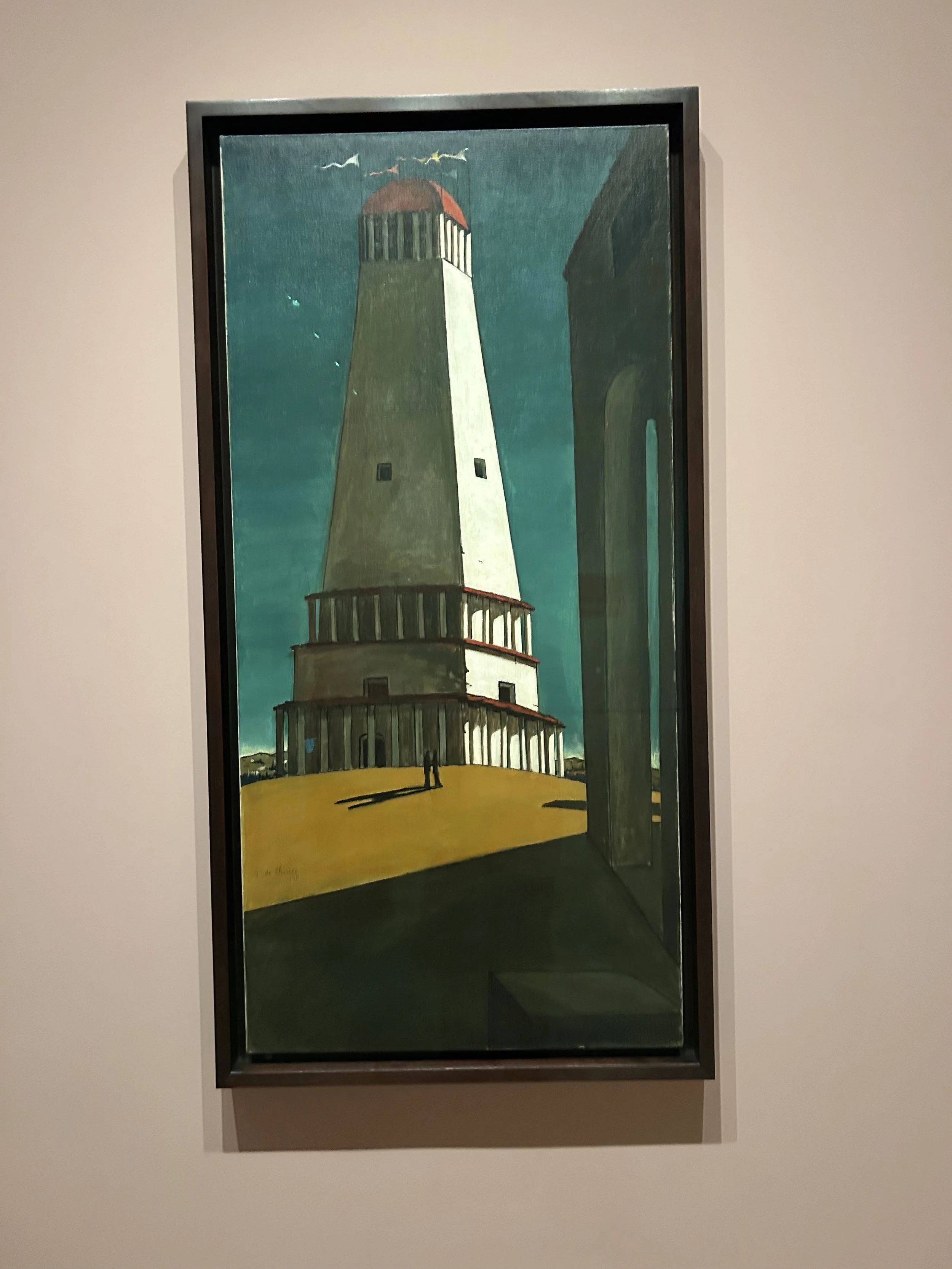
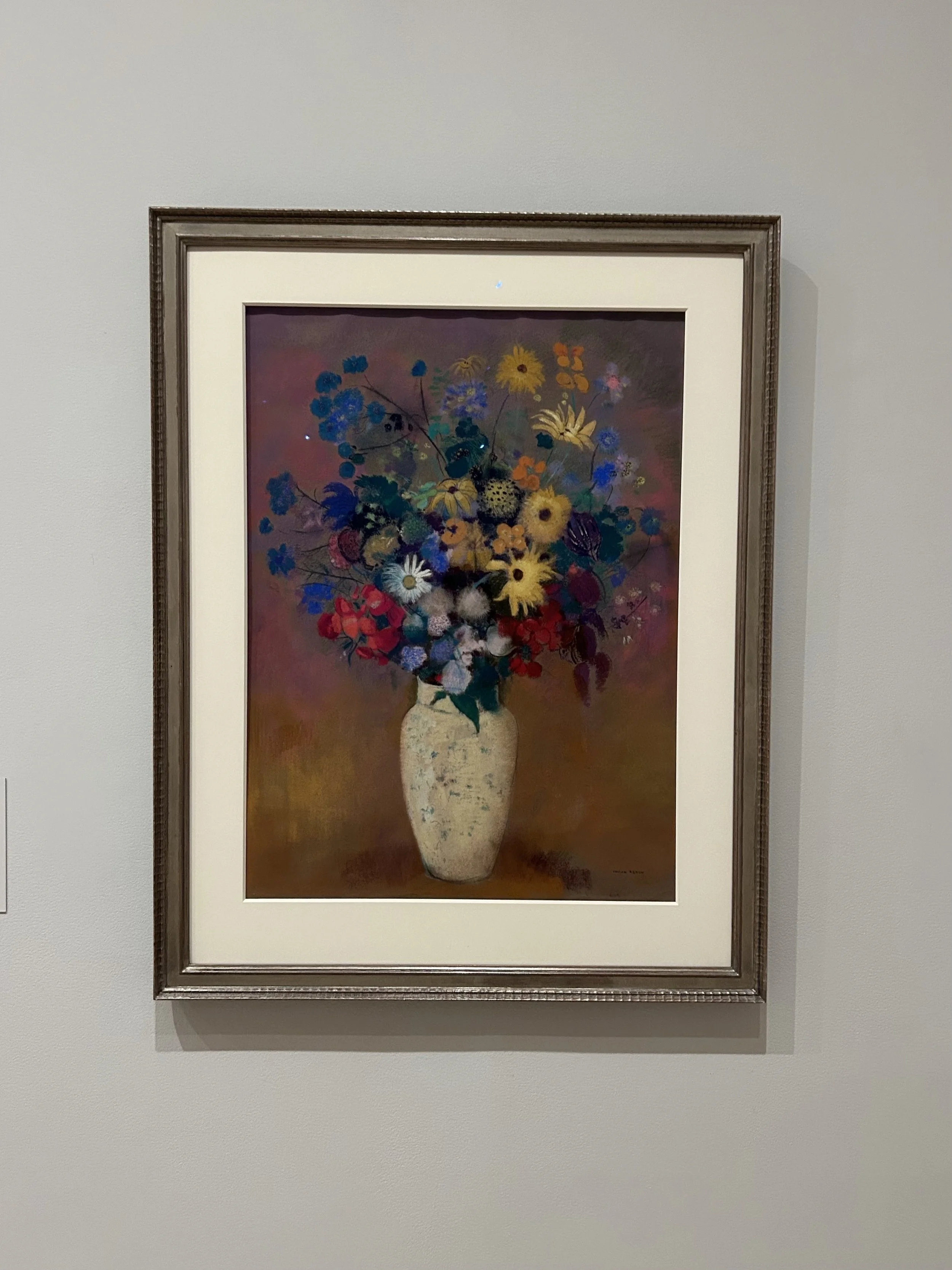
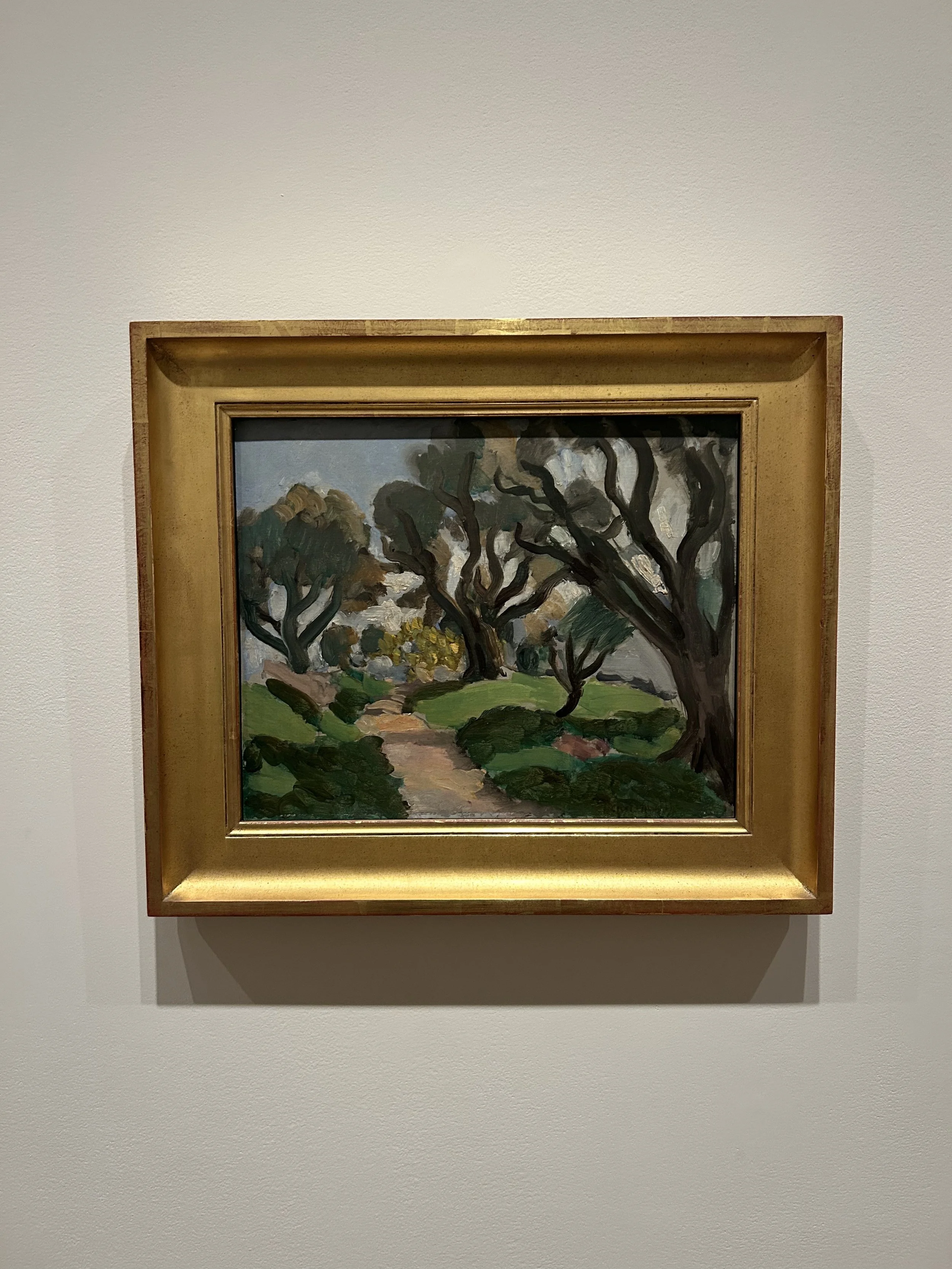
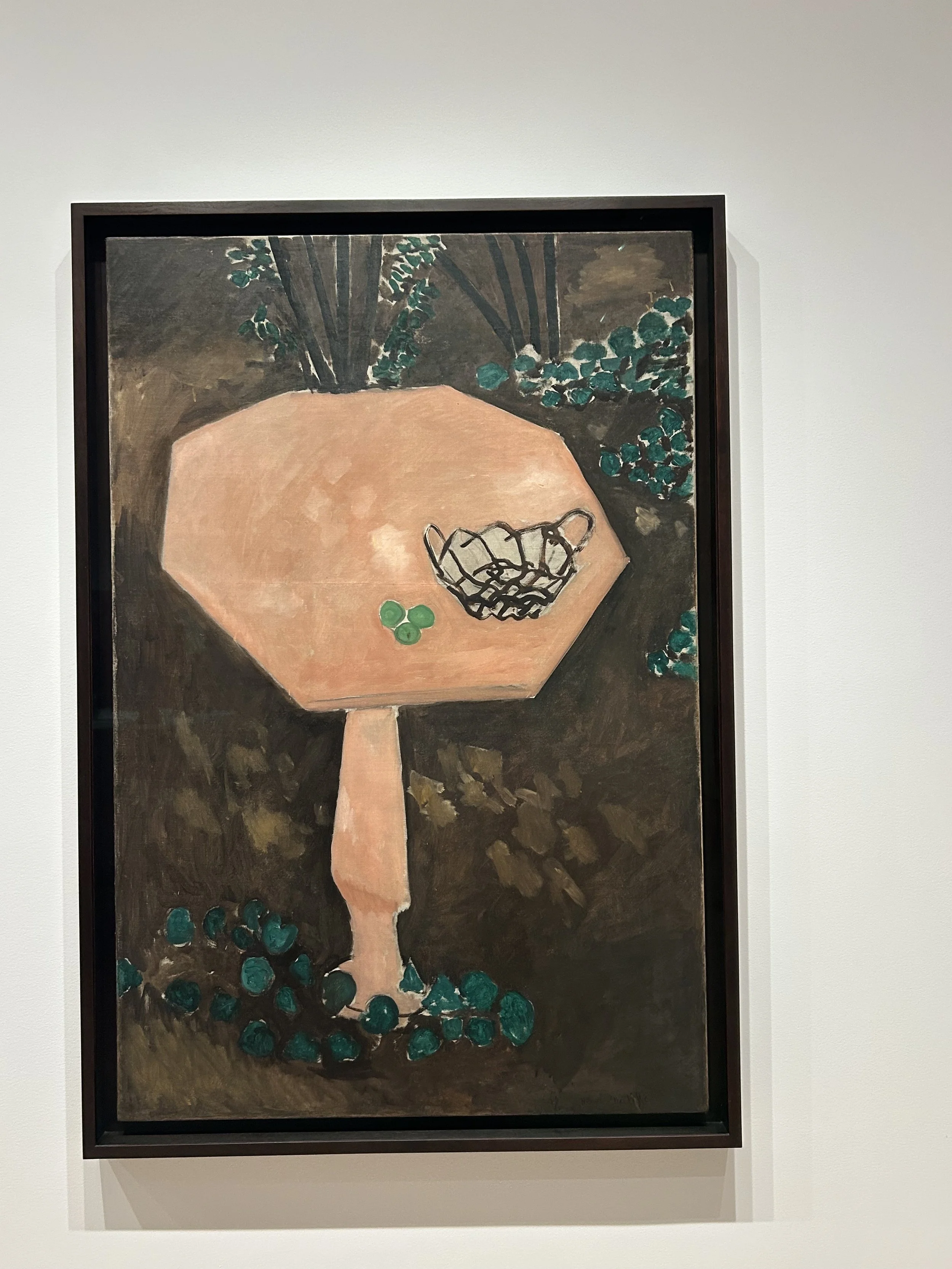
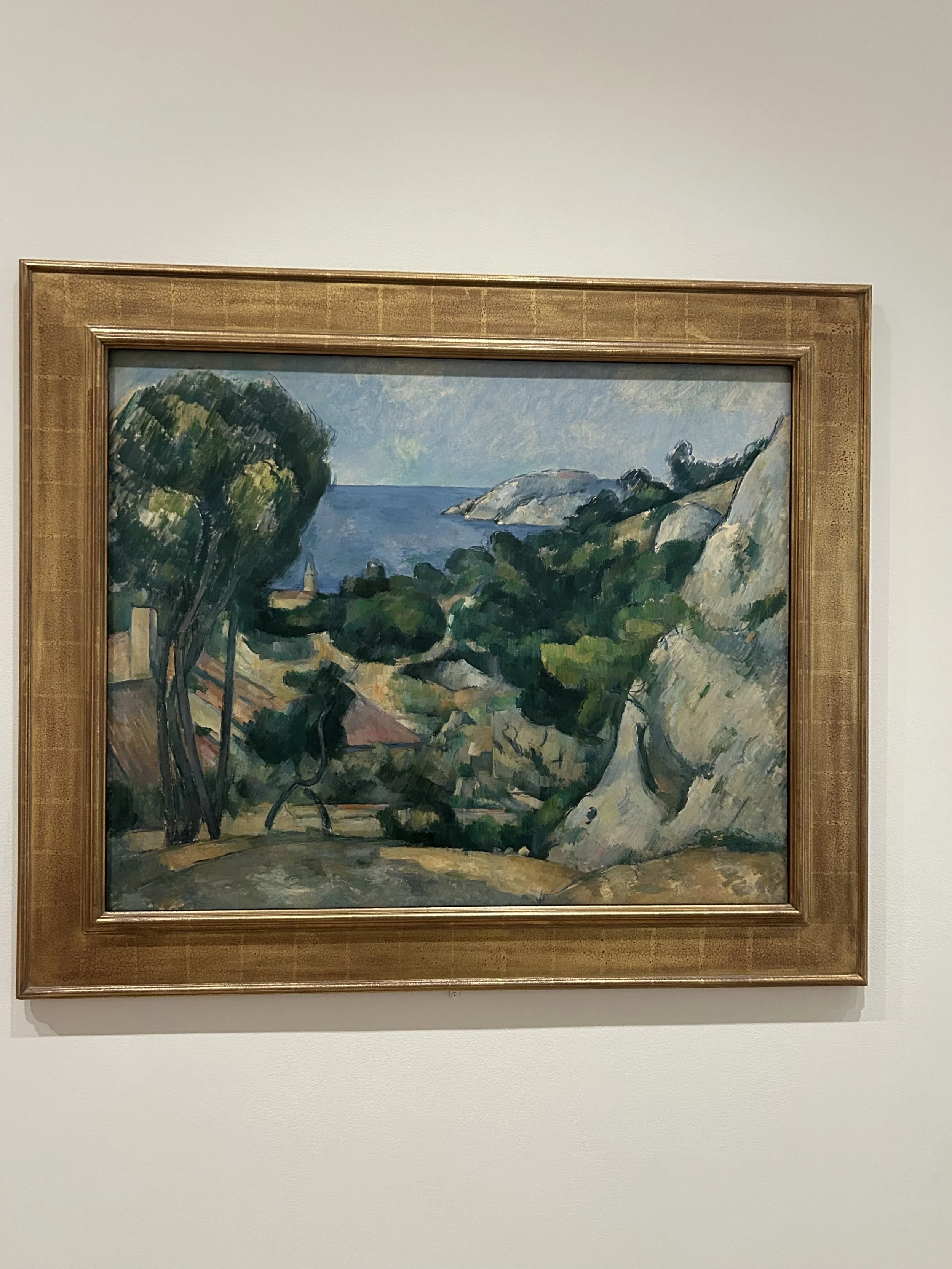
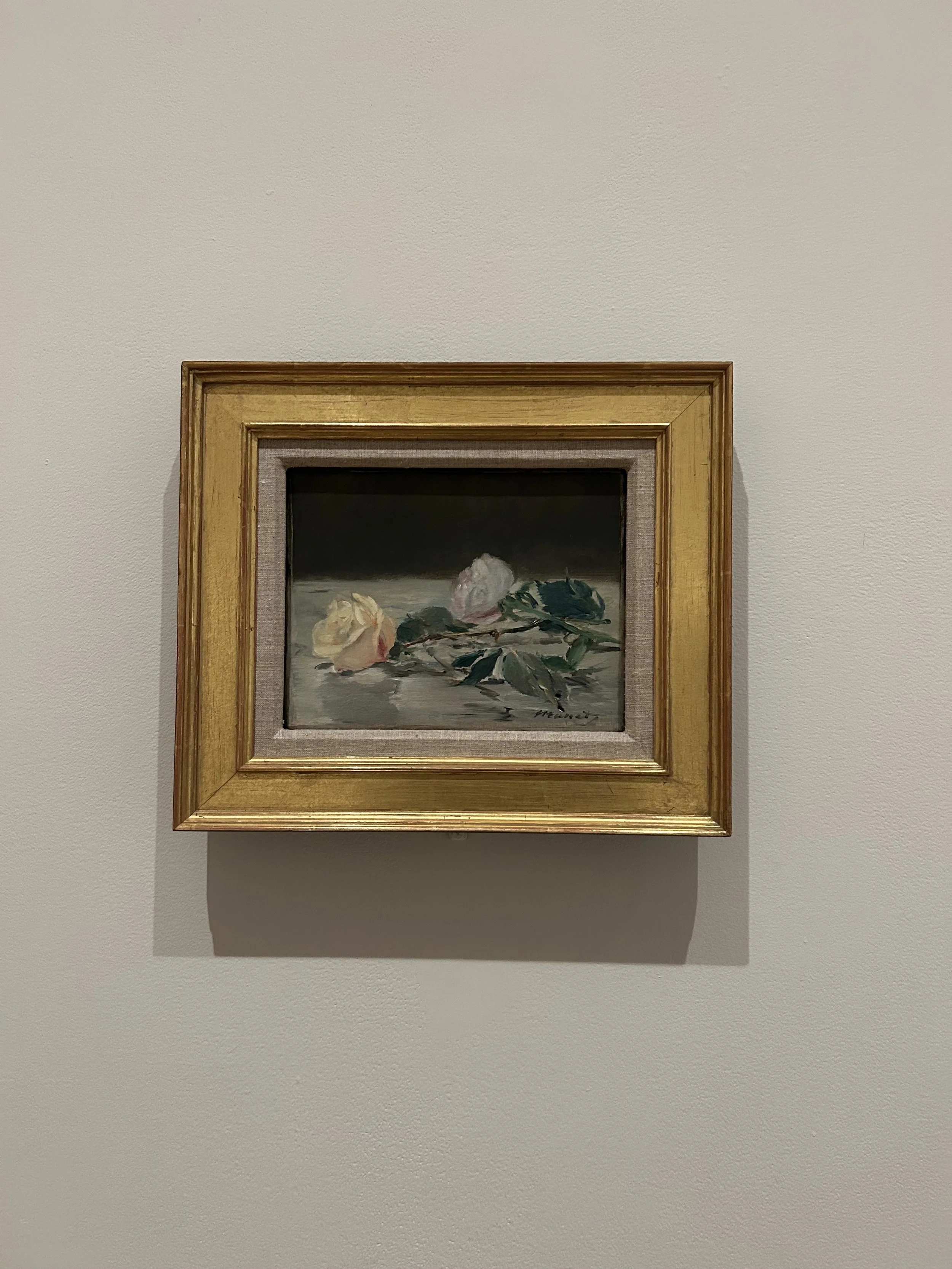
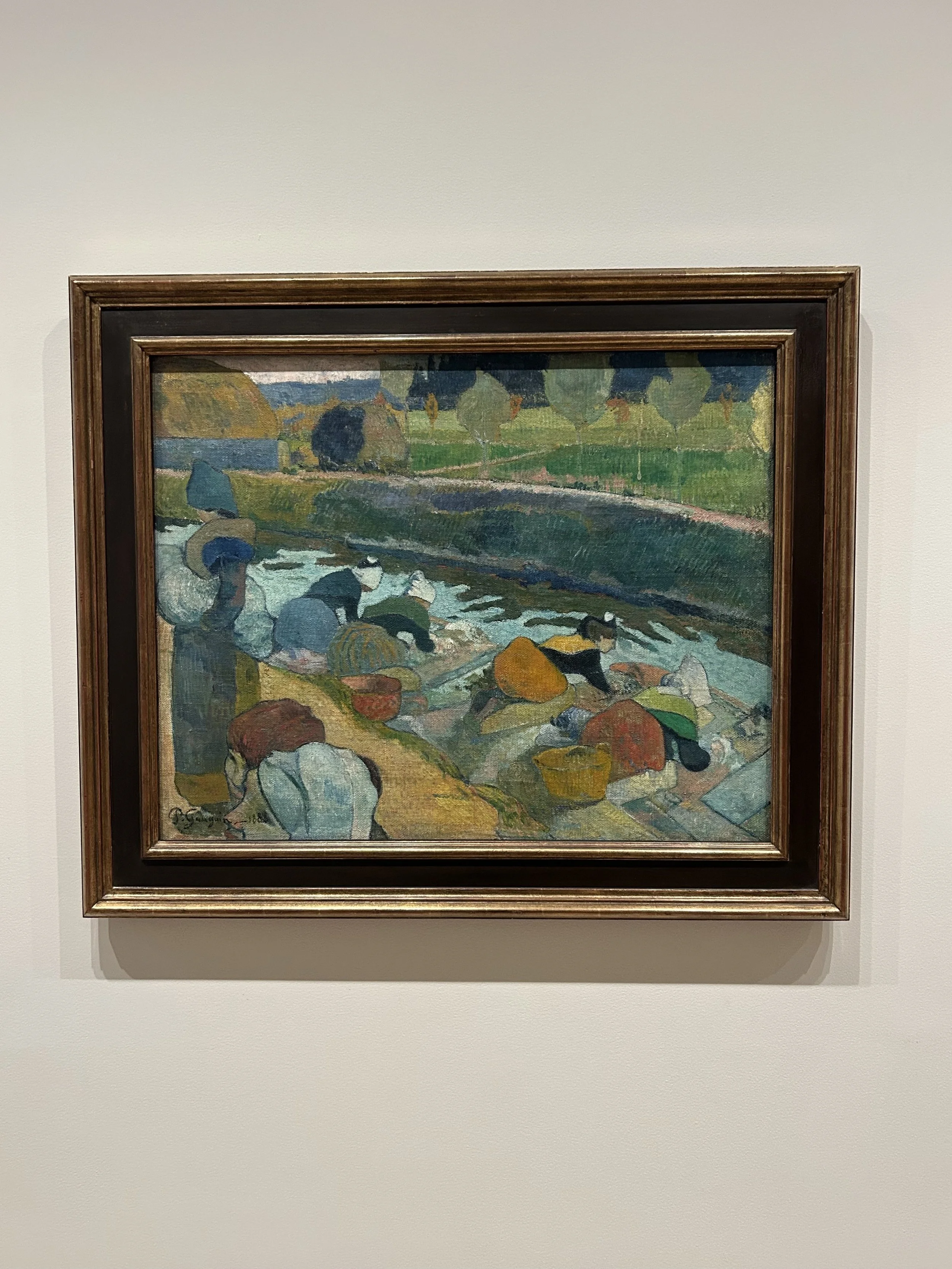
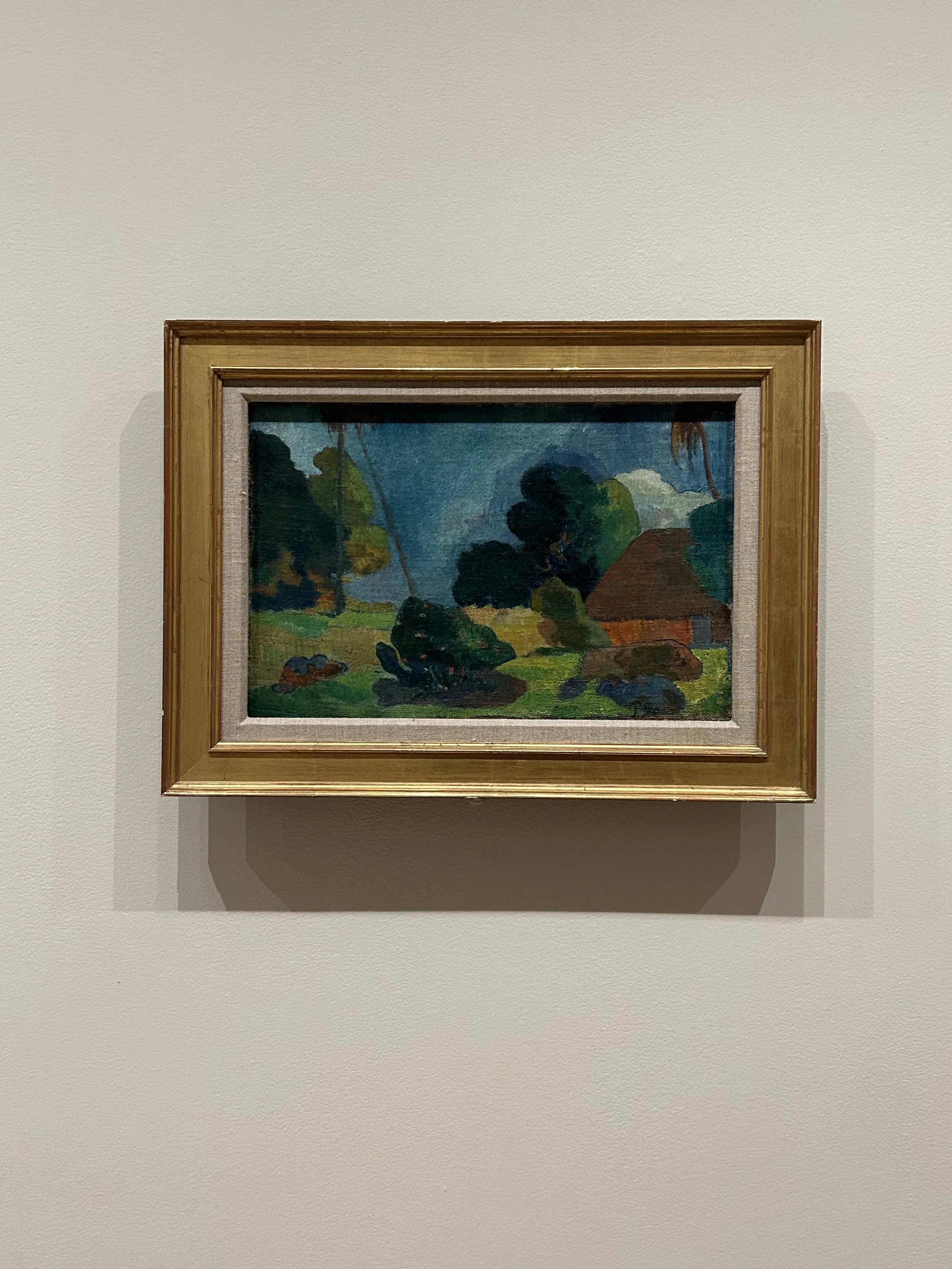
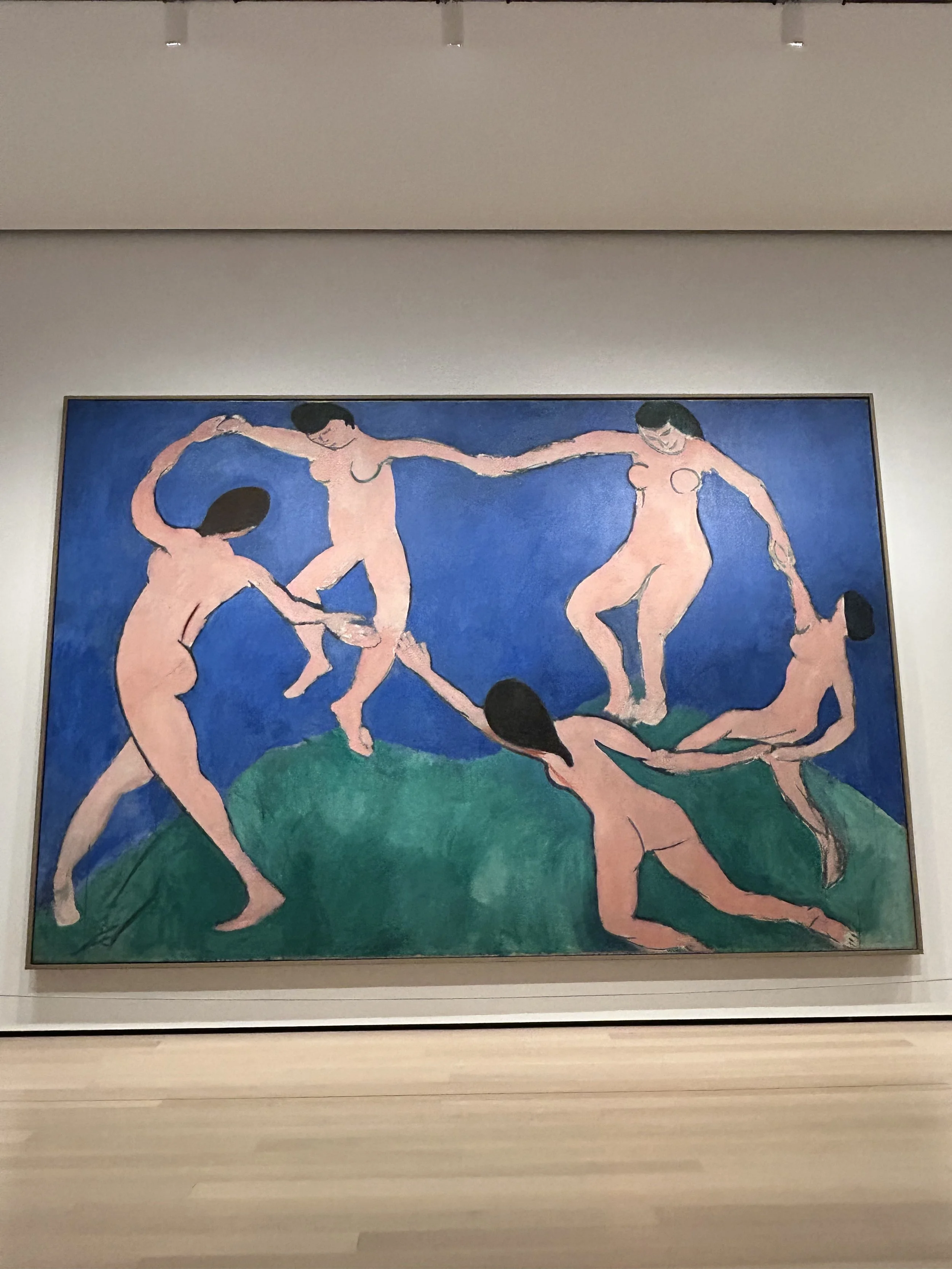
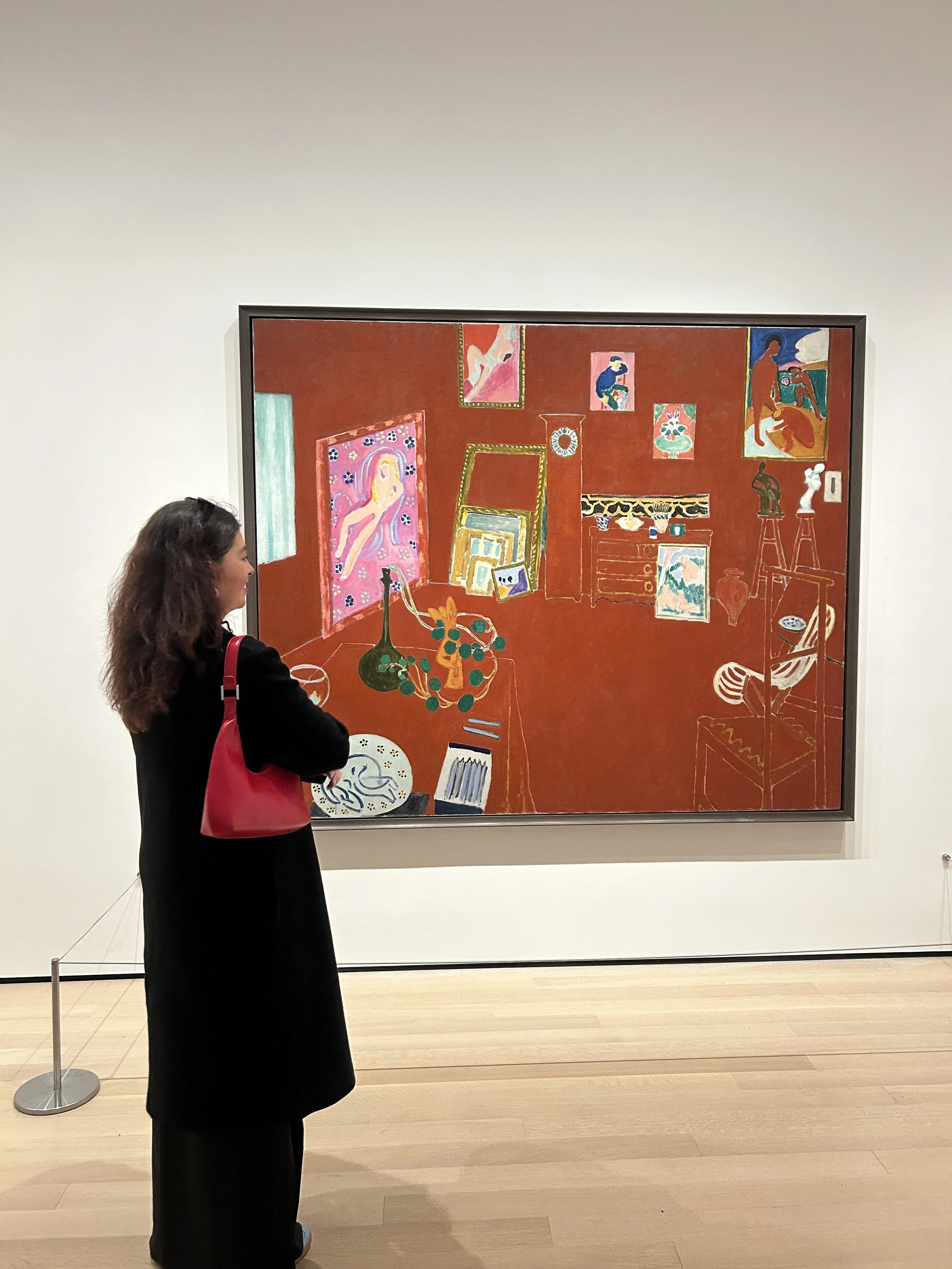
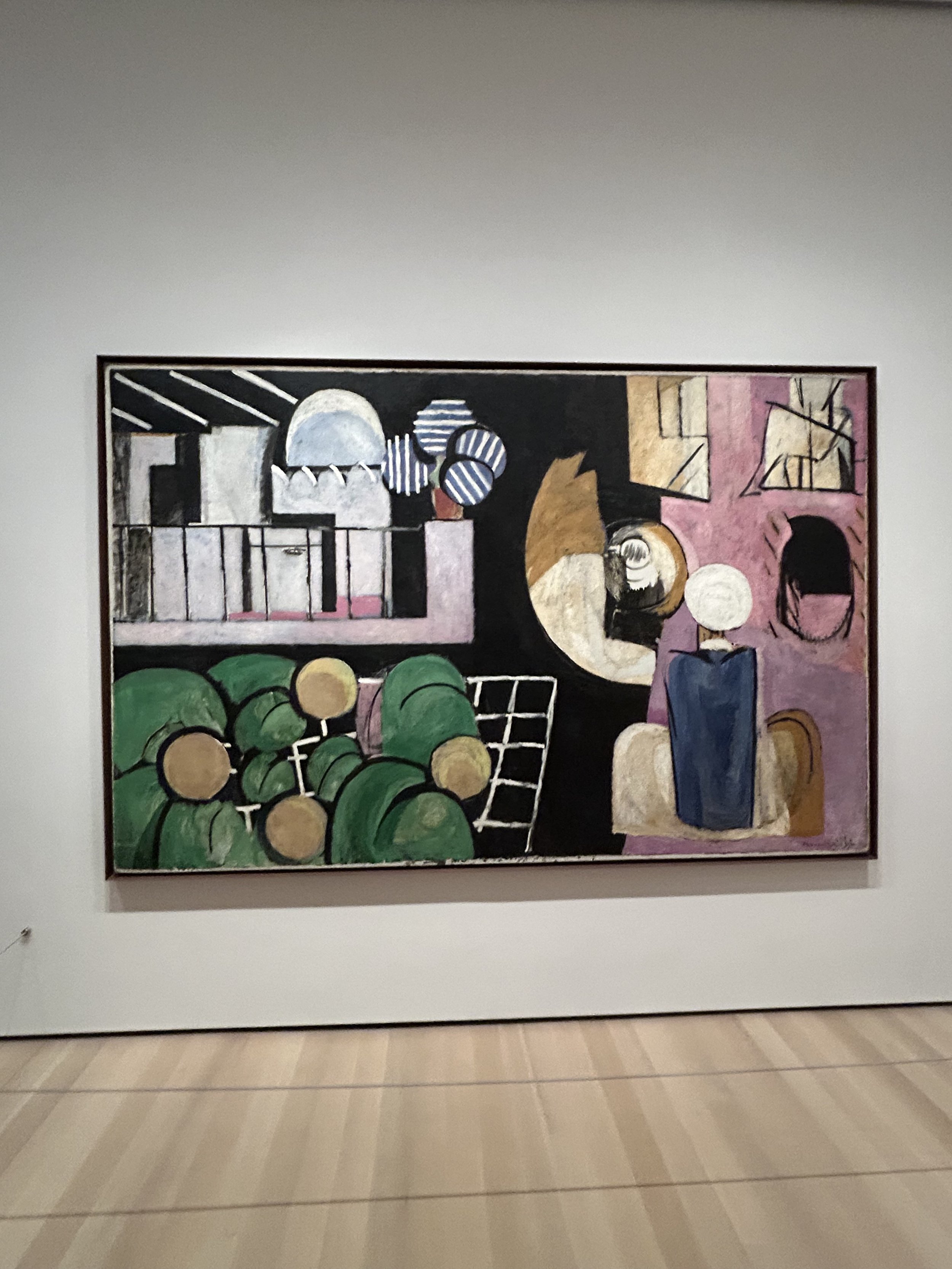
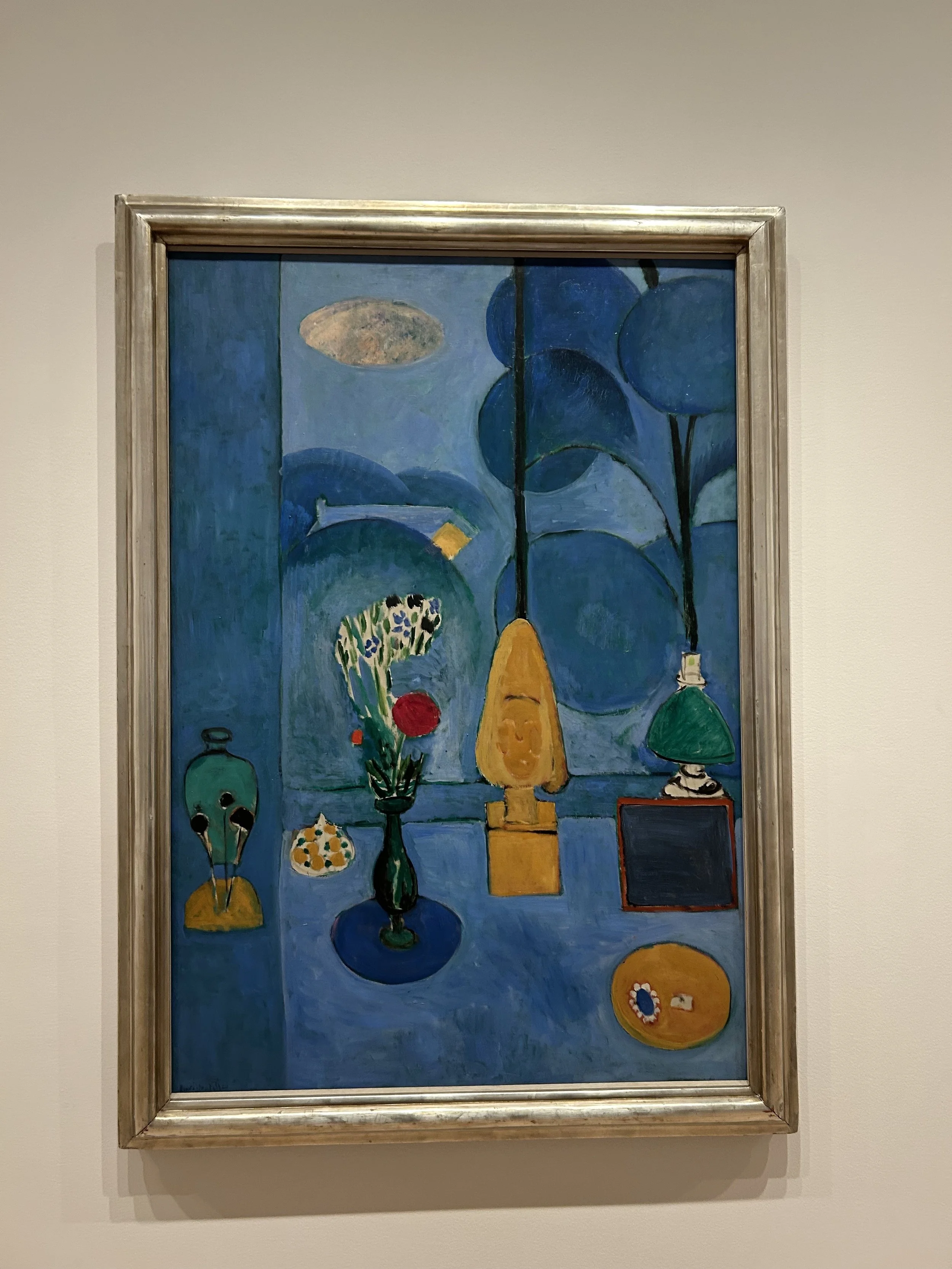
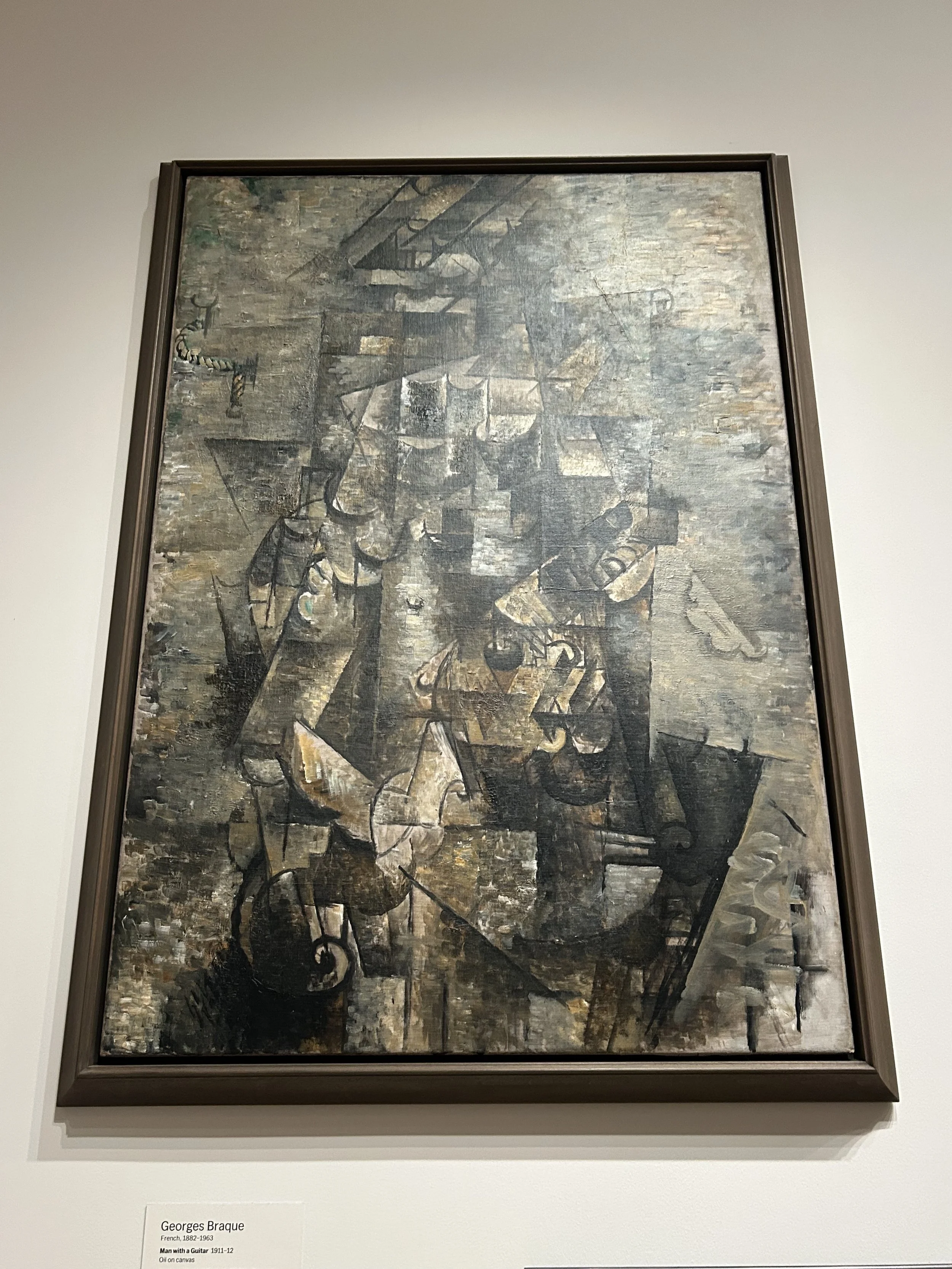
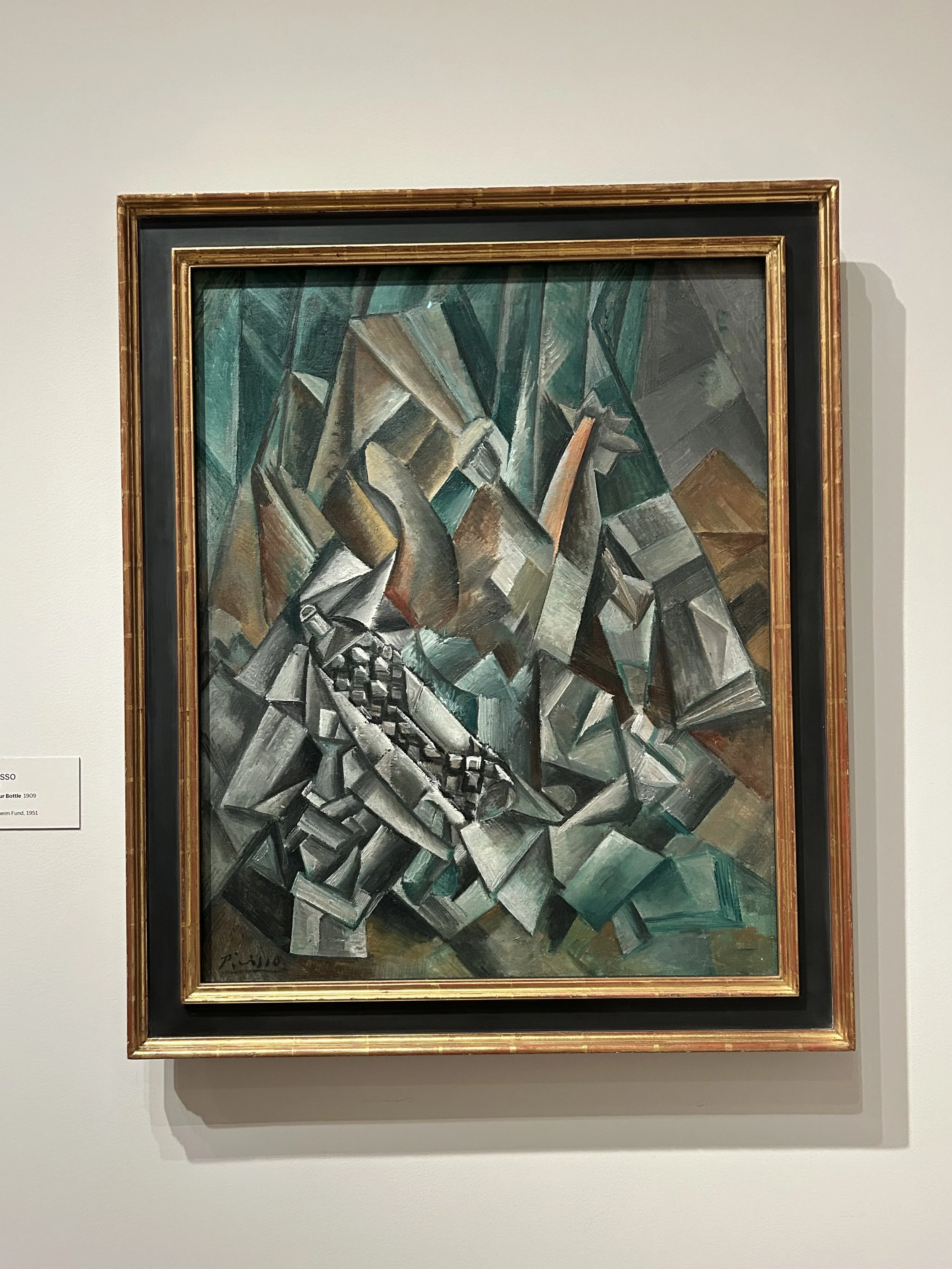
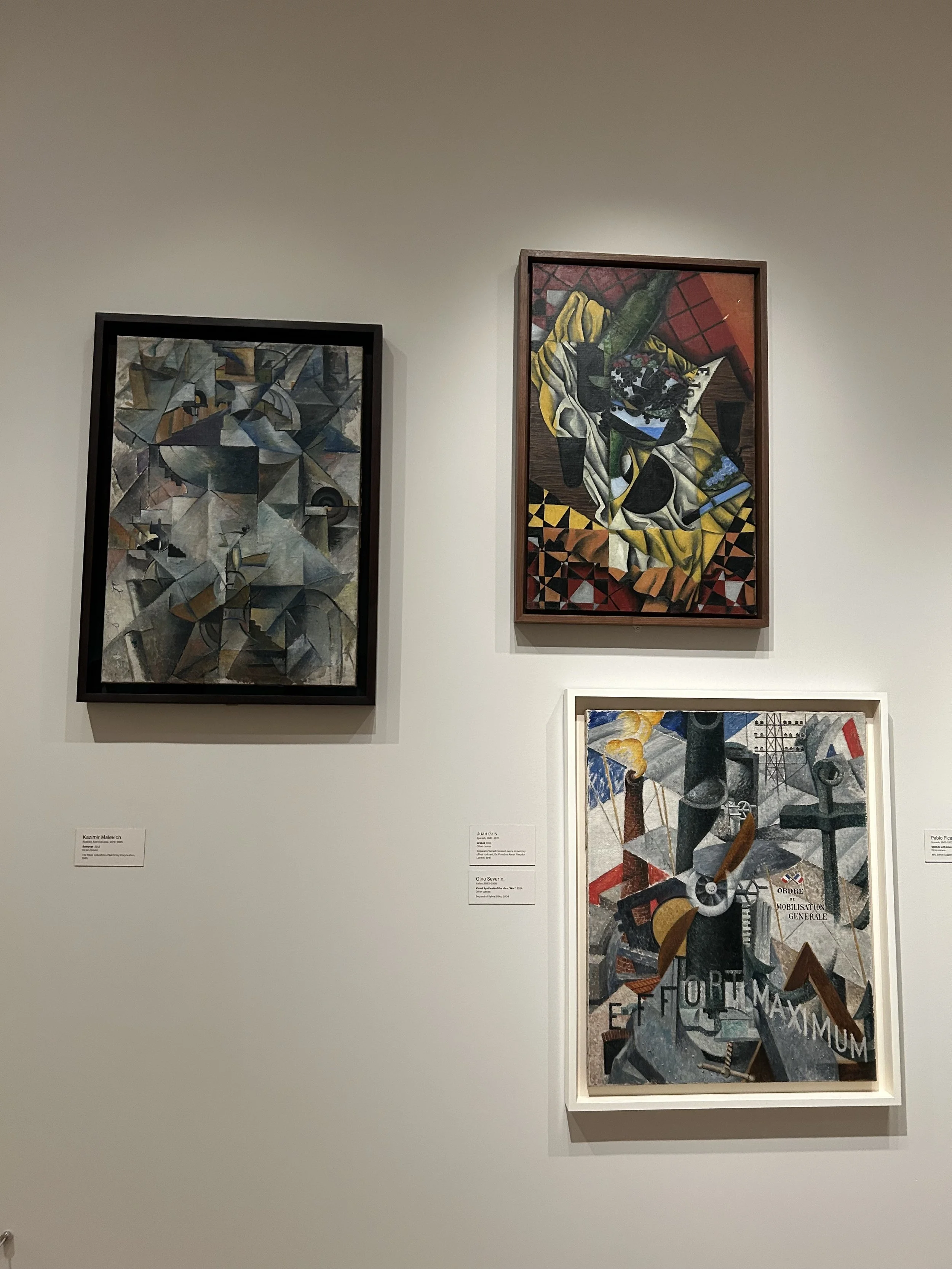
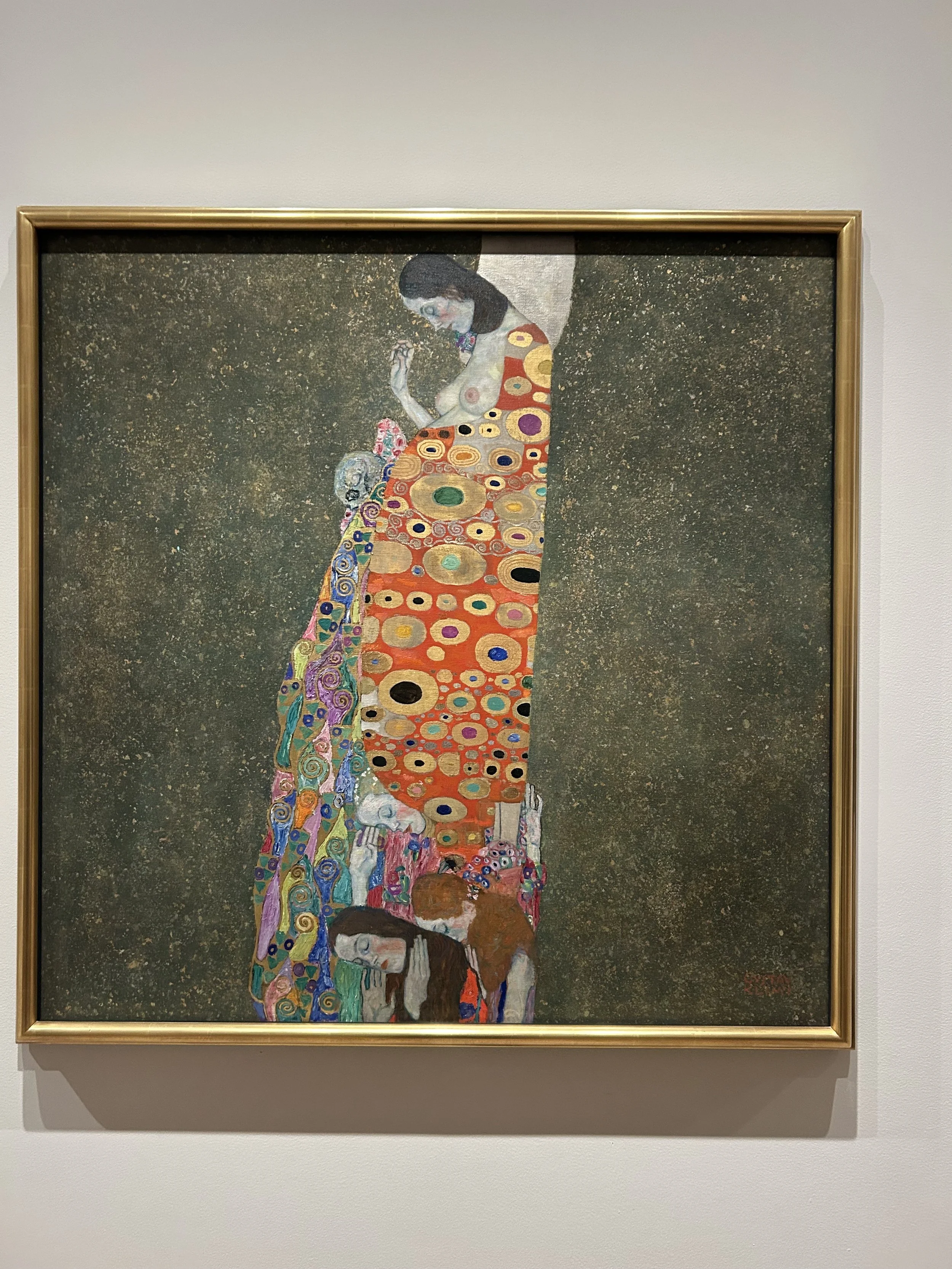
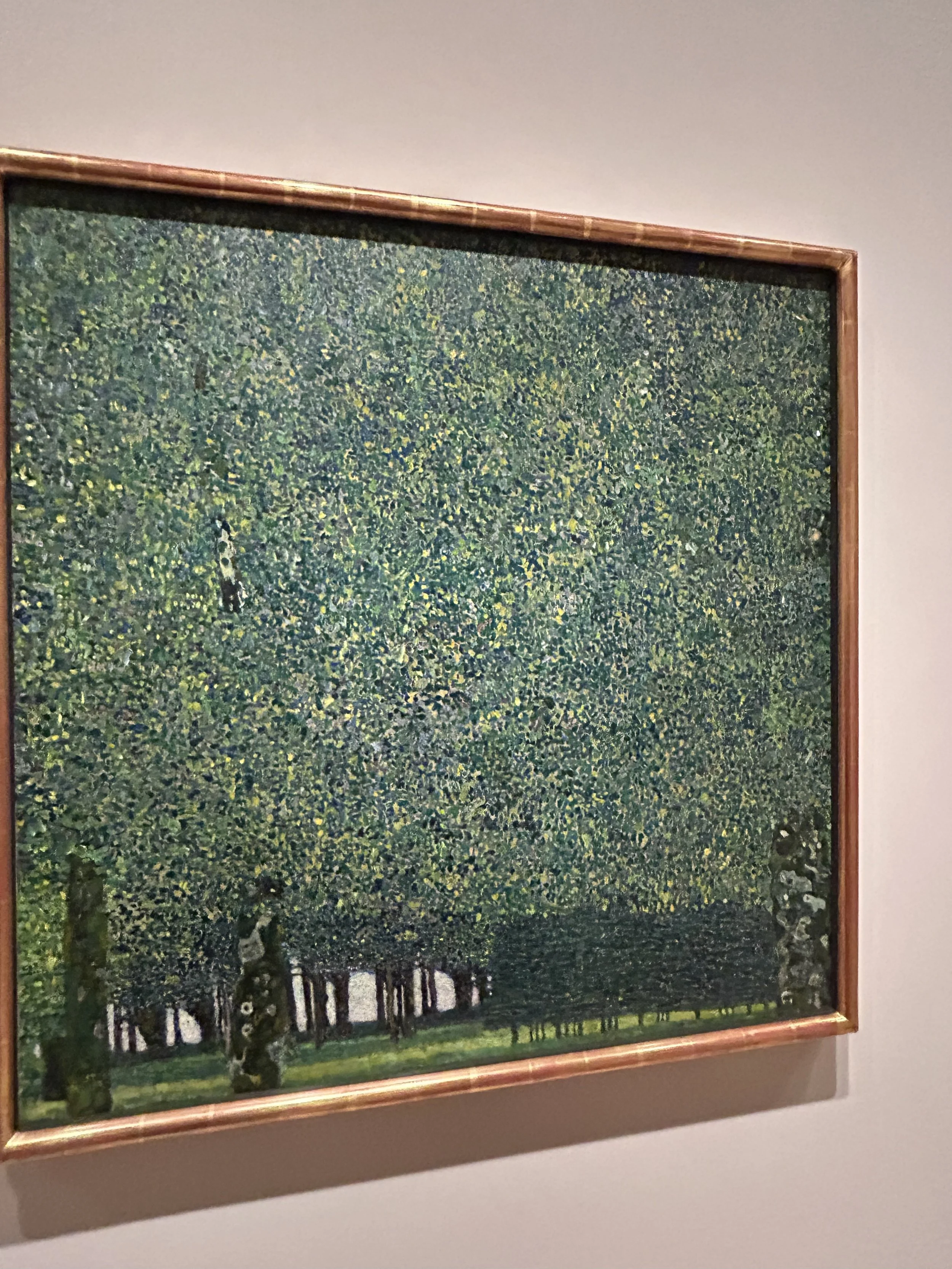
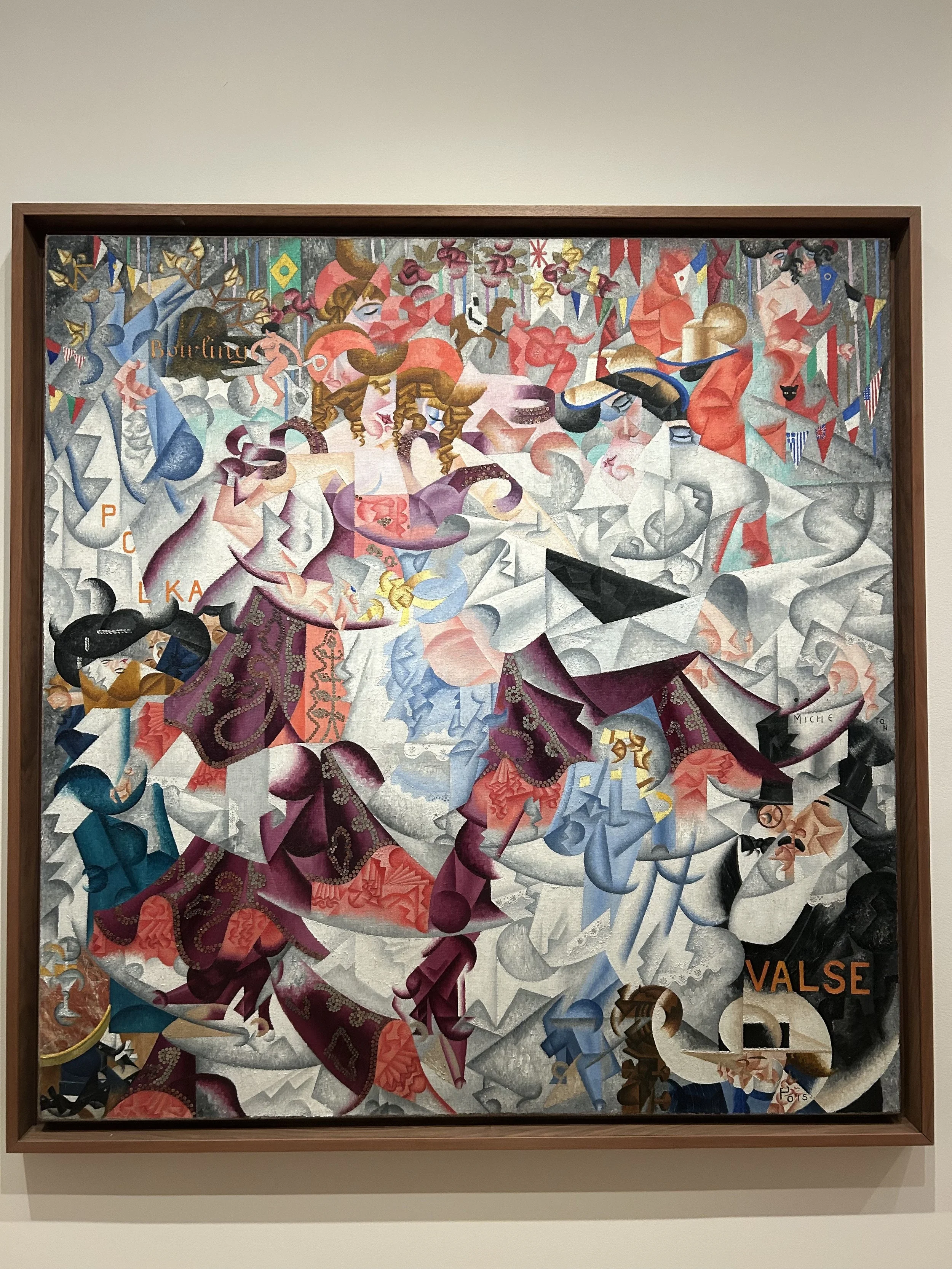
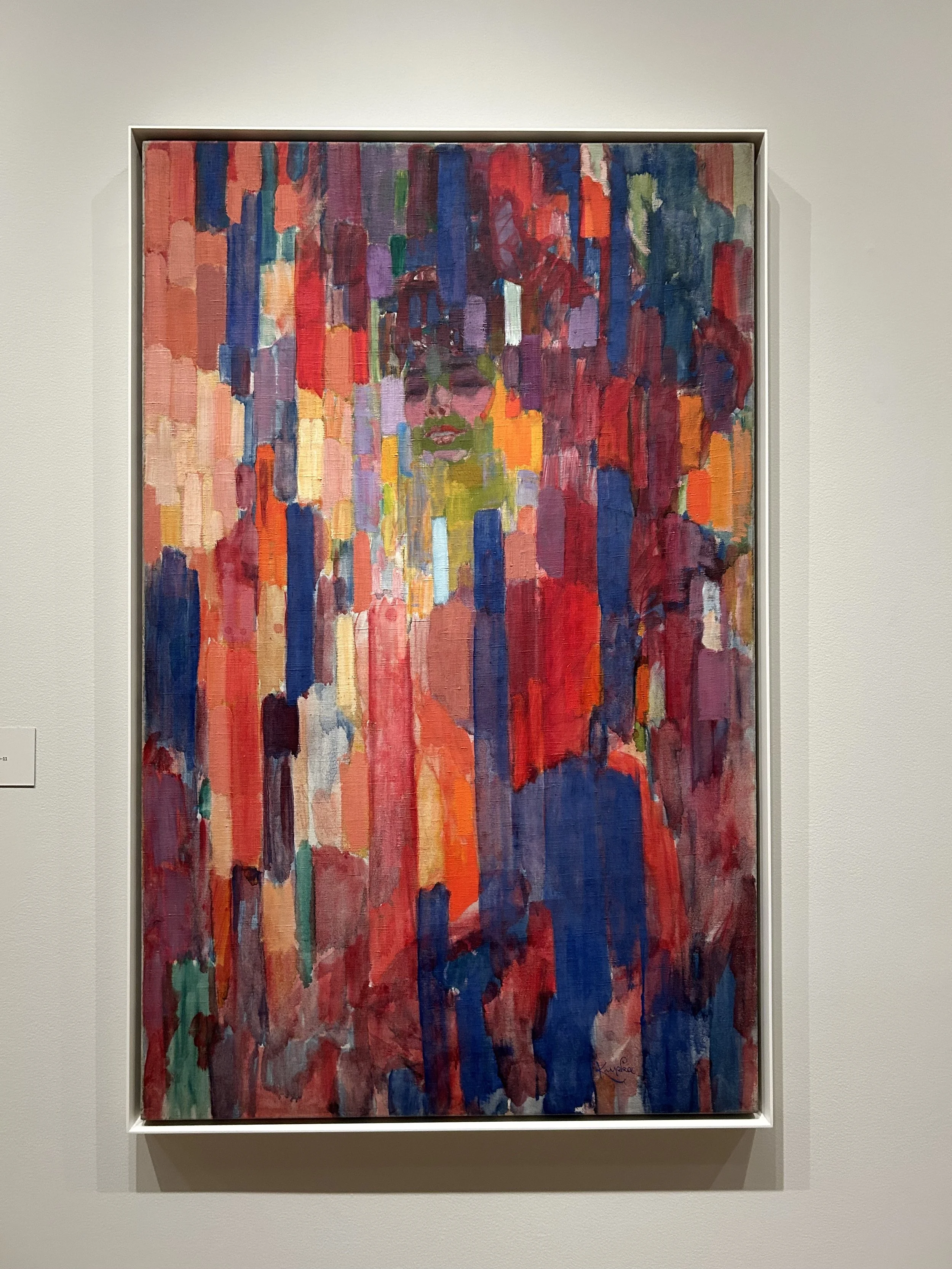
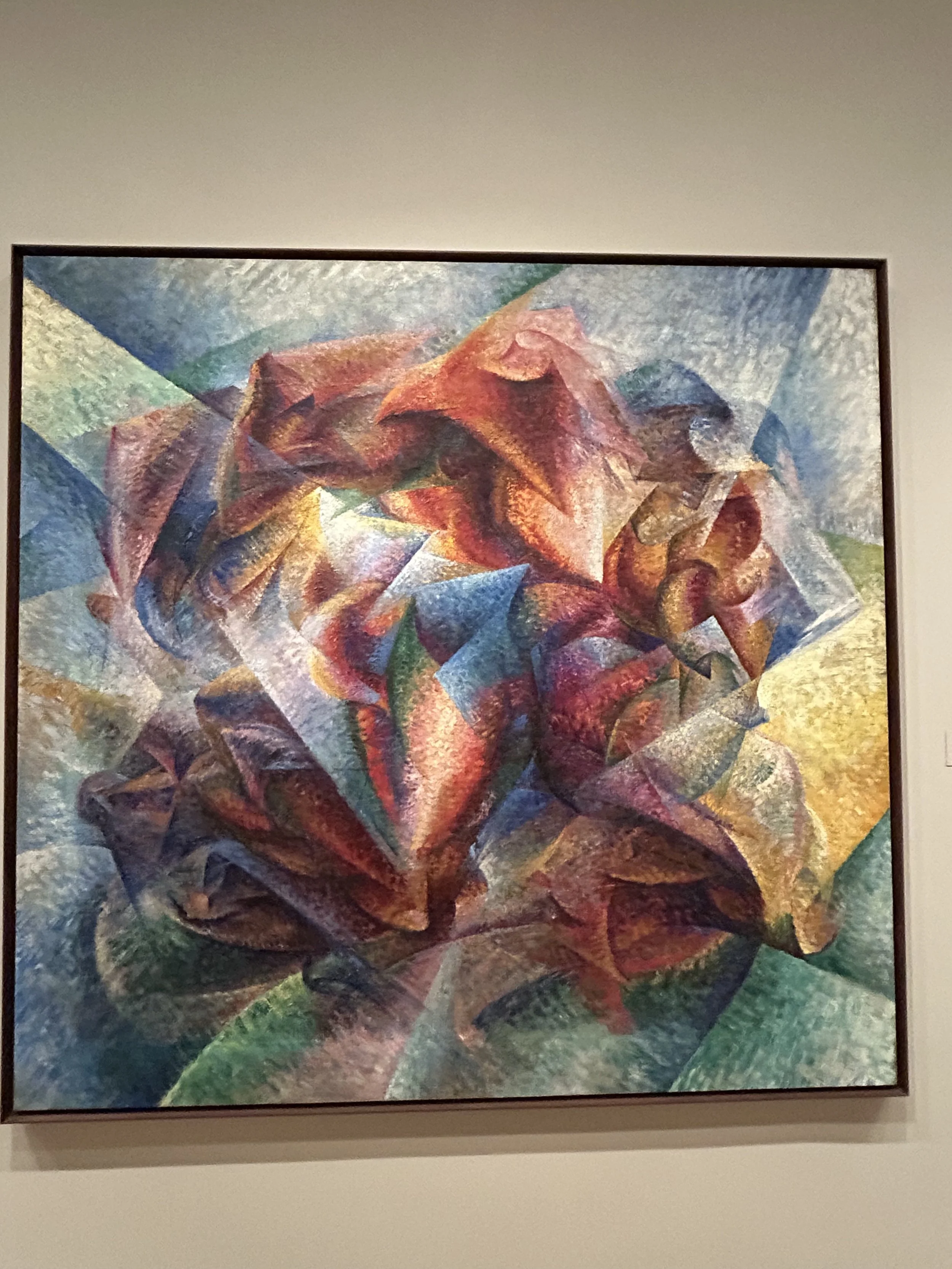
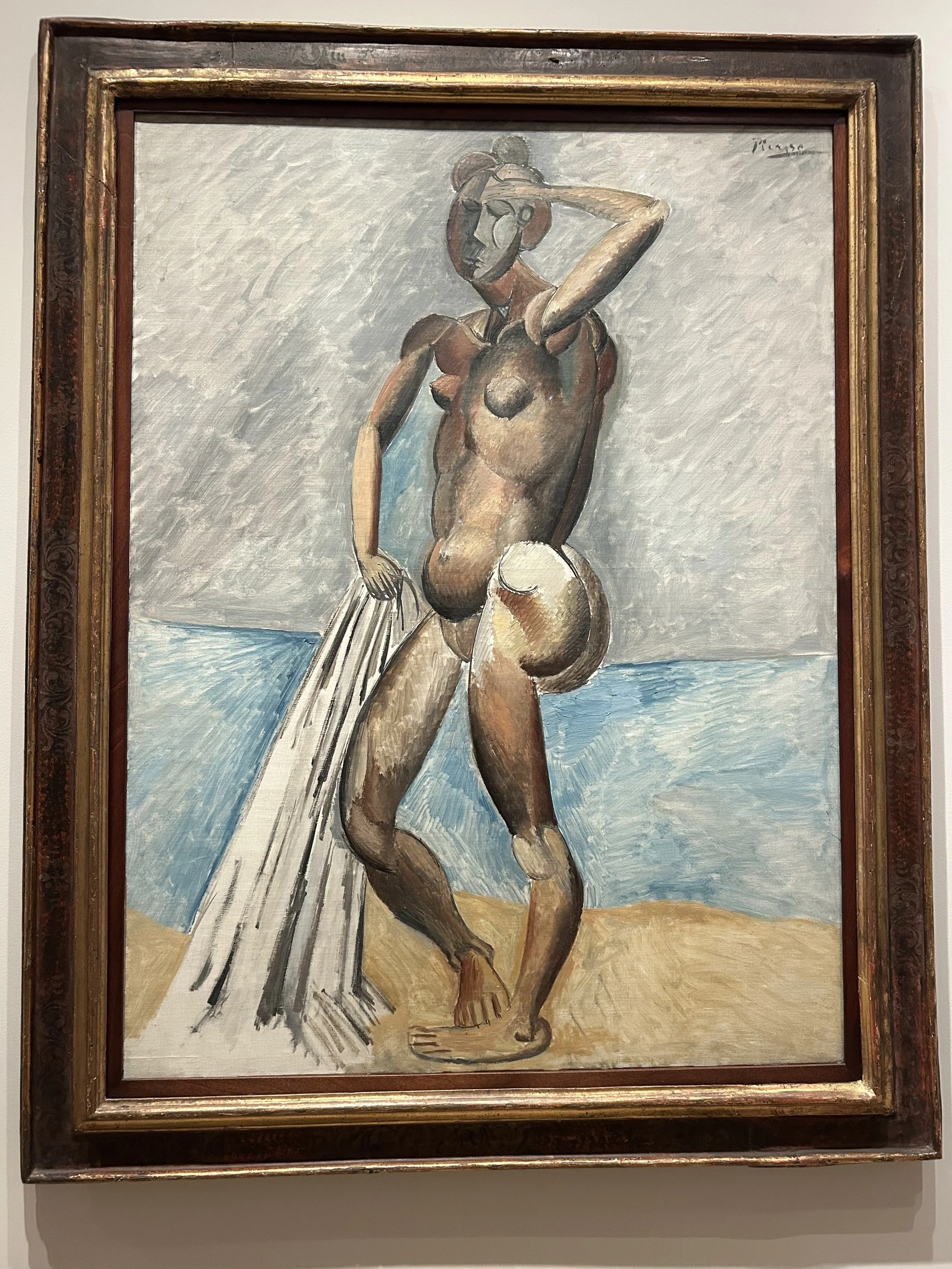
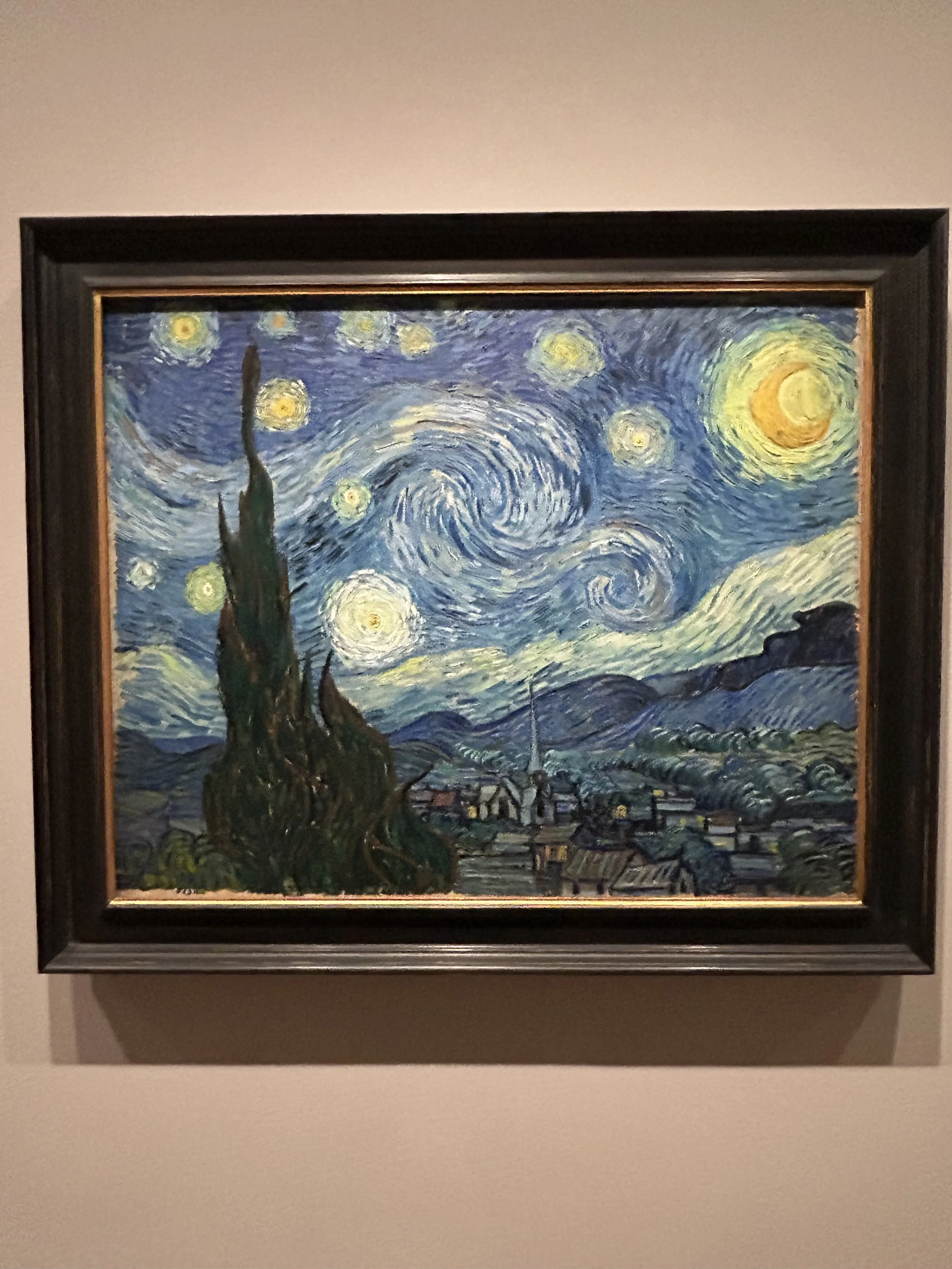
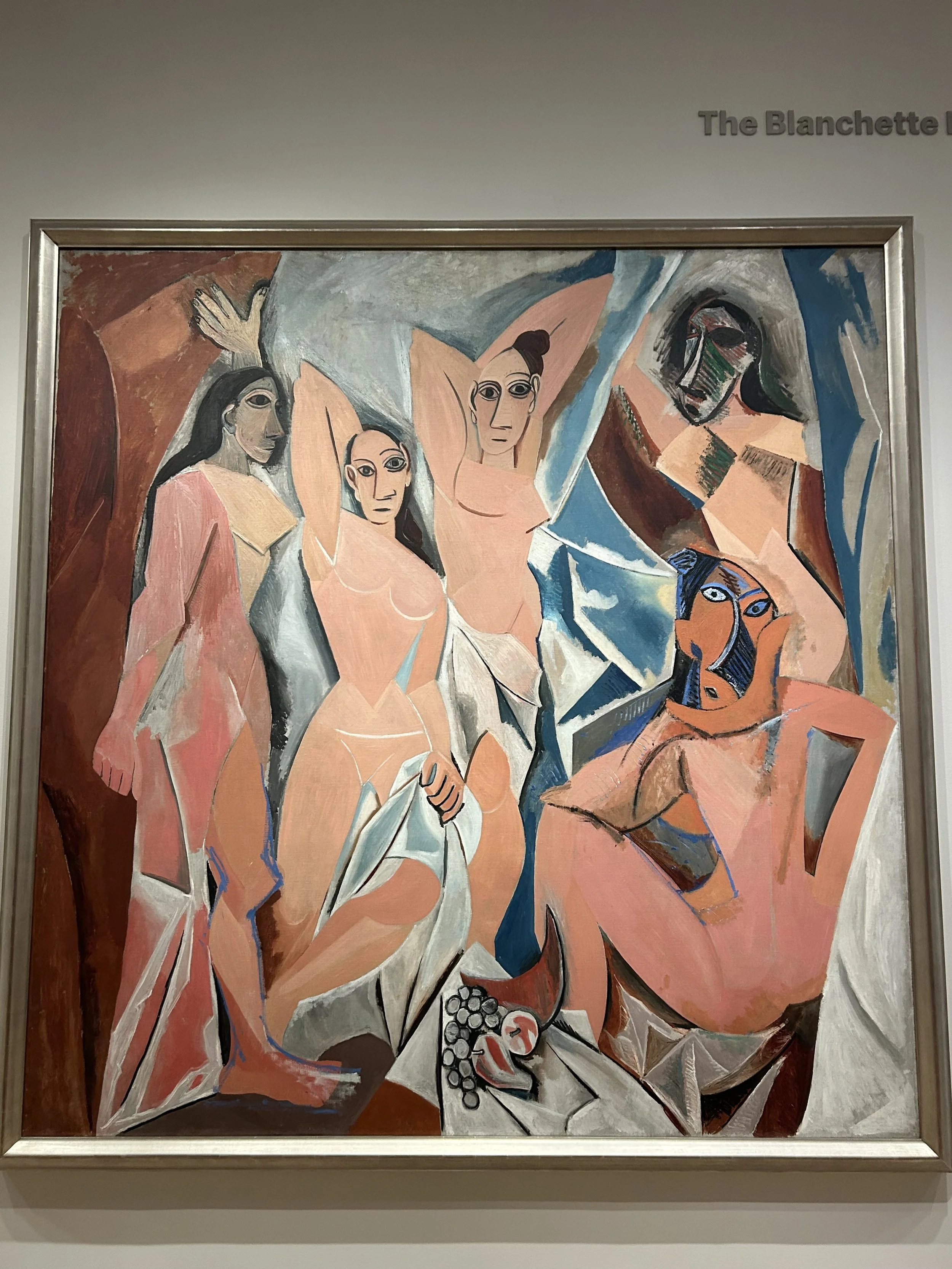
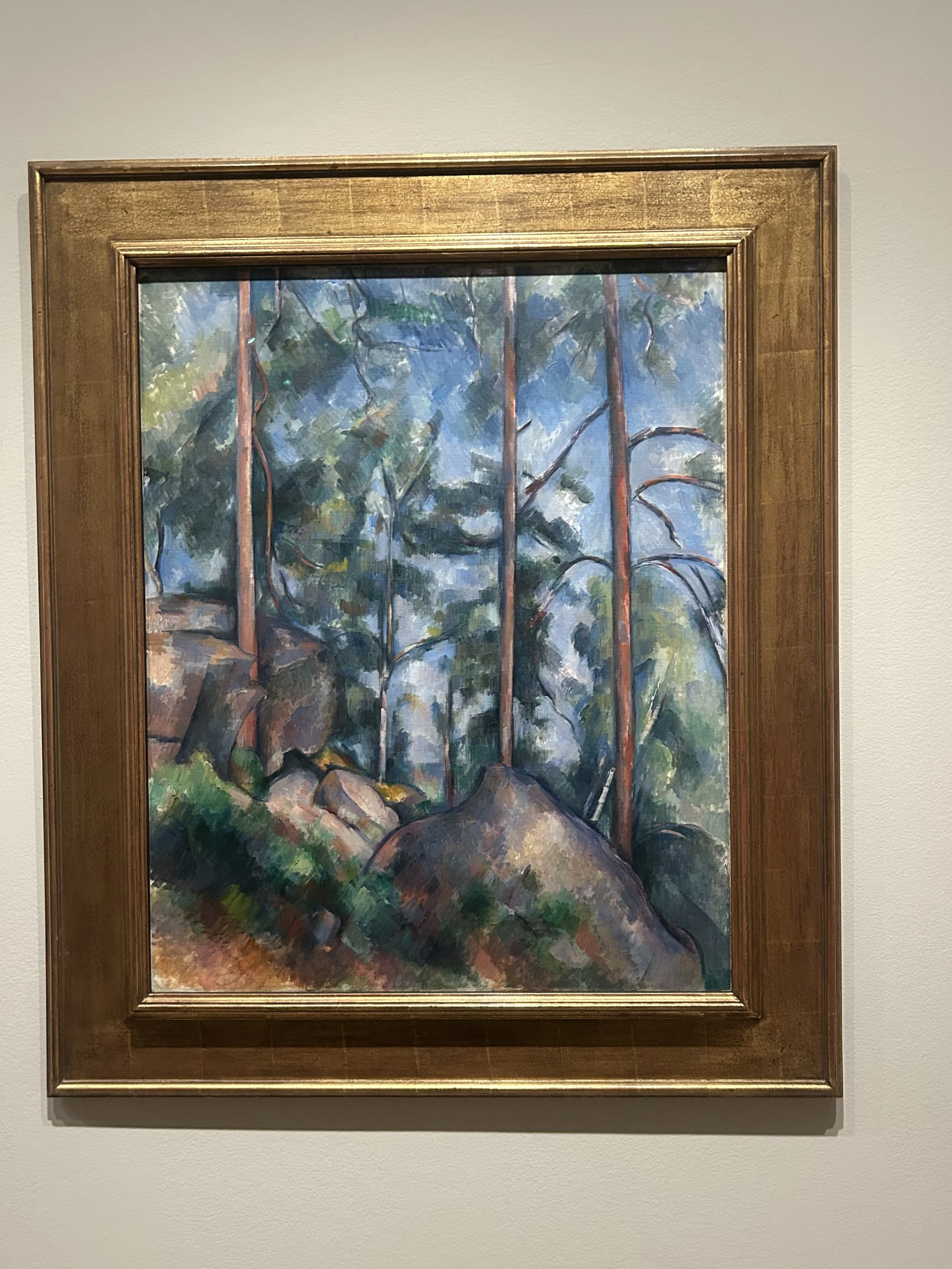
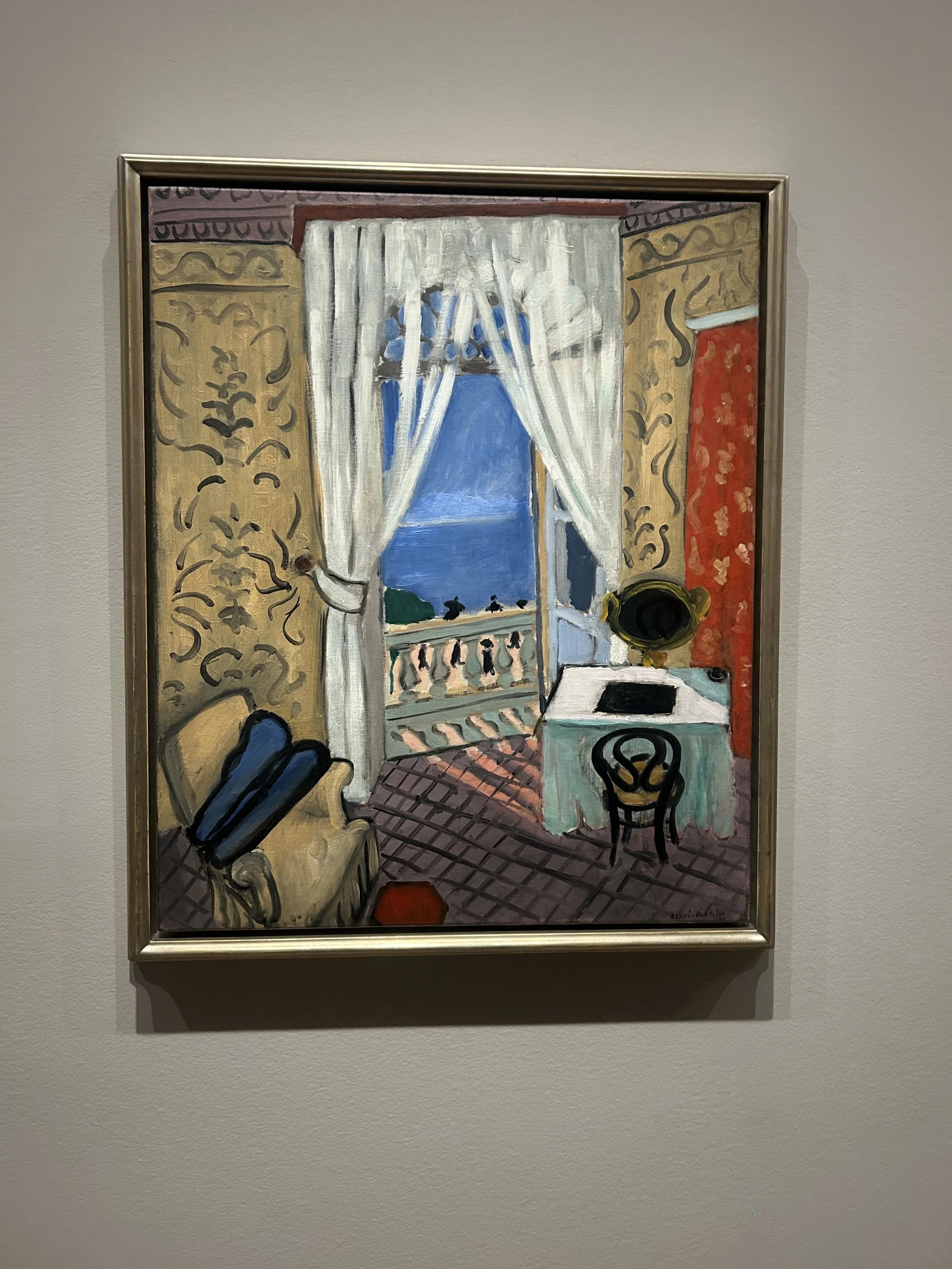
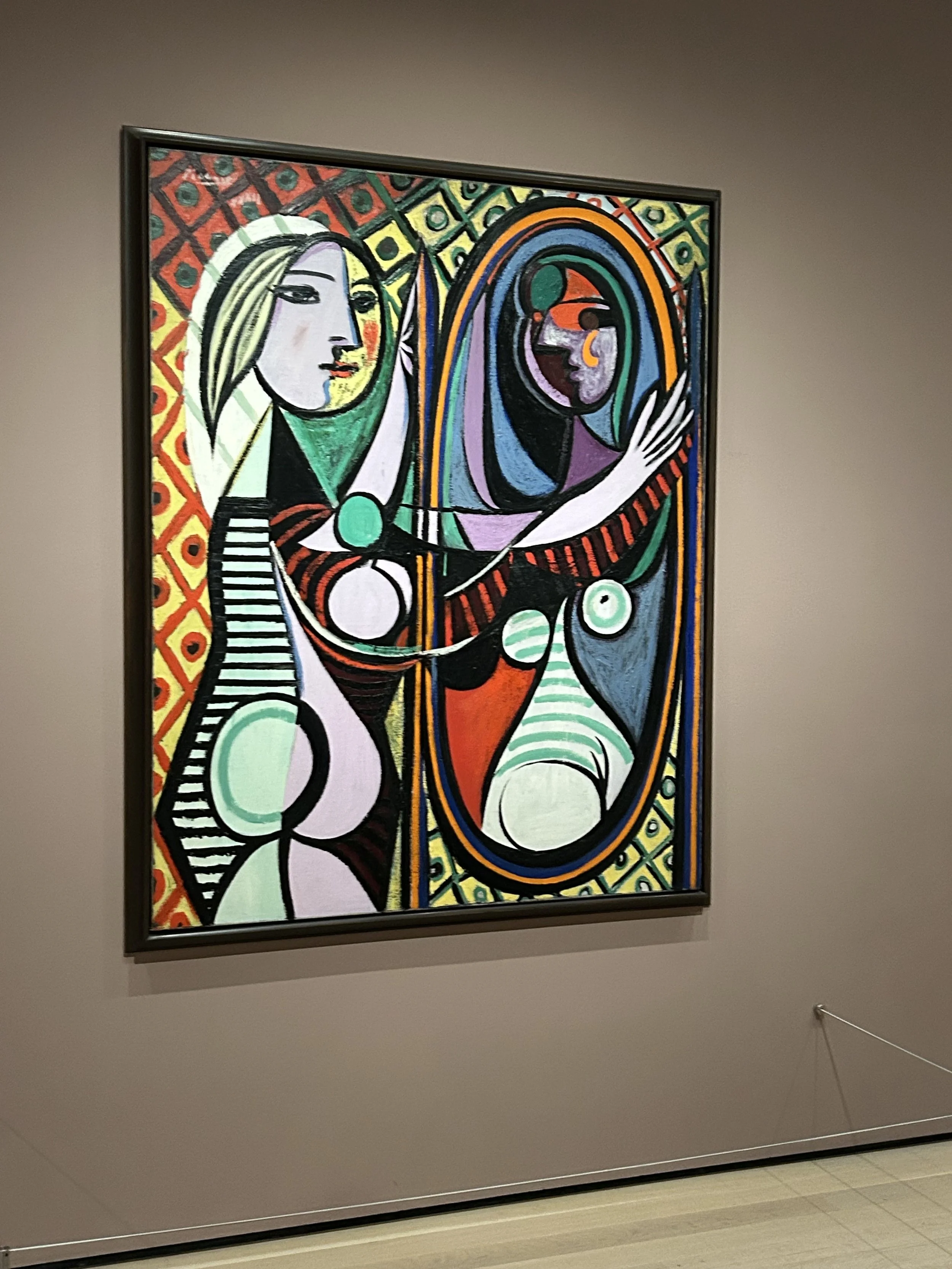
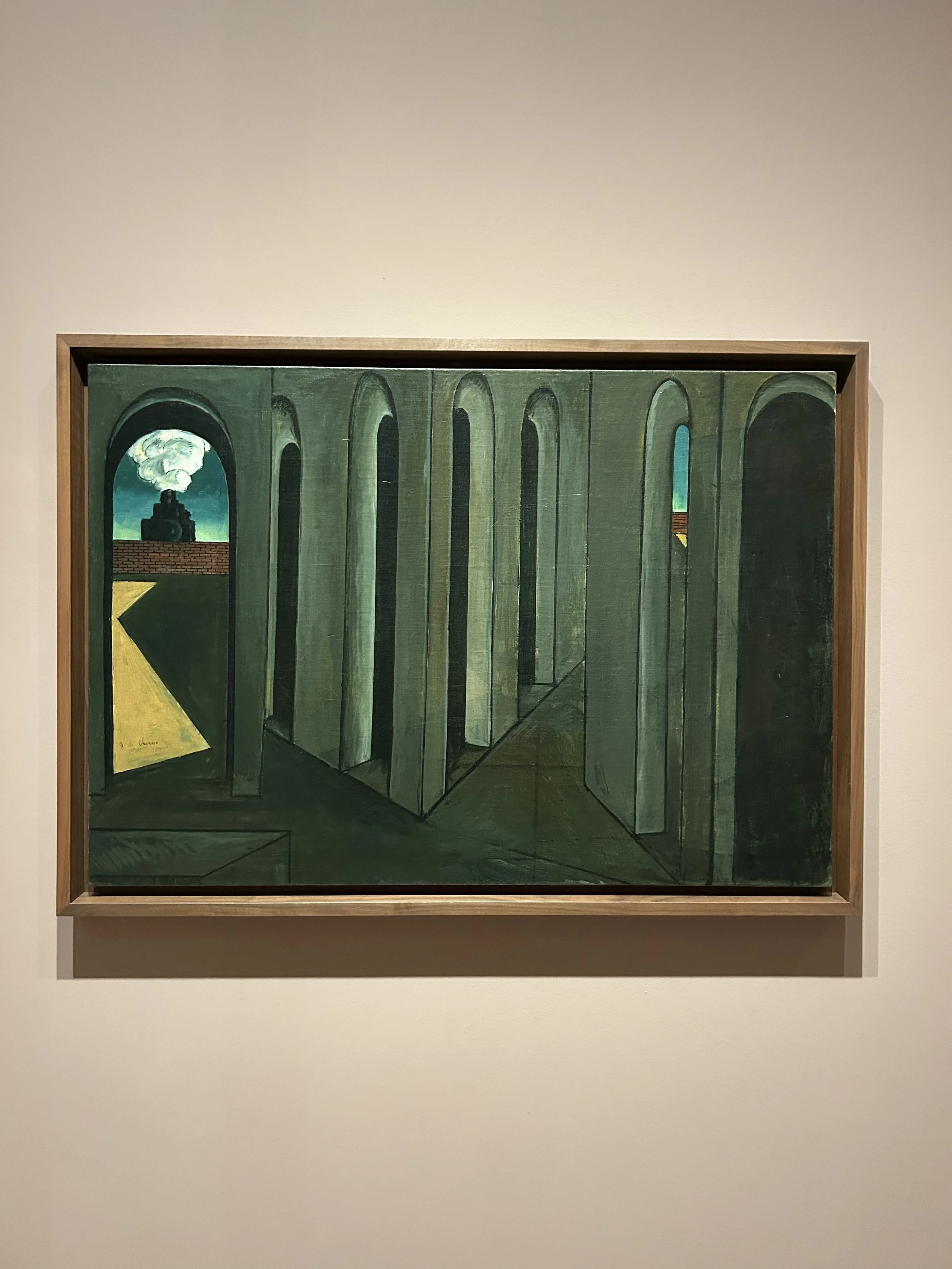
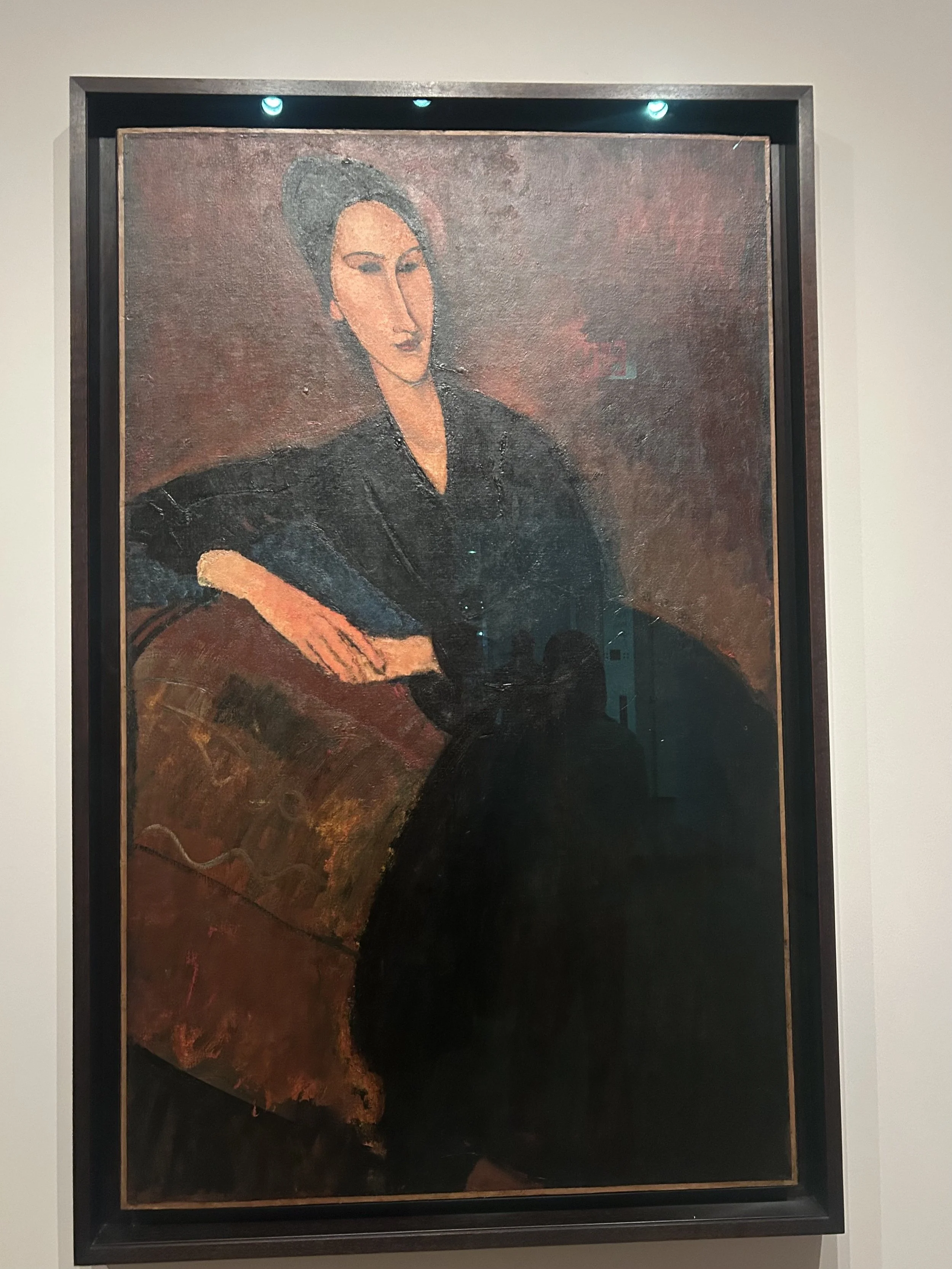
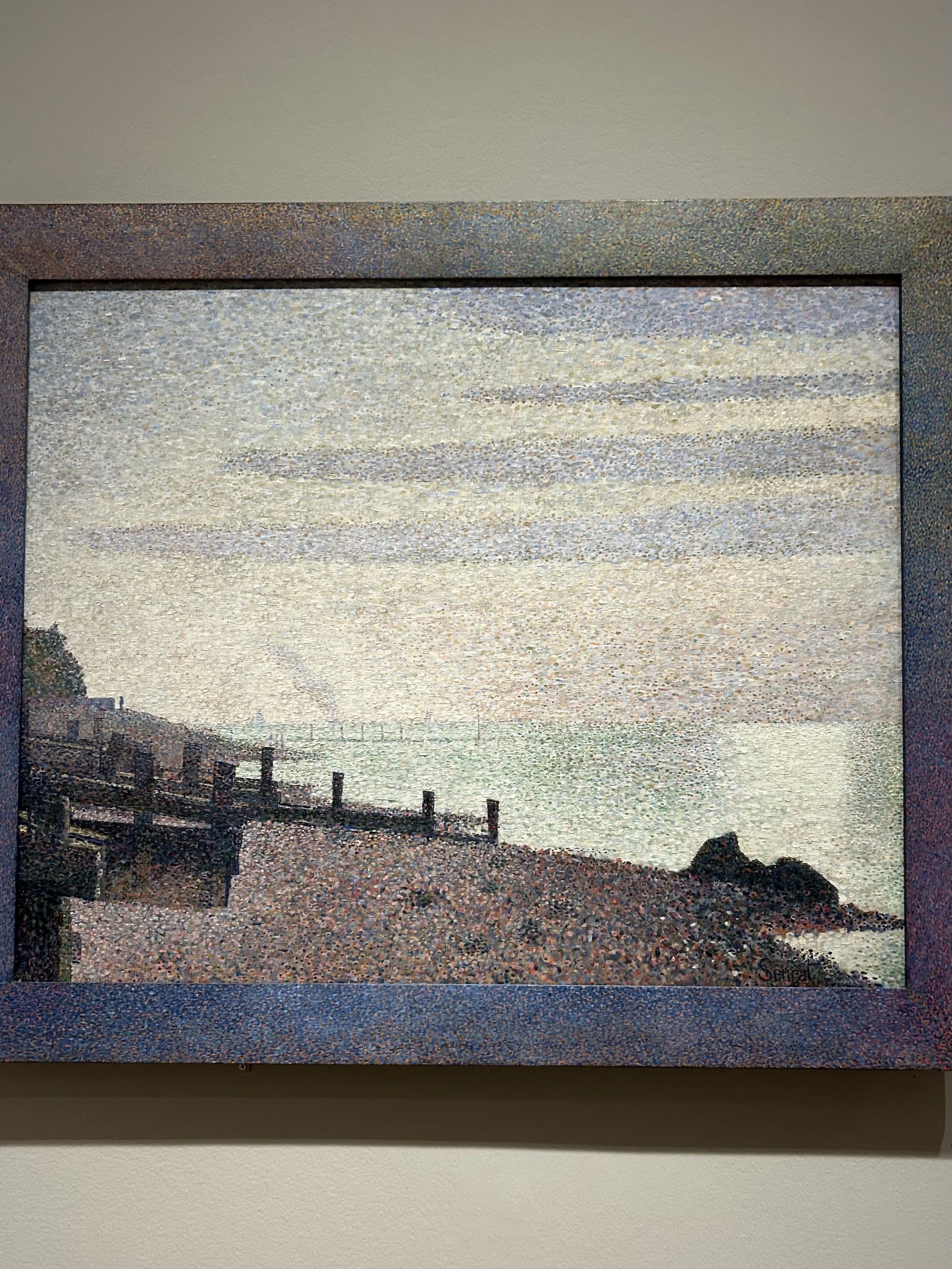
The images below center on works where form and color feel especially present, shaping the atmosphere of each room.
Notes on Modernism
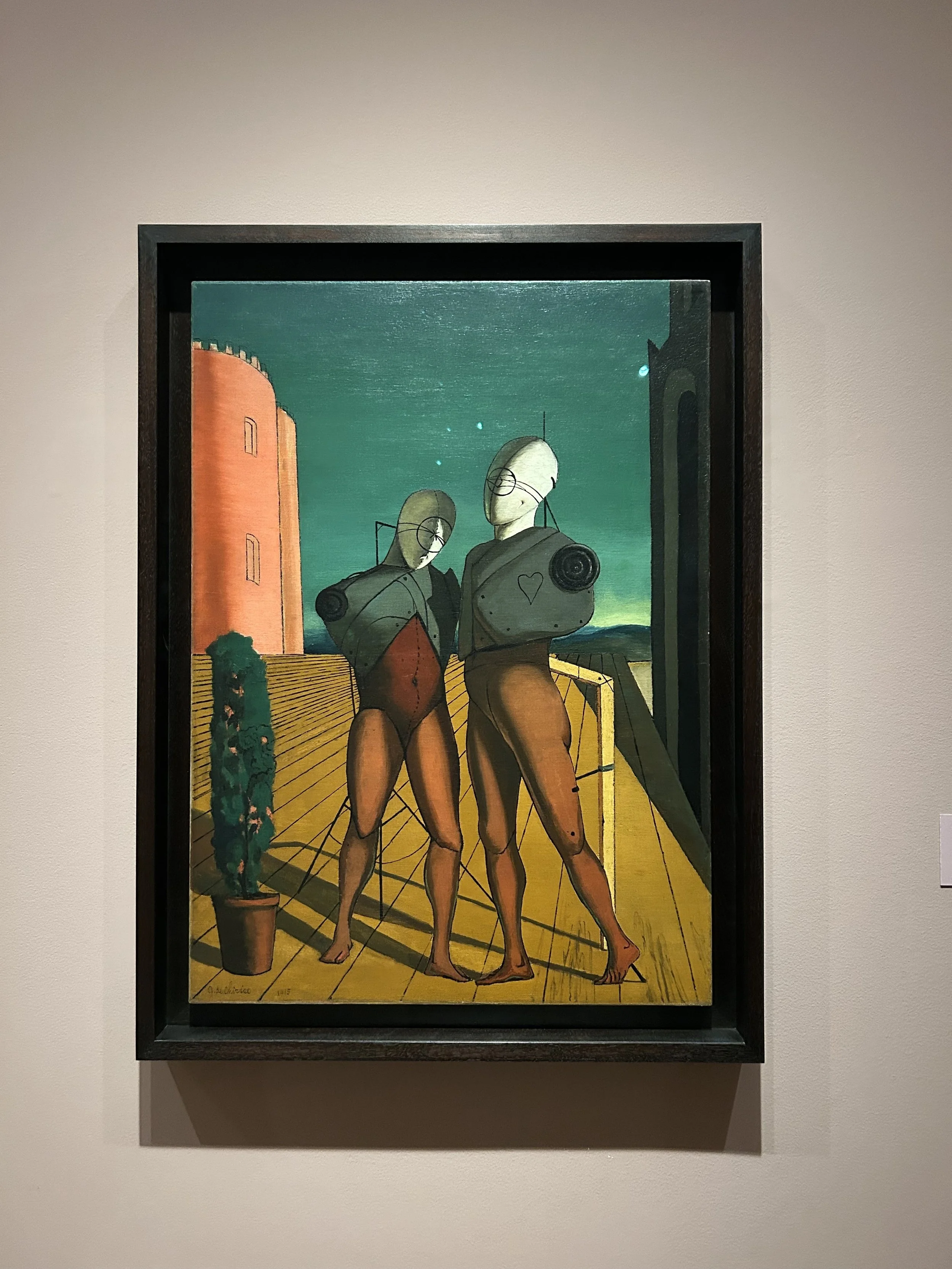
Visiting MoMA became a moment of reflection for me. Impressionism has always been central to my studies and remains the movement I feel closest to aesthetically. I spent years studying its sensitivity to light, atmosphere, and perception. At the same time, my academic formation also included artists such as Picasso, Matisse, de Chirico, Boccioni, and Modigliani, whose work helped me understand how modernism developed beyond Impressionism.
Seeing these works together at MoMA allowed me to trace the progression more clearly, from Impressionism to Post-Impressionism with Cézanne, to the bold color of Fauvism with Matisse, to the fragmentation of Cubism with Picasso, and toward abstraction. What can sometimes appear as a sharp break in style instead felt like a continuous evolution shaped by historical realities: industrialization, technological change, political instability, and war. Modernism was not simply a rejection of the past, but a response to a rapidly transforming world.
Italian Futurism, in particular, is a movement I studied extensively, marking a fundamental moment in Italian cultural history. Emerging in the early twentieth century under F.T. Marinetti, Futurism celebrated speed, industry, and modern technology while attempting to sever ties with Italy’s classical past. Artists such as Boccioni and Severini developed fragmented, multi-perspective compositions to convey movement and urban energy. Their work reflects both artistic innovation and the complex political atmosphere of the period. Encountering these works within MoMA’s broader narrative reinforced how interconnected European modern movements were.
Among all the works, Giorgio de Chirico stood out to me in a particularly personal way. I have always been drawn to his Metaphysical paintings, their stillness, long shadows, and architectural emptiness. Unlike the energy of Futurism or the fragmentation of Cubism, de Chirico’s work feels suspended in time. His quiet plazas and classical structures create a sense of distance and ambiguity that I find so fascinating. There is something both serene and unsettling in his compositions, as if the space is waiting for something that never arrives. Seeing his work at MoMA reaffirmed why he remains one of my favorite artists: his paintings are structured and calm, yet feel suspended in time, carrying a quiet tension without being dramatic.