New York, Late March
Dressing for New York in late March meant layers, comfort, and adjusting to shifting weather.

Fashion Notes
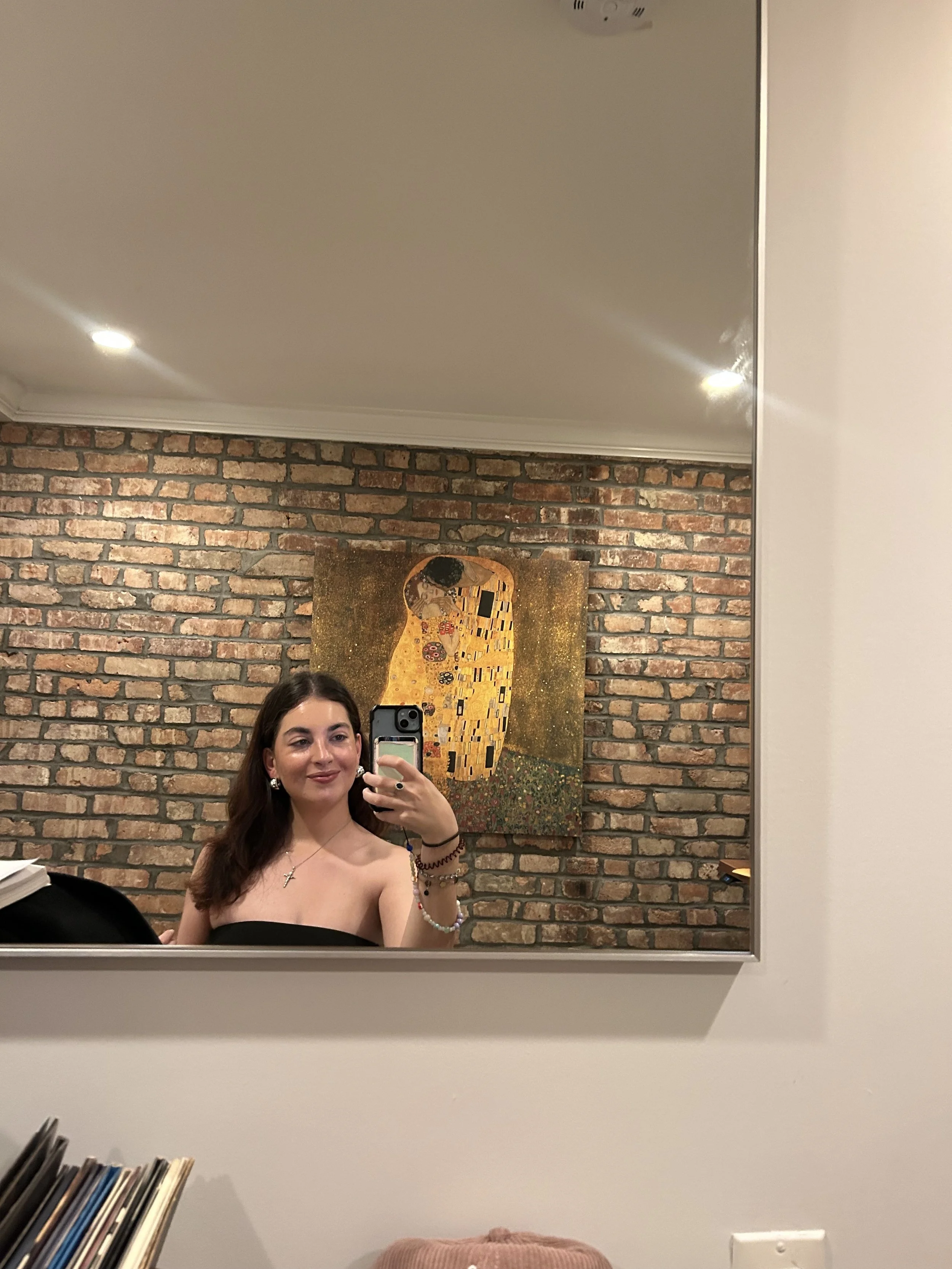
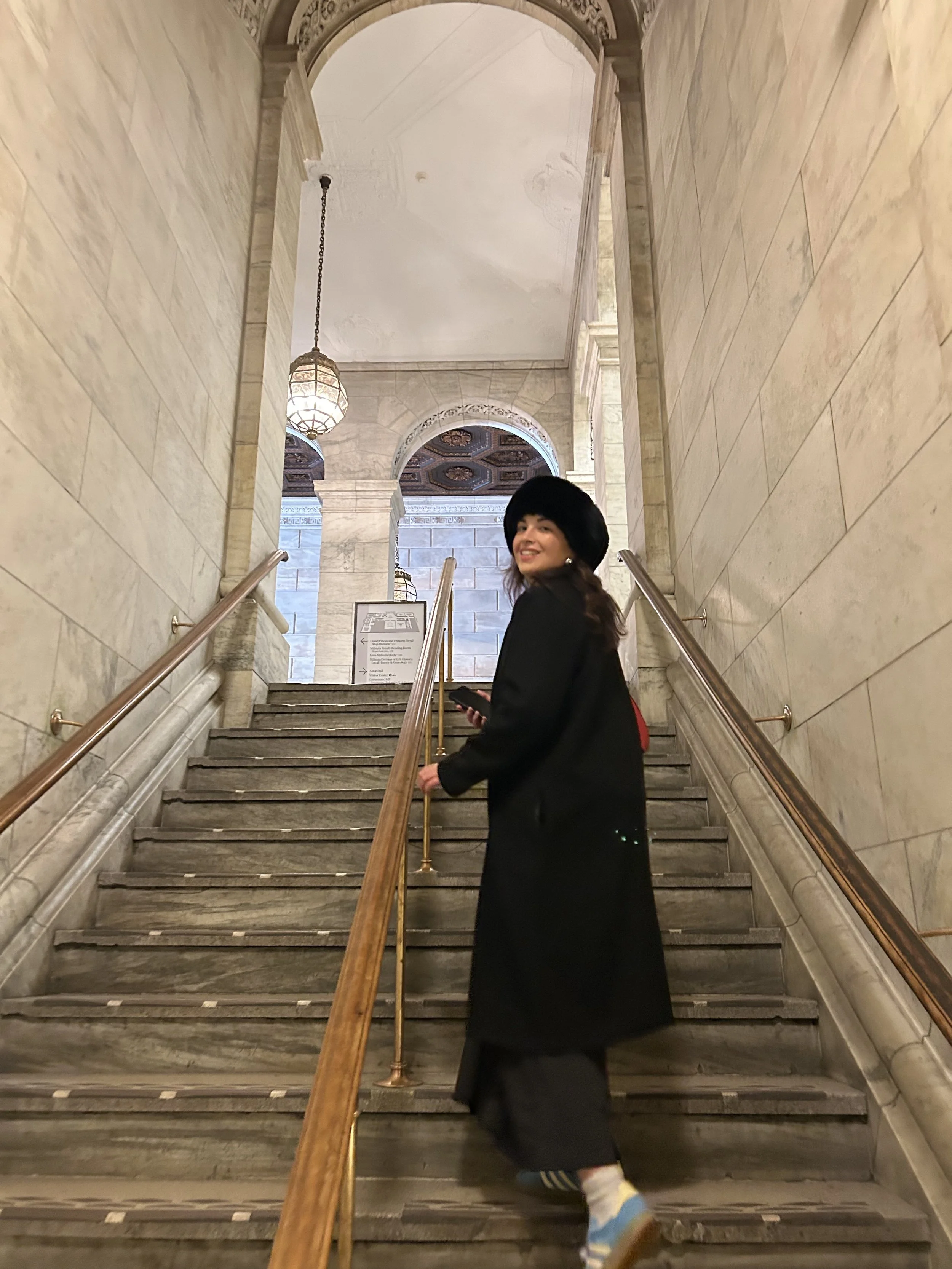
These outfits weren’t planned as individual looks. They came together through repetition over several days. Getting dressed meant returning to the same pieces and seeing how they worked across different moments, morning walks, museum visits, long afternoons outside, evenings with friends.
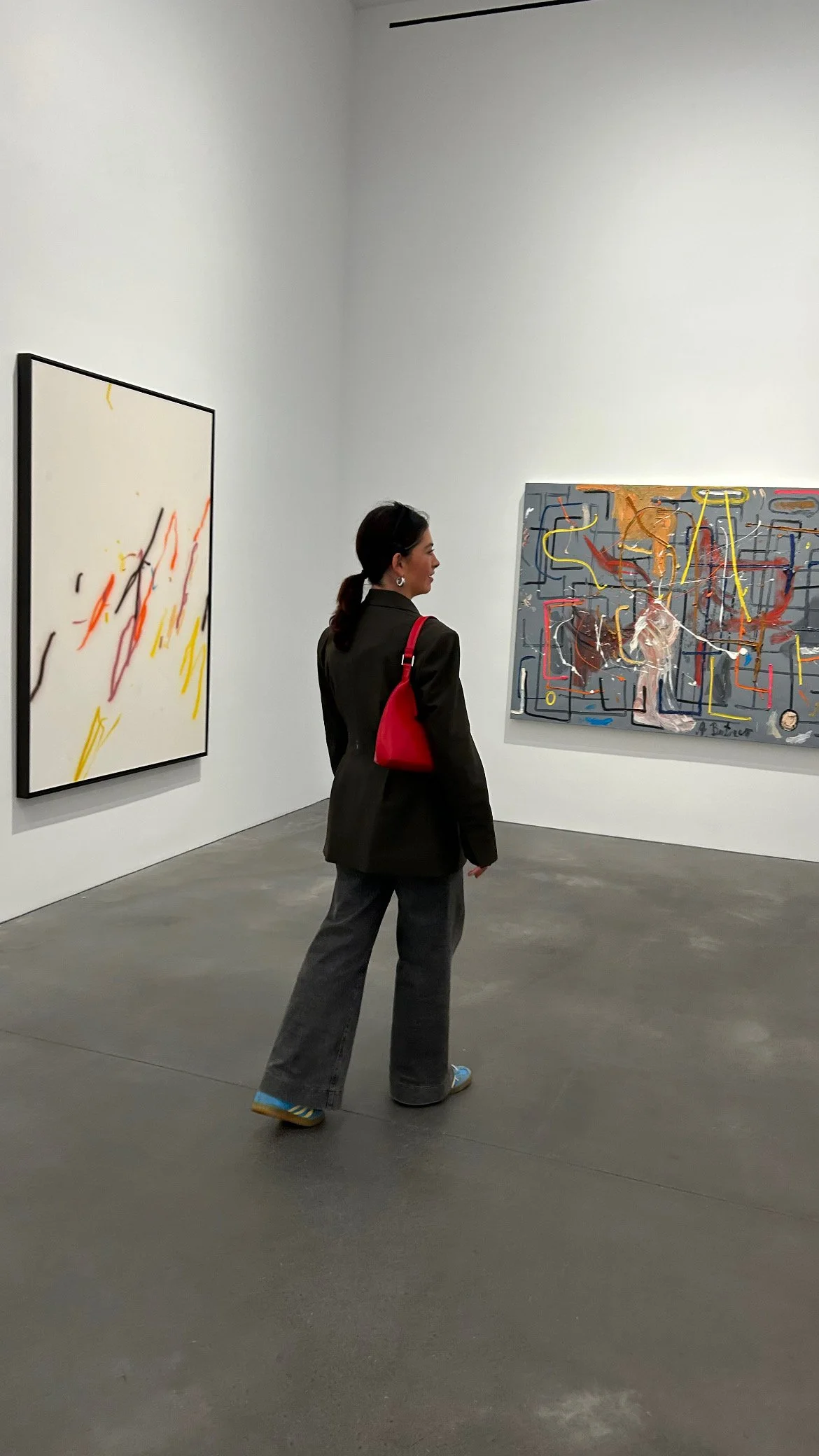
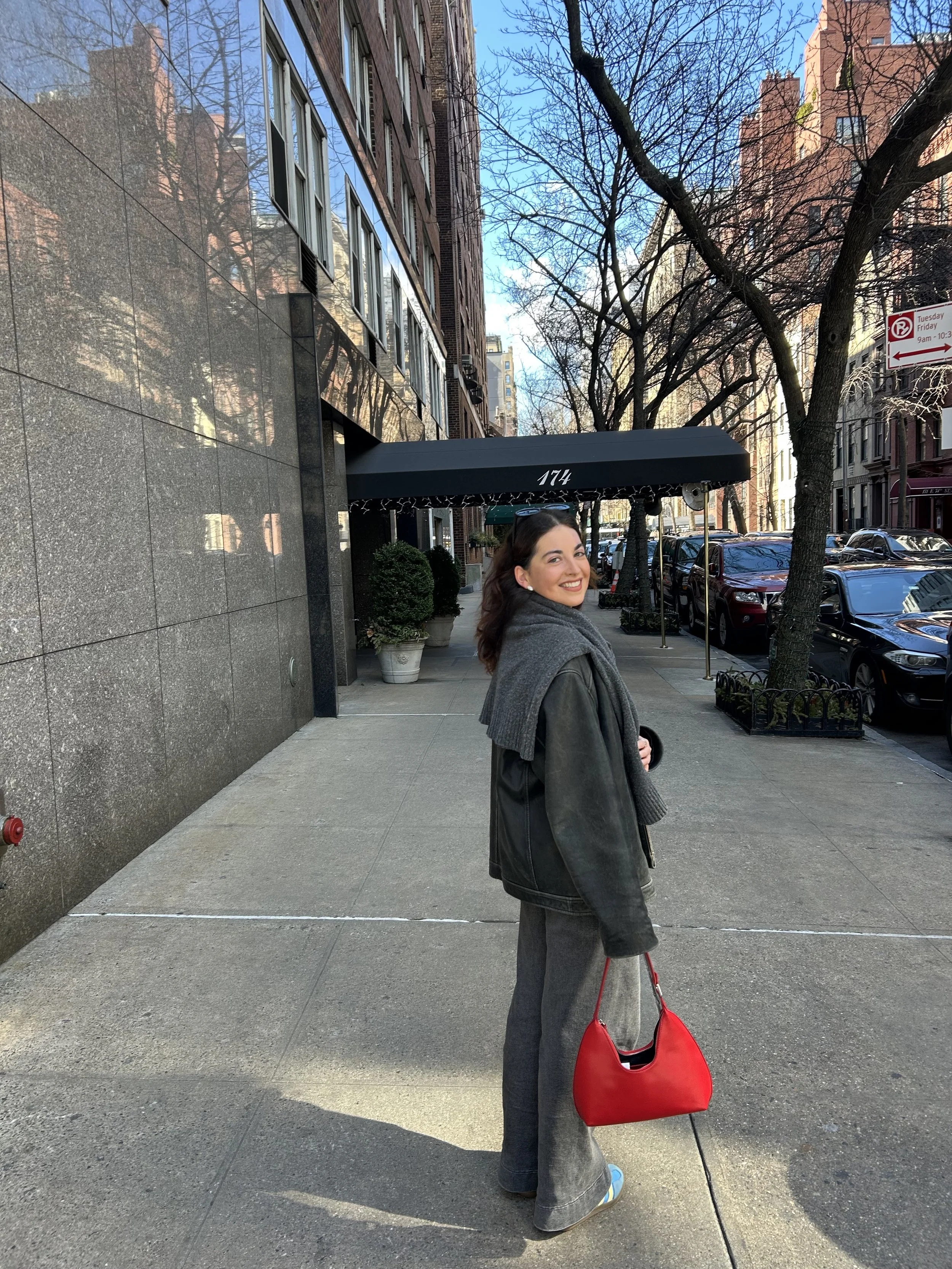
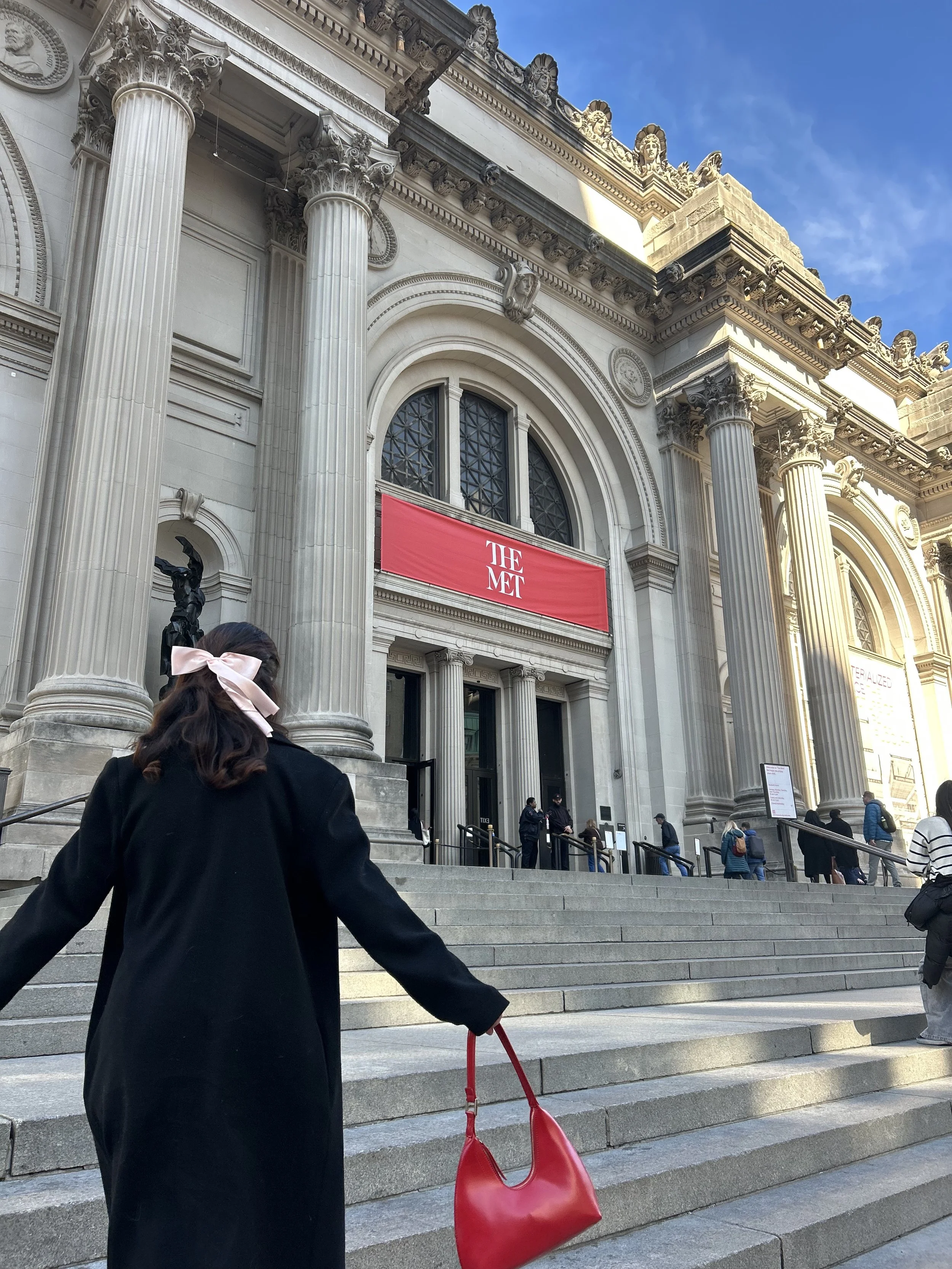
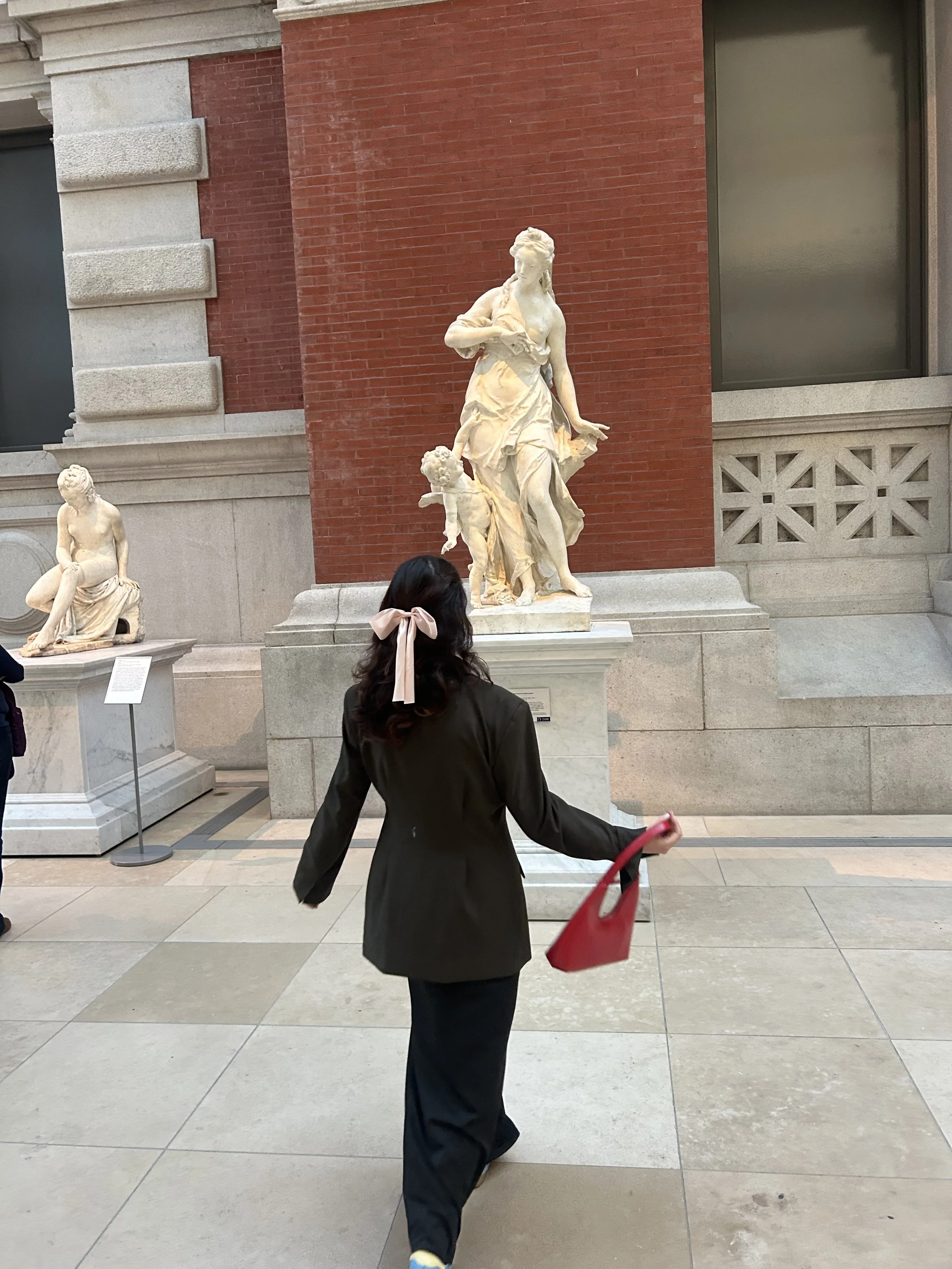
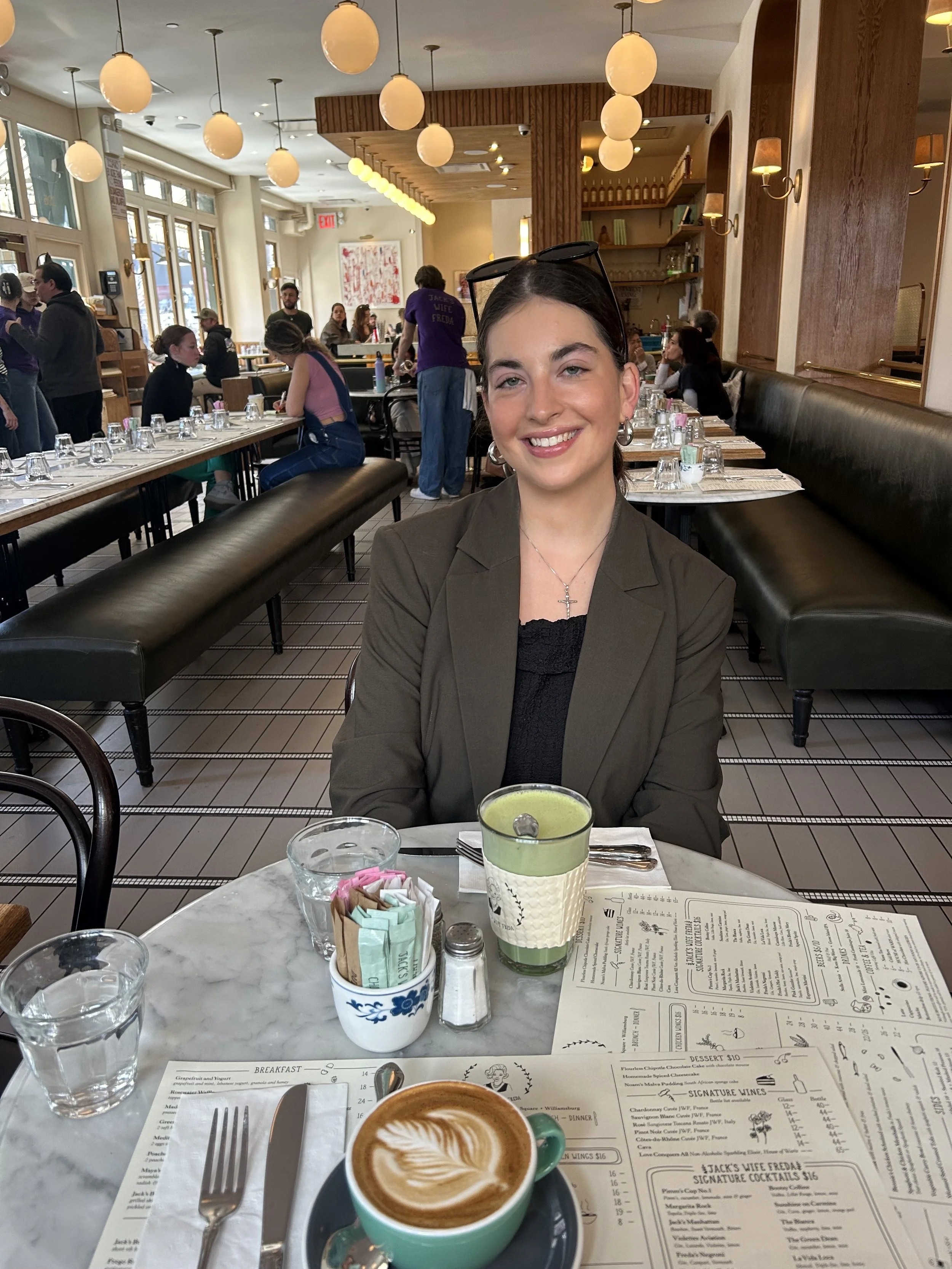
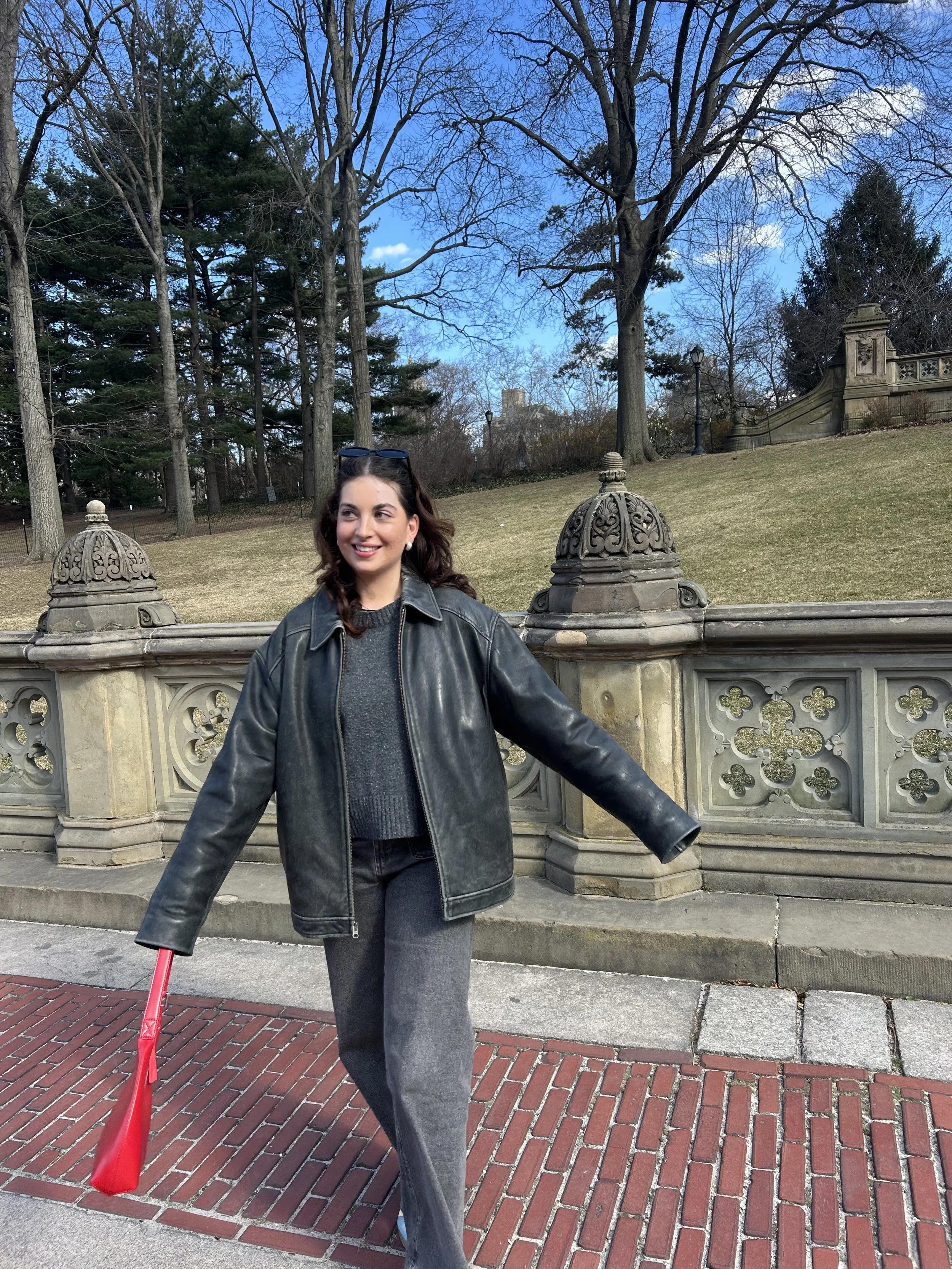
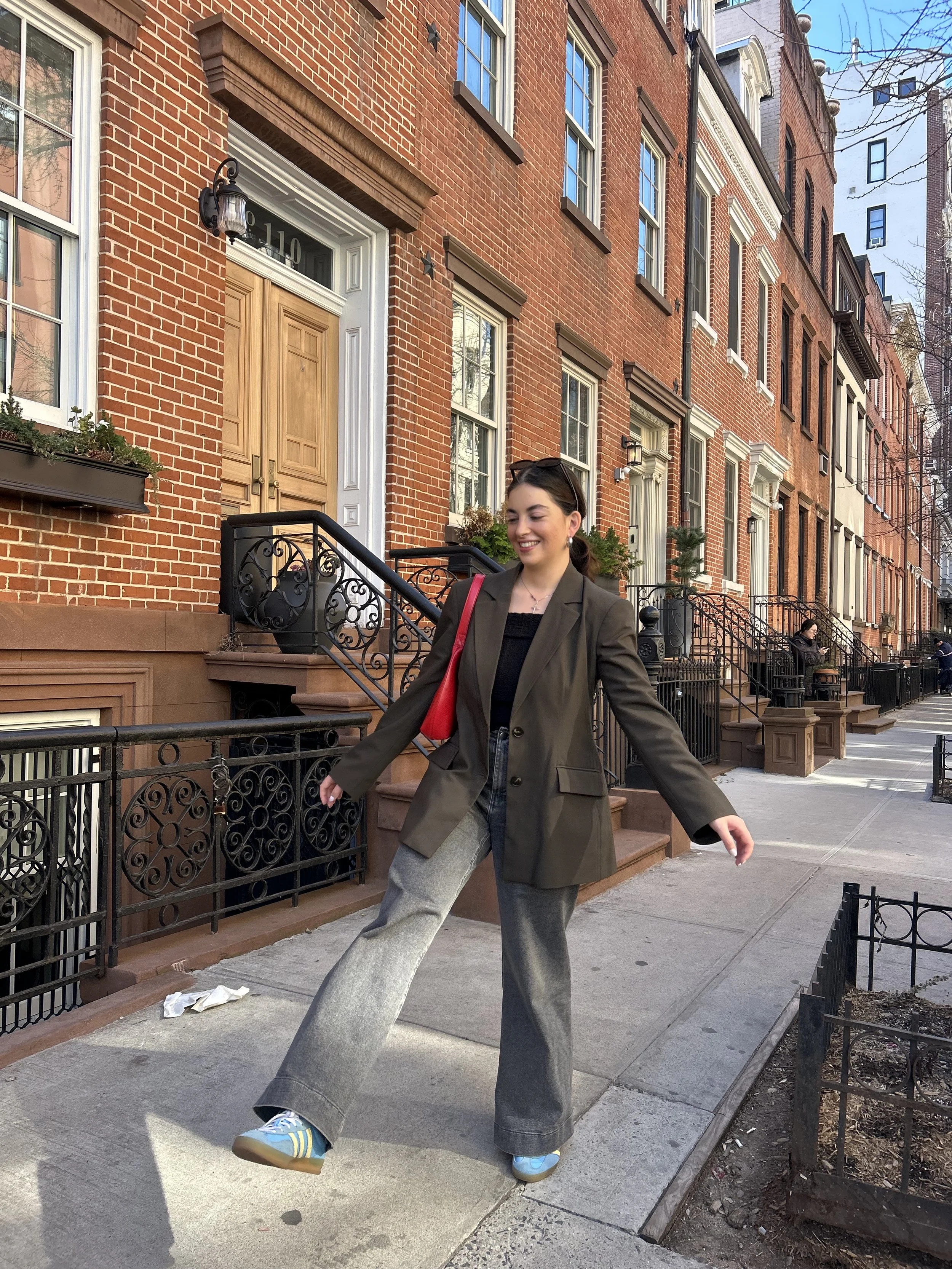
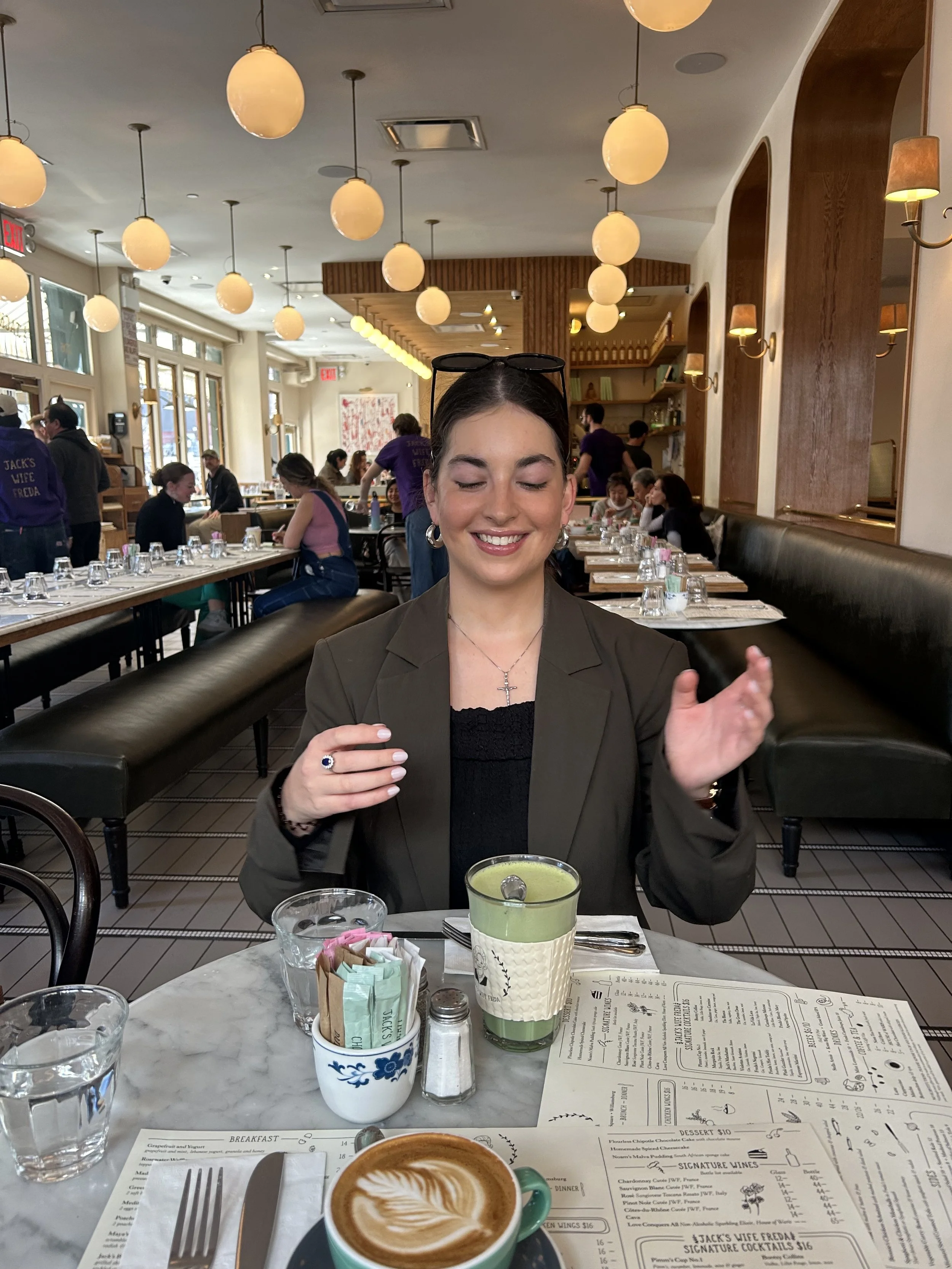
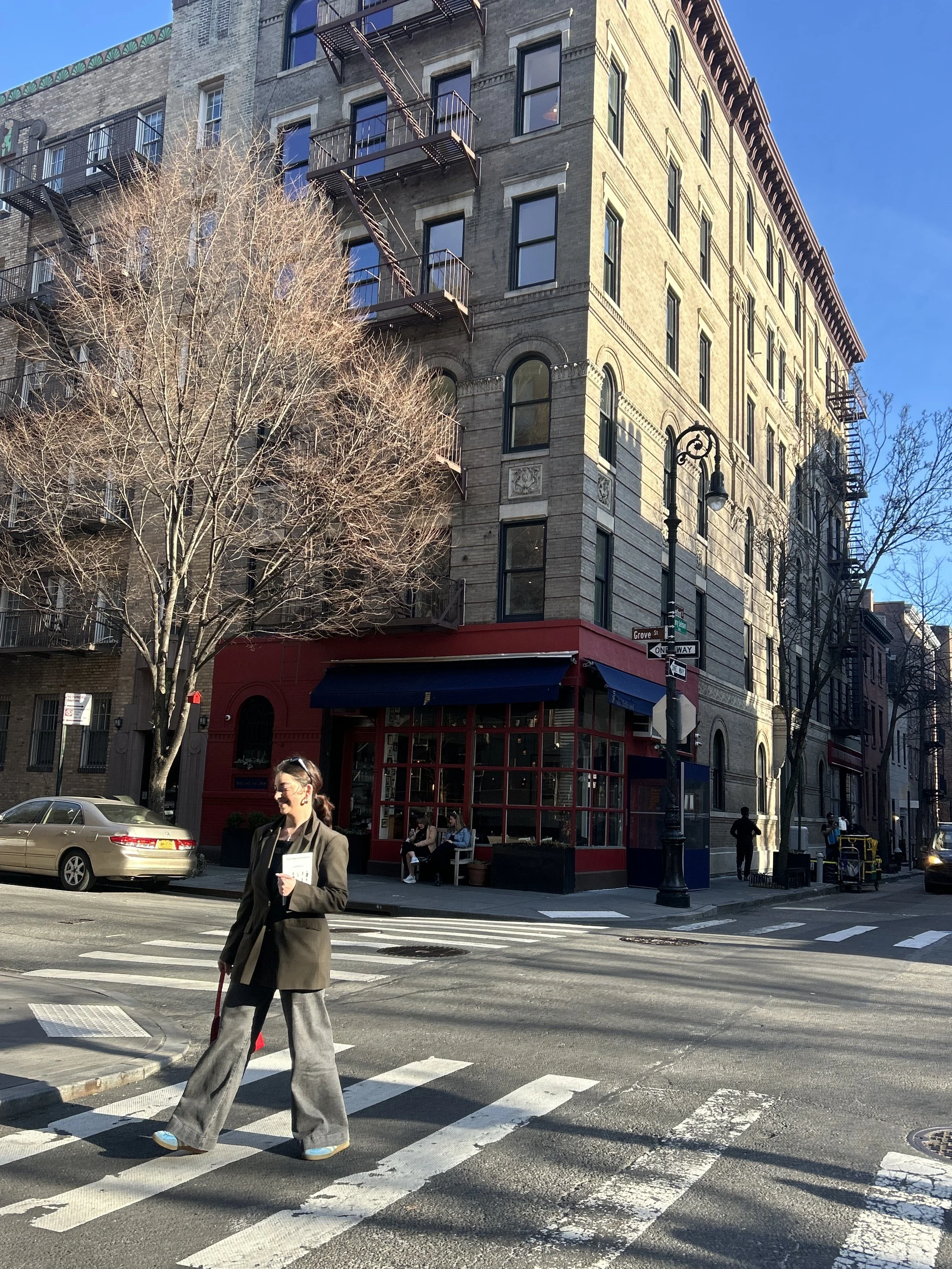
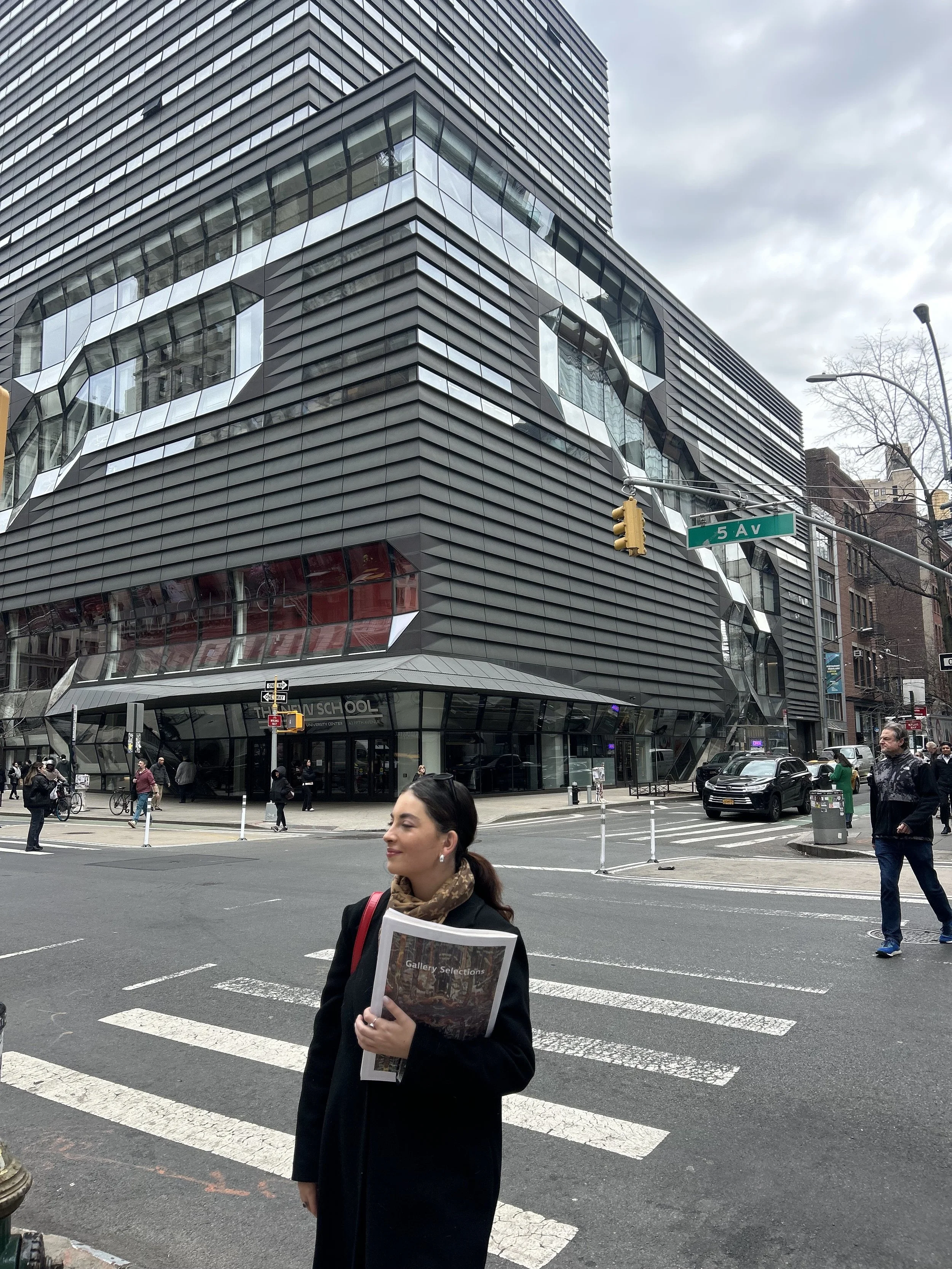
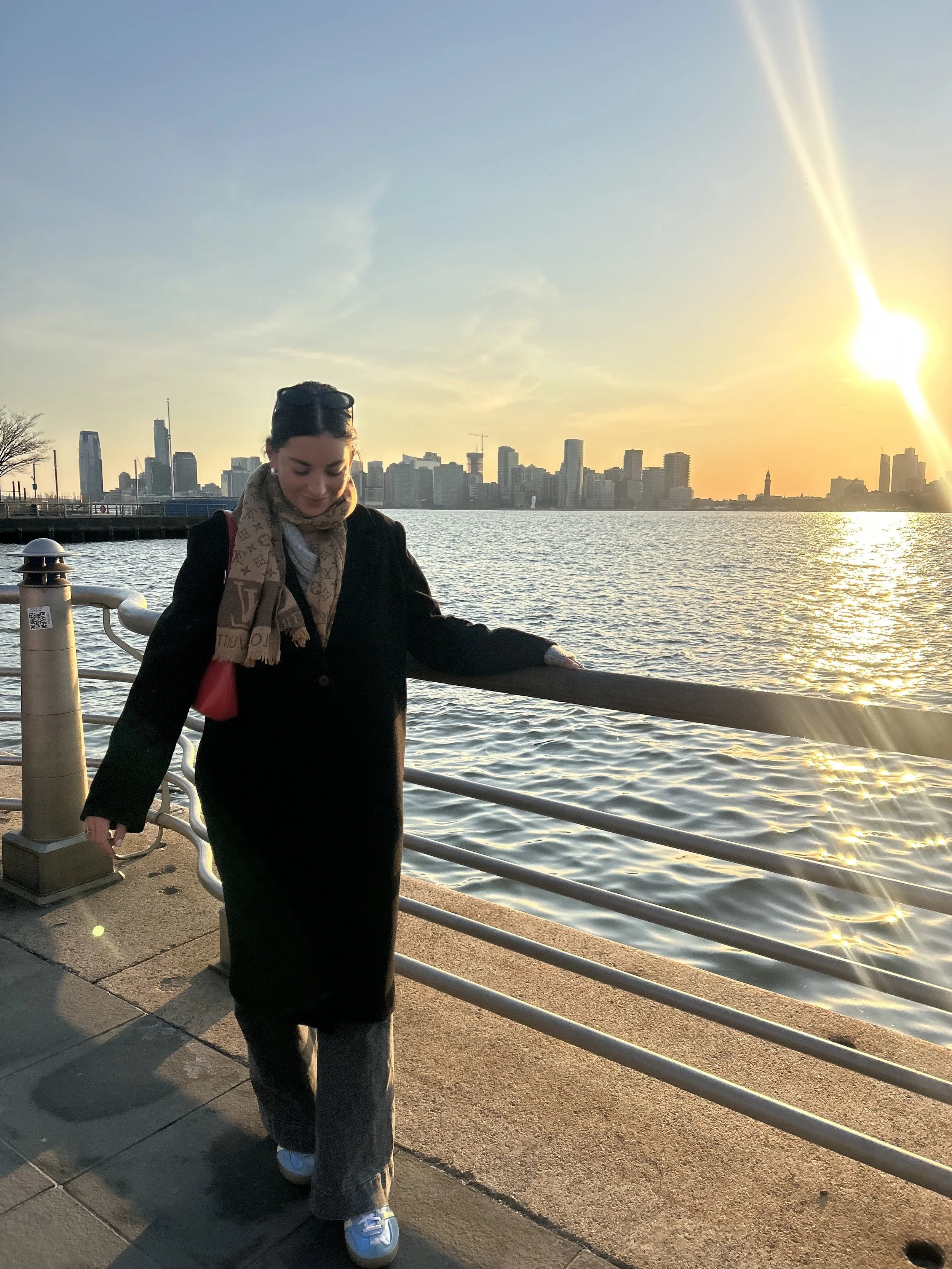
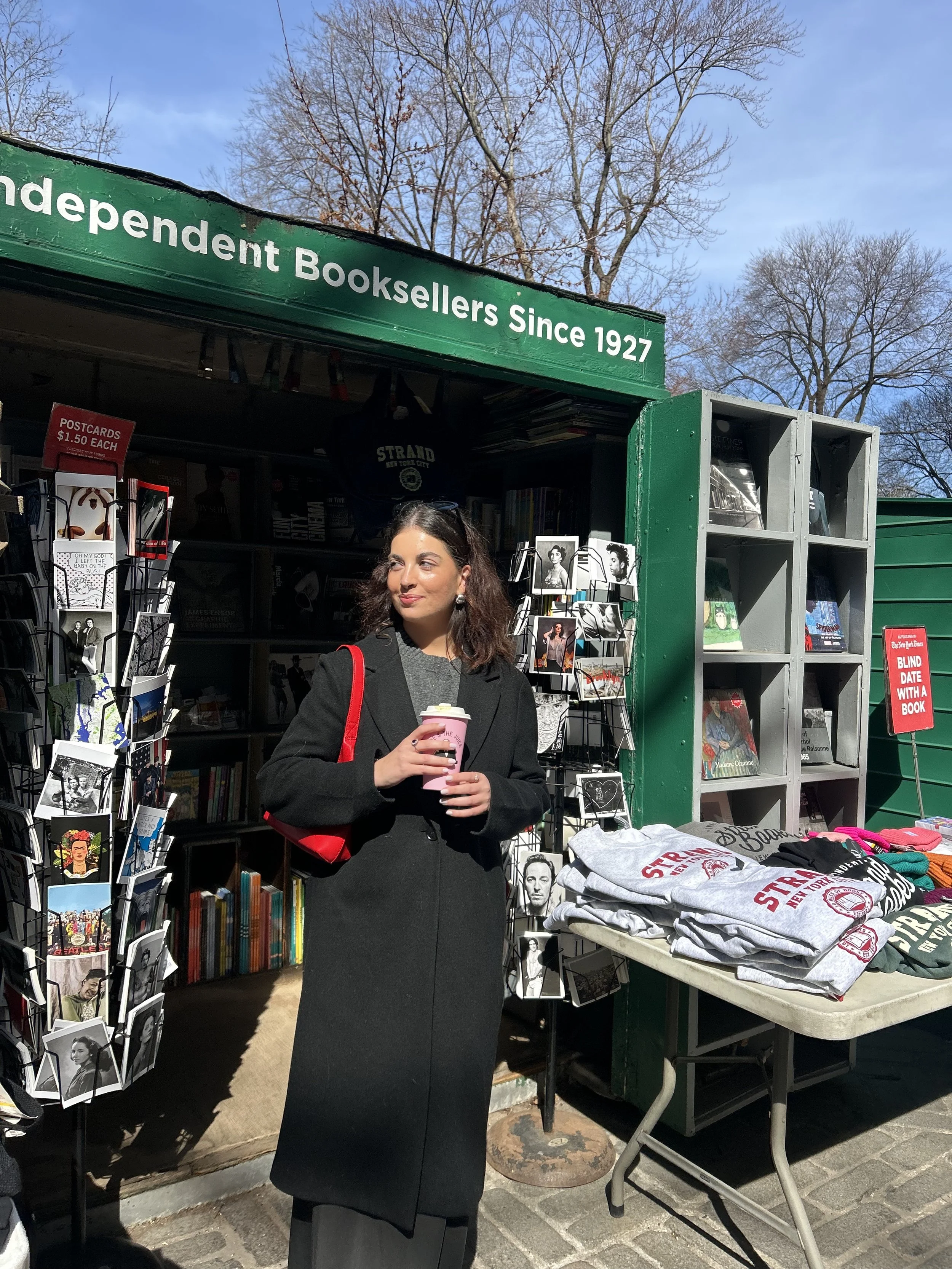
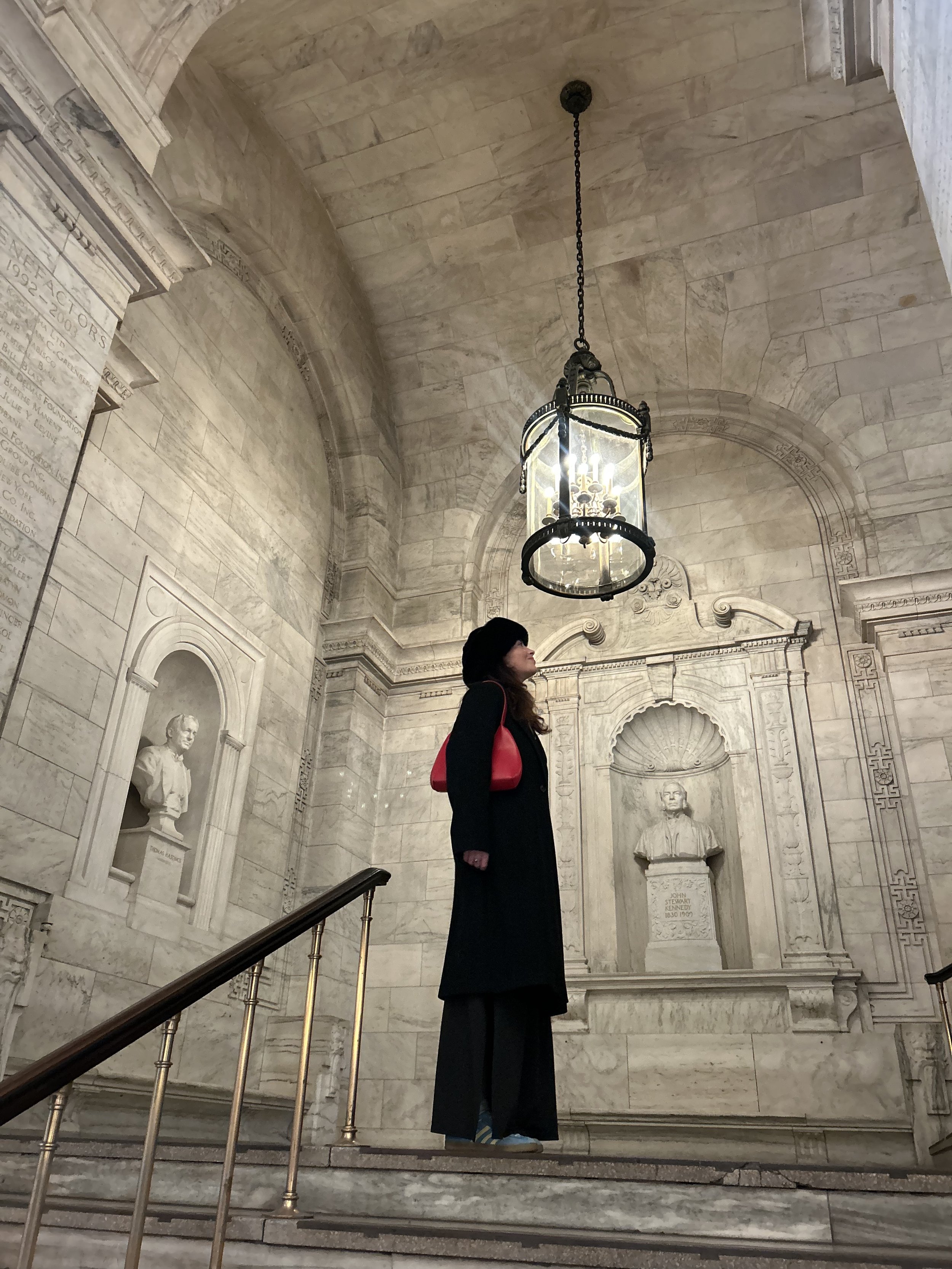
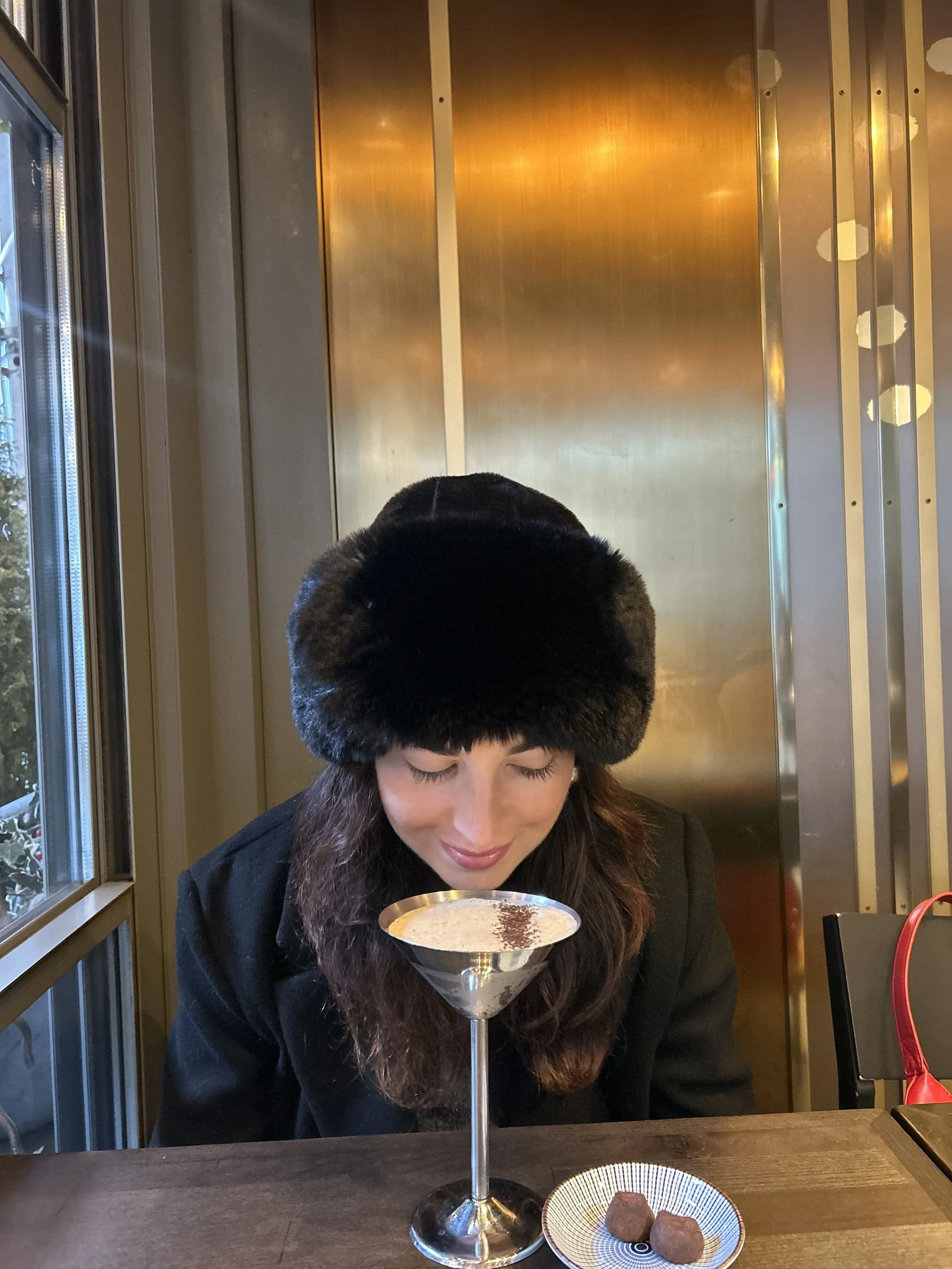
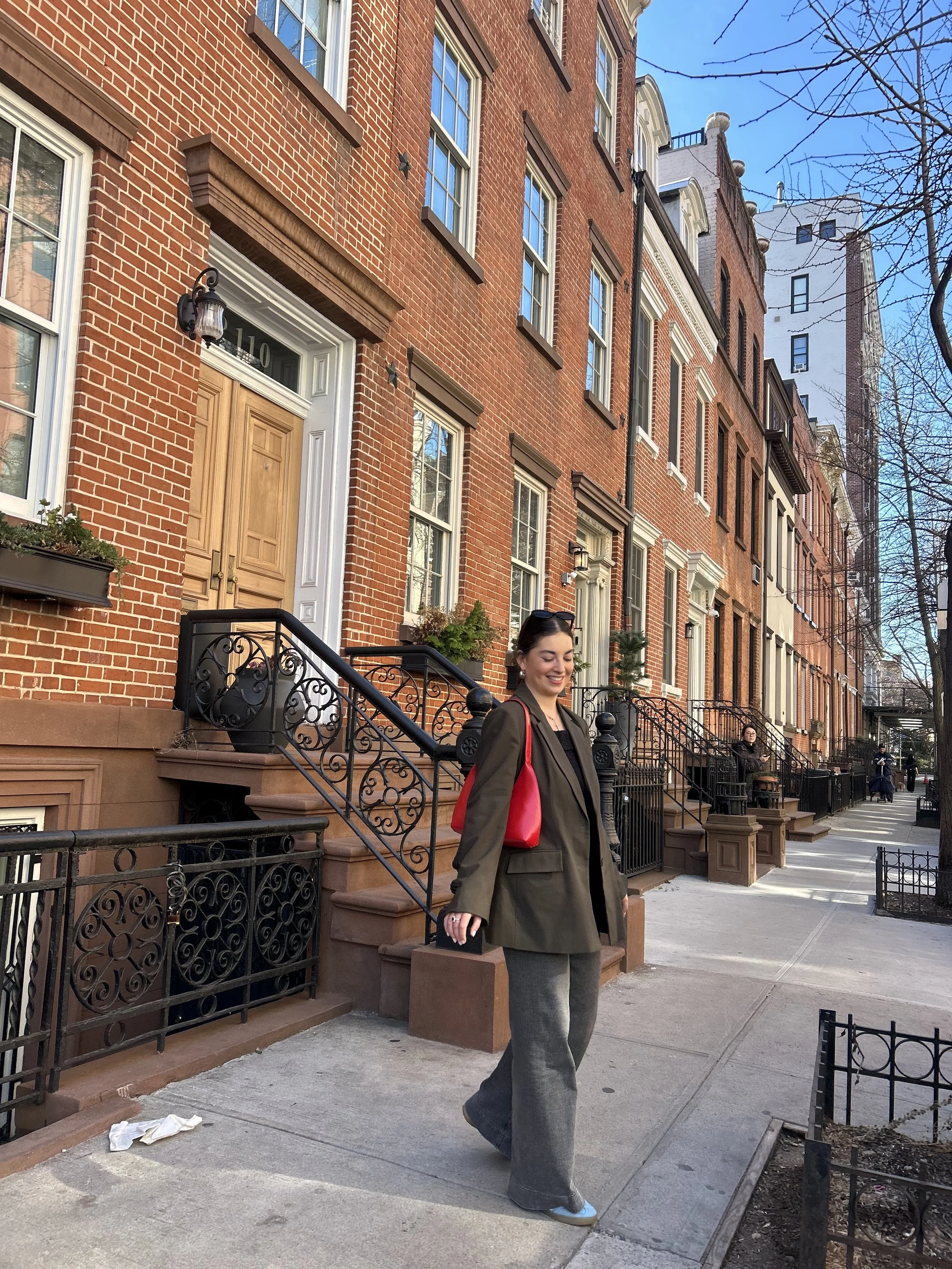
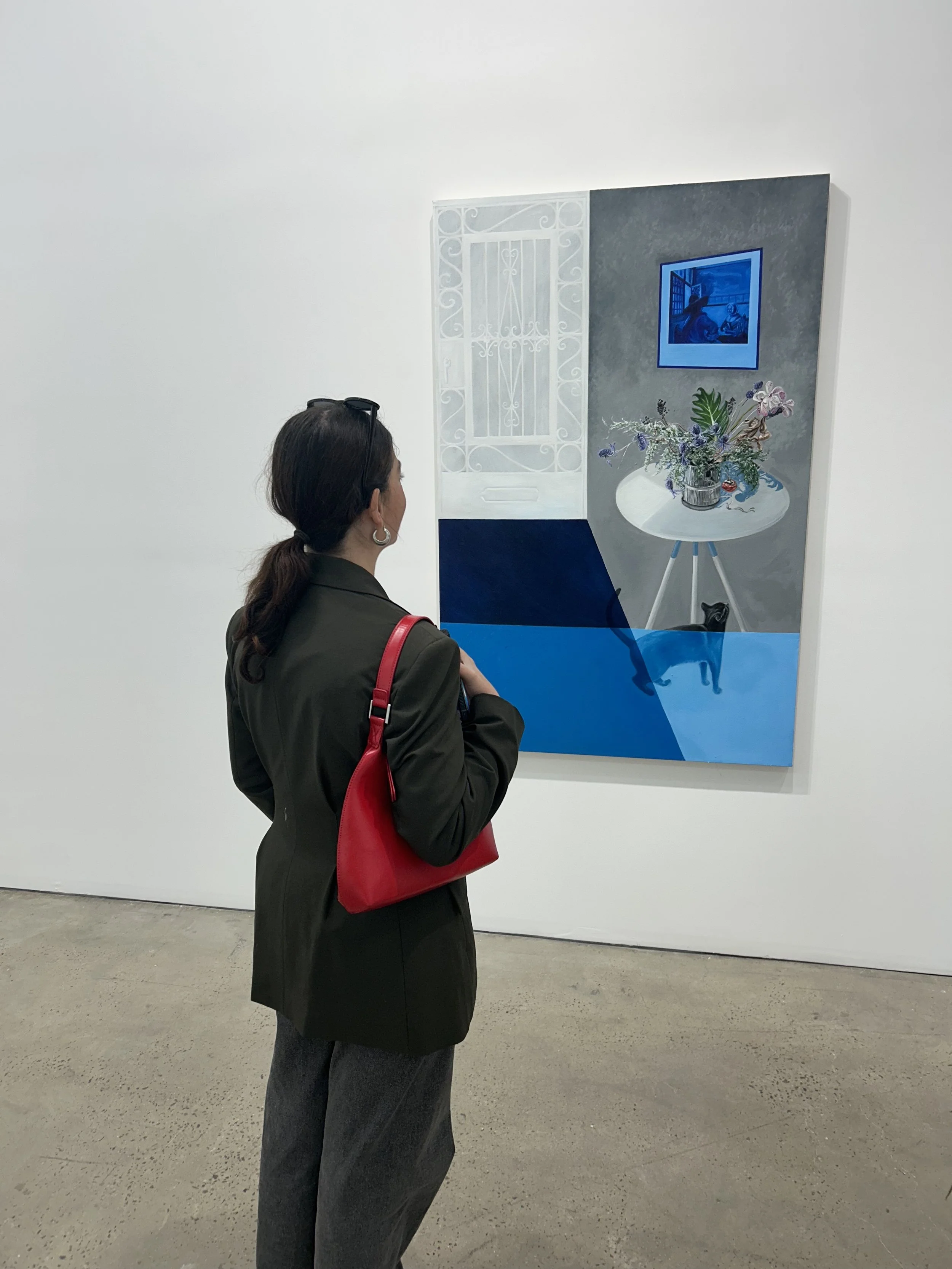
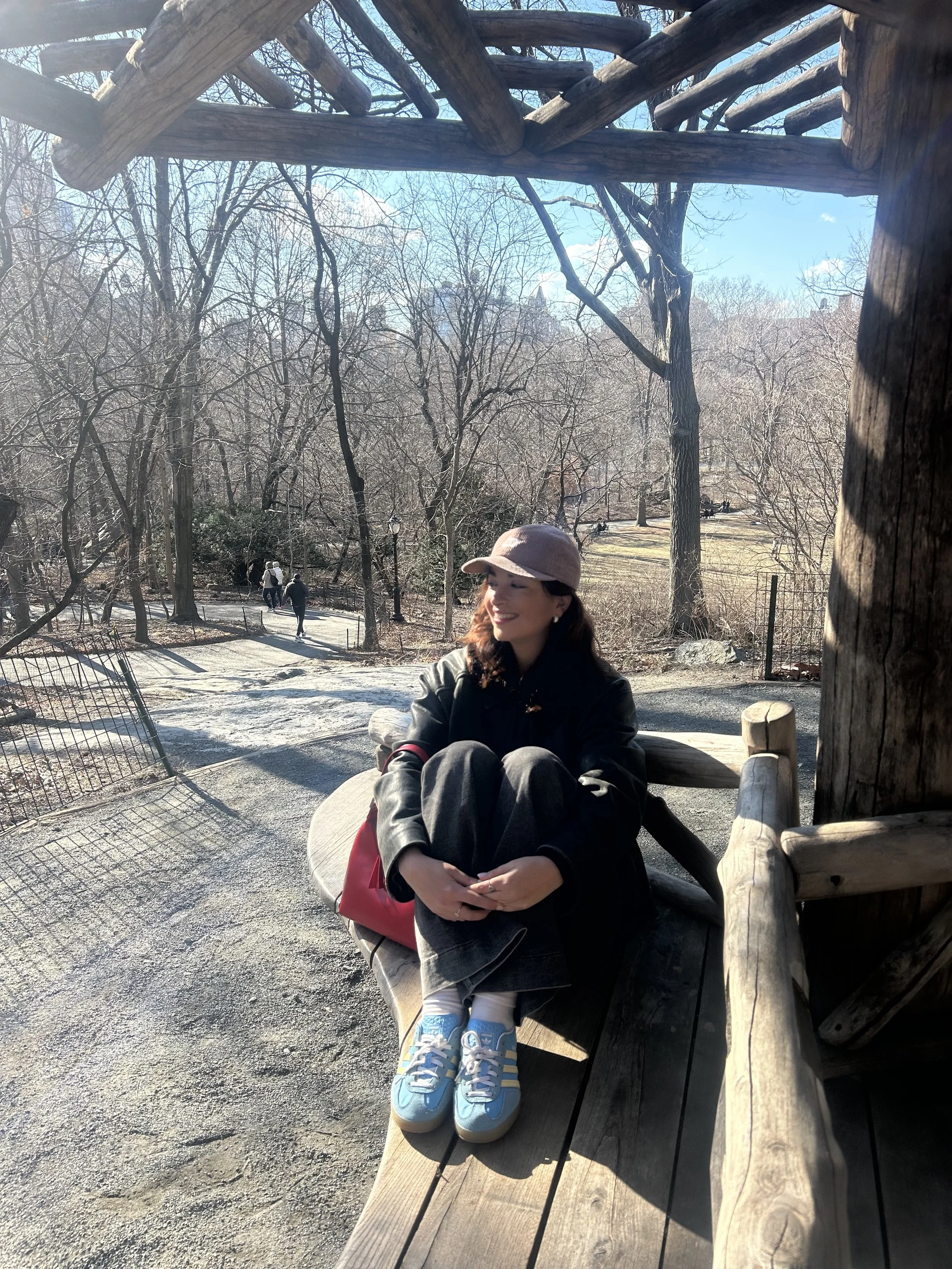
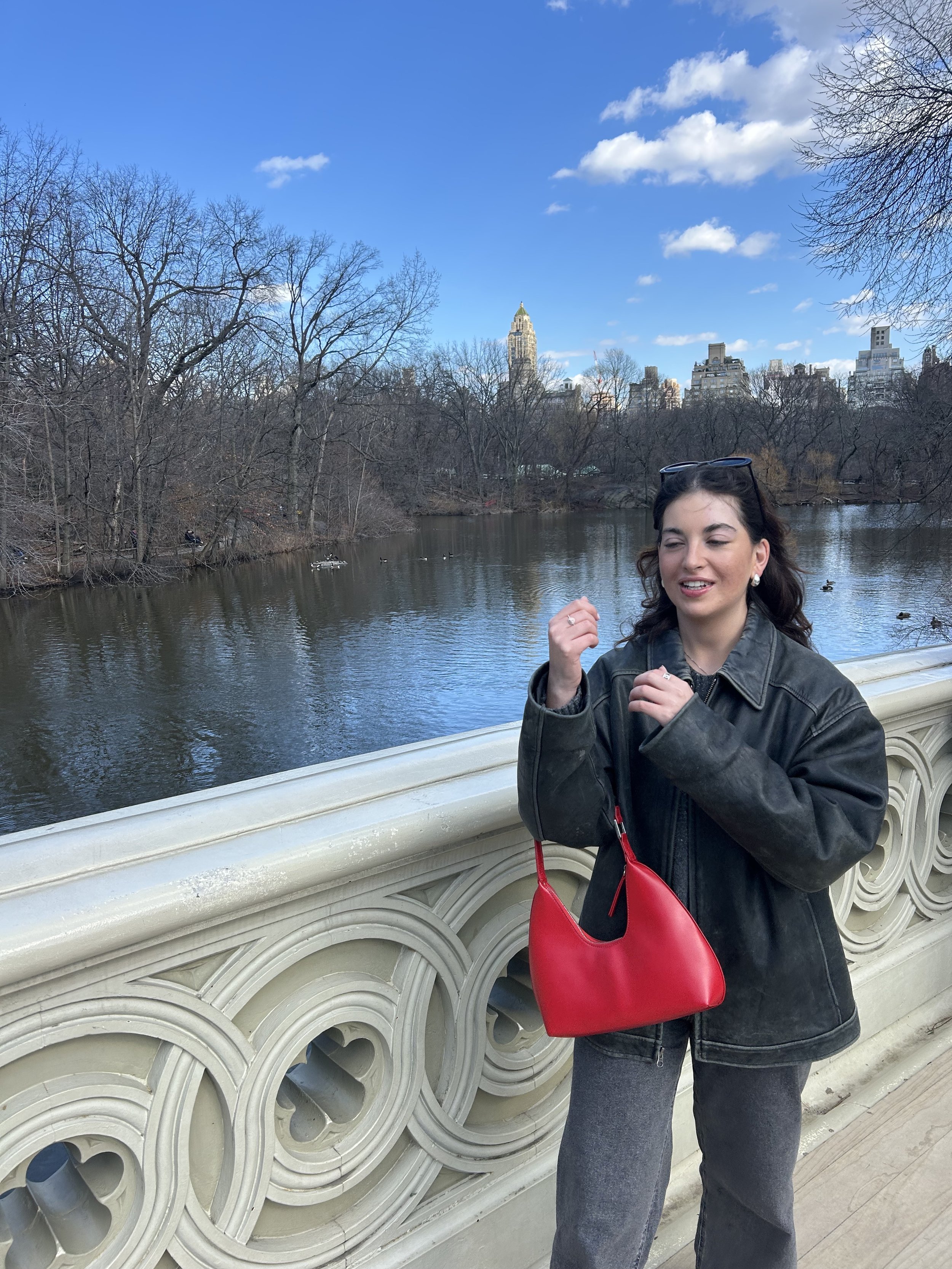
A long black coat became a constant. It was worn on colder mornings and during long walks, layered over simple bases and kept on for hours without needing adjustment. When the weather softened, a black leather jacket replaced it, lighter, easier, better suited to moving through the city. A blazer appeared across several days as well, worn both indoors and outdoors, especially in moments when coats came on and off.
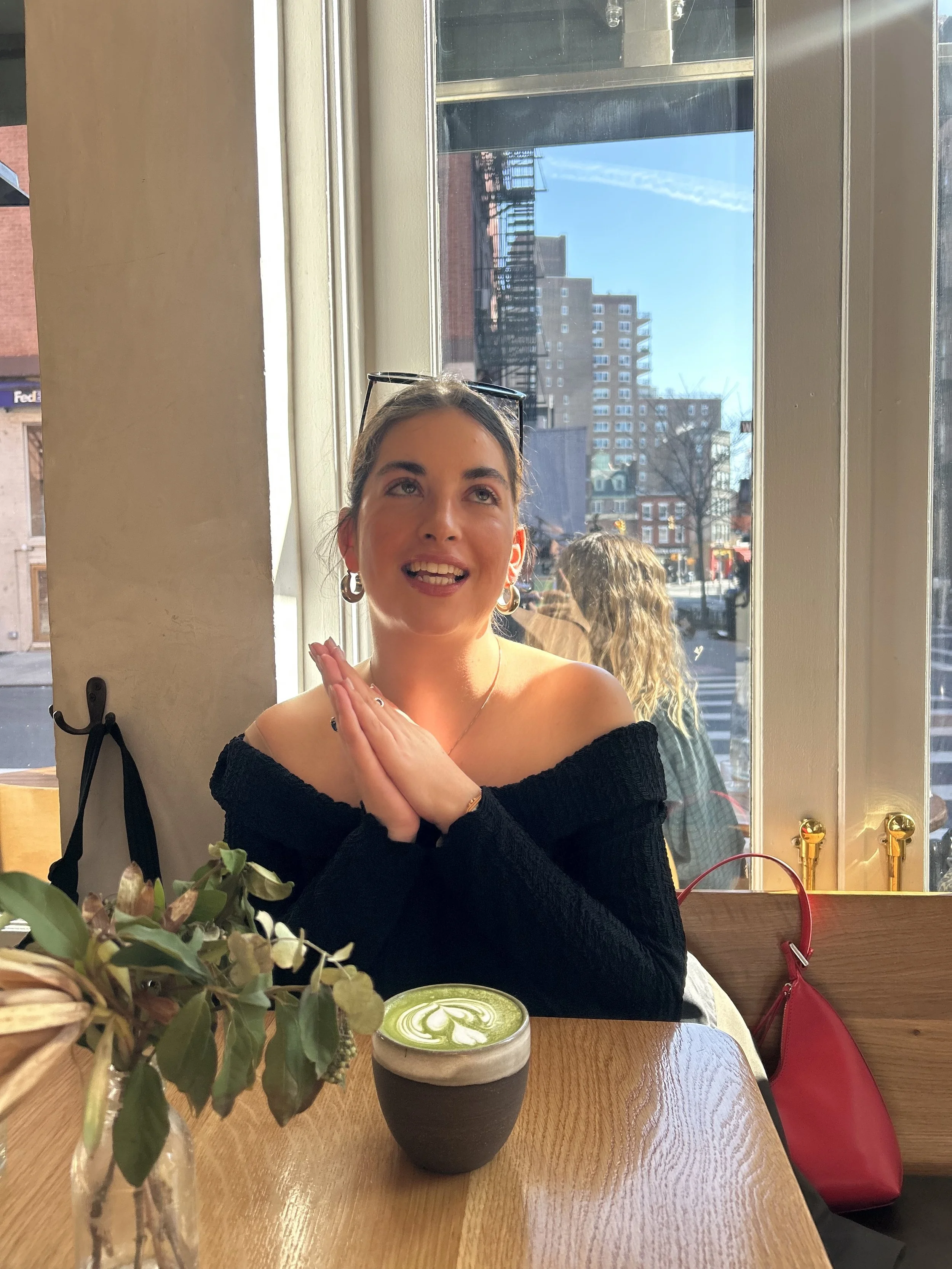
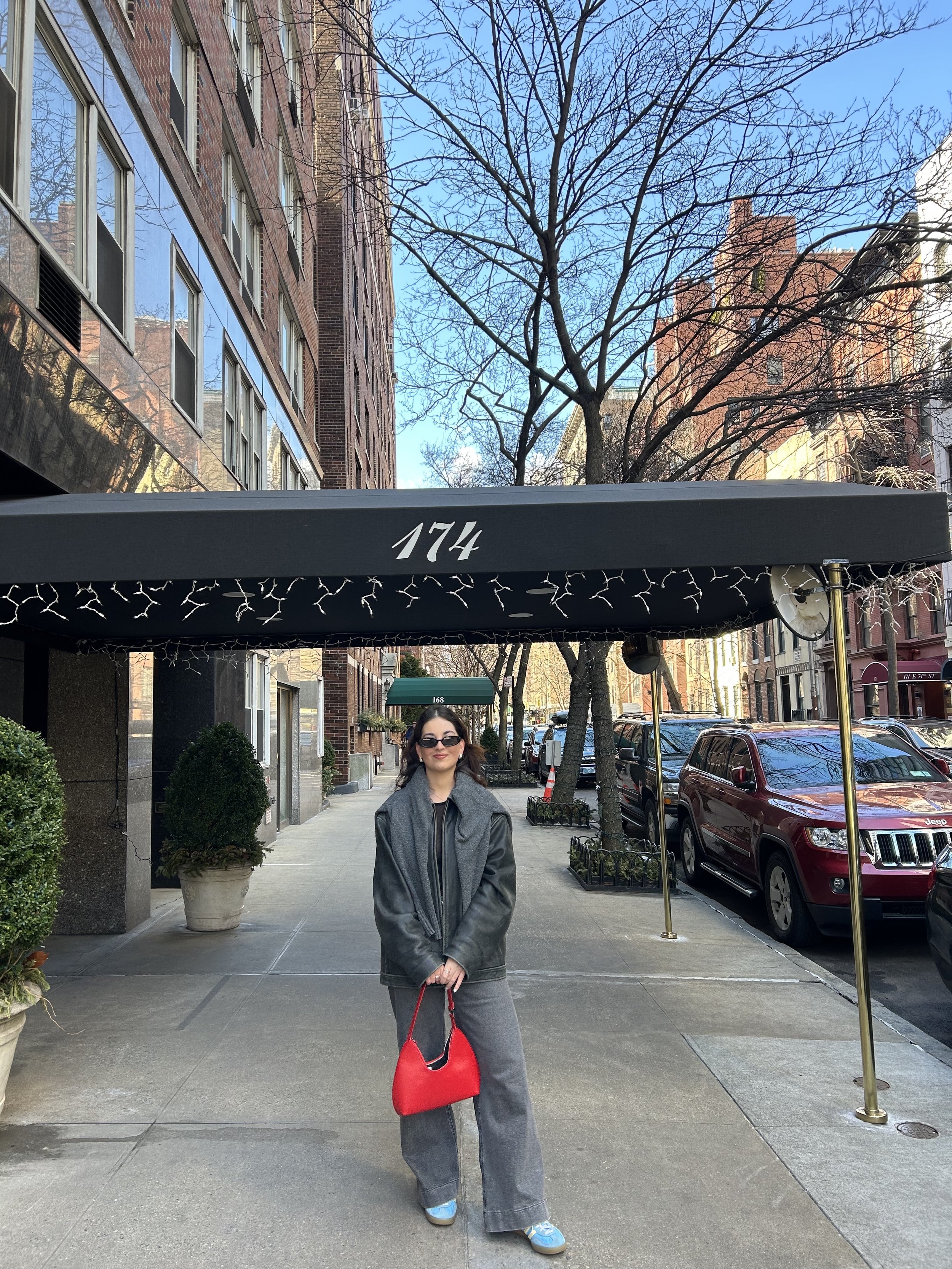
The base stayed the same: jeans and black layers, repeated with little variation. There was ease in not rebuilding outfits each day. Wearing the same pieces again and again allowed them to settle into the rhythm of the trip.
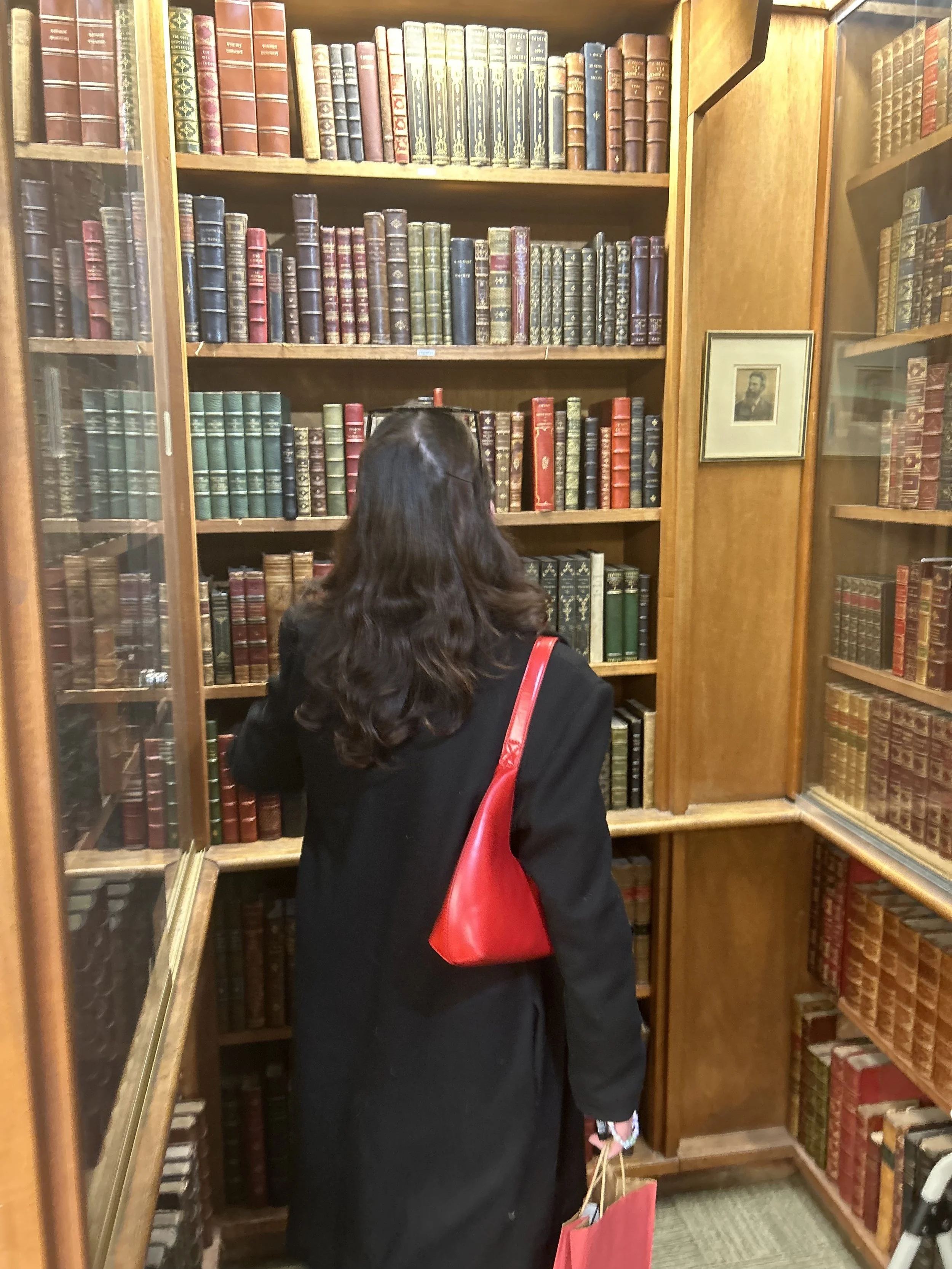
One item stayed present throughout nearly every day: a red bag. It was carried from morning to night, across streets, museums, cafés, and dinners. Against the darker palette, it remained visible and familiar, not as a statement, but as something steady. Over time, it became the one constant as places and plans changed.
A Louis Vuitton scarf added warmth when needed, especially in colder hours. Like everything else, it was used rather than styled, put on when practical, taken off when not. Small details shifted quietly: a ribbon tied into the hair, how layers were combined, whether a coat stayed open or closed. These choices followed the day, not the idea of creating a new look.
Late March in New York asks for flexibility. Temperatures change, plans stretch, and days move easily between indoors and outdoors. Dressing this way felt right ,clothes that could adapt, stay consistent, and move without effort.
What mattered wasn’t each outfit on its own, but how the same pieces carried through the days. Repetition allowed the clothes to become part of the experience, worn into the city rather than arranged around it.